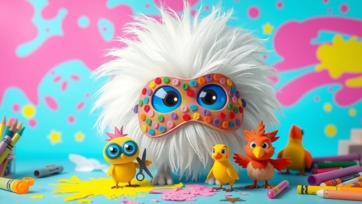
Non-Violent Cartoons Parents Can Trust

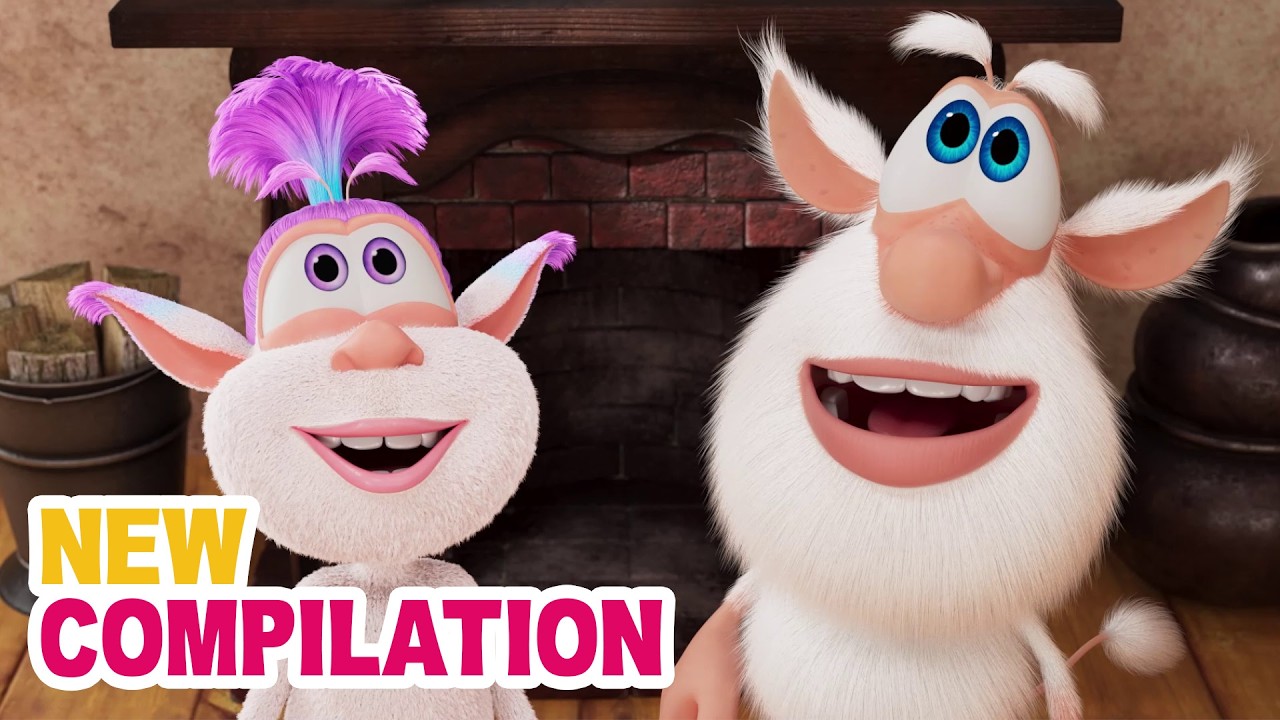
In today’s digital age, parents are often concerned about the content their children watch. Non-violent cartoons provide safe entertainment, while teaching values, problem-solving, and social skills. These shows are fun, engaging, and educational, without exposing children to aggression or inappropriate behavior.

This guide highlights non-violent cartoons suitable for children aged 2–8 and explains why they are trusted by parents.


Why Non-Violent Cartoons Matter:

  • Safety First: Ensures children aren’t exposed to aggression, scary scenes, or unsafe behavior.

  • Emotional Well-Being: Promotes positive behavior, empathy, and kindness.

  • Learning Through Fun: Many shows teach numbers, colors, social skills, and creativity.

  • Age-Appropriate Humor: Keeps children engaged without confusing or frightening content.

  • Interactive Opportunities: Encourages role-play, drawing, and imaginative storytelling.


Top Non-Violent Cartoons Parents Can Trust:

1. Playful Creature Adventures

  • Bright, expressive characters exploring fun worlds.

  • Teaches problem-solving, creativity, and cooperation.

2. Tiny Tales Universe

  • Short, entertaining episodes for toddlers and preschoolers.

  • Promotes learning through humor, songs, and storytelling.

3. Fuzzy Friends Academy

  • A group of playful friends solving challenges together.

  • Encourages teamwork, sharing, and imaginative play.

4. Giggle Garden Explorers

  • Outdoor adventures with creative problem-solving scenarios.

  • Introduces nature, observation, and exploration in a safe environment.

5. Happy Helpers Club

  • Characters help each other while having fun.

  • Teaches empathy, responsibility, and cooperative skills.


Tips for Parents:

  1. Pre-Select Shows: Ensure content is age-appropriate and non-violent.

  2. Co-View and Engage: Discuss episodes to reinforce lessons and moral values.

  3. Encourage Creativity: Let children draw or role-play their favorite scenes.

  4. Set Screen Time Limits: Balance viewing with outdoor play, reading, and crafts.

  5. Praise Positive Behavior: Highlight lessons learned and model kindness and cooperation.


Benefits of Non-Violent Cartoons:

  • Cognitive Development: Enhances observation, memory, and problem-solving skills.

  • Social Skills: Encourages sharing, empathy, and collaboration.

  • Creativity: Inspires drawing, storytelling, and imaginative play.

  • Emotional Intelligence: Helps children understand emotions and moral lessons.

  • Safe Entertainment: Provides fun without exposing children to aggressive content or negative behavior.


Final Thoughts:

Non-violent cartoons are a safe, entertaining, and educational option for children. By selecting trusted shows with playful, expressive characters, parents can foster creativity, social-emotional skills, and cognitive growth while keeping screen time enjoyable and safe.


Advertisement
Top 20 Fun Facts About Cartoons Kids Will Enjoy
Get ready for a behind-the-scenes peek into the colorful, wacky, and amazing world of cartoons! These fun facts will make you see your favorite shows in a whole new way. 1. The First Cartoon Star Was a Dinosaur : Before Mickey Mouse, there was Gertie! Gertie the Dinosaur, made in 1914, was one of the very first cartoon characters with a real personality. She could listen to commands and even cried when scolded! 2. Cartoon Characters Often Have 4 Fingers : Look at the hands of Mickey Mouse, Homer Simpson, or SpongeBob SquarePants. Many are drawn with only four fingers (three fingers and a thumb). It’s a tradition from old animation because it’s faster to draw and looks just as good on screen! 3. Some Cartoons Are Made from Thousands of Drawings : A one-minute scene in a hand-drawn cartoon can need over 1,400 separate drawings! That’s why big teams of artists work together to bring your favorite half-hour show to life. 4. Voice Actors Often Record Alone : You might think the actors who play best friends in a cartoon record together, but they usually record their lines alone in a sound booth, talking to a microphone. Later, editors mix their voices to make it sound like a conversation! 5. Cartoon Food is Often Made of Plastic or Glue : In stop-motion cartoons (like Wallace & Gromit), real food would wilt and look bad under hot lights. So, chefs and artists make fake food from colored glue, cotton balls, or plastic that looks delicious on camera. 6. Bugs Bunny’s Famous Line Was a Mistake : When Bugs Bunny first said, “What’s up, Doc?” in 1940, the animator just put in a silly line. It was so funny that it became his catchphrase forever! 7. SpongeBob’s Laugh is a Real Sea Creature : That iconic, silly laugh of SpongeBob SquarePants? The sound editor, Tom Kenny (who also voices SpongeBob), actually made that sound by recording a dolphin's chatter and then editing it to sound even goofier! 8. Many Cartoon Towns Are Based on Real Places : The town in Scooby-Doo looks a lot like a California beach city. The Simpsons’ Springfield is a mix of many small American towns. Animators often use real places for inspiration. 9. “Steamboat Willie” Wasn’t Mickey’s First Cartoon : Steamboat Willie (1928) is famous as Mickey Mouse’s debut, but two other Mickey cartoons were made first. Steamboat Willie was just the first one released to the public because it had synchronized sound, which was brand new and exciting! 10. Cartoon Characters Blink Slowly on Purpose : Animators make characters blink slowly and less often than real people. Why? Because blinking too much can make a character look nervous or shifty. A slow blink makes them seem more friendly and relatable. 11. Some Cartoons Use “Smear Frames” for Speed : When a character runs super fast, animators sometimes add a single, crazy-looking stretched-out drawing called a “smear frame.” You barely see it, but it tricks your brain into feeling the speed! 12. Winnie the Pooh’s Red Shirt Has a Funny Reason : In the original books, Winnie the Pooh was naked! He got his famous red shirt when he was animated because the filmmakers thought a completely naked bear might look odd on screen. 13. Cartoon Sound Effects Come from Weird Places : That “boing” sound of a spring? It’s often a real metal slinky. The sound of a sword being pulled out? It’s actually two metal plates being rubbed together in a studio. Sound artists are very creative! 14. The First Full-Color Cartoon Was About Flowers : Flowers and Trees, made by Disney in 1932, was the first cartoon in full Technicolor. It won the very first Academy Award for Best Cartoon! 15. Cartoon Dogs Often Have the Same Voice Actor : A man named Frank Welker has voiced hundreds of cartoon animals! He’s the voice of Scooby-Doo’s laugh and bark, Fred Jones’s dog in Scooby-Doo, Abu in Aladdin, and Curious George. He’s a master of funny animal sounds! 16. Animators Study Real-Life Movements : To make cartoon movements look real (even in silly ways), animators often watch videos of people and animals or even act out scenes themselves in front of a mirror. It’s part of their homework! 17. Some Cartoons Are Controlled by Math : In computer animation, things like how hair blows in the wind, how water splashes, or how a crowd moves are often created using special math formulas and physics simulations inside the computer. It’s like a super-smart video game engine! 18. The Longest-Running Cartoon is… : The Simpsons! It first started in 1989 and is still making new episodes. It holds the world record for the longest-running primetime animated TV show. 19. Early Cartoons Were Shown in Movie Theaters : Before TV, people went to the movie theater to watch the news, a main movie, AND a brand-new cartoon short! Cartoons like Tom and Jerry and Looney Tunes were made for the big screen. 20. You Can See Hidden Animators in Cartoons : Sometimes animators sneak their own names, or even drawings of themselves, into the background of a scene as a fun Easter egg. Next time you watch, look carefully at signs in the background or crowd scenes! Conclusion: A World of Wonder and Hard Work : Cartoons are a magical mix of silly ideas, amazing art, clever technology, and a whole lot of hard work. Every frame, sound effect, and funny line is made with love by teams of creative people who want to make you smile. So the next time you watch, remember—you’re not just being entertained, you’re seeing a masterpiece of imagination in motion!
Themed Party Favors for Kids: A 2025 Guide to Fun, Simple & Memorable Gifts
Party favors are the final thank-you note, a small token of appreciation for sharing in the celebration. For a party inspired by gentle, curious characters, the best favors aren't just branded trinkets—they're useful, playful, and spark imagination long after the cake is gone. This 2025 guide offers creative, affordable, and low-waste favor ideas that capture a spirit of discovery and fun. The New Rules for Modern Party Favors : Move beyond plastic junk. Today's best favors are: Useful or Experiential: Something kids will actually use or enjoy doing. Low-Waste & Thoughtful: Minimal plastic, functional packaging. Interactive: Encourages play, creation, or discovery. Cohesive: Ties into the party theme without being overly commercial. Category 1: The "Create & Explore" Favor Bag (Ages 3-7) : Favors that are an activity in themselves. DIY "Curiosity" Play Dough Kit: The Idea: A small jar or clear bag of homemade blue play dough (non-toxic, scented with vanilla if desired). Attach a tag that says, "Shape Something Wonderful!" Include a couple of simple tools like a craft stick and a small cookie cutter in a basic shape (circle, star). Why It Works: It's sensory, creative, and the container becomes part of the play. It aligns perfectly with hands-on, tactile discovery. "Mystery Seed" Planting Pot: The Idea: A small terracotta pot painted a solid, cheerful blue (or wrapped in blue paper). Fill it with soil and bury a mystery seed packet for a fast-growing plant like beans, sunflowers, or basil. Tag: "Watch Curiosity Grow!" Why It Works: It's a living, growing favor that teaches patience and care. The "mystery" element adds excitement. "I Spy" Discovery Bottle: The Idea: A clear plastic bottle filled with rice or sand dyed blue, and a mix of small hidden treasures (a tiny plastic lightbulb, a question mark charm, a button, a bead). Hot glue the lid shut for safety. Attach a laminated list of items to find. Why It Works: It’s a calming, focus-building activity. Kids can shake and search for the hidden items again and again. Category 2: The "Useful Adventure Gear" Favors (Ages 5-10) : Items that will be used in everyday play. Personalized "Explorer" Water Bottle Strap: The Idea: A simple, adjustable nylon bottle strap (available in bulk online) customized with a wooden bead painted with two simple dot eyes. It instantly turns any water bottle into a sidekick for adventures. Why It Works: Incredibly practical for school, sports, and outings. The personalization makes it special. "Secret Message" Notepad & Decoder Pen: The Idea: A small, memo-sized notepad with a blue cover. Pair it with a "invisible ink" pen (UV pen that writes in clear ink, requiring the attached UV light to read). Tag: "For Your Top-Secret Discoveries." Why It Works: Combines writing practice with spy-game fun. The interactive element is a huge hit. "Build-Your-Own" Snack Mix & Container: The Idea: A reusable silicone pouch or small metal tin. Set up a snack mix station at the party with blue-tinted popcorn, yogurt-covered pretzels, chocolate chips, and cereal. Let each child fill their own container to take home. Why It Works: Edible, zero-waste, and involves the kids in the favor creation. The container is reusable. Category 3: The "Imagination & Play" Favors (All Ages) : Favors that fuel storytelling and pretend play. Storytelling Dice: The Idea: One or two large wooden dice with simple pictures drawn or glued on each face (a key, a door, a treasure chest, a surprised face, a foot, a question mark). Package in a small muslin bag. Why It Works: Encourages creative language and storytelling. A game that can be played alone or with friends. Character "Face" Bean Bag Toss Game: The Idea: A small favor bag containing three homemade bean bags (simple squares of blue fabric filled with rice or beans, sewn shut) and a paper plate with a face drawn on it (two big eyes and a smile). Kids can take it home and play a tossing game. Why It Works: It's an instant game. Promotes active play and motor skills. "Color Your Own" Canvas Pouch: The Idea: A plain, light-colored canvas drawstring pouch. Include a few fabric markers. Kids can decorate their own favor bag at the party or at home, making it a truly personal keepsake. Why It Works: The bag is the favor and the packaging. It’s functional for storing small toys later. The Presentation: Making it Special : How you package favors matters just as much as what's inside. Thematic Packaging: Use blue paper bags, boxes, or reusable fabric bags. Tie with a simple white or black ribbon. Simple, Clever Tags: Instead of just the guest's name, use tags with phrases like: "Thanks for exploring with me!" "Stay Curious!" "A small treasure from our adventure." Practical Containers: Let the container be part of the favor (the planting pot, the canvas pouch, the silicone snack bag). What to Avoid: The Favor Hall of Shame : Single-Use Plastic Toys: They break instantly and become landfill. Candy Overload: A small treat is fine, but don't make sugar the main gift. Overly Commercial Items: Cheap, mass-produced trinkets with no play value. Anything with Small, Loose Parts for Young Kids: Always consider age and choking hazards. Conclusion: Favors That Feel Like a Gift, Not an Afterthought : The goal of a modern party favor is to leave a little spark of the party's joy in each guest's hands. By choosing favors that are interactive, useful, or creative, you're giving a gift that respects parents (less clutter!), delights kids (fun to use!), and reflects a thoughtful, playful celebration. It’s a small way to say thank you for the biggest gift of all—sharing in your child's special day.
Best Kids Safety Cartoon in 2025
Keeping children safe is a top priority for every parent. In 2025, kids safety cartoon videos have become an effective way to teach toddlers and preschoolers home safety, road safety, and general precautions in a fun, engaging, and memorable way. Animated safety videos use colorful visuals, relatable characters, and storytelling to convey important lessons without being scary or overwhelming. This guide explores the benefits of safety cartoons, top series for children in 2025, and tips for parents to reinforce learning. Why Safety Cartoon Videos Are Important: Young children are naturally curious, which can put them at risk if they do not understand basic safety rules. Safety cartoons help by: Teaching essential safety skills: Home safety, road safety, and stranger awareness. Providing visual examples: Demonstrates safe behavior step by step. Promoting memory and recall: Repetition and catchy songs make rules easy to remember. Encouraging discussion: Parents and children can talk about what was learned. Making learning fun: Children perceive lessons as entertaining, not boring. Animated characters model correct behaviors, helping toddlers imitate and internalize safety habits naturally. Key Safety Lessons in Kids Cartoon Videos: 1. Home Safety: Avoid touching sharp objects, hot surfaces, or electrical outlets. Keep small objects away from toddlers to prevent choking. Demonstrate safe ways to climb stairs, use furniture, and play indoors. 2. Road Safety: Look both ways before crossing the street. Always hold an adult’s hand near traffic. Wear helmets while riding bikes or scooters. Follow traffic lights and pedestrian rules. 3. Stranger Awareness: Teach children not to go with strangers. Explain safe ways to seek help when lost. 4. Emergency Awareness: How to call for help (parents, guardians, emergency numbers). Stay calm and wait in a safe spot during emergencies. Top Kids Safety Cartoon Series in 2025: 1. Safety with Zoya: Zoya is a cheerful character who teaches home and road safety in an entertaining way. Highlights: Animated songs and repetition reinforce learning. Demonstrates safety routines through fun storytelling. Ideal for toddlers and preschoolers aged 3–7. 2. Booba Safety Adventures: Booba’s curiosity leads to situations where children learn safety rules through observation. Benefits: Non-verbal storytelling suitable for all languages. Engages children in identifying safe and unsafe actions. Perfect for young learners exploring their environment. 3. Super Simple Safety Songs: Combines nursery rhymes with safety lessons. Learning focus: Road safety songs like “Stop, Look, and Listen.” Home safety rhymes for brushing teeth, washing hands, and using toys safely. Reinforces memory through music and repetition. 4. Little Hero Safety Stories: Mini-stories teach children how to stay safe, act responsibly, and help others in emergencies. Key lessons: Fire safety and first aid basics Crossing streets safely Asking for help from trusted adults 5. Safe Friends Adventures: Animal characters demonstrate safety rules through fun situations. Learning benefits: Teaches sharing, cooperation, and hazard awareness. Introduces basic science and safety concepts in playful stories. Suitable for preschool and early school-age children. How Parents Can Maximize Learning: Parents can help children internalize safety lessons from cartoons by: Watching together: Discuss each scenario and ask questions like, “What should we do next?” Role-playing: Practice crossing streets, emergency drills, or safe indoor play. Repeating favorite episodes: Repetition helps toddlers remember important rules. Reinforcing in daily life: Praise children when they follow safety habits at home or outside. Interactive quizzes: Ask simple questions after watching videos to reinforce learning. Balance screen time: Short, focused episodes work best for toddlers. Recommended Kids Safety Cartoon Videos for 2025: Safety with Zoya – Home and road safety lessons Booba Safety Adventures – Observation and hazard awareness Super Simple Safety Songs – Nursery rhymes with safety themes Little Hero Safety Stories – Fire, emergency, and first aid lessons Safe Friends Adventures – Animal characters teaching safety These animated videos make learning safety engaging, fun, and practical, helping children adopt good habits that protect them in everyday life. Final Thoughts: Kids safety cartoon videos are a powerful tool for teaching toddlers and preschoolers essential safety skills. In 2025, animated series combine storytelling, music, and colorful visuals to make learning fun, memorable, and effective. Parents can enhance learning by: Watching together and discussing lessons Practicing safety routines in real life Reinforcing rules through role-play and repetition With the right safety cartoons, screen time becomes educational, giving children practical knowledge that helps them stay safe, confident, and responsible in everyday situations. Tip for Parents: Encourage children to demonstrate safety rules learned from cartoons, which improves retention and practical application.
Best Bedtime Stories for Kids in 2025
Bedtime can sometimes be a challenge for parents, especially when toddlers and preschoolers are full of energy. In 2025, bedtime animated stories have emerged as a powerful tool to help children relax, unwind, and sleep peacefully while also providing gentle learning opportunities. These stories combine soothing visuals, soft music, and engaging characters to create a calm environment that signals to children that it’s time to rest. In addition to promoting sleep, bedtime animations can teach moral lessons, mindfulness, and emotional regulation, making them a valuable resource for parents. Why Bedtime Animated Stories Are Important: Bedtime stories in animated form are more effective than traditional books for many children because they: Promote relaxation: Soft visuals, calm voices, and gentle music reduce stress and anxiety. Encourage a sleep routine: Consistent bedtime stories signal that it’s time to wind down. Teach life lessons: Morals, sharing, kindness, and mindfulness can be subtly integrated. Engage imagination: Children visualize gentle stories without overstimulation. Support language development: Narration helps improve vocabulary and comprehension. By combining entertainment with calmness, bedtime animated stories make it easier for parents to establish a nightly routine. Key Benefits of Bedtime Animated Stories: Better Sleep Quality Calm visuals and gentle storytelling help children fall asleep faster and stay asleep longer. Emotional Regulation Children learn to manage feelings like fear, frustration, or excitement before bed. Language and Cognitive Development Listening to narration enhances vocabulary, comprehension, and attention span. Moral and Social Learning Stories can include lessons about kindness, honesty, empathy, and gratitude. Routine and Consistency Watching the same series or characters nightly builds a sense of comfort and security. Top Bedtime Animated Story Series in 2025: 1. Goodnight with Zoya: Zoya leads gentle adventures designed to calm children and teach soft lessons before bedtime. Highlights: Soft music and soothing narration Gentle lessons about kindness, gratitude, and sharing Suitable for toddlers aged 2–6 2. Booba’s Sleepy Adventures: Booba’s curiosity slows down in these bedtime episodes, helping children relax while still enjoying storytelling. Benefits: Non-verbal storytelling suitable for all languages Visual cues signal calmness and winding down Short episodes ideal for bedtime routines 3. Super Simple Sleepy Songs: This series combines soft songs, nursery rhymes, and gentle animation to help children unwind. Learning focus: Soothing melodies for relaxation Short stories teaching morals and routines Helps children associate music and visuals with bedtime 4. Little Dreamers Adventures: Animated mini-stories where characters experience calm adventures before sleep, teaching mindfulness and relaxation. Key lessons: Deep breathing and mindful thinking Positive storytelling to reduce nighttime anxiety Short episodes, perfect for preschoolers 5. Sleepy Animal Tales: Animal characters guide children through gentle bedtime journeys in forests, oceans, and magical lands. Learning highlights: Introduces children to nature and animals Teaches patience, empathy, and calmness Multi-sensory learning through visuals and soft narration How Parents Can Maximize the Benefits: To make bedtime animated stories effective, parents can: Establish a routine: Watch the same series or character at bedtime for consistency. Create a calm environment: Dim lights, reduce noise, and ensure comfort. Discuss the story: Ask simple questions like, “What did Zoya learn today?” Combine with offline relaxation: Gentle stretches, deep breathing, or soft hugs. Limit screen brightness and duration: Use short episodes and reduce blue light exposure. Reinforce morals in daily life: Encourage children to practice kindness, gratitude, or sharing learned from the story. Recommended Bedtime Animated Stories for Kids in 2025: Goodnight with Zoya – Calm adventures and moral lessons Booba’s Sleepy Adventures – Non-verbal calming stories Super Simple Sleepy Songs – Nursery rhymes and gentle melodies Little Dreamers Adventures – Mindfulness and relaxation exercises Sleepy Animal Tales – Animal-themed gentle bedtime journeys These series are safe, soothing, and educational, helping children develop healthy sleep habits, emotional intelligence, and language skills while enjoying animated adventures. Final Thoughts: Bedtime animated stories are more than just entertainment—they are a tool to support healthy sleep, emotional development, and learning in toddlers and preschoolers. In 2025, these animations combine soothing music, soft visuals, and gentle storytelling to create a calm bedtime environment. Parents can enhance their benefits by: Watching together and discussing stories Incorporating mindfulness exercises Creating a consistent nightly routine With the right bedtime animated stories, screen time becomes both relaxing and educational, helping children sleep peacefully while learning important life lessons. Tip for Parents: Encourage children to share what they remember from the story or draw their favorite scenes, which reinforces memory, comprehension, and creativity.
Booba Adventure Episodes Ranked from Best to Worst
Booba is a playful, curious, and funny character loved by children worldwide. While every episode has its charm, some Booba adventure episodes stand out more than others. For parents, educators, and kids, ranking these episodes helps pick the best content for fun and learning. In this article, we rank Booba adventure episodes from best to worst, explaining why each episode is enjoyable, educational, and perfect for young viewers. Why Ranking Booba Episodes Matters: Kids often watch multiple episodes repeatedly. Ranking helps: Identify the most engaging adventures Choose episodes suitable for different age groups Encourage learning through fun Save screen time while maximizing enjoyment For ages 3–7, adventure episodes combine: Humor Imaginative exploration Problem-solving Visual storytelling Top Booba Adventure Episodes (Best to Worst): 1. Booba’s Big Balloon Adventure (Best) Booba chases a giant floating balloon, climbing, jumping, and reacting to obstacles. Why it’s best: High-action adventure Visual humor and exaggerated expressions Encourages persistence and problem-solving Lesson: Keep trying even if challenges are tricky. 2. Booba and the Flying Carpet Booba experiments with a magical flying carpet. He balances, jumps, and discovers new ways to explore. Why kids love it: Fantasy + adventure Encourages imagination Interactive visual storytelling Lesson: Creativity and curiosity can lead to fun discoveries. 3. Booba and the Magical Kitchen Booba explores kitchen gadgets, ingredients, and tools, creating chaos and laughter. Why kids enjoy it: Everyday object exploration Problem-solving opportunities Cause-and-effect learning Lesson: Exploring and experimenting is fun and safe. 4. Booba and the Giant Cake Booba discovers a giant cake and plays with it, causing playful chaos. Why kids like it: Humor and visual fun Encourages imaginative play Safe risk-taking Lesson: Exploration is exciting, even when messy. 5. Booba and the Balloon Animal Booba finds balloon animals and interacts creatively. Why it’s good: Combines fantasy and reality Encourages imaginative play Exaggerated expressions make kids laugh Lesson: Everyday items can spark creativity. 6. Booba and Bubble Trouble Booba plays with bubbles, chasing and popping them. Why kids enjoy it: Simple, visual fun Interactive cause-and-effect learning Bright, colorful visuals Lesson: Curiosity leads to playful learning. 7. Booba in the Bedroom Booba explores pillows, toys, and blankets, causing small funny mishaps. Why it works for kids: Familiar environment Gentle humor Safe exploration Lesson: Everyday environments can be fun and engaging. 8. Booba and the Toy Store Booba explores a store full of toys. He climbs, slides, and interacts with colorful objects. Why it’s okay: Adventure with objects Encourages imaginative play Visual humor Lesson: Toys and objects can inspire creative thinking. 9. Booba and the Music Box Booba experiments with a music box, dancing and reacting to sounds. Why it’s slightly weaker: Less physical adventure Focused on sound rather than visual action Lesson: Experimentation and creativity are important. 10. Booba’s Christmas Surprise (Worst) Festive episode with decorations, gifts, and playful chaos. Why it ranks lowest: Less continuous adventure Mostly seasonal content Lower replay value for non-holiday periods Lesson: Celebration and fun can still teach safe interaction. What Kids Learn from Booba Adventure Episodes: Even in funny, chaotic adventures, children develop: Problem-solving skills Curiosity and exploration Imaginative play Cause-and-effect understanding Emotional recognition through humor These episodes balance fun with subtle learning. Parents’ Perspective: Parents appreciate Booba adventure episodes because: They are safe and non-violent Episodes are short and engaging Humor and chaos are controlled Educational elements are subtly integrated Booba adventures are ideal for screen time that entertains and teaches. Final Thoughts: Booba adventure episodes rank differently based on action, humor, creativity, and engagement. Episodes like Big Balloon Adventure, Flying Carpet, and Magical Kitchen stand out as highly entertaining and educational, while seasonal or music-focused episodes are less adventurous but still enjoyable. By knowing which episodes are best, parents can maximize fun and learning, and kids can enjoy a variety of colorful, funny adventures.
Homeschooling with Cartoons: Does It Help?
Homeschooling has become increasingly popular, and parents often look for fun, engaging ways to supplement learning at home. One approach is using playful cartoon characters as part of educational activities. But does it actually help children learn? This guide explores the benefits, strategies, and best practices for integrating cartoons into a homeschooling routine for children aged 3–8. Why Cartoons Can Be Effective in Homeschooling: Engaging and Fun: Animated characters keep children interested and attentive, making learning enjoyable. Visual Learning: Cartoons simplify concepts through visual storytelling and demonstrations. Emotional Connection: Kids relate to characters, which can reinforce lessons and social skills. Encourages Creativity: Episodes inspire role-playing, drawing, and imaginative thinking. Learning Benefits of Cartoons in Homeschooling: 1. Cognitive Skills Watching characters solve problems teaches critical thinking and sequencing. Simple storylines can reinforce counting, letters, colors, and shapes. Encourages memory retention through visual and interactive storytelling. 2. Social and Emotional Development Characters model empathy, cooperation, and problem-solving. Children learn to recognize emotions and express themselves appropriately. Encourages positive social behavior and understanding consequences. 3. Creativity and Imagination Children can invent new stories, draw scenes, or act out episodes. Crafts, coloring, and role-play inspired by episodes improve fine motor skills and imaginative thinking. Encourages children to think outside the box and explore creative solutions. 4. Language and Communication Skills Even silent or minimally verbal cartoons help with storytelling, comprehension, and vocabulary development. Parents can ask questions about characters’ actions to reinforce speaking skills. Older children can write mini-stories or describe scenes, boosting literacy. How to Use Cartoons Effectively in Homeschooling: Select High-Quality Content: Choose educational and age-appropriate episodes. Interactive Viewing: Pause videos to ask questions or discuss what’s happening. Integrate Hands-On Activities: Drawing, crafts, or role-playing scenes enhance learning. Combine with Lessons: Connect episodes to subjects like math, science, or social studies. Set Screen Time Limits: 20–30 minutes per session is ideal for young learners. Tips for Parents: Create a Routine: Include cartoon-based learning as part of a balanced schedule. Engage Siblings: Group activities can encourage cooperation and teamwork. Reward Creativity: Praise children for drawing, storytelling, or acting out scenes. Observe and Adjust: Monitor engagement, attention span, and understanding to adapt strategies. Final Thoughts: Using playful cartoon characters in homeschooling can enhance learning, engagement, and creativity. When combined with interactive discussions, crafts, and storytelling, cartoons become a powerful educational tool. By thoughtfully integrating episodes into a homeschooling routine, parents can make learning both fun and effective.
Best Adventure Cartoon Stories for Children
Adventure cartoons are a favorite among children because they combine excitement, exploration, and learning in one engaging package. In 2025, adventure cartoon stories have become a popular tool for teaching problem-solving, teamwork, creativity, and curiosity while entertaining toddlers and preschoolers. Through imaginative journeys and colorful characters, children learn valuable life skills, moral lessons, and knowledge about the world. This guide explores the benefits of adventure cartoons, top series for 2025, and tips for parents to maximize learning through these exciting stories. Why Adventure Cartoons Are Great for Children: Adventure cartoons engage children in ways that make learning fun and memorable: Encourage curiosity: Children explore new worlds, animals, and concepts through animated adventures. Teach problem-solving: Characters encounter challenges, showing children how to think creatively and logically. Promote teamwork and cooperation: Many stories involve friends or teams working together to overcome obstacles. Introduce moral lessons: Courage, honesty, kindness, and perseverance are woven into adventures. Enhance imagination: Colorful settings and imaginative storylines boost creativity and innovation. By watching adventure cartoons, children absorb knowledge naturally, making screen time both entertaining and educational. Key Learning Lessons in Adventure Cartoons: Problem-Solving and Critical ThinkingCharacters face puzzles, obstacles, or mysteries that require thinking and planning. Teamwork and CooperationChildren see friends working together to achieve goals, reinforcing collaboration skills. Courage and ResilienceHeroes and characters face fears or challenges, teaching children bravery and perseverance. Respect and KindnessInteractions between characters often highlight empathy, sharing, and politeness. Exploration and CuriosityChildren learn about different places, animals, and cultures through fun adventures. Top Adventure Cartoon Series for Children in 2025: 1. Booba Adventure Tales: Booba’s curiosity-driven adventures take children on journeys through forests, cities, and imaginative worlds. Highlights: Non-verbal storytelling for universal understanding Encourages observation, exploration, and problem-solving Perfect for toddlers and preschoolers 2. Dino Learners: Adventure Edition: Dinosaur-themed adventures teach children about prehistoric life, science, and teamwork. Learning benefits: Basic paleontology and dinosaur facts Geography and environmental concepts Adventure-based problem-solving Recommended for ages 4–10 3. Little Hero Adventures: Animated mini-stories where small characters embark on courageous journeys, teaching moral and social lessons. Key lessons: Overcoming fears and challenges Cooperation and helping friends Empathy and resilience 4. Forest Friends Adventures: Animal characters explore forests, rivers, and mountains, solving problems and learning lessons along the way. Learning highlights: Nature and environmental awareness Social skills and teamwork Critical thinking and observation 5. Space Explorers Jr.: A space-themed adventure series that introduces children to planets, stars, and basic astronomy in a fun way. Benefits: Sparking curiosity about science and space Learning cosmic facts through story-driven adventures Encourages problem-solving and imagination How Parents Can Enhance Learning: Adventure cartoons can be more effective with parental guidance: Watch together: Discuss challenges characters face and ask, “What would you do?” Encourage role-play: Children can act out adventures, strengthening imagination and problem-solving skills. Repeat favorite episodes: Repetition reinforces learning and understanding. Relate lessons to real life: Highlight teamwork, courage, or creativity in daily activities. Mix with offline activities: Drawing maps, creating storyboards, or mini-adventures at home. Limit screen time: Short, focused sessions maximize learning without overwhelming toddlers. Recommended Adventure Cartoon Stories for Children in 2025: Booba Adventure Tales – Observation, exploration, and problem-solving Dino Learners: Adventure Edition – Dinosaurs, teamwork, and science learning Little Hero Adventures – Courage, empathy, and social lessons Forest Friends Adventures – Nature, animals, and cooperation Space Explorers Jr. – Space, curiosity, and critical thinking These series are safe, colorful, and educational, providing children with fun-filled adventures that stimulate creativity, learning, and social skills. Final Thoughts: Adventure cartoons are more than just entertainment—they are powerful educational tools. In 2025, these stories help children develop critical thinking, teamwork, moral values, and curiosity, all while enjoying colorful and imaginative worlds. Parents can maximize learning by: Watching episodes together and discussing challenges Encouraging children to act out adventures Combining screen time with offline exploration and activities With the right adventure cartoons, screen time becomes an opportunity for learning, creativity, and social growth, helping children build skills that last a lifetime. Tip for Parents: Ask children to retell or draw the adventure story in their own words to reinforce comprehension, creativity, and memory.
Teaching Good Habits With Cartoon
Learn Good Habits with Cartoon in 2025 Teaching children good habits is a critical part of early education. In 2025, animated cartoon stories have become one of the most effective ways to help kids learn positive behaviors such as hygiene, healthy eating, time management, and kindness. By combining entertaining storytelling with visual learning, cartoons turn everyday lessons into memorable and enjoyable experiences for children. This guide explores the benefits of cartoon stories for teaching good habits, highlights top series for kids, and provides tips for parents to make learning effective and fun. Why Teaching Good Habits Through Cartoons Matters: Toddlers and preschoolers are highly receptive to visual and auditory learning. Animated cartoons can model behavior, making lessons relatable and easier to understand. Key benefits of cartoon stories for good habits: Promotes healthy routines: Brushing teeth, washing hands, eating nutritious foods. Encourages social skills: Sharing, politeness, and teamwork. Supports emotional development: Managing feelings, patience, and empathy. Reinforces learning through repetition: Characters act out habits consistently. Safe and engaging: Fun storytelling avoids fear or negative messaging. By seeing their favorite characters practice good habits, children are more likely to imitate positive behaviors in real life. Top Good Habits Taught Through Cartoons: Cartoon stories can cover a wide range of practical and social skills, including: Personal Hygiene Brushing teeth, washing hands, bathing regularly. Cleaning up after meals and playtime. Using visuals and songs to make routines fun. Healthy Eating Encouraging fruits, vegetables, and balanced meals. Teaching children to avoid excessive sweets. Showing animated characters enjoying healthy food. Time Management & Routine Waking up, going to bed on time, and completing tasks. Practicing organization and responsibility. Kindness and Social Skills Sharing toys, saying “please” and “thank you.” Helping friends, siblings, and pets. Managing emotions like anger or jealousy. Environmental Awareness Keeping surroundings clean and organized. Caring for plants, animals, and nature. Top Cartoon Series Teaching Good Habits in 2025: 1. Healthy Habits with Zoya: One of the most popular series in 2025, Zoya teaches children personal hygiene, exercise, and nutrition in a fun and interactive way. Highlights: Cheerful character engaging toddlers in daily routines. Songs and repetitive actions to reinforce learning. Suitable for ages 3–7. 2. Booba Educational Adventures: Booba’s curious adventures now include lessons on good manners, sharing, and safety. Benefits: Non-verbal storytelling, making it accessible to all children. Encourages observation and imitative learning. Perfect for toddlers and preschoolers. 3. Super Simple Learning World: Habits Edition: This series combines songs, animations, and storytelling to teach healthy and social habits. Learning focus: Daily routines like brushing, washing, and tidying up. Encourages cooperation and sharing among peers. Uses colorful visuals to maintain attention. 4. Little Hero Adventures: Life Lessons: Animated mini-stories where characters practice responsibility and kindness in everyday situations. Key themes: Encourages empathy, patience, and helping others. Problem-solving and decision-making modeled by characters. Short, engaging episodes suitable for young children. 5. The Kindness Club: Good Habits Edition: This series blends emotional intelligence with habit learning, teaching children to manage feelings and interact politely. Benefits: Builds empathy and emotional awareness. Reinforces positive behaviors through storytelling. Suitable for toddlers and early school-age children. How to Make Cartoon Learning About Habits Effective: Parents can take several steps to ensure children internalize good habits from cartoon stories: Watch together: Parents can discuss lessons and model behaviors. Repeat favorite episodes: Repetition strengthens memory and understanding. Practice in real life: Encourage children to apply habits seen in cartoons. Ask questions: “Why do you think Zoya washes her hands?” fosters critical thinking. Mix with offline activities: Drawing charts, creating routines, and role-playing. Keep screen time balanced: Short, focused sessions are most effective for toddlers. Recommended Cartoon Stories for Teaching Good Habits: Here’s a curated list of top animated series for 2025: Healthy Habits with Zoya – Hygiene, exercise, and nutrition Booba Educational Adventures – Manners, sharing, and safety Super Simple Learning World: Habits Edition – Daily routines and cooperation Little Hero Adventures: Life Lessons – Responsibility and empathy The Kindness Club: Good Habits Edition – Emotional intelligence and social skills These cartoons make learning habits fun, visual, and memorable, helping toddlers adopt positive routines naturally. Final Thoughts: Teaching good habits through animated stories is a powerful method for early childhood development. In 2025, these cartoons combine entertainment, repetition, and interactive visuals to instill essential life skills in toddlers and preschoolers. Parents can enhance learning by: Watching alongside children Discussing lessons and asking questions Reinforcing habits in daily routines With the right series, screen time becomes an educational adventure, helping children develop hygiene, healthy eating, social skills, and emotional intelligence—all while having fun. Tip for Parents: Encourage children to act out habits from cartoons, like brushing teeth or sharing toys. This strengthens understanding and makes learning active rather than passive.