Best Adventure Cartoon Stories for Children

Adventure cartoons are a favorite among children because they combine excitement, exploration, and learning in one engaging package. In 2025, adventure cartoon stories have become a popular tool for teaching problem-solving, teamwork, creativity, and curiosity while entertaining toddlers and preschoolers.

Through imaginative journeys and colorful characters, children learn valuable life skills, moral lessons, and knowledge about the world. This guide explores the benefits of adventure cartoons, top series for 2025, and tips for parents to maximize learning through these exciting stories.


Why Adventure Cartoons Are Great for Children:

Adventure cartoons engage children in ways that make learning fun and memorable:

  • Encourage curiosity: Children explore new worlds, animals, and concepts through animated adventures.

  • Teach problem-solving: Characters encounter challenges, showing children how to think creatively and logically.

  • Promote teamwork and cooperation: Many stories involve friends or teams working together to overcome obstacles.

  • Introduce moral lessons: Courage, honesty, kindness, and perseverance are woven into adventures.

  • Enhance imagination: Colorful settings and imaginative storylines boost creativity and innovation.

By watching adventure cartoons, children absorb knowledge naturally, making screen time both entertaining and educational.


Key Learning Lessons in Adventure Cartoons:

  1. Problem-Solving and Critical Thinking
    Characters face puzzles, obstacles, or mysteries that require thinking and planning.

  2. Teamwork and Cooperation
    Children see friends working together to achieve goals, reinforcing collaboration skills.

  3. Courage and Resilience
    Heroes and characters face fears or challenges, teaching children bravery and perseverance.

  4. Respect and Kindness
    Interactions between characters often highlight empathy, sharing, and politeness.

  5. Exploration and Curiosity
    Children learn about different places, animals, and cultures through fun adventures.


Top Adventure Cartoon Series for Children in 2025:

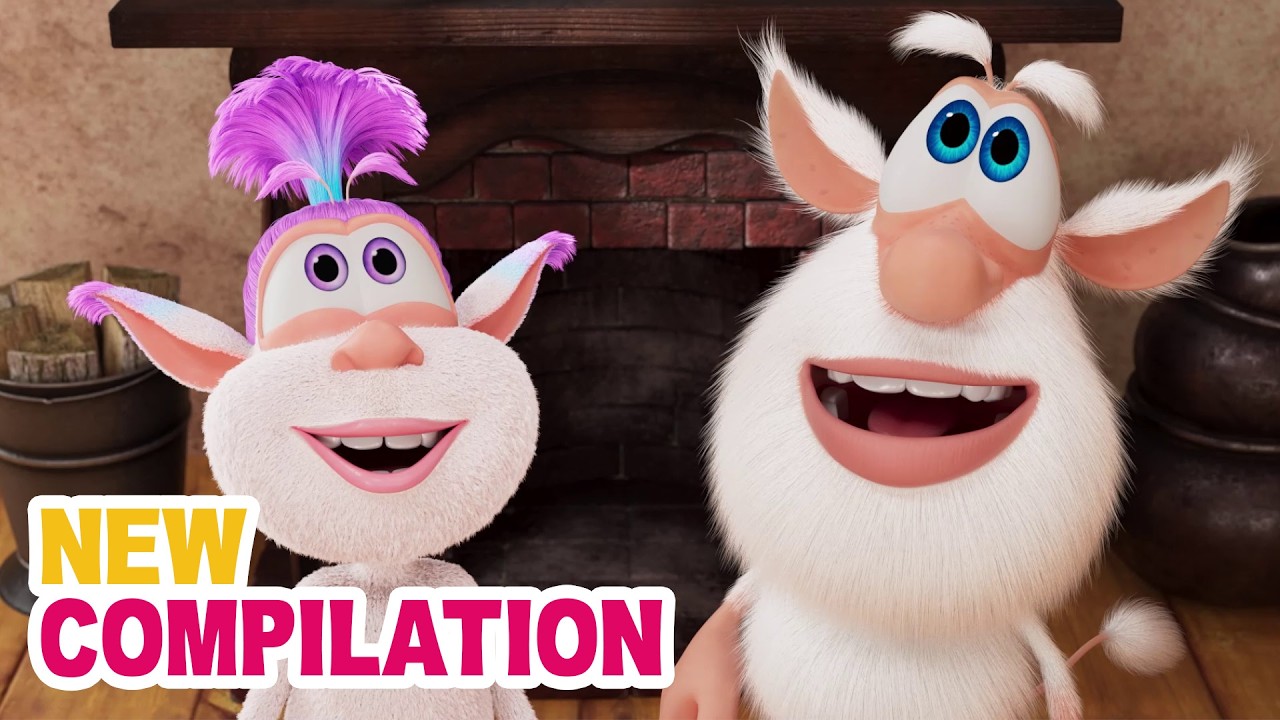
1. Booba Adventure Tales:

Booba’s curiosity-driven adventures take children on journeys through forests, cities, and imaginative worlds.

Highlights:

  • Non-verbal storytelling for universal understanding

  • Encourages observation, exploration, and problem-solving

  • Perfect for toddlers and preschoolers


2. Dino Learners: Adventure Edition:

Dinosaur-themed adventures teach children about prehistoric life, science, and teamwork.

Learning benefits:

  • Basic paleontology and dinosaur facts

  • Geography and environmental concepts

  • Adventure-based problem-solving

  • Recommended for ages 4–10


3. Little Hero Adventures:

Animated mini-stories where small characters embark on courageous journeys, teaching moral and social lessons.

Key lessons:

  • Overcoming fears and challenges

  • Cooperation and helping friends

  • Empathy and resilience


4. Forest Friends Adventures:

Animal characters explore forests, rivers, and mountains, solving problems and learning lessons along the way.

Learning highlights:

  • Nature and environmental awareness

  • Social skills and teamwork

  • Critical thinking and observation


5. Space Explorers Jr.:

A space-themed adventure series that introduces children to planets, stars, and basic astronomy in a fun way.

Benefits:

  • Sparking curiosity about science and space

  • Learning cosmic facts through story-driven adventures

  • Encourages problem-solving and imagination


How Parents Can Enhance Learning:

Adventure cartoons can be more effective with parental guidance:

  1. Watch together: Discuss challenges characters face and ask, “What would you do?”

  2. Encourage role-play: Children can act out adventures, strengthening imagination and problem-solving skills.

  3. Repeat favorite episodes: Repetition reinforces learning and understanding.

  4. Relate lessons to real life: Highlight teamwork, courage, or creativity in daily activities.

  5. Mix with offline activities: Drawing maps, creating storyboards, or mini-adventures at home.

  6. Limit screen time: Short, focused sessions maximize learning without overwhelming toddlers.


Recommended Adventure Cartoon Stories for Children in 2025:

  • Booba Adventure Tales – Observation, exploration, and problem-solving

  • Dino Learners: Adventure Edition – Dinosaurs, teamwork, and science learning

  • Little Hero Adventures – Courage, empathy, and social lessons

  • Forest Friends Adventures – Nature, animals, and cooperation

  • Space Explorers Jr. – Space, curiosity, and critical thinking

These series are safe, colorful, and educational, providing children with fun-filled adventures that stimulate creativity, learning, and social skills.


Final Thoughts:

Adventure cartoons are more than just entertainment—they are powerful educational tools. In 2025, these stories help children develop critical thinking, teamwork, moral values, and curiosity, all while enjoying colorful and imaginative worlds.

Parents can maximize learning by:

  • Watching episodes together and discussing challenges

  • Encouraging children to act out adventures

  • Combining screen time with offline exploration and activities

With the right adventure cartoons, screen time becomes an opportunity for learning, creativity, and social growth, helping children build skills that last a lifetime.

Tip for Parents: Ask children to retell or draw the adventure story in their own words to reinforce comprehension, creativity, and memory.
Advertisement
Cartoons That Teach Teamwork
Teamwork is an essential life skill that children need to develop from an early age. Animated cartoons can be an excellent medium for teaching young children how to collaborate, share responsibilities, and solve problems together. Through colorful characters, engaging storylines, and relatable scenarios, children learn the value of working with others in a fun and memorable way. Cartoons that emphasize teamwork often present challenges or adventures where characters must combine skills and ideas to achieve a goal. Watching these stories allows children to understand cooperation, empathy, and communication, all while being entertained. Why Teamwork is Important for Kids: Learning teamwork early helps children: Develop social and communication skills Understand the importance of sharing and fairness Build empathy and respect for others Learn conflict resolution Enhance problem-solving and critical thinking Cartoons make these lessons accessible and enjoyable by providing visual examples of cooperation that children can easily understand. How Cartoons Demonstrate Collaboration: Teamwork-focused cartoons often depict characters working together to solve a problem or complete a task. Children observe: Sharing responsibilities among group members Combining individual skills to achieve common goals Supporting friends when they struggle Celebrating success as a team These storylines teach children that collaboration is not only productive but also fun and rewarding. Promoting Communication and Listening Skills: Effective teamwork requires clear communication and active listening. Cartoons can demonstrate these skills by showing: Characters explaining ideas clearly Listening to others’ suggestions Negotiating or compromising to reach a solution Encouraging quieter characters to participate Young viewers learn to express themselves, consider others’ viewpoints, and work together respectfully. Problem-Solving Through Teamwork: Many teamwork-oriented episodes present challenges that cannot be solved alone. Children learn: To think creatively as a group To assign roles based on each character’s strengths To test solutions and adapt if something doesn’t work That failures are part of learning together This helps children internalize practical teamwork strategies that can be applied in real life. Building Empathy and Emotional Intelligence: Cartoons that focus on teamwork also teach empathy and emotional awareness: Recognizing when a friend is upset or needs help Encouraging positive reinforcement and praise Understanding the consequences of selfish behavior Appreciating the value of cooperation These lessons support both social and emotional development. Role of Fun and Play in Learning Teamwork: Teamwork-focused cartoons often incorporate games, sports, or adventures, which make collaboration more engaging. Children observe: Characters playing games that require joint effort Solving puzzles or completing quests together Celebrating milestones as a group This combination of play and learning reinforces the idea that teamwork is enjoyable and beneficial. Tips for Parents to Reinforce Teamwork Skills: Parents can maximize the impact of teamwork cartoons by: Watching episodes together and discussing character actions Encouraging children to reflect on how they can help friends or siblings Organizing small group activities or games to practice collaboration Praising cooperative behavior and shared problem-solving Active engagement ensures children internalize lessons and apply them in daily life. Choosing the Right Teamwork Cartoons: Parents should select shows that: Feature age-appropriate challenges and problem-solving Emphasize cooperation, empathy, and positive social interactions Avoid violence or overly competitive behavior Include relatable characters and situations Popular teamwork-oriented educational shows for preschoolers include Paw Patrol, Octonauts, and Team Umizoomi, which encourage collaboration in fun, safe settings. Conclusion: Cartoons that teach teamwork provide a fun and effective way for children to learn essential social skills. By observing characters collaborate, communicate, and solve problems together, children gain insights into cooperation, empathy, and shared success. When parents support this learning with discussion and practical activities, cartoons become more than entertainment—they become tools for nurturing teamwork, social intelligence, and confidence in young minds.
Raising Curious Kids: Lessons from Playful Cartoon Characters’ Personality
Curiosity is a key trait that drives learning, creativity, and problem-solving in children. Funny, playful cartoon characters often display endless curiosity, exploring their surroundings, asking questions, and experimenting with new things. Parents can use these traits as a guide to foster curiosity and learning in their children. This guide explores lessons parents can draw from animated characters’ personalities to raise curious, engaged, and imaginative kids. Why Curiosity Matters in Early Childhood: Encourages Exploration: Curious children are more likely to explore their environment, leading to hands-on learning. Boosts Problem-Solving Skills: A curious mindset helps children approach challenges creatively and persistently. Fosters Lifelong Learning: Early curiosity lays the foundation for self-directed learning and growth. Enhances Social Skills: Curious kids ask questions and seek to understand, building communication and empathy. Lessons from Playful Cartoon Characters: 1. Embrace Mistakes as Learning Opportunities Animated characters often try new things and make mistakes. Teach children that failure is part of learning and encourage them to try again. 2. Explore and Ask Questions Characters demonstrate curiosity by investigating objects, places, and scenarios. Parents can encourage children to ask “why” and “how” during everyday activities. 3. Be Bold and Creative Playful characters often think outside the box and solve problems in unusual ways. Encourage children to experiment with art, building blocks, or imaginative play. 4. Pay Attention to Details Observing small details helps cartoon characters navigate their world. Activities like drawing, matching games, and puzzles enhance observational skills in children. 5. Celebrate Curiosity When characters discover something new, it’s exciting and fun. Praise children when they show curiosity, reinforcing positive learning behaviors. Practical Ways for Parents to Foster Curiosity: Provide Open-Ended Activities: Puzzles, building blocks, and art projects encourage exploration. Use Playful Learning Tools: Animated characters, storybooks, and educational games make learning engaging. Ask Open-Ended Questions: Encourage children to explain what they think, see, or feel. Create a Safe Exploration Environment: Let children experiment without fear of mistakes. Encourage Outdoor Exploration: Nature walks, simple science experiments, and sensory activities stimulate curiosity. Benefits of Encouraging Curiosity: Cognitive Development: Improves problem-solving, reasoning, and understanding. Emotional Growth: Builds resilience and confidence in trying new things. Creativity & Imagination: Inspires inventive thinking and imaginative play. Social Learning: Curiosity leads to better communication, collaboration, and empathy. Final Thoughts: Playful cartoon characters are a fun example of curiosity in action. By observing and encouraging similar traits in children—exploration, boldness, questioning, and experimentation—parents can raise curious, confident, and creative kids. Combining fun activities, hands-on learning, and guided discussions with everyday experiences will help children develop curiosity into lifelong learning habits.
Safe Cartoon-Watching Habits for Toddlers
Cartoons are a popular source of entertainment for toddlers, offering colorful visuals, playful sounds, and engaging stories. However, toddlers’ developing brains are sensitive to overstimulation, inappropriate content, and excessive screen time. Establishing safe cartoon-watching habits ensures that young children enjoy media in a healthy, educational, and balanced way. By creating structured viewing routines, selecting age-appropriate content, and engaging with children, parents can make cartoon-watching a fun and safe learning experience for toddlers. Why Safe Viewing Habits Matter: Toddlers are highly impressionable. Safe viewing habits are important because they: Protect from violent or inappropriate content Reduce overstimulation and screen-related fatigue Promote attention and comprehension skills Encourage positive social and emotional development Support healthy daily routines and sleep patterns Structured habits help children benefit from cartoons without negative effects. Setting Time Limits for Toddlers: Screen time for toddlers should be limited and consistent: 1–2 hours per day for children aged 2–5 years, according to pediatric guidelines Break viewing into short sessions with physical activity in between Avoid screen use immediately before bedtime Use timers or parental control apps to enforce limits Time limits ensure toddlers maintain balance between screen time, play, and rest. Choosing Age-Appropriate Cartoons: Selecting the right content is crucial. Safe cartoons for toddlers: Use bright, simple visuals and friendly characters Include positive messages, such as sharing, empathy, and cooperation Avoid violence, scary scenes, or complex storylines Encourage learning concepts like colors, numbers, letters, and shapes Shows like Bluey, Sesame Street, Daniel Tiger’s Neighborhood are good examples of age-appropriate content. Co-Viewing and Interaction: Watching cartoons together enhances learning and safety: Discuss what is happening in the cartoon Ask questions to encourage thinking and comprehension Relate lessons to real-life situations Praise positive behaviors modeled by characters Co-viewing turns passive screen time into an interactive and educational experience. Encouraging Physical Activity and Play: Cartoons should not replace active play, which is vital for toddlers’ development: Encourage dancing, clapping, or movement along with music in cartoons Schedule outdoor play and hands-on activities between viewing sessions Integrate storytelling, drawing, or building inspired by cartoon content This approach combines screen entertainment with physical and cognitive engagement. Establishing Safe Digital Habits: Toddlers also need to develop healthy digital habits from the start: Use child-friendly platforms like YouTube Kids or curated apps Enable parental controls and content filters Avoid autoplay to prevent excessive viewing Monitor content and remove channels that are inappropriate These habits protect toddlers while teaching safe screen use. Benefits of Safe Cartoon-Watching Habits: When done correctly, safe viewing habits help toddlers: Learn concepts like numbers, letters, and colors Develop social and emotional understanding Strengthen attention span and memory Foster creativity and imagination Enjoy entertainment safely without negative impacts Balanced screen habits create a foundation for lifelong healthy media usage. Conclusion: Safe cartoon-watching habits for toddlers involve selecting age-appropriate content, limiting screen time, engaging through co-viewing, and encouraging physical activity. By guiding children in their early exposure to media, parents can ensure that cartoons remain a fun, educational, and safe part of their daily routine, supporting cognitive, social, and emotional development.
Why Cartoons Are Important for Childhood Development: A 2025 Perspective
In an era dominated by debates over screen time, it's easy to overlook a fundamental truth: high-quality cartoons are not merely digital babysitters. When chosen intentionally, they are a vibrant, dynamic tool that can significantly contribute to a child's cognitive, social, and emotional growth. This 2025 guide moves beyond the screen-time clock to explore the multifaceted developmental benefits of thoughtful cartoon viewing. Beyond Entertainment: Cartoons as a Developmental Tool : Modern, well-crafted cartoons are designed by teams of artists, writers, and often child development experts. They are complex narratives that do far more than fill time; they provide a shared cultural language and a safe space to explore big ideas. 1. Cognitive & Language Development: Building a Smarter Brain : Cartoons can actively stimulate young minds in powerful ways. Vocabulary Expansion: Children's programming often introduces a richer vocabulary than everyday conversation. Narratives expose them to new words, concepts (like "gravity," "habitat," "emerge"), and linguistic structures in a memorable, contextualized way. Foundation for Literacy: The sequence of events in a plot teaches story structure—beginning, middle, end, cause and effect. This is a direct precursor to reading comprehension. Shows with on-screen text or wordplay reinforce letter and sound recognition. Executive Function: Many cartoons pose problems that characters must solve. Watching them model planning, perseverance, and flexible thinking ("That didn't work, try something else!") helps children internalize these critical cognitive skills. Cultural & General Knowledge: Cartoons can be a child's first window into history, geography, science, and different cultures, making learning visceral and engaging. 2. Social & Emotional Learning (SEL): The School of Feelings : Cartoons provide a "social simulator" where children can safely observe and process complex interpersonal dynamics. Empathy & Perspective-Taking: By identifying with characters, children learn to recognize and label emotions—not just their own, but those of others. They see the consequences of kindness, sharing, and hurtful actions in a low-stakes environment. Navigating Social Scenarios: Storylines often revolve around friendship conflicts, teamwork, jealousy, and reconciliation. Children absorb scripts for social problem-solving they can apply in their own lives. Resilience & Coping: Characters face fears, make mistakes, and experience disappointment. Seeing them cope in healthy ways provides models for emotional regulation and resilience. Representation & Identity: Seeing characters who look like them or share their experiences validates a child's own identity. Seeing diverse characters builds understanding and inclusivity from a young age. 3. Creativity & Imaginative Play: Fuel for the Inner World : The vibrant, rule-bending worlds of animation are potent fuel for a child's imagination. Spark for Pretend Play: Cartoons provide characters, scenarios, and worlds that children eagerly recreate in their own play, building narratives, dialogue, and problem-solving in real-time. Visual Creativity: The unique art styles of different cartoons expand a child's visual library and can inspire their own drawing, building, and creative expression. "What If" Thinking: Animated worlds often operate on different logic, encouraging divergent thinking and the exploration of possibilities beyond the real world. 4. The Family Connection: A Shared Cultural Experience : Cartoons create common ground for connection and conversation. Co-Viewing as Bonding: Watching together is shared joy. It's an opportunity to laugh, gasp, and experience a story as a team. Springboard for Big Talks: A character's dilemma can be the perfect, non-threatening entry point to discuss real-life issues like bullying, honesty, or frustration. Parents can ask, "What would you have done?" Building Family Lore: Favorite shows, quotes, and characters become part of a family's shared language and inside jokes, strengthening bonds. The Critical Caveat: Not All Cartoons Are Created Equal : These benefits are contingent on quality, age-appropriateness, and context. The Quality Spectrum: A slow-paced, character-driven show about cooperation is neurologically different from a hyper-fast, violent comedy clip. Seek out animation that prioritizes story and character. The Co-Viewing Factor: The benefits are magnified exponentially when an adult is present to discuss, explain, and connect the on-screen events to the child's world. This "mediated viewing" transforms passive consumption into active learning. Balance is Non-Negotiable: Cartoons should be a part of a rich developmental diet that includes physical play, real-world exploration, reading, and unstructured downtime. Choosing Developmentally Positive Cartoons in 2025: A Quick Guide : For Toddlers (2-4): Look for slow pacing, simple narratives, and gentle humor. Focus on shows that label emotions and objects clearly. For Preschoolers (4-6): Seek out shows that model social problem-solving, empathy, and curiosity. Slightly more complex plots are appropriate. For School-Age (6-10): Cartoons can explore more complex themes of friendship, ethics, and persistence. This is a great age for shows that introduce STEM concepts or historical events in an engaging way. Conclusion: Intentional Viewing as a Parenting Strategy : The question in 2025 is not "Should my child watch cartoons?" but "How can we make this screen time meaningful?" By moving from seeing cartoons as mere entertainment to recognizing them as a potential catalyst for discussion, learning, and connection, we reclaim their value. A well-chosen cartoon, watched together and talked about afterward, is not a developmental compromise—it can be a legitimate and valuable tool in the modern parenting toolkit, nurturing a child's mind and heart in equal measure.
Understand Feelings and Emotions in 2025
Emotional intelligence (EQ) is just as important as academic learning for young children. In 2025, emotional learning cartoons for kids have become an essential resource for parents and educators to help toddlers and preschoolers identify, express, and manage their feelings. Through engaging storytelling, colorful animations, and relatable characters, these cartoons teach empathy, self-awareness, and healthy social interactions. This guide explores the benefits of emotional learning cartoons, highlights top series in 2025, and provides tips for parents to enhance their child’s emotional development. Why Emotional Learning Cartoons Matter: Children often struggle to identify or express their feelings. Emotional learning cartoons provide: Recognition of emotions: Helps children understand happiness, sadness, anger, fear, and excitement. Healthy coping strategies: Teaches ways to manage difficult emotions. Empathy development: Shows characters caring for and understanding others. Social skills: Encourages sharing, teamwork, and effective communication. Safe environment: Provides age-appropriate guidance without judgment. By combining fun, storytelling, and visuals, these cartoons make emotional learning engaging and memorable for children. Key Emotional Skills Taught in Cartoons: Identifying Feelings Recognizing facial expressions, body language, and situations that cause emotions. Expressing Emotions Safely Encourages children to talk about feelings instead of acting out aggressively. Empathy and Compassion Understanding how others feel and showing care. Problem-Solving in Emotional Situations Learning to manage conflicts, disappointment, or frustration positively. Mindfulness and Self-Regulation Breathing, calming techniques, and reflective thinking for emotional control. Top Emotional Learning Cartoon Series for Kids in 2025: 1. The Feelings Club: A highly popular series where animated characters navigate everyday situations and express their emotions. Highlights: Shows multiple feelings like happiness, sadness, fear, and excitement Provides simple coping strategies for children Interactive and age-appropriate storytelling 2. Booba Learns Emotions: Booba explores situations where emotional awareness and empathy are required, teaching children through observation and playful actions. Why it’s trending: Non-verbal storytelling suitable for all languages Promotes curiosity, empathy, and social skills Short episodes perfect for toddlers’ attention spans 3. Little Hearts Feelings Tales: Mini-stories that focus on managing emotions, understanding others, and building empathy. Key lessons: Identifying feelings in themselves and others Responding appropriately to different emotional situations Celebrating empathy and kindness 4. Animal Emotions Adventures: Animal characters show joy, sadness, worry, and excitement, teaching children how to recognize and respond to feelings. Learning highlights: Emotional vocabulary introduction Problem-solving through social interactions Engaging storytelling with moral lessons 5. Super Simple Emotions Songs: Animated songs designed to teach toddlers about feelings, self-regulation, and social behavior in a fun, interactive way. Benefits: Reinforces emotional vocabulary Interactive songs encourage singing and participation Combines music, visuals, and moral lessons How Parents Can Enhance Emotional Learning: Parents can make emotional learning cartoons more effective by: Watching together: Pause to ask questions like, “How is this character feeling?” Encourage expression: Ask children to share their own feelings during or after the video. Repeat episodes: Reinforces understanding of emotions. Relate to real life: Discuss situations at home or school where the lesson applies. Practice coping strategies: Breathing, counting, or talking through emotions. Praise emotional intelligence: Encourage empathy, patience, and problem-solving behaviors. Recommended Emotional Learning Cartoons for Kids in 2025: The Feelings Club – Recognition and coping strategies Booba Learns Emotions – Observation-based emotional learning Little Hearts Feelings Tales – Mini-stories teaching empathy and emotional expression Animal Emotions Adventures – Emotional vocabulary and social skills Super Simple Emotions Songs – Musical reinforcement of emotional awareness These cartoons are safe, colorful, and educational, helping children understand, express, and manage their emotions while enjoying engaging stories. Final Thoughts: Emotional learning cartoons are more than entertainment—they are tools for lifelong emotional intelligence. In 2025, animated series help children: Recognize and express feelings appropriately Develop empathy and compassion Manage social interactions and conflicts positively Parents can maximize benefits by: Watching and discussing episodes together Encouraging real-life applications of emotional lessons Reinforcing empathy and coping strategies through play With the right emotional learning cartoons, children grow emotionally aware, empathetic, and socially skilled while enjoying safe, colorful, and interactive stories. Tip for Parents: Encourage children to draw or act out scenarios showing different feelings, which reinforces creativity, comprehension, and emotional expression.
How Animations Are Made: A Simple Guide for Kids
Have you ever wondered how your favorite cartoon characters move, talk, and go on adventures? It feels like magic, but it’s actually a super cool mix of art, technology, and patience! Making an animation is like creating a flipbook, but with lots of people and powerful computers helping out. Let’s follow the journey of a single cartoon from the first spark of an idea to the show on your screen! Step 1: The Big Idea – It All Starts with a Story! : Every cartoon begins with someone’s imagination. The Writers dream up the story, the jokes, and what the characters will say. The Storyboard Artists are like comic book creators. They draw the story shot-by-shot in simple sketches. This is the cartoon’s first visual blueprint! It shows what characters are doing, where they are, and how the camera moves. Step 2: Meet the Characters – Design Time! : Before they can move, we need to know what they look like from every angle! Character Designers draw the heroes, villains, and everyone else. They make model sheets that show how a character stands, smiles, runs, and even looks sad. This makes sure they look the same in every scene. Step 3: The Secret of Movement – It’s an Illusion! : Our eyes and brains can be tricked! Animation works because of something called persistence of vision. If you see a bunch of pictures that are slightly different, one after another very quickly, your brain blends them into one moving image. Traditional (Hand-Drawn) Animation: Artists called Animators draw every single movement on special paper. For one second of cartoon, they need to draw 24 pictures (called frames)! That’s a LOT of drawing. The lead animator draws the key poses, and assistants draw the pictures in between. Stop-Motion Animation: This is like playing with action figures and taking a photo every time you move them a tiny bit. Animators use puppets or clay models, move them bit by bit, and take a photo of each move. When they play all the photos quickly, the puppet looks like it’s moving by itself! Computer (CGI) Animation: This is how most modern movies and shows are made. Artists build 3D models of the characters and worlds inside the computer. It’s like making a super-detailed virtual puppet. Then, Animators use special controls to move the model’s parts and create the performance, setting a "key pose" for each important movement. The computer creates the smooth "in-between" frames. Step 4: Adding Color and Backgrounds – Building the World : Background Artists paint the beautiful worlds where the adventure happens—the forests, cities, and castles. Clean-Up Artists make the rough drawings look perfect and ready for color. Color Artists (or computers) fill in all the characters and objects with their correct, bright colors. Step 5: Making it Come Alive – Sound and Final Magic! : A cartoon isn’t complete without sound! Voice Actors record all the characters' lines, screams, and laughs in a studio. Foley Artists create sound effects by making noises in creative ways—cracking celery for bone sounds, shaking leather for thunder, or stepping in cornstarch for snow. Composers write the exciting music that makes you feel happy, scared, or ready for adventure. The Final Edit: All the pieces—the moving pictures, the voices, the sound effects, and the music—are put together perfectly by editors, like a giant, amazing puzzle. Then it’s ready for you to watch! You Can Try It! A Mini Animation Project : Make Your Own Flipbook: Get a small stack of sticky notes or a notebook. On the last page, draw a simple character (like a smiling circle). On the next page, draw it again, but move it just a little bit. Keep doing this on each page, moving your character step-by-step. Now flip the pages quickly with your thumb. Your drawing is moving! You just made an animation! Conclusion: Teamwork Makes the Dream Work! : Making an animation is a huge project that takes many talented artists and technicians a long time—sometimes years for a movie! They are all storytellers who use drawings, models, or computers to create the magical moving pictures we love. The next time you watch your favorite cartoon, remember: it started as one simple drawing and a big idea.
Best Funny Cartoon Series for Kids
Laughter is one of the most effective ways for children to learn, relax, and develop social skills. In 2025, funny cartoon series for kids—featuring slapstick comedy and safe humor—have become extremely popular among toddlers and preschoolers. These animated series combine physical comedy, playful antics, and humorous storytelling while ensuring content is safe, age-appropriate, and educational. Parents now recognize that humor-based cartoons can improve a child’s creativity, problem-solving, and emotional resilience, making them a valuable addition to early learning content. Why Funny Cartoons Are Important: Funny cartoons provide entertainment with subtle learning opportunities: Promote social skills: Children observe humor, timing, and social interactions. Encourage creativity: Slapstick and playful situations spark imaginative thinking. Boost emotional health: Laughter reduces stress and increases positive emotions. Support problem-solving: Characters often overcome funny obstacles, teaching perseverance. Safe entertainment: Carefully curated humor avoids violence, inappropriate jokes, or harmful behavior. By combining fun and educational values, funny cartoons create a balanced screen-time experience for young children. Key Features of Funny Cartoon Series: Slapstick Humor Gentle, non-violent physical comedy like slipping, tumbling, and playful mistakes. Engages children’s attention and encourages laughter without fear. Safe, Age-Appropriate Content No scary scenes, crude jokes, or adult themes. Reinforces positive behavior even in funny situations. Colorful and Expressive Animation Bright visuals and exaggerated expressions enhance comedic effect. Helps children recognize emotions and expressions. Short, Engaging Episodes Perfect for toddlers’ attention spans (3–7 minutes). Fast-paced, visually stimulating storytelling keeps kids entertained. Subtle Learning Opportunities Problem-solving, teamwork, empathy, and perseverance are often embedded in comedic plots. Top Funny Cartoon Series for Kids in 2025: 1. Booba’s Silly Adventures: Booba’s playful curiosity leads to funny situations that teach children observation, problem-solving, and laughter. Highlights: Non-verbal comedy suitable for all languages Physical humor, visual gags, and slapstick Encourages curiosity and learning through laughter 2. Super Simple Funny Songs: Animated songs with comedic storytelling teach letters, numbers, and daily life routines in a fun way. Learning benefits: Vocabulary and early concepts reinforced through humor Interactive songs encourage participation Gentle comedy keeps toddlers engaged 3. Little Hero Comedy Tales: Mini-stories where characters overcome challenges in humorous ways while learning cooperation and problem-solving. Key lessons: Teamwork and sharing Creativity and imaginative thinking Resilience through playful challenges 4. Animal Antics Series: Animal characters engage in playful mischief, funny encounters, and gentle pranks suitable for preschoolers. Learning highlights: Encourages empathy by showing how actions affect friends Recognizing emotions and reactions Combines humor with moral lessons in a safe environment 5. Giggles & Friends: A modern cartoon series focused on slapstick and playful humor, promoting laughter while subtly teaching life skills. Benefits: Engaging plots with safe comedy Reinforces cooperation, problem-solving, and creative thinking Short episodes perfect for toddlers and preschoolers How Parents Can Make Funny Cartoons More Beneficial: Parents can enhance the value of funny cartoons by: Watching together: Discuss funny situations and relate them to real-life lessons. Pause and question: “What could we do differently?” or “Why was that funny?” Repeat favorite episodes: Reinforces learning and enjoyment. Encourage creative play: Let children act out scenes, building imagination and confidence. Monitor humor: Ensure children understand the difference between funny and harmful behavior. Balance screen time: Short, engaging episodes work best for attention spans of 2–6 years. Recommended Funny Cartoon Series for Kids in 2025: Booba’s Silly Adventures – Non-verbal physical comedy Super Simple Funny Songs – Educational songs with humor Little Hero Comedy Tales – Mini-stories with playful learning Animal Antics Series – Gentle animal mischief and life lessons Giggles & Friends – Slapstick humor with educational value These series provide safe, entertaining, and educational laughter, helping children develop creativity, social skills, and resilience while enjoying playful humor. Final Thoughts: Funny cartoon series for kids are more than just entertainment—they are tools for learning and emotional growth. In 2025, slapstick comedy and safe humor provide children with: Social and emotional awareness Problem-solving and creative thinking Joyful, stress-free entertainment Parents can maximize benefits by: Watching and discussing the episodes together Encouraging creative play inspired by funny stories Reinforcing learning and empathy through humor With the right funny cartoons, children laugh, learn, and develop important skills while enjoying safe, playful adventures. Tip for Parents: Encourage children to draw or act out their favorite funny scenes, which reinforces creativity, comprehension, and social skills.
Best Booba Episodes for Kids (4–7 Years)
Booba has become one of the most beloved cartoon characters among children worldwide. While toddlers enjoy simple visuals, kids aged 4–7 years are ready for slightly more complex storylines, adventure, and humor. Booba episodes perfectly match this age group because they are funny, colorful, and interactive, with action-packed sequences that keep children engaged while subtly teaching life lessons. In this guide, we explore the best Booba episodes for kids aged 4–7 years, explaining why each episode is entertaining and developmentally beneficial. Why Booba Appeals to 4–7-Year-Olds: Children in this age group are developing: Logical thinking skills Imaginative play Social understanding Emotional awareness Booba delivers all these in a fun, non-verbal, visually rich format. Episodes feature: Problem-solving scenarios Interactive adventure sequences Bright, high-contrast colors Humor that matches their growing comprehension This combination makes Booba ideal for early school-age children. Top Booba Episodes for Kids (4–7 Years): 1. Booba’s Big Balloon Adventure Booba’s attempts to catch a floating balloon involve climbing, bouncing, and creative problem-solving. Why 4–7 kids love it: Teaches persistence Visual humor with exaggerated reactions Encourages logical thinking Lesson: Sometimes you need multiple attempts to succeed. 2. Booba and the Magical Kitchen Booba explores a kitchen filled with gadgets, ingredients, and utensils. His curiosity leads to chaos and inventive solutions. Why it’s perfect for 4–7-year-olds: Observation and experimentation Encourages creativity Simple cause-and-effect learning Lesson: Exploring new things is fun and educational. 3. Booba and the Flying Carpet A magical carpet adventure introduces fantasy elements. Booba experiments with flying, balancing, and problem-solving mid-air. Why it works for 4–7-year-olds: Encourages imagination Adventure and action are engaging Visual storytelling without language barriers Lesson: Creativity and curiosity can lead to fun discoveries. 4. Booba and the Giant Cake Booba encounters a huge cake and explores it with excitement. The chaos teaches planning, spatial awareness, and cause-and-effect. Why kids enjoy it: Humor and exaggerated expressions Visual learning through interactive objects Teaches playful risk-taking in safe ways Lesson: Exploration is rewarding, even if messy. 5. Booba and the Music Box Booba discovers a music box and experiments with rhythms, beats, and dancing. Why it’s perfect: Encourages musical awareness Improves timing and coordination Fun dancing sequences Lesson: Experimentation and creativity are exciting. 6. Booba and the Vacuum Cleaner Booba treats a vacuum cleaner like a playful creature. He learns, reacts, and solves problems creatively. Why kids love it: Problem-solving through observation Humor in safe, everyday scenarios Interactive and relatable Lesson: Everyday objects can inspire creativity and learning. 7. Booba and Bubble Trouble Booba plays with bubbles, exploring movement and reactions. Why it’s ideal for 4–7-year-olds: Cause-and-effect visual learning Fun, interactive animation Encourages curiosity and observation Lesson: Playful experimentation is part of learning. 8. Booba and the Toy Store Booba explores a store full of toys, climbing, sliding, and creatively interacting with objects. Why kids enjoy it: Interactive exploration Visual humor and problem-solving Encourages imaginative play Lesson: Exploration and creativity go hand in hand. 9. Booba’s Christmas Surprise Festive chaos as Booba interacts with decorations, presents, and a giant Christmas tree. Why it’s perfect for 4–7 kids: Seasonal fun and excitement Teaches cause and effect through safe chaos Encourages imaginative play Lesson: Joy and celebration can be shared safely with others. 10. Booba and the Balloon Animal Booba discovers balloons shaped like animals and interacts with them creatively. Why it works: Combines fantasy and real-world objects Encourages imaginative play Visual humor with colorful objects Lesson: Everyday items can spark imagination and creativity. Educational Benefits of These Episodes: Even though these episodes are primarily entertainment, kids learn: Problem-solving and logical thinking Creative exploration and imagination Cause-and-effect understanding Emotional recognition and humor Safe risk-taking and curiosity Booba combines fun and education in a natural, engaging way for kids aged 4–7. Why Parents Approve: Parents notice that Booba: Keeps children entertained safely Uses bright visuals and short stories ideal for attention spans Promotes social and cognitive skills indirectly Encourages independent observation and creativity Booba is a safe choice for screen time with educational value. Final Thoughts: For kids aged 4–7, Booba episodes provide the perfect blend of humor, adventure, imagination, and learning. Episodes like Big Balloon Adventure, Flying Carpet, and Giant Cake not only make children laugh but also subtly teach problem-solving, creativity, and curiosity. Parents can confidently let children watch Booba while knowing they are getting entertaining content with hidden educational value.