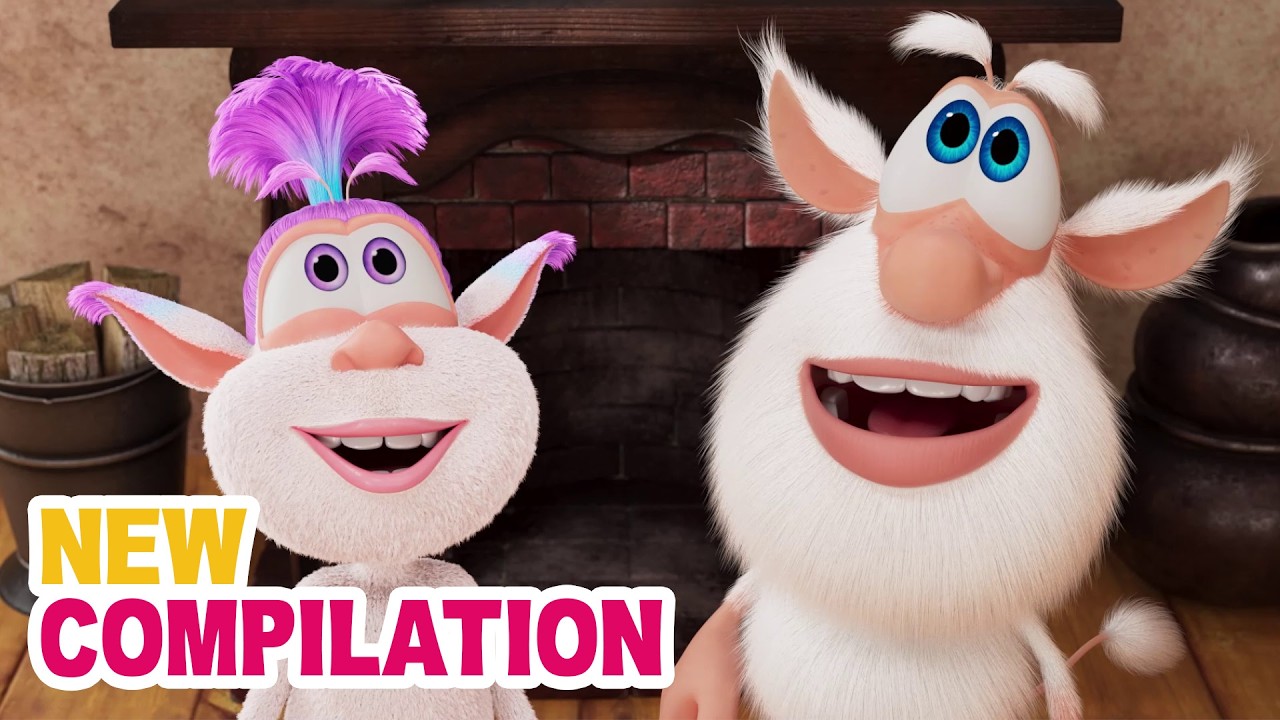
Top 20 Fun Facts About Cartoons Kids Will Enjoy

Get ready for a behind-the-scenes peek into the colorful, wacky, and amazing world of cartoons! These fun facts will make you see your favorite shows in a whole new way.


1. The First Cartoon Star Was a Dinosaur :

Before Mickey Mouse, there was Gertie! Gertie the Dinosaur, made in 1914, was one of the very first cartoon characters with a real personality. She could listen to commands and even cried when scolded!

2. Cartoon Characters Often Have 4 Fingers :

Look at the hands of Mickey Mouse, Homer Simpson, or SpongeBob SquarePants. Many are drawn with only four fingers (three fingers and a thumb). It’s a tradition from old animation because it’s faster to draw and looks just as good on screen!

3. Some Cartoons Are Made from Thousands of Drawings :

A one-minute scene in a hand-drawn cartoon can need over 1,400 separate drawings! That’s why big teams of artists work together to bring your favorite half-hour show to life.

4. Voice Actors Often Record Alone :

You might think the actors who play best friends in a cartoon record together, but they usually record their lines alone in a sound booth, talking to a microphone. Later, editors mix their voices to make it sound like a conversation!

5. Cartoon Food is Often Made of Plastic or Glue :

In stop-motion cartoons (like Wallace & Gromit), real food would wilt and look bad under hot lights. So, chefs and artists make fake food from colored glue, cotton balls, or plastic that looks delicious on camera.

6. Bugs Bunny’s Famous Line Was a Mistake :

When Bugs Bunny first said, “What’s up, Doc?” in 1940, the animator just put in a silly line. It was so funny that it became his catchphrase forever!

7. SpongeBob’s Laugh is a Real Sea Creature :

That iconic, silly laugh of SpongeBob SquarePants? The sound editor, Tom Kenny (who also voices SpongeBob), actually made that sound by recording a dolphin's chatter and then editing it to sound even goofier!

8. Many Cartoon Towns Are Based on Real Places :

The town in Scooby-Doo looks a lot like a California beach city. The Simpsons’ Springfield is a mix of many small American towns. Animators often use real places for inspiration.

9. “Steamboat Willie” Wasn’t Mickey’s First Cartoon :

Steamboat Willie (1928) is famous as Mickey Mouse’s debut, but two other Mickey cartoons were made first. Steamboat Willie was just the first one released to the public because it had synchronized sound, which was brand new and exciting!

10. Cartoon Characters Blink Slowly on Purpose :

Animators make characters blink slowly and less often than real people. Why? Because blinking too much can make a character look nervous or shifty. A slow blink makes them seem more friendly and relatable.

11. Some Cartoons Use “Smear Frames” for Speed :

When a character runs super fast, animators sometimes add a single, crazy-looking stretched-out drawing called a “smear frame.” You barely see it, but it tricks your brain into feeling the speed!

12. Winnie the Pooh’s Red Shirt Has a Funny Reason :

In the original books, Winnie the Pooh was naked! He got his famous red shirt when he was animated because the filmmakers thought a completely naked bear might look odd on screen.

13. Cartoon Sound Effects Come from Weird Places :

That “boing” sound of a spring? It’s often a real metal slinky. The sound of a sword being pulled out? It’s actually two metal plates being rubbed together in a studio. Sound artists are very creative!

14. The First Full-Color Cartoon Was About Flowers :

Flowers and Trees, made by Disney in 1932, was the first cartoon in full Technicolor. It won the very first Academy Award for Best Cartoon!

15. Cartoon Dogs Often Have the Same Voice Actor :

A man named Frank Welker has voiced hundreds of cartoon animals! He’s the voice of Scooby-Doo’s laugh and bark, Fred Jones’s dog in Scooby-Doo, Abu in Aladdin, and Curious George. He’s a master of funny animal sounds!

16. Animators Study Real-Life Movements :

To make cartoon movements look real (even in silly ways), animators often watch videos of people and animals or even act out scenes themselves in front of a mirror. It’s part of their homework!

17. Some Cartoons Are Controlled by Math :

In computer animation, things like how hair blows in the wind, how water splashes, or how a crowd moves are often created using special math formulas and physics simulations inside the computer. It’s like a super-smart video game engine!

18. The Longest-Running Cartoon is… :

The Simpsons! It first started in 1989 and is still making new episodes. It holds the world record for the longest-running primetime animated TV show.

19. Early Cartoons Were Shown in Movie Theaters :

Before TV, people went to the movie theater to watch the news, a main movie, AND a brand-new cartoon short! Cartoons like Tom and Jerry and Looney Tunes were made for the big screen.

20. You Can See Hidden Animators in Cartoons :

Sometimes animators sneak their own names, or even drawings of themselves, into the background of a scene as a fun Easter egg. Next time you watch, look carefully at signs in the background or crowd scenes!


Conclusion: A World of Wonder and Hard Work :

Cartoons are a magical mix of silly ideas, amazing art, clever technology, and a whole lot of hard work. Every frame, sound effect, and funny line is made with love by teams of creative people who want to make you smile. So the next time you watch, remember—you’re not just being entertained, you’re seeing a masterpiece of imagination in motion!
Advertisement
Booba Silent Comedy: Why It Works for Every Culture
Booba is a universally loved cartoon character, and one of the biggest reasons for his global popularity is his silent comedy style. Unlike many other shows that rely on dialogue or language-specific jokes, Booba communicates entirely through visual humor, expressions, and playful actions. This unique approach allows children and families from every culture and language background to enjoy the content equally. In this article, we explore why Booba’s silent comedy works so well worldwide, the psychological reasons behind it, and the benefits for kids. 1. Visual Humor is Universal: Silent comedy relies on visual cues, exaggerated gestures, and facial expressions. Booba’s large eyes, open mouth, and dramatic reactions make it instantly clear what he is feeling or doing. Why it works for every culture: No need for language comprehension Humor is instantly understandable Children and adults can laugh together Example: Booba slipping on a toy or reacting to a bouncing ball is funny in any country, regardless of spoken language. 2. Easy for Kids to Follow: Young children, especially ages 2–7, often cannot fully understand dialogue-heavy shows. Booba’s silent comedy is: Simple to follow Engaging through action and movement Fun without requiring reading or listening skills Psychological Impact:Children develop attention, observation, and comprehension skills while enjoying the show. 3. Cross-Cultural Appeal: Booba’s silent comedy removes cultural barriers. There are no jokes that depend on specific language, slang, or cultural references. Why this matters: Children worldwide can enjoy the same humor Parents can introduce Booba to multilingual households Episodes are universally shareable Example: A Japanese child and a Brazilian child can laugh at the same scene, even without translation. 4. Encourages Emotional Understanding: Silent comedy emphasizes emotions through expression, which helps children recognize and understand feelings. Why it’s effective globally: Smiling, laughing, surprise, or frustration is universally recognized Children learn empathy and emotional awareness Language differences do not hinder emotional learning Example: Booba reacting with surprise to a falling object teaches children that unexpected events can be funny and safe. 5. Promotes Imaginative Play: Booba often turns ordinary objects into playful adventures. Silent storytelling encourages children to imagine the story themselves, rather than relying on dialogue. Educational Value: Encourages creativity Develops imagination Kids can invent their own explanations for Booba’s actions Example: A cardboard box becomes a car, spaceship, or hiding place—all interpretable differently by children in different cultures. 6. Humor Without Conflict: Booba’s comedy is always safe, light-hearted, and non-violent. There are no culturally sensitive jokes or language-based misunderstandings. Why this matters: Safe for all children Parents feel comfortable letting kids watch Humor is inclusive and universally enjoyable Example: Booba falling into a pile of pillows or chasing bubbles is funny without being harmful or offensive. 7. Short Episodes Suit Short Attention Spans: Most Booba episodes are short, fast-paced, and action-packed, which suits children with limited attention spans. Global benefit: Engaging for children everywhere No need for long explanations or cultural context Encourages repeated viewing, which reinforces learning Psychological Impact:Short, repetitive episodes help children develop memory and observational skills. 8. Builds Early Cognitive Skills: Silent comedy stimulates problem-solving, pattern recognition, and cause-and-effect learning. Children watch Booba try, fail, and succeed at small challenges. Why it transcends culture: Skills are universal Children learn through action, not words Enhances early cognitive development globally Example: Booba experimenting with a rolling ball teaches persistence and observation in every culture. 9. Multi-Generational Entertainment: Because Booba is silent, adults can enjoy the humor too. Families around the world can watch together without needing translation. Why it works cross-culturally: Promotes shared entertainment Strengthens family bonds Humor is universally appealing Example: Parents laugh along while toddlers are entertained, creating a shared viewing experience. 10. Supports Early Language and Observation: While Booba doesn’t speak, the silent comedy style enhances children’s listening, observation, and storytelling skills. Benefits: Children can describe what they see in their own words Supports language development indirectly Encourages active engagement rather than passive watching Example: A child explaining Booba’s adventure to a friend or parent strengthens communication skills. Final Thoughts: Booba’s silent comedy is more than just entertainment—it’s a universal, cross-cultural tool for learning, creativity, and fun. Children worldwide can enjoy Booba without language barriers while developing curiosity, problem-solving skills, emotional awareness, and imaginative play. The genius of Booba lies in its simplicity: funny, safe, and universally relatable.
Best Vegetables Every Child Must Eat
Best Vegetables Every Child Must Eat: Childhood is a construction phase. Bones are being mineralised, neural networks are wiring themselves at astonishing speed, and the immune system is basically attending boot camp every day. You are not just feeding a child; you are supplying raw materials to a rapidly evolving biological machine. Vegetables are some of the most information-dense materials you can provide. They contain micronutrients that act like instructions telling the body how to grow, not just how much to grow. Many children get enough calories. Fewer get enough nutrients. That gap matters. Leafy Greens — The Structural Engineers: 4 Leafy greens like spinach, mustard greens, and fenugreek are nutritional heavyweights. They provide iron, calcium, magnesium, folate, and vitamin K — nutrients that directly influence bone density and blood formation. Iron helps carry oxygen through the bloodstream. Oxygen fuels growing tissues. Without enough oxygen delivery, growth slows like a city during a power outage. Vitamin K ensures calcium actually binds into bones instead of wandering uselessly through the bloodstream. Think of it as the traffic controller directing minerals to the skeleton. Children who regularly eat leafy greens often show better endurance, stronger immunity, and fewer fatigue complaints. Blend them into lentils, knead them into dough, or add to omelettes. The goal is exposure, not culinary perfection. Carrots and Pumpkin — The Neural Support Crew: 4 Orange vegetables like carrots and pumpkin are loaded with beta-carotene, which the body converts into vitamin A. This nutrient is essential for vision, immune defence, and — often overlooked — brain development. Vitamin A supports communication between neurons. A growing brain is basically laying down electrical wiring at high speed, and vitamin A helps maintain insulation and signal clarity. Children deficient in it may experience frequent infections and slower recovery from illness. That means missed school days, lower activity, and less physical development. Add grated carrots to rice, mix pumpkin into soups, or roast them lightly to bring out natural sweetness. Children accept sweetness from vegetables far more easily than bitterness. Broccoli and Cauliflower — The Cellular Repair Specialists: 4 Cruciferous vegetables — broccoli and cauliflower — contain compounds that activate detoxification enzymes and support cellular repair. During childhood, cells are dividing constantly. That process needs maintenance systems to prevent errors. These vegetables also enhance how the body uses protein. Even if a child eats eggs, lentils, or meat, those nutrients are better utilised when these vegetables are part of the diet. In other words, they help the body make better use of what is already being eaten. Lightly cook them with familiar foods like potatoes or rice to reduce resistance. Beetroot and Turnip — The Circulation Boosters: 4 Root vegetables such as beetroot and turnip support blood circulation and provide potassium, fiber, and natural nitrates. Improved circulation means nutrients reach growing tissues faster — muscles, bones, and even the brain receive better supply lines. Beetroot also supports stamina. Active children benefit from enhanced oxygen delivery, which helps sustain play, exercise, and physical coordination. Grate beetroot into yoghurt, mix into cutlets, or add to flatbread dough. Its vibrant colour often makes it more appealing to children than expected. Bottle Gourd and Okra — The Digestive Stabilisers: 4 Some vegetables do not look impressive, but they quietly perform essential work. Bottle gourd and okra support digestion and hydration. A healthy digestive system is critical because nutrients must be absorbed before they can contribute to growth. Okra provides soluble fiber that nourishes beneficial gut bacteria. Those bacteria influence metabolism, immune signalling, and even hormone balance. A child with good digestion absorbs more nutrition from the same meal than one with poor gut health. That difference accumulates over the years. Cook them simply with mild spices to maintain their natural texture and benefits. Why Children Need Variety, Not Just One “Healthy Vegetable”: The human body does not grow on a single nutrient. It requires a network of interacting vitamins and minerals. Iron needs vitamin C to be absorbed properly.Calcium depends on vitamin K.Cell repair requires antioxidants.Brain development needs a mix of fats, minerals, and plant compounds. Different vegetables provide different parts of that puzzle. Feeding only one type repeatedly is like trying to build a house using only bricks and no cement. A rotating selection across the week works better than forcing one vegetable daily. How Much Is Enough? Children generally need about one cup of vegetables per day in early childhood, increasing with age. This should include multiple types rather than a single serving. Small, consistent portions outperform large, occasional servings. The body responds to regular signals. Growth is cumulative, not episodic. Making Vegetables Acceptable to Children: Children resist unfamiliar textures more than flavours. Presentation changes everything. Mix vegetables into foods they already trust.Serve them in varied forms — mashed, grated, lightly cooked.Avoid labelling them as “healthy.” Curiosity works better than pressure. When vegetables appear as a normal part of meals rather than a forced addition, acceptance rises naturally. The Bigger Picture: Vegetables are not just protective foods. They are developmental tools. They help build skeletal strength, support cognitive growth, stabilise immunity, and regulate metabolism — all processes that define childhood health. A child’s future physiology is being written right now, meal by meal. Vegetables are part of that script, quietly shaping resilience, energy, and long-term well-being. Treat them less like side dishes and more like the biological software updates that keep the system running smoothly.  
Top 10 Funniest Booba Episodes of All Time
Booba, the adorable, curious, and mischievous cartoon creature, has captured the hearts of children around the world. Known for his expressive antics, playful adventures, and endless curiosity, Booba has become a favorite among preschoolers and young kids. If you’re a parent or a fan wondering which episodes are the most hilarious, we’ve compiled the Top 10 Funniest Booba Episodes of All Time. These episodes are guaranteed to make kids laugh, stay entertained, and even learn something new along the way. 1. Booba’s Big Balloon Adventure: In this episode, Booba discovers a colorful balloon that floats away whenever he tries to grab it. His hilarious attempts to catch the balloon include climbing chairs, bouncing on cushions, and even trying to use kitchen utensils as tools. The episode teaches kids about problem-solving while keeping the laughs coming. Why it’s funny: Booba’s exaggerated expressions, clumsy movements, and endless determination make this a comedy classic. 2. Booba and the Magical Kitchen: Booba sneaks into a kitchen full of gadgets, appliances, and ingredients. Chaos ensues as he tries to cook or taste everything he finds. From mixing flour in the air to accidentally turning on the blender, every moment is a source of laughter. Why it’s funny: The combination of everyday objects becoming unpredictable and Booba’s reactions creates endless humor. 3. Booba’s Bubble Trouble: In this episode, Booba discovers soap bubbles and is immediately fascinated. The playful bubbles float everywhere, causing Booba to chase, pop, and occasionally fall into funny situations. Why it’s funny: The episode uses visual comedy, with Booba slipping, sliding, and interacting with the bubbles in unexpected ways. 4. Booba at the Toy Store: Booba visits a toy store and becomes overwhelmed by the variety of toys. He climbs shelves, tries ride-on toys, and even causes a playful toy avalanche. This episode is packed with physical comedy and imaginative play. Why it’s funny: Booba’s curiosity leads to chaotic situations that kids find relatable and entertaining. 5. Booba and the Music Box: Booba finds a music box that plays different tunes when opened. He experiments with dancing, creating new sounds, and trying to imitate the music. His goofy dance moves and offbeat timing create endless giggles. Why it’s funny: Booba’s funny dancing, coupled with unexpected music, engages both children and parents alike. 6. Booba and the Flying Carpet: In this fantasy-inspired episode, Booba discovers a magic carpet. His attempts to fly it lead to funny crashes, dizzy spins, and comical landings. Children enjoy watching him navigate this new adventure while laughing at his clumsy but determined efforts. Why it’s funny: Visual humor, magical elements, and Booba’s expressive reactions make it highly entertaining. 7. Booba and the Giant Cake: Booba encounters a huge cake and can’t resist trying to taste it. He climbs, jumps, and slides across the cake, eventually creating a mess but having the time of his life. Why it’s funny: Booba’s obsession with food and the resulting chaos is relatable and hilarious for young viewers. 8. Booba in the Bathroom: Booba explores the bathroom, experimenting with water, soap, and the toilet. His curious antics lead to slippery floors, water splashes, and funny reactions. Why it’s funny: The episode uses slapstick humor and everyday scenarios that children easily relate to. 9. Booba and the Vacuum Cleaner: Booba discovers a vacuum cleaner and treats it as a giant robot. He runs, hides, and even tries to “tame” it, leading to a series of comical events. Why it’s funny: Booba’s fearless approach and exaggerated movements turn a simple household appliance into a source of endless laughter. 10. Booba’s Christmas Surprise: In this holiday special, Booba gets into festive mischief with Christmas decorations, presents, and a giant tree. His excitement leads to ornaments falling, lights flickering, and playful chaos. Why it’s funny: The combination of holiday cheer, Booba’s curiosity, and visual comedy makes this episode memorable and funny. Why Booba Episodes Are So Entertaining: Booba’s humor is universal. The show doesn’t rely on spoken language, which allows children of all ages and languages to enjoy it. Key factors that make Booba episodes funny include: Physical Comedy: Booba’s exaggerated movements, clumsy reactions, and playful antics appeal to young kids. Relatable Situations: Everyday objects and environments become hilarious adventures. Curiosity Gone Wild: Booba’s endless curiosity leads to funny chaos, which keeps kids laughing. Bright, Colorful Animation: Visual appeal adds to the entertainment factor. Parents also appreciate that the show is safe, educational, and encourages creativity, making Booba a favorite in homes worldwide. Educational Benefits of Funny Booba Episodes: Even though Booba’s episodes are primarily humorous, they also provide learning opportunities: Problem-Solving Skills: Kids learn through observation as Booba experiments with objects. Imagination and Creativity: Everyday items are transformed into fun adventures. Social Skills: Interaction with other characters teaches sharing, teamwork, and empathy. Emotional Understanding: Booba’s reactions help children identify emotions like surprise, joy, and curiosity. Where to Watch Booba Episodes: Parents can watch Booba episodes on multiple platforms: YouTube: Free access to all episodes. Netflix & Amazon Prime: Some seasons available for streaming. Official Booba App: Region-dependent availability. This makes it easy to enjoy Booba anytime, anywhere. Final Thoughts: Booba’s funniest episodes are more than just a source of laughter—they combine humor, curiosity, and learning into a single entertaining package. From playful balloon adventures to magical flying carpets, Booba brings joy to children worldwide. Parents can rest assured that Booba is a safe, educational, and engaging option for kids’ digital entertainment. Whether you’re looking for short, laugh-out-loud episodes or educational fun, these Top 10 Funniest Booba Episodes are the ultimate guide for parents and kids alike.
Why Playful Cartoon Characters Are Different from Other Kids’ Cartoons
Not all cartoons are created equal. Some animated shows are just for laughs, while others combine humor, creativity, and educational value. Playful cartoon characters stand out because they entertain while subtly teaching lessons, encouraging imagination, and engaging children in meaningful ways. This guide explains why playful cartoon characters are unique and how they benefit children aged 3–8 compared to other kids’ cartoons. 1. Unique Style and Expression: Visual Appeal: Playful characters often have exaggerated expressions, vibrant colors, and quirky designs. Non-Verbal Storytelling: Many actions and expressions convey emotions and humor without words, making them accessible to children of all language backgrounds. Distinct Animation Style: Fluid, dynamic movement keeps kids engaged and entertained. 2. Humor with Positive Lessons: Unlike some cartoons that rely solely on slapstick, playful characters mix humor with subtle learning. Episodes often teach problem-solving, sharing, curiosity, and empathy. Children laugh while learning, reinforcing cognitive and social skills. 3. Encourages Creativity and Imagination: Playful characters inspire children to draw, craft, role-play, and create stories. Episodes often feature fantastical scenarios that encourage imaginative thinking. Children learn to experiment and explore in both play and daily life. 4. Cross-Cultural Appeal: Minimal or no dialogue makes these cartoons universally understandable. Children from different cultures can enjoy, interpret, and learn from the visual storytelling. Promotes inclusivity and cultural understanding at an early age. 5. Interactive Learning Opportunities: Episodes can be used as storytelling prompts, drawing exercises, or role-play scenarios. Children are encouraged to retell stories, invent new endings, or act out scenes, enhancing language, creativity, and critical thinking skills. Unlike some cartoons, playful characters invite active participation rather than passive viewing. 6. Emotional and Social Development: Characters model empathy, cooperation, and curiosity, helping children understand emotions and relationships. Storylines often show problem-solving and teamwork, reinforcing positive social behavior. Helps children navigate real-life social situations through observation and imitation. Why Parents Prefer Playful Characters: Safe Content: Episodes are typically free of inappropriate violence or language. Educational Value: Combines learning with entertainment naturally. Creative Engagement: Encourages drawing, crafts, and storytelling. Easy Understanding: Non-verbal cues make it accessible to younger children. Universal Appeal: Children of all languages and backgrounds can enjoy and learn. Final Thoughts: Playful cartoon characters are more than just entertainment. They are interactive, educational, and imaginative, offering lessons in social skills, problem-solving, and creativity. Unlike other kids’ cartoons, they engage children actively, making learning fun, memorable, and globally accessible.
Booba Adventure Episodes Ranked from Best to Worst
Booba is a playful, curious, and funny character loved by children worldwide. While every episode has its charm, some Booba adventure episodes stand out more than others. For parents, educators, and kids, ranking these episodes helps pick the best content for fun and learning. In this article, we rank Booba adventure episodes from best to worst, explaining why each episode is enjoyable, educational, and perfect for young viewers. Why Ranking Booba Episodes Matters: Kids often watch multiple episodes repeatedly. Ranking helps: Identify the most engaging adventures Choose episodes suitable for different age groups Encourage learning through fun Save screen time while maximizing enjoyment For ages 3–7, adventure episodes combine: Humor Imaginative exploration Problem-solving Visual storytelling Top Booba Adventure Episodes (Best to Worst): 1. Booba’s Big Balloon Adventure (Best) Booba chases a giant floating balloon, climbing, jumping, and reacting to obstacles. Why it’s best: High-action adventure Visual humor and exaggerated expressions Encourages persistence and problem-solving Lesson: Keep trying even if challenges are tricky. 2. Booba and the Flying Carpet Booba experiments with a magical flying carpet. He balances, jumps, and discovers new ways to explore. Why kids love it: Fantasy + adventure Encourages imagination Interactive visual storytelling Lesson: Creativity and curiosity can lead to fun discoveries. 3. Booba and the Magical Kitchen Booba explores kitchen gadgets, ingredients, and tools, creating chaos and laughter. Why kids enjoy it: Everyday object exploration Problem-solving opportunities Cause-and-effect learning Lesson: Exploring and experimenting is fun and safe. 4. Booba and the Giant Cake Booba discovers a giant cake and plays with it, causing playful chaos. Why kids like it: Humor and visual fun Encourages imaginative play Safe risk-taking Lesson: Exploration is exciting, even when messy. 5. Booba and the Balloon Animal Booba finds balloon animals and interacts creatively. Why it’s good: Combines fantasy and reality Encourages imaginative play Exaggerated expressions make kids laugh Lesson: Everyday items can spark creativity. 6. Booba and Bubble Trouble Booba plays with bubbles, chasing and popping them. Why kids enjoy it: Simple, visual fun Interactive cause-and-effect learning Bright, colorful visuals Lesson: Curiosity leads to playful learning. 7. Booba in the Bedroom Booba explores pillows, toys, and blankets, causing small funny mishaps. Why it works for kids: Familiar environment Gentle humor Safe exploration Lesson: Everyday environments can be fun and engaging. 8. Booba and the Toy Store Booba explores a store full of toys. He climbs, slides, and interacts with colorful objects. Why it’s okay: Adventure with objects Encourages imaginative play Visual humor Lesson: Toys and objects can inspire creative thinking. 9. Booba and the Music Box Booba experiments with a music box, dancing and reacting to sounds. Why it’s slightly weaker: Less physical adventure Focused on sound rather than visual action Lesson: Experimentation and creativity are important. 10. Booba’s Christmas Surprise (Worst) Festive episode with decorations, gifts, and playful chaos. Why it ranks lowest: Less continuous adventure Mostly seasonal content Lower replay value for non-holiday periods Lesson: Celebration and fun can still teach safe interaction. What Kids Learn from Booba Adventure Episodes: Even in funny, chaotic adventures, children develop: Problem-solving skills Curiosity and exploration Imaginative play Cause-and-effect understanding Emotional recognition through humor These episodes balance fun with subtle learning. Parents’ Perspective: Parents appreciate Booba adventure episodes because: They are safe and non-violent Episodes are short and engaging Humor and chaos are controlled Educational elements are subtly integrated Booba adventures are ideal for screen time that entertains and teaches. Final Thoughts: Booba adventure episodes rank differently based on action, humor, creativity, and engagement. Episodes like Big Balloon Adventure, Flying Carpet, and Magical Kitchen stand out as highly entertaining and educational, while seasonal or music-focused episodes are less adventurous but still enjoyable. By knowing which episodes are best, parents can maximize fun and learning, and kids can enjoy a variety of colorful, funny adventures.
Teaching Manners to Kids with Playful Cartoon Episodes
Cartoon episodes featuring funny, curious, and playful characters can be more than just entertainment—they can help teach children important social skills and manners. By observing characters navigate everyday situations, children learn how to behave politely, cooperate with others, and understand social cues. This guide explains how parents can use cartoon episodes to reinforce manners and positive behavior in children aged 3–8. Why Cartoons Are Effective for Teaching Manners: Modeling Behavior: Children learn by observing characters’ actions and interactions. Engaging Stories: Entertaining episodes keep kids interested while conveying lessons naturally. Visual Cues: Expressions, gestures, and reactions help children understand social norms. Safe Learning Environment: Mistakes made by characters provide learning opportunities without real-world consequences. Key Manners to Teach Using Cartoons: 1. Sharing and Taking Turns Characters often share toys, food, or space. Discuss with your child how the character shared and why it was kind. Encourage children to practice sharing at home with siblings or friends. 2. Saying “Please” and “Thank You” Highlight episodes where characters use polite words. Ask children to repeat and practice these phrases in daily life. Reinforces respectful communication and social etiquette. 3. Waiting Patiently Many episodes show characters waiting their turn or being patient. Discuss why patience is important and praise children when they demonstrate waiting calmly. 4. Expressing Emotions Politely Characters often feel frustrated, excited, or sad. Talk about how they express emotions appropriately and model similar behavior at home. 5. Helping Others Scenes where characters assist friends, family, or animals teach kindness and empathy. Encourage children to think of ways they can help at home or school. Tips for Parents to Reinforce Lessons: Discuss Episodes: After watching, ask your child what the character did and why it was polite or helpful. Role-Play Scenes: Encourage children to act out manners from the episode. Praise Positive Behavior: Reinforce good manners with praise, stickers, or small rewards. Connect to Real Life: Show children how manners in cartoons relate to home, school, and social situations. Use Interactive Activities: Drawing, coloring, or craft projects featuring characters can reinforce the lesson in a creative way. Benefits of Teaching Manners Through Cartoons: Social Skills: Sharing, cooperation, and polite communication Emotional Development: Recognizing and expressing feelings respectfully Cognitive Skills: Understanding cause and effect, problem-solving, and empathy Creativity & Imagination: Acting out or drawing scenes promotes imaginative play Positive Reinforcement: Learning manners in a fun context increases engagement Final Thoughts: Using playful cartoon episodes to teach manners is an effective, engaging, and enjoyable strategy. By discussing stories, role-playing scenes, and connecting lessons to real life, parents can help children develop good social habits, empathy, and polite behavior while still enjoying their favorite animated adventures.
How to Create a Kid-Safe Browser Profile
In today’s digital age, children often use the internet for learning, entertainment, and exploration. However, unsupervised browsing can expose them to inappropriate content and risks. Creating a kid-safe browser profile ensures that children have a protected, age-appropriate online experience while still enjoying the benefits of educational and fun websites. A kid-safe browser profile provides parents with control over content, privacy, and time limits, while giving children a safe space to learn and explore. With the right setup, children can access educational games, videos, and websites without being exposed to harmful material. Why a Kid-Safe Browser Profile is Important: Children are naturally curious, and the internet offers limitless information. A kid-safe browser profile is important because it: Blocks access to inappropriate content Restricts websites with harmful material Protects personal information and online privacy Limits screen time through parental controls Encourages safe online learning habits This protective setup balances freedom and security, allowing children to explore safely. Choosing the Right Browser for Kids: Not all browsers are equally suited for children. Some browsers offer built-in parental controls and kid-friendly interfaces. Consider the following: User-friendly interface suitable for children Pre-installed kid-safe filters and search engines Options for creating multiple profiles for different age groups Compatibility with educational apps and websites Popular kid-friendly browsers include Kiddle, KidZui, and Mozilla Firefox with parental extensions. Setting Up a Kid-Safe Profile: Creating a safe profile involves several steps: Create a separate user account for your child on the device Install a kid-friendly browser or enable parental controls on an existing browser Enable safe search settings to filter out inappropriate content Block adult websites and unsafe domains Set screen time limits to encourage healthy usage habits These steps ensure that children have a customized, safe browsing environment. Using Extensions and Filters: Many browsers allow parents to enhance security using extensions and filters. Useful features include: Content filtering to block unsafe websites Ad blockers to prevent unwanted advertisements Tracking protection to maintain privacy Activity reports to monitor browsing behavior These tools provide an extra layer of security and parental oversight. Adding Educational and Fun Websites: While safety is essential, children also need access to engaging and educational content. Parents can: Bookmark educational websites and games Allow access to child-friendly video platforms Introduce websites that teach science, math, reading, and creativity Create a curated list of safe resources This approach balances safety with learning and entertainment. Encouraging Responsible Browsing: A kid-safe browser is most effective when combined with guidance and rules. Parents should: Teach children not to share personal information Encourage asking permission before visiting new websites Discuss safe online behavior and digital etiquette Monitor usage periodically without being intrusive This guidance helps children develop good internet habits from an early age. Benefits of a Kid-Safe Browser Profile: A properly configured kid-safe browser profile offers numerous benefits: Protects children from harmful content Promotes age-appropriate learning Supports responsible and mindful internet use Reduces exposure to online scams and advertising Provides peace of mind to parents By combining technology with active supervision, parents create a safe digital environment that supports learning and exploration. Conclusion: Creating a kid-safe browser profile is an essential step in modern parenting and digital literacy. By selecting the right browser, enabling parental controls, using filters, and encouraging responsible usage, parents can ensure children explore the online world safely. This approach provides educational opportunities, fosters curiosity, and builds good internet habits, all within a secure and monitored environment.
Music & Rhythm: Lessons from Animated Episodes
Music and rhythm play an important role in early childhood development. Animated episodes, especially those designed for preschoolers, combine fun, movement, and melody to teach children fundamental lessons about music, coordination, and creativity. Through repetitive tunes, catchy songs, and playful beats, children learn to recognize patterns, improve memory, and express themselves through rhythm. Episodes that incorporate music also stimulate multiple areas of the brain. Visual storytelling paired with musical elements enhances attention, auditory skills, and emotional understanding. Children are naturally drawn to music, and animated episodes provide a safe and engaging environment to explore this creative form. Why Music and Rhythm Are Important for Young Children: Music is more than entertainment; it is a tool for learning and development. For preschoolers, rhythm and melody help in: Developing auditory discrimination skills Enhancing memory and concentration Encouraging physical coordination and movement Fostering creativity and imagination Supporting emotional expression and social interaction Animated episodes make these skills accessible by combining visual cues with musical patterns. How Animated Episodes Teach Musical Patterns: Episodes often introduce simple melodies and repetitive songs that children can follow. Repetition helps young learners: Recognize beats and rhythm Learn to clap, tap, or move in sync with music Predict the next notes or lyrics Understand concepts like fast/slow or loud/soft This foundational understanding of rhythm supports later learning in music, math, and language. Incorporating Movement and Dance: Many animated episodes encourage movement along with music. Characters may: Tap their feet or hands to the beat Dance in simple, exaggerated motions Use gestures to represent musical concepts When children imitate these actions, they improve coordination, gross motor skills, and rhythm recognition. Developing Listening and Memory Skills: Music-based episodes improve listening and memory. Children learn to: Follow sequences of sounds or notes Memorize short songs and lyrics Recognize patterns in melody and rhythm This active listening strengthens cognitive skills and enhances the child’s ability to focus and retain information. Encouraging Creativity and Self-Expression: Music and rhythm also provide an outlet for creative expression. Animated episodes often: Encourage children to create their own songs or beats Inspire imaginative play with musical instruments Promote storytelling through sound and movement Such activities help children develop confidence and individuality while having fun. Lessons in Cooperation and Social Interaction: Musical episodes frequently show group singing or dancing, teaching children important social lessons: Taking turns Coordinating with others Listening to group cues Celebrating together These social experiences promote empathy, teamwork, and emotional intelligence in a playful setting. How Parents Can Support Music-Based Learning: Parents can enhance the learning experience by: Singing along with episodes Clapping or moving to the rhythm together Providing safe instruments like tambourines, shakers, or xylophones Encouraging children to invent their own musical patterns Active participation reinforces concepts and makes learning more interactive and fun. Choosing the Right Musical Episodes: Not all animated episodes are equally beneficial. Parents should select shows that: Include simple, repetitive songs suitable for preschoolers Encourage movement and interaction Use bright visuals and friendly characters Avoid overly complex or loud sequences that may overwhelm young children Educational musical episodes, such as those with nursery rhymes or rhythm-based adventures, are particularly effective. Conclusion: Music and rhythm lessons from animated episodes provide a playful and effective way for preschoolers to develop essential skills. By combining melody, movement, and repetition, these episodes support auditory, cognitive, motor, and social development. When parents engage with children and encourage active participation, music becomes not only fun but also a powerful educational tool, laying the foundation for creativity, coordination, and a lifelong appreciation for music.