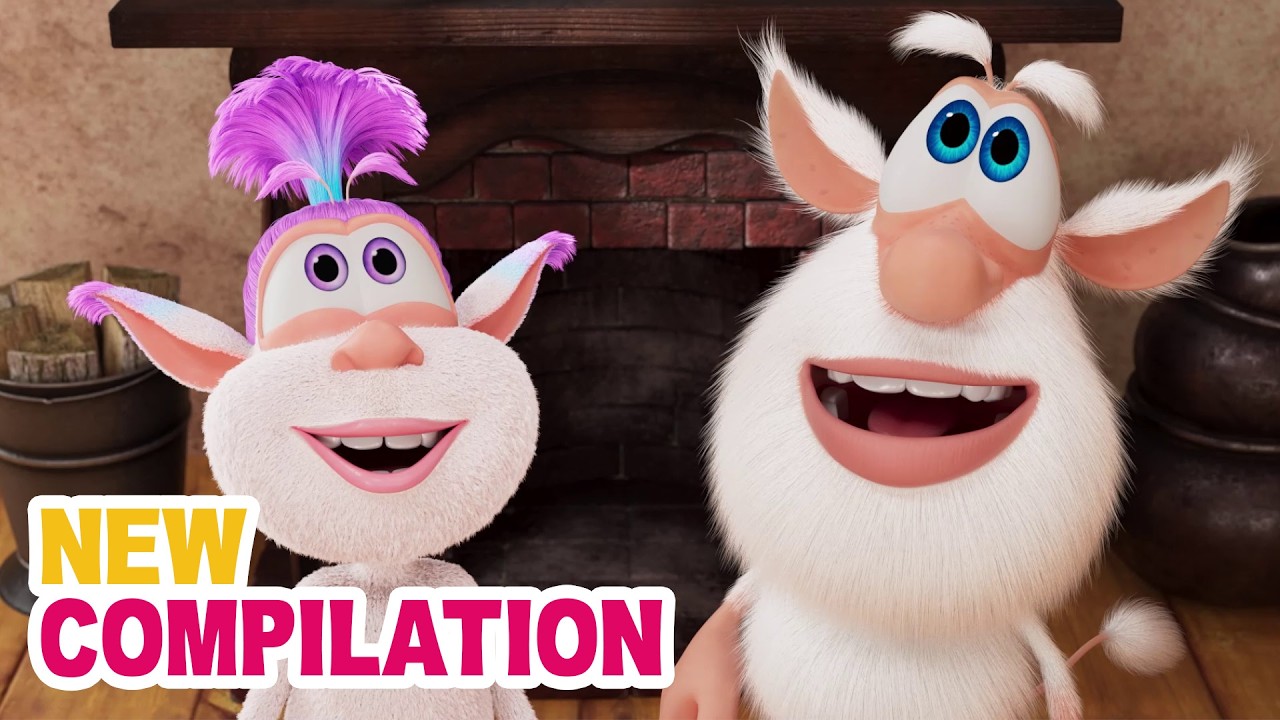
Booba Adventure Episodes Ranked from Best to Worst

Booba is a playful, curious, and funny character loved by children worldwide. While every episode has its charm, some Booba adventure episodes stand out more than others. For parents, educators, and kids, ranking these episodes helps pick the best content for fun and learning.

In this article, we rank Booba adventure episodes from best to worst, explaining why each episode is enjoyable, educational, and perfect for young viewers.


Why Ranking Booba Episodes Matters:

Kids often watch multiple episodes repeatedly. Ranking helps:

  • Identify the most engaging adventures

  • Choose episodes suitable for different age groups

  • Encourage learning through fun

  • Save screen time while maximizing enjoyment

For ages 3–7, adventure episodes combine:

  • Humor

  • Imaginative exploration

  • Problem-solving

  • Visual storytelling


Top Booba Adventure Episodes (Best to Worst):

1. Booba’s Big Balloon Adventure (Best)

Booba chases a giant floating balloon, climbing, jumping, and reacting to obstacles.

Why it’s best:

  • High-action adventure

  • Visual humor and exaggerated expressions

  • Encourages persistence and problem-solving

Lesson: Keep trying even if challenges are tricky.


2. Booba and the Flying Carpet

Booba experiments with a magical flying carpet. He balances, jumps, and discovers new ways to explore.

Why kids love it:

  • Fantasy + adventure

  • Encourages imagination

  • Interactive visual storytelling

Lesson: Creativity and curiosity can lead to fun discoveries.


3. Booba and the Magical Kitchen

Booba explores kitchen gadgets, ingredients, and tools, creating chaos and laughter.

Why kids enjoy it:

  • Everyday object exploration

  • Problem-solving opportunities

  • Cause-and-effect learning

Lesson: Exploring and experimenting is fun and safe.


4. Booba and the Giant Cake

Booba discovers a giant cake and plays with it, causing playful chaos.

Why kids like it:

  • Humor and visual fun

  • Encourages imaginative play

  • Safe risk-taking

Lesson: Exploration is exciting, even when messy.


5. Booba and the Balloon Animal

Booba finds balloon animals and interacts creatively.

Why it’s good:

  • Combines fantasy and reality

  • Encourages imaginative play

  • Exaggerated expressions make kids laugh

Lesson: Everyday items can spark creativity.


6. Booba and Bubble Trouble

Booba plays with bubbles, chasing and popping them.

Why kids enjoy it:

  • Simple, visual fun

  • Interactive cause-and-effect learning

  • Bright, colorful visuals

Lesson: Curiosity leads to playful learning.


7. Booba in the Bedroom

Booba explores pillows, toys, and blankets, causing small funny mishaps.

Why it works for kids:

  • Familiar environment

  • Gentle humor

  • Safe exploration

Lesson: Everyday environments can be fun and engaging.


8. Booba and the Toy Store

Booba explores a store full of toys. He climbs, slides, and interacts with colorful objects.

Why it’s okay:

  • Adventure with objects

  • Encourages imaginative play

  • Visual humor

Lesson: Toys and objects can inspire creative thinking.


9. Booba and the Music Box

Booba experiments with a music box, dancing and reacting to sounds.

Why it’s slightly weaker:

  • Less physical adventure

  • Focused on sound rather than visual action

Lesson: Experimentation and creativity are important.


10. Booba’s Christmas Surprise (Worst)

Festive episode with decorations, gifts, and playful chaos.

Why it ranks lowest:

  • Less continuous adventure

  • Mostly seasonal content

  • Lower replay value for non-holiday periods

Lesson: Celebration and fun can still teach safe interaction.


What Kids Learn from Booba Adventure Episodes:

Even in funny, chaotic adventures, children develop:

  • Problem-solving skills

  • Curiosity and exploration

  • Imaginative play

  • Cause-and-effect understanding

  • Emotional recognition through humor

These episodes balance fun with subtle learning.


Parents’ Perspective:

Parents appreciate Booba adventure episodes because:

  • They are safe and non-violent

  • Episodes are short and engaging

  • Humor and chaos are controlled

  • Educational elements are subtly integrated

Booba adventures are ideal for screen time that entertains and teaches.


Final Thoughts:

Booba adventure episodes rank differently based on action, humor, creativity, and engagement. Episodes like Big Balloon Adventure, Flying Carpet, and Magical Kitchen stand out as highly entertaining and educational, while seasonal or music-focused episodes are less adventurous but still enjoyable.

By knowing which episodes are best, parents can maximize fun and learning, and kids can enjoy a variety of colorful, funny adventures.
Advertisement
Why Cartoons Are Important for Childhood Development: A 2025 Perspective
In an era dominated by debates over screen time, it's easy to overlook a fundamental truth: high-quality cartoons are not merely digital babysitters. When chosen intentionally, they are a vibrant, dynamic tool that can significantly contribute to a child's cognitive, social, and emotional growth. This 2025 guide moves beyond the screen-time clock to explore the multifaceted developmental benefits of thoughtful cartoon viewing. Beyond Entertainment: Cartoons as a Developmental Tool : Modern, well-crafted cartoons are designed by teams of artists, writers, and often child development experts. They are complex narratives that do far more than fill time; they provide a shared cultural language and a safe space to explore big ideas. 1. Cognitive & Language Development: Building a Smarter Brain : Cartoons can actively stimulate young minds in powerful ways. Vocabulary Expansion: Children's programming often introduces a richer vocabulary than everyday conversation. Narratives expose them to new words, concepts (like "gravity," "habitat," "emerge"), and linguistic structures in a memorable, contextualized way. Foundation for Literacy: The sequence of events in a plot teaches story structure—beginning, middle, end, cause and effect. This is a direct precursor to reading comprehension. Shows with on-screen text or wordplay reinforce letter and sound recognition. Executive Function: Many cartoons pose problems that characters must solve. Watching them model planning, perseverance, and flexible thinking ("That didn't work, try something else!") helps children internalize these critical cognitive skills. Cultural & General Knowledge: Cartoons can be a child's first window into history, geography, science, and different cultures, making learning visceral and engaging. 2. Social & Emotional Learning (SEL): The School of Feelings : Cartoons provide a "social simulator" where children can safely observe and process complex interpersonal dynamics. Empathy & Perspective-Taking: By identifying with characters, children learn to recognize and label emotions—not just their own, but those of others. They see the consequences of kindness, sharing, and hurtful actions in a low-stakes environment. Navigating Social Scenarios: Storylines often revolve around friendship conflicts, teamwork, jealousy, and reconciliation. Children absorb scripts for social problem-solving they can apply in their own lives. Resilience & Coping: Characters face fears, make mistakes, and experience disappointment. Seeing them cope in healthy ways provides models for emotional regulation and resilience. Representation & Identity: Seeing characters who look like them or share their experiences validates a child's own identity. Seeing diverse characters builds understanding and inclusivity from a young age. 3. Creativity & Imaginative Play: Fuel for the Inner World : The vibrant, rule-bending worlds of animation are potent fuel for a child's imagination. Spark for Pretend Play: Cartoons provide characters, scenarios, and worlds that children eagerly recreate in their own play, building narratives, dialogue, and problem-solving in real-time. Visual Creativity: The unique art styles of different cartoons expand a child's visual library and can inspire their own drawing, building, and creative expression. "What If" Thinking: Animated worlds often operate on different logic, encouraging divergent thinking and the exploration of possibilities beyond the real world. 4. The Family Connection: A Shared Cultural Experience : Cartoons create common ground for connection and conversation. Co-Viewing as Bonding: Watching together is shared joy. It's an opportunity to laugh, gasp, and experience a story as a team. Springboard for Big Talks: A character's dilemma can be the perfect, non-threatening entry point to discuss real-life issues like bullying, honesty, or frustration. Parents can ask, "What would you have done?" Building Family Lore: Favorite shows, quotes, and characters become part of a family's shared language and inside jokes, strengthening bonds. The Critical Caveat: Not All Cartoons Are Created Equal : These benefits are contingent on quality, age-appropriateness, and context. The Quality Spectrum: A slow-paced, character-driven show about cooperation is neurologically different from a hyper-fast, violent comedy clip. Seek out animation that prioritizes story and character. The Co-Viewing Factor: The benefits are magnified exponentially when an adult is present to discuss, explain, and connect the on-screen events to the child's world. This "mediated viewing" transforms passive consumption into active learning. Balance is Non-Negotiable: Cartoons should be a part of a rich developmental diet that includes physical play, real-world exploration, reading, and unstructured downtime. Choosing Developmentally Positive Cartoons in 2025: A Quick Guide : For Toddlers (2-4): Look for slow pacing, simple narratives, and gentle humor. Focus on shows that label emotions and objects clearly. For Preschoolers (4-6): Seek out shows that model social problem-solving, empathy, and curiosity. Slightly more complex plots are appropriate. For School-Age (6-10): Cartoons can explore more complex themes of friendship, ethics, and persistence. This is a great age for shows that introduce STEM concepts or historical events in an engaging way. Conclusion: Intentional Viewing as a Parenting Strategy : The question in 2025 is not "Should my child watch cartoons?" but "How can we make this screen time meaningful?" By moving from seeing cartoons as mere entertainment to recognizing them as a potential catalyst for discussion, learning, and connection, we reclaim their value. A well-chosen cartoon, watched together and talked about afterward, is not a developmental compromise—it can be a legitimate and valuable tool in the modern parenting toolkit, nurturing a child's mind and heart in equal measure.
How to Stop Kids from Watching Scary Cartoons
In the age of endless streaming, algorithm-driven suggestions, and peer sharing, scary or age-inappropriate cartoons can easily find their way to your child's screen, leaving them with nightmares, anxiety, and a shaken sense of security. Simply banning content is less effective than building media literacy and healthy digital habits. This 2026 guide provides proactive strategies to shield your child's imagination, empower their choices, and restore peace to their viewing experience. Understand the "Why": Why Kids Are Drawn to Scary Content : Before setting rules, understand the pull. Children might seek out scary cartoons to: Test boundaries and feel a sense of thrill or maturity. Connect with peers who are talking about a popular but scary show. Process fears in a controlled, fictional environment (though often backfires). Simply stumble upon it due to autoplay or misleading thumbnails on child-focused platforms. Your goal isn't to bubble-wrap them, but to ensure their media consumption is appropriate for their emotional development and doesn't cause undue distress. Build Your First Line of Defense: The Technical Safeguards : Make it difficult for inappropriate content to reach them accidentally. Use Dedicated, Kid-Safe Profiles: On every streaming service, create a separate profile for your child with the highest parental restriction settings. Disable autoplay and search functions on these profiles. Curate Watchlists Together: Proactively fill their profile's "Watchlist" or "My List" with pre-approved, high-quality shows from trusted sources like boobacartoon.com. This gives them a "menu" of great choices. Invest in a Quality Parental Control App: Use an app that allows you to whitelist specific shows or channels, rather than just blocking by age rating, which can be too broad. Some apps can even alert you if new, unapproved content is accessed. Secure All Devices: Apply these settings not just on the TV, but on tablets, phones, and shared computers. A rule is only as strong as its weakest device link. Shift from Police Officer to Media Mentor: The Conversational Strategy : Empowerment through understanding is more durable than fear of punishment. Have "The Scary Stuff" Talk Early: Calmly explain, "Sometimes cartoons or movies are made to scare people for fun, but your brain isn't ready for that yet. It can stick in your mind and make you feel really worried, even when you're safe. My job is to help you find shows that are fun without the scary shadows." Teach Them to "Check the Gauge": Create a simple, 3-level system they can use with you: Green Light: "Fun for everyone! Like our favorite shows about friendship." Yellow Light: "Might have some loud surprises or arguments. Let's watch this together first." Red Light: "Has scary monsters, mean ghosts, or things that could give us bad dreams. We'll skip these until you're older." Role-Play the "Exit Strategy": Practice what to do if something scary comes on: 1) Close your eyes. 2) Call for a parent. 3) Say, "This is too scary for me, please turn it off." Assure them they will never be in trouble for following this plan. Provide Amazing Alternatives: Flood the Zone with Good Content : The best way to stop an unwanted behavior is to replace it with a more appealing one. Become a Curator of Joy: Actively seek out and celebrate hilarious, adventurous, and beautiful cartoons. Make watching them a special, shared event with popcorn and blankets. Leverage Trusted Hubs: Use platforms known for safe, quality content. Bookmark sites like boobacartoon.com that are designed with emotional safety in mind. Connect Cartoons to Cool Activities: After watching a show about explorers, go on a nature hike. After a show about builders, use a kit from kidtoys.site to create something. This reinforces that the best adventures often happen off-screen. Navigate Peer Pressure and "Everyone Else is Watching It" : This is a common challenge for school-age children. Acknowledge & Reframe: "I understand your friends are talking about that show. It can feel lonely to be left out. But every family has different rules based on what they know is right for their kid's heart and brain." Give Them Scripts: Arm them with what to say to friends: "My mom says my brain's not ready for that yet," or "I'm not allowed, but I heard about this other cool show called [Alternative Show] instead." Host a Viewing Party: For older kids, if a mildly spooky but popular show is borderline, consider watching the first episode together at home. Your presence and commentary ("Wow, that music is sure trying to make us scared!") can demystify it and provide a safe processing space. What to Do If They've Already Seen Something Scary: The Clean-Up Protocol : If exposure happens, your reaction is critical. Stay Calm & Comfort: Do not shame or say "I told you so." Hold them, offer comfort, and reassure them they are safe. Name and Tame the Fear: Have them draw the scary monster, then help them make it silly—give it polka dots, a tiny hat, or a squeaky voice. This robs the image of its power. Perform a "Brain Delete": Use a playful imagination exercise. "Okay, let's open your mind's computer. Find that scary file... and drag it to the trash! Now, let's download a happy file—remember when we went to the water park?" Re-establish Safety Rituals: Extra cuddles, a nightlight check, and a calming bedtime story from a trusted source can rebuild a sense of security. Resources from learn.universitiesforllm.com can offer more structured strategies for calming childhood anxieties. Conclusion: Protecting Wonder, Not Just Enforcing Rules : The mission is to guard your child's capacity for joyful, secure play and sleep. By combining robust technical controls with open, empathetic communication and by actively filling their media diet with uplifting alternatives, you stop scary cartoons not with a harsh "no," but with a more compelling "yes." You are saying yes to peaceful sleep, yes to a fearless imagination, and yes to a childhood where screens are a source of wonder, not worry. With the supportive frameworks from learn.universitiesforllm.com, the guaranteed-safe stories from boobacartoon.com, and the engaging real-world play from kidtoys.site, you have a full toolkit to nurture a resilient, happy, and creatively confident child.
20 Booba-Inspired Indoor Games for Kids
Booba’s playful, curious, and energetic adventures are perfect inspiration for indoor games. Kids can recreate Booba’s fun, safe, and chaotic play at home, keeping them entertained while boosting creativity, motor skills, and problem-solving abilities. In this guide, we present 20 Booba-inspired indoor games for kids, suitable for ages 3–7, that combine fun, learning, and physical activity. 1. Balloon Chase Adventure: Inflate colorful balloons and have kids chase and catch them, just like Booba chasing floating objects. Benefits: Improves coordination and gross motor skills. 2. Booba’s Treasure Hunt: Hide small toys around a room and give children simple clues to find them. Benefits: Encourages problem-solving and observation. 3. Obstacle Climb: Set up pillows, chairs, and soft blocks for kids to climb over and crawl under safely, mimicking Booba’s adventurous movements. Benefits: Enhances balance, agility, and spatial awareness. 4. Toy Sorting Race: Give kids a pile of toys and ask them to sort them by color or type as quickly as possible. Benefits: Improves attention to detail and categorization skills. 5. Booba Freeze Dance: Play fun music and have kids dance like Booba. When music stops, they must freeze in a silly pose. Benefits: Boosts motor control, rhythm, and listening skills. 6. Pillow Mountain Jump: Build a small pillow mountain and let kids jump from one pillow to another, safely. Benefits: Enhances coordination, balance, and fun risk-taking. 7. Bubble Popping Challenge: Blow bubbles and let kids pop them before they touch the floor. Benefits: Improves hand-eye coordination and focus. 8. Indoor Slide Adventure: Use a small indoor slide or create one with cushions, letting kids slide down safely, like Booba’s playful antics. Benefits: Encourages gross motor skills and balance. 9. Stuffed Animal Parade: Children line up stuffed toys and parade them around, imitating Booba interacting with soft toys. Benefits: Promotes imaginative play and organization. 10. Booba’s Puzzle Challenge: Use simple floor puzzles and let kids assemble them quickly. Benefits: Improves problem-solving, spatial awareness, and patience. 11. Balloon Volleyball: Kids hit a balloon back and forth without letting it touch the ground. Benefits: Boosts coordination, teamwork, and timing. 12. Color Hunt Adventure: Call out a color, and children must find an object of that color around the room quickly. Benefits: Teaches color recognition and observation. 13. Indoor Bowling: Set up empty plastic bottles and roll a soft ball to knock them down. Benefits: Improves aim, coordination, and gross motor skills. 14. Booba Says (Simon Says): Play “Booba Says” with silly actions like “jump like Booba” or “crawl like Booba.” Benefits: Encourages listening, attention, and imaginative movement. 15. Indoor Hopscotch: Use masking tape to create a hopscotch grid on the floor. Children jump through the squares like Booba navigating obstacles. Benefits: Enhances balance, motor skills, and number recognition. 16. Toy Rescue Mission: Place small toys in hard-to-reach areas and have children retrieve them safely. Benefits: Encourages problem-solving and strategic thinking. 17. Indoor Balloon Maze: Use chairs and cushions to create a maze. Kids must navigate while carrying a balloon without dropping it. Benefits: Promotes balance, coordination, and planning. 18. Booba’s Funny Faces Contest: Kids imitate funny Booba expressions and actions in front of a mirror. Benefits: Enhances creativity, emotional recognition, and self-expression. 19. Treasure Toss Game: Set up containers and let kids toss soft toys or bean bags into them. Benefits: Improves hand-eye coordination and precision. 20. Indoor Adventure Storytelling: Encourage children to create their own Booba-inspired indoor adventure stories using toys, cushions, and props. Benefits: Boosts imagination, storytelling skills, and cooperative play. Why Parents Love Booba-Inspired Games: Parents appreciate these games because they: Keep kids physically active indoors Develop cognitive, social, and motor skills Encourage creative and imaginative play Provide safe chaos similar to Booba episodes These games are perfect for rainy days, small apartments, or structured playtime. Final Thoughts: Booba-inspired indoor games combine the fun and chaos of Booba episodes with valuable learning experiences. Kids can improve motor skills, problem-solving, creativity, and social interaction while laughing, exploring, and having safe, indoor adventures. Whether it’s balloon chasing, obstacle climbing, or imaginative storytelling, these 20 games make Booba’s playful world come alive at home.
Best Number Learning Cartoons in 2025
Teaching numbers to preschool children can sometimes feel challenging, especially when kids have short attention spans and learn best through fun, visual activities. This is where “123 number learning cartoons for preschool children” become a powerful educational tool. Today’s kids are naturally drawn to colorful animations, catchy songs, and playful characters, and educational cartoons combine all these elements to teach numbers in an enjoyable way. In this article, we will explore how number learning cartoons help children understand early math concepts, why they are effective, and which types of number-learning videos are best for preschoolers. ⭐ Why Number Learning Cartoons Are Important for Preschool Children: When children are between the ages of 2 and 5 years, their brains absorb information quickly. This period is crucial for building early numeracy skills, including: Number recognition Counting ability Understanding quantity Basic sequencing Memory development Traditional teaching methods—like worksheets or repetitive writing—often feel boring to young kids. In contrast, 123 number learning cartoons use storytelling, visuals, sound effects, and music to make learning enjoyable. This type of learning also helps children stay focused for longer periods. Top SEO Keywords used naturally:123 number learning for kids, preschool learning videos, number learning cartoons, counting cartoons for toddlers, educational videos for preschoolers. ⭐ How 123 Number Learning Cartoons Help Children Learn Faster: Here are the major reasons why animated number-learning videos work so effectively: 1. Colorful Visuals Improve Memory: Bright visuals help children remember numbers more easily. When they repeatedly see a number with animations—like balloons, animals, cars—they start associating the number with an object. This boosts recognition and recall. 2. Music and Rhymes Strengthen Counting Skills: Most 123 learning cartoons include rhymes like “One, Two, Buckle My Shoe” or original counting songs. Music activates multiple parts of the brain and helps kids learn faster. 3. Repetition Makes Learning Natural: Preschoolers learn through repetition. Cartoons repeat numbers, counting sequences, and examples in different ways, reinforcing the information without making it feel boring. 4. Characters Make Learning Fun: Animated characters—like friendly animals, talking shapes, or cartoon kids—keep children engaged. Kids often imitate what they see, so when the cartoon says “Let’s count together!”, children naturally follow along. 5. Helps Children with Slow Learning: Cartoons move at a slow, clear pace. The voiceovers are simple, and the numbers flash on-screen clearly. This helps children who need extra time to understand concepts. ⭐ Best Types of 123 Number Learning Cartoons for Preschoolers: Not all educational videos are the same. Here are the most effective types of number-learning cartoons recommended for preschool children: 1. Counting Songs (1 to 10, 1 to 20, 1 to 100): These are perfect for beginners. Kids enjoy repeating the numbers along with music, which improves pronunciation and memory. Example themes: Count the balloons Farm animals counting Ocean animals counting Space-themed number songs 2. Interactive Number Cartoons: These videos ask questions like “Can you count the apples?” or “Where is number 5?” This makes children think instead of just watching passively. 3. Story-Based Number Learning: Short stories where characters go on adventures—like collecting treasures or finding toys—teach kids counting naturally. 4. Number Tracing Cartoons: Some cartoons show how to trace each number step-by-step. These help preschoolers prepare for writing in school. 5. Montessori-Inspired Learning Videos: Montessori counting videos use real-life objects and soft colors. They are calm, slow-paced, and very effective for early learners. ⭐ Benefits of Using Cartoons for Number Learning: 1. Boosts Early Math Confidence: Children who learn numbers early feel more confident when they enter school. They participate more in class activities and perform better in math. 2. Helps Speech Development: Cartoons teach pronunciation, rhythm, and voice modulation. This helps preschoolers improve vocabulary and communication skills. 3. Encourages Independent Learning: Kids can watch these videos on their own and learn without constant supervision. This builds curiosity and independence. 4. Ideal for Homeschooling: Parents who homeschool their children find 123 number learning cartoons extremely helpful. They make learning stress-free and enjoyable. 5. Supports Different Learning Styles: Some children learn through visuals, others through audio, and some by movement. Cartoons combine all three, making them ideal for every child. ⭐ Tips for Parents to Use Number Learning Cartoons Effectively: To make the most of these videos, follow these expert tips: ✔ 1. Limit Screen Time: Even educational content should be viewed in moderation. For preschoolers, 20–30 minutes of screen time is ideal. ✔ 2. Watch Together: Sit with your child and repeat the numbers with them. Kids learn better when parents participate. ✔ 3. Add Real-Life Counting: After watching a video, practice counting real objects like toys, fruits, or blocks. ✔ 4. Choose Age-Appropriate Content: Pick videos designed specifically for preschool (ages 2–5). Avoid overly fast or flashy videos. ✔ 5. Reinforce Learning through Play: Use number puzzles, counting books, and flashcards after watching cartoons to strengthen memory. Final Thoughts: 123 number learning cartoons are one of the best ways to teach counting skills to preschool children. These videos are colorful, engaging, and interactive, making early math feel like play. Whether your child is learning to recognize numbers for the first time or practicing counting up to 20 or 100, these animated videos provide a fun, effective, and stress-free approach to learning.
Holiday Special Kids Cartoons in 2025
Holidays are the perfect time for children to relax, have fun, and enjoy some educational entertainment. Holiday special kids cartoons for occasions like Eid, Christmas, and New Year are designed to combine fun, festive cheer, and learning in a colorful, animated format. These cartoons engage children with vibrant visuals, catchy songs, and playful characters while subtly teaching values, culture, and creativity. In this article, we will explore the importance of holiday cartoons, their educational benefits, and how parents can make the most of them during festive seasons. ⭐ Why Holiday Special Kids Cartoons Are Important: Holiday cartoons are more than just entertainment. They provide opportunities for children to: 1. Learn Cultural Traditions: Festive cartoons explain the meaning and traditions behind holidays like Eid, Christmas, and New Year. Children learn why families celebrate, how people share, and the joy of togetherness. 2. Develop Social Skills: Many holiday cartoons feature teamwork, sharing, helping others, and celebrating with friends. This encourages social interaction and empathy in young viewers. 3. Boost Creativity: Festive cartoons often include colorful decorations, music, and creative activities like making gifts or baking. Watching these inspires children to create their own art and participate in celebrations. 4. Build Positive Values: Many holiday cartoons include moral lessons about kindness, generosity, gratitude, and patience. Kids learn important life values in a fun, memorable way. ⭐ Popular Holiday Special Kids Cartoons: 1. Eid Cartoons: Eid cartoons teach children about the importance of sharing, gratitude, and family togetherness. Common themes include: Children helping their parents prepare for Eid Sharing gifts and sweets with friends and neighbors Learning about prayers and cultural traditions Friendly animal characters celebrating Eid 2. Christmas Cartoons: Christmas cartoons focus on fun, gifts, decorations, and family. Popular themes include: Santa Claus delivering presents Children decorating Christmas trees and singing carols Learning to be generous and kind to others Magical adventures in snowy landscapes 3. New Year Cartoons: New Year cartoons often combine celebration with reflection and planning. Themes include: Fireworks and parties in animated cities Characters making resolutions and setting goals Celebrating achievements of the past year Teamwork and cooperation to make New Year fun ⭐ Educational Benefits of Holiday Cartoons: Holiday cartoons do more than entertain—they support learning in multiple ways: 1. Cultural Awareness: Children understand why holidays are celebrated, helping them respect diversity and global traditions. 2. Language Development: Cartoons with dialogues, songs, and rhymes help preschoolers improve vocabulary, pronunciation, and listening skills. 3. Social and Emotional Learning: Watching characters share, celebrate, and solve problems teaches empathy, patience, and cooperation. 4. Creativity and Imagination: Colorful visuals and fun storylines inspire children to craft decorations, draw, or play role-playing games. 5. Cognitive Skills: Interactive cartoons may include counting gifts, recognizing shapes in decorations, or solving simple puzzles, strengthening early learning skills. ⭐ Tips for Parents to Use Holiday Cartoons Effectively: ✔ 1. Choose Age-Appropriate Cartoons: Select cartoons suitable for your child’s age. Preschoolers need shorter, slower-paced videos, while older children can enjoy longer stories. ✔ 2. Watch Together: Participate in the viewing experience. Discuss the story, ask questions, and encourage children to share their thoughts about celebrations. ✔ 3. Integrate Real-Life Activities: After watching, engage children in holiday activities like decorating, drawing, or gift-making to reinforce lessons from cartoons. ✔ 4. Limit Screen Time: Even educational cartoons should be watched in moderation. 20–30 minutes is ideal for preschool children. ✔ 5. Encourage Moral Reflection: Ask children how the characters showed kindness, sharing, or gratitude. This reinforces social values in real life.   ⭐ Why Parents Prefer Holiday Special Cartoons: Parents prefer holiday-themed cartoons because they: Provide safe, engaging entertainment Teach important social, moral, and cultural values Keep children busy during school breaks Inspire creativity and family bonding During Eid, Christmas, and New Year, these cartoons help children understand celebrations while learning positive behavior in an enjoyable way. ⭐ Conclusion: Holiday special kids cartoons are a fantastic combination of fun, education, and festive cheer. They help preschoolers and young children learn about cultural traditions, values like sharing and kindness, and important social skills. Whether it’s Eid, Christmas, or New Year, these cartoons make celebrations exciting while fostering creativity, language development, and moral growth. By incorporating holiday cartoons into daily routines, parents can ensure children enjoy meaningful entertainment that supports learning and personal development. With vibrant animations, catchy songs, and engaging stories, holiday cartoons create memorable experiences that children cherish long after the celebrations end.
Best Booba Episodes for Toddlers (1–3 Years)
Toddlers between the ages of 1 and 3 experience the world very differently from older children. Their brains are developing rapidly, their attention span is short, and they respond most strongly to bright colors, simple actions, and clear emotions. This is where Booba becomes an ideal cartoon choice. Booba episodes are specially loved by toddlers because they are simple, safe, colorful, and visually expressive. In this guide, we explore the best Booba episodes for toddlers (1–3 years) and explain why these episodes are perfect for early childhood viewing. Why Booba Is Perfect for Toddlers: Before listing the episodes, it’s important to understand why Booba works so well for this age group. Toddlers need: Visual storytelling (not complex dialogue) Repetition and predictability Bright, high-contrast colors Gentle humor without fear Short and engaging content Booba delivers all of these naturally, making it one of the safest and most engaging cartoons for toddlers. Top Booba Episodes for Toddlers (1–3 Years): 1. Booba and Bubbles This episode is a toddler favorite. Floating bubbles instantly grab attention, and Booba’s attempts to catch and pop them create endless giggles. Why it’s perfect for toddlers: Slow, clear movements Bright shiny bubbles Simple cause-and-effect learning Toddler benefit: Visual tracking and hand-eye coordination. 2. Booba and the Ball In this episode, Booba plays with a colorful ball that rolls, bounces, and escapes him. Why toddlers love it: Repetitive motion Bright primary colors Easy-to-follow action Toddler benefit: Understanding movement and basic physics through play. 3. Booba in the Bedroom Booba explores pillows, blankets, and soft toys. The calm environment makes this episode ideal for very young children. Why it works for ages 1–2: Soft objects Gentle humor Familiar home setting Toddler benefit: Comfort, emotional safety, and recognition of daily surroundings. 4. Booba and the Toy Box A box full of toys becomes a mini adventure. Toys fall out, make sounds, and surprise Booba. Why toddlers enjoy it: Surprise elements without fear Bright toy colors Simple exploration Toddler benefit: Curiosity and sensory stimulation. 5. Booba and Music Sounds This episode focuses on sound-making objects. Booba reacts joyfully to different noises. Why it’s great for toddlers: Clear audio cues Rhythm and repetition Funny reactions Toddler benefit: Early sound recognition and auditory development. 6. Booba and Water Play Booba plays with water in a safe, playful way—splashing, pouring, and reacting to movement. Why toddlers love it: Water fascinates young minds Gentle splashes Clear visual movement Toddler benefit: Sensory awareness and observation skills. 7. Booba and the Box A simple cardboard box becomes a source of endless fun. Booba hides, jumps, and peeks out. Why it’s toddler-friendly: Simple object Repetition Peek-a-boo style humor Toddler benefit: Object permanence and surprise recognition. 8. Booba and Soft Toys Booba interacts with stuffed toys, hugging them and playing gently. Why toddlers feel connected: Familiar comfort objects Calm pace Friendly emotions Toddler benefit: Emotional bonding and empathy. 9. Booba and Lights Booba discovers lights turning on and off, reacting with excitement. Why toddlers are fascinated: Bright visual contrast Immediate cause and effect Toddler benefit: Understanding actions and reactions. 10. Booba’s Happy Dance This episode focuses on movement and dancing. Why toddlers love it: Body movement Fun music Laughing expressions Toddler benefit: Motor skills and body awareness. What Toddlers Learn from These Episodes: Even though Booba is mainly entertainment, toddlers gain valuable early learning skills: Visual focus through movement and colors Emotional recognition through facial expressions Cause-and-effect understanding Motor skill stimulation Curiosity without fear All of this happens naturally, without pressure or complex storytelling. Why Parents Trust Booba for Toddlers: Parents prefer Booba because: No talking means no bad language No violence or scary scenes Short episodes reduce screen overload Calm humor supports positive mood Booba is especially useful for: Quiet time Short breaks Safe screen exposure Screen Time Tip for Parents: For toddlers aged 1–3: Limit screen time Watch together when possible Choose calm episodes Avoid overstimulation Booba’s gentle pacing makes it a better choice than fast, noisy cartoons. Final Thoughts: Booba is one of the best cartoon choices for toddlers because it perfectly matches early childhood psychology. The episodes listed above are ideal for ages 1–3, offering bright visuals, gentle humor, and safe exploration. For parents looking for safe, engaging, and development-friendly entertainment, Booba episodes are a reliable and enjoyable option.
Non-Violent Cartoons Parents Can Trust
In today’s digital age, parents are often concerned about the content their children watch. Non-violent cartoons provide safe entertainment, while teaching values, problem-solving, and social skills. These shows are fun, engaging, and educational, without exposing children to aggression or inappropriate behavior. This guide highlights non-violent cartoons suitable for children aged 2–8 and explains why they are trusted by parents. Why Non-Violent Cartoons Matter: Safety First: Ensures children aren’t exposed to aggression, scary scenes, or unsafe behavior. Emotional Well-Being: Promotes positive behavior, empathy, and kindness. Learning Through Fun: Many shows teach numbers, colors, social skills, and creativity. Age-Appropriate Humor: Keeps children engaged without confusing or frightening content. Interactive Opportunities: Encourages role-play, drawing, and imaginative storytelling. Top Non-Violent Cartoons Parents Can Trust: 1. Playful Creature Adventures Bright, expressive characters exploring fun worlds. Teaches problem-solving, creativity, and cooperation. 2. Tiny Tales Universe Short, entertaining episodes for toddlers and preschoolers. Promotes learning through humor, songs, and storytelling. 3. Fuzzy Friends Academy A group of playful friends solving challenges together. Encourages teamwork, sharing, and imaginative play. 4. Giggle Garden Explorers Outdoor adventures with creative problem-solving scenarios. Introduces nature, observation, and exploration in a safe environment. 5. Happy Helpers Club Characters help each other while having fun. Teaches empathy, responsibility, and cooperative skills. Tips for Parents: Pre-Select Shows: Ensure content is age-appropriate and non-violent. Co-View and Engage: Discuss episodes to reinforce lessons and moral values. Encourage Creativity: Let children draw or role-play their favorite scenes. Set Screen Time Limits: Balance viewing with outdoor play, reading, and crafts. Praise Positive Behavior: Highlight lessons learned and model kindness and cooperation. Benefits of Non-Violent Cartoons: Cognitive Development: Enhances observation, memory, and problem-solving skills. Social Skills: Encourages sharing, empathy, and collaboration. Creativity: Inspires drawing, storytelling, and imaginative play. Emotional Intelligence: Helps children understand emotions and moral lessons. Safe Entertainment: Provides fun without exposing children to aggressive content or negative behavior. Final Thoughts: Non-violent cartoons are a safe, entertaining, and educational option for children. By selecting trusted shows with playful, expressive characters, parents can foster creativity, social-emotional skills, and cognitive growth while keeping screen time enjoyable and safe.
Best Educational Cartoons for Young Children
Educational cartoons are an excellent way to combine learning and entertainment for young children. With colorful visuals, playful characters, and fun storylines, these shows can teach essential skills like numbers, letters, social behavior, and problem-solving. This guide highlights the best educational cartoons for young children aged 2–7 and explains why they are effective for learning. Why Educational Cartoons Are Important: Engaging Learning: Kids are more attentive when learning is paired with fun, humor, and music. Visual and Auditory Learning: Cartoons help children understand concepts through visuals, dialogue, and songs. Social and Emotional Skills: Episodes teach sharing, empathy, teamwork, and conflict resolution. Creativity and Imagination: Fun scenarios encourage storytelling, drawing, and role-play. Top Educational Cartoons for Young Children: 1. Little Learners Club Focuses on basic numbers, colors, and letters. Fun songs and repetition help memory retention. 2. Curious Critters Features playful characters exploring the world. Encourages observation, curiosity, and problem-solving. 3. Tiny Tales Academy Short, colorful stories teach social skills, emotions, and friendship. Great for toddlers and preschoolers. 4. Fuzzy Friends Adventures Combines humor, storytelling, and basic educational concepts. Teaches teamwork, creativity, and life skills. 5. Happy Helpers Characters engage in tasks that promote responsibility and empathy. Perfect for role-playing and real-life skill learning. 6. Giggle Garden Learning Outdoor adventures that highlight nature, science, and exploration. Encourages hands-on observation and imaginative play. How to Make the Most of Educational Cartoons: Watch Together: Discuss episodes to reinforce lessons and understanding. Encourage Storytelling: Ask children to retell or extend the story. Use Related Activities: Crafts, drawing, or mini experiments enhance learning. Set Screen Time Limits: Balance viewing with physical play, reading, and family activities. Praise Engagement: Encourage curiosity, questions, and creativity inspired by the shows. Benefits of Educational Cartoons: Cognitive Development: Improves counting, letters, memory, and problem-solving. Social and Emotional Skills: Promotes empathy, sharing, and teamwork. Creativity and Imagination: Inspires art, role-play, and storytelling. Language Skills: Expands vocabulary and improves sentence formation. Fun Learning: Makes education enjoyable and memorable for young children. Final Thoughts: Educational cartoons are a valuable tool for early childhood learning. By selecting shows with engaging characters, colorful visuals, and educational content, parents can boost cognitive, social, and emotional development while keeping learning fun and interactive.