Best Kids Safety Cartoon in 2025

Keeping children safe is a top priority for every parent. In 2025, kids safety cartoon videos have become an effective way to teach toddlers and preschoolers home safety, road safety, and general precautions in a fun, engaging, and memorable way.

Animated safety videos use colorful visuals, relatable characters, and storytelling to convey important lessons without being scary or overwhelming. This guide explores the benefits of safety cartoons, top series for children in 2025, and tips for parents to reinforce learning.


Why Safety Cartoon Videos Are Important:

Young children are naturally curious, which can put them at risk if they do not understand basic safety rules. Safety cartoons help by:

  • Teaching essential safety skills: Home safety, road safety, and stranger awareness.

  • Providing visual examples: Demonstrates safe behavior step by step.

  • Promoting memory and recall: Repetition and catchy songs make rules easy to remember.

  • Encouraging discussion: Parents and children can talk about what was learned.

  • Making learning fun: Children perceive lessons as entertaining, not boring.

Animated characters model correct behaviors, helping toddlers imitate and internalize safety habits naturally.


Key Safety Lessons in Kids Cartoon Videos:

1. Home Safety:

  • Avoid touching sharp objects, hot surfaces, or electrical outlets.

  • Keep small objects away from toddlers to prevent choking.

  • Demonstrate safe ways to climb stairs, use furniture, and play indoors.

2. Road Safety:

  • Look both ways before crossing the street.

  • Always hold an adult’s hand near traffic.

  • Wear helmets while riding bikes or scooters.

  • Follow traffic lights and pedestrian rules.

3. Stranger Awareness:

  • Teach children not to go with strangers.

  • Explain safe ways to seek help when lost.

4. Emergency Awareness:

  • How to call for help (parents, guardians, emergency numbers).

  • Stay calm and wait in a safe spot during emergencies.


Top Kids Safety Cartoon Series in 2025:

1. Safety with Zoya:

Zoya is a cheerful character who teaches home and road safety in an entertaining way.

Highlights:

  • Animated songs and repetition reinforce learning.

  • Demonstrates safety routines through fun storytelling.

  • Ideal for toddlers and preschoolers aged 3–7.


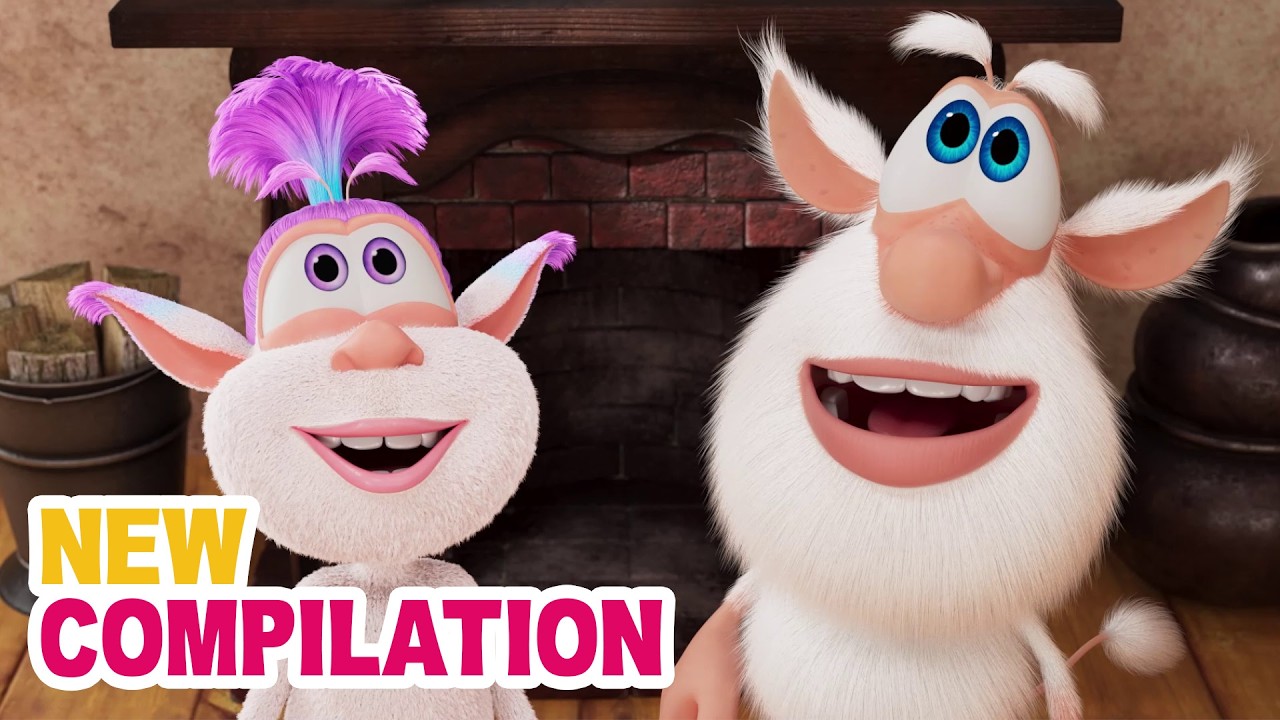
2. Booba Safety Adventures:

Booba’s curiosity leads to situations where children learn safety rules through observation.

Benefits:

  • Non-verbal storytelling suitable for all languages.

  • Engages children in identifying safe and unsafe actions.

  • Perfect for young learners exploring their environment.


3. Super Simple Safety Songs:

Combines nursery rhymes with safety lessons.

Learning focus:

  • Road safety songs like “Stop, Look, and Listen.”

  • Home safety rhymes for brushing teeth, washing hands, and using toys safely.

  • Reinforces memory through music and repetition.


4. Little Hero Safety Stories:

Mini-stories teach children how to stay safe, act responsibly, and help others in emergencies.

Key lessons:

  • Fire safety and first aid basics

  • Crossing streets safely

  • Asking for help from trusted adults


5. Safe Friends Adventures:

Animal characters demonstrate safety rules through fun situations.

Learning benefits:

  • Teaches sharing, cooperation, and hazard awareness.

  • Introduces basic science and safety concepts in playful stories.

  • Suitable for preschool and early school-age children.


How Parents Can Maximize Learning:

Parents can help children internalize safety lessons from cartoons by:

  1. Watching together: Discuss each scenario and ask questions like, “What should we do next?”

  2. Role-playing: Practice crossing streets, emergency drills, or safe indoor play.

  3. Repeating favorite episodes: Repetition helps toddlers remember important rules.

  4. Reinforcing in daily life: Praise children when they follow safety habits at home or outside.

  5. Interactive quizzes: Ask simple questions after watching videos to reinforce learning.

  6. Balance screen time: Short, focused episodes work best for toddlers.


Recommended Kids Safety Cartoon Videos for 2025:

  • Safety with Zoya – Home and road safety lessons

  • Booba Safety Adventures – Observation and hazard awareness

  • Super Simple Safety Songs – Nursery rhymes with safety themes

  • Little Hero Safety Stories – Fire, emergency, and first aid lessons

  • Safe Friends Adventures – Animal characters teaching safety

These animated videos make learning safety engaging, fun, and practical, helping children adopt good habits that protect them in everyday life.


Final Thoughts:

Kids safety cartoon videos are a powerful tool for teaching toddlers and preschoolers essential safety skills. In 2025, animated series combine storytelling, music, and colorful visuals to make learning fun, memorable, and effective.

Parents can enhance learning by:

  • Watching together and discussing lessons

  • Practicing safety routines in real life

  • Reinforcing rules through role-play and repetition

With the right safety cartoons, screen time becomes educational, giving children practical knowledge that helps them stay safe, confident, and responsible in everyday situations.

Tip for Parents: Encourage children to demonstrate safety rules learned from cartoons, which improves retention and practical application.
Advertisement
Animated Experiments for Kids
Introducing children to science at an early age helps spark curiosity, creativity, and problem-solving skills. Science for kids – animated experiments and fun facts is a fun and engaging way to teach complex scientific concepts in a simple, understandable, and entertaining format. Through colorful animations, interactive visuals, and playful characters, children can learn about science while having fun. This article explores why animated science videos are effective, their educational benefits, and how parents can use them to encourage a love for science. ⭐ Why Animated Science Videos Are Effective for Kids: Animated science experiments and fun facts are ideal for young learners because they combine visual learning, interactivity, and entertainment: 1. Visual Representation of Complex Ideas: Science concepts like gravity, magnets, or chemical reactions can be hard for children to grasp. Animations simplify these ideas through bright visuals and step-by-step demonstrations. 2. Engaging and Interactive: Cartoons and animations keep children interested and encourage participation. Many videos ask kids to guess outcomes or make predictions, making learning active. 3. Memorable Learning: Fun characters, storytelling, and humor make scientific concepts stick in children’s minds longer than traditional teaching methods. 4. Safe Experiment Demonstrations: Animated experiments allow children to see exciting experiments without any risk of harm, chemicals, or accidents. 5. Encourages Curiosity: Animated science videos spark curiosity and inspire children to ask questions, explore, and conduct safe experiments at home or in school. ⭐ Popular Themes in Science for Kids Videos: 1. Simple Experiments: Animated experiments show easy, safe science projects like mixing colors, creating volcanoes, or floating objects, which children can try at home with parental guidance. 2. Fun Science Facts: Videos share amazing facts about space, animals, plants, weather, or the human body in a fun, animated format that captures attention. 3. Everyday Science: Cartoons explain scientific principles in daily life, such as why it rains, how plants grow, or how magnets work, making learning relatable. 4. Adventure-Based Learning: Characters go on exciting science adventures, exploring the ocean, outer space, or the rainforest, combining storytelling with scientific discovery. 5. Interactive Quizzes and Challenges: Animated quizzes challenge kids to test their knowledge, solve puzzles, or predict experiment outcomes, reinforcing learning and critical thinking. ⭐ Educational Benefits of Science for Kids Videos: 1. Develops Scientific Thinking: Children learn to observe, hypothesize, experiment, and draw conclusions, laying the foundation for scientific thinking. 2. Boosts Curiosity and Exploration: Animated science encourages children to ask questions and explore the world around them creatively. 3. Improves Cognitive Skills: Watching animated experiments develops memory, attention, problem-solving, and analytical skills. 4. Enhances Language and Communication: Narration and dialogues in videos improve vocabulary, listening skills, and comprehension of scientific terms. 5. Encourages Hands-On Learning: After watching, children are inspired to try simple experiments themselves, connecting theory with practice. ⭐ Tips for Parents to Make the Most of Animated Science Videos: ✔ 1. Watch Together: Sit with your child and discuss the experiments, asking them questions to reinforce understanding. ✔ 2. Encourage Safe Experiments: Try simple, safe experiments at home to complement what they see in videos. ✔ 3. Connect Science to Daily Life: Relate experiments to everyday experiences, like explaining evaporation while drying clothes or floating objects in water. ✔ 4. Limit Screen Time: Even educational videos should be balanced with active play and hands-on activities. ✔ 5. Praise Curiosity: Encourage children to ask questions and explore, reinforcing their interest and confidence in learning science. ⭐ Conclusion: Science for kids – animated experiments and fun facts is an exciting way to introduce children to the wonders of the natural world. Through vibrant animations, storytelling, and interactive experiments, children learn scientific concepts, develop problem-solving skills, and cultivate curiosity. Parents and educators can use these videos to make science enjoyable, safe, and memorable. By combining animated demonstrations with hands-on activities, children not only understand how the world works but also develop a lifelong love for science and exploration. Animated science videos are more than entertainment—they are a gateway to learning, discovery, and imagination for young minds.
Best English Learning Cartoons in 2025
Music and animation are powerful tools for early learning. In 2025, cartoon songs for kids learning English words have become one of the most effective ways to teach toddlers and preschoolers vocabulary, pronunciation, and basic language skills. Combining catchy tunes, colorful visuals, and interactive lyrics, these songs make learning English fun, engaging, and memorable. This guide explores the benefits of cartoon songs, highlights top series for 2025, and provides tips for parents to maximize learning. Why Cartoon Songs Are Effective for Learning English: Children naturally respond to music and repetition, making cartoon songs an ideal learning tool. Here’s why: Reinforcement through melody: Tunes help children remember new words and phrases. Visual cues: Animated characters show objects, actions, or letters while singing. Interactive learning: Repeating words, singing along, and performing actions improve retention. Early language development: Listening and singing enhances pronunciation, comprehension, and vocabulary. Fun and engagement: Kids perceive learning as play, reducing resistance and boredom. By combining music, visuals, and storytelling, children learn English words effortlessly while having fun. Key Learning Areas in Cartoon Songs: Alphabet and Letters Songs teach A–Z letters with animated visuals. Associating letters with objects (A for Apple, B for Ball) enhances memory. Numbers and Counting Counting songs teach numbers, order, and simple math concepts. Colors, Shapes, and Objects Animated objects and songs introduce colors, shapes, and common items. Basic Vocabulary Everyday words for animals, foods, clothes, and actions. Reinforcement through repetition and visual cues. Simple Phrases and Greetings Introduces polite expressions, short sentences, and conversational phrases. Top Cartoon Songs for Kids Learning English Words in 2025: 1. Super Simple Learning Songs: This series is a favorite among toddlers and preschoolers for learning English words through music. Highlights: Alphabet, numbers, and colors Fun characters and colorful animations Slow, clear pronunciation ideal for early learners 2. ABC Kids Songs: Animated songs with letters and words make learning English engaging. Learning benefits: Improves vocabulary and pronunciation Interactive songs encourage singing along Teaches alphabet sequence and letter sounds 3. Booba’s Learning Songs: Booba introduces words and objects in playful animated scenarios. Why it’s popular: Non-verbal storytelling combined with music Encourages observation and repetition Perfect for toddlers of all languages 4. Little Learners English Songs: Mini-stories combined with catchy songs teach numbers, animals, foods, and basic phrases. Key learning points: Vocabulary expansion through visuals and lyrics Reinforces daily words for home, school, and play Short episodes perfect for attention spans of 2–6 years 5. Fun Animal Alphabet Songs: Songs featuring animals and letters make English vocabulary memorable. Benefits: Associates letters with animals (A for Alligator, B for Bear) Introduces sounds and spelling Engaging for toddlers who love animals How Parents Can Maximize Learning: To make cartoon songs more effective, parents can: Watch and sing along: Encourage children to imitate words and gestures. Repeat favorite songs: Repetition reinforces memory and pronunciation. Use props and toys: Show objects while singing corresponding words. Pause and ask questions: “Can you find the apple?” or “Which animal is this?” Mix learning songs with routine activities: Counting during snack time, naming colors while dressing, etc. Limit screen time: Short sessions of 5–10 minutes per song maximize attention. Recommended Cartoon Songs for Kids Learning English Words in 2025: Super Simple Learning Songs – Alphabet, numbers, colors ABC Kids Songs – Letters, words, and pronunciation Booba’s Learning Songs – Observation-based vocabulary learning Little Learners English Songs – Everyday words, phrases, and objects Fun Animal Alphabet Songs – Letters and animals for interactive learning These animated songs are safe, colorful, and educational, helping children develop early English vocabulary, listening skills, and pronunciation while enjoying fun music and characters. Final Thoughts: Cartoon songs for learning English words are more than entertainment—they are educational powerhouses. In 2025, these series combine music, visuals, and repetition to make learning natural and enjoyable for toddlers and preschoolers. Parents can enhance learning by: Singing along and practicing words together Reinforcing vocabulary in daily routines Repeating songs to strengthen memory and comprehension With the right cartoon songs, children learn English effortlessly while having fun, setting a strong foundation for future language skills. Tip for Parents: Encourage children to draw or point out objects from the songs as they sing along, which reinforces memory and makes learning interactive.
Best Moral Stories for Kids with Animation
Learn with Fun in 2025 Teaching children good values and life lessons is a vital part of early education. In today’s digital age, animated moral stories for kids have become one of the most effective ways to teach ethics, empathy, and social skills while keeping learning fun and engaging. Animated moral stories combine colorful visuals, lively characters, and engaging narratives to help children understand right from wrong, develop emotional intelligence, and learn essential life lessons. In 2025, these videos are more popular than ever, offering parents a safe and interactive way to instill values in their children. This guide explores the benefits of animated moral stories, top series and videos for kids, and tips for parents to maximize learning from these stories. Why Moral Stories Matter for Kids in 2025: Stories have always been a powerful educational tool. With animation, stories come to life, making lessons memorable and relatable. Benefits of animated moral stories: Teaches values: Honesty, kindness, sharing, and respect. Emotional intelligence: Helps children understand feelings, empathy, and conflict resolution. Problem-solving skills: Characters face challenges, showing consequences of choices. Language development: Kids learn new words and sentence structures through storytelling. Safe entertainment: Stories are designed with age-appropriate lessons and positive messaging. By turning morals into entertaining narratives, children absorb values naturally without feeling like they are being “taught.” Top Moral Lessons Taught Through Animated Stories: Here are some common and essential moral lessons taught in animated stories for kids: Kindness and EmpathyStories that show characters helping others or showing compassion teach toddlers how to care for friends, family, and animals. Honesty and IntegrityAnimated tales about telling the truth help children understand why honesty matters and the consequences of lying. Sharing and CooperationThrough teamwork or sharing experiences, kids learn how to play and work well with others. Courage and ResilienceCharacters overcoming fears or challenges inspire children to face difficulties bravely. Respect and Good MannersStories highlight respecting elders, peers, and rules, reinforcing positive social behavior. Responsibility and Self-disciplineAnimated moral stories show children the importance of taking responsibility for actions and forming good habits. Top Animated Moral Story Series for Kids in 2025: 1. The Kindness Club: One of the most popular series in 2025, The Kindness Club teaches empathy, friendship, and sharing through playful characters and interactive stories. Why it’s popular: Engaging and relatable storylines Soft, colorful animation that appeals to toddlers Promotes emotional intelligence and social skills 2. Moral Tales with Booba: Booba’s curiosity-driven adventures are now infused with moral lessons. Children learn safety, honesty, and helping others while watching Booba explore the world. Benefits: Non-verbal and easy to understand for all languages Encourages observation and critical thinking Suitable for toddlers and preschoolers 3. ABC & Friends Life Lessons: Combining alphabet learning with moral lessons, this series uses fun stories and characters to teach values along with ABCs. Highlights: Teaches honesty, kindness, and cooperation Reinforces language skills Colorful, interactive visuals for toddlers 4. Super Simple Stories: Life Lessons: Super Simple Stories combines songs, rhymes, and animations to convey morals in a fun way. What kids learn: Sharing and caring Respect and empathy Following rules and helping friends 5. Little Hero Adventures: Animated mini-stories where small characters face challenges and learn courage, responsibility, and resilience. Key themes: Problem-solving and decision-making Bravery in small daily tasks Understanding consequences 6. Animal Tales for Kids: Stories featuring animals teach moral lessons in an entertaining way, often making values easier for children to understand. Learning benefits: Sharing and friendship through animal adventures Respect for nature and animals Promotes teamwork and kindness How to Choose the Right Animated Moral Stories: When selecting moral story videos for kids, parents should consider: Age-appropriate content – Stories should match your child’s understanding. Positive messaging – Avoid content with negative stereotypes or violence. Engaging visuals – Bright colors and fun characters hold attention. Short duration – Toddlers learn better from 5–10 minute videos. Interactive elements – Songs, rhymes, and prompts encourage participation. Trusted sources – Use safe platforms like YouTube Kids or educational websites such as boobacartoon.com. Tips for Maximizing Learning with Moral Stories: Watch together – Parents can reinforce the lessons and answer questions. Discuss the story – Ask your child “What would you do?” to encourage critical thinking. Repeat favorites – Repetition strengthens understanding and retention. Combine with real-life practice – Encourage children to act on lessons like sharing or helping. Mix with other learning videos – Pair moral stories with ABC, numbers, or colors for a well-rounded early education. Recommended Moral Stories for Kids in 2025: The Kindness Club – Empathy, sharing, and friendship Moral Tales with Booba – Safety, honesty, and helpfulness ABC & Friends Life Lessons – Values combined with alphabet learning Super Simple Stories: Life Lessons – Songs, rhymes, and morals Little Hero Adventures – Courage, resilience, and responsibility Animal Tales for Kids – Friendship, teamwork, and respect for animals These series are safe, engaging, and educational, making moral lessons fun and memorable for toddlers and preschoolers. Final Thoughts: Animated moral stories are more than just entertaining videos—they are powerful tools for teaching values, empathy, and social skills. By choosing the right series, parents can help their children develop emotional intelligence, good habits, and decision-making skills while enjoying bright and playful animations. In 2025, with a wide variety of animated moral stories available, parents have endless options to make screen time educational and enriching. Mix and match stories, discuss lessons, and encourage real-life practice to give your child a strong foundation for ethical and emotional development. Tip for Parents:  Encourage children to retell the stories in their own words—this reinforces memory, comprehension, and moral understanding.
How to Use Playful Cartoon Characters to Improve Kids’ Creativity
Children love watching funny, curious, and playful animated characters. Beyond entertainment, these characters can be powerful tools to boost creativity, imagination, and problem-solving skills in young learners. This guide explains how parents can use animated characters to inspire creativity in children aged 3–8 through activities, storytelling, and interactive play. Why Animated Characters Boost Creativity: Imaginative Scenarios: Characters often explore unusual or silly situations, inspiring children to think outside the box. Visual Storytelling: Exaggerated expressions and playful antics allow children to interpret and invent stories. Hands-On Inspiration: Watching characters can motivate kids to draw, craft, or role-play. Problem-Solving: Funny mishaps encourage children to invent solutions, enhancing cognitive skills. Ways to Use Animated Characters to Enhance Creativity: 1. Storytelling Activities Ask children to retell the episode in their own words. Encourage them to change endings or invent new adventures. Use props or toys to act out scenes, promoting imagination. Educational Tip: Enhances narrative skills, sequencing, and vocabulary. 2. Drawing and Coloring Inspired by Characters Let kids draw or color scenes from the episode. Encourage adding new elements or characters, fostering creativity. Combine with storytelling by asking them to describe their drawings. Learning Tip: Supports fine motor skills and creative thinking. 3. Craft and DIY Projects Create character-themed crafts, such as paper puppets, masks, or origami figures. Encourage children to design new characters or accessories, boosting problem-solving and innovation. Learning Tip: Hands-on crafts enhance planning, coordination, and imaginative skills. 4. Role-Playing and Acting Children can recreate scenes or improvise new stories. Use safe props or costumes to make play interactive. Role-play helps children experiment with different emotions and scenarios. Learning Tip: Develops emotional intelligence, social skills, and creativity. 5. Writing Mini Stories For older children (6–8 years), encourage writing short stories inspired by episodes. They can illustrate characters and adventures, combining art and writing. Helps build literacy skills, imagination, and self-expression. Tips for Parents: Co-Create Stories: Participate with your child to make storytelling interactive. Provide Materials: Supply markers, colored paper, scissors, or toys for creative activities. Encourage Originality: Praise unique ideas rather than copying. Set a Routine: Incorporate 20–30 minutes of creativity-inspired activities after watching episodes. Display Work: Showcase drawings or crafts to boost confidence and motivation. Benefits of Using Animated Characters for Creativity: Imagination Growth: Kids learn to invent and visualize new scenarios. Problem-Solving Skills: Characters’ challenges encourage innovative thinking. Fine Motor Development: Drawing, coloring, and crafting enhance hand-eye coordination. Emotional Expression: Acting or storytelling helps express feelings. Confidence and Achievement: Completing projects inspired by characters increases self-esteem. Final Thoughts: Playful cartoon characters are more than just entertainment—they can inspire creativity, problem-solving, and imaginative play in children. By integrating drawing, storytelling, role-playing, and crafts, parents can turn screen time into interactive learning experiences, boosting both fun and skill development.
Best Learning Videos for Kids in 2025
Early childhood is the perfect time for children to learn basic shapes and colors, which are essential building blocks for cognitive development, creativity, and problem-solving skills. In 2025, shape and color learning videos for preschoolers have become one of the most engaging ways to teach these concepts. By combining vivid visuals, catchy songs, and interactive animations, these videos make learning fun, memorable, and effective. This guide explores the benefits of shape and color learning videos, top series for preschoolers in 2025, and tips for parents to enhance learning. Why Shape and Color Videos Are Important: Preschoolers learn best through visuals and interactive content, making animated videos ideal for teaching shapes and colors: Boosts visual recognition: Children quickly identify shapes and colors through repetition and vibrant imagery. Enhances memory retention: Songs and animations help kids remember concepts more easily. Supports cognitive development: Sorting, matching, and recognizing shapes and colors improve critical thinking. Encourages creativity: Children learn to combine shapes and colors to create patterns, drawings, and crafts. Provides interactive learning: Animated videos often include prompts, songs, and activities for active participation. Through these videos, preschoolers develop essential skills while having fun, making early education enjoyable. Key Learning Areas in Shape and Color Videos: Basic Shapes Circle, square, triangle, rectangle, star, and heart Animated examples of shapes in everyday objects Colors Primary colors: red, blue, yellow Secondary colors: green, orange, purple Shades and combinations through playful storytelling Shape and Color Recognition Matching shapes with objects Identifying colors in daily life Simple puzzles and interactive games Patterns and Sorting Learning sequences with shapes and colors Sorting objects by shape or color Encourages analytical thinking and problem-solving Creativity and Art Combining shapes and colors in drawing or building activities Encourages imagination and fine motor skills Top Shape and Color Learning Video Series for Preschoolers in 2025 1. Super Simple Shapes and Colors A favorite series for early learners, combining songs, visuals, and repetition to teach basic shapes and colors. Highlights: Animated characters demonstrate shapes in daily objects Fun songs for color and shape recognition Slow-paced and toddler-friendly 2. ABC Kids – Shapes and Colors Edition This series uses alphabet characters and playful animations to reinforce color and shape learning. Learning benefits: Letter and shape association (A for Apple – round shape) Primary and secondary colors introduced interactively Encourages singing along and participation 3. Booba Learns Colors and Shapes Booba explores different objects and environments while teaching shapes and colors in a playful way. Why it’s popular: Non-verbal storytelling suitable for all languages Observation-based learning Short episodes perfect for attention spans of 2–6 years 4. Little Learners: Colors & Shapes Mini-stories and songs help preschoolers identify shapes and colors in everyday situations. Key learning points: Matching shapes and colors with objects Reinforces vocabulary for shapes and colors Interactive prompts encourage participation 5. Fun Animal Colors & Shapes Animals are used to teach shapes and colors in fun, memorable ways. Learning highlights: Associating colors with animals and objects Introduces patterns and simple puzzles Combines entertainment with educational content How Parents Can Enhance Learning Parents can help children maximize the benefits of shape and color learning videos: Watch together: Point out shapes and colors in the video and at home. Ask interactive questions: “Can you find a red circle?” or “Which objects are triangles?” Repeat favorite videos: Reinforces recognition and memory. Practice offline: Use toys, blocks, or drawing activities to reinforce concepts. Encourage creativity: Let children create art using shapes and colors learned in the videos. Keep sessions short: 5–10 minute videos work best for attention spans of preschoolers. Recommended Shape and Color Learning Videos for 2025 Super Simple Shapes and Colors – Songs and animated examples ABC Kids – Shapes and Colors Edition – Alphabet-based learning Booba Learns Colors and Shapes – Observation and play-based learning Little Learners: Colors & Shapes – Mini-stories and interactive prompts Fun Animal Colors & Shapes – Animal-themed shape and color education These videos are safe, colorful, and educational, helping preschoolers recognize shapes, identify colors, and develop creativity while having fun. Final Thoughts Shape and color learning videos are more than just entertaining—they are essential tools for early childhood development. In 2025, animated series combine bright visuals, music, and interactive storytelling to make learning engaging and effective. Parents can enhance learning by: Watching videos together and discussing concepts Reinforcing lessons with offline activities and creative play Repeating episodes to strengthen memory and recognition With the right videos, preschoolers develop foundational cognitive skills, creativity, and visual awareness while enjoying colorful and fun animations. Tip for Parents: Encourage children to sort toys or draw using learned shapes and colors after watching videos to reinforce learning and motor skills.
Screen Time Rules for Different Age Groups
In 2026, screens are woven into the fabric of learning, creativity, and connection. The goal for parents is no longer mere restriction, but smart curation—crafting a "digital diet" that is age-appropriate, purposeful, and balanced with the rich nutrients of offline life. This guide provides clear, flexible rules and strategies tailored to each developmental stage, helping you move from daily battles over "five more minutes" to a sustainable family media plan. The Foundational Principles for All Ages : Before diving into age groups, these universal rules form the bedrock of healthy screen use for every family member. Quality Over Quantity: Focus on what they are doing on screens, not just for how long. An hour video-chatting with grandparents is not the same as an hour of mindless scrolling. Co-View & Co-Play: Whenever possible, engage with your child's digital world. It's the single most effective safety and bonding strategy. Tech-Free Zones & Times: Protect family meals, bedrooms, and the first hour after school/wake-up as sacred screen-free times to foster connection and calm. Model the Behavior: Your own intentional screen use is the most powerful lesson. Practice "phone away" times and explain your own media choices. Ages 0-2: The Digital Fasting Phase (Minimal to No Solo Screen Time) : Developmental Need: Direct, hands-on interaction with the physical world to build neural connections, motor skills, and secure attachment. The Rules : Video Chat is the Exception: Live, interactive video calls with loved ones are beneficial and encouraged as a social activity. Avoid Solo Media: The American Academy of Pediatrics (AAP) strongly discourages any solo, passive screen media for this age group. Their brains cannot transfer learning from 2D screens to 3D reality effectively. If You Do Use Media: Only high-quality content, always watched with a parent who describes and connects it to the real world. ("Look, the duck is yellow! Just like your rubber duck!"). Parent Strategy: Fill their world with sensory play, books, and outdoor exploration. Resources from kidtoys.site offer perfect, engaging alternatives. Screens are not a necessary babysitter; your interaction is. Ages 3-5: The Introduction Phase (Up to 1 Hour/Day, Highly Curated) : Developmental Need: Imaginative play, language acquisition, and learning basic social-emotional skills. The Rules : Strict Time Limit: Coherent daily limit of 30-60 minutes total of high-quality programming. Full Parental Control: Use kid-safe platforms and devices. All content is pre-selected by you. Autoplay must be disabled. Always Co-Engage: Sit with them. Ask questions about the characters' feelings and choices. Pause and discuss. Turn shows from boobacartoon.com into lessons about kindness or problem-solving. No Personal Devices: Screens should be shared family devices in common areas. Parent Strategy: This is the time to establish the "when" and "where" routines. "We watch one show after lunch, on the living room couch." Use a visual timer. Prioritize interactive apps that promote creation over passive consumption. Ages 6-10: The Training Wheels Phase (Consistent Limits, Focus on Education & Creation) : Developmental Need: Developing academic skills, personal interests, and understanding rules and consequences. The Rules : Clear, Consistent Caps: 60-90 minutes on weekdays of recreational screen time, with more flexibility possible on weekends. Schoolwork does not count toward this limit. Establish "Homework First": A non-negotiable rule: all homework, chores, and offline responsibilities must be complete before any recreational screen time. Introduce "Screen-Time Tickets": Give them physical or digital tickets representing their daily time allowance (e.g., 3 x 30-minute tickets), teaching them to budget and choose between activities. Begin Safety Education: Teach core safety rules: never share personal info, ask before downloading, and come to you if something feels weird. Use resources from learn.universitiesforllm.com for structured digital literacy lessons. Parent Strategy: Shift from pure control to guided autonomy. Have weekly check-ins about what games they're playing or videos they're watching. Encourage them to create digital art, code simple games, or make family videos. Ages 11-13: The Negotiation & Independence Phase (Managing Autonomy & Social Life) : Developmental Need: Social connection, identity exploration, and increased responsibility. The Rules : Move to a Weekly Allowance: Instead of a daily minute count, grant a weekly pool of hours (e.g., 8-10 hours). They learn to manage it across the week for games, social media, and videos. The Device Contract: Before getting their first smartphone or personal device, co-create and sign a detailed contract covering safety, etiquette, time limits, and consequences for misuse. Bedroom Ban Continues: All devices charge overnight in a common family charging station, not in the bedroom. This protects sleep and reduces nighttime temptation. Social Media Readiness: Delay social media as long as possible. If introduced, accounts must be private, you must have passwords, and you will follow each other. Review privacy settings together monthly. Parent Strategy: Your role is now a coach and mediator. Have deep-dive conversations about online reputation, cyberbullying, and media literacy. "Walk the line" between respecting their growing privacy and ensuring their safety. Ages 14+: The Driver's License Phase (From Rules to Responsibilities) : Developmental Need: Preparing for adult independence, self-regulation, and complex social dynamics. The Rules : Focus on Responsibilities, Not Just Minutes: Shift the framework. Expectations include: maintaining grades, fulfilling family/activity commitments, and demonstrating responsible online behavior. As these are met, grant increased screen autonomy. Open Dialogue & Audits: You retain the right to occasional, announced "audits" of social media or browsing history, framed as a safety check-in, not spying. The key is transparency on both sides. Critical Discussions are Mandatory: Regularly discuss news stories about digital footprints, ethics, and the impact of technology on mental health and society. The "Offline Life" Balance: Insist on evidence of a balanced life—in-person hobbies, sports, face-to-face friend time, and unplugged downtime. Parent Strategy: You are now a consultant. Your goal is to ensure their internal compass is strong enough to guide them when you're not there. Trust is earned through demonstrated responsibility. Continue to model a balanced digital life yourself. Conclusion: Flexibility Within the Framework : These rules are a blueprint, not a prison. Be prepared to adapt for special occasions, educational projects, or your child's unique needs. The constant is your engaged presence and ongoing conversation. By using age-appropriate strategies and leveraging quality resources—like the structured guides from learn.universitiesforllm.com, the positive narratives from boobacartoon.com, and the engaging offline play from kidtoys.site—you can guide your child to develop a healthy, intentional, and empowered relationship with technology that serves them for a lifetime.
Why You Should Block Certain Cartoon Channels
Cartoons are a wonderful source of entertainment and learning for children, but not all cartoon channels are suitable for young audiences. Some content may contain violence, inappropriate language, or negative behavioral messages, which can impact a child’s development. Parents need to carefully monitor and, in some cases, block certain channels to ensure a safe and healthy viewing experience. Blocking unsuitable channels allows children to focus on age-appropriate content, learn positive behaviors, and enjoy cartoons without exposure to harmful material. Impact of Inappropriate Content on Children: Watching unsuitable cartoons can affect children in several ways: Encourage aggressive or inappropriate behavior Introduce complex themes beyond their understanding Create fear, anxiety, or confusion Influence negative attitudes toward others Distract from learning-focused activities By blocking these channels, parents can protect children’s emotional and cognitive development. Signs That a Cartoon Channel May Be Inappropriate: Parents should be alert to certain indicators when evaluating cartoon channels: Frequent violence, fighting, or bullying Use of inappropriate language or mature themes Characters displaying poor moral behavior without consequences Content that is overly fast-paced or overstimulating Shows that promote consumerism or unsafe habits Identifying these signs helps parents make informed decisions about what their children watch. Benefits of Blocking Unsuitable Channels: Blocking certain cartoon channels ensures children: Watch content aligned with their age and development Focus on educational and creative shows Develop positive social and emotional skills Avoid exposure to content that encourages aggression or fear Build a foundation for healthy screen habits This approach allows children to enjoy cartoons safely while learning valuable lessons. How to Select Safe Cartoon Channels: When choosing suitable channels, parents should consider: Shows that teach morality, empathy, and teamwork Educational content that promotes literacy, numeracy, or creativity Channels with bright visuals, friendly characters, and calm pacing Programs that reinforce positive social and emotional skills Some popular safe options include Sesame Street, Bluey, Daniel Tiger’s Neighborhood, and educational YouTube channels specifically designed for preschoolers. Tools and Techniques for Blocking Channels: Parents can use several tools to filter or block unwanted cartoon content: Parental control apps like Google Family Link, YouTube Kids, or Qustodio Browser and app-level content restrictions Device-based content filtering and screen time controls Creating custom playlists or approved channels These tools help ensure children have controlled access to safe content. Encouraging Positive Viewing Habits: Blocking inappropriate channels is only one step. Parents should also: Watch cartoons together and discuss lessons learned Encourage children to ask questions and express ideas Balance screen time with active, hands-on activities Praise curiosity and creativity while avoiding passive consumption Active engagement enhances learning and reinforces positive behavior. Conclusion: Blocking certain cartoon channels is essential for safe and effective learning through media. By monitoring content, using parental controls, and promoting age-appropriate shows, parents can protect children from harmful influences and ensure cartoons remain a source of fun, education, and positive social development. Safe cartoon viewing fosters healthy screen habits, creativity, and emotional growth, preparing children for both learning and social interactions.
Why Non-Verbal Cartoons Are Good for Language Learning
Non-verbal cartoons—funny, expressive animated characters that don’t speak—are incredibly popular with children. Beyond entertainment, they can also support language development and early literacy skills in young learners. This guide explains how non-verbal cartoons help children learn language, develop communication skills, and enhance comprehension, even without dialogue. How Non-Verbal Cartoons Support Language Learning: Focus on Visual Cues Children pay attention to gestures, facial expressions, and actions, which teach meaning without words. Helps them understand context and emotion, key elements of language comprehension. Encourages Storytelling Skills Kids can describe what is happening in their own words, enhancing vocabulary and sentence formation. Promotes narrative skills by encouraging children to recreate or extend the story. Boosts Observation and Comprehension Non-verbal storytelling requires children to connect events logically, improving understanding and sequencing skills. Enhances attention to detail, a critical skill for reading and listening comprehension. Practical Ways to Use Non-Verbal Cartoons for Language Learning: 1. Ask Children to Narrate the Story Pause the episode and ask: “What do you think happens next?” Encourage full sentences and creative descriptions. Helps expand vocabulary and language structure. 2. Role-Play Scenes Children can act out the characters’ actions. Encourage them to use words to describe what they are doing, practicing verbal communication. 3. Draw or Write About the Episode Drawing scenes or writing short descriptions reinforces story comprehension and vocabulary. Older kids can write mini-stories inspired by the episode, connecting words with visual cues. 4. Use as a Prompt for Conversation Ask open-ended questions: “Why do you think the character did that?” “How would you feel in that situation?” Encourages discussion, critical thinking, and emotional vocabulary. Benefits of Non-Verbal Cartoons for Language Learning: Vocabulary Development: Kids learn words by describing actions, objects, and emotions. Sentence Formation: Encourages proper sentence structure and verbal expression. Narrative Skills: Enhances storytelling ability and logical sequencing. Listening and Observation: Teaches children to interpret meaning from context. Cross-Cultural Learning: Non-verbal cartoons can be understood by children of any language background, promoting inclusivity. Tips for Parents: Choose Age-Appropriate Episodes: Focus on simple, clear actions and expressive characters. Encourage Active Engagement: Ask children to explain, describe, or act out scenes. Combine With Hands-On Activities: Drawing, crafts, or role-play extends the learning experience. Praise Participation: Celebrate attempts at storytelling and description to build confidence. Repeat Viewing: Re-watching episodes reinforces comprehension and vocabulary. Final Thoughts: Non-verbal cartoons are a fun, interactive, and effective way to support early language development. By encouraging children to observe, narrate, act, and create, parents can turn passive viewing into an active language learning experience, enhancing vocabulary, storytelling, and comprehension skills.