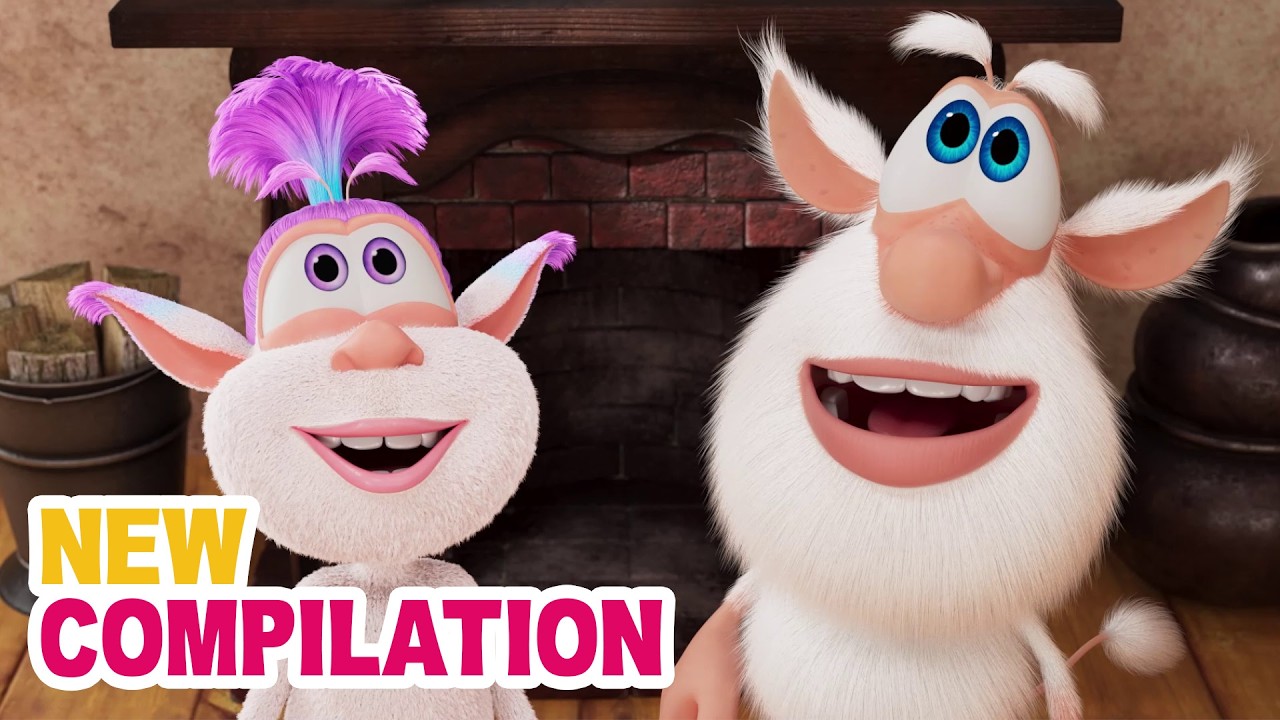
Themed Party Favors for Kids: A 2025 Guide to Fun, Simple & Memorable Gifts

Party favors are the final thank-you note, a small token of appreciation for sharing in the celebration. For a party inspired by gentle, curious characters, the best favors aren't just branded trinkets—they're useful, playful, and spark imagination long after the cake is gone. This 2025 guide offers creative, affordable, and low-waste favor ideas that capture a spirit of discovery and fun.


The New Rules for Modern Party Favors :

Move beyond plastic junk. Today's best favors are:

  • Useful or Experiential: Something kids will actually use or enjoy doing.

  • Low-Waste & Thoughtful: Minimal plastic, functional packaging.

  • Interactive: Encourages play, creation, or discovery.

  • Cohesive: Ties into the party theme without being overly commercial.


Category 1: The "Create & Explore" Favor Bag (Ages 3-7) :

Favors that are an activity in themselves.

  • DIY "Curiosity" Play Dough Kit:

    • The Idea: A small jar or clear bag of homemade blue play dough (non-toxic, scented with vanilla if desired). Attach a tag that says, "Shape Something Wonderful!" Include a couple of simple tools like a craft stick and a small cookie cutter in a basic shape (circle, star).

    • Why It Works: It's sensory, creative, and the container becomes part of the play. It aligns perfectly with hands-on, tactile discovery.

  • "Mystery Seed" Planting Pot:

    • The Idea: A small terracotta pot painted a solid, cheerful blue (or wrapped in blue paper). Fill it with soil and bury a mystery seed packet for a fast-growing plant like beans, sunflowers, or basil. Tag: "Watch Curiosity Grow!"

    • Why It Works: It's a living, growing favor that teaches patience and care. The "mystery" element adds excitement.

  • "I Spy" Discovery Bottle:

    • The Idea: A clear plastic bottle filled with rice or sand dyed blue, and a mix of small hidden treasures (a tiny plastic lightbulb, a question mark charm, a button, a bead). Hot glue the lid shut for safety. Attach a laminated list of items to find.

    • Why It Works: It’s a calming, focus-building activity. Kids can shake and search for the hidden items again and again.


Category 2: The "Useful Adventure Gear" Favors (Ages 5-10) :

Items that will be used in everyday play.

  • Personalized "Explorer" Water Bottle Strap:

    • The Idea: A simple, adjustable nylon bottle strap (available in bulk online) customized with a wooden bead painted with two simple dot eyes. It instantly turns any water bottle into a sidekick for adventures.

    • Why It Works: Incredibly practical for school, sports, and outings. The personalization makes it special.

  • "Secret Message" Notepad & Decoder Pen:

    • The Idea: A small, memo-sized notepad with a blue cover. Pair it with a "invisible ink" pen (UV pen that writes in clear ink, requiring the attached UV light to read). Tag: "For Your Top-Secret Discoveries."

    • Why It Works: Combines writing practice with spy-game fun. The interactive element is a huge hit.

  • "Build-Your-Own" Snack Mix & Container:

    • The Idea: A reusable silicone pouch or small metal tin. Set up a snack mix station at the party with blue-tinted popcorn, yogurt-covered pretzels, chocolate chips, and cereal. Let each child fill their own container to take home.

    • Why It Works: Edible, zero-waste, and involves the kids in the favor creation. The container is reusable.


Category 3: The "Imagination & Play" Favors (All Ages) :

Favors that fuel storytelling and pretend play.

  • Storytelling Dice:

    • The Idea: One or two large wooden dice with simple pictures drawn or glued on each face (a key, a door, a treasure chest, a surprised face, a foot, a question mark). Package in a small muslin bag.

    • Why It Works: Encourages creative language and storytelling. A game that can be played alone or with friends.

  • Character "Face" Bean Bag Toss Game:

    • The Idea: A small favor bag containing three homemade bean bags (simple squares of blue fabric filled with rice or beans, sewn shut) and a paper plate with a face drawn on it (two big eyes and a smile). Kids can take it home and play a tossing game.

    • Why It Works: It's an instant game. Promotes active play and motor skills.

  • "Color Your Own" Canvas Pouch:

    • The Idea: A plain, light-colored canvas drawstring pouch. Include a few fabric markers. Kids can decorate their own favor bag at the party or at home, making it a truly personal keepsake.

    • Why It Works: The bag is the favor and the packaging. It’s functional for storing small toys later.


The Presentation: Making it Special :

How you package favors matters just as much as what's inside.

  • Thematic Packaging: Use blue paper bags, boxes, or reusable fabric bags. Tie with a simple white or black ribbon.

  • Simple, Clever Tags: Instead of just the guest's name, use tags with phrases like:

    • "Thanks for exploring with me!"

    • "Stay Curious!"

    • "A small treasure from our adventure."

  • Practical Containers: Let the container be part of the favor (the planting pot, the canvas pouch, the silicone snack bag).


What to Avoid: The Favor Hall of Shame :

  • Single-Use Plastic Toys: They break instantly and become landfill.

  • Candy Overload: A small treat is fine, but don't make sugar the main gift.

  • Overly Commercial Items: Cheap, mass-produced trinkets with no play value.

  • Anything with Small, Loose Parts for Young Kids: Always consider age and choking hazards.


Conclusion: Favors That Feel Like a Gift, Not an Afterthought :

The goal of a modern party favor is to leave a little spark of the party's joy in each guest's hands. By choosing favors that are interactive, useful, or creative, you're giving a gift that respects parents (less clutter!), delights kids (fun to use!), and reflects a thoughtful, playful celebration.

It’s a small way to say thank you for the biggest gift of all—sharing in your child's special day.
Advertisement
Protecting Kids from Ads and Clickbait Content
Today's digital landscape is a sophisticated marketplace where advertisements are seamlessly woven into games, videos, and social feeds, and "clickbait" thrives on curiosity and emotion. For children, distinguishing between genuine content and manipulative marketing is a critical 21st-century skill. This guide provides modern strategies to shield your child’s attention, nurture their critical thinking, and turn them from passive consumers into savvy digital navigators. The Modern Challenge: Ads and Clickbait Are No Longer Obvious : Gone are the days of just blocking pop-ups. The new frontier includes: Native Advertising: Paid content designed to look and feel exactly like the entertainment or news around it. Influencer Marketing: Their favorite creator "just loving" a product in a vlog. Loot Boxes & In-Game Purchases: Virtual "prizes" that blur the line between play and gambling. Clickbait Thumbnails: Exaggerated, shocking, or misleading images/text designed solely to trigger a click. "Advergames": Entire games built around promoting a brand or product. Your mission is to build your child’s internal "ad detector" and "curiosity filter." Strategy 1: Deconstruct Ads Together – Make the Invisible Visible : Turn advertising encounters into media literacy lessons. Play "Spot the Ad": While co-viewing content on platforms like boobacartoon.com, pause and ask: "Is this part of the story, or is it trying to sell us something? How can you tell?" Look for verbal cues ("Sponsored by"), visual watermarks, or a sudden focus on a branded toy. Ask the "Who Benefits?" Question: Teach them this core question for any content: "Who might make money or get something if I watch this, click this, or buy this?" This simple question unravels most marketing. Explain the "Attention Economy": Use an age-appropriate analogy: "Some apps and videos are like a shopkeeper who just wants you to stay in their store as long as possible, looking at things, so they can make money. Your attention is the prize." Strategy 2: Implement a Strong Technical Defense : Use tools to reduce exposure and create safer spaces. Ad-Blocking & DNS Filtering: Use a family-friendly DNS service (like OpenDNS FamilyShield) or router-level ad-blocking to strip ads from websites on your home Wi-Fi. Choose Ad-Free or Paid Versions: Where possible, opt for ad-free versions of apps, use YouTube Premium to remove video ads, or purchase the "full" version of a game to eliminate in-app purchases. Frame it as "paying for a clean, uninterrupted experience." Leverage Parental Controls: Use device and app controls to disable in-app purchases entirely and restrict access to apps/sites known for heavy advertising. Curate Starter Platforms: For young children, begin their digital journey on ad-free, subscription-based platforms or trusted hubs that vet content, rather than algorithm-driven, ad-supported ones. Strategy 3: Arm Them Against Clickbait – The "Curiosity Trap" : Clickbait preys on impulse. Teach a "pause and assess" protocol. Teach the Red Flags of Clickbait: Create a simple checklist they can mentally run through: Does the thumbnail show a shocked face or something too crazy to be true? Does the headline use words like "SHOCKING," "YOU WON'T BELIEVE," or "WHAT HAPPENED NEXT..."? Does it promise a secret or easy hack? Practice the "Three-Second Pause": Before clicking a recommended video or link, teach them to take three seconds to ask: "Does this look useful or truthful, or is it just trying to trick me into clicking?" Verify with Trusted Sources: Encourage them to bring wild claims or "too good to be true" offers to you. Show them how you would search learn.universitiesforllm.com or another trusted educational site to check facts. Strategy 4: Foster "Creation Over Consumption" Habits : A child who creates is less susceptible to passive manipulation. Shift the Identity: Help them see themselves as a creator, artist, or coder, not just a viewer. Use apps for drawing, animation, simple video editing, or coding games. Apply the "Could I Make This?" Test: When they see a polished influencer video, discuss the work behind it—the editing, the lighting, the script. This demystifies the glamour and reveals the construct. Promote Uncommercialized Play: Regularly engage in open-ended, offline play using resources from kidtoys.site. Building a fort or conducting a science experiment has no hidden ads and builds intrinsic motivation. Strategy 5: Navigate Influencer Culture and "Hauls" : Influencers are the new celebrity endorsements, but feel more personal. Decode the "Haul" or "Favorite Things" Video: Explain, "When a creator shows you 10 new toys they 'love,' they were often sent those for free or paid to tell you about them. It's their job to make you want them." Discuss Authenticity vs. Sponsorship: For older kids, watch a sponsored video together and identify the legally required disclaimer (#ad, #sponsored). Talk about how the content might be different if they weren't being paid. Follow a Diverse Mix: Encourage them to follow creators who teach skills (art, science, music) or share experiences, not just those who primarily review products. Strategy 6: Model and Discuss Your Own Choices : Your behavior is their primary blueprint. Voice Your Process Out Loud: "I'm not going to click that article—the headline is clearly just trying to make me angry." Or, "I muted this ad because I don't need that product." Discuss Family Purchasing Decisions: Explain why you choose to buy (or not buy) certain things. "We're not getting that toy because the commercial made it look more fun than it is. Let's read some real reviews from other parents instead." Practice Mindful Media Consumption: Have device-free times and explain, "We're all putting our phones away because our attention is valuable, and we want to give it to each other right now." Conclusion: Building Digital Immunity : Protecting kids from ads and clickbait isn't about creating a sterile, commercial-free bubble—an impossible task. It's about vaccinating them with knowledge. By combining technical buffers with continuous education, you equip them with the critical thinking skills to recognize manipulation, question intent, and make conscious choices about where they direct their precious attention and curiosity. This journey, supported by the media literacy frameworks from learn.universitiesforllm.com, the commercial-free stories from boobacartoon.com, and the authentic play from kidtoys.site, transforms your child from a targeted consumer into an empowered, discerning digital citizen.
Best Kids Cartoons about Friendship in 2025
Friendship is one of the most important lessons children can learn early in life. In 2025, cartoon episodes about friendship have become a popular way to teach toddlers and preschoolers social skills, empathy, cooperation, and conflict resolution in a fun and engaging way. Animated stories make abstract concepts like sharing, kindness, and loyalty easy to understand for young children. By watching characters navigate friendships, kids learn through observation and relate lessons to their own lives. This guide explores the benefits of friendship-themed cartoons, highlights top series for 2025, and provides tips for parents to maximize learning. Why Friendship Cartoons Are Important for Kids: Children learn social behavior best through modeling and storytelling. Cartoon episodes can: Teach sharing and cooperation: Children see characters resolving conflicts and working together. Encourage empathy: Understanding how characters feel helps kids recognize emotions in themselves and others. Reinforce communication skills: Listening, speaking politely, and expressing feelings are highlighted in stories. Promote problem-solving: Characters face challenges and find solutions collaboratively. Provide safe guidance: Lessons are delivered in a child-friendly, positive environment. Friendship cartoons turn social learning into fun and memorable experiences, making important life skills easier to grasp. Key Friendship Lessons Taught Through Cartoons: Sharing and CooperationCharacters often share toys, snacks, or resources, teaching toddlers how to take turns and cooperate. Kindness and EmpathyStories show caring for friends, animals, or family, helping children understand feelings and compassion. Conflict ResolutionEpisodes demonstrate how friends handle disagreements calmly, showing kids healthy ways to resolve arguments. Loyalty and TrustChildren learn the importance of being reliable and trustworthy in friendships. Inclusion and DiversityCartoons often feature characters of different backgrounds, teaching children to value diversity and include others. Top Cartoon Series About Friendship for Kids in 2025: 1. Booba and Friends: Booba’s adventures now include episodes focused on teamwork, sharing, and helping friends. Why it’s popular: Non-verbal, accessible to all languages Engages toddlers with fun exploration Teaches observation and empathy 2. The Kindness Club: The Kindness Club emphasizes friendship, empathy, and emotional intelligence in playful stories. Learning benefits: Promotes caring, sharing, and cooperation Builds communication and listening skills Suitable for preschoolers and early school-age children 3. Super Simple Learning World: Friendship Edition: This series combines songs, stories, and animated characters to teach social skills and friendship lessons. Highlights: Interactive and engaging for toddlers Reinforces sharing, honesty, and kindness Uses colorful visuals and repetition for better retention 4. Little Hero Adventures: Animated mini-stories focus on friendship challenges, problem-solving, and teamwork. Key lessons: Encourages collaboration in small tasks Models empathy and understanding of others Short, engaging episodes suitable for young children 5. Animal Friends Stories: Animals are used to teach friendship, cooperation, and empathy in a fun and relatable way. Learning focus: Caring for friends and community Working together to solve problems Respecting differences and including everyone How Parents Can Enhance Learning: Parents play a crucial role in reinforcing friendship lessons: Watch together: Discuss friendship moments and ask, “What would you do?” Encourage role-play: Children can act out friendship scenarios to strengthen understanding. Repeat episodes: Repetition helps toddlers internalize social behaviors. Relate lessons to real life: Point out moments of sharing, helping, and cooperating in daily life. Combine with offline activities: Games, collaborative tasks, and story-building encourage teamwork. Recommended Cartoon Episodes About Friendship in 2025: Booba and Friends – Teamwork, sharing, and empathy The Kindness Club – Caring, inclusion, and emotional intelligence Super Simple Learning World: Friendship Edition – Songs and stories reinforcing social skills Little Hero Adventures – Problem-solving and collaboration Animal Friends Stories – Friendship, cooperation, and respect for diversity These series are safe, engaging, and educational, helping children develop essential social skills while enjoying colorful animated adventures. Final Thoughts: Cartoon episodes about friendship are more than entertainment—they are tools for social and emotional development. In 2025, animated stories combine fun, music, and colorful visuals to teach children how to share, empathize, resolve conflicts, and value relationships. Parents can maximize learning by: Watching and discussing episodes together Encouraging children to practice social skills in real life Using role-play and games to reinforce friendship lessons With the right series, screen time becomes a positive, educational experience, helping toddlers and preschoolers build strong social foundations and lifelong skills. Tip for Parents: Ask children to retell friendship stories in their own words, which improves comprehension, empathy, and communication.
Top 10 Funny Cartoon Characters of All Time
Cartoons have always been a source of laughter and joy for children. Funny cartoon characters capture imagination, lighten moods, and often teach subtle lessons through humor. Parents and educators recognize the value of these characters in engaging children while promoting creativity and emotional understanding. This guide highlights the top 10 funniest cartoon characters of all time that children of all ages love. 1. The Curious Fluffy Creature: Known for playful antics and exaggerated expressions. Inspires creativity, observation, and laughter in young children. 2. Spiky the Tiny Companion: Mischievous and full of surprises. Encourages problem-solving and imaginative play. 3. Cheery Flying Bird: Always optimistic and joyful, bringing energy and cheer to every scene. Teaches friendship, positivity, and teamwork. 4. The Mischievous Twin Squirrels: Famous for pranks and playful chaos. Helps children understand cause and effect in humorous scenarios. 5. Wobbly the Clumsy Elephant: A classic comic character known for slapstick humor. Encourages laughter while showing resilience after mistakes. 6. Tinker the Tiny Inventor: Creates funny gadgets and inventions. Inspires curiosity, creativity, and problem-solving. 7. Jumpy the Hyper Rabbit: Always moving and full of energy. Teaches coordination, timing, and the joy of physical play. 8. Grumpy the Lovable Monster: Despite a grumpy exterior, his antics are hilarious. Highlights empathy, understanding emotions, and humor in differences. 9. Bouncy the Colorful Blob: Shape-shifter who gets into comic situations. Encourages imagination, experimentation, and creativity. 10. Tiny Team of Helpers: A group of small characters that cooperate in humorous ways. Promotes teamwork, cooperation, and problem-solving with fun. Why Funny Characters Are Important for Kids: Boosts Mood: Laughter reduces stress and enhances overall well-being. Encourages Creativity: Kids imitate actions, invent stories, and act out scenarios. Develops Social Skills: Humor helps children understand emotions, empathy, and cooperation. Enhances Observation: Following comic antics improves attention to detail and sequencing skills. Safe Entertainment: Age-appropriate humor keeps kids engaged without exposure to inappropriate content. Tips for Parents: Mix With Learning: Pair funny cartoons with educational content for balance. Discuss Episodes: Talk about the humor and lessons learned. Encourage Role-Play: Let children act out scenes for creativity and language development. Set Screen Limits: Ensure a healthy balance with outdoor play, reading, and crafts. Final Thoughts: Funny cartoon characters have stood the test of time because they combine humor, creativity, and learning. By choosing age-appropriate, engaging, and expressive characters, parents can entertain, educate, and inspire children while keeping screen time fun and safe.
Best English Learning Cartoons in 2025
Music and animation are powerful tools for early learning. In 2025, cartoon songs for kids learning English words have become one of the most effective ways to teach toddlers and preschoolers vocabulary, pronunciation, and basic language skills. Combining catchy tunes, colorful visuals, and interactive lyrics, these songs make learning English fun, engaging, and memorable. This guide explores the benefits of cartoon songs, highlights top series for 2025, and provides tips for parents to maximize learning. Why Cartoon Songs Are Effective for Learning English: Children naturally respond to music and repetition, making cartoon songs an ideal learning tool. Here’s why: Reinforcement through melody: Tunes help children remember new words and phrases. Visual cues: Animated characters show objects, actions, or letters while singing. Interactive learning: Repeating words, singing along, and performing actions improve retention. Early language development: Listening and singing enhances pronunciation, comprehension, and vocabulary. Fun and engagement: Kids perceive learning as play, reducing resistance and boredom. By combining music, visuals, and storytelling, children learn English words effortlessly while having fun. Key Learning Areas in Cartoon Songs: Alphabet and Letters Songs teach A–Z letters with animated visuals. Associating letters with objects (A for Apple, B for Ball) enhances memory. Numbers and Counting Counting songs teach numbers, order, and simple math concepts. Colors, Shapes, and Objects Animated objects and songs introduce colors, shapes, and common items. Basic Vocabulary Everyday words for animals, foods, clothes, and actions. Reinforcement through repetition and visual cues. Simple Phrases and Greetings Introduces polite expressions, short sentences, and conversational phrases. Top Cartoon Songs for Kids Learning English Words in 2025: 1. Super Simple Learning Songs: This series is a favorite among toddlers and preschoolers for learning English words through music. Highlights: Alphabet, numbers, and colors Fun characters and colorful animations Slow, clear pronunciation ideal for early learners 2. ABC Kids Songs: Animated songs with letters and words make learning English engaging. Learning benefits: Improves vocabulary and pronunciation Interactive songs encourage singing along Teaches alphabet sequence and letter sounds 3. Booba’s Learning Songs: Booba introduces words and objects in playful animated scenarios. Why it’s popular: Non-verbal storytelling combined with music Encourages observation and repetition Perfect for toddlers of all languages 4. Little Learners English Songs: Mini-stories combined with catchy songs teach numbers, animals, foods, and basic phrases. Key learning points: Vocabulary expansion through visuals and lyrics Reinforces daily words for home, school, and play Short episodes perfect for attention spans of 2–6 years 5. Fun Animal Alphabet Songs: Songs featuring animals and letters make English vocabulary memorable. Benefits: Associates letters with animals (A for Alligator, B for Bear) Introduces sounds and spelling Engaging for toddlers who love animals How Parents Can Maximize Learning: To make cartoon songs more effective, parents can: Watch and sing along: Encourage children to imitate words and gestures. Repeat favorite songs: Repetition reinforces memory and pronunciation. Use props and toys: Show objects while singing corresponding words. Pause and ask questions: “Can you find the apple?” or “Which animal is this?” Mix learning songs with routine activities: Counting during snack time, naming colors while dressing, etc. Limit screen time: Short sessions of 5–10 minutes per song maximize attention. Recommended Cartoon Songs for Kids Learning English Words in 2025: Super Simple Learning Songs – Alphabet, numbers, colors ABC Kids Songs – Letters, words, and pronunciation Booba’s Learning Songs – Observation-based vocabulary learning Little Learners English Songs – Everyday words, phrases, and objects Fun Animal Alphabet Songs – Letters and animals for interactive learning These animated songs are safe, colorful, and educational, helping children develop early English vocabulary, listening skills, and pronunciation while enjoying fun music and characters. Final Thoughts: Cartoon songs for learning English words are more than entertainment—they are educational powerhouses. In 2025, these series combine music, visuals, and repetition to make learning natural and enjoyable for toddlers and preschoolers. Parents can enhance learning by: Singing along and practicing words together Reinforcing vocabulary in daily routines Repeating songs to strengthen memory and comprehension With the right cartoon songs, children learn English effortlessly while having fun, setting a strong foundation for future language skills. Tip for Parents: Encourage children to draw or point out objects from the songs as they sing along, which reinforces memory and makes learning interactive.
10 Brain-Boosting Activities Inspired by Cartoons
Cartoons are not just entertaining; they can be a source of creative and educational inspiration for children. Many educational cartoons are designed to encourage problem-solving, critical thinking, and cognitive skill development. Parents can leverage these shows to create fun, brain-boosting activities at home that support learning through play. Here are 10 activities inspired by cartoons that can enhance your child’s brain development and vocabulary. 1. Storytelling and Role-Play: Cartoons often have engaging stories and memorable characters. Encourage your child to retell episodes or act out their favorite scenes. This activity improves vocabulary, creativity, and narrative skills. For example, after watching a show like Dora the Explorer or Paw Patrol, children can role-play characters, solve problems, and create their own adventures. This not only makes learning fun but also enhances imagination and social skills. 2. Word Games and Puzzles: Many cartoons introduce new words, phrases, or simple riddles. Turn this into interactive word games at home. Use flashcards, crossword puzzles, or matching games with words learned from cartoons. This strengthens memory, vocabulary, and problem-solving skills, while keeping children engaged in educational play. 3. Drawing and Coloring Activities: Cartoons are visually appealing, making them ideal for drawing and coloring exercises. Ask your child to draw their favorite characters or scenes. This activity improves fine motor skills, hand-eye coordination, and creativity, while allowing children to practice storytelling visually. Parents can also introduce new words related to colors, shapes, and actions during the activity. 4. Interactive Quizzes: After watching a cartoon episode, create simple quizzes about the story, characters, or moral lessons. Use multiple-choice or true/false questions to make it fun. Interactive quizzes enhance critical thinking, attention span, and comprehension skills, and make children more attentive to details in animated shows. 5. Memory Games: Many cartoons repeat phrases, rhymes, or sequences, which can be used for memory-boosting exercises. Encourage children to recall sequences of events or dialogue from their favorite shows. This activity strengthens working memory, focus, and language retention, making it easier for kids to learn and use new vocabulary. 6. Educational Craft Projects: Inspired by cartoon themes, children can create crafts, such as building models, making puppets, or designing simple props. For instance, after watching a show about animals, kids can make paper animals or masks. Craft projects boost problem-solving, creativity, and fine motor skills, while reinforcing knowledge and vocabulary related to the cartoon theme. 7. Music and Singing Activities: Many cartoons include songs and rhymes. Encourage children to sing along, dance, or create their own lyrics inspired by these songs. Music-based activities enhance memory, language development, and rhythm recognition, while making learning fun and interactive. It also helps children pronounce new words clearly. 8. Puzzle-Based Problem Solving: Cartoons often feature characters solving simple challenges or mysteries. Turn these scenarios into hands-on problem-solving games, like jigsaw puzzles, building blocks, or treasure hunts. This improves logical thinking, spatial awareness, and concentration, while teaching children to think creatively like their favorite cartoon heroes. 9. Science and Exploration Experiments: Some educational cartoons introduce basic science concepts. Use these as inspiration for safe and simple experiments at home. For example, shows about nature or animals can lead to planting seeds, exploring magnets, or observing insects. These activities boost curiosity, observational skills, and scientific vocabulary, turning cartoon inspiration into practical learning experiences. 10. Reading and Writing Exercises: Cartoons often feature stories, letters, or written messages. Encourage children to write their own short stories or letters based on episodes they watched. This reinforces writing, reading comprehension, and vocabulary acquisition. It also helps children connect visual storytelling with written language, strengthening their literacy skills. Tips for Parents to Maximize Learning: Select educational cartoons: Choose shows with clear language, problem-solving, and moral lessons. Limit screen time: Use cartoons as inspiration, not a passive activity; 30–60 minutes per day is ideal. Engage actively: Watch with your child, discuss new words, and encourage participation. Combine activities: Mix drawing, crafts, quizzes, and memory games to reinforce learning. Use bright and playful tools: Colorful materials and interactive props make activities more engaging and memorable. Conclusion: Cartoons are much more than entertainment—they are a powerful tool for brain development in children. By translating animated stories into hands-on activities, parents can boost cognitive skills, vocabulary, creativity, and problem-solving abilities. Integrating these 10 brain-boosting activities inspired by cartoons into your child’s routine transforms screen time into meaningful learning experiences, ensuring that fun and education go hand in hand. With creative play, interactive exercises, and storytelling, children can develop essential skills that last a lifetime—all while enjoying their favorite cartoons.
Booba Drawing Tutorials for Kids
Booba, with his expressive face, playful antics, and simple shapes, is the perfect character for kids to learn drawing. Drawing tutorials inspired by Booba help children develop fine motor skills, creativity, and visual observation while keeping them entertained. In this guide, we will cover easy Booba drawing tutorials for kids and explain how to make the activity fun, educational, and engaging for children aged 3–8. Why Booba Drawing Is Perfect for Kids: Simple Shapes: Booba’s rounded forms and bold features are easy for children to replicate. Expressive Character: Big eyes, exaggerated mouth, and fluffy body encourage creativity. Step-by-Step Learning: Children can follow simple steps to create recognizable characters. Safe & Fun: Requires minimal materials and is suitable for home or classroom settings. Materials Needed: Drawing paper or sketchbook Pencils and erasers Colored pencils, crayons, or markers Optional: Ruler for shapes, templates for guidance Step-by-Step Booba Drawing Tutorial for Kids: 1. Start with Basic Shapes Draw a large oval for Booba’s head. Add a smaller oval or circle for the body. Mark positions for eyes, nose, and mouth lightly with a pencil. Educational Tip: Teaches kids shape recognition and spatial awareness. 2. Add Eyes and Facial Features Draw big circular eyes near the top of the head. Add pupils and highlights to make them expressive. Draw a small oval nose and a wide, smiling mouth. Educational Tip: Encourages fine motor control and observation skills. 3. Draw Booba’s Arms and Legs Use curved lines for arms and legs. Hands can be simple ovals or mitten shapes. Feet are rounded or slightly elongated to mimic Booba’s style. Learning Tip: Helps children understand proportions and symmetry. 4. Add Booba’s Fluffy Ears and Tail Draw large, rounded ears on the sides of the head. Optional: Add a small fluffy tail for additional detail. Educational Tip: Introduces attention to detail and pattern recognition. 5. Add Accessories or Objects Kids can draw Booba interacting with toys, balloons, or pillows. Encourage imagination: Booba can be climbing, jumping, or sliding. Learning Tip: Supports creative thinking and storytelling. 6. Outline and Erase Guidelines Trace final lines with a darker pencil or marker. Erase unnecessary guidelines to clean up the drawing. Educational Tip: Teaches focus, patience, and precision. 7. Coloring Your Booba Drawing Use bright colors to mimic Booba’s animated style. Encourage kids to experiment with new color combinations. Add details like shadows or background items to make it lively. Learning Tip: Enhances color recognition, creativity, and concentration. Tips to Make Booba Drawing More Fun: Follow Along Videos: Use step-by-step tutorials for guidance. Draw Together: Parents or teachers can draw alongside kids to increase engagement. Storytelling: Encourage children to create stories about what Booba is doing in their drawings. Display Artwork: Show off finished drawings on walls or classroom boards to boost confidence. Combine with Crafts: Turn drawings into puppets, masks, or collages. Educational Benefits of Booba Drawing Tutorials: Fine Motor Development: Tracing, coloring, and shaping improve hand strength. Creativity & Imagination: Kids interpret Booba’s expressions in unique ways. Cognitive Skills: Planning steps and drawing sequences enhances problem-solving. Visual Observation: Children learn to observe shapes, proportions, and expressions. Emotional Expression: Drawing expressive faces encourages understanding of emotions. Final Thoughts: Booba drawing tutorials are perfect for combining fun and learning. Kids develop creativity, motor skills, observation, and storytelling abilities while enjoying a hands-on, interactive activity. Drawing Booba can be a daily creative habit or a fun weekend project, making learning exciting and visually engaging.
Best Bedtime Stories for Kids in 2025
Bedtime can sometimes be a challenge for parents, especially when toddlers and preschoolers are full of energy. In 2025, bedtime animated stories have emerged as a powerful tool to help children relax, unwind, and sleep peacefully while also providing gentle learning opportunities. These stories combine soothing visuals, soft music, and engaging characters to create a calm environment that signals to children that it’s time to rest. In addition to promoting sleep, bedtime animations can teach moral lessons, mindfulness, and emotional regulation, making them a valuable resource for parents. Why Bedtime Animated Stories Are Important: Bedtime stories in animated form are more effective than traditional books for many children because they: Promote relaxation: Soft visuals, calm voices, and gentle music reduce stress and anxiety. Encourage a sleep routine: Consistent bedtime stories signal that it’s time to wind down. Teach life lessons: Morals, sharing, kindness, and mindfulness can be subtly integrated. Engage imagination: Children visualize gentle stories without overstimulation. Support language development: Narration helps improve vocabulary and comprehension. By combining entertainment with calmness, bedtime animated stories make it easier for parents to establish a nightly routine. Key Benefits of Bedtime Animated Stories: Better Sleep Quality Calm visuals and gentle storytelling help children fall asleep faster and stay asleep longer. Emotional Regulation Children learn to manage feelings like fear, frustration, or excitement before bed. Language and Cognitive Development Listening to narration enhances vocabulary, comprehension, and attention span. Moral and Social Learning Stories can include lessons about kindness, honesty, empathy, and gratitude. Routine and Consistency Watching the same series or characters nightly builds a sense of comfort and security. Top Bedtime Animated Story Series in 2025: 1. Goodnight with Zoya: Zoya leads gentle adventures designed to calm children and teach soft lessons before bedtime. Highlights: Soft music and soothing narration Gentle lessons about kindness, gratitude, and sharing Suitable for toddlers aged 2–6 2. Booba’s Sleepy Adventures: Booba’s curiosity slows down in these bedtime episodes, helping children relax while still enjoying storytelling. Benefits: Non-verbal storytelling suitable for all languages Visual cues signal calmness and winding down Short episodes ideal for bedtime routines 3. Super Simple Sleepy Songs: This series combines soft songs, nursery rhymes, and gentle animation to help children unwind. Learning focus: Soothing melodies for relaxation Short stories teaching morals and routines Helps children associate music and visuals with bedtime 4. Little Dreamers Adventures: Animated mini-stories where characters experience calm adventures before sleep, teaching mindfulness and relaxation. Key lessons: Deep breathing and mindful thinking Positive storytelling to reduce nighttime anxiety Short episodes, perfect for preschoolers 5. Sleepy Animal Tales: Animal characters guide children through gentle bedtime journeys in forests, oceans, and magical lands. Learning highlights: Introduces children to nature and animals Teaches patience, empathy, and calmness Multi-sensory learning through visuals and soft narration How Parents Can Maximize the Benefits: To make bedtime animated stories effective, parents can: Establish a routine: Watch the same series or character at bedtime for consistency. Create a calm environment: Dim lights, reduce noise, and ensure comfort. Discuss the story: Ask simple questions like, “What did Zoya learn today?” Combine with offline relaxation: Gentle stretches, deep breathing, or soft hugs. Limit screen brightness and duration: Use short episodes and reduce blue light exposure. Reinforce morals in daily life: Encourage children to practice kindness, gratitude, or sharing learned from the story. Recommended Bedtime Animated Stories for Kids in 2025: Goodnight with Zoya – Calm adventures and moral lessons Booba’s Sleepy Adventures – Non-verbal calming stories Super Simple Sleepy Songs – Nursery rhymes and gentle melodies Little Dreamers Adventures – Mindfulness and relaxation exercises Sleepy Animal Tales – Animal-themed gentle bedtime journeys These series are safe, soothing, and educational, helping children develop healthy sleep habits, emotional intelligence, and language skills while enjoying animated adventures. Final Thoughts: Bedtime animated stories are more than just entertainment—they are a tool to support healthy sleep, emotional development, and learning in toddlers and preschoolers. In 2025, these animations combine soothing music, soft visuals, and gentle storytelling to create a calm bedtime environment. Parents can enhance their benefits by: Watching together and discussing stories Incorporating mindfulness exercises Creating a consistent nightly routine With the right bedtime animated stories, screen time becomes both relaxing and educational, helping children sleep peacefully while learning important life lessons. Tip for Parents: Encourage children to share what they remember from the story or draw their favorite scenes, which reinforces memory, comprehension, and creativity.
Booba Origami Ideas for Kids
Origami is a fantastic way to combine creativity, concentration, and fine motor skills in young learners. When inspired by Booba, origami becomes even more playful and engaging, turning simple paper folding into exciting adventures for kids. In this guide, we explore Booba-themed origami ideas for children aged 4–8, complete with step-by-step instructions and educational benefits. Why Booba Origami Is Perfect for Kids: Visual Appeal: Booba’s expressive face and playful body make origami more fun. Simple Shapes: Rounded and exaggerated shapes are easy for children to fold. Hands-On Learning: Folding paper enhances fine motor development. Creativity & Imagination: Kids can invent their own Booba scenes and scenarios. Materials Needed: Colored origami paper or plain square sheets Markers or colored pencils Optional: Googly eyes, stickers, or small decorations Clear surface for folding and crafting Top Booba Origami Ideas for Kids: 1. Booba Paper Figure Fold a simple square base for the body. Add ears and facial features with markers or cut-out shapes. Can be used for play, storytelling, or desk display. Learning Tip: Encourages precision, sequencing, and fine motor control. 2. Booba Paper Puppet Create a folded paper figure with movable arms and legs. Use a small stick or straw as a handle for role-play. Kids can reenact favorite Booba adventures. Learning Tip: Develops imaginative play and storytelling skills. 3. Booba Origami Mask Fold a square sheet to create a wearable Booba face. Decorate with markers and add elastic string. Perfect for dress-up or small Booba performances. Learning Tip: Improves spatial awareness and creativity. 4. Booba Origami Animals Create additional origami animals for Booba to interact with. Examples: birds, mice, or small creatures from Booba episodes. Can be used to set up miniature adventures or storytelling scenes. Learning Tip: Encourages pattern recognition and creativity. 5. Booba Origami Gift Boxes Make small boxes with Booba faces for party favors or treasures. Kids can decorate boxes with stickers, crayons, or markers. Useful for themed parties or reward systems. Learning Tip: Teaches measurement, folding precision, and planning skills. 6. Booba Origami Collage Combine multiple origami figures to create a Booba scene. Glue or tape folded characters onto a larger sheet. Add drawn backgrounds or props to enhance the storytelling. Learning Tip: Boosts creative thinking, storytelling, and planning. 7. Booba Origami Bookmarks Fold origami corners into fun Booba-themed bookmarks. Personalize with markers or stickers. Encourages reading habits while combining craft and play. Tips for Booba Origami Success: Use Bright Colors: Kids are more engaged with neon or vibrant papers. Start Simple: Begin with basic folds before attempting complex shapes. Add Personal Touches: Draw Booba expressions and accessories. Combine with Stories: Encourage children to narrate adventures as they fold. Display Creations: Show finished origami at home or classroom for motivation. Educational Benefits of Booba Origami: Fine Motor Skills: Folding and shaping paper strengthens hand muscles and coordination. Cognitive Skills: Following step-by-step instructions enhances problem-solving and sequencing. Creativity & Imagination: Kids invent new scenarios and expressions for Booba. Concentration & Patience: Completing origami teaches focus and perseverance. Visual-Spatial Awareness: Understanding folds and shapes improves spatial reasoning. Final Thoughts: Booba origami combines fun, creativity, and learning for children. From simple paper figures and puppets to masks and interactive scenes, Booba-themed origami fosters fine motor development, imagination, and storytelling skills. Perfect for home activities, preschool classrooms, or rainy-day fun, Booba origami turns everyday paper into playful adventures.