Homeschooling with Cartoons: Does It Help?

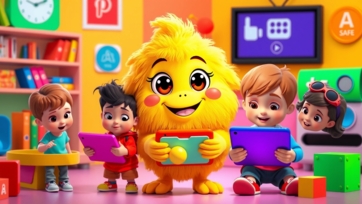
Homeschooling has become increasingly popular, and parents often look for fun, engaging ways to supplement learning at home. One approach is using playful cartoon characters as part of educational activities. But does it actually help children learn?

This guide explores the benefits, strategies, and best practices for integrating cartoons into a homeschooling routine for children aged 3–8.


Why Cartoons Can Be Effective in Homeschooling:

  1. Engaging and Fun: Animated characters keep children interested and attentive, making learning enjoyable.

  2. Visual Learning: Cartoons simplify concepts through visual storytelling and demonstrations.

  3. Emotional Connection: Kids relate to characters, which can reinforce lessons and social skills.

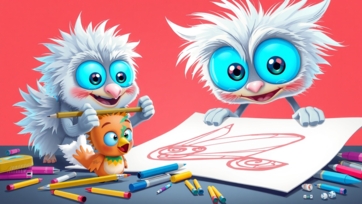
  4. Encourages Creativity: Episodes inspire role-playing, drawing, and imaginative thinking.


Learning Benefits of Cartoons in Homeschooling:

1. Cognitive Skills

  • Watching characters solve problems teaches critical thinking and sequencing.

  • Simple storylines can reinforce counting, letters, colors, and shapes.

  • Encourages memory retention through visual and interactive storytelling.


2. Social and Emotional Development

  • Characters model empathy, cooperation, and problem-solving.

  • Children learn to recognize emotions and express themselves appropriately.

  • Encourages positive social behavior and understanding consequences.


3. Creativity and Imagination

  • Children can invent new stories, draw scenes, or act out episodes.

  • Crafts, coloring, and role-play inspired by episodes improve fine motor skills and imaginative thinking.

  • Encourages children to think outside the box and explore creative solutions.


4. Language and Communication Skills

  • Even silent or minimally verbal cartoons help with storytelling, comprehension, and vocabulary development.

  • Parents can ask questions about characters’ actions to reinforce speaking skills.

  • Older children can write mini-stories or describe scenes, boosting literacy.


How to Use Cartoons Effectively in Homeschooling:

  1. Select High-Quality Content: Choose educational and age-appropriate episodes.

  2. Interactive Viewing: Pause videos to ask questions or discuss what’s happening.

  3. Integrate Hands-On Activities: Drawing, crafts, or role-playing scenes enhance learning.

  4. Combine with Lessons: Connect episodes to subjects like math, science, or social studies.

  5. Set Screen Time Limits: 20–30 minutes per session is ideal for young learners.


Tips for Parents:

  • Create a Routine: Include cartoon-based learning as part of a balanced schedule.

  • Engage Siblings: Group activities can encourage cooperation and teamwork.

  • Reward Creativity: Praise children for drawing, storytelling, or acting out scenes.

  • Observe and Adjust: Monitor engagement, attention span, and understanding to adapt strategies.


Final Thoughts:

Using playful cartoon characters in homeschooling can enhance learning, engagement, and creativity. When combined with interactive discussions, crafts, and storytelling, cartoons become a powerful educational tool. By thoughtfully integrating episodes into a homeschooling routine, parents can make learning both fun and effective.


Advertisement
Best Number Learning Cartoons in 2025
Teaching numbers to preschool children can sometimes feel challenging, especially when kids have short attention spans and learn best through fun, visual activities. This is where “123 number learning cartoons for preschool children” become a powerful educational tool. Today’s kids are naturally drawn to colorful animations, catchy songs, and playful characters, and educational cartoons combine all these elements to teach numbers in an enjoyable way. In this article, we will explore how number learning cartoons help children understand early math concepts, why they are effective, and which types of number-learning videos are best for preschoolers. ⭐ Why Number Learning Cartoons Are Important for Preschool Children: When children are between the ages of 2 and 5 years, their brains absorb information quickly. This period is crucial for building early numeracy skills, including: Number recognition Counting ability Understanding quantity Basic sequencing Memory development Traditional teaching methods—like worksheets or repetitive writing—often feel boring to young kids. In contrast, 123 number learning cartoons use storytelling, visuals, sound effects, and music to make learning enjoyable. This type of learning also helps children stay focused for longer periods. Top SEO Keywords used naturally:123 number learning for kids, preschool learning videos, number learning cartoons, counting cartoons for toddlers, educational videos for preschoolers. ⭐ How 123 Number Learning Cartoons Help Children Learn Faster: Here are the major reasons why animated number-learning videos work so effectively: 1. Colorful Visuals Improve Memory: Bright visuals help children remember numbers more easily. When they repeatedly see a number with animations—like balloons, animals, cars—they start associating the number with an object. This boosts recognition and recall. 2. Music and Rhymes Strengthen Counting Skills: Most 123 learning cartoons include rhymes like “One, Two, Buckle My Shoe” or original counting songs. Music activates multiple parts of the brain and helps kids learn faster. 3. Repetition Makes Learning Natural: Preschoolers learn through repetition. Cartoons repeat numbers, counting sequences, and examples in different ways, reinforcing the information without making it feel boring. 4. Characters Make Learning Fun: Animated characters—like friendly animals, talking shapes, or cartoon kids—keep children engaged. Kids often imitate what they see, so when the cartoon says “Let’s count together!”, children naturally follow along. 5. Helps Children with Slow Learning: Cartoons move at a slow, clear pace. The voiceovers are simple, and the numbers flash on-screen clearly. This helps children who need extra time to understand concepts. ⭐ Best Types of 123 Number Learning Cartoons for Preschoolers: Not all educational videos are the same. Here are the most effective types of number-learning cartoons recommended for preschool children: 1. Counting Songs (1 to 10, 1 to 20, 1 to 100): These are perfect for beginners. Kids enjoy repeating the numbers along with music, which improves pronunciation and memory. Example themes: Count the balloons Farm animals counting Ocean animals counting Space-themed number songs 2. Interactive Number Cartoons: These videos ask questions like “Can you count the apples?” or “Where is number 5?” This makes children think instead of just watching passively. 3. Story-Based Number Learning: Short stories where characters go on adventures—like collecting treasures or finding toys—teach kids counting naturally. 4. Number Tracing Cartoons: Some cartoons show how to trace each number step-by-step. These help preschoolers prepare for writing in school. 5. Montessori-Inspired Learning Videos: Montessori counting videos use real-life objects and soft colors. They are calm, slow-paced, and very effective for early learners. ⭐ Benefits of Using Cartoons for Number Learning: 1. Boosts Early Math Confidence: Children who learn numbers early feel more confident when they enter school. They participate more in class activities and perform better in math. 2. Helps Speech Development: Cartoons teach pronunciation, rhythm, and voice modulation. This helps preschoolers improve vocabulary and communication skills. 3. Encourages Independent Learning: Kids can watch these videos on their own and learn without constant supervision. This builds curiosity and independence. 4. Ideal for Homeschooling: Parents who homeschool their children find 123 number learning cartoons extremely helpful. They make learning stress-free and enjoyable. 5. Supports Different Learning Styles: Some children learn through visuals, others through audio, and some by movement. Cartoons combine all three, making them ideal for every child. ⭐ Tips for Parents to Use Number Learning Cartoons Effectively: To make the most of these videos, follow these expert tips: ✔ 1. Limit Screen Time: Even educational content should be viewed in moderation. For preschoolers, 20–30 minutes of screen time is ideal. ✔ 2. Watch Together: Sit with your child and repeat the numbers with them. Kids learn better when parents participate. ✔ 3. Add Real-Life Counting: After watching a video, practice counting real objects like toys, fruits, or blocks. ✔ 4. Choose Age-Appropriate Content: Pick videos designed specifically for preschool (ages 2–5). Avoid overly fast or flashy videos. ✔ 5. Reinforce Learning through Play: Use number puzzles, counting books, and flashcards after watching cartoons to strengthen memory. Final Thoughts: 123 number learning cartoons are one of the best ways to teach counting skills to preschool children. These videos are colorful, engaging, and interactive, making early math feel like play. Whether your child is learning to recognize numbers for the first time or practicing counting up to 20 or 100, these animated videos provide a fun, effective, and stress-free approach to learning.
Playful Cartoon Characters vs. Classic Slapstick: Which Is Better for Kids?
Children today enjoy a wide range of cartoons, from modern playful characters to classic slapstick animations like Tom and Jerry. Parents often ask: “Which type of cartoon is better for kids?” This guide explores the benefits and drawbacks of modern playful cartoon characters versus classic slapstick animations, helping parents make informed viewing choices for children aged 3–8. 1. Entertainment Value: Playful Cartoon Characters: Bright, colorful, and engaging, with humorous antics and relatable personalities. Classic Slapstick (e.g., Tom and Jerry): Fast-paced comedy, physical humor, exaggerated chases, and funny conflicts. Both types capture attention, but modern characters often include educational content and interactive scenarios. 2. Educational Content: Playful Cartoon Characters: Many episodes teach social skills, problem-solving, creativity, and empathy. Classic Slapstick: Mostly focused on humor; educational value is limited, but visual storytelling can develop observation skills. 3. Language and Communication Skills: Playful Characters: Often verbal or interactive, allowing children to learn new words, sentence structures, and expressions. Slapstick Cartoons: Typically non-verbal or minimal dialogue; children learn context, emotion, and sequencing. 4. Creativity and Imagination: Playful Cartoon Characters: Encourage storytelling, role-playing, crafts, and imaginative thinking through colorful, relatable scenarios. Slapstick Cartoons: Inspire physical comedy, timing, and mimicking actions, which can be entertaining but less structured for creativity. 5. Behavioral Considerations: Playful Cartoon Characters: Emphasize cooperation, sharing, empathy, and positive problem-solving. Slapstick Cartoons: Contain chase, minor conflict, and comic violence; parents should monitor if repeated imitation occurs. 6. Age Appropriateness: Younger Kids (3–5 years): Playful, educational cartoons are generally safer and more beneficial. Older Kids (6–8 years): Can enjoy slapstick cartoons in moderation, especially if accompanied by discussions about conflict and consequences. Tips for Parents: Mix Content Wisely: Combine playful educational cartoons with occasional classic slapstick for variety. Co-View and Discuss: Talk about actions, emotions, and lessons from both types of cartoons. Set Screen Time Limits: Balance watching with creative play, reading, and outdoor activities. Monitor Reactions: Ensure children don’t imitate harmful or aggressive behaviors from slapstick scenes. Encourage Storytelling: Ask children to retell episodes, act out scenes, or create new endings. Final Thoughts: Both modern playful cartoons and classic slapstick have unique benefits. Modern characters often provide educational value, creativity, and social lessons, while slapstick cartoons offer humor, observation skills, and entertainment. The key is moderation, guided viewing, and discussion, allowing children to enjoy, learn, and grow through their favorite animated shows.
Best Cartoon Stories Based on Fairy Tales
Fairy tales have been a favorite source of entertainment and learning for children for generations. Today, cartoon stories based on fairy tales (new versions) are a creative way to bring these classic tales to life with modern twists, vibrant animations, and engaging storytelling. These new versions not only entertain children but also teach moral lessons, creativity, and problem-solving skills. In this article, we will explore the importance of updated fairy tale cartoons, their educational benefits, and how parents can use them to support children’s learning. ⭐ Why Cartoon Fairy Tales Are Effective for Children: Cartoon adaptations of fairy tales offer several advantages over traditional storytelling: 1. Modernized Stories: New versions of fairy tales often include updated plots, characters, and settings that are more relatable to today’s children. They can include contemporary themes, gender equality, teamwork, and environmental awareness. 2. Engaging Visuals: Animations make fairy tales visually appealing. Bright colors, expressive characters, and imaginative landscapes capture children’s attention, making it easier for them to understand and remember the story. 3. Teaching Moral Lessons: Fairy tales always carry moral values, such as honesty, courage, kindness, and perseverance. Cartoon adaptations highlight these lessons in ways children can relate to and emulate. 4. Promotes Language Development: Cartoon dialogues, rhymes, and songs improve vocabulary, pronunciation, and comprehension skills, especially for preschool and early school-age children. 5. Stimulates Creativity: Animated fairy tales inspire children to imagine new worlds, create their own stories, or draw and play based on the characters and adventures they see. ⭐ Popular Themes in New Version Fairy Tale Cartoons: 1. Classic Tales with a Twist: Stories like Cinderella, Little Red Riding Hood, and Snow White are reimagined with new adventures, modern settings, or humorous characters while keeping the original moral lessons intact. 2. Diverse Characters and Cultures: Modern fairy tale cartoons include characters from different cultures, promoting inclusivity, empathy, and understanding of diversity. 3. Problem-Solving and Teamwork: Many new versions focus on collaboration. Characters work together to solve challenges, teaching children teamwork and creative thinking. 4. Environmental and Social Lessons: Updated fairy tales sometimes include themes about protecting nature, helping others, and showing kindness—preparing children to face real-life situations positively. 5. Musical and Interactive Cartoons: Cartoons often integrate songs, rhymes, and interactive questions to engage children actively. For example, asking children to count magical items or predict what happens next strengthens learning while having fun. ⭐ Educational Benefits of Cartoon Fairy Tales: 1. Builds Moral Values: Updated fairy tales focus on honesty, kindness, bravery, and empathy, teaching children to apply these values in real life. 2. Enhances Cognitive Skills: Children develop memory, attention, and problem-solving skills while following the storylines and understanding character choices. 3. Encourages Reading and Storytelling: Watching animated fairy tales inspires children to read books, retell stories, or even create their own stories, promoting literacy and imagination. 4. Supports Emotional Development: Children learn to recognize emotions like happiness, sadness, fear, and excitement through animated characters, improving their emotional intelligence. 5. Fun Learning: By combining entertainment and education, cartoon fairy tales make learning enjoyable, keeping children engaged without feeling forced. ⭐ Tips for Parents to Make the Most of Fairy Tale Cartoons: ✔ 1. Watch Together: Watching stories with your children allows you to discuss the lessons, ask questions, and relate the story to real-life situations. ✔ 2. Encourage Story Retelling: After the cartoon, encourage children to retell the story in their own words. This improves language skills, memory, and comprehension. ✔ 3. Integrate Creative Activities: Children can draw, color, or act out favorite scenes, boosting creativity and fine motor skills. ✔ 4. Discuss Moral Lessons: Ask questions like, “Why was Cinderella kind?” or “How did teamwork help the characters?” to reinforce understanding of values. ✔ 5. Limit Screen Time: Even educational cartoons should be moderated. Short episodes or specific viewing times are ideal for preschoolers. ⭐ Conclusion: Cartoon stories based on fairy tales (new versions) are an exciting way to combine fun, learning, and creativity for children. By modernizing classic stories with vibrant animation, updated characters, and interactive features, these cartoons teach important life lessons, foster imagination, and support emotional and cognitive development. Parents and educators can use these cartoons not only to entertain children but also to instill moral values, inspire creativity, and encourage literacy and problem-solving skills. With captivating visuals and engaging storytelling, fairy tale cartoons continue to be a timeless tool for children’s education and entertainment.
Cartoons That Teach Science in Simple Ways
Science is often seen as a complex subject, but cartoons have proven to be a powerful tool for introducing scientific concepts to children in simple and engaging ways. Educational cartoons combine visual storytelling, bright colors, and relatable characters to make learning fun and easy to understand. Through animated adventures, children can explore topics like nature, space, chemistry, physics, and biology without feeling overwhelmed. Introducing science early helps children develop curiosity, critical thinking, and problem-solving skills. Cartoons act as a bridge between abstract concepts and real-world understanding, making learning interactive and enjoyable. Why Science Education is Important for Kids: Science education at an early age encourages children to: Ask questions about how things work Understand cause-and-effect relationships Observe and analyze natural phenomena Develop problem-solving and critical thinking skills Build a foundation for future STEM learning Cartoons make these skills accessible by presenting science in relatable and playful scenarios. How Cartoons Simplify Scientific Concepts: Educational cartoons break down complex topics into bite-sized lessons. For example: Shows about weather explain clouds, rain, and storms using fun characters Space-themed cartoons illustrate planets, stars, and astronauts in colorful animated worlds Chemistry experiments are shown safely with exaggerated effects, helping kids understand reactions By visualizing abstract concepts, children grasp ideas more easily and retain information longer. Encouraging Curiosity Through Exploration: Science cartoons often depict characters exploring the world around them. Kids learn to: Observe plants, animals, and natural processes Experiment with simple scientific tools Ask “why” and “how” questions Make predictions and test ideas This approach nurtures curiosity and scientific thinking naturally, without pressure or memorization. Interactive Learning with Experiments: Some cartoons include interactive experiments or demonstrations. Children can safely replicate these experiments at home with guidance, such as: Mixing safe household substances to observe reactions Planting seeds and tracking growth Exploring magnets or simple machines Hands-on interaction reinforces lessons from the cartoon and strengthens practical understanding of science. Role of Storytelling in Science Learning: Cartoons use storytelling to engage children emotionally and intellectually. When characters face problems that require scientific thinking, kids learn problem-solving through narrative: Characters might invent a device, solve a mystery, or conduct an experiment Kids see the scientific method in action: hypothesis, testing, observation, conclusion Storytelling connects abstract science to real-life scenarios This combination of story and science makes learning more memorable and enjoyable. Visuals and Animation Enhance Memory: Bright colors, movement, and exaggeration in cartoons strengthen visual memory. For example: Animated volcanoes erupt in exaggerated colors Characters float in space with colorful planets Water cycles and weather patterns are dramatized for effect These visual cues help children remember scientific concepts and vocabulary more easily. Choosing the Right Science Cartoons: Not all cartoons are educational. Parents should select shows that: Explain science clearly and accurately Focus on exploration, curiosity, and problem-solving Use safe and age-appropriate examples Include diverse characters and relatable scenarios Shows like The Magic School Bus, Sid the Science Kid, and similar educational programs are excellent choices for preschool and early learners. Benefits of Learning Science Through Cartoons: Learning science through cartoons offers multiple advantages: Makes abstract concepts tangible and understandable Improves attention and engagement Encourages curiosity and independent thinking Prepares children for formal science education Supports cognitive and language development With cartoons, children associate learning with fun, which boosts motivation and confidence. How Parents Can Enhance Science Learning: Parents can maximize the benefits by: Watching cartoons together and discussing key concepts Asking open-ended questions about experiments and phenomena Providing safe materials for children to replicate demonstrations Connecting cartoon lessons to real-life observations These strategies help children apply what they see on screen to the real world. Conclusion: Cartoons that teach science in simple ways are an invaluable tool for early education. By combining storytelling, visual exaggeration, and playful exploration, these shows introduce children to scientific concepts without pressure or confusion. When parents actively engage and encourage curiosity, cartoons become more than entertainment—they become a gateway to understanding the world, fostering inquisitive minds, and building a foundation for lifelong learning in science.
10 Brain-Boosting Activities Inspired by Cartoons
Cartoons are not just entertaining; they can be a source of creative and educational inspiration for children. Many educational cartoons are designed to encourage problem-solving, critical thinking, and cognitive skill development. Parents can leverage these shows to create fun, brain-boosting activities at home that support learning through play. Here are 10 activities inspired by cartoons that can enhance your child’s brain development and vocabulary. 1. Storytelling and Role-Play: Cartoons often have engaging stories and memorable characters. Encourage your child to retell episodes or act out their favorite scenes. This activity improves vocabulary, creativity, and narrative skills. For example, after watching a show like Dora the Explorer or Paw Patrol, children can role-play characters, solve problems, and create their own adventures. This not only makes learning fun but also enhances imagination and social skills. 2. Word Games and Puzzles: Many cartoons introduce new words, phrases, or simple riddles. Turn this into interactive word games at home. Use flashcards, crossword puzzles, or matching games with words learned from cartoons. This strengthens memory, vocabulary, and problem-solving skills, while keeping children engaged in educational play. 3. Drawing and Coloring Activities: Cartoons are visually appealing, making them ideal for drawing and coloring exercises. Ask your child to draw their favorite characters or scenes. This activity improves fine motor skills, hand-eye coordination, and creativity, while allowing children to practice storytelling visually. Parents can also introduce new words related to colors, shapes, and actions during the activity. 4. Interactive Quizzes: After watching a cartoon episode, create simple quizzes about the story, characters, or moral lessons. Use multiple-choice or true/false questions to make it fun. Interactive quizzes enhance critical thinking, attention span, and comprehension skills, and make children more attentive to details in animated shows. 5. Memory Games: Many cartoons repeat phrases, rhymes, or sequences, which can be used for memory-boosting exercises. Encourage children to recall sequences of events or dialogue from their favorite shows. This activity strengthens working memory, focus, and language retention, making it easier for kids to learn and use new vocabulary. 6. Educational Craft Projects: Inspired by cartoon themes, children can create crafts, such as building models, making puppets, or designing simple props. For instance, after watching a show about animals, kids can make paper animals or masks. Craft projects boost problem-solving, creativity, and fine motor skills, while reinforcing knowledge and vocabulary related to the cartoon theme. 7. Music and Singing Activities: Many cartoons include songs and rhymes. Encourage children to sing along, dance, or create their own lyrics inspired by these songs. Music-based activities enhance memory, language development, and rhythm recognition, while making learning fun and interactive. It also helps children pronounce new words clearly. 8. Puzzle-Based Problem Solving: Cartoons often feature characters solving simple challenges or mysteries. Turn these scenarios into hands-on problem-solving games, like jigsaw puzzles, building blocks, or treasure hunts. This improves logical thinking, spatial awareness, and concentration, while teaching children to think creatively like their favorite cartoon heroes. 9. Science and Exploration Experiments: Some educational cartoons introduce basic science concepts. Use these as inspiration for safe and simple experiments at home. For example, shows about nature or animals can lead to planting seeds, exploring magnets, or observing insects. These activities boost curiosity, observational skills, and scientific vocabulary, turning cartoon inspiration into practical learning experiences. 10. Reading and Writing Exercises: Cartoons often feature stories, letters, or written messages. Encourage children to write their own short stories or letters based on episodes they watched. This reinforces writing, reading comprehension, and vocabulary acquisition. It also helps children connect visual storytelling with written language, strengthening their literacy skills. Tips for Parents to Maximize Learning: Select educational cartoons: Choose shows with clear language, problem-solving, and moral lessons. Limit screen time: Use cartoons as inspiration, not a passive activity; 30–60 minutes per day is ideal. Engage actively: Watch with your child, discuss new words, and encourage participation. Combine activities: Mix drawing, crafts, quizzes, and memory games to reinforce learning. Use bright and playful tools: Colorful materials and interactive props make activities more engaging and memorable. Conclusion: Cartoons are much more than entertainment—they are a powerful tool for brain development in children. By translating animated stories into hands-on activities, parents can boost cognitive skills, vocabulary, creativity, and problem-solving abilities. Integrating these 10 brain-boosting activities inspired by cartoons into your child’s routine transforms screen time into meaningful learning experiences, ensuring that fun and education go hand in hand. With creative play, interactive exercises, and storytelling, children can develop essential skills that last a lifetime—all while enjoying their favorite cartoons.
Dinosaur Stories for Children
Dinosaurs have fascinated children for generations with their enormous size, mysterious history, and exciting adventures. Dinosaur stories for children bring these prehistoric creatures to life through colorful cartoons, friendly characters, and imaginative storytelling. These stories are not only entertaining but also educational, teaching children about science, history, teamwork, and problem-solving. In this article, we explore why dinosaur cartoons are so popular, their educational benefits, and how parents can use them to encourage learning and creativity. ⭐ Why Dinosaur Stories Are Popular with Kids: 1. Fascination with Prehistoric Creatures: Children are naturally curious about dinosaurs. Cartoons give them a safe and fun way to explore these creatures and their world. 2. Imaginative Storytelling: Dinosaur cartoons combine fantasy, adventure, and humor, making stories engaging and memorable. 3. Relatable Characters: Friendly dinosaur characters help children relate to lessons about friendship, courage, and kindness. 4. Visual and Audio Learning: Bright animations and fun sounds keep children engaged while helping them retain information about dinosaurs and prehistoric life. 5. Safe Learning: Animated stories allow children to learn about large, potentially scary creatures in a safe, entertaining environment. ⭐ Popular Themes in Dinosaur Stories: 1. Adventures in Prehistoric Times: Stories often follow dinosaurs exploring jungles, volcanoes, and rivers, teaching children about different environments. 2. Friendship and Teamwork: Cartoons focus on dinosaurs helping each other, sharing, and solving problems, reinforcing social and moral lessons. 3. Science and History: Some stories introduce facts about dinosaur species, fossils, and their behavior in a fun and age-appropriate way. 4. Problem-Solving and Creativity: Characters face challenges, encouraging children to think creatively and learn problem-solving skills. 5. Fun and Humor: Animated dinosaurs often have funny traits or adventures, keeping children entertained while learning. ⭐ Educational Benefits of Dinosaur Stories: 1. Develops Curiosity: Children learn about prehistoric life, evolution, and the natural world, fostering a love for science. 2. Builds Vocabulary: Cartoons introduce terms like “Tyrannosaurus,” “Triceratops,” “volcano,” and “fossil” in a fun, understandable way. 3. Encourages Moral Values: Stories about helping friends, sharing, and bravery instill positive social and emotional values. 4. Enhances Cognitive Skills: Following storylines, remembering character names, and understanding plots improve memory and critical thinking. 5. Stimulates Imagination: Children create their own dinosaur worlds, adventures, and stories, boosting creativity and imaginative play. ⭐ Tips for Parents to Make the Most of Dinosaur Cartoons: ✔ 1. Watch Together: Discuss dinosaur names, behaviors, and adventures to reinforce learning. ✔ 2. Encourage Drawing and Crafts: Let children draw dinosaurs, create models, or make prehistoric scenes inspired by the cartoons. ✔ 3. Ask Questions: Questions like “What would you do if you were a dinosaur?” help children think creatively and engage with the story. ✔ 4. Reinforce Facts: Introduce simple facts about dinosaurs to combine fun and education effectively. ✔ 5. Limit Screen Time: Keep episodes short and interactive, ideally 20–30 minutes, to balance entertainment and other learning activities. ⭐ Conclusion: Dinosaur stories for children are a fantastic way to combine entertainment, imagination, and education. Through vibrant animations, adventurous storytelling, and friendly dinosaur characters, children learn about prehistoric life, moral values, problem-solving, and creativity. Parents and educators can use these cartoons to foster curiosity, develop cognitive and social skills, and inspire children to explore science and history. Dinosaur cartoons make learning about the past fun and memorable, creating a love for stories, knowledge, and imaginative play that lasts a lifetime.
Best Summer Fruits for Kids' Growth | Hydrating & Nutritious Seasonal Snacks
Best Summer Fruits for Kids Growth: Summer is the season when children are most active, playing outdoors, running around, and burning energy at a faster rate than other times of the year. Their bodies require more hydration, energy, and nutrients to support growth and maintain immunity during hot months. Summer fruits are nature’s perfect solution: they are hydrating, naturally sweet, and packed with vitamins, minerals, antioxidants, and fiber that promote healthy growth in children. Including the right fruits during summer not only supports physical development but also improves energy levels, digestion, and cognitive performance. In Pakistan, summers can be extremely hot, and children often lose fluids and electrolytes faster. The National Nutrition Survey emphasizes the importance of seasonal fruits to combat dehydration, heat-related fatigue, and nutrient deficiencies. Let’s explore the best summer fruits for children’s growth, their benefits, and practical ways to include them in daily meals. Mango — The King of Summer Fruits: Mangoes are often called the “king of fruits” and for children, they truly deserve that title. Rich in vitamin A, vitamin C, potassium, and antioxidants, mangoes support bone growth, immunity, skin health, and brain development. Vitamin A in mangoes promotes healthy vision and tissue development, while vitamin C strengthens immunity. Potassium regulates fluid balance and supports heart and muscle function, crucial during active summer days. Practical Tips: Serve mango cubes or slices as a snack. Blend with yogurt or milk for a nutritious smoothie. Mix with other seasonal fruits to create a colorful fruit salad. Watermelon — Hydration and Electrolyte Balance: Watermelon is over 90% water, making it the perfect fruit to keep children hydrated during hot weather. It is also a source of vitamin C, potassium, and antioxidants, which help maintain electrolyte balance, improve circulation, and reduce heat-related fatigue. Watermelon is easy to digest and provides quick energy, making it ideal for active children who need hydration and natural sugars for stamina. Practical Tips: Cut into fun shapes to make it more appealing. Blend with mint or cucumber for a refreshing summer drink. Mix with berries or other fruits for variety. Lychee — Immune and Energy Booster: Lychee is a summer fruit rich in vitamin C, potassium, and natural sugars. It boosts immunity, promotes energy, and supports healthy blood circulation. Its natural sweetness makes it highly appealing to children. Lychee also contains antioxidants that protect cells and support tissue repair during the high activity levels typical of summer. Practical Tips: Serve peeled lychee as a snack. Mix with yogurt for a creamy treat. Blend into smoothies with other tropical fruits. Muskmelon (Cantaloupe) — Vitamin and Fiber-Rich: Muskmelon is rich in vitamin A, vitamin C, and dietary fiber, making it an excellent fruit for skin health, immunity, and digestion. Its high water content also supports hydration, and its natural sweetness encourages children to eat it without any added sugar. Muskmelon contains antioxidants that help combat free radicals, supporting cell growth and overall health during the physically demanding summer months. Practical Tips: Cube and serve as a chilled snack. Blend into fruit smoothies or juices. Mix with other melon varieties to add variety to meals. Papaya — Digestive and Immune Support: Papaya is rich in papain, a digestive enzyme that helps children absorb nutrients more efficiently. It also contains vitamin C, folate, and potassium, which support immunity, bone development, and muscle function. Papaya is particularly useful in summer because it is easy to digest, hydrates the body, and provides a natural source of energy for active children. Practical Tips: Serve cubed as a fresh snack. Blend with mango or banana for a tropical smoothie. Mix with yogurt for a creamy summer dessert. Pineapple — Growth and Digestion Aid: Pineapple contains bromelain, an enzyme that aids digestion, and is also a rich source of vitamin C and manganese, which support bone health and immunity. Its natural sweetness is highly appealing to children, making it an easy fruit to include in their diet. Practical Tips: Serve as fresh slices or small cubes. Mix with other fruits in a tropical fruit salad. Blend into smoothies with papaya or banana for a nutritious drink. Berries (Strawberries, Blueberries, Raspberries) — Brain and Immunity Boosters: Berries are packed with antioxidants, vitamin C, and fiber, which support brain function, immunity, and digestion. During summer, berries are excellent because they provide quick energy and help children stay hydrated due to their high water content. Strawberries and blueberries are especially rich in flavonoids that enhance memory, attention, and learning — perfect for school-age children during the active summer months. Practical Tips: Mix with yogurt or oatmeal for breakfast. Serve fresh or frozen as a snack. Blend into smoothies for a nutrient-dense drink. Grapes — Hydration and Energy Support: Grapes contain natural sugars, antioxidants, and potassium, providing quick energy and supporting hydration during hot summer days. They are easy to eat, bite-sized, and appealing to children. Grapes also improve blood circulation, support heart function, and provide vitamins that contribute to growth and immunity. Practical Tips: Wash and serve as a snack. Freeze grapes for a chilled, refreshing treat. Mix into fruit salads or with melon cubes. Kiwi — Vitamin C and Immune Support: Kiwi is a small but powerful fruit rich in vitamin C, vitamin K, and antioxidants. It boosts immunity, supports digestion, and helps with tissue repair and growth. Its tangy taste makes it refreshing for summer and encourages children to develop a taste for diverse fruits. Practical Tips: Serve sliced or cubed as a snack. Mix into fruit salads with mango, papaya, or berries. Blend with yogurt for a nutrient-rich smoothie. Pomegranate — Antioxidant and Growth Support: Pomegranates are rich in antioxidants, vitamin C, and fiber, which help in strengthening immunity, promoting healthy digestion, and supporting overall growth. The bright red arils are visually appealing, making fruit consumption more enjoyable for children. Practical Tips: Serve arils as a snack. Sprinkle over yogurt, cereal, or fruit salads. Mix into juices for an antioxidant boost. Benefits of Summer Fruits for Children’s Growth: Hydration:Fruits like watermelon, muskmelon, and grapes provide water content that keeps children hydrated in hot weather. Energy and Stamina:Natural sugars in bananas, mangoes, and lychees provide quick and sustained energy for outdoor activities. Immunity Boost:Vitamin C-rich fruits like oranges, guava, and strawberries strengthen immunity and reduce frequent infections. Digestive Health:Fiber in apples, papaya, and berries improves digestion and nutrient absorption. Brain and Cognitive Development:Antioxidant-rich fruits like blueberries and pomegranate enhance learning, memory, and concentration. Bone and Muscle Growth:Fruits with potassium, magnesium, and vitamin C support bone density, muscle function, and growth during active summer months. Tips for Including Summer Fruits in Children’s Diet: Variety and Colors:Offer multiple fruits daily for a broader nutrient spectrum. Seasonal Selection:Focus on fruits that are in season — they are fresher, more nutritious, and affordable. Creative Presentation:Make fruit skewers, fruit salads, or smoothie bowls to make them appealing. Small Portions, Frequent Serving:Offer fruits in small, regular portions rather than a single large serving. Family Participation:Involve children in washing, cutting, or arranging fruits to increase interest and acceptance. Conclusion: Summer fruits are essential for children’s growth, immunity, energy, and cognitive development. Including fruits like mango, watermelon, lychee, muskmelon, papaya, pineapple, berries, grapes, kiwi, and pomegranate in daily meals ensures children receive hydration, vitamins, minerals, antioxidants, and fiber critical for their development. Parents should focus on variety, seasonal fruits, and creative presentation to encourage daily consumption. Fruits are not just snacks—they are natural growth boosters that shape health, strength, and cognitive performance for life. Regular consumption of these fruits ensures children grow physically strong, stay mentally sharp, and maintain healthy immunity even in the demanding summer months. By prioritizing summer fruits in children’s diets, parents are investing in long-term health, resilience, and active growth — creating the foundation for a strong and energetic childhood.  
Booba Adventure Episodes Ranked from Best to Worst
Booba is a playful, curious, and funny character loved by children worldwide. While every episode has its charm, some Booba adventure episodes stand out more than others. For parents, educators, and kids, ranking these episodes helps pick the best content for fun and learning. In this article, we rank Booba adventure episodes from best to worst, explaining why each episode is enjoyable, educational, and perfect for young viewers. Why Ranking Booba Episodes Matters: Kids often watch multiple episodes repeatedly. Ranking helps: Identify the most engaging adventures Choose episodes suitable for different age groups Encourage learning through fun Save screen time while maximizing enjoyment For ages 3–7, adventure episodes combine: Humor Imaginative exploration Problem-solving Visual storytelling Top Booba Adventure Episodes (Best to Worst): 1. Booba’s Big Balloon Adventure (Best) Booba chases a giant floating balloon, climbing, jumping, and reacting to obstacles. Why it’s best: High-action adventure Visual humor and exaggerated expressions Encourages persistence and problem-solving Lesson: Keep trying even if challenges are tricky. 2. Booba and the Flying Carpet Booba experiments with a magical flying carpet. He balances, jumps, and discovers new ways to explore. Why kids love it: Fantasy + adventure Encourages imagination Interactive visual storytelling Lesson: Creativity and curiosity can lead to fun discoveries. 3. Booba and the Magical Kitchen Booba explores kitchen gadgets, ingredients, and tools, creating chaos and laughter. Why kids enjoy it: Everyday object exploration Problem-solving opportunities Cause-and-effect learning Lesson: Exploring and experimenting is fun and safe. 4. Booba and the Giant Cake Booba discovers a giant cake and plays with it, causing playful chaos. Why kids like it: Humor and visual fun Encourages imaginative play Safe risk-taking Lesson: Exploration is exciting, even when messy. 5. Booba and the Balloon Animal Booba finds balloon animals and interacts creatively. Why it’s good: Combines fantasy and reality Encourages imaginative play Exaggerated expressions make kids laugh Lesson: Everyday items can spark creativity. 6. Booba and Bubble Trouble Booba plays with bubbles, chasing and popping them. Why kids enjoy it: Simple, visual fun Interactive cause-and-effect learning Bright, colorful visuals Lesson: Curiosity leads to playful learning. 7. Booba in the Bedroom Booba explores pillows, toys, and blankets, causing small funny mishaps. Why it works for kids: Familiar environment Gentle humor Safe exploration Lesson: Everyday environments can be fun and engaging. 8. Booba and the Toy Store Booba explores a store full of toys. He climbs, slides, and interacts with colorful objects. Why it’s okay: Adventure with objects Encourages imaginative play Visual humor Lesson: Toys and objects can inspire creative thinking. 9. Booba and the Music Box Booba experiments with a music box, dancing and reacting to sounds. Why it’s slightly weaker: Less physical adventure Focused on sound rather than visual action Lesson: Experimentation and creativity are important. 10. Booba’s Christmas Surprise (Worst) Festive episode with decorations, gifts, and playful chaos. Why it ranks lowest: Less continuous adventure Mostly seasonal content Lower replay value for non-holiday periods Lesson: Celebration and fun can still teach safe interaction. What Kids Learn from Booba Adventure Episodes: Even in funny, chaotic adventures, children develop: Problem-solving skills Curiosity and exploration Imaginative play Cause-and-effect understanding Emotional recognition through humor These episodes balance fun with subtle learning. Parents’ Perspective: Parents appreciate Booba adventure episodes because: They are safe and non-violent Episodes are short and engaging Humor and chaos are controlled Educational elements are subtly integrated Booba adventures are ideal for screen time that entertains and teaches. Final Thoughts: Booba adventure episodes rank differently based on action, humor, creativity, and engagement. Episodes like Big Balloon Adventure, Flying Carpet, and Magical Kitchen stand out as highly entertaining and educational, while seasonal or music-focused episodes are less adventurous but still enjoyable. By knowing which episodes are best, parents can maximize fun and learning, and kids can enjoy a variety of colorful, funny adventures.