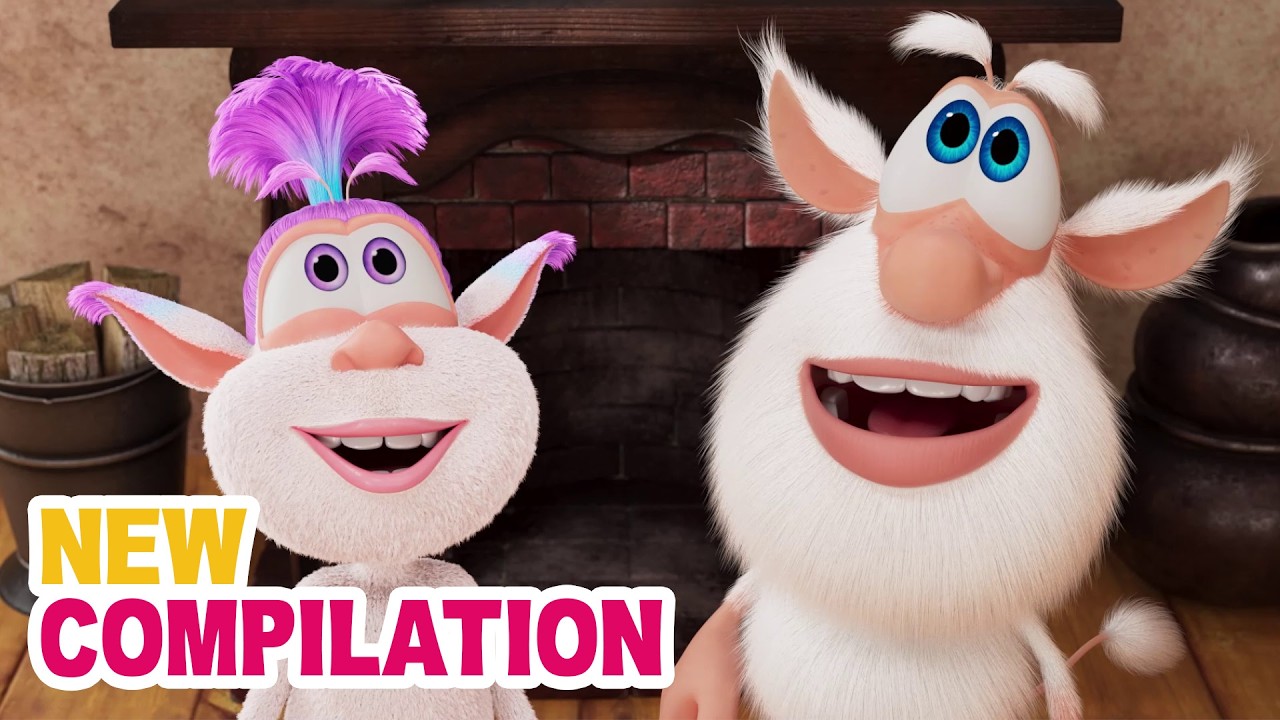
Educational Lessons Kids Learn from Booba

Booba is more than just a funny, playful cartoon character. While children laugh at his antics and enjoy colorful adventures, they also absorb important educational lessons through visual storytelling, problem-solving, and imaginative play.

In this article, we explore the educational lessons kids learn from Booba, why parents trust the show, and how it supports early childhood development.


1. Curiosity and Exploration:

Booba’s defining trait is his boundless curiosity. He touches, examines, and experiments with everything in his environment—whether it’s a kitchen gadget, a toy, or a new object.

Educational Value:

  • Encourages children to ask questions

  • Promotes exploration in safe environments

  • Develops early scientific thinking skills

Example: Booba poking at a gadget teaches children to observe cause-and-effect in their surroundings.


2. Problem-Solving Skills:

Many Booba episodes feature challenges or funny obstacles. For example, catching a balloon, climbing objects, or figuring out how a toy works.

Educational Value:

  • Encourages children to think critically

  • Teaches that trial-and-error is okay

  • Develops logic and reasoning skills

Example: Booba trying multiple ways to reach a toy shows kids that persistence and creativity solve problems.


3. Emotional Understanding:

Booba’s exaggerated facial expressions and body language make it easy for children to understand emotions, even without dialogue.

Educational Value:

  • Improves emotional recognition

  • Teaches empathy by seeing reactions of other characters

  • Encourages healthy expression of feelings

Example: When Booba laughs, cries, or shows surprise, children learn to identify similar feelings in themselves and others.


4. Creativity and Imagination:

Booba turns everyday objects into playful adventures—turning a cardboard box into a vehicle or a balloon into a toy animal.

Educational Value:

  • Promotes creative thinking

  • Stimulates imaginative play

  • Encourages innovative problem-solving

Example: Booba’s inventive play inspires kids to use imagination with real-life objects, rather than relying solely on pre-made toys.


5. Cause-and-Effect Learning:

Every action Booba takes leads to a reaction—he knocks over objects, pours water, or pops bubbles.

Educational Value:

  • Strengthens understanding of cause-and-effect relationships

  • Teaches responsibility for actions

  • Improves predictive thinking

Example: Booba spilling water teaches children that actions have outcomes, subtly reinforcing accountability.


6. Social Skills and Cooperation:

Although Booba is mostly a solo character, he interacts with secondary characters like Loola, Spike, or Mr. Beak. These interactions teach basic social lessons.

Educational Value:

  • Encourages cooperation and teamwork

  • Demonstrates friendly behavior and sharing

  • Introduces positive conflict resolution

Example: Booba working around Spike’s mischief shows kids how to adapt and respond to others.


7. Patience and Persistence:

Many episodes show Booba attempting a task multiple times, failing, and finally succeeding.

Educational Value:

  • Builds resilience

  • Teaches patience and delayed gratification

  • Reinforces learning through repetition

Example: Booba repeatedly chasing a balloon teaches children to keep trying without frustration.


8. Observational Skills:

Booba often notices small details that lead to fun discoveries or solutions.

Educational Value:

  • Enhances attention to detail

  • Encourages mindful observation

  • Boosts problem-solving efficiency

Example: Spotting a tool or toy needed to complete a task teaches children to look closely at their environment.


9. Motor Skills Development:

Through physical comedy, Booba jumps, slides, climbs, and balances on objects.

Educational Value:

  • Improves gross motor skills

  • Encourages coordination and spatial awareness

  • Supports active, healthy play

Example: Watching Booba climb or jump motivates children to engage in similar safe movements.


10. Safe Risk-Taking:

Booba’s adventures involve minor risks—sliding down a staircase or playing with a bouncing ball—without any real danger.

Educational Value:

  • Teaches assessing and taking safe risks

  • Encourages confidence in exploration

  • Prepares children for problem-solving in real-life situations

Example: Booba experimenting with new objects encourages children to try new things safely.


Why Parents Approve of Booba:

Parents trust Booba because:

  • Episodes are non-verbal, safe, and non-violent

  • Humor and chaos are controlled and age-appropriate

  • Lessons are naturally embedded without preaching

  • Supports cognitive, emotional, and social development


Final Thoughts:

Booba is much more than a funny cartoon—it’s an educational tool disguised as entertainment. Children learn curiosity, problem-solving, emotional awareness, creativity, cause-and-effect, social skills, patience, observation, motor skills, and safe risk-taking—all while laughing and enjoying colorful adventures.

For parents and educators, Booba episodes provide a safe, fun, and developmentally valuable viewing experience for children aged 2–7 years.

Advertisement
Best Number Learning Cartoons in 2025
Teaching numbers to preschool children can sometimes feel challenging, especially when kids have short attention spans and learn best through fun, visual activities. This is where “123 number learning cartoons for preschool children” become a powerful educational tool. Today’s kids are naturally drawn to colorful animations, catchy songs, and playful characters, and educational cartoons combine all these elements to teach numbers in an enjoyable way. In this article, we will explore how number learning cartoons help children understand early math concepts, why they are effective, and which types of number-learning videos are best for preschoolers. ⭐ Why Number Learning Cartoons Are Important for Preschool Children: When children are between the ages of 2 and 5 years, their brains absorb information quickly. This period is crucial for building early numeracy skills, including: Number recognition Counting ability Understanding quantity Basic sequencing Memory development Traditional teaching methods—like worksheets or repetitive writing—often feel boring to young kids. In contrast, 123 number learning cartoons use storytelling, visuals, sound effects, and music to make learning enjoyable. This type of learning also helps children stay focused for longer periods. Top SEO Keywords used naturally:123 number learning for kids, preschool learning videos, number learning cartoons, counting cartoons for toddlers, educational videos for preschoolers. ⭐ How 123 Number Learning Cartoons Help Children Learn Faster: Here are the major reasons why animated number-learning videos work so effectively: 1. Colorful Visuals Improve Memory: Bright visuals help children remember numbers more easily. When they repeatedly see a number with animations—like balloons, animals, cars—they start associating the number with an object. This boosts recognition and recall. 2. Music and Rhymes Strengthen Counting Skills: Most 123 learning cartoons include rhymes like “One, Two, Buckle My Shoe” or original counting songs. Music activates multiple parts of the brain and helps kids learn faster. 3. Repetition Makes Learning Natural: Preschoolers learn through repetition. Cartoons repeat numbers, counting sequences, and examples in different ways, reinforcing the information without making it feel boring. 4. Characters Make Learning Fun: Animated characters—like friendly animals, talking shapes, or cartoon kids—keep children engaged. Kids often imitate what they see, so when the cartoon says “Let’s count together!”, children naturally follow along. 5. Helps Children with Slow Learning: Cartoons move at a slow, clear pace. The voiceovers are simple, and the numbers flash on-screen clearly. This helps children who need extra time to understand concepts. ⭐ Best Types of 123 Number Learning Cartoons for Preschoolers: Not all educational videos are the same. Here are the most effective types of number-learning cartoons recommended for preschool children: 1. Counting Songs (1 to 10, 1 to 20, 1 to 100): These are perfect for beginners. Kids enjoy repeating the numbers along with music, which improves pronunciation and memory. Example themes: Count the balloons Farm animals counting Ocean animals counting Space-themed number songs 2. Interactive Number Cartoons: These videos ask questions like “Can you count the apples?” or “Where is number 5?” This makes children think instead of just watching passively. 3. Story-Based Number Learning: Short stories where characters go on adventures—like collecting treasures or finding toys—teach kids counting naturally. 4. Number Tracing Cartoons: Some cartoons show how to trace each number step-by-step. These help preschoolers prepare for writing in school. 5. Montessori-Inspired Learning Videos: Montessori counting videos use real-life objects and soft colors. They are calm, slow-paced, and very effective for early learners. ⭐ Benefits of Using Cartoons for Number Learning: 1. Boosts Early Math Confidence: Children who learn numbers early feel more confident when they enter school. They participate more in class activities and perform better in math. 2. Helps Speech Development: Cartoons teach pronunciation, rhythm, and voice modulation. This helps preschoolers improve vocabulary and communication skills. 3. Encourages Independent Learning: Kids can watch these videos on their own and learn without constant supervision. This builds curiosity and independence. 4. Ideal for Homeschooling: Parents who homeschool their children find 123 number learning cartoons extremely helpful. They make learning stress-free and enjoyable. 5. Supports Different Learning Styles: Some children learn through visuals, others through audio, and some by movement. Cartoons combine all three, making them ideal for every child. ⭐ Tips for Parents to Use Number Learning Cartoons Effectively: To make the most of these videos, follow these expert tips: ✔ 1. Limit Screen Time: Even educational content should be viewed in moderation. For preschoolers, 20–30 minutes of screen time is ideal. ✔ 2. Watch Together: Sit with your child and repeat the numbers with them. Kids learn better when parents participate. ✔ 3. Add Real-Life Counting: After watching a video, practice counting real objects like toys, fruits, or blocks. ✔ 4. Choose Age-Appropriate Content: Pick videos designed specifically for preschool (ages 2–5). Avoid overly fast or flashy videos. ✔ 5. Reinforce Learning through Play: Use number puzzles, counting books, and flashcards after watching cartoons to strengthen memory. Final Thoughts: 123 number learning cartoons are one of the best ways to teach counting skills to preschool children. These videos are colorful, engaging, and interactive, making early math feel like play. Whether your child is learning to recognize numbers for the first time or practicing counting up to 20 or 100, these animated videos provide a fun, effective, and stress-free approach to learning.
Fun Way for Kids to Learn Letters
Learning the alphabet is one of the first and most important steps in a child’s educational journey. Alphabet learning A–Z cartoon songs make this process fun, engaging, and memorable for preschoolers and young children. By combining colorful animations, catchy tunes, and playful characters, these cartoon songs help children recognize letters, improve pronunciation, and build a strong foundation for reading and writing. ⭐ Why Alphabet Cartoon Songs Are Effective for Learning: Alphabet cartoon songs are highly effective because they combine multiple learning methods: 1. Visual Learning: Animated letters, objects, and characters help children remember each letter by associating it with a picture or action. 2. Musical Learning: Songs and rhymes enhance memory retention. Children are more likely to remember letters when they are paired with music. 3. Repetition Builds Familiarity: Alphabet songs repeat letters and sounds in a fun way, reinforcing recognition without feeling boring. 4. Engaging Characters: Friendly animated animals, children, or objects encourage participation and imitation, making learning interactive. 5. Supports Early Literacy: By learning letters through songs, children develop phonemic awareness, which is essential for reading and writing skills. ⭐ Popular Types of Alphabet Cartoon Songs: 1. Classic A–Z Songs: These follow the traditional alphabet sequence and pair each letter with a word or object, like “A is for Apple, B is for Ball.” 2. Themed Alphabet Songs: Songs focus on specific themes, such as animals, foods, vehicles, or colors, helping children learn letters in a meaningful context. 3. Interactive Songs: Some cartoon songs ask children to sing along, point to letters, or identify objects, encouraging active participation. 4. Story-Based Alphabet Songs: Animated stories incorporate letters naturally, such as a journey through a magical land where each letter represents a new adventure. 5. Multilingual Alphabet Songs: Some modern cartoons teach letters in more than one language, helping children develop early bilingual skills. ⭐ Educational Benefits of Alphabet Cartoon Songs: 1. Letter Recognition: Children learn to identify letters both visually and audibly, building a foundation for reading. 2. Phonics and Pronunciation: Cartoon songs emphasize the sounds of letters, helping children pronounce words correctly. 3. Memory Development: Music, repetition, and visuals improve memory and recall, making learning faster and more effective. 4. Engagement and Motivation: Fun songs and characters motivate children to participate, even for extended learning sessions. 5. Early Writing Skills: When children see letters in animated forms, they are more confident and curious to trace and write them themselves. ⭐ Tips for Parents to Make the Most of Alphabet Cartoon Songs: ✔ 1. Watch Together: Sing along with your child, point to letters, and encourage them to repeat sounds and words. ✔ 2. Reinforce with Real-Life Examples: Show your child objects around the house or outdoors that match letters in the song. ✔ 3. Encourage Singing and Dancing: Let children move, dance, or act out letters while singing to enhance learning through movement. ✔ 4. Limit Screen Time: Keep cartoon viewing sessions short (20–30 minutes) and interactive for preschoolers. ✔ 5. Repeat Regularly: Repetition is key—watching the same alphabet songs multiple times reinforces recognition and memory. ⭐ Conclusion: Alphabet learning A–Z cartoon songs are a fun, interactive, and educational way for children to master letters. By combining music, animation, repetition, and playful characters, these cartoons help preschoolers recognize letters, understand phonics, and develop early literacy skills. Parents and educators can use these songs to make learning engaging, entertaining, and effective. With vibrant visuals and catchy tunes, children not only learn the alphabet but also enjoy the process, building confidence and curiosity for reading and writing in the future.
Colors & Shapes Kids Learn from Cartoons
Cartoons are one of the most powerful learning tools for young children. Beyond entertainment, animated shows play an important role in teaching basic concepts like colors and shapes. Because cartoons combine bright visuals, movement, and repetition, they help children understand and remember information easily. Learning colors and shapes through cartoons feels natural and fun, especially during early childhood when visual learning is strongest. Children are naturally drawn to colorful animations and simple shapes. When these elements are presented in engaging stories, kids learn without realizing that they are learning. This makes cartoons an effective method for early education and brain development. Why Colors and Shapes Are Important for Early Learning: Colors and shapes are among the first concepts children learn. These basics support many other skills, including reading, writing, math, and problem-solving. Understanding colors helps children describe the world around them, while shapes help them recognize patterns and objects. Learning colors and shapes improves: Visual recognition Memory and attention Language and vocabulary Early math skills Hand-eye coordination Cartoons present these concepts in a simple and enjoyable way that matches a child’s natural learning style. How Cartoons Teach Colors Effectively: Cartoons use bright, contrasting colors that instantly grab a child’s attention. Characters, objects, and backgrounds are often color-coded, making it easy for kids to identify and remember different colors. For example, a cartoon character might say “This is a red ball” while holding a red object. The combination of visual cues and spoken words helps children connect color names with real objects. Cartoons also use repetition. Colors appear again and again in different scenes, which strengthens memory and understanding over time. Learning Shapes Through Visual Storytelling: Shapes are everywhere in cartoons. Characters are often made from simple shapes like circles, squares, and triangles. Buildings, vehicles, and everyday objects are also shown using basic shapes. When children see these shapes repeatedly, they begin to recognize them in real life. For instance, a cartoon may show a round sun, a square house, or a triangular roof. This helps children understand that shapes are part of the world around them. Visual storytelling makes shape learning effortless and enjoyable. Role of Repetition in Color and Shape Recognition: Repetition is key in early childhood education. Cartoons naturally repeat colors and shapes through songs, dialogues, and scenes. This repetition helps children remember what they see and hear. Songs about colors or shapes are especially effective. When children sing along, they actively participate in the learning process, which improves retention and understanding. Over time, kids start naming colors and shapes confidently without guidance. How Cartoons Improve Vocabulary Related to Colors and Shapes: Learning colors and shapes also expands a child’s vocabulary. Children learn words like bright, dark, round, flat, big, small, and more. These descriptive words help kids express themselves clearly. Cartoons often encourage children to describe what they see. For example, a character might ask, “What shape is this?” This interaction motivates children to think and respond, improving both vocabulary and confidence. Benefits of Learning Colors and Shapes from Cartoons: Learning through cartoons offers several benefits: Makes learning fun and stress-free Supports visual and cognitive development Improves attention span Encourages curiosity and exploration Builds a strong foundation for school learning Because cartoons are engaging, children stay focused longer and absorb information more effectively. How Parents Can Support Learning at Home: Parents can enhance learning by actively engaging with children during and after cartoon time. Simple steps can make a big difference: Talk about the colors and shapes shown in cartoons Ask children to point out shapes and colors around the house Use toys, books, and drawing activities related to what they watched Encourage children to name colors and shapes aloud These activities help children apply what they learn from cartoons to real life. Choosing the Right Cartoons for Learning: Not all cartoons are educational. Parents should choose shows that use clear visuals, simple language, and positive messages. Educational cartoons designed for preschool and early learners are most effective for teaching colors and shapes. Avoid shows with overly fast scenes or dark visuals, as they may confuse young children. Long-Term Impact of Learning Through Cartoons: Children who learn colors and shapes early develop stronger academic skills later. These basics help with reading comprehension, math concepts, and problem-solving. By learning through cartoons, children also develop a positive attitude toward learning. They begin to see education as fun rather than difficult. Conclusion: Colors and shapes kids learn from cartoons play a crucial role in early childhood development. Through bright visuals, repetition, and engaging storytelling, cartoons help children understand and remember basic concepts effortlessly. When used wisely, cartoons become more than entertainment. They turn screen time into a valuable learning experience that supports cognitive growth, language development, and early education. With the right balance and guidance, cartoons can lay a strong foundation for a child’s lifelong learning journey.
How Teach Kids Honesty, Respect and Kindness
Teaching children important values like honesty, respect, and kindness is one of the most essential parts of early education. In today’s digital age, one of the most effective ways to instill these values is through animated stories. These stories use colorful visuals, engaging characters, and interactive storytelling to help children understand moral lessons while keeping them entertained. In this article, we will explore how animated stories teach honesty, respect, and kindness, why they are effective for young children, and how parents and teachers can use them in everyday life. ⭐ Why Animated Stories Are Effective for Teaching Values: Children learn best when they are emotionally engaged. Animated stories provide a rich combination of visuals, audio, and storytelling, which makes learning values easier. Key reasons why animated stories work include: 1. Visual Learning: Young children often think in pictures. Animated characters, bright colors, and expressive faces help children remember lessons better than lectures or written stories. 2. Relatable Characters: Stories with animals, children, or fantasy characters allow kids to relate and see the consequences of actions in a safe and fun way. 3. Story-Based Morals: Children learn values like honesty, respect, and kindness naturally when they see characters experiencing real-life situations and solving problems. 4. Repetition Reinforces Learning: Animated stories often repeat key messages through songs, dialogue, or narration. This repetition strengthens memory and understanding. 5. Fun and Interactive Many modern animated stories encourage children to participate, answer questions, or make choices. This engagement deepens comprehension of the values being taught. ⭐ Core Values Taught Through Animated Stories: 1. Honesty: Honesty is one of the most important traits children need to develop. Animated stories about honesty often show characters who tell the truth and face challenges but ultimately gain trust and respect.Example themes: A lost toy returned to its owner A character admitting a mistake at school Storylines where lying causes small consequences, teaching cause and effect 2. Respect: Respect for others, elders, and the environment can be taught through animation in a gentle, engaging way.Example themes: Characters helping friends, teachers, or family members Learning to listen before speaking Respecting nature, animals, and shared spaces 3. Kindness: Kindness encourages empathy and compassion. Animated stories can illustrate small acts of kindness and their positive effects.Example themes: Helping a neighbor or friend in need Sharing toys or snacks with classmates Comforting someone who is sad or lonely ⭐ Popular Types of Animated Stories for Moral Learning: 1. Animal Characters: Animals are a favorite choice because children naturally love them and learn life lessons without feeling judged. A rabbit learning to share A fox realizing honesty brings friends 2. Everyday Life Stories: Stories set in school, home, or playgrounds teach practical life lessons. Saying “sorry” after making a mistake Helping someone who fell in the playground 3. Fantasy and Adventure Stories: Children enjoy magic, superheroes, or fairy tales, and these stories can embed moral lessons subtly. A superhero who always tells the truth Magical friends teaching respect for everyone 4. Short Songs and Rhymes: Songs with morals help children memorize values. “Sharing is caring” song with animated characters Rhymes that teach honesty and kindness ⭐ Benefits of Using Animated Stories for Moral Education: 1. Builds Strong Character: Early exposure to values like honesty, respect, and kindness builds strong character and positive behavior patterns. 2. Improves Social Skills: Children learn how to interact politely with friends, family, and teachers. They understand empathy, fairness, and cooperation. 3. Encourages Emotional Intelligence: By seeing characters express feelings and solve conflicts, children learn to identify, understand, and manage their emotions. 4. Makes Learning Fun: Animated stories make moral education enjoyable, which is crucial for preschoolers and early learners who have short attention spans. 5. Ideal for Homeschooling: Parents can integrate animated moral stories into their daily routine, reinforcing values in a playful and stress-free way. ⭐ Tips for Parents and Educators: ✔ 1. Discuss the Story: After watching, ask children questions like: “Why was honesty important?” or “How did kindness help the character?” ✔ 2. Role-Playing: Encourage children to act out parts of the story, reinforcing the lessons through practice. ✔ 3. Use Real-Life Examples: Connect animated stories to everyday situations. For example, relate a story about sharing to a sibling or friend. ✔ 4. Repeat Key Messages: Repetition is key. Watch the stories multiple times and emphasize the main values in conversations. ✔ 5. Combine with Books and Activities: Use books, puzzles, and crafts to complement animated stories and strengthen learning. Conclusion: Animated stories about honesty, respect, and kindness are a powerful and engaging way to teach children essential life values. They combine storytelling, music, bright visuals, and relatable characters to make learning fun and memorable. By incorporating these animated stories into daily routines, parents and educators can help children develop strong character, empathy, and social skills. Teaching moral values early ensures that children grow into responsible, caring, and respectful individuals. With the help of animated moral stories, learning honesty, respect, and kindness becomes an enjoyable adventure rather than a lesson.
What to Do If Your Child Watches Too Much YouTube
YouTube is a popular platform for children, offering educational videos, cartoons, and entertainment. However, excessive screen time can affect a child’s sleep, behavior, learning, and social skills. Parents need to find a balance between allowing educational content and preventing overuse, ensuring that YouTube remains a safe and beneficial resource. Excessive YouTube viewing can lead to passive consumption, reduced physical activity, and attention difficulties. Understanding why children watch too much and implementing strategies to manage screen time is essential for healthy development. Signs Your Child is Watching Too Much YouTube: Parents should be aware of these signs: Spending hours on the platform without breaks Ignoring meals, homework, or outdoor play Irritability or mood changes when screen time is limited Difficulty focusing on other tasks Preferring YouTube over social interaction or creative play Recognizing these signs early allows parents to intervene before negative effects increase. Set Clear Screen Time Limits: One of the most effective strategies is to establish daily screen time rules: Use device settings or parental control apps to enforce limits Schedule screen time after homework or physical activity Encourage a balance of educational and recreational content Start with reasonable limits (e.g., 30–60 minutes for preschoolers) Clear rules help children develop self-discipline and healthy viewing habits. Curate Safe and Educational Content: Instead of blocking YouTube completely, parents can guide children to age-appropriate content: Use YouTube Kids for controlled, child-friendly content Create playlists of educational videos and cartoons Discuss video topics and encourage learning beyond the screen Remove channels that contain violence, inappropriate language, or ads Curated content ensures children gain value from screen time while avoiding harmful material. Encourage Alternative Activities: To reduce overreliance on YouTube, parents should promote alternative activities: Reading books or listening to audiobooks Outdoor play and physical exercise Arts, crafts, and building projects Music, dance, and interactive learning games Balancing screen time with active, creative, and social activities supports overall development. Co-Viewing and Engagement: Parents can enhance learning and monitoring by watching with their children: Discuss what they are watching Ask questions about the content to encourage critical thinking Relate lessons from videos to real-life experiences Praise positive behavior and creativity inspired by videos Co-viewing ensures that children engage thoughtfully rather than passively consuming content. Set Up Device and App Controls: Many devices and apps allow parents to control usage and monitor activity: Enable screen time limits and device lock features Use parental controls to restrict content and track viewing Block or restrict channels with inappropriate content Adjust settings to prevent autoplay and endless video feeds These tools provide structured, safe, and manageable YouTube usage. Talk About Healthy Habits: Communication is key in helping children develop self-regulation: Explain why limits exist and the benefits of balance Encourage children to suggest alternative fun activities Set a routine for screen-free times (e.g., before bed, mealtimes) Model healthy media habits as a parent This teaches children to self-monitor and make responsible choices regarding screen time. Benefits of Controlled YouTube Usage: When YouTube usage is managed effectively: Children gain educational and creative benefits Screen time does not interfere with social or physical development Children develop critical thinking and media literacy Parents maintain peace of mind regarding online safety Controlled usage allows children to enjoy the benefits of digital content while minimizing potential risks. Conclusion: If your child watches too much YouTube, it’s essential to establish limits, curate content, and encourage alternative activities. By combining technology, engagement, and communication, parents can ensure that YouTube becomes a safe, educational, and enjoyable resource rather than a source of overexposure. Healthy screen habits foster learning, creativity, and balanced growth, preparing children for responsible digital consumption in the future.
Character Costumes: Buying vs Making at Home - The 2025 Parent's Guide
When your child wants to transform into their favorite gentle, curious character for Halloween, playtime, or a party, you face a classic dilemma: buy a ready-made costume or embrace a DIY project? Both paths have unique rewards and challenges. This 2025 guide breaks down the pros, cons, costs, and considerations of each approach to help you choose the best option for your family’s time, budget, and creative spirit. The Core Question: What Are Your Priorities? Before deciding, ask yourself: Time: Do you have weeks or just days? Budget: What are you comfortable spending? Skill Level: How confident are you with basic sewing, crafting, or hacking? Child's Involvement: Do you want a quick surprise or a collaborative project? Longevity: Is this for one night or for years of dress-up play? Option 1: Buying a Costume – The Path of Convenience : Where to Buy: Major Retailers & Online Marketplaces: (Amazon, Walmart, Target, Halloween specialty stores). Offers the widest selection, especially as holidays approach. Official Brand Stores: The best source for screen-accurate, licensed costumes, though often at a premium price. Costume Resale Sites & Local Groups: (Facebook Marketplace, Mercari). Excellent for finding gently used costumes at a fraction of the cost and reducing waste. Pros of Buying: Instant Gratification: It arrives ready-to-wear. Zero project stress. Screen Accuracy: Licensed costumes capture exact details, colors, and likeness. Time-Saving: Frees up your evenings and weekends. Often Includes Accessories: Typically comes as a full set (hood, bodysuit, gloves). Cons of Buying: Cost: Quality costumes can be expensive, especially for a single event. Quality & Comfort Issues: Often made from thin, non-breathable polyester. Zippers can be cheap, seams can rip. "One-size-fits-most" rarely fits well. Limited Sizing & Adjustability: Hard to tailor if it's too big/small. Generic Feel: Your child might see five others in the same costume at the party. Environmental Impact: Often involves plastic packaging and disposable, single-use materials. Option 2: Making a Costume at Home – The Path of Customization : Approach Overview:This doesn't mean sewing from scratch unless you want to. Modern DIY is about creative assembly using existing clothing and craft materials. The "No-Sew" Hack Method (Easiest): Base: A royal blue, long-sleeved shirt and blue sweatpants/leggings. The Hood: Use a blue beanie or hoodie. Attach two large white felt circles for eyes and smaller black felt circles for pupils using fabric glue. Shape the hood with safety pins if needed. The Gloves: Simple, inexpensive white cotton gloves (often sold in multipacks). The Details: Use white felt to cut out and glue a simple oval "tummy" onto the blue shirt. The "Sew-Lite" Custom Method (More Durable): Base: Same blue clothing base. The Hood: Purchase a blue hooded sweatshirt. Permanently sew on the felt eye details for a sturdier finish. The Bodysuit Alternative: Use a blue adult-sized t-shirt. Cut it down the middle front, hem the edges, and add snap fasteners to create an easy-on, easy-off jumper. Pros of Making: Perfect Fit: You tailor it to your child's exact measurements for maximum comfort and mobility. Uniqueness & Personal Touch: It’s one-of-a-kind. You can add inside jokes or personalized details. Quality Control: You choose soft, breathable fabrics that feel good against the skin and are built to last through multiple play sessions. Cost-Effective (Often): Can be significantly cheaper, especially if you repurpose clothing or shop thrift stores for blue basics. A Shared Experience: The process of making it together becomes a cherished memory. Sustainable: Repurposes existing items and avoids disposable costume waste. Cons of Making: Time Investment: Requires planning, shopping for materials, and assembly time. Skill/Confidence Required: Can feel daunting if you're not craft-inclined. Potential for Frustration: If a glue doesn't hold or a seam rips at the wrong moment. May Lack "Polish": A homemade look has charm, but might not have the crisp, store-bought finish some kids desire. The 2025 Hybrid Champion: The "Smart Customization" Approach This is the best-of-both-worlds strategy for most modern parents. Buy a Simple, High-Quality Base: Purchase a very soft, well-made royal blue hooded sweatshirt and pants set (intended for everyday wear). Customize with Details: Use high-quality felt, fabric glue, or simple stitches to add the signature white eyes and tummy patch. Accessorize Thoughtfully: Buy the white gloves new, and let your child carry a small, funny prop (a giant cardboard lightbulb, a question-mark sign). Result: You have a comfortable, durable, unique costume that becomes a beloved piece of everyday play clothing long after the event is over. The cost is similar to a cheap store costume, but the value and longevity are far greater. Decision Flowchart: Which Path is Right for You? Choose BUY if: The event is in < 1 week, your budget is flexible, you have zero craft time/interest, and your child prioritizes perfect accuracy. Choose the HYBRID if: You have 1-3 weeks, a moderate budget, basic craft skills, and want a costume that doubles as play clothes. Choose FULLY DIY if: You have > 3 weeks, a tight budget, you enjoy crafting, and you value the creative process and uniqueness above all. Final Verdict: It's About the Experience : In 2025, the "better" choice isn't universal. Buying is about the event. Making is about the journey. If your goal is simply a costume for a night, buying is a perfectly valid, stress-free solution—just opt for a used one if possible. If your goal is to foster creativity, ensure comfort, and create something special with your child, the homemade or hybrid route is profoundly rewarding. Ultimately, seeing the joy on your child's face when they see their reflection—whether in a store-bought jumpsuit or a homemade hoodie you made together—is what makes any choice the right one.
Best Cartoons for Pre-K Learning
Cartoons are not just entertaining; they are powerful educational tools, especially for Pre-K children. At this age, children are naturally curious and learn best through visual storytelling, repetition, and play. Choosing the right cartoons can help children develop foundational skills in areas such as literacy, numeracy, problem-solving, creativity, and social-emotional understanding. Pre-K learning focuses on building skills that prepare children for kindergarten and beyond. Well-designed cartoons combine bright visuals, engaging characters, and simple educational concepts, making learning fun and effective. Why Educational Cartoons Matter for Pre-K Children: Pre-K children are in a critical stage of cognitive development. Educational cartoons help in: Introducing letters, numbers, and shapes Teaching colors, patterns, and spatial awareness Building vocabulary and language skills Developing social-emotional skills like sharing and empathy Encouraging curiosity and problem-solving By making learning interactive and visually appealing, cartoons capture attention and increase retention. Cartoons That Teach Literacy Skills: Certain cartoons focus on letters, phonics, and storytelling. They help children recognize sounds, words, and sentence structures through: Repetition of letters and words Simple rhymes and songs Story-based lessons with engaging characters These shows improve early reading and communication skills, helping children develop a strong language foundation. Cartoons That Teach Numeracy and Math Concepts: Some educational cartoons introduce numbers, counting, and basic math concepts: Counting objects in fun adventures Identifying shapes and patterns Understanding concepts like more, less, big, and small These cartoons make abstract concepts tangible and memorable for Pre-K learners. Cartoons That Encourage Creativity and Imagination: Creativity is crucial in early learning. Cartoons that inspire drawing, building, or imaginative play help children: Explore colors, shapes, and textures Experiment with ideas in pretend play Build critical thinking and problem-solving skills Creative cartoons allow children to express themselves freely while learning new concepts. Cartoons That Teach Social and Emotional Skills: Pre-K children are learning to interact with peers and manage emotions. Cartoons that focus on friendship, empathy, and teamwork help children: Recognize feelings in themselves and others Understand conflict resolution Develop kindness and sharing habits These shows support emotional intelligence, which is as important as academic skills at this age. Benefits of Watching Educational Cartoons: Watching the right cartoons provides multiple benefits for Pre-K learners: Makes learning fun and engaging Improves memory and attention span Encourages curiosity and exploration Strengthens language and communication skills Prepares children for formal school learning Educational cartoons turn screen time into productive learning time when chosen wisely. How Parents Can Maximize Learning from Cartoons: Parents can enhance the benefits of educational cartoons by: Watching cartoons together and discussing key lessons Asking questions about letters, numbers, shapes, and colors Encouraging children to imitate experiments, songs, or creative tasks Relating cartoon concepts to real-life experiences This active engagement ensures that children apply what they learn beyond the screen. Tips for Choosing the Best Pre-K Cartoons: Not all cartoons are equally educational. Parents should look for shows that: Use bright visuals and slow-paced narration suitable for young children Focus on basic skills like letters, numbers, colors, and social learning Avoid violence, fast cuts, or overly complicated storylines Include positive role models and relatable characters Popular Pre-K educational shows include Sesame Street, Bluey, Daniel Tiger’s Neighborhood, and Pocoyo, among others. Conclusion: Choosing the best cartoons for Pre-K learning can significantly impact a child’s early development. Educational cartoons provide a fun and interactive way to introduce foundational skills in literacy, numeracy, creativity, and social-emotional growth. When parents actively participate and guide learning, cartoons become a powerful tool that nurtures curiosity, engagement, and a love for learning from a young age.
How Much Screen Time Should Kids Have? Expert Guide
Screen time is a major part of modern childhood. With tablets, TVs, and computers, parents often ask: “How much screen time is appropriate for my child?” Understanding recommended limits and guidelines can help children benefit from educational content while avoiding negative effects on health, development, and sleep. This guide presents expert advice on safe screen time limits for children, along with tips for making screen use educational and interactive. Recommended Screen Time by Age: 1. Infants and Toddlers (0–2 years) Experts recommend avoiding screen time except for video calls with family. Focus on hands-on play, reading, and exploration. 2. Preschoolers (3–5 years) Limit screen time to about 1 hour per day of high-quality, educational content. Encourage co-viewing with parents to enhance understanding and engagement. 3. Early School Age (6–12 years) Screen time should be balanced with physical activity, homework, reading, and social interaction. Educational programs, creative apps, and interactive learning tools are preferable. 4. Teenagers (13–18 years) Encourage moderation and healthy habits, balancing screen use with sleep, exercise, and real-world interactions. Limit recreational screen use, especially before bedtime. Tips for Healthy Screen Use: Co-View and Discuss: Watch educational programs with your child and ask questions to enhance learning. Interactive Content: Choose apps, games, or shows that promote creativity, problem-solving, and active thinking. Breaks Are Essential: Encourage a 10–15 minute break every hour to reduce eye strain and maintain attention. Set Screen-Free Zones: Keep mealtime, bedrooms, and outdoor play areas free from screens. Model Healthy Behavior: Children often imitate parents, so limit your own recreational screen time. Benefits of Controlled Screen Time: Educational Value: High-quality programs and apps can teach numbers, letters, languages, and problem-solving skills. Creativity & Imagination: Interactive games, drawing apps, or storytelling programs foster creative thinking. Social Skills: Video calls with relatives or collaborative learning apps help maintain social connections. Digital Literacy: Moderate screen use teaches children responsible and safe technology use. Risks of Excessive Screen Time: Sleep Disruption: Excessive screen time, especially before bedtime, can affect sleep patterns. Behavioral Issues: Too much passive viewing can contribute to short attention span or hyperactivity. Reduced Physical Activity: Sedentary screen time may limit exercise and outdoor play. Social Isolation: Overuse of screens may reduce interaction with peers or family. Creating a Balanced Screen Schedule: Plan Educational and Recreational Use: Allocate time for learning, creative play, and entertainment. Set Daily Limits: Use timers or parental controls if needed. Encourage Offline Activities: Sports, crafts, reading, and outdoor exploration should complement screen time. Observe and Adapt: Watch for signs of fatigue, frustration, or disinterest, and adjust accordingly. Final Thoughts: Screen time is not inherently harmful; it can be educational and fun if carefully monitored. By setting limits, choosing quality content, and encouraging interaction, parents can ensure children benefit from technology while maintaining healthy development.