Best Cartoons for Pre-K Learning

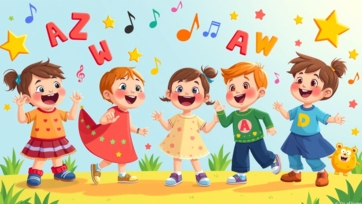
Cartoons are not just entertaining; they are powerful educational tools, especially for Pre-K children. At this age, children are naturally curious and learn best through visual storytelling, repetition, and play. Choosing the right cartoons can help children develop foundational skills in areas such as literacy, numeracy, problem-solving, creativity, and social-emotional understanding.

Pre-K learning focuses on building skills that prepare children for kindergarten and beyond. Well-designed cartoons combine bright visuals, engaging characters, and simple educational concepts, making learning fun and effective.


Why Educational Cartoons Matter for Pre-K Children:

Pre-K children are in a critical stage of cognitive development. Educational cartoons help in:

  • Introducing letters, numbers, and shapes

  • Teaching colors, patterns, and spatial awareness

  • Building vocabulary and language skills

  • Developing social-emotional skills like sharing and empathy

  • Encouraging curiosity and problem-solving

By making learning interactive and visually appealing, cartoons capture attention and increase retention.


Cartoons That Teach Literacy Skills:

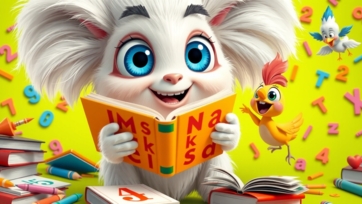
Certain cartoons focus on letters, phonics, and storytelling. They help children recognize sounds, words, and sentence structures through:

  • Repetition of letters and words

  • Simple rhymes and songs

  • Story-based lessons with engaging characters

These shows improve early reading and communication skills, helping children develop a strong language foundation.


Cartoons That Teach Numeracy and Math Concepts:

Some educational cartoons introduce numbers, counting, and basic math concepts:

  • Counting objects in fun adventures

  • Identifying shapes and patterns

  • Understanding concepts like more, less, big, and small

These cartoons make abstract concepts tangible and memorable for Pre-K learners.


Cartoons That Encourage Creativity and Imagination:

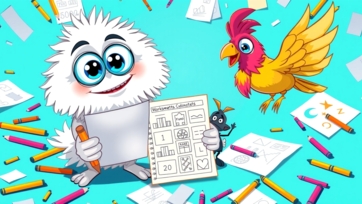
Creativity is crucial in early learning. Cartoons that inspire drawing, building, or imaginative play help children:

  • Explore colors, shapes, and textures

  • Experiment with ideas in pretend play

  • Build critical thinking and problem-solving skills

Creative cartoons allow children to express themselves freely while learning new concepts.


Cartoons That Teach Social and Emotional Skills:

Pre-K children are learning to interact with peers and manage emotions. Cartoons that focus on friendship, empathy, and teamwork help children:

  • Recognize feelings in themselves and others

  • Understand conflict resolution

  • Develop kindness and sharing habits

These shows support emotional intelligence, which is as important as academic skills at this age.


Benefits of Watching Educational Cartoons:

Watching the right cartoons provides multiple benefits for Pre-K learners:

  • Makes learning fun and engaging

  • Improves memory and attention span

  • Encourages curiosity and exploration

  • Strengthens language and communication skills

  • Prepares children for formal school learning

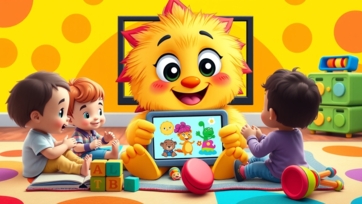
Educational cartoons turn screen time into productive learning time when chosen wisely.


How Parents Can Maximize Learning from Cartoons:

Parents can enhance the benefits of educational cartoons by:

  • Watching cartoons together and discussing key lessons

  • Asking questions about letters, numbers, shapes, and colors

  • Encouraging children to imitate experiments, songs, or creative tasks

  • Relating cartoon concepts to real-life experiences

This active engagement ensures that children apply what they learn beyond the screen.


Tips for Choosing the Best Pre-K Cartoons:

Not all cartoons are equally educational. Parents should look for shows that:

  • Use bright visuals and slow-paced narration suitable for young children

  • Focus on basic skills like letters, numbers, colors, and social learning

  • Avoid violence, fast cuts, or overly complicated storylines

  • Include positive role models and relatable characters

Popular Pre-K educational shows include Sesame Street, Bluey, Daniel Tiger’s Neighborhood, and Pocoyo, among others.


Conclusion:

Choosing the best cartoons for Pre-K learning can significantly impact a child’s early development. Educational cartoons provide a fun and interactive way to introduce foundational skills in literacy, numeracy, creativity, and social-emotional growth. When parents actively participate and guide learning, cartoons become a powerful tool that nurtures curiosity, engagement, and a love for learning from a young age.

Advertisement
Dinosaur Stories for Children
Dinosaurs have fascinated children for generations with their enormous size, mysterious history, and exciting adventures. Dinosaur stories for children bring these prehistoric creatures to life through colorful cartoons, friendly characters, and imaginative storytelling. These stories are not only entertaining but also educational, teaching children about science, history, teamwork, and problem-solving. In this article, we explore why dinosaur cartoons are so popular, their educational benefits, and how parents can use them to encourage learning and creativity. ⭐ Why Dinosaur Stories Are Popular with Kids: 1. Fascination with Prehistoric Creatures: Children are naturally curious about dinosaurs. Cartoons give them a safe and fun way to explore these creatures and their world. 2. Imaginative Storytelling: Dinosaur cartoons combine fantasy, adventure, and humor, making stories engaging and memorable. 3. Relatable Characters: Friendly dinosaur characters help children relate to lessons about friendship, courage, and kindness. 4. Visual and Audio Learning: Bright animations and fun sounds keep children engaged while helping them retain information about dinosaurs and prehistoric life. 5. Safe Learning: Animated stories allow children to learn about large, potentially scary creatures in a safe, entertaining environment. ⭐ Popular Themes in Dinosaur Stories: 1. Adventures in Prehistoric Times: Stories often follow dinosaurs exploring jungles, volcanoes, and rivers, teaching children about different environments. 2. Friendship and Teamwork: Cartoons focus on dinosaurs helping each other, sharing, and solving problems, reinforcing social and moral lessons. 3. Science and History: Some stories introduce facts about dinosaur species, fossils, and their behavior in a fun and age-appropriate way. 4. Problem-Solving and Creativity: Characters face challenges, encouraging children to think creatively and learn problem-solving skills. 5. Fun and Humor: Animated dinosaurs often have funny traits or adventures, keeping children entertained while learning. ⭐ Educational Benefits of Dinosaur Stories: 1. Develops Curiosity: Children learn about prehistoric life, evolution, and the natural world, fostering a love for science. 2. Builds Vocabulary: Cartoons introduce terms like “Tyrannosaurus,” “Triceratops,” “volcano,” and “fossil” in a fun, understandable way. 3. Encourages Moral Values: Stories about helping friends, sharing, and bravery instill positive social and emotional values. 4. Enhances Cognitive Skills: Following storylines, remembering character names, and understanding plots improve memory and critical thinking. 5. Stimulates Imagination: Children create their own dinosaur worlds, adventures, and stories, boosting creativity and imaginative play. ⭐ Tips for Parents to Make the Most of Dinosaur Cartoons: ✔ 1. Watch Together: Discuss dinosaur names, behaviors, and adventures to reinforce learning. ✔ 2. Encourage Drawing and Crafts: Let children draw dinosaurs, create models, or make prehistoric scenes inspired by the cartoons. ✔ 3. Ask Questions: Questions like “What would you do if you were a dinosaur?” help children think creatively and engage with the story. ✔ 4. Reinforce Facts: Introduce simple facts about dinosaurs to combine fun and education effectively. ✔ 5. Limit Screen Time: Keep episodes short and interactive, ideally 20–30 minutes, to balance entertainment and other learning activities. ⭐ Conclusion: Dinosaur stories for children are a fantastic way to combine entertainment, imagination, and education. Through vibrant animations, adventurous storytelling, and friendly dinosaur characters, children learn about prehistoric life, moral values, problem-solving, and creativity. Parents and educators can use these cartoons to foster curiosity, develop cognitive and social skills, and inspire children to explore science and history. Dinosaur cartoons make learning about the past fun and memorable, creating a love for stories, knowledge, and imaginative play that lasts a lifetime.
Healthy Balance Between Cartoons & Outdoor Play
In the modern childhood ecosystem, animated worlds and the natural world both offer vital forms of enrichment. The key to healthy development isn't choosing one over the other, but skillfully weaving them together. This 2026 guide provides a practical, positive framework for creating a balanced "play diet" where screen stories and muddy knees complement each other, fostering a child who is both digitally savvy and physically vibrant. The Synergy Principle: Two Halves of a Whole : Understand that cartoons and outdoor play develop different, but complementary, skill sets: Quality Cartoons (like those on boobacartoon.com) can: Spark imagination, model social-emotional skills, introduce new concepts and vocabulary, and provide cultural touchstones. Unstructured Outdoor Play (inspired by kidtoys.site) develops: Gross motor skills, risk assessment, connection to the natural world, sensory integration, and independent problem-solving. The goal is cross-pollination—letting inspiration from one fuel creativity in the other. Rule #1: Sequence Matters – "Outside First, Screens After" : Leverage natural motivation. The pull of screens is strong; use it as a reward for, or a cooldown after, physical activity. The Non-Negotiable Morning Rule: No screens before going outside (or to school). Morning light regulates circadian rhythms and boosts mood for the day. The Afternoon Protocol: "Backpack down, shoes on." Institute a routine where the first chunk of time after school/homework is dedicated to outdoor or physical play. Screen time becomes the later, relaxing option. The Weekend Framework: "Adventure first, movie later." Plan a family hike, park visit, or backyard project in the morning or early afternoon, with a special cartoon or movie as a shared evening treat. Rule #2: Create Explicit Links – "Bring the Screen Outside" : Actively bridge the two worlds to break the false dichotomy. Theme Your Adventures: After watching a show about explorers, go on a "mission" to map the backyard. After a cartoon about bugs, go on a magnifying-glass expedition to find real ones. Outdoor Storytelling: Use action figures or toys outside to act out new episodes of their favorite show, encouraging them to invent original outdoor-based plots. "Be the Cartoon" Game: Play a game where you all physically act out the events of a cartoon episode—running like the characters, hiding like them, solving a physical puzzle they faced. Rule #3: Curate for Inspiration, Not Just Passivity : The type of screen content directly influences the desire for active play. Choose Pro-Social & Active Cartoons: Select shows where characters solve problems, work as a team, go on adventures, and are curious about the world. This subconsciously primes active, engaged behavior. Implement the "Now Do It" Rule: After watching a short, inspiring segment (e.g., characters building a fort, having a dance party, identifying clouds), immediately pause and say, "Cool! Let's go try that!" This turns passive viewing into an active launchpad. Use Screens as a Creative Tool: Instead of only watching, use a tablet outside to photograph nature, film a homemade "documentary," or follow a video tutorial for an outdoor craft project. Rule #4: Design an Irresistible Outdoor Environment : Make the outdoors as engaging and accessible as the digital world. Stock an "Outdoor Kit": Keep a bin by the door filled with "adventure gear": a magnifying glass, binoculars, sidewalk chalk, bubbles, a small shovel, a ball, and durable toys from kidtoys.site designed for sand, dirt, and water. Embrace "Boring" Time: Allow for stretches of unstructured time in the yard or park. It is from the "I'm bored" moment that the most creative, child-directed outdoor play emerges. Get Involved Yourself: Your participation is the ultimate upgrade. Kick a ball, draw with chalk, point out clouds, or just sit and read on a blanket. Your presence validates the outdoor space as valuable. Rule #5: Implement the "1:1 Ratio" Guideline (Time or Theme) : Establish a clear, fair balance that children can understand. The Time-Based Ratio: For every 30 minutes of recreational screen time, aim for 30 minutes of outdoor/physical play. Use visual timers for both to make it tangible. The Thematic Ratio: If screen time is consumptive (watching), ensure the next activity is creative or active (building, drawing, running). If they play a digital game, follow it with an analog game. Rule #6: Reframe the Narrative Around Both Activities : The language you use shapes their perceived value. Talk About Outdoor Play with Enthusiasm: "I can't wait to get some sunshine and fresh air!" or "Let's go recharge our brains outside!" Talk About Screen Time with Purpose: "Let's watch an episode to get ideas for our fort," or "It's time to relax with our favorite characters." Never Use Screens as a Pacifier or Reward/Punishment: This artificially elevates their value. Instead, frame both screen time and outdoor time as regular, valuable parts of a healthy day. The Role of Parental Modeling : You cannot coach from the couch. Your habits set the standard. Be Seen Playing Outside: Garden, read in a hammock, practice yoga on the lawn. Show that outdoors isn't just for kids. Be Intentional with Your Own Screens: Practice what you preach. Have phone-free outdoor time. Say out loud, "I'm putting my phone away so I can fully enjoy being outside with you." Conclusion: Cultivating a Hybrid Childhood : The healthiest childhood is a hybrid one. It respects the digital storytelling that is part of our world while fiercely protecting the irreplaceable, sensory-rich experiences of the physical world. By implementing sequenced routines, creating direct links between content and activity, and modeling enthusiasm for both, you teach your child to self-regulate and appreciate the unique gifts of both domains. Supported by the inspiring stories from boobacartoon.com and the open-ended play prompts from kidtoys.site, you’re not just managing time—you’re cultivating a child who can find wonder in a pixelated galaxy and the dirt beneath their feet.
Best Vegetables for Kids’ Growth
Best Vegetables for Kids’ Growth: When parents think about children’s growth, they often focus on milk, eggs, or supplements. But real biological growth — the kind that builds strong bones, sharp brains, and resilient immunity — depends heavily on vegetables. These are not just side dishes. They are biochemical toolkits packed with micronutrients that literally instruct the body how to grow. In South Asian diets, especially in Pakistan, vegetables are available year-round, yet many children still face nutrient deficiencies because variety is missing. Growth is not just about eating more food; it is about eating the right signals. Vegetables provide those signals through vitamins, minerals, antioxidants, and plant compounds that supplements cannot fully replicate. Let’s explore the vegetables that actually support healthy development in children. Green Leafy Vegetables — The Bone and Blood Builders: 4 Why Spinach, Fenugreek, and Mustard Greens Matter: Leafy greens are rich in calcium, iron, folate, and vitamin K — all essential for skeletal growth and red blood cell production. Vitamin K helps the body absorb calcium properly, ensuring it reaches bones instead of being wasted. Iron improves oxygen transport in the blood, which supports muscle development and brain activity. Children who regularly eat leafy vegetables tend to show: Better stamina Stronger immunity Improved focus and energy Practical Example: Mix chopped spinach into lentils (daal) or knead it into dough for parathas. Children accept it easily when blended into familiar foods. Orange and Red Vegetables — Brain and Immunity Boosters: 4 Carrots, Pumpkin, and Sweet Potatoes: These vegetables are loaded with beta-carotene, which the body converts into vitamin A — a key nutrient for neurological development and immune defense. Vitamin A supports: Brain cell communication Healthy skin and tissue growth Resistance against infections Children deficient in vitamin A often experience frequent illness and slower development. Real-Life Application: Add grated carrots to rice, omelets, or homemade cutlets. The mild sweetness makes them child-friendly without added sugar. Cruciferous Vegetables — Cellular Growth Regulators: 4 Broccoli, Cauliflower, and Cabbage: These vegetables contain compounds like sulforaphane, known for supporting detoxification and cellular repair. In simple terms, they help the body rebuild itself — a process essential during childhood when tissues are constantly forming and expanding. They also improve protein utilization, meaning the body uses nutrients from other foods more efficiently. Smart Serving Idea: Cook cauliflower with potatoes or add cabbage into noodles or fried rice for better acceptance. Root Vegetables — Natural Energy and Circulation Enhancers: 4 Beetroot, Turnip, and Radish: Root vegetables supply potassium, fiber, and natural nitrates that improve blood circulation. Better circulation means nutrients are delivered faster to growing tissues, supporting: Healthy weight gain Stronger muscles Improved appetite Beetroot, in particular, enhances oxygen delivery, which fuels active children and supports endurance. Practical Use: Grate beetroot into yogurt or mix into chapati dough for a subtle color and nutrition boost. Seasonal Vegetables — Nature’s Growth Timing System: Traditional diets followed seasonal eating for a reason. Vegetables grown in a particular season contain nutrients the body needs most during that time. Winter Vegetables Support: Bone density Immunity strengthening Stored energy for colder months Examples: carrots, mustard greens, turnips. Summer Vegetables Support: Hydration Digestion Electrolyte balance Examples: bottle gourd, okra, ridge gourd. Eating seasonally aligns the body with natural environmental demands, improving nutrient absorption. Why Variety Matters More Than Quantity: Many parents try to feed large portions of one vegetable. Growth does not work that way. Different vegetables contain different micronutrients, and children need a mix. A colourful plate is not decoration; it is nutritional diversity. For example: Green vegetables provide iron and calcium. Orange vegetables provide vitamin A. White vegetables provide potassium and digestive fiber. Together, they form a complete growth-support system. How Much Should Children Eat? Nutrition experts recommend that children consume at least 1 to 1.5 cups of mixed vegetables daily, depending on age. This should include: One leafy vegetable One colorful vegetable One seasonal option Consistency matters more than forcing large meals occasionally. The Psychology of Feeding Vegetables to Kids: Children often reject vegetables not because of taste, but because of presentation and repetition. Helpful strategies include: Offering vegetables in different forms, such as soups, parathas, or rice mixes. Combining them with familiar foods rather than serving them alone. Allowing children to see family members eating the same meals. Children learn eating habits by imitation, not instruction. Vegetables vs. Supplements — A Critical Difference: Multivitamins can help when needed, but they cannot replace vegetables. Vegetables provide: Fibre that supports digestion Natural enzymes Antioxidants Plant compounds that regulate metabolism These components nourish gut bacteria, which play a major role in nutrient absorption and hormone regulation during growth. Supplements may fill gaps, but vegetables build the foundation. Final Thought: Children’s growth is not driven by one “superfood.” It is shaped by daily patterns — small servings of diverse vegetables that quietly guide the body toward strength, resilience, and balanced development. A child’s plate should look alive with colour and variety. That is not just healthy eating. It is biological engineering carried out by nature, one meal at a time.  
Using Cartoons to Teach Kids Problem-Solving
Cartoons are often seen as a fun pastime for children, but they can be much more than entertainment. When used wisely, educational cartoons become a powerful tool to teach problem-solving skills in kids. Animated stories, colorful characters, and simple challenges help children learn how to think, analyze situations, and find solutions in an engaging way. In today’s world, where critical thinking and problem-solving abilities are essential life skills, cartoons can play an important role in early childhood development. This article explores how cartoons help kids develop problem-solving skills and how parents can use them effectively. Why Problem-Solving Skills Matter for Kids: Problem-solving is the ability to identify a problem, think about possible solutions, and choose the best one. These skills help children: Think independently Build confidence Improve decision-making Handle challenges calmly Perform better in academics and daily life Developing problem-solving skills early prepares children for school learning, social situations, and real-life challenges. Cartoons provide a safe and fun environment where kids can observe and learn these skills naturally. How Cartoons Teach Problem-Solving Skills: 1. Cartoons Present Simple Problems Most kids’ cartoons are built around small challenges or conflicts. A character might lose something, face an obstacle, or need help to complete a task. These situations introduce children to the idea that problems are normal and solvable. For example, a cartoon character may need to cross a river, help a friend, or fix a mistake. Children watch how the character thinks, tries different ideas, and finally solves the problem. This teaches kids that every problem has a solution. 2. Step-by-Step Thinking Educational cartoons often show step-by-step problem-solving. Characters talk through their thoughts, try one solution, fail, and then try another. This process teaches children: To think before acting To try more than one solution To not give up after failure This kind of logical thinking is essential for developing strong cognitive skills in children. 3. Learning Through Observation Children learn a lot by watching and copying behavior. When they see cartoon characters calmly solving problems, they naturally imitate the same behavior. For instance, when a character works as a team, asks questions, or uses tools creatively, children learn the importance of: Teamwork Communication Creative thinking This makes cartoons a great medium for learning problem-solving through observation. 4. Encourages Critical Thinking Many cartoons encourage children to think along with the characters. Some shows pause and ask questions like:“What should we do next?” or “Can you help solve this problem?” This interactive style boosts critical thinking skills and keeps children mentally active instead of being passive viewers. Kids start thinking ahead, predicting outcomes, and analyzing situations. 5. Builds Emotional Problem-Solving Problem-solving is not just about logic; it also involves emotions. Cartoons often show characters dealing with: Fear Frustration Anger Sadness By watching how characters manage emotions and still solve problems, children learn emotional intelligence. They understand that staying calm helps in finding better solutions. Types of Problem-Solving Skills Cartoons Teach Logical Thinking Cartoons often involve puzzles, patterns, and cause-and-effect situations. This helps children improve logical reasoning and analytical thinking. Decision-Making Characters frequently choose between different options. Kids learn that choices have consequences, which improves decision-making skills. Creative Problem-Solving Some problems in cartoons are solved in unexpected and creative ways. This encourages kids to think outside the box. Social Problem-Solving Cartoons also show conflicts between friends and how they are resolved. This teaches children how to: Share Apologize Cooperate Resolve conflicts peacefully Benefits of Using Cartoons for Problem-Solving Using cartoons to teach problem-solving offers many benefits: Makes learning fun and stress-free Improves attention span Enhances memory and comprehension Encourages curiosity and exploration Builds confidence in handling challenges Because cartoons are visually rich and engaging, children remain interested while learning important life skills. How Parents Can Use Cartoons Effectively Choose the Right Cartoons Not all cartoons are educational. Parents should select shows that focus on: Problem-solving Moral lessons Teamwork and creativity Clear and positive language Educational cartoons designed for learning have a much stronger impact on kids’ cognitive development. Watch and Discuss Together Watching cartoons with children and discussing the story helps reinforce learning. Parents can ask questions like: What was the problem? How did the character solve it? Was there another solution? This discussion strengthens thinking and communication skills. Turn Cartoons into Activities After watching a cartoon, parents can create simple activities: Role-play the problem and solution Ask the child to draw the solution Create similar real-life problems and solve them together These activities help children apply problem-solving skills beyond the screen. Balance Screen Time Cartoons should inspire learning, not replace real-world experiences. Limited and meaningful screen time ensures children stay active and engaged in other learning activities as well. Long-Term Impact on Learning Children who develop problem-solving skills early tend to: Perform better in school Show independence in learning Handle stress and challenges confidently Develop leadership qualities By using cartoons as a learning tool, parents can support long-term intellectual and emotional growth. Conclusion Using cartoons to teach kids problem-solving is an effective and enjoyable approach to early learning. Cartoons present challenges in a friendly and engaging way, helping children understand how to think, analyze, and find solutions. Through storytelling, visual learning, and relatable characters, children develop critical thinking, creativity, and emotional intelligence. When parents choose the right cartoons and actively engage with their children, cartoons become more than entertainment—they become a valuable educational resource. With the right balance, cartoons can help children build strong problem-solving skills that will benefit them throughout their lives
Who Is Booba? Complete Character Guide for Kids
If your child enjoys fun, laughter, and imaginative adventures, chances are they already know Booba—the charming little creature who has taken the internet by storm. Booba is one of the most beloved animated characters for young children, thanks to his expressive face, adorable reactions, and exciting curiosity-filled world. But who exactly is Booba, and why do millions of kids love him so much? In this complete character guide, we explain everything parents and kids need to know about this funny and family-friendly cartoon character. Who Is Booba? Booba is a small, furry, and extremely curious creature who explores the world with child-like wonder. He does not speak words. Instead, he communicates through expressive sounds, funny gestures, and silly reactions. His biggest strength is his ability to turn the most ordinary things—like a lamp, a fridge, or a pair of shoes—into a hilarious adventure. Created by the animation studio 3D Sparrow, Booba first appeared on YouTube and quickly went viral among preschoolers. Today, the show is available on multiple streaming platforms, and Booba is recognized globally as a top children’s entertainment character. What Does Booba Look Like? Booba has a very unique and instantly recognizable appearance: A small white furry body Big blue eyes Pink cheeks A long tail Large ears A tiny backpack in some episodes His design is perfect for kids because it is both friendly and funny. His big expressions and exaggerated reactions make him enjoyable even for toddlers who cannot understand spoken language yet. What Makes Booba Popular Among Kids? Booba’s global popularity comes from several child-friendly qualities: 1. No Dialogue – Universal Entertainment Booba does not speak, which makes the show easy for children from all languages to enjoy. Kids focus on the actions, comedy, and visual storytelling, making it a perfect show for early learners. 2. Safe, Fun, and Educational Without violence, fear, or inappropriate content, Booba is completely safe for young children. The show encourages: Curiosity Exploration Creativity Problem-solving Each episode teaches children how to observe and learn from everyday things. 3. Short and Engaging Episodes Booba episodes are usually 3–5 minutes long, which matches the attention span of preschoolers. The fast-paced humor keeps kids laughing and entertained without overwhelming them. 4. Positive Character Personality Booba always remains cheerful, even when things go wrong. His reactions help children understand: It is okay to make mistakes Learning can be fun Curiosity leads to discovery His positive attitude is one of the main reasons parents trust this show. Booba’s Personality and Traits: Booba’s charm comes from his lovable personality. Some of his key traits include: Curiosity Booba is extremely curious. Whether he finds a toy, a kitchen gadget, or a musical instrument, he wants to explore it completely. This curiosity encourages kids to explore their environment safely. Playfulness He loves to play! Everything becomes a game for him. This playfulness helps kids develop imagination and creativity. Kindness Booba is friendly with everyone he meets, even if they cause trouble. His kindness teaches kids about empathy and good behavior. Bravery He often faces new things without fear. This trait inspires children to be confident and brave in new situations. Funny and Expressive Nature His silly reactions and big facial expressions make kids laugh instantly. Humor is a big part of why Booba is so addictive for children. Supporting Characters in Booba’s World: Booba is not alone in his adventures. Several characters join him and make the episodes more exciting. 1. Loola Loola is an active and energetic girl-like creature who loves to dance and play. She often joins Booba in exploring new places. 2. Googa Googa is the intelligent and inventive character in the Booba universe. He loves gadgets, tools, and creative ideas. 3. Spike Spike is the mischievous hedgehog who sometimes creates problems but always adds humor. 4. Mr. Beak Mr. Beak is a clever parrot who enjoys watching Booba’s silly actions while sometimes offering help. Together, these characters make the show more dynamic and enjoyable for kids. What Age Group Is Booba For? Booba is mainly designed for children aged 2 to 8 years, but toddlers and even older kids enjoy it due to its humor and visual appeal. Many parents say that even they enjoy watching Booba because of the comedy and creativity. Why Parents Approve of Booba Parents appreciate Booba because it: Avoids bad language Does not include violence Encourages positive learning Stimulates imagination Keeps kids engaged without harmful content It is a safe digital entertainment option compared to many noisy or aggressive children’s shows. Where Can Kids Watch Booba? Booba episodes are available on major platforms such as: YouTube Netflix Amazon Prime Booba’s official app (in some regions) This makes the show easy to access anywhere, anytime. Educational Benefits of Watching Booba: Although Booba is mostly a comedy show, it provides many learning opportunities: 1. Understanding Everyday Objects Kids learn how different items work—like a blender, vacuum cleaner, or mirror. 2. Visual Learning Skills Booba uses visual storytelling, which helps children improve observation and comprehension. 3. Social Skills Booba often interacts with friends, teaching kids about: Teamwork Sharing Friendship Cooperation 4. Creative Thinking Since Booba imagines new ways to use common things, children develop creative thinking and problem-solving skills. Booba Toys and Merchandise Booba’s popularity has led to many toys and merchandise for kids, including: Plush toys Storybooks Coloring books Puzzles School supplies These items help children engage with their favorite character in real life. Final Thoughts: Why Kids Love Booba So Much: Booba is more than just a cartoon character—he is a source of joy, creativity, and learning. His curious nature, funny adventures, and expressive personality make him a favorite among children everywhere. Without using any language, Booba communicates universal emotions that every child can understand. For parents searching for safe, educational, and fun entertainment, Booba is one of the best choices available today. His imaginative world encourages kids to explore, laugh, and learn—making him a truly unforgettable character.
History of Non-Verbal Comedy in Cartoons: From Silent Films to Modern Mime
The universal language of a slip on a banana peel, a look of shocked surprise, or a perfectly timed pause transcends words and cultures. In animation, non-verbal comedy—or visual slapstick—is not just a tool; it is the art form's foundational comedic heartbeat. This guide traces the rich history of how animators have made us laugh without saying a word, from flickering black-and-white reels to the hyper-expressive digital characters of today. The Silent Era: Birth of the Visual Gag (1900s-1920s) : Animation was born in the silent film era, inheriting its comedic DNA directly from masters like Charlie Chaplin and Buster Keaton. Key Pioneers: Winsor McCay: In Gertie the Dinosaur (1914), the interactive, personality-driven animation established a character audiences could connect with through gesture alone. Max Fleischer (Out of the Inkwell): The surreal interplay between a live-action animator and his mischievous cartoon creation, Koko the Clown, relied entirely on visual trickery and playful defiance. The Core Principle: Exaggerated Physics and Personality. Without dialogue, comedy came from rubber-limbed movements, impossible transformations, and characters whose every emotion was written large on their faces and in their body language. The Golden Age: Slapstick Perfected (1930s-1950s) : With sound came music and effects, but the best shorts remained masterclasses in visual storytelling. The Warner Bros. School of Anvil Comedy: Chuck Jones’s Philosophy: He established "The Rules" for characters like Wile E. Coyote and the Road Runner. The comedy was in the meticulous, cause-and-effect logic of failure. The coyote’s slow look down after running off a cliff is a silent masterpiece of realization. Tex Avery’s Hyperbole: Avery took exaggeration to its极限. Characters’ eyes would pop out, jaws would hit the floor, and bodies would stretch like taffy. The reaction was the joke, and it was always visual, rapid-fire, and wordless. Disney’s Emotional Pantomime: While Disney featured dialogue earlier, its early shorts and feature sequences (e.g., The Band Concert with Mickey, Playful Pluto with the flypaper) were built on elaborate pantomime. Animators studied live-action comedians to translate subtle, empathetic physical comedy into their characters. The Television Era: Limited Animation, Unlimited Expression (1960s-1980s) : Budget constraints led to limited animation, forcing creatives to rely even more on strong character design and clever visual wit. Hanna-Barbera’s Clever Shortcuts: Shows like Tom and Jerry (originally MGM) and later Scooby-Doo used repetitive chase sequences, but the comedy was in the anticipation and the elaborate, destructive payoff—a collapsing wall of shelves, a expanding bubble gum bubble. Character reactions (Tom’s scheming grin, Shaggy’s full-body shudder) told the story. The European Influence: French Animator René Laloux (Fantastic Planet) and others created surreal, often dialogue-light worlds where the comedy and horror were baked into the bizarre visual design and scenarios. British Shows like The Clangers: Communication was through musical whistles and pure physical action, making their curiosity and problem-solving universally understandable. The Modern & Digital Renaissance (1990s-Present) : Technology allowed for more nuanced animation, but the principles of silent comedy remained essential. The Return of the Pure Mime: Mr. Bean: The Animated Series successfully translated Rowan Atkinson’s live-action silent clowning into cartoon form, proving the timelessness of the format. Shaun the Sheep (Aardman): A spin-off from the dialogue-free Wallace & Gromit, this show became a global hit. Every plot point, emotion, and joke is conveyed through impeccable stop-motion animation, sound effects, and music. Pixar’s "Show, Don’t Tell" Ethos: Pixar’s short films (Geri’s Game, Piper) and key feature sequences (the first 30 minutes of WALL-E, much of Up’s marital montage) are legendary for their powerful, wordless storytelling. They use subtle facial animation and environmental details to convey complex emotions, making the comedy more heartfelt and the drama more profound. The Internet & Algorithmic Age: Web Cartoons & Short-Form Content: Platforms like YouTube favor quick, wordless humor that requires no translation or setup—perfect for viral loops. Characters like the early Simons Cat or countless indie animation memes thrive on simple, relatable visual gags. Modern TV Examples: Shows like The Amazing World of Gumball blend styles but often let its characters’ exaggerated, rubber-hose-inspired reactions deliver the biggest laughs without dialogue. Why Non-Verbal Comedy Endures & Matters : Universality: It bypasses language and age barriers. A toddler and a grandparent can laugh at the same slip-and-fall. Pure Visual Storytelling: It forces animators to be inventive, relying on the fundamental tools of the medium: timing, squash and stretch, anticipation, and expression. Emotional Clarity: When a character’s joy, frustration, or confusion is communicated solely through animation, it can feel more direct and authentic. The Foundation of Character: A character defined by their actions and reactions, not their words, often becomes more iconic and beloved (e.g., Gromit, WALL-E, Charlie Brown’s slumped walk). Conclusion: The Unspoken Bond Between Animator and Audience : The history of non-verbal comedy in cartoons is a history of animation itself—a testament to the power of moving drawings to connect with something primal in us. From the anarchic slapstick of a falling anvil to the subtle, heartbreaking glance of a lonely robot, it proves that the most powerful stories and the biggest laughs often come not from what is said, but from what is seen. In a world of endless chatter, the silent eloquence of a well-animated sigh or a perfectly executed double-take remains comedy in its purest, most global form.
Best Nursery Rhymes for Children in 2025
Learn and Sing with Fun Nursery rhymes have been a beloved part of early childhood education for generations. In 2025, their role has become even more significant, thanks to animated videos and interactive digital content. Nursery rhymes help children develop language skills, memory, rhythm, and social understanding—all while having fun. This guide explores the benefits of nursery rhymes, popular animated series for children, and tips for parents to make the most out of rhyme-based learning. Why Nursery Rhymes Are Important for Children: Nursery rhymes are more than simple songs—they are powerful educational tools. They combine melody, rhythm, and repetition, making learning enjoyable and effective. Key benefits of nursery rhymes include: Language development: Helps children learn new words, pronunciation, and sentence structure. Memory and recall: Repetition and rhyming enhance memory skills. Rhythm and musical skills: Introduces children to beat, melody, and rhythm. Cognitive development: Patterns, sequences, and storylines encourage thinking and reasoning. Social and emotional growth: Singing together promotes bonding, cooperation, and emotional expression. Popular Types of Nursery Rhymes: Nursery rhymes can be grouped into several categories to target different learning skills: 1. Traditional Rhymes: These are the classic rhymes like Twinkle Twinkle Little Star, Humpty Dumpty, or Baa Baa Black Sheep. They are simple, melodic, and easy to memorize, making them perfect for toddlers and preschoolers. 2. Alphabet and Counting Rhymes: Songs that combine rhymes with alphabet letters or numbers help children learn language and numeracy simultaneously. Examples include ABC Song and One, Two, Buckle My Shoe. 3. Movement and Action Rhymes: Action rhymes involve gestures and physical activity, improving gross motor skills and coordination. Examples include If You’re Happy and You Know It or Head, Shoulders, Knees, and Toes. 4. Themed Rhymes: Some nursery rhymes focus on animals, seasons, or daily routines, teaching children about the world in a fun, musical way. Examples include Old MacDonald Had a Farm and Rain, Rain, Go Away. Top Animated Nursery Rhymes for Children in 2025: 1. Super Simple Songs: A favorite among toddlers, this series combines animated visuals, slow-paced music, and easy-to-follow lyrics. Highlights: Alphabet, numbers, and action rhymes Interactive, easy for children to sing along Bright, colorful animations for engagement 2. Booba’s Nursery Rhymes: Booba, a popular character, now features nursery rhyme adventures that make classic songs fun and playful. Benefits: Non-verbal and universally understandable Encourages observation and rhythm learning Perfect for toddlers and preschoolers 3. Little Baby Bum: One of the most well-known animated nursery rhyme channels, Little Baby Bum offers: Wide range of rhymes from traditional to modern Fun animations to hold children’s attention Songs that reinforce early language, counting, and colors 4. Cocomelon: Cocomelon is widely popular for combining nursery rhymes with short educational stories. Learning focus: Letters, numbers, and colors Social skills and good habits Memory and listening skills through repetition 5. Nursery Rhymes Club: An interactive animated series with sing-along features and visual cues for each word. Benefits: Engages children in singing and reading Improves pronunciation and vocabulary Introduces rhythm and melody for early musical skills How to Use Nursery Rhymes Effectively: While nursery rhymes are fun, parents play a key role in enhancing their educational value: Sing along: Join your child to improve language and bonding. Add gestures and movements: Action rhymes improve coordination and memory. Repetition is key: Repeating songs helps reinforce learning. Combine with visuals: Animated videos make rhymes more engaging. Discuss the story or theme: Even short rhymes can teach lessons about animals, nature, or social behavior. Create a daily routine: Singing nursery rhymes at consistent times (morning, bedtime) reinforces memory and habit formation. Benefits of Animated Nursery Rhymes: Animated nursery rhymes combine music, movement, and storytelling to create a multi-sensory learning experience: Visual learning: Bright characters, colors, and movements enhance memory. Auditory learning: Repetition of sounds, words, and rhythms improves language skills. Interactive engagement: Sing-along and dance-along features make learning fun. Emotional connection: Characters and songs help children express feelings and connect with stories. Recommended Nursery Rhymes for Children in 2025: Here’s a curated list of popular and educational nursery rhyme series: Super Simple Songs – Alphabet, numbers, and classic rhymes Booba’s Nursery Rhymes – Fun adventures with playful characters Little Baby Bum – Wide variety of rhymes with vibrant animations Cocomelon – Combines songs with short stories and social lessons Nursery Rhymes Club – Interactive sing-along videos for toddlers These series provide safe, colorful, and educational content, making learning enjoyable for toddlers and preschoolers. Final Thoughts: Nursery rhymes are a timeless tool for early childhood learning, helping children develop language, memory, rhythm, and social skills. In 2025, animated and interactive videos make these rhymes even more engaging, allowing toddlers to learn while having fun. Parents can maximize the benefits by: Singing along with their children Incorporating gestures and movements Repeating favorite rhymes regularly Pairing songs with discussion or hands-on activities With the right nursery rhymes, screen time becomes productive and educational, giving toddlers a strong foundation for learning, creativity, and social development. Tip for Parents: Encourage children to create their own rhymes or act out songs—this reinforces creativity, memory, and understanding of language patterns.
Why Non-Verbal Cartoons Are Good for Language Learning
Non-verbal cartoons—funny, expressive animated characters that don’t speak—are incredibly popular with children. Beyond entertainment, they can also support language development and early literacy skills in young learners. This guide explains how non-verbal cartoons help children learn language, develop communication skills, and enhance comprehension, even without dialogue. How Non-Verbal Cartoons Support Language Learning: Focus on Visual Cues Children pay attention to gestures, facial expressions, and actions, which teach meaning without words. Helps them understand context and emotion, key elements of language comprehension. Encourages Storytelling Skills Kids can describe what is happening in their own words, enhancing vocabulary and sentence formation. Promotes narrative skills by encouraging children to recreate or extend the story. Boosts Observation and Comprehension Non-verbal storytelling requires children to connect events logically, improving understanding and sequencing skills. Enhances attention to detail, a critical skill for reading and listening comprehension. Practical Ways to Use Non-Verbal Cartoons for Language Learning: 1. Ask Children to Narrate the Story Pause the episode and ask: “What do you think happens next?” Encourage full sentences and creative descriptions. Helps expand vocabulary and language structure. 2. Role-Play Scenes Children can act out the characters’ actions. Encourage them to use words to describe what they are doing, practicing verbal communication. 3. Draw or Write About the Episode Drawing scenes or writing short descriptions reinforces story comprehension and vocabulary. Older kids can write mini-stories inspired by the episode, connecting words with visual cues. 4. Use as a Prompt for Conversation Ask open-ended questions: “Why do you think the character did that?” “How would you feel in that situation?” Encourages discussion, critical thinking, and emotional vocabulary. Benefits of Non-Verbal Cartoons for Language Learning: Vocabulary Development: Kids learn words by describing actions, objects, and emotions. Sentence Formation: Encourages proper sentence structure and verbal expression. Narrative Skills: Enhances storytelling ability and logical sequencing. Listening and Observation: Teaches children to interpret meaning from context. Cross-Cultural Learning: Non-verbal cartoons can be understood by children of any language background, promoting inclusivity. Tips for Parents: Choose Age-Appropriate Episodes: Focus on simple, clear actions and expressive characters. Encourage Active Engagement: Ask children to explain, describe, or act out scenes. Combine With Hands-On Activities: Drawing, crafts, or role-play extends the learning experience. Praise Participation: Celebrate attempts at storytelling and description to build confidence. Repeat Viewing: Re-watching episodes reinforces comprehension and vocabulary. Final Thoughts: Non-verbal cartoons are a fun, interactive, and effective way to support early language development. By encouraging children to observe, narrate, act, and create, parents can turn passive viewing into an active language learning experience, enhancing vocabulary, storytelling, and comprehension skills.