What to Do If Your Child Watches Too Much YouTube

YouTube is a popular platform for children, offering educational videos, cartoons, and entertainment. However, excessive screen time can affect a child’s sleep, behavior, learning, and social skills. Parents need to find a balance between allowing educational content and preventing overuse, ensuring that YouTube remains a safe and beneficial resource.

Excessive YouTube viewing can lead to passive consumption, reduced physical activity, and attention difficulties. Understanding why children watch too much and implementing strategies to manage screen time is essential for healthy development.


Signs Your Child is Watching Too Much YouTube:

Parents should be aware of these signs:

  • Spending hours on the platform without breaks

  • Ignoring meals, homework, or outdoor play

  • Irritability or mood changes when screen time is limited

  • Difficulty focusing on other tasks

  • Preferring YouTube over social interaction or creative play

Recognizing these signs early allows parents to intervene before negative effects increase.


Set Clear Screen Time Limits:

One of the most effective strategies is to establish daily screen time rules:

  • Use device settings or parental control apps to enforce limits

  • Schedule screen time after homework or physical activity

  • Encourage a balance of educational and recreational content

  • Start with reasonable limits (e.g., 30–60 minutes for preschoolers)

Clear rules help children develop self-discipline and healthy viewing habits.


Curate Safe and Educational Content:

Instead of blocking YouTube completely, parents can guide children to age-appropriate content:

  • Use YouTube Kids for controlled, child-friendly content

  • Create playlists of educational videos and cartoons

  • Discuss video topics and encourage learning beyond the screen

  • Remove channels that contain violence, inappropriate language, or ads

Curated content ensures children gain value from screen time while avoiding harmful material.


Encourage Alternative Activities:

To reduce overreliance on YouTube, parents should promote alternative activities:

  • Reading books or listening to audiobooks

  • Outdoor play and physical exercise

  • Arts, crafts, and building projects

  • Music, dance, and interactive learning games

Balancing screen time with active, creative, and social activities supports overall development.


Co-Viewing and Engagement:

Parents can enhance learning and monitoring by watching with their children:

  • Discuss what they are watching

  • Ask questions about the content to encourage critical thinking

  • Relate lessons from videos to real-life experiences

  • Praise positive behavior and creativity inspired by videos

Co-viewing ensures that children engage thoughtfully rather than passively consuming content.


Set Up Device and App Controls:

Many devices and apps allow parents to control usage and monitor activity:

  • Enable screen time limits and device lock features

  • Use parental controls to restrict content and track viewing

  • Block or restrict channels with inappropriate content

  • Adjust settings to prevent autoplay and endless video feeds

These tools provide structured, safe, and manageable YouTube usage.


Talk About Healthy Habits:

Communication is key in helping children develop self-regulation:

  • Explain why limits exist and the benefits of balance

  • Encourage children to suggest alternative fun activities

  • Set a routine for screen-free times (e.g., before bed, mealtimes)

  • Model healthy media habits as a parent

This teaches children to self-monitor and make responsible choices regarding screen time.


Benefits of Controlled YouTube Usage:

When YouTube usage is managed effectively:

  • Children gain educational and creative benefits

  • Screen time does not interfere with social or physical development

  • Children develop critical thinking and media literacy

  • Parents maintain peace of mind regarding online safety

Controlled usage allows children to enjoy the benefits of digital content while minimizing potential risks.


Conclusion:

If your child watches too much YouTube, it’s essential to establish limits, curate content, and encourage alternative activities. By combining technology, engagement, and communication, parents can ensure that YouTube becomes a safe, educational, and enjoyable resource rather than a source of overexposure. Healthy screen habits foster learning, creativity, and balanced growth, preparing children for responsible digital consumption in the future.
Advertisement
Fun Way to Teach Nutrition to Kids
Teaching children about healthy eating can sometimes be a challenge, especially when they prefer sweets, snacks, and fast food. Healthy eating cartoons for kids offer an engaging and fun way to introduce nutritious foods, balanced meals, and good eating habits. By combining colorful animations, catchy songs, and relatable characters, these cartoons make learning about nutrition enjoyable and memorable for preschoolers and young children. ⭐ Why Healthy Eating Cartoons Are Important: Children develop their eating habits early in life. Animated stories and cartoons can effectively: 1. Introduce Nutritional Concepts: Cartoons can explain the importance of fruits, vegetables, grains, dairy, and proteins in a way children can understand. 2. Encourage Positive Eating Habits: Characters who enjoy healthy foods inspire children to try new fruits, vegetables, and balanced meals. 3. Build Awareness About Junk Food: Through stories, kids can see the negative effects of excessive sugar, fast food, and unhealthy snacks without feeling scared or forced. 4. Make Learning Fun: Bright visuals, fun music, and playful storylines capture attention and help children retain information better. ⭐ Popular Themes in Healthy Eating Cartoons: 1. Fruit and Vegetable Adventures: Characters explore gardens or farms, picking colorful fruits and vegetables, teaching children to recognize and enjoy healthy foods. 2. Balanced Plate Stories: Cartoons show animated meals with all food groups, helping kids understand how to create a balanced diet. 3. Fun Cooking Shows: Animated chefs or children cook simple healthy recipes, encouraging kids to participate and learn basic kitchen skills. 4. Superhero Nutrition: Superheroes gain energy and strength from healthy foods, motivating children to choose nutritious options over junk food. 5. Interactive Songs and Rhymes: Songs about eating fruits, drinking milk, or trying vegetables reinforce learning through repetition and fun. ⭐ Educational Benefits of Healthy Eating Cartoons: 1. Teaches Nutrition Naturally: Children learn which foods are healthy, why they are important, and how to eat them in a balanced way. 2. Encourages Healthy Habits: By seeing favorite characters eat well, children are more likely to try new foods and develop lifelong healthy habits. 3. Improves Cognitive Skills: Interactive cartoons that ask children to count fruits, identify colors, or sort foods also strengthen early math and cognitive skills. 4. Supports Emotional Learning: Characters who feel happy, energetic, or strong after eating healthy foods teach children to connect nutrition with positive feelings. 5. Promotes Family Involvement: Parents can watch cartoons with children and encourage healthy meals together, making learning a shared and enjoyable experience. ⭐ Tips for Parents to Make the Most of Healthy Eating Cartoons: ✔ 1. Watch Together: Discuss the foods characters eat and encourage children to try similar options in real life. ✔ 2. Connect to Real Meals: Reinforce cartoon lessons by preparing fruits, vegetables, and balanced meals with children. ✔ 3. Encourage Fun Challenges: Turn healthy eating into a game, like tasting a new fruit each day, inspired by cartoon stories. ✔ 4. Keep Screen Time Moderate: Even educational content should be limited. 20–30 minutes per day is ideal for preschool children. ✔ 5. Ask Questions: After watching, ask questions like: “Which fruits did the character eat?” or “Why is it good to eat vegetables?” to reinforce learning. ⭐ Conclusion: Healthy eating cartoons for kids are a powerful tool to teach nutrition, balanced diets, and positive food habits in a fun and engaging way. Through colorful animations, interactive songs, and relatable characters, children learn the value of fruits, vegetables, proteins, and other essential foods. By integrating these cartoons into daily routines, parents can encourage children to make healthier choices, understand the importance of nutrition, and develop lifelong habits. With bright visuals, entertaining storylines, and valuable lessons, healthy eating cartoons make learning about food fun, memorable, and enjoyable for every child.
Best English Learning Cartoons in 2025
Music and animation are powerful tools for early learning. In 2025, cartoon songs for kids learning English words have become one of the most effective ways to teach toddlers and preschoolers vocabulary, pronunciation, and basic language skills. Combining catchy tunes, colorful visuals, and interactive lyrics, these songs make learning English fun, engaging, and memorable. This guide explores the benefits of cartoon songs, highlights top series for 2025, and provides tips for parents to maximize learning. Why Cartoon Songs Are Effective for Learning English: Children naturally respond to music and repetition, making cartoon songs an ideal learning tool. Here’s why: Reinforcement through melody: Tunes help children remember new words and phrases. Visual cues: Animated characters show objects, actions, or letters while singing. Interactive learning: Repeating words, singing along, and performing actions improve retention. Early language development: Listening and singing enhances pronunciation, comprehension, and vocabulary. Fun and engagement: Kids perceive learning as play, reducing resistance and boredom. By combining music, visuals, and storytelling, children learn English words effortlessly while having fun. Key Learning Areas in Cartoon Songs: Alphabet and Letters Songs teach A–Z letters with animated visuals. Associating letters with objects (A for Apple, B for Ball) enhances memory. Numbers and Counting Counting songs teach numbers, order, and simple math concepts. Colors, Shapes, and Objects Animated objects and songs introduce colors, shapes, and common items. Basic Vocabulary Everyday words for animals, foods, clothes, and actions. Reinforcement through repetition and visual cues. Simple Phrases and Greetings Introduces polite expressions, short sentences, and conversational phrases. Top Cartoon Songs for Kids Learning English Words in 2025: 1. Super Simple Learning Songs: This series is a favorite among toddlers and preschoolers for learning English words through music. Highlights: Alphabet, numbers, and colors Fun characters and colorful animations Slow, clear pronunciation ideal for early learners 2. ABC Kids Songs: Animated songs with letters and words make learning English engaging. Learning benefits: Improves vocabulary and pronunciation Interactive songs encourage singing along Teaches alphabet sequence and letter sounds 3. Booba’s Learning Songs: Booba introduces words and objects in playful animated scenarios. Why it’s popular: Non-verbal storytelling combined with music Encourages observation and repetition Perfect for toddlers of all languages 4. Little Learners English Songs: Mini-stories combined with catchy songs teach numbers, animals, foods, and basic phrases. Key learning points: Vocabulary expansion through visuals and lyrics Reinforces daily words for home, school, and play Short episodes perfect for attention spans of 2–6 years 5. Fun Animal Alphabet Songs: Songs featuring animals and letters make English vocabulary memorable. Benefits: Associates letters with animals (A for Alligator, B for Bear) Introduces sounds and spelling Engaging for toddlers who love animals How Parents Can Maximize Learning: To make cartoon songs more effective, parents can: Watch and sing along: Encourage children to imitate words and gestures. Repeat favorite songs: Repetition reinforces memory and pronunciation. Use props and toys: Show objects while singing corresponding words. Pause and ask questions: “Can you find the apple?” or “Which animal is this?” Mix learning songs with routine activities: Counting during snack time, naming colors while dressing, etc. Limit screen time: Short sessions of 5–10 minutes per song maximize attention. Recommended Cartoon Songs for Kids Learning English Words in 2025: Super Simple Learning Songs – Alphabet, numbers, colors ABC Kids Songs – Letters, words, and pronunciation Booba’s Learning Songs – Observation-based vocabulary learning Little Learners English Songs – Everyday words, phrases, and objects Fun Animal Alphabet Songs – Letters and animals for interactive learning These animated songs are safe, colorful, and educational, helping children develop early English vocabulary, listening skills, and pronunciation while enjoying fun music and characters. Final Thoughts: Cartoon songs for learning English words are more than entertainment—they are educational powerhouses. In 2025, these series combine music, visuals, and repetition to make learning natural and enjoyable for toddlers and preschoolers. Parents can enhance learning by: Singing along and practicing words together Reinforcing vocabulary in daily routines Repeating songs to strengthen memory and comprehension With the right cartoon songs, children learn English effortlessly while having fun, setting a strong foundation for future language skills. Tip for Parents: Encourage children to draw or point out objects from the songs as they sing along, which reinforces memory and makes learning interactive.
Best Apps & Games for Young Explorers
For fans of gentle, curious characters, finding digital experiences that match that spirit of joyful, non-verbal discovery is key. The best apps and games nurture problem-solving, creativity, and exploration in a safe, ad-light environment. This 2025 guide curates top-tier picks that channel a similar sense of wonder, ensuring screen time is engaging, educational, and aligned with positive values. Our Selection Philosophy: What Makes a Great "Explorer" App? We prioritize apps and games that are: Curiosity-Driven: Focused on exploration, cause-and-effect, and open-ended discovery. Minimally Verbal: Relying on visual cues, sounds, and intuitive interaction over complex instructions. Commercially Safe: With no intrusive ads, aggressive in-app purchases, or data collection concerns. High-Quality & Respectful: Featuring calm design, pleasant sounds, and respect for the child's intelligence. Important Note: Always supervise initial play, use parental controls, and check age ratings (PEGI, ESRB) before downloading. Category 1: For Young Discoverers (Ages 2-4) – Tap, Explore, Giggle : These apps focus on simple cause-and-effect, sensory feedback, and gentle humor. App: "Toca Kitchen" (Toca Boca) Why It’s a Perfect Match: This is the digital equivalent of curious, messy experimentation. Kids can take various foods, cook them in silly ways (boil, fry, microwave), and feed them to characters who react with exaggerated, non-verbal expressions of delight or disgust. It’s all about discovery without rules or pressure. Key Features: No goals or scores, intuitive drag-and-drop, charmingly quirky reactions, and a one-time purchase model. App: "Sago Mini World" (Sago Sago) Why It’s a Perfect Match: This subscription-based suite offers dozens of mini-worlds to explore. Games like "Sago Mini Builders" or "Sago Mini Planes" let kids playfully interact with environments in unexpected ways—building wobbly towers or flying a plane to pop giant bubbles. The tone is consistently friendly, cheerful, and explorative. Key Features: Vast library of ad-free games, consistent gentle aesthetic, offline play, and a focus on open-ended fun. Game: "Peek-a-Zoo" by Duck Duck Moose Why It’s a Perfect Match: This app is a digital "hide and seek" focused on observation and identifying emotions/actions. Based on the classic "Peekaboo" format, it asks, “Who is crying?” or “Who is dancing?” fostering attentive looking and simple deduction in a joyful, animal-filled setting. Key Features: No ads, no in-app purchases, aligns with early learning standards for social-emotional growth. Category 2: For Creative Problem-Solvers (Ages 5-8) – Think, Tinker, Create : These selections encourage logical thinking, physics-based experimentation, and creative expression. Game: "Thinkrolls" Series (Avokiddo) Why It’s a Perfect Match: This award-winning series is pure logic and physics puzzles wrapped in charming characters. Kids guide a bouncy ball through increasingly complex mazes, manipulating objects like boxes, balloons, and teleporters. The problem-solving is non-verbal, trial-and-error based, and deeply satisfying—capturing the "aha!" moment of figuring things out. Key Features: Hundreds of levels, gradual difficulty increase, no reading required, and a one-time purchase. App: "Khan Academy Kids" Why It’s a Perfect Match: While educational, its spirit is one of joyful exploration. The "Creativity" section lets kids draw, color, and make stories. The friendly animal guides encourage curiosity across reading, math, and logic games in a completely free, ad-free environment. It feels like a playful clubhouse of learning. Key Features: 100% free, no ads, vast curriculum, and a strong emphasis on self-paced discovery. Game: "PBS Kids Games" App Why It’s a Perfect Match: This hub offers games from all PBS Kids shows. For explorer-minded kids, seek out games like "Wild Kratts Creature Math" (animal adventures) or "Cat in the Hat Builda-ma-loo" (inventive construction). The games are tied to educational curricula, vetted for safety, and feature beloved, positive characters. Key Features: Free, trusted source, new games added regularly, and parental resources. Category 3: For Budding Architects & Storytellers (Ages 7-10) – Build, Design, Imagine : These apps provide tools for complex creation and storytelling. Game: "Minecraft" (Education Mode or Creative Mode) Why It’s a Perfect Match: The ultimate digital sandbox for curiosity. In Creative Mode, with unlimited resources, kids can build anything they imagine—a wobbly tower, a hidden cave house, a giant pixel-art portrait of their favorite character. It’s a world governed by simple rules of placement and physics, encouraging endless experimentation. Key Tips: Use the Education Edition for a more structured, classroom-safe environment, or set up a private, supervised Creative Mode world. Supervise multiplayer. App: "Stop Motion Studio" Why It’s a Perfect Match: This app lets kids create their own animated shorts frame-by-frame using toys, clay, or drawings. It directly channels the spirit of making simple, funny, visual stories without words. They can make their plush toys go on curious adventures, mimicking the playful, physical comedy they love. Key Features: Intuitive interface, onion-skinning for smooth animation, and the ability to add sound effects and music. A powerful tool for patient creators. App: "Drawing Cartoon 2" Why It’s a Perfect Match: A step up from simple coloring apps, this provides easy tools to design original cartoon characters and simple animations. Kids can create their own curious explorer character, give them big eyes and expressive poses, and even make them walk or jump in a loop. Key Features: Bone-based rigging for easy animation, pre-set character templates to modify, and a focus on fun, cartoon-style creation. Essential Tips for Parents : Co-Play First: Sit with your child as they try a new app. Explore it together, which models how to engage with it thoughtfully. Use Device-Level Controls: Utilize "Guided Access" (iOS) or "Screen Pinning" (Android) to lock the device into a single app, preventing accidental exits or purchases. Seek Out "Paid-Up-Front" Models: Favor apps with a one-time purchase price over "free-to-play" models, which often rely on ads or microtransactions. Balance is Key: Pair digital exploration with hands-on play. After building in Minecraft, build with real blocks. After making a stop-motion film, act out a live play. Conclusion: Digital Tools for Real-World Curiosity : The best apps and games don't just entertain; they extend a child's natural desire to explore, figure things out, and create. By choosing high-quality, respectful digital experiences that prioritize discovery over consumption, you give your child a digital sandbox worthy of their imagination—one that complements the joyful, curious play inspired by their favorite gentle characters and real-world adventures.
Character Costumes: Buying vs Making at Home - The 2025 Parent's Guide
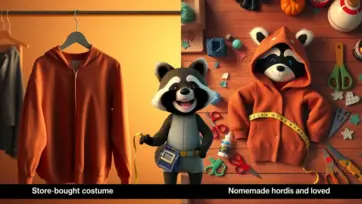
When your child wants to transform into their favorite gentle, curious character for Halloween, playtime, or a party, you face a classic dilemma: buy a ready-made costume or embrace a DIY project? Both paths have unique rewards and challenges. This 2025 guide breaks down the pros, cons, costs, and considerations of each approach to help you choose the best option for your family’s time, budget, and creative spirit. The Core Question: What Are Your Priorities? Before deciding, ask yourself: Time: Do you have weeks or just days? Budget: What are you comfortable spending? Skill Level: How confident are you with basic sewing, crafting, or hacking? Child's Involvement: Do you want a quick surprise or a collaborative project? Longevity: Is this for one night or for years of dress-up play? Option 1: Buying a Costume – The Path of Convenience : Where to Buy: Major Retailers & Online Marketplaces: (Amazon, Walmart, Target, Halloween specialty stores). Offers the widest selection, especially as holidays approach. Official Brand Stores: The best source for screen-accurate, licensed costumes, though often at a premium price. Costume Resale Sites & Local Groups: (Facebook Marketplace, Mercari). Excellent for finding gently used costumes at a fraction of the cost and reducing waste. Pros of Buying: Instant Gratification: It arrives ready-to-wear. Zero project stress. Screen Accuracy: Licensed costumes capture exact details, colors, and likeness. Time-Saving: Frees up your evenings and weekends. Often Includes Accessories: Typically comes as a full set (hood, bodysuit, gloves). Cons of Buying: Cost: Quality costumes can be expensive, especially for a single event. Quality & Comfort Issues: Often made from thin, non-breathable polyester. Zippers can be cheap, seams can rip. "One-size-fits-most" rarely fits well. Limited Sizing & Adjustability: Hard to tailor if it's too big/small. Generic Feel: Your child might see five others in the same costume at the party. Environmental Impact: Often involves plastic packaging and disposable, single-use materials. Option 2: Making a Costume at Home – The Path of Customization : Approach Overview:This doesn't mean sewing from scratch unless you want to. Modern DIY is about creative assembly using existing clothing and craft materials. The "No-Sew" Hack Method (Easiest): Base: A royal blue, long-sleeved shirt and blue sweatpants/leggings. The Hood: Use a blue beanie or hoodie. Attach two large white felt circles for eyes and smaller black felt circles for pupils using fabric glue. Shape the hood with safety pins if needed. The Gloves: Simple, inexpensive white cotton gloves (often sold in multipacks). The Details: Use white felt to cut out and glue a simple oval "tummy" onto the blue shirt. The "Sew-Lite" Custom Method (More Durable): Base: Same blue clothing base. The Hood: Purchase a blue hooded sweatshirt. Permanently sew on the felt eye details for a sturdier finish. The Bodysuit Alternative: Use a blue adult-sized t-shirt. Cut it down the middle front, hem the edges, and add snap fasteners to create an easy-on, easy-off jumper. Pros of Making: Perfect Fit: You tailor it to your child's exact measurements for maximum comfort and mobility. Uniqueness & Personal Touch: It’s one-of-a-kind. You can add inside jokes or personalized details. Quality Control: You choose soft, breathable fabrics that feel good against the skin and are built to last through multiple play sessions. Cost-Effective (Often): Can be significantly cheaper, especially if you repurpose clothing or shop thrift stores for blue basics. A Shared Experience: The process of making it together becomes a cherished memory. Sustainable: Repurposes existing items and avoids disposable costume waste. Cons of Making: Time Investment: Requires planning, shopping for materials, and assembly time. Skill/Confidence Required: Can feel daunting if you're not craft-inclined. Potential for Frustration: If a glue doesn't hold or a seam rips at the wrong moment. May Lack "Polish": A homemade look has charm, but might not have the crisp, store-bought finish some kids desire. The 2025 Hybrid Champion: The "Smart Customization" Approach This is the best-of-both-worlds strategy for most modern parents. Buy a Simple, High-Quality Base: Purchase a very soft, well-made royal blue hooded sweatshirt and pants set (intended for everyday wear). Customize with Details: Use high-quality felt, fabric glue, or simple stitches to add the signature white eyes and tummy patch. Accessorize Thoughtfully: Buy the white gloves new, and let your child carry a small, funny prop (a giant cardboard lightbulb, a question-mark sign). Result: You have a comfortable, durable, unique costume that becomes a beloved piece of everyday play clothing long after the event is over. The cost is similar to a cheap store costume, but the value and longevity are far greater. Decision Flowchart: Which Path is Right for You? Choose BUY if: The event is in < 1 week, your budget is flexible, you have zero craft time/interest, and your child prioritizes perfect accuracy. Choose the HYBRID if: You have 1-3 weeks, a moderate budget, basic craft skills, and want a costume that doubles as play clothes. Choose FULLY DIY if: You have > 3 weeks, a tight budget, you enjoy crafting, and you value the creative process and uniqueness above all. Final Verdict: It's About the Experience : In 2025, the "better" choice isn't universal. Buying is about the event. Making is about the journey. If your goal is simply a costume for a night, buying is a perfectly valid, stress-free solution—just opt for a used one if possible. If your goal is to foster creativity, ensure comfort, and create something special with your child, the homemade or hybrid route is profoundly rewarding. Ultimately, seeing the joy on your child's face when they see their reflection—whether in a store-bought jumpsuit or a homemade hoodie you made together—is what makes any choice the right one.
Beyond the Glass: Daily Dairy Benefits of Milk, Yogurt, and Cheese for Kids
Daily Dairy Benefits for Kids: Milk, Yoghurt, and Cheese Children’s growth, immunity, and energy depend heavily on the foods they consume. Among all options, dairy products like milk, yoghurt, and cheese are unmatched because they provide a natural combination of protein, calcium, vitamins, and healthy fats essential for physical and cognitive development. Regular dairy consumption supports strong bones, teeth, muscles, immunity, and brain function. Milk — The Foundation of Growth Milk is rich in calcium, protein, vitamins B12 and D, phosphorus, and potassium, all critical for healthy growth. Children need calcium for strong bones and teeth, especially during rapid growth phases. Vitamin D in fortified milk enhances calcium absorption and supports immune function and bone development. Serving Tips: Serve a glass of milk in the morning or with meals. Blend milk with seasonal fruits for natural smoothies. Use in cereals, oatmeal, or soups to add nutrients without extra sugar. Health Benefit:Milk provides sustained energy, bone strength, and cognitive development, making it essential for daily consumption. Yoghurt — Probiotics for Digestion and Immunity Yoghurt is fermented milk, rich in probiotics, calcium, and protein, which aid digestion and enhance nutrient absorption. Regular yoghurt consumption supports gut health, immunity, and growth, especially for children with sensitive digestion. Serving Tips: Serve plain yoghurt with fruits or honey (for children above one year). Use yoghurt as a base for smoothies or frozen yoghurt popsicles. Include in breakfast bowls with oats or cereals. Health Benefit:Probiotics in yoghurt promote healthy gut bacteria, improved digestion, and strong immunity. Cheese — Protein and Calcium Power Cheese is a concentrated source of protein, calcium, and phosphorus, supporting bone and muscle development. It also provides healthy fats, essential for energy and brain development in children. Serving Tips: Include cheese in sandwiches, wraps, or grilled meals. Serve cubes as a snack with fruits or crackers. Use grated cheese on vegetables or pasta to increase calcium intake. Health Benefit:Regular cheese consumption supports bone strength, muscle development, and energy, making it a versatile addition to meals. Dairy for Brain Development Dairy products supply high-quality protein and healthy fats, which are vital for brain growth. Omega-3 fortified milk and full-fat dairy support cognitive development, memory, and learning ability. Including dairy in breakfast or snacks enhances focus during school hours. Practical Tips: Prepare smoothies with milk, yoghurt, and fruits. Add milk or cheese to savoury dishes for extra nutrition. Serve dairy-based puddings or custards occasionally as nutrient-rich treats. Dairy for Immunity Vitamin A, vitamin D, zinc, and protein from dairy boost the immune system, helping children fight infections and recover faster from illnesses. Regular dairy consumption reduces the risk of frequent colds and infections in school-age children. Serving Tips: Pair dairy with vitamin C-rich fruits like oranges or kiwi in smoothies. Offer yoghurt after meals to support digestion and immunity. Tips for Including Dairy in a Daily Diet Variety: Use milk, yoghurt, cheese, and paneer to provide diverse nutrients. Fortified Products: Choose vitamin D or omega-3 fortified options for extra benefits. Avoid Added Sugar: Use natural sweetness from fruits instead of sugary flavoured milk or yoghurt. Meal Integration: Add dairy in cereals, smoothies, cooking, or snacks for convenience. Portion Size: Children aged 4–8 need 2–3 cups of dairy daily; adjust for older children. Conclusion Daily consumption of dairy products like milk, yoghurt, and cheese provides children with essential nutrients for bone health, muscle growth, immunity, and brain development. Parents should focus on fresh, fortified, and naturally served dairy, using creative meals and snacks to ensure children enjoy them. Dairy is not just a food; it is a daily growth booster, supporting active, healthy, and strong children.  
Cartoon Stories About Helping Others
Helping others is an essential value that children need to learn from an early age. Cartoon stories about helping others are a fun and effective way to teach children the importance of kindness, empathy, and cooperation. By using colorful animations, engaging characters, and interactive storytelling, these cartoons make moral lessons easy to understand and remember. In this article, we will explore why cartoons about helping others are important, their educational benefits, and how parents can use them to teach valuable life skills. ⭐ Why Cartoon Stories About Helping Others Are Effective: Children learn best through observation, play, and storytelling. Cartoon stories combine these elements to create a meaningful learning experience: 1. Visual Learning: Animated characters and vibrant visuals make abstract concepts like kindness and empathy easy for children to understand. 2. Relatable Characters: Children connect with cartoon characters, which helps them see real-life examples of helping others and applying kindness. 3. Story-Based Lessons: Stories demonstrate the positive outcomes of helping, such as friendship, gratitude, and happiness, making the moral memorable. 4. Emotional Engagement: Cartoons evoke emotions through expressions, music, and storytelling, helping children understand how helping others makes people feel. 5. Repetition Reinforces Values: Many cartoons repeat lessons about helping friends, family, or strangers, reinforcing good behavior without feeling forced. ⭐ Popular Themes in Helping Others Cartoons: 1. Friends in Need: Stories show children or animals helping friends who are sad, lost, or in trouble, emphasizing empathy and teamwork. 2. Family and Community: Cartoons often depict characters helping family members, neighbors, or community members, teaching children the value of cooperation. 3. Environmental Help: Some stories show characters cleaning parks, planting trees, or caring for animals, teaching children to help the environment. 4. Acts of Kindness: Cartoons highlight small gestures like sharing toys, helping a classmate, or comforting someone who is lonely. 5. Problem-Solving Together: Stories show children or characters working together to solve challenges, teaching cooperation, communication, and the joy of helping. ⭐ Educational Benefits of Helping Others Cartoons: 1. Builds Empathy: Children learn to recognize and respond to the feelings of others, strengthening emotional intelligence. 2. Encourages Positive Social Behavior: Watching characters help others motivates children to practice sharing, teamwork, and kindness in real life. 3. Enhances Communication Skills: Interactive cartoons encourage children to express themselves, ask questions, and discuss moral lessons with parents or peers. 4. Develops Problem-Solving Abilities: Stories often show characters finding ways to help, teaching children critical thinking and creative solutions. 5. Promotes Moral and Ethical Growth: By repeatedly observing positive actions, children internalize values such as honesty, generosity, and respect. ⭐ Tips for Parents to Make the Most of Helping Others Cartoons: ✔ 1. Watch Together: Discuss the characters’ actions and ask your child how they would help in a similar situation. ✔ 2. Reinforce Lessons with Real-Life Activities: Encourage children to practice helping at home, in school, or in the neighborhood. ✔ 3. Role-Playing: Act out scenarios from the cartoons to help children practice empathy and problem-solving. ✔ 4. Praise Acts of Kindness: Recognize and praise your child when they help others, reinforcing positive behavior. ✔ 5. Limit Screen Time: Even educational cartoons should be watched in moderation. Short, interactive sessions of 20–30 minutes are ideal. ⭐ Conclusion: Cartoon stories about helping others are an engaging and effective way to teach children kindness, empathy, and cooperation. Through colorful animations, relatable characters, and story-based lessons, children learn the joy of helping friends, family, and the community. By incorporating these cartoons into daily routines, parents and educators can help children develop positive social behaviors, emotional intelligence, and moral values. With interactive storytelling and fun visuals, cartoons about helping others make learning essential life skills both enjoyable and memorable for young minds.
Why Playful Cartoon Characters Are Different from Other Kids’ Cartoons
Not all cartoons are created equal. Some animated shows are just for laughs, while others combine humor, creativity, and educational value. Playful cartoon characters stand out because they entertain while subtly teaching lessons, encouraging imagination, and engaging children in meaningful ways. This guide explains why playful cartoon characters are unique and how they benefit children aged 3–8 compared to other kids’ cartoons. 1. Unique Style and Expression: Visual Appeal: Playful characters often have exaggerated expressions, vibrant colors, and quirky designs. Non-Verbal Storytelling: Many actions and expressions convey emotions and humor without words, making them accessible to children of all language backgrounds. Distinct Animation Style: Fluid, dynamic movement keeps kids engaged and entertained. 2. Humor with Positive Lessons: Unlike some cartoons that rely solely on slapstick, playful characters mix humor with subtle learning. Episodes often teach problem-solving, sharing, curiosity, and empathy. Children laugh while learning, reinforcing cognitive and social skills. 3. Encourages Creativity and Imagination: Playful characters inspire children to draw, craft, role-play, and create stories. Episodes often feature fantastical scenarios that encourage imaginative thinking. Children learn to experiment and explore in both play and daily life. 4. Cross-Cultural Appeal: Minimal or no dialogue makes these cartoons universally understandable. Children from different cultures can enjoy, interpret, and learn from the visual storytelling. Promotes inclusivity and cultural understanding at an early age. 5. Interactive Learning Opportunities: Episodes can be used as storytelling prompts, drawing exercises, or role-play scenarios. Children are encouraged to retell stories, invent new endings, or act out scenes, enhancing language, creativity, and critical thinking skills. Unlike some cartoons, playful characters invite active participation rather than passive viewing. 6. Emotional and Social Development: Characters model empathy, cooperation, and curiosity, helping children understand emotions and relationships. Storylines often show problem-solving and teamwork, reinforcing positive social behavior. Helps children navigate real-life social situations through observation and imitation. Why Parents Prefer Playful Characters: Safe Content: Episodes are typically free of inappropriate violence or language. Educational Value: Combines learning with entertainment naturally. Creative Engagement: Encourages drawing, crafts, and storytelling. Easy Understanding: Non-verbal cues make it accessible to younger children. Universal Appeal: Children of all languages and backgrounds can enjoy and learn. Final Thoughts: Playful cartoon characters are more than just entertainment. They are interactive, educational, and imaginative, offering lessons in social skills, problem-solving, and creativity. Unlike other kids’ cartoons, they engage children actively, making learning fun, memorable, and globally accessible.
Top 10 Funniest Booba Episodes of All Time
Booba, the adorable, curious, and mischievous cartoon creature, has captured the hearts of children around the world. Known for his expressive antics, playful adventures, and endless curiosity, Booba has become a favorite among preschoolers and young kids. If you’re a parent or a fan wondering which episodes are the most hilarious, we’ve compiled the Top 10 Funniest Booba Episodes of All Time. These episodes are guaranteed to make kids laugh, stay entertained, and even learn something new along the way. 1. Booba’s Big Balloon Adventure: In this episode, Booba discovers a colorful balloon that floats away whenever he tries to grab it. His hilarious attempts to catch the balloon include climbing chairs, bouncing on cushions, and even trying to use kitchen utensils as tools. The episode teaches kids about problem-solving while keeping the laughs coming. Why it’s funny: Booba’s exaggerated expressions, clumsy movements, and endless determination make this a comedy classic. 2. Booba and the Magical Kitchen: Booba sneaks into a kitchen full of gadgets, appliances, and ingredients. Chaos ensues as he tries to cook or taste everything he finds. From mixing flour in the air to accidentally turning on the blender, every moment is a source of laughter. Why it’s funny: The combination of everyday objects becoming unpredictable and Booba’s reactions creates endless humor. 3. Booba’s Bubble Trouble: In this episode, Booba discovers soap bubbles and is immediately fascinated. The playful bubbles float everywhere, causing Booba to chase, pop, and occasionally fall into funny situations. Why it’s funny: The episode uses visual comedy, with Booba slipping, sliding, and interacting with the bubbles in unexpected ways. 4. Booba at the Toy Store: Booba visits a toy store and becomes overwhelmed by the variety of toys. He climbs shelves, tries ride-on toys, and even causes a playful toy avalanche. This episode is packed with physical comedy and imaginative play. Why it’s funny: Booba’s curiosity leads to chaotic situations that kids find relatable and entertaining. 5. Booba and the Music Box: Booba finds a music box that plays different tunes when opened. He experiments with dancing, creating new sounds, and trying to imitate the music. His goofy dance moves and offbeat timing create endless giggles. Why it’s funny: Booba’s funny dancing, coupled with unexpected music, engages both children and parents alike. 6. Booba and the Flying Carpet: In this fantasy-inspired episode, Booba discovers a magic carpet. His attempts to fly it lead to funny crashes, dizzy spins, and comical landings. Children enjoy watching him navigate this new adventure while laughing at his clumsy but determined efforts. Why it’s funny: Visual humor, magical elements, and Booba’s expressive reactions make it highly entertaining. 7. Booba and the Giant Cake: Booba encounters a huge cake and can’t resist trying to taste it. He climbs, jumps, and slides across the cake, eventually creating a mess but having the time of his life. Why it’s funny: Booba’s obsession with food and the resulting chaos is relatable and hilarious for young viewers. 8. Booba in the Bathroom: Booba explores the bathroom, experimenting with water, soap, and the toilet. His curious antics lead to slippery floors, water splashes, and funny reactions. Why it’s funny: The episode uses slapstick humor and everyday scenarios that children easily relate to. 9. Booba and the Vacuum Cleaner: Booba discovers a vacuum cleaner and treats it as a giant robot. He runs, hides, and even tries to “tame” it, leading to a series of comical events. Why it’s funny: Booba’s fearless approach and exaggerated movements turn a simple household appliance into a source of endless laughter. 10. Booba’s Christmas Surprise: In this holiday special, Booba gets into festive mischief with Christmas decorations, presents, and a giant tree. His excitement leads to ornaments falling, lights flickering, and playful chaos. Why it’s funny: The combination of holiday cheer, Booba’s curiosity, and visual comedy makes this episode memorable and funny. Why Booba Episodes Are So Entertaining: Booba’s humor is universal. The show doesn’t rely on spoken language, which allows children of all ages and languages to enjoy it. Key factors that make Booba episodes funny include: Physical Comedy: Booba’s exaggerated movements, clumsy reactions, and playful antics appeal to young kids. Relatable Situations: Everyday objects and environments become hilarious adventures. Curiosity Gone Wild: Booba’s endless curiosity leads to funny chaos, which keeps kids laughing. Bright, Colorful Animation: Visual appeal adds to the entertainment factor. Parents also appreciate that the show is safe, educational, and encourages creativity, making Booba a favorite in homes worldwide. Educational Benefits of Funny Booba Episodes: Even though Booba’s episodes are primarily humorous, they also provide learning opportunities: Problem-Solving Skills: Kids learn through observation as Booba experiments with objects. Imagination and Creativity: Everyday items are transformed into fun adventures. Social Skills: Interaction with other characters teaches sharing, teamwork, and empathy. Emotional Understanding: Booba’s reactions help children identify emotions like surprise, joy, and curiosity. Where to Watch Booba Episodes: Parents can watch Booba episodes on multiple platforms: YouTube: Free access to all episodes. Netflix & Amazon Prime: Some seasons available for streaming. Official Booba App: Region-dependent availability. This makes it easy to enjoy Booba anytime, anywhere. Final Thoughts: Booba’s funniest episodes are more than just a source of laughter—they combine humor, curiosity, and learning into a single entertaining package. From playful balloon adventures to magical flying carpets, Booba brings joy to children worldwide. Parents can rest assured that Booba is a safe, educational, and engaging option for kids’ digital entertainment. Whether you’re looking for short, laugh-out-loud episodes or educational fun, these Top 10 Funniest Booba Episodes are the ultimate guide for parents and kids alike.