Fun Way for Kids to Learn Letters

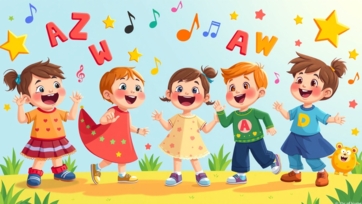
Learning the alphabet is one of the first and most important steps in a child’s educational journey. Alphabet learning A–Z cartoon songs make this process fun, engaging, and memorable for preschoolers and young children. By combining colorful animations, catchy tunes, and playful characters, these cartoon songs help children recognize letters, improve pronunciation, and build a strong foundation for reading and writing.


Why Alphabet Cartoon Songs Are Effective for Learning:

Alphabet cartoon songs are highly effective because they combine multiple learning methods:

1. Visual Learning:

Animated letters, objects, and characters help children remember each letter by associating it with a picture or action.

2. Musical Learning:

Songs and rhymes enhance memory retention. Children are more likely to remember letters when they are paired with music.

3. Repetition Builds Familiarity:

Alphabet songs repeat letters and sounds in a fun way, reinforcing recognition without feeling boring.

4. Engaging Characters:

Friendly animated animals, children, or objects encourage participation and imitation, making learning interactive.

5. Supports Early Literacy:

By learning letters through songs, children develop phonemic awareness, which is essential for reading and writing skills.


Popular Types of Alphabet Cartoon Songs:

1. Classic A–Z Songs:

These follow the traditional alphabet sequence and pair each letter with a word or object, like “A is for Apple, B is for Ball.”

2. Themed Alphabet Songs:

Songs focus on specific themes, such as animals, foods, vehicles, or colors, helping children learn letters in a meaningful context.

3. Interactive Songs:

Some cartoon songs ask children to sing along, point to letters, or identify objects, encouraging active participation.

4. Story-Based Alphabet Songs:

Animated stories incorporate letters naturally, such as a journey through a magical land where each letter represents a new adventure.

5. Multilingual Alphabet Songs:

Some modern cartoons teach letters in more than one language, helping children develop early bilingual skills.


Educational Benefits of Alphabet Cartoon Songs:

1. Letter Recognition:

Children learn to identify letters both visually and audibly, building a foundation for reading.

2. Phonics and Pronunciation:

Cartoon songs emphasize the sounds of letters, helping children pronounce words correctly.

3. Memory Development:

Music, repetition, and visuals improve memory and recall, making learning faster and more effective.

4. Engagement and Motivation:

Fun songs and characters motivate children to participate, even for extended learning sessions.

5. Early Writing Skills:

When children see letters in animated forms, they are more confident and curious to trace and write them themselves.


Tips for Parents to Make the Most of Alphabet Cartoon Songs:

✔ 1. Watch Together:

Sing along with your child, point to letters, and encourage them to repeat sounds and words.

2. Reinforce with Real-Life Examples:

Show your child objects around the house or outdoors that match letters in the song.

3. Encourage Singing and Dancing:

Let children move, dance, or act out letters while singing to enhance learning through movement.

4. Limit Screen Time:

Keep cartoon viewing sessions short (20–30 minutes) and interactive for preschoolers.

5. Repeat Regularly:

Repetition is key—watching the same alphabet songs multiple times reinforces recognition and memory.


Conclusion:

Alphabet learning A–Z cartoon songs are a fun, interactive, and educational way for children to master letters. By combining music, animation, repetition, and playful characters, these cartoons help preschoolers recognize letters, understand phonics, and develop early literacy skills.

Parents and educators can use these songs to make learning engaging, entertaining, and effective. With vibrant visuals and catchy tunes, children not only learn the alphabet but also enjoy the process, building confidence and curiosity for reading and writing in the future.

Advertisement
DIY Bedroom Decor Inspired by Gentle Characters: A 2025 Creative Guide
Transforming a child's room into a space that sparks joy and curiosity doesn't require a full remodel or a big budget. By channeling the playful, exploratory spirit of gentle, popular characters, you can create a personalized sanctuary that encourages imagination and calm. This 2025 guide offers safe, creative, and non-permanent DIY ideas to bring a touch of playful wonder to any bedroom. Guiding Philosophy: Whimsy, Not Overstimulation : The goal is to create a space that feels playful yet peaceful, not chaotic. Think subtle nods and interactive elements over overwhelming themes. Focus on the character's core traits: curiosity, simplicity, and joyful discovery. Safety First: All projects should use non-toxic, child-safe paints and materials. Ensure any wall hangings are securely mounted and all electrical elements (like LEDs) are low-voltage and supervised. Idea 1: The "Curiosity Door" Silhouette : Add a touch of magic to the room's entrance. What You'll Need: Dark blue or black adhesive vinyl (or removable wall decal paper and a projector), a craft knife, and a cutting mat. The DIY: Find a simple, recognizable silhouette of the character in a curious pose—peeking around a corner, holding a light bulb. Use a projector to trace the outline onto the vinyl, then carefully cut it out. Apply it to the door at child-height, as if the character is peeking into their room. It's a welcoming, non-permanent detail. Pro Tip: For a 3D effect, use craft foam sheets instead of vinyl. Idea 2: Glow-in-the-Dark "Discovery" Constellation Wall : Capture the wonder of exploration on the ceiling or an accent wall. What You'll Need: Glow-in-the-dark star stickers, glow-in-the-dark fabric paint, a stencil of simple shapes (light bulb, question mark, gear), and a blacklight bulb for a lamp (optional). The DIY: Create a custom "constellation" on the ceiling above the bed. Instead of just stars, use the glow paint and stencils to add themed shapes among the stars. Use the star stickers to connect them into unique constellations. The glow paint will charge by day and create a magical, calming night light effect. Pro Tip: Name the constellations together ("The Great Light Bulb," "The Curious Question Mark"). Idea 3: "Adventure Gear" Wall Hooks : Turn clutter into part of the decor. What You'll Need: Plain wooden wall hooks, sandpaper, non-toxic acrylic paints (blues, whites, black), and clear sealant. The DIY: Sand and paint the hooks to resemble the character's simple color scheme—a blue base with white "gloves" on the hook prongs. Paint two large, curious black and white eyes near the top of each hook. Mount them at kid-height for hanging backpacks, hats, or dress-up capes. It looks like helpful little friends holding their gear. Pro Tip: Use command strips to mount them without damaging walls. Idea 4: Interactive "What's Inside?" Fabric Bins : Add mystery to toy storage. What You'll Need: Plain canvas storage cubes or bins, fabric paint or markers, and a plain, contrasting fabric circle. The DIY: On the front of each bin, paint or draw a large, simple version of the character's face with a huge, curious open mouth. Sew or use strong fabric glue to attach the fabric circle behind the mouth opening, creating a sturdy "pocket." Kids can now "feed" the bin by putting toys through the mouth, or pull toys out from inside. Label bins with pictures (blocks, cars, animals) on the sides. Pro Tip: Use different facial expressions on each bin (surprised, happy, puzzled). Idea 5: Oversized "Friendly Friend" Bean Bag Chair : Create the ultimate cozy reading nook. What You'll Need: A large, plain bean bag chair (or a bean bag insert and durable fabric to make a cover), blue and white fleece or minky fabric, and black felt. The DIY: Create a custom slipcover. Use blue fabric for the main body. Sew on large white oval "eye" patches and a white tummy patch. Cut and securely attach black felt circles for pupils and a simple, smiling mouth. The result is a giant, huggable version of their friend that they can actually sit on and relax with. Pro Tip: Make the cover zippered and machine-washable. Idea 6: "Mystery Object" Shadow Box Shelves : Display treasures with a sense of wonder. What You'll Need: A few deep, wooden shadow box frames, non-toxic paint (in the character's signature blue), and battery-operated LED puck lights. The DIY: Paint the interior back panel of each shadow box a deep blue. Arrange and secure a collection of your child's interesting "found objects"—a cool rock, a pinecone, a vintage key, a colorful marble—inside each box. Install a small LED light inside to illuminate the collection. Mount the boxes together on the wall. It celebrates curiosity and makes everyday objects look like museum exhibits. Pro Tip: Let your child curate and change the objects seasonally. Final Touch: The "Idea Jar" Nightstand Companion : Encourage creativity right from bed. What You'll Need: A simple blue jar, a label, and popsicle sticks. The DIY: Label the jar "Adventure Ideas." On each popsicle stick, write a simple, curious prompt: "Find something blue tomorrow," "Listen for a new sound," "Build a fort after school," "Ask a 'why' question." It extends the room's theme of curiosity into daily life. Conclusion: A Room That Grows With Them : The best DIY decor is flexible, personal, and full of heart. These projects focus on interactivity and subtle themes that won't feel "babyish" in a year. By creating a space that values curiosity and cozy comfort, you're building more than just a bedroom—you're creating a launchpad for imagination, designed with love, one creative project at a time.
Best Cartoon Stories About Family and Love
Family and love are central to a child’s early development. In 2025, cartoon stories about family and love have become a favorite tool for parents to teach toddlers and preschoolers the importance of relationships, empathy, and emotional connection. These animated stories combine vivid visuals, engaging characters, and gentle storytelling to help children understand love, respect, and the value of family bonds. This guide explores the benefits of family-themed cartoons, highlights the top series for 2025, and provides tips for parents to reinforce these lessons in daily life. Why Family and Love Cartoons Matter: Children learn social and emotional skills by observing behaviors, and family-focused cartoons provide: Understanding of relationships: Shows positive interactions between family members. Emotional intelligence: Teaches children to recognize and express feelings. Empathy and compassion: Characters model care, patience, and kindness. Safe storytelling: Age-appropriate scenarios with no violence or adult themes. Role models: Illustrates healthy communication, respect, and cooperation. By combining entertainment with moral lessons, these cartoons help children build a strong emotional foundation. Key Lessons in Family and Love Cartoons: Respect for Family Members Encourages listening, sharing, and helping parents, siblings, and grandparents. Showing Love and Affection Hugs, kind words, and caring actions model positive emotional expression. Problem-Solving Together Family members work together to overcome challenges, teaching teamwork. Gratitude and Appreciation Shows children how to value and thank family members. Conflict Resolution Gentle guidance on managing disagreements and fostering understanding. Top Cartoon Stories About Family and Love in 2025: 1. The Family Tree Adventures: A popular series where family members go on adventures and solve problems together, teaching children the importance of unity and support. Highlights: Focuses on family bonding and teamwork Engaging and colorful animations for toddlers Age-appropriate moral lessons about love and cooperation 2. Booba’s Family Fun: Booba interacts with family-like characters, learning lessons about sharing, helping, and expressing affection. Why it’s popular: Non-verbal storytelling suitable for all languages Teaches social and emotional skills through playful actions Short episodes ideal for young children’s attention spans 3. Little Hearts Club: Animated mini-stories that show children helping their families, expressing love, and supporting friends. Key lessons: Empathy and compassion Cooperation and problem-solving Celebrating love and gratitude 4. Animal Families Tales: Animal characters model family dynamics, teaching children how family members care for and support each other. Learning highlights: Introduces concepts of sibling care and parent-child interaction Emotional lessons embedded in fun storytelling Encourages children to show love and empathy in real life 5. Super Simple Family Songs: Animated songs focus on family, love, and gratitude, reinforcing moral lessons through music. Benefits: Encourages participation through singing and dancing Helps toddlers remember positive behaviors Combines education, music, and gentle humor How Parents Can Reinforce Lessons: Parents can enhance learning from family and love cartoons by: Watching together: Pause to discuss feelings and interactions. Practice affection: Encourage hugs, kind words, and helping behaviors. Repeat favorite stories: Reinforces emotional lessons. Relate to real-life situations: Show children how lessons apply at home. Use creative play: Role-play family situations to teach empathy and cooperation. Praise positive behavior: Encourage children when they show love and respect. Recommended Cartoon Stories About Family and Love: The Family Tree Adventures – Adventures emphasizing bonding and teamwork Booba’s Family Fun – Observation-based lessons on sharing and affection Little Hearts Club – Mini-stories teaching empathy and problem-solving Animal Families Tales – Animal-themed family lessons Super Simple Family Songs – Musical reinforcement of love and gratitude These cartoons are safe, engaging, and educational, helping children understand relationships, develop empathy, and value family bonds. Final Thoughts: Cartoon stories about family and love are more than just entertainment—they are tools for emotional and social development. In 2025, animated series help children learn: How to express love and gratitude How to resolve conflicts and cooperate with family How to develop empathy and positive social skills Parents can enhance learning by: Watching and discussing episodes together Practicing real-life applications of lessons Encouraging creative and empathetic play With the right family-themed cartoons, children develop emotional intelligence and appreciation for loved ones while enjoying safe, colorful, and heartwarming stories. Tip for Parents: Encourage children to draw or act out scenes showing family love, which reinforces creativity, comprehension, and emotional expression.
Fun Way to Teach Nutrition to Kids
Teaching children about healthy eating can sometimes be a challenge, especially when they prefer sweets, snacks, and fast food. Healthy eating cartoons for kids offer an engaging and fun way to introduce nutritious foods, balanced meals, and good eating habits. By combining colorful animations, catchy songs, and relatable characters, these cartoons make learning about nutrition enjoyable and memorable for preschoolers and young children. ⭐ Why Healthy Eating Cartoons Are Important: Children develop their eating habits early in life. Animated stories and cartoons can effectively: 1. Introduce Nutritional Concepts: Cartoons can explain the importance of fruits, vegetables, grains, dairy, and proteins in a way children can understand. 2. Encourage Positive Eating Habits: Characters who enjoy healthy foods inspire children to try new fruits, vegetables, and balanced meals. 3. Build Awareness About Junk Food: Through stories, kids can see the negative effects of excessive sugar, fast food, and unhealthy snacks without feeling scared or forced. 4. Make Learning Fun: Bright visuals, fun music, and playful storylines capture attention and help children retain information better. ⭐ Popular Themes in Healthy Eating Cartoons: 1. Fruit and Vegetable Adventures: Characters explore gardens or farms, picking colorful fruits and vegetables, teaching children to recognize and enjoy healthy foods. 2. Balanced Plate Stories: Cartoons show animated meals with all food groups, helping kids understand how to create a balanced diet. 3. Fun Cooking Shows: Animated chefs or children cook simple healthy recipes, encouraging kids to participate and learn basic kitchen skills. 4. Superhero Nutrition: Superheroes gain energy and strength from healthy foods, motivating children to choose nutritious options over junk food. 5. Interactive Songs and Rhymes: Songs about eating fruits, drinking milk, or trying vegetables reinforce learning through repetition and fun. ⭐ Educational Benefits of Healthy Eating Cartoons: 1. Teaches Nutrition Naturally: Children learn which foods are healthy, why they are important, and how to eat them in a balanced way. 2. Encourages Healthy Habits: By seeing favorite characters eat well, children are more likely to try new foods and develop lifelong healthy habits. 3. Improves Cognitive Skills: Interactive cartoons that ask children to count fruits, identify colors, or sort foods also strengthen early math and cognitive skills. 4. Supports Emotional Learning: Characters who feel happy, energetic, or strong after eating healthy foods teach children to connect nutrition with positive feelings. 5. Promotes Family Involvement: Parents can watch cartoons with children and encourage healthy meals together, making learning a shared and enjoyable experience. ⭐ Tips for Parents to Make the Most of Healthy Eating Cartoons: ✔ 1. Watch Together: Discuss the foods characters eat and encourage children to try similar options in real life. ✔ 2. Connect to Real Meals: Reinforce cartoon lessons by preparing fruits, vegetables, and balanced meals with children. ✔ 3. Encourage Fun Challenges: Turn healthy eating into a game, like tasting a new fruit each day, inspired by cartoon stories. ✔ 4. Keep Screen Time Moderate: Even educational content should be limited. 20–30 minutes per day is ideal for preschool children. ✔ 5. Ask Questions: After watching, ask questions like: “Which fruits did the character eat?” or “Why is it good to eat vegetables?” to reinforce learning. ⭐ Conclusion: Healthy eating cartoons for kids are a powerful tool to teach nutrition, balanced diets, and positive food habits in a fun and engaging way. Through colorful animations, interactive songs, and relatable characters, children learn the value of fruits, vegetables, proteins, and other essential foods. By integrating these cartoons into daily routines, parents can encourage children to make healthier choices, understand the importance of nutrition, and develop lifelong habits. With bright visuals, entertaining storylines, and valuable lessons, healthy eating cartoons make learning about food fun, memorable, and enjoyable for every child.
Music & Rhythm: Lessons from Animated Episodes
Music and rhythm play an important role in early childhood development. Animated episodes, especially those designed for preschoolers, combine fun, movement, and melody to teach children fundamental lessons about music, coordination, and creativity. Through repetitive tunes, catchy songs, and playful beats, children learn to recognize patterns, improve memory, and express themselves through rhythm. Episodes that incorporate music also stimulate multiple areas of the brain. Visual storytelling paired with musical elements enhances attention, auditory skills, and emotional understanding. Children are naturally drawn to music, and animated episodes provide a safe and engaging environment to explore this creative form. Why Music and Rhythm Are Important for Young Children: Music is more than entertainment; it is a tool for learning and development. For preschoolers, rhythm and melody help in: Developing auditory discrimination skills Enhancing memory and concentration Encouraging physical coordination and movement Fostering creativity and imagination Supporting emotional expression and social interaction Animated episodes make these skills accessible by combining visual cues with musical patterns. How Animated Episodes Teach Musical Patterns: Episodes often introduce simple melodies and repetitive songs that children can follow. Repetition helps young learners: Recognize beats and rhythm Learn to clap, tap, or move in sync with music Predict the next notes or lyrics Understand concepts like fast/slow or loud/soft This foundational understanding of rhythm supports later learning in music, math, and language. Incorporating Movement and Dance: Many animated episodes encourage movement along with music. Characters may: Tap their feet or hands to the beat Dance in simple, exaggerated motions Use gestures to represent musical concepts When children imitate these actions, they improve coordination, gross motor skills, and rhythm recognition. Developing Listening and Memory Skills: Music-based episodes improve listening and memory. Children learn to: Follow sequences of sounds or notes Memorize short songs and lyrics Recognize patterns in melody and rhythm This active listening strengthens cognitive skills and enhances the child’s ability to focus and retain information. Encouraging Creativity and Self-Expression: Music and rhythm also provide an outlet for creative expression. Animated episodes often: Encourage children to create their own songs or beats Inspire imaginative play with musical instruments Promote storytelling through sound and movement Such activities help children develop confidence and individuality while having fun. Lessons in Cooperation and Social Interaction: Musical episodes frequently show group singing or dancing, teaching children important social lessons: Taking turns Coordinating with others Listening to group cues Celebrating together These social experiences promote empathy, teamwork, and emotional intelligence in a playful setting. How Parents Can Support Music-Based Learning: Parents can enhance the learning experience by: Singing along with episodes Clapping or moving to the rhythm together Providing safe instruments like tambourines, shakers, or xylophones Encouraging children to invent their own musical patterns Active participation reinforces concepts and makes learning more interactive and fun. Choosing the Right Musical Episodes: Not all animated episodes are equally beneficial. Parents should select shows that: Include simple, repetitive songs suitable for preschoolers Encourage movement and interaction Use bright visuals and friendly characters Avoid overly complex or loud sequences that may overwhelm young children Educational musical episodes, such as those with nursery rhymes or rhythm-based adventures, are particularly effective. Conclusion: Music and rhythm lessons from animated episodes provide a playful and effective way for preschoolers to develop essential skills. By combining melody, movement, and repetition, these episodes support auditory, cognitive, motor, and social development. When parents engage with children and encourage active participation, music becomes not only fun but also a powerful educational tool, laying the foundation for creativity, coordination, and a lifelong appreciation for music.
Booba Drawing Tutorials for Kids
Booba, with his expressive face, playful antics, and simple shapes, is the perfect character for kids to learn drawing. Drawing tutorials inspired by Booba help children develop fine motor skills, creativity, and visual observation while keeping them entertained. In this guide, we will cover easy Booba drawing tutorials for kids and explain how to make the activity fun, educational, and engaging for children aged 3–8. Why Booba Drawing Is Perfect for Kids: Simple Shapes: Booba’s rounded forms and bold features are easy for children to replicate. Expressive Character: Big eyes, exaggerated mouth, and fluffy body encourage creativity. Step-by-Step Learning: Children can follow simple steps to create recognizable characters. Safe & Fun: Requires minimal materials and is suitable for home or classroom settings. Materials Needed: Drawing paper or sketchbook Pencils and erasers Colored pencils, crayons, or markers Optional: Ruler for shapes, templates for guidance Step-by-Step Booba Drawing Tutorial for Kids: 1. Start with Basic Shapes Draw a large oval for Booba’s head. Add a smaller oval or circle for the body. Mark positions for eyes, nose, and mouth lightly with a pencil. Educational Tip: Teaches kids shape recognition and spatial awareness. 2. Add Eyes and Facial Features Draw big circular eyes near the top of the head. Add pupils and highlights to make them expressive. Draw a small oval nose and a wide, smiling mouth. Educational Tip: Encourages fine motor control and observation skills. 3. Draw Booba’s Arms and Legs Use curved lines for arms and legs. Hands can be simple ovals or mitten shapes. Feet are rounded or slightly elongated to mimic Booba’s style. Learning Tip: Helps children understand proportions and symmetry. 4. Add Booba’s Fluffy Ears and Tail Draw large, rounded ears on the sides of the head. Optional: Add a small fluffy tail for additional detail. Educational Tip: Introduces attention to detail and pattern recognition. 5. Add Accessories or Objects Kids can draw Booba interacting with toys, balloons, or pillows. Encourage imagination: Booba can be climbing, jumping, or sliding. Learning Tip: Supports creative thinking and storytelling. 6. Outline and Erase Guidelines Trace final lines with a darker pencil or marker. Erase unnecessary guidelines to clean up the drawing. Educational Tip: Teaches focus, patience, and precision. 7. Coloring Your Booba Drawing Use bright colors to mimic Booba’s animated style. Encourage kids to experiment with new color combinations. Add details like shadows or background items to make it lively. Learning Tip: Enhances color recognition, creativity, and concentration. Tips to Make Booba Drawing More Fun: Follow Along Videos: Use step-by-step tutorials for guidance. Draw Together: Parents or teachers can draw alongside kids to increase engagement. Storytelling: Encourage children to create stories about what Booba is doing in their drawings. Display Artwork: Show off finished drawings on walls or classroom boards to boost confidence. Combine with Crafts: Turn drawings into puppets, masks, or collages. Educational Benefits of Booba Drawing Tutorials: Fine Motor Development: Tracing, coloring, and shaping improve hand strength. Creativity & Imagination: Kids interpret Booba’s expressions in unique ways. Cognitive Skills: Planning steps and drawing sequences enhances problem-solving. Visual Observation: Children learn to observe shapes, proportions, and expressions. Emotional Expression: Drawing expressive faces encourages understanding of emotions. Final Thoughts: Booba drawing tutorials are perfect for combining fun and learning. Kids develop creativity, motor skills, observation, and storytelling abilities while enjoying a hands-on, interactive activity. Drawing Booba can be a daily creative habit or a fun weekend project, making learning exciting and visually engaging.
Raising Curious Kids: Lessons from Playful Cartoon Characters’ Personality
Curiosity is a key trait that drives learning, creativity, and problem-solving in children. Funny, playful cartoon characters often display endless curiosity, exploring their surroundings, asking questions, and experimenting with new things. Parents can use these traits as a guide to foster curiosity and learning in their children. This guide explores lessons parents can draw from animated characters’ personalities to raise curious, engaged, and imaginative kids. Why Curiosity Matters in Early Childhood: Encourages Exploration: Curious children are more likely to explore their environment, leading to hands-on learning. Boosts Problem-Solving Skills: A curious mindset helps children approach challenges creatively and persistently. Fosters Lifelong Learning: Early curiosity lays the foundation for self-directed learning and growth. Enhances Social Skills: Curious kids ask questions and seek to understand, building communication and empathy. Lessons from Playful Cartoon Characters: 1. Embrace Mistakes as Learning Opportunities Animated characters often try new things and make mistakes. Teach children that failure is part of learning and encourage them to try again. 2. Explore and Ask Questions Characters demonstrate curiosity by investigating objects, places, and scenarios. Parents can encourage children to ask “why” and “how” during everyday activities. 3. Be Bold and Creative Playful characters often think outside the box and solve problems in unusual ways. Encourage children to experiment with art, building blocks, or imaginative play. 4. Pay Attention to Details Observing small details helps cartoon characters navigate their world. Activities like drawing, matching games, and puzzles enhance observational skills in children. 5. Celebrate Curiosity When characters discover something new, it’s exciting and fun. Praise children when they show curiosity, reinforcing positive learning behaviors. Practical Ways for Parents to Foster Curiosity: Provide Open-Ended Activities: Puzzles, building blocks, and art projects encourage exploration. Use Playful Learning Tools: Animated characters, storybooks, and educational games make learning engaging. Ask Open-Ended Questions: Encourage children to explain what they think, see, or feel. Create a Safe Exploration Environment: Let children experiment without fear of mistakes. Encourage Outdoor Exploration: Nature walks, simple science experiments, and sensory activities stimulate curiosity. Benefits of Encouraging Curiosity: Cognitive Development: Improves problem-solving, reasoning, and understanding. Emotional Growth: Builds resilience and confidence in trying new things. Creativity & Imagination: Inspires inventive thinking and imaginative play. Social Learning: Curiosity leads to better communication, collaboration, and empathy. Final Thoughts: Playful cartoon characters are a fun example of curiosity in action. By observing and encouraging similar traits in children—exploration, boldness, questioning, and experimentation—parents can raise curious, confident, and creative kids. Combining fun activities, hands-on learning, and guided discussions with everyday experiences will help children develop curiosity into lifelong learning habits.
Booba Coloring Pages & How to Use Them for Learning
Booba coloring pages are more than just a fun activity—they provide children with opportunities to develop creativity, motor skills, and early learning abilities. Coloring helps children express themselves while enhancing focus, hand-eye coordination, and even early academic skills. In this guide, we explore Booba coloring pages and how to use them for educational purposes, making learning both playful and effective. Why Booba Coloring Pages Are Perfect for Kids: Booba’s simple, expressive design makes it ideal for coloring. Key benefits include: Clear outlines: Easy for children to color inside Engaging characters: Booba, Spike, Loola, and Mr. Beak spark imagination Safe and non-violent: Perfect for ages 3–7 Versatile learning opportunities: Can be combined with lessons on colors, shapes, and creativity Educational Benefits of Coloring Booba Pages: 1. Fine Motor Skill Development Coloring requires controlled hand movements, improving: Grip strength Precision Hand-eye coordination Example: Coloring Booba’s round eyes or expressive hands helps strengthen small muscles necessary for writing and drawing. 2. Creativity and Imagination Booba’s world is playful and imaginative. Coloring allows children to: Experiment with colors freely Create unique interpretations of familiar characters Imagine new adventures Example: Children can color Booba’s clothes, toys, and surroundings in ways that reflect their creativity. 3. Learning Colors and Shapes Parents can guide children to: Identify primary and secondary colors Learn about shapes by coloring different objects in the scene Understand patterns and symmetry Example: Coloring a scene with balloons, blocks, and a toy box can teach color recognition and shape differentiation. 4. Emotional Expression Booba’s exaggerated expressions help children explore emotions while coloring. Happiness, surprise, or mischief can be discussed Encourages empathy and emotional awareness Safe outlet for expressing feelings through art Example: A surprised Booba can prompt discussions about emotions and storytelling. 5. Focus and Concentration Coloring requires sustained attention, helping kids develop focus and patience. Completing a page builds a sense of accomplishment Encourages attention to detail Prepares children for structured learning tasks Example: Coloring all elements in a Booba adventure scene helps children concentrate for longer periods. 6. Storytelling and Language Skills Booba coloring pages can spark creative storytelling. Children can narrate what Booba is doing while coloring. Encourages vocabulary development Improves verbal skills Fosters narrative thinking Example: “Booba is sliding on a pillow, and Spike is chasing a ball” – children create mini-stories while coloring. 7. Social Interaction and Sharing Coloring can be turned into a group activity: Siblings or friends can color together Encourages collaboration and sharing Teaches patience and taking turns Example: Two children coloring a Booba scene together can practice teamwork and social skills. 8. Calm and Mindfulness Coloring is a relaxing activity, helping children: Manage emotions Reduce restlessness Develop mindfulness and focus Example: After an active day, Booba coloring pages can provide a quiet, creative break. Tips for Using Booba Coloring Pages Effectively: Provide a variety of tools: Crayons, colored pencils, and markers Combine with learning prompts: Ask questions like “What color should Booba’s toy be?” Encourage storytelling: Let children narrate the scene while coloring Create themed sets: Group pages by adventure, music, or indoor play Display finished work: Boosts confidence and motivates kids Conclusion: Booba coloring pages are both fun and educational, helping children develop fine motor skills, creativity, focus, emotional awareness, and early academic abilities. When combined with storytelling, discussion, and group activities, these coloring pages become a powerful tool for learning while keeping the playful spirit of Booba alive. Parents and educators can easily integrate these pages into home activities, classrooms, or daycare centers, ensuring that children learn while having fun.
How to Stop Kids from Watching Scary Cartoons
In the age of endless streaming, algorithm-driven suggestions, and peer sharing, scary or age-inappropriate cartoons can easily find their way to your child's screen, leaving them with nightmares, anxiety, and a shaken sense of security. Simply banning content is less effective than building media literacy and healthy digital habits. This 2026 guide provides proactive strategies to shield your child's imagination, empower their choices, and restore peace to their viewing experience. Understand the "Why": Why Kids Are Drawn to Scary Content : Before setting rules, understand the pull. Children might seek out scary cartoons to: Test boundaries and feel a sense of thrill or maturity. Connect with peers who are talking about a popular but scary show. Process fears in a controlled, fictional environment (though often backfires). Simply stumble upon it due to autoplay or misleading thumbnails on child-focused platforms. Your goal isn't to bubble-wrap them, but to ensure their media consumption is appropriate for their emotional development and doesn't cause undue distress. Build Your First Line of Defense: The Technical Safeguards : Make it difficult for inappropriate content to reach them accidentally. Use Dedicated, Kid-Safe Profiles: On every streaming service, create a separate profile for your child with the highest parental restriction settings. Disable autoplay and search functions on these profiles. Curate Watchlists Together: Proactively fill their profile's "Watchlist" or "My List" with pre-approved, high-quality shows from trusted sources like boobacartoon.com. This gives them a "menu" of great choices. Invest in a Quality Parental Control App: Use an app that allows you to whitelist specific shows or channels, rather than just blocking by age rating, which can be too broad. Some apps can even alert you if new, unapproved content is accessed. Secure All Devices: Apply these settings not just on the TV, but on tablets, phones, and shared computers. A rule is only as strong as its weakest device link. Shift from Police Officer to Media Mentor: The Conversational Strategy : Empowerment through understanding is more durable than fear of punishment. Have "The Scary Stuff" Talk Early: Calmly explain, "Sometimes cartoons or movies are made to scare people for fun, but your brain isn't ready for that yet. It can stick in your mind and make you feel really worried, even when you're safe. My job is to help you find shows that are fun without the scary shadows." Teach Them to "Check the Gauge": Create a simple, 3-level system they can use with you: Green Light: "Fun for everyone! Like our favorite shows about friendship." Yellow Light: "Might have some loud surprises or arguments. Let's watch this together first." Red Light: "Has scary monsters, mean ghosts, or things that could give us bad dreams. We'll skip these until you're older." Role-Play the "Exit Strategy": Practice what to do if something scary comes on: 1) Close your eyes. 2) Call for a parent. 3) Say, "This is too scary for me, please turn it off." Assure them they will never be in trouble for following this plan. Provide Amazing Alternatives: Flood the Zone with Good Content : The best way to stop an unwanted behavior is to replace it with a more appealing one. Become a Curator of Joy: Actively seek out and celebrate hilarious, adventurous, and beautiful cartoons. Make watching them a special, shared event with popcorn and blankets. Leverage Trusted Hubs: Use platforms known for safe, quality content. Bookmark sites like boobacartoon.com that are designed with emotional safety in mind. Connect Cartoons to Cool Activities: After watching a show about explorers, go on a nature hike. After a show about builders, use a kit from kidtoys.site to create something. This reinforces that the best adventures often happen off-screen. Navigate Peer Pressure and "Everyone Else is Watching It" : This is a common challenge for school-age children. Acknowledge & Reframe: "I understand your friends are talking about that show. It can feel lonely to be left out. But every family has different rules based on what they know is right for their kid's heart and brain." Give Them Scripts: Arm them with what to say to friends: "My mom says my brain's not ready for that yet," or "I'm not allowed, but I heard about this other cool show called [Alternative Show] instead." Host a Viewing Party: For older kids, if a mildly spooky but popular show is borderline, consider watching the first episode together at home. Your presence and commentary ("Wow, that music is sure trying to make us scared!") can demystify it and provide a safe processing space. What to Do If They've Already Seen Something Scary: The Clean-Up Protocol : If exposure happens, your reaction is critical. Stay Calm & Comfort: Do not shame or say "I told you so." Hold them, offer comfort, and reassure them they are safe. Name and Tame the Fear: Have them draw the scary monster, then help them make it silly—give it polka dots, a tiny hat, or a squeaky voice. This robs the image of its power. Perform a "Brain Delete": Use a playful imagination exercise. "Okay, let's open your mind's computer. Find that scary file... and drag it to the trash! Now, let's download a happy file—remember when we went to the water park?" Re-establish Safety Rituals: Extra cuddles, a nightlight check, and a calming bedtime story from a trusted source can rebuild a sense of security. Resources from learn.universitiesforllm.com can offer more structured strategies for calming childhood anxieties. Conclusion: Protecting Wonder, Not Just Enforcing Rules : The mission is to guard your child's capacity for joyful, secure play and sleep. By combining robust technical controls with open, empathetic communication and by actively filling their media diet with uplifting alternatives, you stop scary cartoons not with a harsh "no," but with a more compelling "yes." You are saying yes to peaceful sleep, yes to a fearless imagination, and yes to a childhood where screens are a source of wonder, not worry. With the supportive frameworks from learn.universitiesforllm.com, the guaranteed-safe stories from boobacartoon.com, and the engaging real-world play from kidtoys.site, you have a full toolkit to nurture a resilient, happy, and creatively confident child.