How Much Screen Time Should Kids Have? Expert Guide

Screen time is a major part of modern childhood. With tablets, TVs, and computers, parents often ask: “How much screen time is appropriate for my child?” Understanding recommended limits and guidelines can help children benefit from educational content while avoiding negative effects on health, development, and sleep.

This guide presents expert advice on safe screen time limits for children, along with tips for making screen use educational and interactive.


Recommended Screen Time by Age:

1. Infants and Toddlers (0–2 years)

  • Experts recommend avoiding screen time except for video calls with family.

  • Focus on hands-on play, reading, and exploration.

2. Preschoolers (3–5 years)

  • Limit screen time to about 1 hour per day of high-quality, educational content.

  • Encourage co-viewing with parents to enhance understanding and engagement.

3. Early School Age (6–12 years)

  • Screen time should be balanced with physical activity, homework, reading, and social interaction.

  • Educational programs, creative apps, and interactive learning tools are preferable.

4. Teenagers (13–18 years)

  • Encourage moderation and healthy habits, balancing screen use with sleep, exercise, and real-world interactions.

  • Limit recreational screen use, especially before bedtime.


Tips for Healthy Screen Use:

  1. Co-View and Discuss: Watch educational programs with your child and ask questions to enhance learning.

  2. Interactive Content: Choose apps, games, or shows that promote creativity, problem-solving, and active thinking.

  3. Breaks Are Essential: Encourage a 10–15 minute break every hour to reduce eye strain and maintain attention.

  4. Set Screen-Free Zones: Keep mealtime, bedrooms, and outdoor play areas free from screens.

  5. Model Healthy Behavior: Children often imitate parents, so limit your own recreational screen time.


Benefits of Controlled Screen Time:

  • Educational Value: High-quality programs and apps can teach numbers, letters, languages, and problem-solving skills.

  • Creativity & Imagination: Interactive games, drawing apps, or storytelling programs foster creative thinking.

  • Social Skills: Video calls with relatives or collaborative learning apps help maintain social connections.

  • Digital Literacy: Moderate screen use teaches children responsible and safe technology use.


Risks of Excessive Screen Time:

  • Sleep Disruption: Excessive screen time, especially before bedtime, can affect sleep patterns.

  • Behavioral Issues: Too much passive viewing can contribute to short attention span or hyperactivity.

  • Reduced Physical Activity: Sedentary screen time may limit exercise and outdoor play.

  • Social Isolation: Overuse of screens may reduce interaction with peers or family.


Creating a Balanced Screen Schedule:

  1. Plan Educational and Recreational Use: Allocate time for learning, creative play, and entertainment.

  2. Set Daily Limits: Use timers or parental controls if needed.

  3. Encourage Offline Activities: Sports, crafts, reading, and outdoor exploration should complement screen time.

  4. Observe and Adapt: Watch for signs of fatigue, frustration, or disinterest, and adjust accordingly.


Final Thoughts:

Screen time is not inherently harmful; it can be educational and fun if carefully monitored. By setting limits, choosing quality content, and encouraging interaction, parents can ensure children benefit from technology while maintaining healthy development.


Advertisement
Fun Way for Kids to Learn Letters
Learning the alphabet is one of the first and most important steps in a child’s educational journey. Alphabet learning A–Z cartoon songs make this process fun, engaging, and memorable for preschoolers and young children. By combining colorful animations, catchy tunes, and playful characters, these cartoon songs help children recognize letters, improve pronunciation, and build a strong foundation for reading and writing. ⭐ Why Alphabet Cartoon Songs Are Effective for Learning: Alphabet cartoon songs are highly effective because they combine multiple learning methods: 1. Visual Learning: Animated letters, objects, and characters help children remember each letter by associating it with a picture or action. 2. Musical Learning: Songs and rhymes enhance memory retention. Children are more likely to remember letters when they are paired with music. 3. Repetition Builds Familiarity: Alphabet songs repeat letters and sounds in a fun way, reinforcing recognition without feeling boring. 4. Engaging Characters: Friendly animated animals, children, or objects encourage participation and imitation, making learning interactive. 5. Supports Early Literacy: By learning letters through songs, children develop phonemic awareness, which is essential for reading and writing skills. ⭐ Popular Types of Alphabet Cartoon Songs: 1. Classic A–Z Songs: These follow the traditional alphabet sequence and pair each letter with a word or object, like “A is for Apple, B is for Ball.” 2. Themed Alphabet Songs: Songs focus on specific themes, such as animals, foods, vehicles, or colors, helping children learn letters in a meaningful context. 3. Interactive Songs: Some cartoon songs ask children to sing along, point to letters, or identify objects, encouraging active participation. 4. Story-Based Alphabet Songs: Animated stories incorporate letters naturally, such as a journey through a magical land where each letter represents a new adventure. 5. Multilingual Alphabet Songs: Some modern cartoons teach letters in more than one language, helping children develop early bilingual skills. ⭐ Educational Benefits of Alphabet Cartoon Songs: 1. Letter Recognition: Children learn to identify letters both visually and audibly, building a foundation for reading. 2. Phonics and Pronunciation: Cartoon songs emphasize the sounds of letters, helping children pronounce words correctly. 3. Memory Development: Music, repetition, and visuals improve memory and recall, making learning faster and more effective. 4. Engagement and Motivation: Fun songs and characters motivate children to participate, even for extended learning sessions. 5. Early Writing Skills: When children see letters in animated forms, they are more confident and curious to trace and write them themselves. ⭐ Tips for Parents to Make the Most of Alphabet Cartoon Songs: ✔ 1. Watch Together: Sing along with your child, point to letters, and encourage them to repeat sounds and words. ✔ 2. Reinforce with Real-Life Examples: Show your child objects around the house or outdoors that match letters in the song. ✔ 3. Encourage Singing and Dancing: Let children move, dance, or act out letters while singing to enhance learning through movement. ✔ 4. Limit Screen Time: Keep cartoon viewing sessions short (20–30 minutes) and interactive for preschoolers. ✔ 5. Repeat Regularly: Repetition is key—watching the same alphabet songs multiple times reinforces recognition and memory. ⭐ Conclusion: Alphabet learning A–Z cartoon songs are a fun, interactive, and educational way for children to master letters. By combining music, animation, repetition, and playful characters, these cartoons help preschoolers recognize letters, understand phonics, and develop early literacy skills. Parents and educators can use these songs to make learning engaging, entertaining, and effective. With vibrant visuals and catchy tunes, children not only learn the alphabet but also enjoy the process, building confidence and curiosity for reading and writing in the future.
Booba Characters Explained: Loola, Spike, Mr. Beak & More
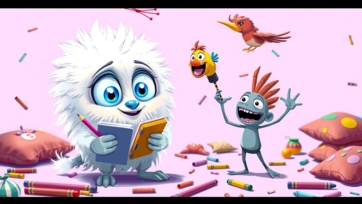
The world of Booba is not just about one curious little creature—it is filled with colorful, funny, and memorable characters that make every episode exciting. Each character in the Booba cartoon series has a unique personality, role, and lesson to offer children. Together, they create a playful universe that keeps kids entertained while subtly teaching important values. In this detailed guide, we explain all major Booba characters, including Loola, Spike, Mr. Beak, and more, and explore why kids love them so much. Why Booba Characters Matter: Booba episodes rely heavily on visual storytelling, expressions, and character interactions. Since there is no spoken dialogue, each character’s body language, emotions, and behavior play a major role in storytelling. These characters help children learn: Social interaction Emotional understanding Friendship and cooperation Problem-solving through observation 1. Booba – The Curious Explorer: Booba is the heart of the series. He is a small, fluffy, white creature with big blue eyes and endless curiosity. Booba loves exploring everyday environments like kitchens, bedrooms, and gardens, turning simple objects into fun adventures. Personality Traits Curious and adventurous Playful and energetic Innocent and kind-hearted Determined and brave What Kids Learn from Booba Curiosity leads to learning Mistakes are okay Trying again is important Imagination makes life fun Booba’s exaggerated reactions and expressive face make him instantly lovable for young children. 2. Loola – The Energetic Companion: Loola is one of the most cheerful characters in the Booba universe. She is energetic, playful, and often seen dancing or jumping around with excitement. Loola brings movement, rhythm, and joy into many episodes. Personality Traits Energetic and lively Friendly and playful Confident and expressive Role in Episodes Loola often joins adventures and adds excitement to scenes. Her movements and enthusiasm encourage kids to stay active and expressive. Lesson for Kids Expressing happiness is healthy Physical activity is fun Sharing joy strengthens friendships 3. Spike – The Mischievous Hedgehog: Spike is the troublemaker of the group. As a small hedgehog, he loves creating playful chaos, surprising others, and testing boundaries. While Spike can be mischievous, he is never truly mean. Personality Traits Mischievous and playful Curious but careless Funny and unpredictable Role in Episodes Spike’s actions often create funny problems that Booba and others must solve. Lesson for Kids Actions have consequences Mischief should not harm others Mistakes can be fixed Spike teaches children about responsibility through humor. 4. Mr. Beak – The Clever Observer: Mr. Beak is a smart and calm parrot who usually watches events from a distance. He appears thoughtful and sometimes helps guide situations without directly interfering. Personality Traits Intelligent and observant Calm and patient Helpful and wise Role in Episodes Mr. Beak often notices things others miss. He sometimes reacts subtly, encouraging kids to observe carefully. Lesson for Kids Observation is important Thinking before acting helps Calm behavior solves problems 5. Googa – The Inventor: Googa is the creative genius of the group. He loves tools, machines, and experiments. His curiosity focuses more on how things work rather than just playing with them. Personality Traits Intelligent and creative Curious and focused Innovative and logical Role in Episodes Googa introduces gadgets, inventions, and mechanical fun that adds educational value. Lesson for Kids Creativity and logic go together Building and experimenting are valuable skills Learning how things work is exciting How These Characters Help Child Development: Each Booba character contributes to a child’s development in a unique way: Character Skill Encouraged Booba Curiosity & resilience Loola Confidence & expression Spike Responsibility & awareness Mr. Beak Observation & patience Googa Creativity & problem-solving Together, they create a balanced learning environment for kids. Why Kids Love Booba Characters: Children connect with these characters because: They are visually expressive Their personalities are easy to understand Situations are relatable There is no language barrier This makes Booba a globally loved kids’ cartoon. Why Parents Trust Booba Characters: Parents appreciate Booba because: No violence or bad language Positive behavior modeling Encourages creativity and thinking Safe for preschoolers Each character reinforces healthy emotional and social development. Final Thoughts: The Booba cartoon series is successful not only because of its humor but because of its well-designed characters. Loola brings energy, Spike adds playful chaos, Mr. Beak offers wisdom, and Googa fuels curiosity. Together with Booba, they create a world that is fun, educational, and emotionally safe for children. Understanding these characters helps parents appreciate why Booba is more than just entertainment—it is a powerful learning experience wrapped in laughter.
Top 20 Fun Facts About Cartoons Kids Will Enjoy
Get ready for a behind-the-scenes peek into the colorful, wacky, and amazing world of cartoons! These fun facts will make you see your favorite shows in a whole new way. 1. The First Cartoon Star Was a Dinosaur : Before Mickey Mouse, there was Gertie! Gertie the Dinosaur, made in 1914, was one of the very first cartoon characters with a real personality. She could listen to commands and even cried when scolded! 2. Cartoon Characters Often Have 4 Fingers : Look at the hands of Mickey Mouse, Homer Simpson, or SpongeBob SquarePants. Many are drawn with only four fingers (three fingers and a thumb). It’s a tradition from old animation because it’s faster to draw and looks just as good on screen! 3. Some Cartoons Are Made from Thousands of Drawings : A one-minute scene in a hand-drawn cartoon can need over 1,400 separate drawings! That’s why big teams of artists work together to bring your favorite half-hour show to life. 4. Voice Actors Often Record Alone : You might think the actors who play best friends in a cartoon record together, but they usually record their lines alone in a sound booth, talking to a microphone. Later, editors mix their voices to make it sound like a conversation! 5. Cartoon Food is Often Made of Plastic or Glue : In stop-motion cartoons (like Wallace & Gromit), real food would wilt and look bad under hot lights. So, chefs and artists make fake food from colored glue, cotton balls, or plastic that looks delicious on camera. 6. Bugs Bunny’s Famous Line Was a Mistake : When Bugs Bunny first said, “What’s up, Doc?” in 1940, the animator just put in a silly line. It was so funny that it became his catchphrase forever! 7. SpongeBob’s Laugh is a Real Sea Creature : That iconic, silly laugh of SpongeBob SquarePants? The sound editor, Tom Kenny (who also voices SpongeBob), actually made that sound by recording a dolphin's chatter and then editing it to sound even goofier! 8. Many Cartoon Towns Are Based on Real Places : The town in Scooby-Doo looks a lot like a California beach city. The Simpsons’ Springfield is a mix of many small American towns. Animators often use real places for inspiration. 9. “Steamboat Willie” Wasn’t Mickey’s First Cartoon : Steamboat Willie (1928) is famous as Mickey Mouse’s debut, but two other Mickey cartoons were made first. Steamboat Willie was just the first one released to the public because it had synchronized sound, which was brand new and exciting! 10. Cartoon Characters Blink Slowly on Purpose : Animators make characters blink slowly and less often than real people. Why? Because blinking too much can make a character look nervous or shifty. A slow blink makes them seem more friendly and relatable. 11. Some Cartoons Use “Smear Frames” for Speed : When a character runs super fast, animators sometimes add a single, crazy-looking stretched-out drawing called a “smear frame.” You barely see it, but it tricks your brain into feeling the speed! 12. Winnie the Pooh’s Red Shirt Has a Funny Reason : In the original books, Winnie the Pooh was naked! He got his famous red shirt when he was animated because the filmmakers thought a completely naked bear might look odd on screen. 13. Cartoon Sound Effects Come from Weird Places : That “boing” sound of a spring? It’s often a real metal slinky. The sound of a sword being pulled out? It’s actually two metal plates being rubbed together in a studio. Sound artists are very creative! 14. The First Full-Color Cartoon Was About Flowers : Flowers and Trees, made by Disney in 1932, was the first cartoon in full Technicolor. It won the very first Academy Award for Best Cartoon! 15. Cartoon Dogs Often Have the Same Voice Actor : A man named Frank Welker has voiced hundreds of cartoon animals! He’s the voice of Scooby-Doo’s laugh and bark, Fred Jones’s dog in Scooby-Doo, Abu in Aladdin, and Curious George. He’s a master of funny animal sounds! 16. Animators Study Real-Life Movements : To make cartoon movements look real (even in silly ways), animators often watch videos of people and animals or even act out scenes themselves in front of a mirror. It’s part of their homework! 17. Some Cartoons Are Controlled by Math : In computer animation, things like how hair blows in the wind, how water splashes, or how a crowd moves are often created using special math formulas and physics simulations inside the computer. It’s like a super-smart video game engine! 18. The Longest-Running Cartoon is… : The Simpsons! It first started in 1989 and is still making new episodes. It holds the world record for the longest-running primetime animated TV show. 19. Early Cartoons Were Shown in Movie Theaters : Before TV, people went to the movie theater to watch the news, a main movie, AND a brand-new cartoon short! Cartoons like Tom and Jerry and Looney Tunes were made for the big screen. 20. You Can See Hidden Animators in Cartoons : Sometimes animators sneak their own names, or even drawings of themselves, into the background of a scene as a fun Easter egg. Next time you watch, look carefully at signs in the background or crowd scenes! Conclusion: A World of Wonder and Hard Work : Cartoons are a magical mix of silly ideas, amazing art, clever technology, and a whole lot of hard work. Every frame, sound effect, and funny line is made with love by teams of creative people who want to make you smile. So the next time you watch, remember—you’re not just being entertained, you’re seeing a masterpiece of imagination in motion!
Best Summer Fruits for Kids' Growth | Hydrating & Nutritious Seasonal Snacks
Best Summer Fruits for Kids Growth: Summer is the season when children are most active, playing outdoors, running around, and burning energy at a faster rate than other times of the year. Their bodies require more hydration, energy, and nutrients to support growth and maintain immunity during hot months. Summer fruits are nature’s perfect solution: they are hydrating, naturally sweet, and packed with vitamins, minerals, antioxidants, and fiber that promote healthy growth in children. Including the right fruits during summer not only supports physical development but also improves energy levels, digestion, and cognitive performance. In Pakistan, summers can be extremely hot, and children often lose fluids and electrolytes faster. The National Nutrition Survey emphasizes the importance of seasonal fruits to combat dehydration, heat-related fatigue, and nutrient deficiencies. Let’s explore the best summer fruits for children’s growth, their benefits, and practical ways to include them in daily meals. Mango — The King of Summer Fruits: Mangoes are often called the “king of fruits” and for children, they truly deserve that title. Rich in vitamin A, vitamin C, potassium, and antioxidants, mangoes support bone growth, immunity, skin health, and brain development. Vitamin A in mangoes promotes healthy vision and tissue development, while vitamin C strengthens immunity. Potassium regulates fluid balance and supports heart and muscle function, crucial during active summer days. Practical Tips: Serve mango cubes or slices as a snack. Blend with yogurt or milk for a nutritious smoothie. Mix with other seasonal fruits to create a colorful fruit salad. Watermelon — Hydration and Electrolyte Balance: Watermelon is over 90% water, making it the perfect fruit to keep children hydrated during hot weather. It is also a source of vitamin C, potassium, and antioxidants, which help maintain electrolyte balance, improve circulation, and reduce heat-related fatigue. Watermelon is easy to digest and provides quick energy, making it ideal for active children who need hydration and natural sugars for stamina. Practical Tips: Cut into fun shapes to make it more appealing. Blend with mint or cucumber for a refreshing summer drink. Mix with berries or other fruits for variety. Lychee — Immune and Energy Booster: Lychee is a summer fruit rich in vitamin C, potassium, and natural sugars. It boosts immunity, promotes energy, and supports healthy blood circulation. Its natural sweetness makes it highly appealing to children. Lychee also contains antioxidants that protect cells and support tissue repair during the high activity levels typical of summer. Practical Tips: Serve peeled lychee as a snack. Mix with yogurt for a creamy treat. Blend into smoothies with other tropical fruits. Muskmelon (Cantaloupe) — Vitamin and Fiber-Rich: Muskmelon is rich in vitamin A, vitamin C, and dietary fiber, making it an excellent fruit for skin health, immunity, and digestion. Its high water content also supports hydration, and its natural sweetness encourages children to eat it without any added sugar. Muskmelon contains antioxidants that help combat free radicals, supporting cell growth and overall health during the physically demanding summer months. Practical Tips: Cube and serve as a chilled snack. Blend into fruit smoothies or juices. Mix with other melon varieties to add variety to meals. Papaya — Digestive and Immune Support: Papaya is rich in papain, a digestive enzyme that helps children absorb nutrients more efficiently. It also contains vitamin C, folate, and potassium, which support immunity, bone development, and muscle function. Papaya is particularly useful in summer because it is easy to digest, hydrates the body, and provides a natural source of energy for active children. Practical Tips: Serve cubed as a fresh snack. Blend with mango or banana for a tropical smoothie. Mix with yogurt for a creamy summer dessert. Pineapple — Growth and Digestion Aid: Pineapple contains bromelain, an enzyme that aids digestion, and is also a rich source of vitamin C and manganese, which support bone health and immunity. Its natural sweetness is highly appealing to children, making it an easy fruit to include in their diet. Practical Tips: Serve as fresh slices or small cubes. Mix with other fruits in a tropical fruit salad. Blend into smoothies with papaya or banana for a nutritious drink. Berries (Strawberries, Blueberries, Raspberries) — Brain and Immunity Boosters: Berries are packed with antioxidants, vitamin C, and fiber, which support brain function, immunity, and digestion. During summer, berries are excellent because they provide quick energy and help children stay hydrated due to their high water content. Strawberries and blueberries are especially rich in flavonoids that enhance memory, attention, and learning — perfect for school-age children during the active summer months. Practical Tips: Mix with yogurt or oatmeal for breakfast. Serve fresh or frozen as a snack. Blend into smoothies for a nutrient-dense drink. Grapes — Hydration and Energy Support: Grapes contain natural sugars, antioxidants, and potassium, providing quick energy and supporting hydration during hot summer days. They are easy to eat, bite-sized, and appealing to children. Grapes also improve blood circulation, support heart function, and provide vitamins that contribute to growth and immunity. Practical Tips: Wash and serve as a snack. Freeze grapes for a chilled, refreshing treat. Mix into fruit salads or with melon cubes. Kiwi — Vitamin C and Immune Support: Kiwi is a small but powerful fruit rich in vitamin C, vitamin K, and antioxidants. It boosts immunity, supports digestion, and helps with tissue repair and growth. Its tangy taste makes it refreshing for summer and encourages children to develop a taste for diverse fruits. Practical Tips: Serve sliced or cubed as a snack. Mix into fruit salads with mango, papaya, or berries. Blend with yogurt for a nutrient-rich smoothie. Pomegranate — Antioxidant and Growth Support: Pomegranates are rich in antioxidants, vitamin C, and fiber, which help in strengthening immunity, promoting healthy digestion, and supporting overall growth. The bright red arils are visually appealing, making fruit consumption more enjoyable for children. Practical Tips: Serve arils as a snack. Sprinkle over yogurt, cereal, or fruit salads. Mix into juices for an antioxidant boost. Benefits of Summer Fruits for Children’s Growth: Hydration:Fruits like watermelon, muskmelon, and grapes provide water content that keeps children hydrated in hot weather. Energy and Stamina:Natural sugars in bananas, mangoes, and lychees provide quick and sustained energy for outdoor activities. Immunity Boost:Vitamin C-rich fruits like oranges, guava, and strawberries strengthen immunity and reduce frequent infections. Digestive Health:Fiber in apples, papaya, and berries improves digestion and nutrient absorption. Brain and Cognitive Development:Antioxidant-rich fruits like blueberries and pomegranate enhance learning, memory, and concentration. Bone and Muscle Growth:Fruits with potassium, magnesium, and vitamin C support bone density, muscle function, and growth during active summer months. Tips for Including Summer Fruits in Children’s Diet: Variety and Colors:Offer multiple fruits daily for a broader nutrient spectrum. Seasonal Selection:Focus on fruits that are in season — they are fresher, more nutritious, and affordable. Creative Presentation:Make fruit skewers, fruit salads, or smoothie bowls to make them appealing. Small Portions, Frequent Serving:Offer fruits in small, regular portions rather than a single large serving. Family Participation:Involve children in washing, cutting, or arranging fruits to increase interest and acceptance. Conclusion: Summer fruits are essential for children’s growth, immunity, energy, and cognitive development. Including fruits like mango, watermelon, lychee, muskmelon, papaya, pineapple, berries, grapes, kiwi, and pomegranate in daily meals ensures children receive hydration, vitamins, minerals, antioxidants, and fiber critical for their development. Parents should focus on variety, seasonal fruits, and creative presentation to encourage daily consumption. Fruits are not just snacks—they are natural growth boosters that shape health, strength, and cognitive performance for life. Regular consumption of these fruits ensures children grow physically strong, stay mentally sharp, and maintain healthy immunity even in the demanding summer months. By prioritizing summer fruits in children’s diets, parents are investing in long-term health, resilience, and active growth — creating the foundation for a strong and energetic childhood.  
Best Booba Episodes for Toddlers (1–3 Years)
Toddlers between the ages of 1 and 3 experience the world very differently from older children. Their brains are developing rapidly, their attention span is short, and they respond most strongly to bright colors, simple actions, and clear emotions. This is where Booba becomes an ideal cartoon choice. Booba episodes are specially loved by toddlers because they are simple, safe, colorful, and visually expressive. In this guide, we explore the best Booba episodes for toddlers (1–3 years) and explain why these episodes are perfect for early childhood viewing. Why Booba Is Perfect for Toddlers: Before listing the episodes, it’s important to understand why Booba works so well for this age group. Toddlers need: Visual storytelling (not complex dialogue) Repetition and predictability Bright, high-contrast colors Gentle humor without fear Short and engaging content Booba delivers all of these naturally, making it one of the safest and most engaging cartoons for toddlers. Top Booba Episodes for Toddlers (1–3 Years): 1. Booba and Bubbles This episode is a toddler favorite. Floating bubbles instantly grab attention, and Booba’s attempts to catch and pop them create endless giggles. Why it’s perfect for toddlers: Slow, clear movements Bright shiny bubbles Simple cause-and-effect learning Toddler benefit: Visual tracking and hand-eye coordination. 2. Booba and the Ball In this episode, Booba plays with a colorful ball that rolls, bounces, and escapes him. Why toddlers love it: Repetitive motion Bright primary colors Easy-to-follow action Toddler benefit: Understanding movement and basic physics through play. 3. Booba in the Bedroom Booba explores pillows, blankets, and soft toys. The calm environment makes this episode ideal for very young children. Why it works for ages 1–2: Soft objects Gentle humor Familiar home setting Toddler benefit: Comfort, emotional safety, and recognition of daily surroundings. 4. Booba and the Toy Box A box full of toys becomes a mini adventure. Toys fall out, make sounds, and surprise Booba. Why toddlers enjoy it: Surprise elements without fear Bright toy colors Simple exploration Toddler benefit: Curiosity and sensory stimulation. 5. Booba and Music Sounds This episode focuses on sound-making objects. Booba reacts joyfully to different noises. Why it’s great for toddlers: Clear audio cues Rhythm and repetition Funny reactions Toddler benefit: Early sound recognition and auditory development. 6. Booba and Water Play Booba plays with water in a safe, playful way—splashing, pouring, and reacting to movement. Why toddlers love it: Water fascinates young minds Gentle splashes Clear visual movement Toddler benefit: Sensory awareness and observation skills. 7. Booba and the Box A simple cardboard box becomes a source of endless fun. Booba hides, jumps, and peeks out. Why it’s toddler-friendly: Simple object Repetition Peek-a-boo style humor Toddler benefit: Object permanence and surprise recognition. 8. Booba and Soft Toys Booba interacts with stuffed toys, hugging them and playing gently. Why toddlers feel connected: Familiar comfort objects Calm pace Friendly emotions Toddler benefit: Emotional bonding and empathy. 9. Booba and Lights Booba discovers lights turning on and off, reacting with excitement. Why toddlers are fascinated: Bright visual contrast Immediate cause and effect Toddler benefit: Understanding actions and reactions. 10. Booba’s Happy Dance This episode focuses on movement and dancing. Why toddlers love it: Body movement Fun music Laughing expressions Toddler benefit: Motor skills and body awareness. What Toddlers Learn from These Episodes: Even though Booba is mainly entertainment, toddlers gain valuable early learning skills: Visual focus through movement and colors Emotional recognition through facial expressions Cause-and-effect understanding Motor skill stimulation Curiosity without fear All of this happens naturally, without pressure or complex storytelling. Why Parents Trust Booba for Toddlers: Parents prefer Booba because: No talking means no bad language No violence or scary scenes Short episodes reduce screen overload Calm humor supports positive mood Booba is especially useful for: Quiet time Short breaks Safe screen exposure Screen Time Tip for Parents: For toddlers aged 1–3: Limit screen time Watch together when possible Choose calm episodes Avoid overstimulation Booba’s gentle pacing makes it a better choice than fast, noisy cartoons. Final Thoughts: Booba is one of the best cartoon choices for toddlers because it perfectly matches early childhood psychology. The episodes listed above are ideal for ages 1–3, offering bright visuals, gentle humor, and safe exploration. For parents looking for safe, engaging, and development-friendly entertainment, Booba episodes are a reliable and enjoyable option.
Why Cartoons Are Important for Childhood Development: A 2025 Perspective
In an era dominated by debates over screen time, it's easy to overlook a fundamental truth: high-quality cartoons are not merely digital babysitters. When chosen intentionally, they are a vibrant, dynamic tool that can significantly contribute to a child's cognitive, social, and emotional growth. This 2025 guide moves beyond the screen-time clock to explore the multifaceted developmental benefits of thoughtful cartoon viewing. Beyond Entertainment: Cartoons as a Developmental Tool : Modern, well-crafted cartoons are designed by teams of artists, writers, and often child development experts. They are complex narratives that do far more than fill time; they provide a shared cultural language and a safe space to explore big ideas. 1. Cognitive & Language Development: Building a Smarter Brain : Cartoons can actively stimulate young minds in powerful ways. Vocabulary Expansion: Children's programming often introduces a richer vocabulary than everyday conversation. Narratives expose them to new words, concepts (like "gravity," "habitat," "emerge"), and linguistic structures in a memorable, contextualized way. Foundation for Literacy: The sequence of events in a plot teaches story structure—beginning, middle, end, cause and effect. This is a direct precursor to reading comprehension. Shows with on-screen text or wordplay reinforce letter and sound recognition. Executive Function: Many cartoons pose problems that characters must solve. Watching them model planning, perseverance, and flexible thinking ("That didn't work, try something else!") helps children internalize these critical cognitive skills. Cultural & General Knowledge: Cartoons can be a child's first window into history, geography, science, and different cultures, making learning visceral and engaging. 2. Social & Emotional Learning (SEL): The School of Feelings : Cartoons provide a "social simulator" where children can safely observe and process complex interpersonal dynamics. Empathy & Perspective-Taking: By identifying with characters, children learn to recognize and label emotions—not just their own, but those of others. They see the consequences of kindness, sharing, and hurtful actions in a low-stakes environment. Navigating Social Scenarios: Storylines often revolve around friendship conflicts, teamwork, jealousy, and reconciliation. Children absorb scripts for social problem-solving they can apply in their own lives. Resilience & Coping: Characters face fears, make mistakes, and experience disappointment. Seeing them cope in healthy ways provides models for emotional regulation and resilience. Representation & Identity: Seeing characters who look like them or share their experiences validates a child's own identity. Seeing diverse characters builds understanding and inclusivity from a young age. 3. Creativity & Imaginative Play: Fuel for the Inner World : The vibrant, rule-bending worlds of animation are potent fuel for a child's imagination. Spark for Pretend Play: Cartoons provide characters, scenarios, and worlds that children eagerly recreate in their own play, building narratives, dialogue, and problem-solving in real-time. Visual Creativity: The unique art styles of different cartoons expand a child's visual library and can inspire their own drawing, building, and creative expression. "What If" Thinking: Animated worlds often operate on different logic, encouraging divergent thinking and the exploration of possibilities beyond the real world. 4. The Family Connection: A Shared Cultural Experience : Cartoons create common ground for connection and conversation. Co-Viewing as Bonding: Watching together is shared joy. It's an opportunity to laugh, gasp, and experience a story as a team. Springboard for Big Talks: A character's dilemma can be the perfect, non-threatening entry point to discuss real-life issues like bullying, honesty, or frustration. Parents can ask, "What would you have done?" Building Family Lore: Favorite shows, quotes, and characters become part of a family's shared language and inside jokes, strengthening bonds. The Critical Caveat: Not All Cartoons Are Created Equal : These benefits are contingent on quality, age-appropriateness, and context. The Quality Spectrum: A slow-paced, character-driven show about cooperation is neurologically different from a hyper-fast, violent comedy clip. Seek out animation that prioritizes story and character. The Co-Viewing Factor: The benefits are magnified exponentially when an adult is present to discuss, explain, and connect the on-screen events to the child's world. This "mediated viewing" transforms passive consumption into active learning. Balance is Non-Negotiable: Cartoons should be a part of a rich developmental diet that includes physical play, real-world exploration, reading, and unstructured downtime. Choosing Developmentally Positive Cartoons in 2025: A Quick Guide : For Toddlers (2-4): Look for slow pacing, simple narratives, and gentle humor. Focus on shows that label emotions and objects clearly. For Preschoolers (4-6): Seek out shows that model social problem-solving, empathy, and curiosity. Slightly more complex plots are appropriate. For School-Age (6-10): Cartoons can explore more complex themes of friendship, ethics, and persistence. This is a great age for shows that introduce STEM concepts or historical events in an engaging way. Conclusion: Intentional Viewing as a Parenting Strategy : The question in 2025 is not "Should my child watch cartoons?" but "How can we make this screen time meaningful?" By moving from seeing cartoons as mere entertainment to recognizing them as a potential catalyst for discussion, learning, and connection, we reclaim their value. A well-chosen cartoon, watched together and talked about afterward, is not a developmental compromise—it can be a legitimate and valuable tool in the modern parenting toolkit, nurturing a child's mind and heart in equal measure.
Future of Kids’ Animation: Exciting Trends of 2025
The world of kids' animation is no longer just Saturday morning cartoons. It's a dynamic, fast-evolving landscape where new technology, changing viewing habits, and fresh creative ideas are shaping what the next generation will watch and love. Here’s a look at the key trends defining the future of animation for kids in 2025. 1. Hyper-Personalized & Interactive Stories : Animation is becoming a two-way street. Choose-Your-Own-Adventure Style: Platforms are experimenting with episodes where kids can make choices for the characters (e.g., "Should they go through the red door or the blue door?"), leading to different story outcomes. This boosts engagement and makes them co-creators of the narrative. AI-Assisted Customization: Imagine a show where the main character has your child's name or their favorite color appears in key scenes. While in early stages, AI is beginning to allow for subtle personalization within animated streams. 2. The Rise of "Calmimation" – Slower, Gentler Content : In response to overstimulation, a new genre focused on well-being is booming. Focus on Pacing & Mood: Shows with slower pacing, softer color palettes, and calming soundtracks are being designed to reduce anxiety and promote focus. Think less frenetic slapstick, more thoughtful exploration. Themes of Mindfulness: Plots will increasingly incorporate simple mindfulness, emotional regulation, and kindness as core elements, teaching SEL (Social-Emotional Learning) skills directly through the narrative. 3. Hybrid Techniques – Blending 2D, 3D & Real-World Elements : The lines between animation styles are blurring in exciting ways. 2D Charm with 3D Depth: Many shows use stylized 3D animation that retains the warmth and expressiveness of hand-drawn 2D, often with visible line work and textured, "crafted" feels. Mixed-Media Mashups: It’s becoming more common to see 3D characters interact with photorealistic backgrounds, or live-action kids inserted into animated worlds seamlessly, creating a unique and immersive visual experience. 4. Micro-Content & Vertical Animation : TikTok and YouTube Shorts have changed how kids consume media. Animation Designed for Phones: Studios are creating original, high-quality animated series made specifically for short-form, vertical video platforms. These are fast-paced, loopable, and designed to capture attention in under 90 seconds. Comedy in a Flash: The humor and storytelling are adapting to this ultra-quick format, relying on instant visual gags and concise character expressions. 5. Sustainability as a Core Theme & Production Goal : Eco-consciousness is moving from plot point to production principle. On-Screen Narratives: More stories will center on environmental stewardship, nature connection, and science-based problem-solving related to the planet. Behind the Scenes: Studios are adopting "green" production pipelines, using cloud rendering (which uses renewable energy) and developing tools to reduce the massive computational (and energy) cost of animation. 6. Global Stories, Authentic Voices : The world of animation is becoming as diverse as its global audience. Beyond Western Settings: We'll see a significant increase in shows set in and co-produced by countries across Africa, Asia, and South America, featuring local folklore, landscapes, and cultural nuances. Authentic Representation: There’s a strong push for creative teams (writers, directors, designers) to come from the cultures being portrayed, ensuring authentic and respectful storytelling. 7. The Educational Playground – "Edu-tainment" Gets Smarter : Learning is being woven into entertainment more seamlessly than ever. Stealth Learning: Curricula in coding basics, foundational logic, natural science, and emotional intelligence will be embedded directly into adventure plots and character challenges, not presented as separate "lesson time." Interactive Learning Companions: Animated characters may begin to appear in companion educational apps, breaking the "fourth wall" and encouraging kids to apply lessons from the show in interactive games. 8. AI as a Creative Tool, Not a Replacement : AI is entering the animation studio as a powerful assistant for artists. Inbetweening & Clean-Up: AI tools can handle time-consuming, repetitive tasks like generating in-between frames from an animator's key poses or cleaning up rough line art, freeing up human artists for more creative work. Background Generation & Effects: AI can quickly generate complex background variations or intricate effects (like flowing water or swarming crowds), allowing smaller studios to create visually rich worlds. 9. The "Phygital" Toy Connection : The link between screen and play is becoming more sophisticated. Toys with Digital Avatars: Physical toys (like those from kidtoys.site) will increasingly connect to apps, unlocking exclusive animated content, character backstories, or new abilities in a related game. Augmented Reality (AR) Integration: Shows will have companion AR apps that let kids bring characters into their real-world space through their tablet, blending animated play with physical environments. 10. Nostalgia Reimagined for a New Generation : Classics are getting smart updates. Legacy Characters, Modern Stories: Beloved characters from the 80s and 90s are returning in reboots that maintain their core spirit but update the humor, pacing, and social themes for today's kids and modern animation techniques. Cross-Generational Appeal: These updates are crafted to entertain both kids discovering them for the first time and their parents, fostering shared viewing experiences. Conclusion: A More Immersive, Inclusive & Intentional Future : The future of kids' animation in 2025 is bright, diverse, and thoughtfully designed. It’s moving towards experiences that are not just watched but felt and interacted with. It values calmness as much as comedy, authenticity as much as adventure, and seeks to connect with children on a more personal and global level. For young viewers, this means a richer, more engaging, and wonderfully varied animated world to explore.
Top School Supplies Inspired by Friendly Cartoon Characters
Getting ready for school can be an adventure with the right tools! Supplies featuring popular, gentle cartoon characters can make organization fun and spark excitement for learning. This 2025 guide highlights the best back-to-school essentials that combine quality, functionality, and the cheerful, curious spirit kids love—helping them stay organized and motivated all year long. Why Character Supplies Work : Themed supplies from favorite shows do more than just look fun. They: Build Positive Associations: Connect schoolwork with familiar, joyful characters. Encourage Responsibility: Kids are more likely to keep track of items they love. Spark Creativity: A cheerful pencil case or notebook can make brainstorming feel more like play. Note: Always prioritize quality and safety. Look for non-toxic certifications, durable materials, and age-appropriate designs from reputable brands. Category 1: The Core Essentials – For Daily Organization : These are the workhorses of the school bag, keeping everything in its place. The Ultimate Character Backpack with Padded Compartments: Why It’s a Top Pick: A well-designed backpack sets the tone. Look for one with a subtle but cheerful character patch or pattern, ergonomic padded straps, multiple compartments for organization, and durable, water-resistant fabric. A front pocket for a lunchbox and side pockets for a water bottle are must-haves. Key Features: Lightweight yet sturdy construction, reflective strips for safety, and a design that balances fun with practicality for school hallways. Insulated Character Lunch Box & Bento Set: Why It’s a Top Pick: Lunchtime is more fun with a friend. A high-quality insulated lunch bag featuring cheerful characters, paired with a Bento-style box with compartments, encourages healthy eating and reduces waste. Look for sets that are leak-proof, easy to clean, and sized right for your child's appetite. Key Features: Non-toxic, BPA-free materials, a sturdy zip, and an ice pack compartment. Bento dividers help make food visually appealing. Large, Zippered Pencil Case with Multiple Pockets: Why It’s a Top Pick: Chaos ends here. A spacious, structured pencil case with the cheerful character's face and internal organizers (loops for pencils, mesh pockets for erasers) keeps supplies from getting lost at the bottom of the bag. Key Features: Robust zipper, easy-to-clean lining, and enough room for pencils, pens, a small sharpener, and a glue stick. Category 2: The Writing & Creativity Toolkit – For Expressing Ideas : These supplies turn homework and notes into a more engaging activity. Character-Themed Notebook & Folder Set: Why It’s a Top Pick: Organization starts on page one. A matching set of durable poly folders and composition notebooks or binders with the cheerful character helps separate subjects. Look for reinforced edges on notebooks and sturdy prongs in folders. Key Features: Thick, bleed-resistant paper in notebooks; folders with interior pockets for loose sheets. Mechanical Pencils, Erasers & Highlighters Set: Why It’s a Top Pick: A curated set featuring small character details (like a topper on a pencil or a shaped eraser) makes writing and studying more enjoyable. Mechanical pencils eliminate the need for a sharpener, and brightly colored highlighters are essential for note-taking. Key Features: Non-toxic, break-resistant lead for pencils; latex-free, smudge-free erasers; highlighters with mild, vibrant ink. Art Supply Kit in a Carry Case: Why It’s a Top Pick: Perfect for art class or creative breaks. A kit with character branding that includes colored pencils, washable markers, crayons, and a small sketchpad in a portable case encourages artistic expression. Key Features: AP-certified non-toxic supplies, a case that closes securely, and a variety of colors for complete projects. Category 3: The Motivational Extras – For Fun & Function : These items add a special touch to the school routine. Character Water Bottle with Time Markings: Why It’s a Top Pick: Hydration is key to concentration. An insulated stainless-steel bottle decorated with friendly characters and time markers (e.g., "Drink by 10 AM!") serves as a fun, visual reminder to drink water throughout the day. Key Features: Leak-proof lid, easy-to-carry handle, vacuum insulation to keep drinks cold, and durable finish that won't peel. Desk Organizer with USB LED Light: Why It’s a Top Pick: Creates a dedicated, cheerful homework station. A small desk caddy shaped or decorated like the character's house, with compartments for supplies and a built-in, rechargeable LED light, fosters focus and organization at home. Key Features: Sturdy plastic or wood, cable management, and a warm, eye-friendly light for evening work. Interactive Homework Planner with Stickers: Why It’s a Top Pick: Teaches time management with a smile. A weekly planner featuring the cheerful character and themed stickers (stars, checkmarks, playful icons) allows kids to track assignments, tests, and goals in an engaging, rewarding way. Key Features: A simple, intuitive layout, plenty of space for writing, and a sheet of reusable stickers. Tips for Choosing & Using Themed Supplies : Involve Your Child: Let them pick their favorite character from a selection of high-quality options you've pre-approved. Ownership increases care. Label Everything: Use a permanent marker or fun labels to add your child's name to each item, especially on common character gear. Balance is Key: Pair one or two standout character items (like a backpack and lunchbox) with more neutral, durable essentials to keep the look cohesive and age-appropriate as they grow. Connect to Positive Habits: Use the themed planner to celebrate completed homework, or the water bottle to track healthy habits. Conclusion: Pack for Success with a Smile : The best school supplies for 2025 blend durability, smart design, and a touch of personalized joy. By choosing quality items inspired by positive, curious characters, you’re not just equipping a backpack—you’re helping build a positive mindset toward learning and organization. When school feels like an adventure, every assignment is a new discovery waiting to happen.