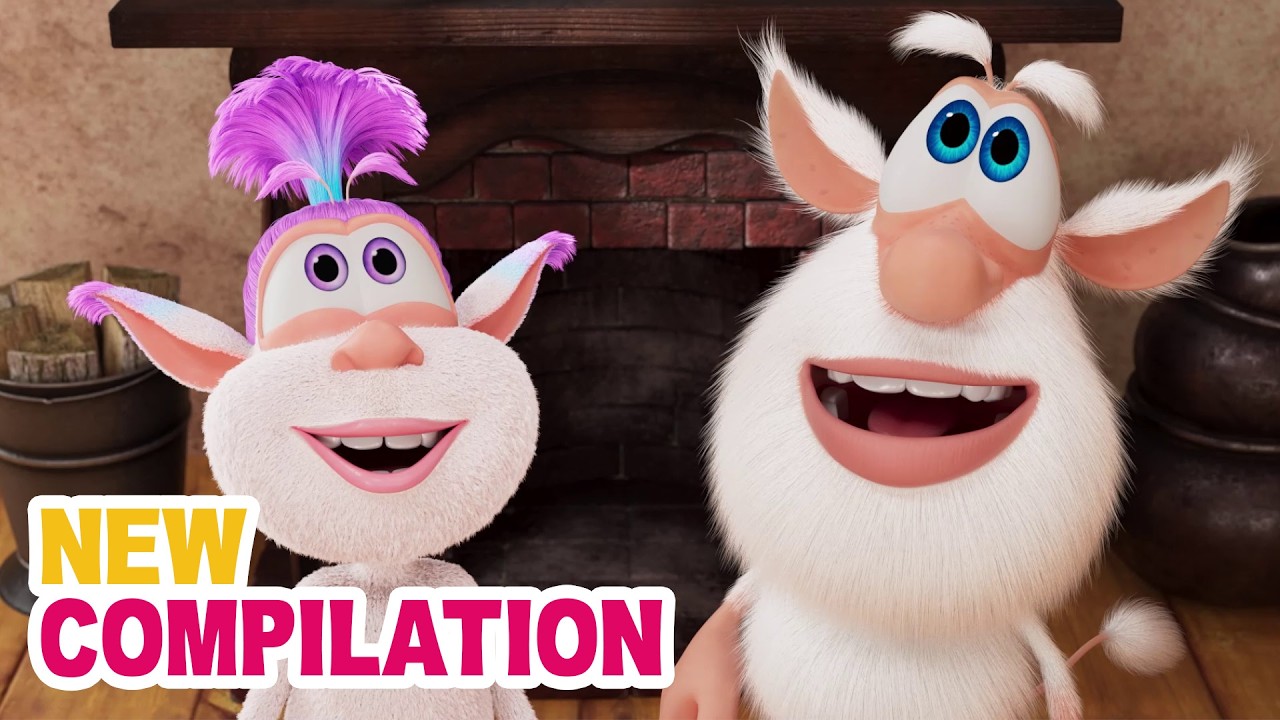
Character Costumes: Buying vs Making at Home - The 2025 Parent's Guide

When your child wants to transform into their favorite gentle, curious character for Halloween, playtime, or a party, you face a classic dilemma: buy a ready-made costume or embrace a DIY project? Both paths have unique rewards and challenges. This 2025 guide breaks down the pros, cons, costs, and considerations of each approach to help you choose the best option for your family’s time, budget, and creative spirit.


The Core Question: What Are Your Priorities?

Before deciding, ask yourself:

  • Time: Do you have weeks or just days?

  • Budget: What are you comfortable spending?

  • Skill Level: How confident are you with basic sewing, crafting, or hacking?

  • Child's Involvement: Do you want a quick surprise or a collaborative project?

  • Longevity: Is this for one night or for years of dress-up play?


Option 1: Buying a Costume – The Path of Convenience :

Where to Buy:

  • Major Retailers & Online Marketplaces: (Amazon, Walmart, Target, Halloween specialty stores). Offers the widest selection, especially as holidays approach.

  • Official Brand Stores: The best source for screen-accurate, licensed costumes, though often at a premium price.

  • Costume Resale Sites & Local Groups: (Facebook Marketplace, Mercari). Excellent for finding gently used costumes at a fraction of the cost and reducing waste.

Pros of Buying:

  • Instant Gratification: It arrives ready-to-wear. Zero project stress.

  • Screen Accuracy: Licensed costumes capture exact details, colors, and likeness.

  • Time-Saving: Frees up your evenings and weekends.

  • Often Includes Accessories: Typically comes as a full set (hood, bodysuit, gloves).

Cons of Buying:

  • Cost: Quality costumes can be expensive, especially for a single event.

  • Quality & Comfort Issues: Often made from thin, non-breathable polyester. Zippers can be cheap, seams can rip. "One-size-fits-most" rarely fits well.

  • Limited Sizing & Adjustability: Hard to tailor if it's too big/small.

  • Generic Feel: Your child might see five others in the same costume at the party.

  • Environmental Impact: Often involves plastic packaging and disposable, single-use materials.


Option 2: Making a Costume at Home – The Path of Customization :

Approach Overview:
This doesn't mean sewing from scratch unless you want to. Modern DIY is about creative assembly using existing clothing and craft materials.

The "No-Sew" Hack Method (Easiest):

  • Base: A royal blue, long-sleeved shirt and blue sweatpants/leggings.

  • The Hood: Use a blue beanie or hoodie. Attach two large white felt circles for eyes and smaller black felt circles for pupils using fabric glue. Shape the hood with safety pins if needed.

  • The Gloves: Simple, inexpensive white cotton gloves (often sold in multipacks).

  • The Details: Use white felt to cut out and glue a simple oval "tummy" onto the blue shirt.

The "Sew-Lite" Custom Method (More Durable):

  • Base: Same blue clothing base.

  • The Hood: Purchase a blue hooded sweatshirt. Permanently sew on the felt eye details for a sturdier finish.

  • The Bodysuit Alternative: Use a blue adult-sized t-shirt. Cut it down the middle front, hem the edges, and add snap fasteners to create an easy-on, easy-off jumper.

Pros of Making:

  • Perfect Fit: You tailor it to your child's exact measurements for maximum comfort and mobility.

  • Uniqueness & Personal Touch: It’s one-of-a-kind. You can add inside jokes or personalized details.

  • Quality Control: You choose soft, breathable fabrics that feel good against the skin and are built to last through multiple play sessions.

  • Cost-Effective (Often): Can be significantly cheaper, especially if you repurpose clothing or shop thrift stores for blue basics.

  • A Shared Experience: The process of making it together becomes a cherished memory.

  • Sustainable: Repurposes existing items and avoids disposable costume waste.

Cons of Making:

  • Time Investment: Requires planning, shopping for materials, and assembly time.

  • Skill/Confidence Required: Can feel daunting if you're not craft-inclined.

  • Potential for Frustration: If a glue doesn't hold or a seam rips at the wrong moment.

  • May Lack "Polish": A homemade look has charm, but might not have the crisp, store-bought finish some kids desire.


The 2025 Hybrid Champion: The "Smart Customization" Approach

This is the best-of-both-worlds strategy for most modern parents.

  1. Buy a Simple, High-Quality Base: Purchase a very soft, well-made royal blue hooded sweatshirt and pants set (intended for everyday wear).

  2. Customize with Details: Use high-quality felt, fabric glue, or simple stitches to add the signature white eyes and tummy patch.

  3. Accessorize Thoughtfully: Buy the white gloves new, and let your child carry a small, funny prop (a giant cardboard lightbulb, a question-mark sign).

  4. Result: You have a comfortable, durable, unique costume that becomes a beloved piece of everyday play clothing long after the event is over. The cost is similar to a cheap store costume, but the value and longevity are far greater.


Decision Flowchart: Which Path is Right for You?

  • Choose BUY if: The event is in < 1 week, your budget is flexible, you have zero craft time/interest, and your child prioritizes perfect accuracy.

  • Choose the HYBRID if: You have 1-3 weeks, a moderate budgetbasic craft skills, and want a costume that doubles as play clothes.

  • Choose FULLY DIY if: You have > 3 weeks, a tight budget, you enjoy crafting, and you value the creative process and uniqueness above all.


Final Verdict: It's About the Experience :

In 2025, the "better" choice isn't universal. Buying is about the event. Making is about the journey.

If your goal is simply a costume for a night, buying is a perfectly valid, stress-free solution—just opt for a used one if possible. If your goal is to foster creativity, ensure comfort, and create something special with your child, the homemade or hybrid route is profoundly rewarding.

Ultimately, seeing the joy on your child's face when they see their reflection—whether in a store-bought jumpsuit or a homemade hoodie you made together—is what makes any choice the right one.
Advertisement
How to Create a Booba Treasure Hunt at Home
A Booba treasure hunt is a fun, interactive, and educational activity for children. Inspired by Booba’s playful adventures, this activity encourages problem-solving, creativity, teamwork, and physical activity. Setting up a Booba-themed treasure hunt at home is easy, safe, and provides hours of entertainment for kids aged 3–8. This guide explains step-by-step how to create a Booba treasure hunt, along with tips for making it educational and exciting. Why Booba Treasure Hunts Are Perfect for Kids: Engaging and Fun: Booba’s playful personality makes kids excited to participate. Educational: Develops problem-solving, observation, and critical thinking skills. Physical Activity: Encourages children to move around safely indoors or in the backyard. Teamwork & Social Skills: Promotes cooperation when children play together. Materials Needed: Booba-themed clues or cards (printable or handmade) Small toys, treats, or Booba-themed items for treasures Baskets or containers for collecting treasures Paper, markers, and crayons for clues Optional: Booba masks or plush toys for added fun Step-by-Step Guide to Creating a Booba Treasure Hunt: 1. Plan the Treasure Hunt Area Choose a safe space indoors or in the backyard. Identify locations for hiding clues: under pillows, behind doors, near toys, or in containers. Make sure hiding spots are accessible and safe for children. Educational Tip: Discuss spatial awareness and location terms (under, behind, next to). 2. Create Booba-Themed Clues Write simple riddles or draw pictorial clues that lead to the next location. Use Booba characters, objects, or favorite items in the clues. Keep clues age-appropriate: Preschoolers: simple picture clues Older children: easy riddles or word clues Educational Tip: Boosts reading, comprehension, and problem-solving skills. 3. Hide the Clues and Treasure Place clues sequentially, each leading to the next. Hide the treasure at the final location: a small Booba toy, treats, or stickers. Ensure clues are easy to find but still engaging. Fun Tip: Use bright colors and Booba stickers to make clues visually appealing. 4. Explain the Rules to Children Show children the first clue to start the adventure. Explain they must follow the clues to find the treasure. Encourage teamwork if multiple children are participating. Educational Tip: Introduces following instructions and sequencing. 5. Participate or Observe Adults can join as helpers or narrators to make the hunt more engaging. Encourage children to solve clues independently or with minimal hints. Celebrate progress at each clue to keep excitement high. Learning Tip: Teaches perseverance, patience, and logical thinking. 6. Incorporate Mini Challenges Add small tasks at clue locations, such as: Jump like Booba 5 times Draw a Booba character Solve a mini puzzle or riddle Educational Tip: Combines physical activity, creativity, and cognitive skills. 7. Conclude with a Treasure Reward The treasure can be a Booba toy, a small treat, or a certificate for completing the hunt. Encourage children to share or discuss their favorite parts of the adventure. Learning Tip: Reinforces positive reinforcement, sharing, and reflection. Educational Benefits of a Booba Treasure Hunt: Problem-Solving Skills: Clues require logical thinking and reasoning. Observation Skills: Children must notice details in their environment. Fine and Gross Motor Skills: Moving, bending, and reaching enhance coordination. Teamwork and Communication: Group hunts encourage collaboration and discussion. Creativity & Imagination: Booba-themed scenarios make the hunt playful and imaginative. Confidence and Achievement: Completing the treasure hunt boosts self-esteem. Tips to Make Booba Treasure Hunts More Fun: Use Multi-Character Themes: Include Booba, Spike, Loola, and Mr. Beak in clues. Colorful Clues and Treasure: Bright visuals attract children’s attention. Time Challenges: Add a playful time limit for older children. Story-Based Hunts: Create a mini adventure story featuring Booba’s quest. Photo Fun: Let children take photos or record videos of their treasure hunt journey. Final Thoughts: Creating a Booba treasure hunt at home is a fun, educational, and interactive activity that children will love. With simple clues, creative tasks, and colorful treasures, kids can enjoy Booba-inspired adventures while developing critical thinking, physical skills, and imagination. This activity is perfect for playdates, weekend fun, or birthday celebrations and ensures a memorable, engaging experience.
Dinosaur Stories for Children
Dinosaurs have fascinated children for generations with their enormous size, mysterious history, and exciting adventures. Dinosaur stories for children bring these prehistoric creatures to life through colorful cartoons, friendly characters, and imaginative storytelling. These stories are not only entertaining but also educational, teaching children about science, history, teamwork, and problem-solving. In this article, we explore why dinosaur cartoons are so popular, their educational benefits, and how parents can use them to encourage learning and creativity. ⭐ Why Dinosaur Stories Are Popular with Kids: 1. Fascination with Prehistoric Creatures: Children are naturally curious about dinosaurs. Cartoons give them a safe and fun way to explore these creatures and their world. 2. Imaginative Storytelling: Dinosaur cartoons combine fantasy, adventure, and humor, making stories engaging and memorable. 3. Relatable Characters: Friendly dinosaur characters help children relate to lessons about friendship, courage, and kindness. 4. Visual and Audio Learning: Bright animations and fun sounds keep children engaged while helping them retain information about dinosaurs and prehistoric life. 5. Safe Learning: Animated stories allow children to learn about large, potentially scary creatures in a safe, entertaining environment. ⭐ Popular Themes in Dinosaur Stories: 1. Adventures in Prehistoric Times: Stories often follow dinosaurs exploring jungles, volcanoes, and rivers, teaching children about different environments. 2. Friendship and Teamwork: Cartoons focus on dinosaurs helping each other, sharing, and solving problems, reinforcing social and moral lessons. 3. Science and History: Some stories introduce facts about dinosaur species, fossils, and their behavior in a fun and age-appropriate way. 4. Problem-Solving and Creativity: Characters face challenges, encouraging children to think creatively and learn problem-solving skills. 5. Fun and Humor: Animated dinosaurs often have funny traits or adventures, keeping children entertained while learning. ⭐ Educational Benefits of Dinosaur Stories: 1. Develops Curiosity: Children learn about prehistoric life, evolution, and the natural world, fostering a love for science. 2. Builds Vocabulary: Cartoons introduce terms like “Tyrannosaurus,” “Triceratops,” “volcano,” and “fossil” in a fun, understandable way. 3. Encourages Moral Values: Stories about helping friends, sharing, and bravery instill positive social and emotional values. 4. Enhances Cognitive Skills: Following storylines, remembering character names, and understanding plots improve memory and critical thinking. 5. Stimulates Imagination: Children create their own dinosaur worlds, adventures, and stories, boosting creativity and imaginative play. ⭐ Tips for Parents to Make the Most of Dinosaur Cartoons: ✔ 1. Watch Together: Discuss dinosaur names, behaviors, and adventures to reinforce learning. ✔ 2. Encourage Drawing and Crafts: Let children draw dinosaurs, create models, or make prehistoric scenes inspired by the cartoons. ✔ 3. Ask Questions: Questions like “What would you do if you were a dinosaur?” help children think creatively and engage with the story. ✔ 4. Reinforce Facts: Introduce simple facts about dinosaurs to combine fun and education effectively. ✔ 5. Limit Screen Time: Keep episodes short and interactive, ideally 20–30 minutes, to balance entertainment and other learning activities. ⭐ Conclusion: Dinosaur stories for children are a fantastic way to combine entertainment, imagination, and education. Through vibrant animations, adventurous storytelling, and friendly dinosaur characters, children learn about prehistoric life, moral values, problem-solving, and creativity. Parents and educators can use these cartoons to foster curiosity, develop cognitive and social skills, and inspire children to explore science and history. Dinosaur cartoons make learning about the past fun and memorable, creating a love for stories, knowledge, and imaginative play that lasts a lifetime.
How Cartoons Improve Vocabulary in Kids
Cartoons are not just a source of entertainment for children; they play a vital role in the development of language skills and vocabulary. Parents often wonder how watching cartoons can benefit their children academically. Research and expert opinions suggest that educational cartoons and carefully selected animated shows can significantly enhance a child’s vocabulary development and communication abilities. 1. Cartoons Make Learning Fun: Children are naturally attracted to colorful visuals, animated characters, and fun storytelling. When they watch kids cartoons, they are not just entertained but also exposed to new words and phrases. Fun and engaging content helps children remember vocabulary more effectively than traditional rote learning. For example, shows like Dora the Explorer or Sesame Street integrate simple language and interactive exercises, allowing children to repeat words, ask questions, and learn through playful interaction. This method of learning through cartoons is effective because children associate words with actions and visuals, making the learning process natural and enjoyable. 2. Exposure to Conversational Language: Most cartoons use simple and clear dialogues that are easy for children to understand. Watching these shows regularly allows kids to hear new words in context, which improves their ability to comprehend and use language. Unlike textbooks, cartoons show conversational language, everyday expressions, and emotional tone, helping children learn how to communicate effectively. For instance, a cartoon character might say, “I am very excited to go on an adventure!” The child not only learns the word “excited” but also understands how to use it in a sentence. This exposure to contextual vocabulary is crucial for early language development. 3. Reinforcement Through Repetition: Cartoons are often designed with repetitive phrases, rhymes, and songs. This repetition helps reinforce new vocabulary and makes it easier for children to remember. Words introduced in a fun and repeated manner stick in the memory more effectively. For example, educational cartoons for preschoolers often repeat animal names, colors, numbers, and common objects. Over time, children start recognizing and using these words naturally in their daily conversations. Repetition is a key strategy in vocabulary acquisition, and cartoons provide this effortlessly. 4. Visual Learning Boosts Word Recognition: Children are visual learners. They understand and retain information better when it is associated with images and actions. Cartoons provide rich visual context for every word. When a character in a cartoon says “ball” while holding a ball, children connect the spoken word with the object, which strengthens their word recognition and understanding. Moreover, cartoons often depict emotions and actions, helping children learn descriptive vocabulary like happy, sad, excited, running, jumping, and more. This visual association enhances cognitive development alongside language skills. 5. Encourages Active Participation: Interactive cartoons and shows often ask children to repeat words or answer simple questions. For example, a character might ask, “Can you say your ABCs?” This kind of active engagement encourages children to practice speaking, which is essential for vocabulary improvement. By responding to prompts and participating in animated activities, children are more likely to retain new words and develop confidence in using language creatively. Parents can further support this by discussing episodes and asking questions about the storyline or characters. 6. Introduces Diverse Vocabulary: High-quality educational cartoons introduce children to a wide range of words and concepts beyond their immediate environment. Shows about animals, science, history, or geography expose children to terms like habitat, ecosystem, adventure, culture, and more. This helps children expand their vocabulary and learn concepts that are part of formal education. Furthermore, cartoons often include rhymes, songs, and storytelling techniques that introduce figurative language, idioms, and new sentence structures. For example, phrases like “time flies” or “piece of cake” are easier for children to understand when presented in a fun cartoon scenario. 7. Boosts Reading and Writing Skills: A rich vocabulary is a foundation for strong reading and writing skills. Children who are exposed to animated educational content are more likely to recognize words when reading books, stories, or school materials. The familiarity with vocabulary gained from cartoons makes reading less intimidating and more enjoyable. Additionally, children often try to write or narrate stories inspired by cartoons. This encourages creative writing and the practical use of new words, reinforcing their learning. 8. Tips for Maximizing Vocabulary Benefits from Cartoons: To ensure that cartoons positively impact vocabulary development, parents and caregivers can follow these tips: Choose educational cartoons: Select shows specifically designed for learning, such as Peppa Pig, Sesame Street, or Bluey. Limit screen time: Avoid excessive viewing; 30–60 minutes of quality content per day is recommended. Watch together: Engage with your child while watching and discuss new words. Reinforce words: Encourage children to repeat words, describe scenes, or narrate stories from the cartoon. Combine with reading: Introduce books or print materials related to the cartoons to strengthen word recognition. Use subtitles: If your child is learning reading skills, subtitles can help them associate spoken words with written forms. Conclusion: Cartoons are a powerful tool for improving vocabulary in children. When chosen wisely, they provide fun, visual, and interactive learning experiences that enhance language skills, comprehension, and communication. Through repetition, context, and engagement, children naturally acquire new words and phrases, which strengthens their reading, writing, and speaking abilities. By incorporating educational cartoons into a child’s daily routine and actively participating in their learning process, parents can support early literacy and cognitive development in an enjoyable and effective way. Investing in the right cartoons today can pave the way for strong language skills and a lifelong love for learning tomorrow.
Booba Drawing Tutorials for Kids
Booba, with his expressive face, playful antics, and simple shapes, is the perfect character for kids to learn drawing. Drawing tutorials inspired by Booba help children develop fine motor skills, creativity, and visual observation while keeping them entertained. In this guide, we will cover easy Booba drawing tutorials for kids and explain how to make the activity fun, educational, and engaging for children aged 3–8. Why Booba Drawing Is Perfect for Kids: Simple Shapes: Booba’s rounded forms and bold features are easy for children to replicate. Expressive Character: Big eyes, exaggerated mouth, and fluffy body encourage creativity. Step-by-Step Learning: Children can follow simple steps to create recognizable characters. Safe & Fun: Requires minimal materials and is suitable for home or classroom settings. Materials Needed: Drawing paper or sketchbook Pencils and erasers Colored pencils, crayons, or markers Optional: Ruler for shapes, templates for guidance Step-by-Step Booba Drawing Tutorial for Kids: 1. Start with Basic Shapes Draw a large oval for Booba’s head. Add a smaller oval or circle for the body. Mark positions for eyes, nose, and mouth lightly with a pencil. Educational Tip: Teaches kids shape recognition and spatial awareness. 2. Add Eyes and Facial Features Draw big circular eyes near the top of the head. Add pupils and highlights to make them expressive. Draw a small oval nose and a wide, smiling mouth. Educational Tip: Encourages fine motor control and observation skills. 3. Draw Booba’s Arms and Legs Use curved lines for arms and legs. Hands can be simple ovals or mitten shapes. Feet are rounded or slightly elongated to mimic Booba’s style. Learning Tip: Helps children understand proportions and symmetry. 4. Add Booba’s Fluffy Ears and Tail Draw large, rounded ears on the sides of the head. Optional: Add a small fluffy tail for additional detail. Educational Tip: Introduces attention to detail and pattern recognition. 5. Add Accessories or Objects Kids can draw Booba interacting with toys, balloons, or pillows. Encourage imagination: Booba can be climbing, jumping, or sliding. Learning Tip: Supports creative thinking and storytelling. 6. Outline and Erase Guidelines Trace final lines with a darker pencil or marker. Erase unnecessary guidelines to clean up the drawing. Educational Tip: Teaches focus, patience, and precision. 7. Coloring Your Booba Drawing Use bright colors to mimic Booba’s animated style. Encourage kids to experiment with new color combinations. Add details like shadows or background items to make it lively. Learning Tip: Enhances color recognition, creativity, and concentration. Tips to Make Booba Drawing More Fun: Follow Along Videos: Use step-by-step tutorials for guidance. Draw Together: Parents or teachers can draw alongside kids to increase engagement. Storytelling: Encourage children to create stories about what Booba is doing in their drawings. Display Artwork: Show off finished drawings on walls or classroom boards to boost confidence. Combine with Crafts: Turn drawings into puppets, masks, or collages. Educational Benefits of Booba Drawing Tutorials: Fine Motor Development: Tracing, coloring, and shaping improve hand strength. Creativity & Imagination: Kids interpret Booba’s expressions in unique ways. Cognitive Skills: Planning steps and drawing sequences enhances problem-solving. Visual Observation: Children learn to observe shapes, proportions, and expressions. Emotional Expression: Drawing expressive faces encourages understanding of emotions. Final Thoughts: Booba drawing tutorials are perfect for combining fun and learning. Kids develop creativity, motor skills, observation, and storytelling abilities while enjoying a hands-on, interactive activity. Drawing Booba can be a daily creative habit or a fun weekend project, making learning exciting and visually engaging.
20 Booba-Inspired Indoor Games for Kids
Booba’s playful, curious, and energetic adventures are perfect inspiration for indoor games. Kids can recreate Booba’s fun, safe, and chaotic play at home, keeping them entertained while boosting creativity, motor skills, and problem-solving abilities. In this guide, we present 20 Booba-inspired indoor games for kids, suitable for ages 3–7, that combine fun, learning, and physical activity. 1. Balloon Chase Adventure: Inflate colorful balloons and have kids chase and catch them, just like Booba chasing floating objects. Benefits: Improves coordination and gross motor skills. 2. Booba’s Treasure Hunt: Hide small toys around a room and give children simple clues to find them. Benefits: Encourages problem-solving and observation. 3. Obstacle Climb: Set up pillows, chairs, and soft blocks for kids to climb over and crawl under safely, mimicking Booba’s adventurous movements. Benefits: Enhances balance, agility, and spatial awareness. 4. Toy Sorting Race: Give kids a pile of toys and ask them to sort them by color or type as quickly as possible. Benefits: Improves attention to detail and categorization skills. 5. Booba Freeze Dance: Play fun music and have kids dance like Booba. When music stops, they must freeze in a silly pose. Benefits: Boosts motor control, rhythm, and listening skills. 6. Pillow Mountain Jump: Build a small pillow mountain and let kids jump from one pillow to another, safely. Benefits: Enhances coordination, balance, and fun risk-taking. 7. Bubble Popping Challenge: Blow bubbles and let kids pop them before they touch the floor. Benefits: Improves hand-eye coordination and focus. 8. Indoor Slide Adventure: Use a small indoor slide or create one with cushions, letting kids slide down safely, like Booba’s playful antics. Benefits: Encourages gross motor skills and balance. 9. Stuffed Animal Parade: Children line up stuffed toys and parade them around, imitating Booba interacting with soft toys. Benefits: Promotes imaginative play and organization. 10. Booba’s Puzzle Challenge: Use simple floor puzzles and let kids assemble them quickly. Benefits: Improves problem-solving, spatial awareness, and patience. 11. Balloon Volleyball: Kids hit a balloon back and forth without letting it touch the ground. Benefits: Boosts coordination, teamwork, and timing. 12. Color Hunt Adventure: Call out a color, and children must find an object of that color around the room quickly. Benefits: Teaches color recognition and observation. 13. Indoor Bowling: Set up empty plastic bottles and roll a soft ball to knock them down. Benefits: Improves aim, coordination, and gross motor skills. 14. Booba Says (Simon Says): Play “Booba Says” with silly actions like “jump like Booba” or “crawl like Booba.” Benefits: Encourages listening, attention, and imaginative movement. 15. Indoor Hopscotch: Use masking tape to create a hopscotch grid on the floor. Children jump through the squares like Booba navigating obstacles. Benefits: Enhances balance, motor skills, and number recognition. 16. Toy Rescue Mission: Place small toys in hard-to-reach areas and have children retrieve them safely. Benefits: Encourages problem-solving and strategic thinking. 17. Indoor Balloon Maze: Use chairs and cushions to create a maze. Kids must navigate while carrying a balloon without dropping it. Benefits: Promotes balance, coordination, and planning. 18. Booba’s Funny Faces Contest: Kids imitate funny Booba expressions and actions in front of a mirror. Benefits: Enhances creativity, emotional recognition, and self-expression. 19. Treasure Toss Game: Set up containers and let kids toss soft toys or bean bags into them. Benefits: Improves hand-eye coordination and precision. 20. Indoor Adventure Storytelling: Encourage children to create their own Booba-inspired indoor adventure stories using toys, cushions, and props. Benefits: Boosts imagination, storytelling skills, and cooperative play. Why Parents Love Booba-Inspired Games: Parents appreciate these games because they: Keep kids physically active indoors Develop cognitive, social, and motor skills Encourage creative and imaginative play Provide safe chaos similar to Booba episodes These games are perfect for rainy days, small apartments, or structured playtime. Final Thoughts: Booba-inspired indoor games combine the fun and chaos of Booba episodes with valuable learning experiences. Kids can improve motor skills, problem-solving, creativity, and social interaction while laughing, exploring, and having safe, indoor adventures. Whether it’s balloon chasing, obstacle climbing, or imaginative storytelling, these 20 games make Booba’s playful world come alive at home.
The Power of a Glass: Daily Milk Benefits for Growing Kids
Daily Milk Benefits for Kids: Strong Bones, Immunity, and Energy: Milk is one of the most vital foods for children, serving as a foundation for growth, bone health, immunity, and brain development. From infancy to adolescence, children go through rapid physical and cognitive changes, and milk provides essential nutrients that support these processes. While many foods contribute to a child’s diet, milk remains unique because it combines high-quality protein, calcium, vitamins, and minerals in a naturally balanced form. In Pakistan, studies indicate that a significant number of children do not meet the recommended daily calcium intake, increasing the risk of weak bones, dental problems, and slower growth. Including milk in daily meals ensures children receive a nutrient-dense source of energy and growth support, especially for those who are active or picky eaters. Bone and Teeth Development: Milk is famously rich in calcium, a mineral critical for strong bones and teeth. During childhood, bones grow rapidly, and adequate calcium intake prevents rickets, weak bones, and future osteoporosis. Vitamin D-fortified milk enhances calcium absorption, further supporting skeletal development. Practical Tips: Serve milk daily in the morning or evening. Mix milk with cereals, oats, or smoothies to increase calcium intake. For children who dislike plain milk, flavored milk (without added sugar) can be an alternative. Health Benefit:Strong bones and teeth allow children to engage in active play, sports, and daily physical activities without risk of fractures or deficiencies. Protein for Growth and Muscle Development: Milk contains high-quality proteins, including casein and whey, which are easily digestible and support muscle growth, tissue repair, and overall physical development. Children who consume adequate protein from milk have better muscle mass, faster recovery from injuries, and improved growth rates. Practical Tips: Include a glass of milk post-school or after physical activity. Use milk to prepare shakes with fruits like banana, mango, or berries. Add milk to soups or porridges to boost protein content. Health Benefit:Proteins from milk help children grow taller, develop stronger muscles, and recover faster from daily wear and tear. Vitamins and Minerals for Overall Health: Milk is naturally rich in vitamin B12, vitamin A, riboflavin, phosphorus, and potassium, which contribute to brain development, vision, immunity, and heart health. Vitamin A improves vision and skin health, B12 supports red blood cell formation and cognitive function, and phosphorus works with calcium for strong bones and teeth. Practical Tips: Offer milk as part of breakfast with whole-grain cereal. Blend milk with seasonal fruits for nutrient-rich smoothies. Use milk in cooking, like in soups or puddings, to incorporate nutrients seamlessly. Health Benefit:Regular milk consumption ensures children receive multiple nutrients in one natural source, supporting overall growth, immunity, and energy levels. Cognitive Development and Brain Function: The fats and proteins in milk are essential for brain development. Healthy fats in milk, including omega-3s in fortified milk, support memory, concentration, and learning ability. Regular consumption during early childhood positively impacts school performance, attention span, and cognitive skills. Practical Tips: Give a small glass of milk in the morning before school to boost focus. Prepare fruit smoothies with milk to combine energy, nutrients, and taste. Include milk-based snacks like yogurt or custard for added brain-boosting benefits. Health Benefit:Children who regularly consume milk show better learning outcomes, attention span, and mental alertness. Immunity Booster: Milk contains bioactive compounds and nutrients like vitamin A, vitamin B12, and zinc that support immune system function. Strong immunity reduces the frequency of colds, infections, and other illnesses, which is particularly important for school-age children exposed to germs daily. Practical Tips: Include a glass of milk as part of a balanced breakfast. Pair milk with vitamin C-rich fruits like orange or kiwi in smoothies to enhance immunity. Use milk in daily cooking to increase nutrient intake for picky eaters. Health Benefit:A strong immune system ensures children stay active, energetic, and healthy throughout the year. Milk and Digestive Health: Fermented milk products like yogurt and buttermilk contain probiotics, which promote healthy gut bacteria, improve digestion, and enhance nutrient absorption. Good digestive health supports immunity and overall energy, helping children remain active and focused throughout the day. Practical Tips: Offer plain yogurt with fruits as a mid-morning snack. Serve buttermilk after meals to aid digestion. Include yogurt in smoothies or breakfast bowls. Health Benefit:Probiotics from milk-based products maintain gut health, prevent constipation, and support nutrient absorption, which is critical for growth. Energy Source for Active Children: Milk contains lactose, a natural sugar, along with proteins and fats, providing sustained energy for children. Whether it’s school, playtime, or sports, milk gives children the fuel to remain active without relying on unhealthy sugary drinks. Practical Tips: Serve a glass of milk before or after school to provide energy. Blend milk with fruits for natural energy boosters. Use milk in porridges or puddings for an evening snack. Health Benefit:Milk helps maintain stable energy levels, preventing fatigue and supporting growth during physically demanding activities. Tips to Include Milk in Children’s Daily Diet: Daily Serving:Children aged 4–8 need about 2–3 cups of milk or dairy equivalents Older children may require slightly more. Fortified Milk:Use vitamin D and omega-3 fortified milk to enhance bone and brain development. Mix with Fruits:Prepare smoothies or milkshakes with seasonal fruits to make milk more appealing. Alternative Forms:Yogurt, paneer, and cheese are excellent milk-based alternatives that provide similar nutrients. Avoid Added Sugar:Use natural sweetness from fruits instead of sugar to prevent dental problems and energy spikes. Conclusion: Milk is a complete growth food for children, providing calcium, protein, vitamins, minerals, and healthy fats in one natural package. Its daily consumption supports strong bones and teeth, muscle growth, immunity, cognitive development, digestion, and sustained energy. Parents should focus on fresh, fortified, and naturally served milk, incorporating it into meals, smoothies, or snacks to ensure children receive maximum nutrients. Whether served as a glass of milk, a smoothie, or yogurt, milk remains an irreplaceable part of a child’s diet, laying the foundation for lifelong health, growth, and vitality. By making milk a daily habit, children grow physically strong, mentally sharp, and resilient, ensuring that they meet their growth milestones and remain active, healthy, and happy.  
Best Booba Episodes for Kids (4–7 Years)
Booba has become one of the most beloved cartoon characters among children worldwide. While toddlers enjoy simple visuals, kids aged 4–7 years are ready for slightly more complex storylines, adventure, and humor. Booba episodes perfectly match this age group because they are funny, colorful, and interactive, with action-packed sequences that keep children engaged while subtly teaching life lessons. In this guide, we explore the best Booba episodes for kids aged 4–7 years, explaining why each episode is entertaining and developmentally beneficial. Why Booba Appeals to 4–7-Year-Olds: Children in this age group are developing: Logical thinking skills Imaginative play Social understanding Emotional awareness Booba delivers all these in a fun, non-verbal, visually rich format. Episodes feature: Problem-solving scenarios Interactive adventure sequences Bright, high-contrast colors Humor that matches their growing comprehension This combination makes Booba ideal for early school-age children. Top Booba Episodes for Kids (4–7 Years): 1. Booba’s Big Balloon Adventure Booba’s attempts to catch a floating balloon involve climbing, bouncing, and creative problem-solving. Why 4–7 kids love it: Teaches persistence Visual humor with exaggerated reactions Encourages logical thinking Lesson: Sometimes you need multiple attempts to succeed. 2. Booba and the Magical Kitchen Booba explores a kitchen filled with gadgets, ingredients, and utensils. His curiosity leads to chaos and inventive solutions. Why it’s perfect for 4–7-year-olds: Observation and experimentation Encourages creativity Simple cause-and-effect learning Lesson: Exploring new things is fun and educational. 3. Booba and the Flying Carpet A magical carpet adventure introduces fantasy elements. Booba experiments with flying, balancing, and problem-solving mid-air. Why it works for 4–7-year-olds: Encourages imagination Adventure and action are engaging Visual storytelling without language barriers Lesson: Creativity and curiosity can lead to fun discoveries. 4. Booba and the Giant Cake Booba encounters a huge cake and explores it with excitement. The chaos teaches planning, spatial awareness, and cause-and-effect. Why kids enjoy it: Humor and exaggerated expressions Visual learning through interactive objects Teaches playful risk-taking in safe ways Lesson: Exploration is rewarding, even if messy. 5. Booba and the Music Box Booba discovers a music box and experiments with rhythms, beats, and dancing. Why it’s perfect: Encourages musical awareness Improves timing and coordination Fun dancing sequences Lesson: Experimentation and creativity are exciting. 6. Booba and the Vacuum Cleaner Booba treats a vacuum cleaner like a playful creature. He learns, reacts, and solves problems creatively. Why kids love it: Problem-solving through observation Humor in safe, everyday scenarios Interactive and relatable Lesson: Everyday objects can inspire creativity and learning. 7. Booba and Bubble Trouble Booba plays with bubbles, exploring movement and reactions. Why it’s ideal for 4–7-year-olds: Cause-and-effect visual learning Fun, interactive animation Encourages curiosity and observation Lesson: Playful experimentation is part of learning. 8. Booba and the Toy Store Booba explores a store full of toys, climbing, sliding, and creatively interacting with objects. Why kids enjoy it: Interactive exploration Visual humor and problem-solving Encourages imaginative play Lesson: Exploration and creativity go hand in hand. 9. Booba’s Christmas Surprise Festive chaos as Booba interacts with decorations, presents, and a giant Christmas tree. Why it’s perfect for 4–7 kids: Seasonal fun and excitement Teaches cause and effect through safe chaos Encourages imaginative play Lesson: Joy and celebration can be shared safely with others. 10. Booba and the Balloon Animal Booba discovers balloons shaped like animals and interacts with them creatively. Why it works: Combines fantasy and real-world objects Encourages imaginative play Visual humor with colorful objects Lesson: Everyday items can spark imagination and creativity. Educational Benefits of These Episodes: Even though these episodes are primarily entertainment, kids learn: Problem-solving and logical thinking Creative exploration and imagination Cause-and-effect understanding Emotional recognition and humor Safe risk-taking and curiosity Booba combines fun and education in a natural, engaging way for kids aged 4–7. Why Parents Approve: Parents notice that Booba: Keeps children entertained safely Uses bright visuals and short stories ideal for attention spans Promotes social and cognitive skills indirectly Encourages independent observation and creativity Booba is a safe choice for screen time with educational value. Final Thoughts: For kids aged 4–7, Booba episodes provide the perfect blend of humor, adventure, imagination, and learning. Episodes like Big Balloon Adventure, Flying Carpet, and Giant Cake not only make children laugh but also subtly teach problem-solving, creativity, and curiosity. Parents can confidently let children watch Booba while knowing they are getting entertaining content with hidden educational value.
Best Adventure Cartoon Stories for Children
Adventure cartoons are a favorite among children because they combine excitement, exploration, and learning in one engaging package. In 2025, adventure cartoon stories have become a popular tool for teaching problem-solving, teamwork, creativity, and curiosity while entertaining toddlers and preschoolers. Through imaginative journeys and colorful characters, children learn valuable life skills, moral lessons, and knowledge about the world. This guide explores the benefits of adventure cartoons, top series for 2025, and tips for parents to maximize learning through these exciting stories. Why Adventure Cartoons Are Great for Children: Adventure cartoons engage children in ways that make learning fun and memorable: Encourage curiosity: Children explore new worlds, animals, and concepts through animated adventures. Teach problem-solving: Characters encounter challenges, showing children how to think creatively and logically. Promote teamwork and cooperation: Many stories involve friends or teams working together to overcome obstacles. Introduce moral lessons: Courage, honesty, kindness, and perseverance are woven into adventures. Enhance imagination: Colorful settings and imaginative storylines boost creativity and innovation. By watching adventure cartoons, children absorb knowledge naturally, making screen time both entertaining and educational. Key Learning Lessons in Adventure Cartoons: Problem-Solving and Critical ThinkingCharacters face puzzles, obstacles, or mysteries that require thinking and planning. Teamwork and CooperationChildren see friends working together to achieve goals, reinforcing collaboration skills. Courage and ResilienceHeroes and characters face fears or challenges, teaching children bravery and perseverance. Respect and KindnessInteractions between characters often highlight empathy, sharing, and politeness. Exploration and CuriosityChildren learn about different places, animals, and cultures through fun adventures. Top Adventure Cartoon Series for Children in 2025: 1. Booba Adventure Tales: Booba’s curiosity-driven adventures take children on journeys through forests, cities, and imaginative worlds. Highlights: Non-verbal storytelling for universal understanding Encourages observation, exploration, and problem-solving Perfect for toddlers and preschoolers 2. Dino Learners: Adventure Edition: Dinosaur-themed adventures teach children about prehistoric life, science, and teamwork. Learning benefits: Basic paleontology and dinosaur facts Geography and environmental concepts Adventure-based problem-solving Recommended for ages 4–10 3. Little Hero Adventures: Animated mini-stories where small characters embark on courageous journeys, teaching moral and social lessons. Key lessons: Overcoming fears and challenges Cooperation and helping friends Empathy and resilience 4. Forest Friends Adventures: Animal characters explore forests, rivers, and mountains, solving problems and learning lessons along the way. Learning highlights: Nature and environmental awareness Social skills and teamwork Critical thinking and observation 5. Space Explorers Jr.: A space-themed adventure series that introduces children to planets, stars, and basic astronomy in a fun way. Benefits: Sparking curiosity about science and space Learning cosmic facts through story-driven adventures Encourages problem-solving and imagination How Parents Can Enhance Learning: Adventure cartoons can be more effective with parental guidance: Watch together: Discuss challenges characters face and ask, “What would you do?” Encourage role-play: Children can act out adventures, strengthening imagination and problem-solving skills. Repeat favorite episodes: Repetition reinforces learning and understanding. Relate lessons to real life: Highlight teamwork, courage, or creativity in daily activities. Mix with offline activities: Drawing maps, creating storyboards, or mini-adventures at home. Limit screen time: Short, focused sessions maximize learning without overwhelming toddlers. Recommended Adventure Cartoon Stories for Children in 2025: Booba Adventure Tales – Observation, exploration, and problem-solving Dino Learners: Adventure Edition – Dinosaurs, teamwork, and science learning Little Hero Adventures – Courage, empathy, and social lessons Forest Friends Adventures – Nature, animals, and cooperation Space Explorers Jr. – Space, curiosity, and critical thinking These series are safe, colorful, and educational, providing children with fun-filled adventures that stimulate creativity, learning, and social skills. Final Thoughts: Adventure cartoons are more than just entertainment—they are powerful educational tools. In 2025, these stories help children develop critical thinking, teamwork, moral values, and curiosity, all while enjoying colorful and imaginative worlds. Parents can maximize learning by: Watching episodes together and discussing challenges Encouraging children to act out adventures Combining screen time with offline exploration and activities With the right adventure cartoons, screen time becomes an opportunity for learning, creativity, and social growth, helping children build skills that last a lifetime. Tip for Parents: Ask children to retell or draw the adventure story in their own words to reinforce comprehension, creativity, and memory.