Why Kids Love Booba: Psychological Reasons Explained

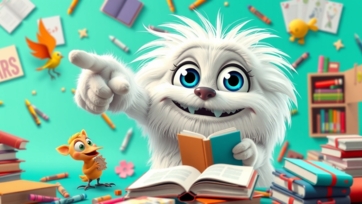
Booba is one of the most popular cartoon characters among young children across the world. From toddlers to preschoolers, kids are instantly drawn to his funny expressions, playful actions, and curious nature. But what exactly makes Booba so appealing to children? The answer lies not just in animation or humor, but in child psychology.

In this article, we explore the psychological reasons why kids love Booba, how his behavior matches early childhood development, and why parents see such strong engagement when children watch Booba episodes.


1. No Language Barrier: Perfect for Young Minds:

One of the strongest psychological reasons behind Booba’s popularity is that he does not speak.

Children aged 2–6 years process the world mainly through:

  • Visual cues

  • Facial expressions

  • Body movement

Booba communicates entirely through sounds, gestures, and exaggerated reactions. This matches how young children naturally understand emotions before language fully develops.

Psychological Impact

  • Reduces cognitive load

  • Improves emotional recognition

  • Makes content universal and easy to understand

Kids don’t need explanations — they feel the story.


2. Exaggerated Facial Expressions Attract Attention:

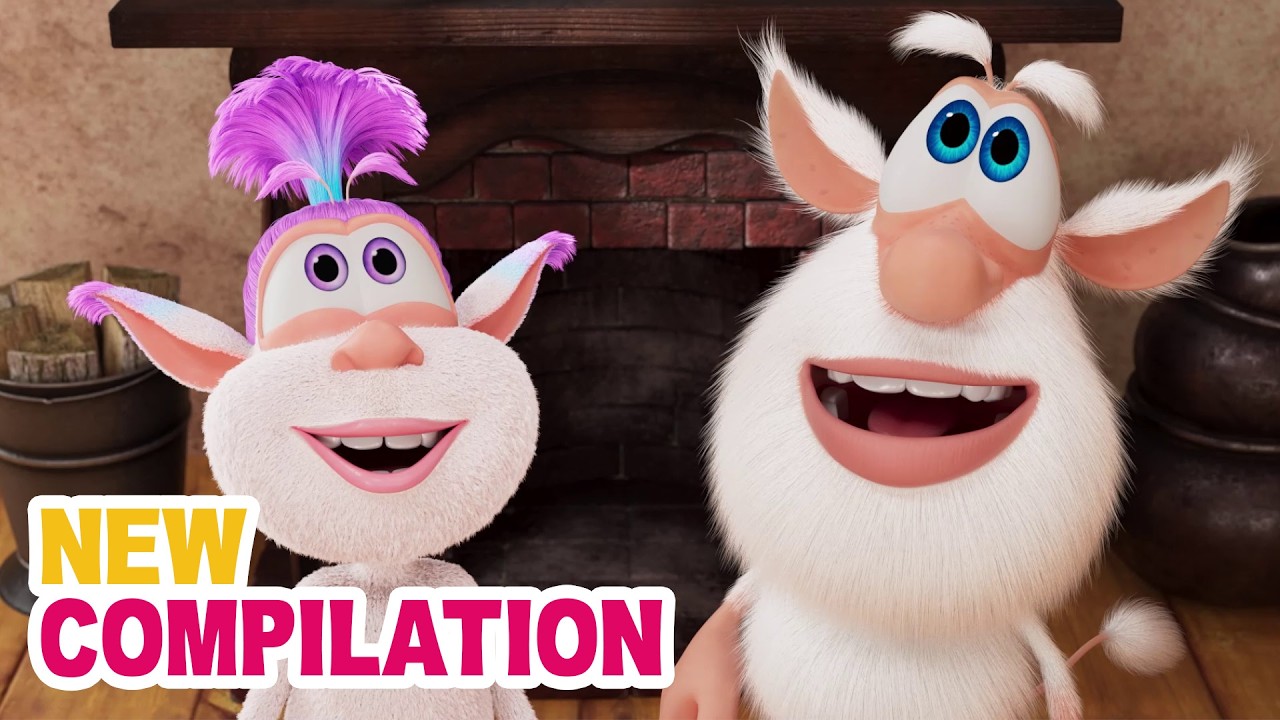
Children are naturally attracted to big eyes, wide mouths, and dramatic expressions. Booba’s character design is built exactly around this principle.

Why This Works

  • Large eyes help babies and toddlers focus

  • Clear emotions help kids identify feelings

  • Over-reaction feels funny and safe

From a psychological point of view, exaggerated expressions help children:

  • Learn emotions faster

  • Stay engaged longer

  • Feel emotionally connected

This is why kids often laugh even before understanding what is happening.


3. Curiosity Matches a Child’s Natural Behavior:

Booba behaves exactly like a child exploring the world for the first time. He touches everything, opens drawers, presses buttons, and experiments without fear.

This mirrors early childhood curiosity, where children learn through trial and error.

Psychological Connection

Children see themselves in Booba:

  • “He is like me”

  • “I do that too”

  • “I want to explore like him”

This creates instant emotional bonding, which is why kids keep returning to Booba episodes.


4. Safe Chaos Without Fear:

Booba creates mess, chaos, and funny accidents — but nothing bad ever happens.

From a child psychology perspective, this is extremely important.

Kids enjoy:

  • Falling

  • Slipping

  • Funny mistakes

But only when:

  • There is no pain

  • No danger

  • No scary consequences

Booba provides controlled chaos, allowing children to laugh freely without stress or fear.


5. Short Attention-Span Friendly Episodes:

Young children have a very limited attention span. Booba episodes are usually short, fast-paced, and visually rich.

Psychological Benefits

  • Prevents boredom

  • Reduces overstimulation

  • Keeps dopamine levels balanced

Quick actions, constant movement, and visual surprises keep the child’s brain engaged without exhaustion.


6. Repetition Creates Comfort:

Children love watching the same episode again and again. Booba’s predictable structure helps with this.

Psychologically, repetition:

  • Builds emotional safety

  • Increases memory development

  • Reduces anxiety

Kids feel comfortable knowing:

  • What kind of fun to expect

  • That nothing scary will happen

This is why children often demand the same Booba episode repeatedly.


7. Bright Colors Stimulate the Brain:

Booba episodes use bright, high-contrast colors, which are scientifically proven to attract young viewers.

Color Psychology for Kids

  • Red & yellow increase excitement

  • Blue creates trust

  • Green adds balance

  • High contrast improves focus

These colors stimulate the visual cortex and keep kids emotionally engaged.


8. Booba Encourages Independent Thinking:

Booba does not tell children what to think or feel. There is no narration explaining lessons.

This allows children to:

  • Observe

  • Interpret

  • Think independently

Psychologists call this active viewing, which improves:

  • Cognitive development

  • Decision-making

  • Observation skills

Kids feel smarter because they “figure things out” themselves.


9. Positive Emotions Only:

Booba’s world is filled with:

  • Joy

  • Surprise

  • Curiosity

  • Laughter

There is no anger, fear, or sadness lasting long. For children, this emotional environment feels safe and comforting.

This is why parents notice:

  • Calm behavior

  • Happy mood

  • Reduced screen-time tantrums

after watching Booba.


10. Booba Builds Emotional Confidence:

When kids see Booba:

  • Failing

  • Falling

  • Trying again

They learn that:

  • It’s okay to make mistakes

  • Trying again is normal

  • Learning can be fun

This builds emotional resilience, an important psychological skill for early childhood.


Why Parents Notice Strong Attachment:

Parents often report that children:

  • Laugh louder at Booba

  • Watch attentively

  • Ask for Booba again

This happens because Booba meets core psychological needs:

  • Safety

  • Curiosity

  • Joy

  • Exploration

Very few cartoons achieve this balance.


Final Thoughts:

Kids love Booba not just because he is funny, but because he is psychologically designed for early childhood development. His silent communication, bright colors, exaggerated emotions, and curiosity-driven adventures perfectly match how young brains learn and feel.

Booba is a powerful example of how entertainment, psychology, and education can come together — making him one of the most loved kids’ cartoon characters worldwide.
Advertisement
Best Cartoon Stories About Family and Love
Family and love are central to a child’s early development. In 2025, cartoon stories about family and love have become a favorite tool for parents to teach toddlers and preschoolers the importance of relationships, empathy, and emotional connection. These animated stories combine vivid visuals, engaging characters, and gentle storytelling to help children understand love, respect, and the value of family bonds. This guide explores the benefits of family-themed cartoons, highlights the top series for 2025, and provides tips for parents to reinforce these lessons in daily life. Why Family and Love Cartoons Matter: Children learn social and emotional skills by observing behaviors, and family-focused cartoons provide: Understanding of relationships: Shows positive interactions between family members. Emotional intelligence: Teaches children to recognize and express feelings. Empathy and compassion: Characters model care, patience, and kindness. Safe storytelling: Age-appropriate scenarios with no violence or adult themes. Role models: Illustrates healthy communication, respect, and cooperation. By combining entertainment with moral lessons, these cartoons help children build a strong emotional foundation. Key Lessons in Family and Love Cartoons: Respect for Family Members Encourages listening, sharing, and helping parents, siblings, and grandparents. Showing Love and Affection Hugs, kind words, and caring actions model positive emotional expression. Problem-Solving Together Family members work together to overcome challenges, teaching teamwork. Gratitude and Appreciation Shows children how to value and thank family members. Conflict Resolution Gentle guidance on managing disagreements and fostering understanding. Top Cartoon Stories About Family and Love in 2025: 1. The Family Tree Adventures: A popular series where family members go on adventures and solve problems together, teaching children the importance of unity and support. Highlights: Focuses on family bonding and teamwork Engaging and colorful animations for toddlers Age-appropriate moral lessons about love and cooperation 2. Booba’s Family Fun: Booba interacts with family-like characters, learning lessons about sharing, helping, and expressing affection. Why it’s popular: Non-verbal storytelling suitable for all languages Teaches social and emotional skills through playful actions Short episodes ideal for young children’s attention spans 3. Little Hearts Club: Animated mini-stories that show children helping their families, expressing love, and supporting friends. Key lessons: Empathy and compassion Cooperation and problem-solving Celebrating love and gratitude 4. Animal Families Tales: Animal characters model family dynamics, teaching children how family members care for and support each other. Learning highlights: Introduces concepts of sibling care and parent-child interaction Emotional lessons embedded in fun storytelling Encourages children to show love and empathy in real life 5. Super Simple Family Songs: Animated songs focus on family, love, and gratitude, reinforcing moral lessons through music. Benefits: Encourages participation through singing and dancing Helps toddlers remember positive behaviors Combines education, music, and gentle humor How Parents Can Reinforce Lessons: Parents can enhance learning from family and love cartoons by: Watching together: Pause to discuss feelings and interactions. Practice affection: Encourage hugs, kind words, and helping behaviors. Repeat favorite stories: Reinforces emotional lessons. Relate to real-life situations: Show children how lessons apply at home. Use creative play: Role-play family situations to teach empathy and cooperation. Praise positive behavior: Encourage children when they show love and respect. Recommended Cartoon Stories About Family and Love: The Family Tree Adventures – Adventures emphasizing bonding and teamwork Booba’s Family Fun – Observation-based lessons on sharing and affection Little Hearts Club – Mini-stories teaching empathy and problem-solving Animal Families Tales – Animal-themed family lessons Super Simple Family Songs – Musical reinforcement of love and gratitude These cartoons are safe, engaging, and educational, helping children understand relationships, develop empathy, and value family bonds. Final Thoughts: Cartoon stories about family and love are more than just entertainment—they are tools for emotional and social development. In 2025, animated series help children learn: How to express love and gratitude How to resolve conflicts and cooperate with family How to develop empathy and positive social skills Parents can enhance learning by: Watching and discussing episodes together Practicing real-life applications of lessons Encouraging creative and empathetic play With the right family-themed cartoons, children develop emotional intelligence and appreciation for loved ones while enjoying safe, colorful, and heartwarming stories. Tip for Parents: Encourage children to draw or act out scenes showing family love, which reinforces creativity, comprehension, and emotional expression.
Top Cartoons Similar to Playful Cartoon Characters Kids Will Love
Kids love funny, curious, and colorful animated characters. Many children who enjoy one playful cartoon are often drawn to similar shows that combine humor, creativity, and learning. This guide highlights top cartoons similar to playful animated characters, helping parents choose age-appropriate, engaging, and educational content for children aged 3–8. Why Kids Love Playful Cartoons: Bright Colors and Fun Animations: Eye-catching visuals keep kids engaged. Expressive Characters: Funny faces and exaggerated actions appeal to young viewers. Simple Stories: Easy-to-follow plots help children understand cause and effect. Humor and Slapstick Comedy: Silly antics make learning fun. Positive Lessons: Episodes often teach friendship, creativity, problem-solving, and empathy. Top Cartoons Similar to Playful Characters: 1. Pip and Pop Adventures Focuses on curious, playful creatures exploring their world. Teaches problem-solving, cooperation, and curiosity. 2. Tiny Tales Short, humorous episodes perfect for toddlers. Highlights colors, numbers, and shapes with visual storytelling. 3. Happy Critters Club Group of animal friends engaging in funny adventures. Encourages friendship, sharing, and teamwork. 4. Momo’s Magical World Combines fantasy, humor, and educational content. Episodes promote creativity, imagination, and storytelling. 5. Fuzzy Friends Fun Focuses on curiosity, exploration, and learning through play. Teaches basic concepts like shapes, letters, and problem-solving. 6. Giggle Garden Outdoor adventures with playful characters. Encourages observation skills, nature awareness, and imagination. Tips for Parents Choosing Cartoons: Check Age Appropriateness: Ensure content is suitable for your child’s age. Mix Education with Entertainment: Look for shows with learning opportunities and fun stories. Watch Together: Co-viewing promotes discussion, comprehension, and bonding. Encourage Activities Post-Episode: Drawing, crafts, or role-play extends learning. Monitor Screen Time: Balance viewing with offline activities, outdoor play, and reading. Benefits of Watching Similar Cartoons: Creativity and Imagination: Inspires storytelling, drawing, and role-play. Social Skills: Characters model friendship, sharing, and empathy. Cognitive Skills: Episodes teach problem-solving, observation, and sequencing. Emotional Understanding: Helps children recognize feelings and emotions. Final Thoughts: Children who enjoy playful cartoon characters can benefit from exploring similar animated shows. By choosing age-appropriate, entertaining, and educational cartoons, parents can enhance creativity, learning, and social skills, while keeping screen time fun and safe.
20 Booba-Inspired Indoor Games for Kids
Booba’s playful, curious, and energetic adventures are perfect inspiration for indoor games. Kids can recreate Booba’s fun, safe, and chaotic play at home, keeping them entertained while boosting creativity, motor skills, and problem-solving abilities. In this guide, we present 20 Booba-inspired indoor games for kids, suitable for ages 3–7, that combine fun, learning, and physical activity. 1. Balloon Chase Adventure: Inflate colorful balloons and have kids chase and catch them, just like Booba chasing floating objects. Benefits: Improves coordination and gross motor skills. 2. Booba’s Treasure Hunt: Hide small toys around a room and give children simple clues to find them. Benefits: Encourages problem-solving and observation. 3. Obstacle Climb: Set up pillows, chairs, and soft blocks for kids to climb over and crawl under safely, mimicking Booba’s adventurous movements. Benefits: Enhances balance, agility, and spatial awareness. 4. Toy Sorting Race: Give kids a pile of toys and ask them to sort them by color or type as quickly as possible. Benefits: Improves attention to detail and categorization skills. 5. Booba Freeze Dance: Play fun music and have kids dance like Booba. When music stops, they must freeze in a silly pose. Benefits: Boosts motor control, rhythm, and listening skills. 6. Pillow Mountain Jump: Build a small pillow mountain and let kids jump from one pillow to another, safely. Benefits: Enhances coordination, balance, and fun risk-taking. 7. Bubble Popping Challenge: Blow bubbles and let kids pop them before they touch the floor. Benefits: Improves hand-eye coordination and focus. 8. Indoor Slide Adventure: Use a small indoor slide or create one with cushions, letting kids slide down safely, like Booba’s playful antics. Benefits: Encourages gross motor skills and balance. 9. Stuffed Animal Parade: Children line up stuffed toys and parade them around, imitating Booba interacting with soft toys. Benefits: Promotes imaginative play and organization. 10. Booba’s Puzzle Challenge: Use simple floor puzzles and let kids assemble them quickly. Benefits: Improves problem-solving, spatial awareness, and patience. 11. Balloon Volleyball: Kids hit a balloon back and forth without letting it touch the ground. Benefits: Boosts coordination, teamwork, and timing. 12. Color Hunt Adventure: Call out a color, and children must find an object of that color around the room quickly. Benefits: Teaches color recognition and observation. 13. Indoor Bowling: Set up empty plastic bottles and roll a soft ball to knock them down. Benefits: Improves aim, coordination, and gross motor skills. 14. Booba Says (Simon Says): Play “Booba Says” with silly actions like “jump like Booba” or “crawl like Booba.” Benefits: Encourages listening, attention, and imaginative movement. 15. Indoor Hopscotch: Use masking tape to create a hopscotch grid on the floor. Children jump through the squares like Booba navigating obstacles. Benefits: Enhances balance, motor skills, and number recognition. 16. Toy Rescue Mission: Place small toys in hard-to-reach areas and have children retrieve them safely. Benefits: Encourages problem-solving and strategic thinking. 17. Indoor Balloon Maze: Use chairs and cushions to create a maze. Kids must navigate while carrying a balloon without dropping it. Benefits: Promotes balance, coordination, and planning. 18. Booba’s Funny Faces Contest: Kids imitate funny Booba expressions and actions in front of a mirror. Benefits: Enhances creativity, emotional recognition, and self-expression. 19. Treasure Toss Game: Set up containers and let kids toss soft toys or bean bags into them. Benefits: Improves hand-eye coordination and precision. 20. Indoor Adventure Storytelling: Encourage children to create their own Booba-inspired indoor adventure stories using toys, cushions, and props. Benefits: Boosts imagination, storytelling skills, and cooperative play. Why Parents Love Booba-Inspired Games: Parents appreciate these games because they: Keep kids physically active indoors Develop cognitive, social, and motor skills Encourage creative and imaginative play Provide safe chaos similar to Booba episodes These games are perfect for rainy days, small apartments, or structured playtime. Final Thoughts: Booba-inspired indoor games combine the fun and chaos of Booba episodes with valuable learning experiences. Kids can improve motor skills, problem-solving, creativity, and social interaction while laughing, exploring, and having safe, indoor adventures. Whether it’s balloon chasing, obstacle climbing, or imaginative storytelling, these 20 games make Booba’s playful world come alive at home.
Colors & Shapes Kids Learn from Cartoons
Cartoons are one of the most powerful learning tools for young children. Beyond entertainment, animated shows play an important role in teaching basic concepts like colors and shapes. Because cartoons combine bright visuals, movement, and repetition, they help children understand and remember information easily. Learning colors and shapes through cartoons feels natural and fun, especially during early childhood when visual learning is strongest. Children are naturally drawn to colorful animations and simple shapes. When these elements are presented in engaging stories, kids learn without realizing that they are learning. This makes cartoons an effective method for early education and brain development. Why Colors and Shapes Are Important for Early Learning: Colors and shapes are among the first concepts children learn. These basics support many other skills, including reading, writing, math, and problem-solving. Understanding colors helps children describe the world around them, while shapes help them recognize patterns and objects. Learning colors and shapes improves: Visual recognition Memory and attention Language and vocabulary Early math skills Hand-eye coordination Cartoons present these concepts in a simple and enjoyable way that matches a child’s natural learning style. How Cartoons Teach Colors Effectively: Cartoons use bright, contrasting colors that instantly grab a child’s attention. Characters, objects, and backgrounds are often color-coded, making it easy for kids to identify and remember different colors. For example, a cartoon character might say “This is a red ball” while holding a red object. The combination of visual cues and spoken words helps children connect color names with real objects. Cartoons also use repetition. Colors appear again and again in different scenes, which strengthens memory and understanding over time. Learning Shapes Through Visual Storytelling: Shapes are everywhere in cartoons. Characters are often made from simple shapes like circles, squares, and triangles. Buildings, vehicles, and everyday objects are also shown using basic shapes. When children see these shapes repeatedly, they begin to recognize them in real life. For instance, a cartoon may show a round sun, a square house, or a triangular roof. This helps children understand that shapes are part of the world around them. Visual storytelling makes shape learning effortless and enjoyable. Role of Repetition in Color and Shape Recognition: Repetition is key in early childhood education. Cartoons naturally repeat colors and shapes through songs, dialogues, and scenes. This repetition helps children remember what they see and hear. Songs about colors or shapes are especially effective. When children sing along, they actively participate in the learning process, which improves retention and understanding. Over time, kids start naming colors and shapes confidently without guidance. How Cartoons Improve Vocabulary Related to Colors and Shapes: Learning colors and shapes also expands a child’s vocabulary. Children learn words like bright, dark, round, flat, big, small, and more. These descriptive words help kids express themselves clearly. Cartoons often encourage children to describe what they see. For example, a character might ask, “What shape is this?” This interaction motivates children to think and respond, improving both vocabulary and confidence. Benefits of Learning Colors and Shapes from Cartoons: Learning through cartoons offers several benefits: Makes learning fun and stress-free Supports visual and cognitive development Improves attention span Encourages curiosity and exploration Builds a strong foundation for school learning Because cartoons are engaging, children stay focused longer and absorb information more effectively. How Parents Can Support Learning at Home: Parents can enhance learning by actively engaging with children during and after cartoon time. Simple steps can make a big difference: Talk about the colors and shapes shown in cartoons Ask children to point out shapes and colors around the house Use toys, books, and drawing activities related to what they watched Encourage children to name colors and shapes aloud These activities help children apply what they learn from cartoons to real life. Choosing the Right Cartoons for Learning: Not all cartoons are educational. Parents should choose shows that use clear visuals, simple language, and positive messages. Educational cartoons designed for preschool and early learners are most effective for teaching colors and shapes. Avoid shows with overly fast scenes or dark visuals, as they may confuse young children. Long-Term Impact of Learning Through Cartoons: Children who learn colors and shapes early develop stronger academic skills later. These basics help with reading comprehension, math concepts, and problem-solving. By learning through cartoons, children also develop a positive attitude toward learning. They begin to see education as fun rather than difficult. Conclusion: Colors and shapes kids learn from cartoons play a crucial role in early childhood development. Through bright visuals, repetition, and engaging storytelling, cartoons help children understand and remember basic concepts effortlessly. When used wisely, cartoons become more than entertainment. They turn screen time into a valuable learning experience that supports cognitive growth, language development, and early education. With the right balance and guidance, cartoons can lay a strong foundation for a child’s lifelong learning journey.
Booba Crafts for Preschoolers
Booba is a playful, curious, and visually engaging character that sparks creativity and imagination in young children. For preschoolers, crafting activities inspired by Booba are not only fun but also educational, promoting fine motor skills, creativity, and problem-solving. In this guide, we explore easy and engaging Booba crafts for preschoolers, designed for children aged 3–5, suitable for home, preschool classrooms, or daycare centers. Why Booba Crafts Are Perfect for Preschoolers: Visual Engagement: Booba’s expressive eyes, fluffy body, and exaggerated actions captivate young children. Simple Designs: Easy shapes and bold outlines are ideal for preschool-level crafts. Hands-On Learning: Cutting, gluing, and coloring enhance fine motor development. Imaginative Play: Crafting Booba characters allows role-play and storytelling. Top Booba Craft Ideas for Preschoolers: 1. Booba Paper Mask Materials: Printable Booba template, cardstock, crayons, child-safe scissors, elastic string Activity: Color, cut, and assemble a Booba mask Learning: Enhances motor skills, creativity, and role-play 2. Booba Hand Puppets Materials: Paper bags, markers, glue, colored paper Activity: Decorate bags to create Booba puppets Learning: Encourages storytelling, imaginative play, and social interaction 3. Booba Coloring Sheets Materials: Printable coloring pages, crayons, colored pencils Activity: Color Booba in different scenes Learning: Improves hand-eye coordination, color recognition, and focus 4. Booba Balloon Art Materials: Balloons, markers, colored paper Activity: Draw Booba faces on balloons Learning: Enhances creativity and visual expression 5. Booba Paper Plate Craft Materials: Paper plates, glue, colored paper, crayons Activity: Make Booba’s face on a plate Learning: Teaches shapes, textures, and spatial awareness 6. Booba Collage Materials: Scrap paper, magazines, glue, markers Activity: Cut and paste shapes to recreate Booba’s adventures Learning: Boosts creativity, observation, and fine motor skills 7. Booba Finger Puppets Materials: Felt, glue, markers Activity: Create small Booba finger puppets for storytelling Learning: Encourages role-playing, storytelling, and hand dexterity 8. Booba Origami Materials: Colored paper Activity: Fold paper to make Booba or related objects Learning: Enhances spatial reasoning, sequencing, and fine motor skills 9. Booba Craft Stick Characters Materials: Popsicle sticks, markers, glue, colored paper Activity: Make Booba and friends on sticks for imaginative play Learning: Promotes creative thinking and storytelling 10. Booba Sensory Bottles Materials: Clear plastic bottles, glitter, small Booba figures, water Activity: Fill bottles with water and decorations for visual play Learning: Encourages focus, sensory exploration, and calm play Educational Benefits of Booba Crafts: Fine Motor Skills: Cutting, coloring, and gluing improve hand strength and coordination. Creativity & Imagination: Children interpret Booba’s adventures in their own way. Cognitive Development: Planning craft steps encourages problem-solving and sequencing. Social Skills: Craft activities in groups teach sharing, cooperation, and communication. Emotional Expression: Recreating Booba’s expressions helps children explore feelings. Tips for Parents and Educators: Supervise cutting and gluing activities for safety. Encourage children to narrate stories while crafting. Rotate crafts for variety: masks, puppets, and coloring activities. Display finished crafts to boost confidence and motivation. Use Booba episodes as inspiration to connect crafts with storytelling. Final Thoughts: Booba crafts are a perfect combination of fun and education for preschoolers. Through hands-on activities like masks, puppets, coloring, and collages, children develop fine motor skills, creativity, imagination, and social abilities. Integrating Booba-inspired crafts into playtime or preschool activities ensures that learning and fun happen simultaneously.
YouTube Premium vs. YouTube Kids – What’s Better for Your Child in 2026?
The YouTube ecosystem offers two primary pathways for families: the ad-free, feature-rich YouTube Premium and the walled-garden, curated YouTube Kids. Choosing between them isn't about finding the single "best" option, but about matching the right tool to your family's specific values, your child's age, and your parenting style. This 2026 guide breaks down each service to help you make an informed decision for your digital household. The Core Philosophy: Two Different Approaches : YouTube Kids is a controlled environment. It's a separate app/platform designed from the ground up for children, with heavy human and algorithmic curation, simplified controls, and a commitment to being "family-friendly." YouTube Premium is an enhancement tool for the main YouTube platform. It doesn't change what is available, but it removes ads and unlocks features. Its use for children depends entirely on your own active supervision and parental controls. Let's compare them across the key dimensions that matter to parents. Content Library & Curation: Safety vs. Breadth : YouTube Kids: Pros: Features a severely restricted library of videos deemed appropriate for children by a mix of automated filters, human reviewers, and partner channels. It offers three age-based content settings (Preschool, Younger, Older) to tailor the experience. The chance of encountering blatantly inappropriate content is very low. Cons: The library can feel limited, especially for older, curious kids. Some parents have noted "edutainment" content that is overly commercialized or of low educational value slipping through. It can also block genuinely useful, child-appropriate content from the main site. YouTube Premium (on a Supervised Account): Pros: Grants access to the entire universe of YouTube, including educational channels, hobby tutorials, family vloggers, and music. With your careful supervision and channel subscriptions, you can build a rich, personalized learning feed. Cons: The "algorithm" is designed for general audiences, not children. Without extreme vigilance, it can easily recommend increasingly mature, commercialized, or sensational content. The burden of curation falls 100% on you. Winner for Content Safety: YouTube Kids.Winner for Content Breadth & Customization: YouTube Premium (with hands-on parenting). Advertisements & Commercialism: The Ad-Free Promise : YouTube Kids: Pros: It does have ads, but they are supposedly vetted to be appropriate for children and are limited in number. There are no display or overlay ads. Cons: Ads are still present. The line between content and advertising can be blurry, with channels dedicated to unboxing toys or video game promotions feeling inherently commercial. YouTube Premium: Pros: It removes all video ads across all of YouTube. This is its core feature. For a child using the main site, this eliminates interruptions, pre-roll ads for inappropriate products, and reduces the manipulative "clickbait" cycle fueled by ad revenue. Cons: It does not remove integrated product placements or sponsorships within the videos themselves. Winner for Ad Experience: YouTube Premium. An ad-free experience is profoundly different and removes a major vector of commercial pressure and inappropriate exposure. Features & Parental Controls: Built-in vs. DIY : YouTube Kids: Pros: Offers straightforward parental controls: passcode-locked settings, timer limits, the ability to block specific videos or channels, and content level selection. The interface is simple for a child to navigate. Cons: Controls can feel broad-stroke. The "Approved Content Only" mode requires you to hand-pick every single channel and video—a time-intensive process. YouTube Premium (with Google Family Link): Pros: When combined with a Supervised Google Account (managed via Family Link), you get powerful, granular controls for the main YouTube app: you can restrict the child to only watch videos you approve, or limit them to content rated for "9+." You can also set time limits and monitor watch history. Cons: This setup is more complex to configure. The "approved content only" mode is similarly labor-intensive. The main YouTube interface remains complex and tempting. Winner for Ease of Use & Built-In Safety: YouTube Kids.Winner for Granular Control (for tech-savvy parents): YouTube Premium + Supervised Account. Cost & Value Analysis : YouTube Kids: Free. It is a no-cost product. YouTube Premium: Paid Subscription. Requires a monthly fee. However, a YouTube Premium Family plan can cover up to 5 family members (all sharing the ad-free benefit) and includes YouTube Music Premium. Winner on Cost: YouTube Kids.Winner on Family-Wide Value: YouTube Premium Family (if you want ad-free YouTube and music for everyone). The Verdict: Which Service is "Better"? The answer depends entirely on your child's age and your desired level of involvement. Choose YouTube Kids If: Your child is between 3 and 8 years old. You want a "set it and mostly forget it" level of safety. You are comfortable with its curated, limited library. Your primary goal is to avoid explicit inappropriate content with minimal effort. Choose YouTube Premium (with a Supervised Account) If: Your child is 9 years or older and has specific, mature educational interests (e.g., advanced science tutorials, historical documentaries, creative software guides). You are committed to co-viewing and actively building playlists/channel subscriptions together. You want to completely eliminate video ads for your child. You already want Premium for your own use and can add them to a Family plan. The 2026 Expert Recommendation: A Phased Hybrid Approach : The most effective strategy often uses both tools at different stages. Ages 3-7: Start with YouTube Kids. This is the default, safe sandbox. Use it to establish good habits. Supplement with high-quality content from dedicated platforms like boobacartoon.com for storytelling and learn.universitiesforllm.com for structured lessons. Ages 8-10: Transition with Premium + Supervision. As their needs outgrow YouTube Kids, create a Supervised Google Account. Use the "Approved Content Only" mode on the main YouTube app. This is labor-intensive but allows you to add specific educational channels. A YouTube Premium subscription here is highly recommended to strip out ads. Ages 11+: Guided Independence with Premium. Move to a less restrictive supervised level (like "Explore More") but maintain time limits and regular check-ins of watch history. Continue to have conversations about algorithm awareness and critical thinking. Always maintain the ad-free benefit of Premium. The Bottom Line:YouTube Kids is a safer, simpler product for children.YouTube Premium is a more powerful tool for parents who are willing to be highly engaged media mentors. In 2026, the best choice is the one that aligns with your active parenting, not the one that promises passive peace of mind.
How This Playful Silent Cartoon Character Helps Kids Learn Without Talking
Silent animated characters are beloved by children for their funny expressions, exaggerated movements, and playful antics. Surprisingly, these characters are not just entertaining—they can actively support early childhood learning even without dialogue. In this guide, we explore how watching silent cartoon characters can help kids develop skills like observation, creativity, problem-solving, and emotional understanding. Why Silent Cartoon Characters Are Effective for Learning: Visual Storytelling: Actions, expressions, and gestures communicate the story without words. Focus on Observation: Children pay close attention to details like facial expressions, movements, and objects. Universal Understanding: Without language barriers, kids of all backgrounds can understand and enjoy the content. Promotes Imagination: Children interpret what is happening and often create their own explanations or stories. Cognitive Benefits for Kids: Problem-Solving: Watching characters solve challenges encourages children to think critically and find solutions. Sequencing Skills: Following a series of events helps children understand order, cause and effect, and logic. Attention & Focus: Visual cues require children to pay attention to details, improving concentration. Activity Tip: Ask children to recreate the scenes with toys or drawings, reinforcing memory and sequencing skills. Social & Emotional Benefits: Emotional Recognition: Children learn to identify emotions through exaggerated facial expressions and gestures. Empathy: Observing characters in different situations helps kids understand feelings and reactions. Conflict Resolution: Silent characters often face problems and solve them peacefully, modeling positive behavior. Creative and Imaginative Play: Children naturally imitate gestures and actions, turning watching time into physical play. Inspired by silent characters, kids often draw, craft, or act out their own adventures, enhancing creativity. Parents can combine episodes with storytelling or role-play, turning passive viewing into active learning. Tips for Parents to Maximize Learning: Encourage Storytelling: Ask kids to narrate what happened using their own words. Use Props: Provide toys, craft materials, or masks to act out scenes. Observe Together: Discuss the characters’ actions and emotions with children. Combine With Learning: Introduce counting, colors, or shapes seen in the scenes. Keep Screen Time Balanced: Limit episodes to 20–30 minutes for younger children and follow with active play. Why Silent Cartoons Are Ideal for Young Learners: Universal Appeal: Language-free content can be enjoyed by children worldwide. Enhanced Imagination: Kids fill in dialogue and create stories, boosting narrative skills. Safe Learning Tool: No complex dialogues or inappropriate content makes it suitable for preschoolers. Interactive Potential: Parents and teachers can extend lessons using crafts, drawing, or role-play. Final Thoughts: Silent animated characters are more than just entertaining—they provide a platform for active learning, observation, creativity, and emotional growth. By engaging with the content thoughtfully and integrating hands-on activities, parents and educators can maximize the developmental benefits of these playful cartoons.
Why Playful Cartoon Characters Are Different from Other Kids’ Cartoons
Not all cartoons are created equal. Some animated shows are just for laughs, while others combine humor, creativity, and educational value. Playful cartoon characters stand out because they entertain while subtly teaching lessons, encouraging imagination, and engaging children in meaningful ways. This guide explains why playful cartoon characters are unique and how they benefit children aged 3–8 compared to other kids’ cartoons. 1. Unique Style and Expression: Visual Appeal: Playful characters often have exaggerated expressions, vibrant colors, and quirky designs. Non-Verbal Storytelling: Many actions and expressions convey emotions and humor without words, making them accessible to children of all language backgrounds. Distinct Animation Style: Fluid, dynamic movement keeps kids engaged and entertained. 2. Humor with Positive Lessons: Unlike some cartoons that rely solely on slapstick, playful characters mix humor with subtle learning. Episodes often teach problem-solving, sharing, curiosity, and empathy. Children laugh while learning, reinforcing cognitive and social skills. 3. Encourages Creativity and Imagination: Playful characters inspire children to draw, craft, role-play, and create stories. Episodes often feature fantastical scenarios that encourage imaginative thinking. Children learn to experiment and explore in both play and daily life. 4. Cross-Cultural Appeal: Minimal or no dialogue makes these cartoons universally understandable. Children from different cultures can enjoy, interpret, and learn from the visual storytelling. Promotes inclusivity and cultural understanding at an early age. 5. Interactive Learning Opportunities: Episodes can be used as storytelling prompts, drawing exercises, or role-play scenarios. Children are encouraged to retell stories, invent new endings, or act out scenes, enhancing language, creativity, and critical thinking skills. Unlike some cartoons, playful characters invite active participation rather than passive viewing. 6. Emotional and Social Development: Characters model empathy, cooperation, and curiosity, helping children understand emotions and relationships. Storylines often show problem-solving and teamwork, reinforcing positive social behavior. Helps children navigate real-life social situations through observation and imitation. Why Parents Prefer Playful Characters: Safe Content: Episodes are typically free of inappropriate violence or language. Educational Value: Combines learning with entertainment naturally. Creative Engagement: Encourages drawing, crafts, and storytelling. Easy Understanding: Non-verbal cues make it accessible to younger children. Universal Appeal: Children of all languages and backgrounds can enjoy and learn. Final Thoughts: Playful cartoon characters are more than just entertainment. They are interactive, educational, and imaginative, offering lessons in social skills, problem-solving, and creativity. Unlike other kids’ cartoons, they engage children actively, making learning fun, memorable, and globally accessible.