How to Create a Booba Treasure Hunt at Home

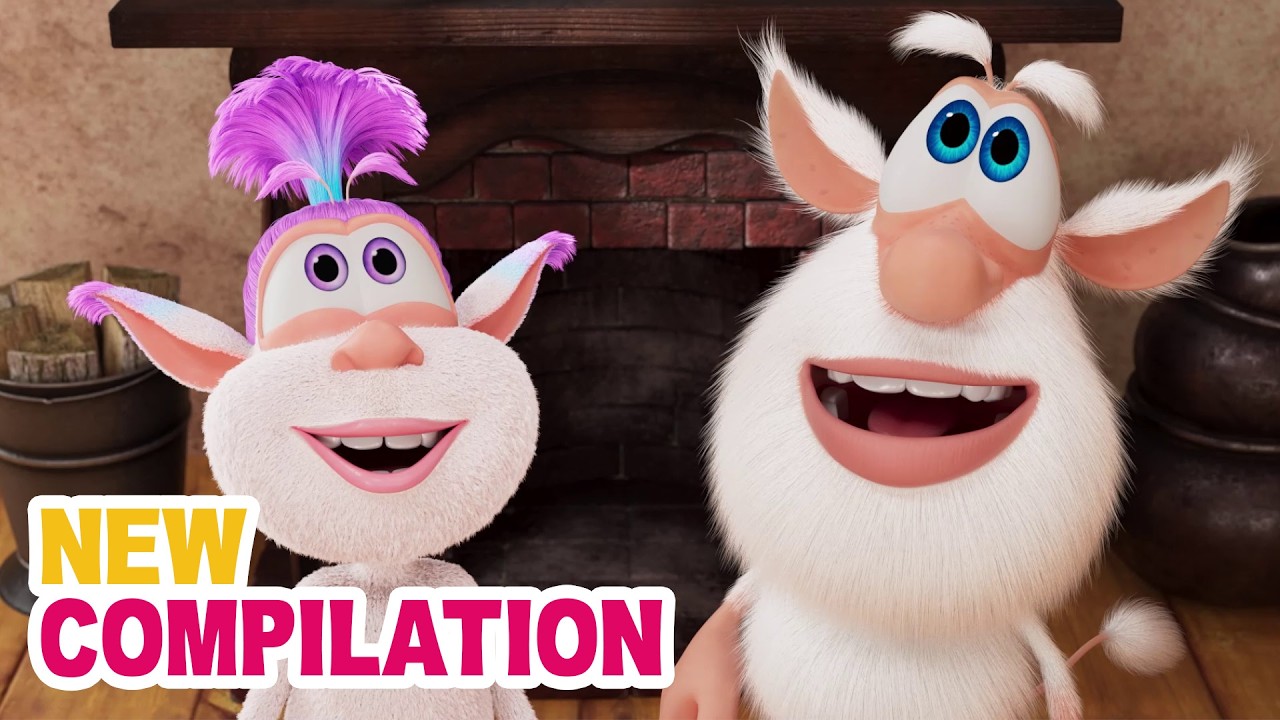
A Booba treasure hunt is a fun, interactive, and educational activity for children. Inspired by Booba’s playful adventures, this activity encourages problem-solving, creativity, teamwork, and physical activity. Setting up a Booba-themed treasure hunt at home is easy, safe, and provides hours of entertainment for kids aged 3–8.

This guide explains step-by-step how to create a Booba treasure hunt, along with tips for making it educational and exciting.


Why Booba Treasure Hunts Are Perfect for Kids:

  1. Engaging and Fun: Booba’s playful personality makes kids excited to participate.

  2. Educational: Develops problem-solving, observation, and critical thinking skills.

  3. Physical Activity: Encourages children to move around safely indoors or in the backyard.

  4. Teamwork & Social Skills: Promotes cooperation when children play together.


Materials Needed:

  • Booba-themed clues or cards (printable or handmade)

  • Small toys, treats, or Booba-themed items for treasures

  • Baskets or containers for collecting treasures

  • Paper, markers, and crayons for clues

  • Optional: Booba masks or plush toys for added fun


Step-by-Step Guide to Creating a Booba Treasure Hunt:

1. Plan the Treasure Hunt Area

  • Choose a safe space indoors or in the backyard.

  • Identify locations for hiding clues: under pillows, behind doors, near toys, or in containers.

  • Make sure hiding spots are accessible and safe for children.

Educational Tip: Discuss spatial awareness and location terms (under, behind, next to).


2. Create Booba-Themed Clues

  • Write simple riddles or draw pictorial clues that lead to the next location.

  • Use Booba characters, objects, or favorite items in the clues.

  • Keep clues age-appropriate:

    • Preschoolers: simple picture clues

    • Older children: easy riddles or word clues

Educational Tip: Boosts reading, comprehension, and problem-solving skills.


3. Hide the Clues and Treasure

  • Place clues sequentially, each leading to the next.

  • Hide the treasure at the final location: a small Booba toy, treats, or stickers.

  • Ensure clues are easy to find but still engaging.

Fun Tip: Use bright colors and Booba stickers to make clues visually appealing.


4. Explain the Rules to Children

  • Show children the first clue to start the adventure.

  • Explain they must follow the clues to find the treasure.

  • Encourage teamwork if multiple children are participating.

Educational Tip: Introduces following instructions and sequencing.


5. Participate or Observe

  • Adults can join as helpers or narrators to make the hunt more engaging.

  • Encourage children to solve clues independently or with minimal hints.

  • Celebrate progress at each clue to keep excitement high.

Learning Tip: Teaches perseverance, patience, and logical thinking.


6. Incorporate Mini Challenges

  • Add small tasks at clue locations, such as:

    • Jump like Booba 5 times

    • Draw a Booba character

    • Solve a mini puzzle or riddle

Educational Tip: Combines physical activity, creativity, and cognitive skills.


7. Conclude with a Treasure Reward

  • The treasure can be a Booba toy, a small treat, or a certificate for completing the hunt.

  • Encourage children to share or discuss their favorite parts of the adventure.

Learning Tip: Reinforces positive reinforcement, sharing, and reflection.


Educational Benefits of a Booba Treasure Hunt:

  • Problem-Solving Skills: Clues require logical thinking and reasoning.

  • Observation Skills: Children must notice details in their environment.

  • Fine and Gross Motor Skills: Moving, bending, and reaching enhance coordination.

  • Teamwork and Communication: Group hunts encourage collaboration and discussion.

  • Creativity & Imagination: Booba-themed scenarios make the hunt playful and imaginative.

  • Confidence and Achievement: Completing the treasure hunt boosts self-esteem.


Tips to Make Booba Treasure Hunts More Fun:

  1. Use Multi-Character Themes: Include Booba, Spike, Loola, and Mr. Beak in clues.

  2. Colorful Clues and Treasure: Bright visuals attract children’s attention.

  3. Time Challenges: Add a playful time limit for older children.

  4. Story-Based Hunts: Create a mini adventure story featuring Booba’s quest.

  5. Photo Fun: Let children take photos or record videos of their treasure hunt journey.


Final Thoughts:

Creating a Booba treasure hunt at home is a fun, educational, and interactive activity that children will love. With simple clues, creative tasks, and colorful treasures, kids can enjoy Booba-inspired adventures while developing critical thinking, physical skills, and imagination. This activity is perfect for playdates, weekend fun, or birthday celebrations and ensures a memorable, engaging experience.
Advertisement
Make Your Own Booba Mask – Easy DIY
Booba’s playful and mischievous nature makes him a perfect inspiration for DIY crafts. Making a Booba mask is a fun, creative activity that encourages hands-on learning, imagination, and fine motor skills in children. Whether for a birthday party, Halloween, or just a rainy day activity, DIY Booba masks provide hours of educational fun. In this guide, we will explain how to make a Booba mask easily at home and how to use it for learning and creative play. Why DIY Booba Masks Are Perfect for Kids: Hands-On Creativity: Kids engage in coloring, cutting, and assembling, which fosters creativity. Fine Motor Skills: Cutting, gluing, and decorating strengthen hand-eye coordination. Imaginative Play: Wearing the mask allows children to role-play Booba’s adventures. Safe and Engaging: Uses simple materials that are safe for children aged 3–7. Materials You Will Need: Printable Booba mask template (or draw your own) Thick paper or cardstock Crayons, markers, or colored pencils Scissors (child-safe) Glue or tape Elastic string or ribbon Optional: glitter, stickers, or foam for decoration Step-by-Step Instructions: Step 1: Print or Draw the Template Print a pre-made Booba mask template or draw Booba’s face on cardstock. Make sure the template is large enough to cover the child’s face comfortably. Step 2: Color the Mask Use bright colors to mimic Booba’s playful style. Encourage kids to experiment with colors and patterns. Include details like Booba’s big eyes, fluffy ears, and expressive mouth. Educational Tip: Discuss colors, shapes, and textures while coloring. Step 3: Cut Out the Mask Carefully cut along the edges of the mask. Cut holes for the eyes using child-safe scissors. Educational Tip: Cutting accurately helps develop fine motor control and spatial awareness. Step 4: Attach Elastic or Ribbon Attach elastic or ribbon to each side of the mask with tape or glue. Make sure it fits comfortably around the child’s head. Safety Tip: Elastic should not be too tight to avoid discomfort. Step 5: Add Decorations (Optional) Use glitter, stickers, or foam pieces to decorate. Encourage kids to personalize their Booba mask. Educational Tip: Adding decorations improves creativity and planning skills. Fun Activities With Booba Masks: Once the masks are ready, children can: Role-Play Adventures: Pretend to be Booba exploring kitchens, rooms, or playgrounds. Storytelling: Create mini-adventures or reenact favorite Booba episodes. Group Play: Collaborate with friends or siblings to act out scenes. Indoor Games: Combine masks with indoor games like pillow obstacle courses or balloon chases. Photo Fun: Take photos or make short videos for family albums or classroom projects. Educational Benefits: Making and using Booba masks offers learning opportunities beyond craft skills: Creativity and Imagination: Children interpret Booba’s expressions in their own way. Motor Skills: Coloring, cutting, and assembling strengthen coordination. Problem-Solving: Figuring out mask fit or decoration placement encourages critical thinking. Emotional Expression: Acting out Booba’s adventures teaches empathy and emotional understanding. Social Skills: Collaborative play develops teamwork and communication. Tips for Parents and Educators: Supervise cutting and gluing activities for younger children. Encourage storytelling along with mask-making. Display finished masks to boost confidence and pride. Combine mask-making with Booba episode viewing for thematic play. Rotate activities: one child can be Booba while others play supporting characters. Final Thoughts: Making your own Booba mask is a fun, creative, and educational activity for kids aged 3–7. It allows children to bring Booba’s playful adventures to life, develop fine motor skills, enhance creativity, and engage in imaginative play. Whether done at home or in a classroom, this DIY project is a safe, joyful, and memorable learning experience.
How Much Screen Time Should Kids Have? Expert Guide
Screen time is a major part of modern childhood. With tablets, TVs, and computers, parents often ask: “How much screen time is appropriate for my child?” Understanding recommended limits and guidelines can help children benefit from educational content while avoiding negative effects on health, development, and sleep. This guide presents expert advice on safe screen time limits for children, along with tips for making screen use educational and interactive. Recommended Screen Time by Age: 1. Infants and Toddlers (0–2 years) Experts recommend avoiding screen time except for video calls with family. Focus on hands-on play, reading, and exploration. 2. Preschoolers (3–5 years) Limit screen time to about 1 hour per day of high-quality, educational content. Encourage co-viewing with parents to enhance understanding and engagement. 3. Early School Age (6–12 years) Screen time should be balanced with physical activity, homework, reading, and social interaction. Educational programs, creative apps, and interactive learning tools are preferable. 4. Teenagers (13–18 years) Encourage moderation and healthy habits, balancing screen use with sleep, exercise, and real-world interactions. Limit recreational screen use, especially before bedtime. Tips for Healthy Screen Use: Co-View and Discuss: Watch educational programs with your child and ask questions to enhance learning. Interactive Content: Choose apps, games, or shows that promote creativity, problem-solving, and active thinking. Breaks Are Essential: Encourage a 10–15 minute break every hour to reduce eye strain and maintain attention. Set Screen-Free Zones: Keep mealtime, bedrooms, and outdoor play areas free from screens. Model Healthy Behavior: Children often imitate parents, so limit your own recreational screen time. Benefits of Controlled Screen Time: Educational Value: High-quality programs and apps can teach numbers, letters, languages, and problem-solving skills. Creativity & Imagination: Interactive games, drawing apps, or storytelling programs foster creative thinking. Social Skills: Video calls with relatives or collaborative learning apps help maintain social connections. Digital Literacy: Moderate screen use teaches children responsible and safe technology use. Risks of Excessive Screen Time: Sleep Disruption: Excessive screen time, especially before bedtime, can affect sleep patterns. Behavioral Issues: Too much passive viewing can contribute to short attention span or hyperactivity. Reduced Physical Activity: Sedentary screen time may limit exercise and outdoor play. Social Isolation: Overuse of screens may reduce interaction with peers or family. Creating a Balanced Screen Schedule: Plan Educational and Recreational Use: Allocate time for learning, creative play, and entertainment. Set Daily Limits: Use timers or parental controls if needed. Encourage Offline Activities: Sports, crafts, reading, and outdoor exploration should complement screen time. Observe and Adapt: Watch for signs of fatigue, frustration, or disinterest, and adjust accordingly. Final Thoughts: Screen time is not inherently harmful; it can be educational and fun if carefully monitored. By setting limits, choosing quality content, and encouraging interaction, parents can ensure children benefit from technology while maintaining healthy development.
Learning Videos for Toddlers
Toddlers are naturally curious, and their early years are critical for building foundational skills like language, numeracy, and color recognition. In today’s digital world, fun learning videos have become one of the most effective ways to engage young children in educational activities. Unlike traditional screen time, carefully selected learning videos help toddlers absorb concepts effortlessly while having fun. This guide explores the benefits of fun learning videos, what types of content are most effective, and top video recommendations for teaching ABC, numbers, colors, and more. Parents will also find practical tips for choosing videos that are both entertaining and educational. Why Fun Learning Videos Matter for Toddlers: Toddlers learn best when learning is interactive, colorful, and playful. Videos specifically designed for this age group combine visuals, music, repetition, and storytelling to help children retain information naturally. Key benefits include: Language development: Videos introduce new words, sounds, and phonics. Early math skills: Counting, recognizing numbers, and basic problem-solving. Color and shape recognition: Children learn to identify colors, shapes, and patterns. Cognitive growth: Interactive videos promote memory, observation, and reasoning. Emotional engagement: Cheerful characters and music keep toddlers focused. Safe learning environment: Carefully curated content avoids harmful messaging. The key is that toddlers perceive these videos as fun entertainment, making learning effortless. Top Fun Learning Video Categories for Toddlers: Here are the main types of videos that parents should consider for toddlers: 1. ABC and Phonics Videos: Learning the alphabet is the first step toward language development. Videos focusing on ABCs combine songs, animation, and repetition to reinforce letter recognition and pronunciation. What toddlers learn: Recognize letters A–Z Correct pronunciation Phonics and letter sounds Vocabulary building with animated characters Example series: Super Simple ABCs – uses songs and playful characters Alphabet Town Adventures – interactive stories teaching letters through fun scenarios 2. Numbers and Counting Videos: Counting and early math concepts can be introduced in an engaging, visual way through videos. Animated characters guide toddlers to recognize numbers and practice counting. Learning benefits: Counting from 1 to 20 (or beyond) Recognizing numeric symbols Basic addition and subtraction concepts Understanding shapes and patterns Popular videos: Momo’s Math World – combines games and songs to make numbers fun Counting with Funimals – uses animals and visual aids to reinforce learning 3. Colors and Shapes Videos: Recognizing colors and shapes is a key early development skill. Bright, visually appealing videos can help toddlers identify and remember colors quickly. Skills covered: Color identification: red, blue, green, yellow, etc. Shape recognition: circle, square, triangle, rectangle Color mixing and pattern recognition Associating objects with colors and shapes Recommended series: Learn Colors with Lolipop – interactive and music-driven lessons Colorful World Adventures – combines storytelling with color learning 4. Multi-Skill Learning Videos: Some videos combine ABCs, numbers, colors, and simple problem-solving into all-in-one educational content. These are excellent for toddlers who enjoy variety and multi-sensory learning. Benefits: Simultaneous development of language, math, and observation skills Promotes curiosity and exploration Keeps toddlers engaged for longer periods Popular choices: Booba Educational Adventures – fun exploration with basic concepts Super Simple Learning World – songs and rhymes for multiple skills How to Choose the Right Learning Videos: Choosing the right videos is crucial to maximize learning while ensuring screen time is healthy and safe. Key factors to consider: Age-appropriate content – Avoid videos with complex language or abstract concepts. Slow-paced visuals – Toddlers learn better when content is not overwhelming. Repetition – Repeating letters, numbers, and colors helps retention. Interactive elements – Videos with prompts, songs, and gestures encourage participation. Positive messaging – Look for videos that promote kindness, sharing, and curiosity. Safe platforms – Choose trusted sources like YouTube Kids, educational apps, or websites like boobacartoon.com. Tips to Make Video Learning Effective: Set a routine: Short, daily learning sessions (10–15 minutes) are more effective than long sessions. Watch together: Parents watching with toddlers can reinforce concepts and answer questions. Repeat favorite videos: Repetition strengthens memory and understanding. Combine with offline activities: Encourage toddlers to trace letters, count objects, or color shapes after watching. Encourage interaction: Pause videos and ask your child questions to keep them engaged. Recommended Fun Learning Videos for Toddlers in 2025: Here’s a curated list of some of the best learning videos for ABC, numbers, and colors: Super Simple ABCs – Alphabet songs with colorful animation and friendly characters. Alphabet Town Adventures – Teaches letters through interactive stories and fun scenarios. Momo’s Math World – Fun counting, addition, and shape games. Counting with Funimals – Toddlers learn numbers using animals and vibrant visuals. Learn Colors with Lolipop – Engaging color recognition with music and interactive prompts. Colorful World Adventures – Teaches colors through objects, shapes, and playful stories. Booba Educational Adventures – Multi-skill learning: letters, numbers, and basic science concepts. Super Simple Learning World – Combines ABCs, numbers, colors, and good habits. Final Thoughts: Fun learning videos are more than just entertainment—they are powerful educational tools that help toddlers develop language, numeracy, color recognition, and cognitive skills naturally. By choosing the right content, parents can ensure their child learns while playing, laying a strong foundation for future growth. In 2025, with a wide variety of options available, parents should focus on age-appropriate, engaging, and safe content. Mix ABC, numbers, colors, and multi-skill videos to give your toddler a well-rounded learning experience. Tip for Parents: Combine screen-based learning with hands-on activities like drawing letters, counting toys, or coloring shapes to reinforce concepts and make learning memorable. With the right videos and guidance, your toddler’s screen time can become a fun and productive learning adventure.
Raising Curious Kids: Lessons from Playful Cartoon Characters’ Personality
Curiosity is a key trait that drives learning, creativity, and problem-solving in children. Funny, playful cartoon characters often display endless curiosity, exploring their surroundings, asking questions, and experimenting with new things. Parents can use these traits as a guide to foster curiosity and learning in their children. This guide explores lessons parents can draw from animated characters’ personalities to raise curious, engaged, and imaginative kids. Why Curiosity Matters in Early Childhood: Encourages Exploration: Curious children are more likely to explore their environment, leading to hands-on learning. Boosts Problem-Solving Skills: A curious mindset helps children approach challenges creatively and persistently. Fosters Lifelong Learning: Early curiosity lays the foundation for self-directed learning and growth. Enhances Social Skills: Curious kids ask questions and seek to understand, building communication and empathy. Lessons from Playful Cartoon Characters: 1. Embrace Mistakes as Learning Opportunities Animated characters often try new things and make mistakes. Teach children that failure is part of learning and encourage them to try again. 2. Explore and Ask Questions Characters demonstrate curiosity by investigating objects, places, and scenarios. Parents can encourage children to ask “why” and “how” during everyday activities. 3. Be Bold and Creative Playful characters often think outside the box and solve problems in unusual ways. Encourage children to experiment with art, building blocks, or imaginative play. 4. Pay Attention to Details Observing small details helps cartoon characters navigate their world. Activities like drawing, matching games, and puzzles enhance observational skills in children. 5. Celebrate Curiosity When characters discover something new, it’s exciting and fun. Praise children when they show curiosity, reinforcing positive learning behaviors. Practical Ways for Parents to Foster Curiosity: Provide Open-Ended Activities: Puzzles, building blocks, and art projects encourage exploration. Use Playful Learning Tools: Animated characters, storybooks, and educational games make learning engaging. Ask Open-Ended Questions: Encourage children to explain what they think, see, or feel. Create a Safe Exploration Environment: Let children experiment without fear of mistakes. Encourage Outdoor Exploration: Nature walks, simple science experiments, and sensory activities stimulate curiosity. Benefits of Encouraging Curiosity: Cognitive Development: Improves problem-solving, reasoning, and understanding. Emotional Growth: Builds resilience and confidence in trying new things. Creativity & Imagination: Inspires inventive thinking and imaginative play. Social Learning: Curiosity leads to better communication, collaboration, and empathy. Final Thoughts: Playful cartoon characters are a fun example of curiosity in action. By observing and encouraging similar traits in children—exploration, boldness, questioning, and experimentation—parents can raise curious, confident, and creative kids. Combining fun activities, hands-on learning, and guided discussions with everyday experiences will help children develop curiosity into lifelong learning habits.
Cartoons That Improve Creativity in Children
Cartoons are more than just entertainment—they can be a powerful tool for fostering creativity in young minds. With colorful visuals, imaginative storylines, and playful characters, the right cartoons encourage children to think outside the box, invent stories, and explore new ideas. This guide explores the best types of cartoons that inspire creativity in children and explains why they are beneficial for kids aged 3–8. Why Creativity Matters in Childhood: Problem-Solving Skills: Creative thinking helps children find multiple solutions to challenges. Imagination Growth: Exposure to imaginative scenarios encourages storytelling and pretend play. Emotional Expression: Art, role-play, and storytelling help children express feelings. Cognitive Development: Creativity strengthens brain connections, memory, and critical thinking. Social Skills: Collaborating on creative projects improves communication and teamwork. Top Cartoons That Boost Creativity: 1. Playful Creature Adventures Features a curious, expressive character exploring colorful worlds. Encourages role-playing, drawing, and problem-solving. 2. Tiny Tales Universe Short, imaginative stories for toddlers and preschoolers. Promotes storytelling, emotional understanding, and imaginative thinking. 3. Fuzzy Friends Academy Group of playful friends solving challenges together. Teaches collaboration, creativity, and thinking outside the box. 4. Giggle Garden Explorers Outdoor adventures with creative problem-solving scenarios. Encourages observation, exploration, and interactive play. 5. Happy Helpers Club Characters use creativity to solve everyday challenges. Inspires crafts, design thinking, and imaginative role-play. How Parents Can Encourage Creativity Through Cartoons: Co-View and Discuss: Ask children what they would do differently or how they would solve problems. Incorporate Activities: Drawing, painting, or crafting based on episodes reinforces creativity. Encourage Storytelling: Let children retell or expand stories in their own words. Limit Screen Time: Ensure balance with outdoor play, reading, and physical activities. Praise Experimentation: Celebrate new ideas, imaginative solutions, and creative expression. Benefits of Creative Cartoons: Boosts Imagination: Inspires children to invent stories, games, and scenarios. Enhances Problem-Solving: Teaches flexible thinking and solution-oriented skills. Develops Social Skills: Promotes collaboration, empathy, and communication. Encourages Emotional Expression: Helps children express feelings through art and play. Safe and Fun Learning: Combines education with enjoyment, keeping screen time productive. Final Thoughts: Cartoons that encourage creativity provide more than laughter—they foster imagination, problem-solving, and emotional growth. By choosing shows that engage, challenge, and inspire, parents can help children develop critical cognitive and social skills while having fun.
Dinosaur Stories for Children
Dinosaurs have fascinated children for generations with their enormous size, mysterious history, and exciting adventures. Dinosaur stories for children bring these prehistoric creatures to life through colorful cartoons, friendly characters, and imaginative storytelling. These stories are not only entertaining but also educational, teaching children about science, history, teamwork, and problem-solving. In this article, we explore why dinosaur cartoons are so popular, their educational benefits, and how parents can use them to encourage learning and creativity. ⭐ Why Dinosaur Stories Are Popular with Kids: 1. Fascination with Prehistoric Creatures: Children are naturally curious about dinosaurs. Cartoons give them a safe and fun way to explore these creatures and their world. 2. Imaginative Storytelling: Dinosaur cartoons combine fantasy, adventure, and humor, making stories engaging and memorable. 3. Relatable Characters: Friendly dinosaur characters help children relate to lessons about friendship, courage, and kindness. 4. Visual and Audio Learning: Bright animations and fun sounds keep children engaged while helping them retain information about dinosaurs and prehistoric life. 5. Safe Learning: Animated stories allow children to learn about large, potentially scary creatures in a safe, entertaining environment. ⭐ Popular Themes in Dinosaur Stories: 1. Adventures in Prehistoric Times: Stories often follow dinosaurs exploring jungles, volcanoes, and rivers, teaching children about different environments. 2. Friendship and Teamwork: Cartoons focus on dinosaurs helping each other, sharing, and solving problems, reinforcing social and moral lessons. 3. Science and History: Some stories introduce facts about dinosaur species, fossils, and their behavior in a fun and age-appropriate way. 4. Problem-Solving and Creativity: Characters face challenges, encouraging children to think creatively and learn problem-solving skills. 5. Fun and Humor: Animated dinosaurs often have funny traits or adventures, keeping children entertained while learning. ⭐ Educational Benefits of Dinosaur Stories: 1. Develops Curiosity: Children learn about prehistoric life, evolution, and the natural world, fostering a love for science. 2. Builds Vocabulary: Cartoons introduce terms like “Tyrannosaurus,” “Triceratops,” “volcano,” and “fossil” in a fun, understandable way. 3. Encourages Moral Values: Stories about helping friends, sharing, and bravery instill positive social and emotional values. 4. Enhances Cognitive Skills: Following storylines, remembering character names, and understanding plots improve memory and critical thinking. 5. Stimulates Imagination: Children create their own dinosaur worlds, adventures, and stories, boosting creativity and imaginative play. ⭐ Tips for Parents to Make the Most of Dinosaur Cartoons: ✔ 1. Watch Together: Discuss dinosaur names, behaviors, and adventures to reinforce learning. ✔ 2. Encourage Drawing and Crafts: Let children draw dinosaurs, create models, or make prehistoric scenes inspired by the cartoons. ✔ 3. Ask Questions: Questions like “What would you do if you were a dinosaur?” help children think creatively and engage with the story. ✔ 4. Reinforce Facts: Introduce simple facts about dinosaurs to combine fun and education effectively. ✔ 5. Limit Screen Time: Keep episodes short and interactive, ideally 20–30 minutes, to balance entertainment and other learning activities. ⭐ Conclusion: Dinosaur stories for children are a fantastic way to combine entertainment, imagination, and education. Through vibrant animations, adventurous storytelling, and friendly dinosaur characters, children learn about prehistoric life, moral values, problem-solving, and creativity. Parents and educators can use these cartoons to foster curiosity, develop cognitive and social skills, and inspire children to explore science and history. Dinosaur cartoons make learning about the past fun and memorable, creating a love for stories, knowledge, and imaginative play that lasts a lifetime.
Affordable & Thoughtful Gifts Inspired by Gentle Characters
Finding the perfect gift that sparks joy doesn't require a big budget. For fans of gentle, curious characters, the most memorable presents are often those that encourage imagination, creativity, and hands-on play. This 2025 guide highlights charming, affordable gift ideas (mostly under $25) that capture a spirit of playful discovery, making them perfect for birthdays, holidays, or just-because surprises. The Philosophy of a Great Gift: Experience Over "Stuff" : The best gifts often create moments, not just add to a collection. Look for items that are: Interactive: Encourage the child to do something—create, solve, build, or imagine. Open-Ended: Can be used in multiple ways, growing with the child's imagination. Thoughtfully Themed: A subtle nod to the character's traits (curiosity, simplicity, humor) is more impactful than generic branding. Quality Within Budget: Well-made from safe, durable materials that will last. Category 1: The Creative Maker Kit (Under $20) : Gifts that let them build and create their own adventures. DIY "Curiosity" Sock Puppet Kit: Why It's Perfect: This gift is an activity and a toy in one. Include a pair of solid blue socks, pre-cut white felt circles (for eyes), black felt, safe fabric glue, and some extra colorful felt scraps. They can create their own puppet friend and immediately put on a silent, playful show. Budget Tip: Source materials from a dollar store or craft surplus shop. Package it in a clear cellophane bag with a simple "Create Your Friend!" tag. "Mystery Box" Building Set: Why It's Perfect: A collection of open-ended building materials like wooden clothespins, craft sticks, colorful binder clips, and wooden cubes. Pack them in a small, decorated cardboard "treasure box." It’s a kit for inventing wacky structures, fostering the same trial-and-error, inventive engineering the character loves. Budget Tip: Raid the office supply aisle and a craft store's wood section. The presentation in a decorated box makes it special. Window Cling Activity Set: Why It's Perfect: A set of reusable, clear vinyl clings in simple shapes (dots, question marks, light bulbs, gears) and primary colors. Kids can create ever-changing scenes on a window or mirror, exploring patterns and stories with light shining through. It's mess-free, reusable, and encourages visual storytelling. Budget Tip: You can find generic shape sets very affordably online or in craft stores. Category 2: The Everyday Adventure Gear (Under $15) : Useful items that add a dash of playful curiosity to daily routines. Personalized "Explorer" Water Bottle: Why It's Perfect: A simple, stainless steel water bottle can be customized with vinyl stickers featuring playful, curious eyes and a smile. Add their name with vinyl lettering. It promotes healthy habits and gives them a unique, personal item for school or outings. Budget Tip: Use a basic bottle and a small, inexpensive pack of permanent vinyl stickers from a craft cutter shop or online marketplace. "What's Inside?" Journal & Mystery Pen: Why It's Perfect: A simple sketchbook or notebook with a blue cover. On the first page, write a prompt: "This journal is for curious discoveries." Include a pen with a small, interesting topper (like a fuzzy pom-pom or a googly eye). Encourages drawing, observation notes, or collecting "evidence" from adventures. Budget Tip: Decorate a plain notebook with stickers. The special pen is the exciting key. "Discovery" Flashlight & Shadow Puppet Set: Why It's Perfect: A small, durable flashlight paired with printed cardstock cut-outs of simple shapes (an animal, a tree, a question mark). Teach them how to make shadow puppets on the wall. It transforms bedtime or a dark room into a theater of curiosity. Budget Tip: Printable templates are free online. The flashlight is a long-lasting, useful tool. Category 3: The Cozy & Imaginative Play Gift (Under $25) : Gifts for comfort and quiet, imaginative scenarios. "Adventure Awaits" Fort-Building Kit: Why It's Perfect: A bundle containing a large, light blue flat sheet, several spring-clamp curtain clips, and a battery-operated string of fairy lights. This empowers them to build their own secret curiosity cave or reading nook anywhere in the house. The ultimate open-ended play space. Budget Tip: Use a sheet from a discount store and clips from a hardware aisle. The lights make it magical. Storytelling Dice Set: Why It's Perfect: A set of wooden dice with simple pictures engraved or drawn on each face (a key, a door, a monster, a treasure, a surprised face, a light bulb). Roll the dice and invent a story based on the images. This directly channels non-verbal, problem-solving storytelling. Budget Tip: Purchase blank wooden cubes and draw on them with permanent markers, or find affordable pre-made sets online. Character-Inspired Night Light: Why It's Perfect: A simple, plug-in or touch-activated night light in a soft blue hue. You can add removable, silhouette decals of curious eyes or a simple shape to the shade or wall nearby. It provides comforting light and a subtle, friendly presence in their room. Budget Tip: A plain night light is very affordable. Use removable wall decals for the themed touch. The "Priceless" Add-On: The Gift of Experience : Pair any small gift with a hand-written "Coupon Book" for experiences, such as: One "I Wonder..." Walk: A 30-minute walk where you both point out curious things. One Fort Building Session: Where you help them engineer an epic blanket fort. One Silent Movie Night: Watch a short, wordless cartoon together with popcorn. This shows thoughtfulness and creates lasting memories far beyond the object itself. Conclusion: The Gift of Inspired Play : The most meaningful gifts are those that see the child and honor their interests. By choosing affordable, interactive presents that celebrate curiosity, building, and cozy imagination, you're giving more than an item—you're giving permission to play, explore, and see the wonder in the everyday. That is a gift that truly keeps on giving.
Teaching Good Habits With Cartoon
Learn Good Habits with Cartoon in 2025 Teaching children good habits is a critical part of early education. In 2025, animated cartoon stories have become one of the most effective ways to help kids learn positive behaviors such as hygiene, healthy eating, time management, and kindness. By combining entertaining storytelling with visual learning, cartoons turn everyday lessons into memorable and enjoyable experiences for children. This guide explores the benefits of cartoon stories for teaching good habits, highlights top series for kids, and provides tips for parents to make learning effective and fun. Why Teaching Good Habits Through Cartoons Matters: Toddlers and preschoolers are highly receptive to visual and auditory learning. Animated cartoons can model behavior, making lessons relatable and easier to understand. Key benefits of cartoon stories for good habits: Promotes healthy routines: Brushing teeth, washing hands, eating nutritious foods. Encourages social skills: Sharing, politeness, and teamwork. Supports emotional development: Managing feelings, patience, and empathy. Reinforces learning through repetition: Characters act out habits consistently. Safe and engaging: Fun storytelling avoids fear or negative messaging. By seeing their favorite characters practice good habits, children are more likely to imitate positive behaviors in real life. Top Good Habits Taught Through Cartoons: Cartoon stories can cover a wide range of practical and social skills, including: Personal Hygiene Brushing teeth, washing hands, bathing regularly. Cleaning up after meals and playtime. Using visuals and songs to make routines fun. Healthy Eating Encouraging fruits, vegetables, and balanced meals. Teaching children to avoid excessive sweets. Showing animated characters enjoying healthy food. Time Management & Routine Waking up, going to bed on time, and completing tasks. Practicing organization and responsibility. Kindness and Social Skills Sharing toys, saying “please” and “thank you.” Helping friends, siblings, and pets. Managing emotions like anger or jealousy. Environmental Awareness Keeping surroundings clean and organized. Caring for plants, animals, and nature. Top Cartoon Series Teaching Good Habits in 2025: 1. Healthy Habits with Zoya: One of the most popular series in 2025, Zoya teaches children personal hygiene, exercise, and nutrition in a fun and interactive way. Highlights: Cheerful character engaging toddlers in daily routines. Songs and repetitive actions to reinforce learning. Suitable for ages 3–7. 2. Booba Educational Adventures: Booba’s curious adventures now include lessons on good manners, sharing, and safety. Benefits: Non-verbal storytelling, making it accessible to all children. Encourages observation and imitative learning. Perfect for toddlers and preschoolers. 3. Super Simple Learning World: Habits Edition: This series combines songs, animations, and storytelling to teach healthy and social habits. Learning focus: Daily routines like brushing, washing, and tidying up. Encourages cooperation and sharing among peers. Uses colorful visuals to maintain attention. 4. Little Hero Adventures: Life Lessons: Animated mini-stories where characters practice responsibility and kindness in everyday situations. Key themes: Encourages empathy, patience, and helping others. Problem-solving and decision-making modeled by characters. Short, engaging episodes suitable for young children. 5. The Kindness Club: Good Habits Edition: This series blends emotional intelligence with habit learning, teaching children to manage feelings and interact politely. Benefits: Builds empathy and emotional awareness. Reinforces positive behaviors through storytelling. Suitable for toddlers and early school-age children. How to Make Cartoon Learning About Habits Effective: Parents can take several steps to ensure children internalize good habits from cartoon stories: Watch together: Parents can discuss lessons and model behaviors. Repeat favorite episodes: Repetition strengthens memory and understanding. Practice in real life: Encourage children to apply habits seen in cartoons. Ask questions: “Why do you think Zoya washes her hands?” fosters critical thinking. Mix with offline activities: Drawing charts, creating routines, and role-playing. Keep screen time balanced: Short, focused sessions are most effective for toddlers. Recommended Cartoon Stories for Teaching Good Habits: Here’s a curated list of top animated series for 2025: Healthy Habits with Zoya – Hygiene, exercise, and nutrition Booba Educational Adventures – Manners, sharing, and safety Super Simple Learning World: Habits Edition – Daily routines and cooperation Little Hero Adventures: Life Lessons – Responsibility and empathy The Kindness Club: Good Habits Edition – Emotional intelligence and social skills These cartoons make learning habits fun, visual, and memorable, helping toddlers adopt positive routines naturally. Final Thoughts: Teaching good habits through animated stories is a powerful method for early childhood development. In 2025, these cartoons combine entertainment, repetition, and interactive visuals to instill essential life skills in toddlers and preschoolers. Parents can enhance learning by: Watching alongside children Discussing lessons and asking questions Reinforcing habits in daily routines With the right series, screen time becomes an educational adventure, helping children develop hygiene, healthy eating, social skills, and emotional intelligence—all while having fun. Tip for Parents: Encourage children to act out habits from cartoons, like brushing teeth or sharing toys. This strengthens understanding and makes learning active rather than passive.