Best Funny Cartoon Series for Kids

Laughter is one of the most effective ways for children to learn, relax, and develop social skills. In 2025, funny cartoon series for kids—featuring slapstick comedy and safe humor—have become extremely popular among toddlers and preschoolers. These animated series combine physical comedy, playful antics, and humorous storytelling while ensuring content is safe, age-appropriate, and educational.

Parents now recognize that humor-based cartoons can improve a child’s creativity, problem-solving, and emotional resilience, making them a valuable addition to early learning content.


Why Funny Cartoons Are Important:

Funny cartoons provide entertainment with subtle learning opportunities:

  • Promote social skills: Children observe humor, timing, and social interactions.

  • Encourage creativity: Slapstick and playful situations spark imaginative thinking.

  • Boost emotional health: Laughter reduces stress and increases positive emotions.

  • Support problem-solving: Characters often overcome funny obstacles, teaching perseverance.

  • Safe entertainment: Carefully curated humor avoids violence, inappropriate jokes, or harmful behavior.

By combining fun and educational values, funny cartoons create a balanced screen-time experience for young children.


Key Features of Funny Cartoon Series:

  1. Slapstick Humor

  • Gentle, non-violent physical comedy like slipping, tumbling, and playful mistakes.

  • Engages children’s attention and encourages laughter without fear.

  1. Safe, Age-Appropriate Content

  • No scary scenes, crude jokes, or adult themes.

  • Reinforces positive behavior even in funny situations.

  1. Colorful and Expressive Animation

  • Bright visuals and exaggerated expressions enhance comedic effect.

  • Helps children recognize emotions and expressions.

  1. Short, Engaging Episodes

  • Perfect for toddlers’ attention spans (3–7 minutes).

  • Fast-paced, visually stimulating storytelling keeps kids entertained.

  1. Subtle Learning Opportunities

  • Problem-solving, teamwork, empathy, and perseverance are often embedded in comedic plots.


Top Funny Cartoon Series for Kids in 2025:

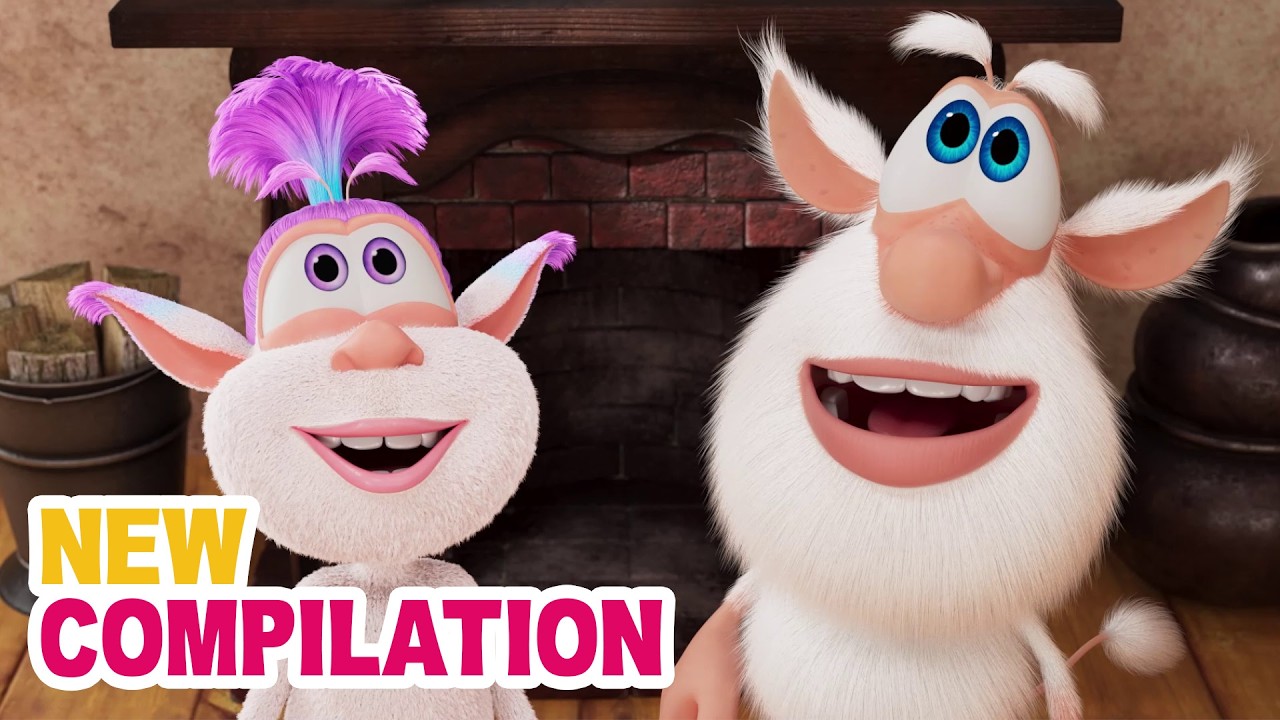
1. Booba’s Silly Adventures:

Booba’s playful curiosity leads to funny situations that teach children observation, problem-solving, and laughter.

Highlights:

  • Non-verbal comedy suitable for all languages

  • Physical humor, visual gags, and slapstick

  • Encourages curiosity and learning through laughter


2. Super Simple Funny Songs:

Animated songs with comedic storytelling teach letters, numbers, and daily life routines in a fun way.

Learning benefits:

  • Vocabulary and early concepts reinforced through humor

  • Interactive songs encourage participation

  • Gentle comedy keeps toddlers engaged


3. Little Hero Comedy Tales:

Mini-stories where characters overcome challenges in humorous ways while learning cooperation and problem-solving.

Key lessons:

  • Teamwork and sharing

  • Creativity and imaginative thinking

  • Resilience through playful challenges


4. Animal Antics Series:

Animal characters engage in playful mischief, funny encounters, and gentle pranks suitable for preschoolers.

Learning highlights:

  • Encourages empathy by showing how actions affect friends

  • Recognizing emotions and reactions

  • Combines humor with moral lessons in a safe environment


5. Giggles & Friends:

A modern cartoon series focused on slapstick and playful humor, promoting laughter while subtly teaching life skills.

Benefits:

  • Engaging plots with safe comedy

  • Reinforces cooperation, problem-solving, and creative thinking

  • Short episodes perfect for toddlers and preschoolers


How Parents Can Make Funny Cartoons More Beneficial:

Parents can enhance the value of funny cartoons by:

  1. Watching together: Discuss funny situations and relate them to real-life lessons.

  2. Pause and question: “What could we do differently?” or “Why was that funny?”

  3. Repeat favorite episodes: Reinforces learning and enjoyment.

  4. Encourage creative play: Let children act out scenes, building imagination and confidence.

  5. Monitor humor: Ensure children understand the difference between funny and harmful behavior.

  6. Balance screen time: Short, engaging episodes work best for attention spans of 2–6 years.


Recommended Funny Cartoon Series for Kids in 2025:

  • Booba’s Silly Adventures – Non-verbal physical comedy

  • Super Simple Funny Songs – Educational songs with humor

  • Little Hero Comedy Tales – Mini-stories with playful learning

  • Animal Antics Series – Gentle animal mischief and life lessons

  • Giggles & Friends – Slapstick humor with educational value

These series provide safe, entertaining, and educational laughter, helping children develop creativity, social skills, and resilience while enjoying playful humor.


Final Thoughts:

Funny cartoon series for kids are more than just entertainment—they are tools for learning and emotional growth. In 2025, slapstick comedy and safe humor provide children with:

  • Social and emotional awareness

  • Problem-solving and creative thinking

  • Joyful, stress-free entertainment

Parents can maximize benefits by:

  • Watching and discussing the episodes together

  • Encouraging creative play inspired by funny stories

  • Reinforcing learning and empathy through humor

With the right funny cartoons, children laugh, learn, and develop important skills while enjoying safe, playful adventures.

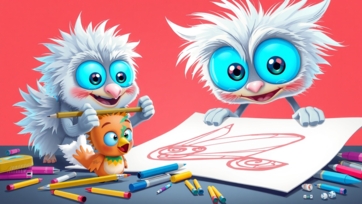
Tip for Parents: Encourage children to draw or act out their favorite funny scenes, which reinforces creativity, comprehension, and social skills.
Advertisement
Cartoons That Improve Creativity in Children
Cartoons are more than just entertainment—they can be a powerful tool for fostering creativity in young minds. With colorful visuals, imaginative storylines, and playful characters, the right cartoons encourage children to think outside the box, invent stories, and explore new ideas. This guide explores the best types of cartoons that inspire creativity in children and explains why they are beneficial for kids aged 3–8. Why Creativity Matters in Childhood: Problem-Solving Skills: Creative thinking helps children find multiple solutions to challenges. Imagination Growth: Exposure to imaginative scenarios encourages storytelling and pretend play. Emotional Expression: Art, role-play, and storytelling help children express feelings. Cognitive Development: Creativity strengthens brain connections, memory, and critical thinking. Social Skills: Collaborating on creative projects improves communication and teamwork. Top Cartoons That Boost Creativity: 1. Playful Creature Adventures Features a curious, expressive character exploring colorful worlds. Encourages role-playing, drawing, and problem-solving. 2. Tiny Tales Universe Short, imaginative stories for toddlers and preschoolers. Promotes storytelling, emotional understanding, and imaginative thinking. 3. Fuzzy Friends Academy Group of playful friends solving challenges together. Teaches collaboration, creativity, and thinking outside the box. 4. Giggle Garden Explorers Outdoor adventures with creative problem-solving scenarios. Encourages observation, exploration, and interactive play. 5. Happy Helpers Club Characters use creativity to solve everyday challenges. Inspires crafts, design thinking, and imaginative role-play. How Parents Can Encourage Creativity Through Cartoons: Co-View and Discuss: Ask children what they would do differently or how they would solve problems. Incorporate Activities: Drawing, painting, or crafting based on episodes reinforces creativity. Encourage Storytelling: Let children retell or expand stories in their own words. Limit Screen Time: Ensure balance with outdoor play, reading, and physical activities. Praise Experimentation: Celebrate new ideas, imaginative solutions, and creative expression. Benefits of Creative Cartoons: Boosts Imagination: Inspires children to invent stories, games, and scenarios. Enhances Problem-Solving: Teaches flexible thinking and solution-oriented skills. Develops Social Skills: Promotes collaboration, empathy, and communication. Encourages Emotional Expression: Helps children express feelings through art and play. Safe and Fun Learning: Combines education with enjoyment, keeping screen time productive. Final Thoughts: Cartoons that encourage creativity provide more than laughter—they foster imagination, problem-solving, and emotional growth. By choosing shows that engage, challenge, and inspire, parents can help children develop critical cognitive and social skills while having fun.
Playful Cartoon Characters vs. Classic Slapstick: Which Is Better for Kids?
Children today enjoy a wide range of cartoons, from modern playful characters to classic slapstick animations like Tom and Jerry. Parents often ask: “Which type of cartoon is better for kids?” This guide explores the benefits and drawbacks of modern playful cartoon characters versus classic slapstick animations, helping parents make informed viewing choices for children aged 3–8. 1. Entertainment Value: Playful Cartoon Characters: Bright, colorful, and engaging, with humorous antics and relatable personalities. Classic Slapstick (e.g., Tom and Jerry): Fast-paced comedy, physical humor, exaggerated chases, and funny conflicts. Both types capture attention, but modern characters often include educational content and interactive scenarios. 2. Educational Content: Playful Cartoon Characters: Many episodes teach social skills, problem-solving, creativity, and empathy. Classic Slapstick: Mostly focused on humor; educational value is limited, but visual storytelling can develop observation skills. 3. Language and Communication Skills: Playful Characters: Often verbal or interactive, allowing children to learn new words, sentence structures, and expressions. Slapstick Cartoons: Typically non-verbal or minimal dialogue; children learn context, emotion, and sequencing. 4. Creativity and Imagination: Playful Cartoon Characters: Encourage storytelling, role-playing, crafts, and imaginative thinking through colorful, relatable scenarios. Slapstick Cartoons: Inspire physical comedy, timing, and mimicking actions, which can be entertaining but less structured for creativity. 5. Behavioral Considerations: Playful Cartoon Characters: Emphasize cooperation, sharing, empathy, and positive problem-solving. Slapstick Cartoons: Contain chase, minor conflict, and comic violence; parents should monitor if repeated imitation occurs. 6. Age Appropriateness: Younger Kids (3–5 years): Playful, educational cartoons are generally safer and more beneficial. Older Kids (6–8 years): Can enjoy slapstick cartoons in moderation, especially if accompanied by discussions about conflict and consequences. Tips for Parents: Mix Content Wisely: Combine playful educational cartoons with occasional classic slapstick for variety. Co-View and Discuss: Talk about actions, emotions, and lessons from both types of cartoons. Set Screen Time Limits: Balance watching with creative play, reading, and outdoor activities. Monitor Reactions: Ensure children don’t imitate harmful or aggressive behaviors from slapstick scenes. Encourage Storytelling: Ask children to retell episodes, act out scenes, or create new endings. Final Thoughts: Both modern playful cartoons and classic slapstick have unique benefits. Modern characters often provide educational value, creativity, and social lessons, while slapstick cartoons offer humor, observation skills, and entertainment. The key is moderation, guided viewing, and discussion, allowing children to enjoy, learn, and grow through their favorite animated shows.
Booba Coloring Pages & How to Use Them for Learning
Booba coloring pages are more than just a fun activity—they provide children with opportunities to develop creativity, motor skills, and early learning abilities. Coloring helps children express themselves while enhancing focus, hand-eye coordination, and even early academic skills. In this guide, we explore Booba coloring pages and how to use them for educational purposes, making learning both playful and effective. Why Booba Coloring Pages Are Perfect for Kids: Booba’s simple, expressive design makes it ideal for coloring. Key benefits include: Clear outlines: Easy for children to color inside Engaging characters: Booba, Spike, Loola, and Mr. Beak spark imagination Safe and non-violent: Perfect for ages 3–7 Versatile learning opportunities: Can be combined with lessons on colors, shapes, and creativity Educational Benefits of Coloring Booba Pages: 1. Fine Motor Skill Development Coloring requires controlled hand movements, improving: Grip strength Precision Hand-eye coordination Example: Coloring Booba’s round eyes or expressive hands helps strengthen small muscles necessary for writing and drawing. 2. Creativity and Imagination Booba’s world is playful and imaginative. Coloring allows children to: Experiment with colors freely Create unique interpretations of familiar characters Imagine new adventures Example: Children can color Booba’s clothes, toys, and surroundings in ways that reflect their creativity. 3. Learning Colors and Shapes Parents can guide children to: Identify primary and secondary colors Learn about shapes by coloring different objects in the scene Understand patterns and symmetry Example: Coloring a scene with balloons, blocks, and a toy box can teach color recognition and shape differentiation. 4. Emotional Expression Booba’s exaggerated expressions help children explore emotions while coloring. Happiness, surprise, or mischief can be discussed Encourages empathy and emotional awareness Safe outlet for expressing feelings through art Example: A surprised Booba can prompt discussions about emotions and storytelling. 5. Focus and Concentration Coloring requires sustained attention, helping kids develop focus and patience. Completing a page builds a sense of accomplishment Encourages attention to detail Prepares children for structured learning tasks Example: Coloring all elements in a Booba adventure scene helps children concentrate for longer periods. 6. Storytelling and Language Skills Booba coloring pages can spark creative storytelling. Children can narrate what Booba is doing while coloring. Encourages vocabulary development Improves verbal skills Fosters narrative thinking Example: “Booba is sliding on a pillow, and Spike is chasing a ball” – children create mini-stories while coloring. 7. Social Interaction and Sharing Coloring can be turned into a group activity: Siblings or friends can color together Encourages collaboration and sharing Teaches patience and taking turns Example: Two children coloring a Booba scene together can practice teamwork and social skills. 8. Calm and Mindfulness Coloring is a relaxing activity, helping children: Manage emotions Reduce restlessness Develop mindfulness and focus Example: After an active day, Booba coloring pages can provide a quiet, creative break. Tips for Using Booba Coloring Pages Effectively: Provide a variety of tools: Crayons, colored pencils, and markers Combine with learning prompts: Ask questions like “What color should Booba’s toy be?” Encourage storytelling: Let children narrate the scene while coloring Create themed sets: Group pages by adventure, music, or indoor play Display finished work: Boosts confidence and motivates kids Conclusion: Booba coloring pages are both fun and educational, helping children develop fine motor skills, creativity, focus, emotional awareness, and early academic abilities. When combined with storytelling, discussion, and group activities, these coloring pages become a powerful tool for learning while keeping the playful spirit of Booba alive. Parents and educators can easily integrate these pages into home activities, classrooms, or daycare centers, ensuring that children learn while having fun.
Booba Crafts for Preschoolers
Booba is a playful, curious, and visually engaging character that sparks creativity and imagination in young children. For preschoolers, crafting activities inspired by Booba are not only fun but also educational, promoting fine motor skills, creativity, and problem-solving. In this guide, we explore easy and engaging Booba crafts for preschoolers, designed for children aged 3–5, suitable for home, preschool classrooms, or daycare centers. Why Booba Crafts Are Perfect for Preschoolers: Visual Engagement: Booba’s expressive eyes, fluffy body, and exaggerated actions captivate young children. Simple Designs: Easy shapes and bold outlines are ideal for preschool-level crafts. Hands-On Learning: Cutting, gluing, and coloring enhance fine motor development. Imaginative Play: Crafting Booba characters allows role-play and storytelling. Top Booba Craft Ideas for Preschoolers: 1. Booba Paper Mask Materials: Printable Booba template, cardstock, crayons, child-safe scissors, elastic string Activity: Color, cut, and assemble a Booba mask Learning: Enhances motor skills, creativity, and role-play 2. Booba Hand Puppets Materials: Paper bags, markers, glue, colored paper Activity: Decorate bags to create Booba puppets Learning: Encourages storytelling, imaginative play, and social interaction 3. Booba Coloring Sheets Materials: Printable coloring pages, crayons, colored pencils Activity: Color Booba in different scenes Learning: Improves hand-eye coordination, color recognition, and focus 4. Booba Balloon Art Materials: Balloons, markers, colored paper Activity: Draw Booba faces on balloons Learning: Enhances creativity and visual expression 5. Booba Paper Plate Craft Materials: Paper plates, glue, colored paper, crayons Activity: Make Booba’s face on a plate Learning: Teaches shapes, textures, and spatial awareness 6. Booba Collage Materials: Scrap paper, magazines, glue, markers Activity: Cut and paste shapes to recreate Booba’s adventures Learning: Boosts creativity, observation, and fine motor skills 7. Booba Finger Puppets Materials: Felt, glue, markers Activity: Create small Booba finger puppets for storytelling Learning: Encourages role-playing, storytelling, and hand dexterity 8. Booba Origami Materials: Colored paper Activity: Fold paper to make Booba or related objects Learning: Enhances spatial reasoning, sequencing, and fine motor skills 9. Booba Craft Stick Characters Materials: Popsicle sticks, markers, glue, colored paper Activity: Make Booba and friends on sticks for imaginative play Learning: Promotes creative thinking and storytelling 10. Booba Sensory Bottles Materials: Clear plastic bottles, glitter, small Booba figures, water Activity: Fill bottles with water and decorations for visual play Learning: Encourages focus, sensory exploration, and calm play Educational Benefits of Booba Crafts: Fine Motor Skills: Cutting, coloring, and gluing improve hand strength and coordination. Creativity & Imagination: Children interpret Booba’s adventures in their own way. Cognitive Development: Planning craft steps encourages problem-solving and sequencing. Social Skills: Craft activities in groups teach sharing, cooperation, and communication. Emotional Expression: Recreating Booba’s expressions helps children explore feelings. Tips for Parents and Educators: Supervise cutting and gluing activities for safety. Encourage children to narrate stories while crafting. Rotate crafts for variety: masks, puppets, and coloring activities. Display finished crafts to boost confidence and motivation. Use Booba episodes as inspiration to connect crafts with storytelling. Final Thoughts: Booba crafts are a perfect combination of fun and education for preschoolers. Through hands-on activities like masks, puppets, coloring, and collages, children develop fine motor skills, creativity, imagination, and social abilities. Integrating Booba-inspired crafts into playtime or preschool activities ensures that learning and fun happen simultaneously.
Cartoons That Teach Teamwork
Teamwork is an essential life skill that children need to develop from an early age. Animated cartoons can be an excellent medium for teaching young children how to collaborate, share responsibilities, and solve problems together. Through colorful characters, engaging storylines, and relatable scenarios, children learn the value of working with others in a fun and memorable way. Cartoons that emphasize teamwork often present challenges or adventures where characters must combine skills and ideas to achieve a goal. Watching these stories allows children to understand cooperation, empathy, and communication, all while being entertained. Why Teamwork is Important for Kids: Learning teamwork early helps children: Develop social and communication skills Understand the importance of sharing and fairness Build empathy and respect for others Learn conflict resolution Enhance problem-solving and critical thinking Cartoons make these lessons accessible and enjoyable by providing visual examples of cooperation that children can easily understand. How Cartoons Demonstrate Collaboration: Teamwork-focused cartoons often depict characters working together to solve a problem or complete a task. Children observe: Sharing responsibilities among group members Combining individual skills to achieve common goals Supporting friends when they struggle Celebrating success as a team These storylines teach children that collaboration is not only productive but also fun and rewarding. Promoting Communication and Listening Skills: Effective teamwork requires clear communication and active listening. Cartoons can demonstrate these skills by showing: Characters explaining ideas clearly Listening to others’ suggestions Negotiating or compromising to reach a solution Encouraging quieter characters to participate Young viewers learn to express themselves, consider others’ viewpoints, and work together respectfully. Problem-Solving Through Teamwork: Many teamwork-oriented episodes present challenges that cannot be solved alone. Children learn: To think creatively as a group To assign roles based on each character’s strengths To test solutions and adapt if something doesn’t work That failures are part of learning together This helps children internalize practical teamwork strategies that can be applied in real life. Building Empathy and Emotional Intelligence: Cartoons that focus on teamwork also teach empathy and emotional awareness: Recognizing when a friend is upset or needs help Encouraging positive reinforcement and praise Understanding the consequences of selfish behavior Appreciating the value of cooperation These lessons support both social and emotional development. Role of Fun and Play in Learning Teamwork: Teamwork-focused cartoons often incorporate games, sports, or adventures, which make collaboration more engaging. Children observe: Characters playing games that require joint effort Solving puzzles or completing quests together Celebrating milestones as a group This combination of play and learning reinforces the idea that teamwork is enjoyable and beneficial. Tips for Parents to Reinforce Teamwork Skills: Parents can maximize the impact of teamwork cartoons by: Watching episodes together and discussing character actions Encouraging children to reflect on how they can help friends or siblings Organizing small group activities or games to practice collaboration Praising cooperative behavior and shared problem-solving Active engagement ensures children internalize lessons and apply them in daily life. Choosing the Right Teamwork Cartoons: Parents should select shows that: Feature age-appropriate challenges and problem-solving Emphasize cooperation, empathy, and positive social interactions Avoid violence or overly competitive behavior Include relatable characters and situations Popular teamwork-oriented educational shows for preschoolers include Paw Patrol, Octonauts, and Team Umizoomi, which encourage collaboration in fun, safe settings. Conclusion: Cartoons that teach teamwork provide a fun and effective way for children to learn essential social skills. By observing characters collaborate, communicate, and solve problems together, children gain insights into cooperation, empathy, and shared success. When parents support this learning with discussion and practical activities, cartoons become more than entertainment—they become tools for nurturing teamwork, social intelligence, and confidence in young minds.
Best Moral Stories for Kids with Animation
Learn with Fun in 2025 Teaching children good values and life lessons is a vital part of early education. In today’s digital age, animated moral stories for kids have become one of the most effective ways to teach ethics, empathy, and social skills while keeping learning fun and engaging. Animated moral stories combine colorful visuals, lively characters, and engaging narratives to help children understand right from wrong, develop emotional intelligence, and learn essential life lessons. In 2025, these videos are more popular than ever, offering parents a safe and interactive way to instill values in their children. This guide explores the benefits of animated moral stories, top series and videos for kids, and tips for parents to maximize learning from these stories. Why Moral Stories Matter for Kids in 2025: Stories have always been a powerful educational tool. With animation, stories come to life, making lessons memorable and relatable. Benefits of animated moral stories: Teaches values: Honesty, kindness, sharing, and respect. Emotional intelligence: Helps children understand feelings, empathy, and conflict resolution. Problem-solving skills: Characters face challenges, showing consequences of choices. Language development: Kids learn new words and sentence structures through storytelling. Safe entertainment: Stories are designed with age-appropriate lessons and positive messaging. By turning morals into entertaining narratives, children absorb values naturally without feeling like they are being “taught.” Top Moral Lessons Taught Through Animated Stories: Here are some common and essential moral lessons taught in animated stories for kids: Kindness and EmpathyStories that show characters helping others or showing compassion teach toddlers how to care for friends, family, and animals. Honesty and IntegrityAnimated tales about telling the truth help children understand why honesty matters and the consequences of lying. Sharing and CooperationThrough teamwork or sharing experiences, kids learn how to play and work well with others. Courage and ResilienceCharacters overcoming fears or challenges inspire children to face difficulties bravely. Respect and Good MannersStories highlight respecting elders, peers, and rules, reinforcing positive social behavior. Responsibility and Self-disciplineAnimated moral stories show children the importance of taking responsibility for actions and forming good habits. Top Animated Moral Story Series for Kids in 2025: 1. The Kindness Club: One of the most popular series in 2025, The Kindness Club teaches empathy, friendship, and sharing through playful characters and interactive stories. Why it’s popular: Engaging and relatable storylines Soft, colorful animation that appeals to toddlers Promotes emotional intelligence and social skills 2. Moral Tales with Booba: Booba’s curiosity-driven adventures are now infused with moral lessons. Children learn safety, honesty, and helping others while watching Booba explore the world. Benefits: Non-verbal and easy to understand for all languages Encourages observation and critical thinking Suitable for toddlers and preschoolers 3. ABC & Friends Life Lessons: Combining alphabet learning with moral lessons, this series uses fun stories and characters to teach values along with ABCs. Highlights: Teaches honesty, kindness, and cooperation Reinforces language skills Colorful, interactive visuals for toddlers 4. Super Simple Stories: Life Lessons: Super Simple Stories combines songs, rhymes, and animations to convey morals in a fun way. What kids learn: Sharing and caring Respect and empathy Following rules and helping friends 5. Little Hero Adventures: Animated mini-stories where small characters face challenges and learn courage, responsibility, and resilience. Key themes: Problem-solving and decision-making Bravery in small daily tasks Understanding consequences 6. Animal Tales for Kids: Stories featuring animals teach moral lessons in an entertaining way, often making values easier for children to understand. Learning benefits: Sharing and friendship through animal adventures Respect for nature and animals Promotes teamwork and kindness How to Choose the Right Animated Moral Stories: When selecting moral story videos for kids, parents should consider: Age-appropriate content – Stories should match your child’s understanding. Positive messaging – Avoid content with negative stereotypes or violence. Engaging visuals – Bright colors and fun characters hold attention. Short duration – Toddlers learn better from 5–10 minute videos. Interactive elements – Songs, rhymes, and prompts encourage participation. Trusted sources – Use safe platforms like YouTube Kids or educational websites such as boobacartoon.com. Tips for Maximizing Learning with Moral Stories: Watch together – Parents can reinforce the lessons and answer questions. Discuss the story – Ask your child “What would you do?” to encourage critical thinking. Repeat favorites – Repetition strengthens understanding and retention. Combine with real-life practice – Encourage children to act on lessons like sharing or helping. Mix with other learning videos – Pair moral stories with ABC, numbers, or colors for a well-rounded early education. Recommended Moral Stories for Kids in 2025: The Kindness Club – Empathy, sharing, and friendship Moral Tales with Booba – Safety, honesty, and helpfulness ABC & Friends Life Lessons – Values combined with alphabet learning Super Simple Stories: Life Lessons – Songs, rhymes, and morals Little Hero Adventures – Courage, resilience, and responsibility Animal Tales for Kids – Friendship, teamwork, and respect for animals These series are safe, engaging, and educational, making moral lessons fun and memorable for toddlers and preschoolers. Final Thoughts: Animated moral stories are more than just entertaining videos—they are powerful tools for teaching values, empathy, and social skills. By choosing the right series, parents can help their children develop emotional intelligence, good habits, and decision-making skills while enjoying bright and playful animations. In 2025, with a wide variety of animated moral stories available, parents have endless options to make screen time educational and enriching. Mix and match stories, discuss lessons, and encourage real-life practice to give your child a strong foundation for ethical and emotional development. Tip for Parents:  Encourage children to retell the stories in their own words—this reinforces memory, comprehension, and moral understanding.
Planets and Space Cartoons for Kids
The universe is full of wonders, and introducing children to planets and space through cartoons is a fun and engaging way to spark curiosity. Space cartoons combine colorful animations, friendly characters, and interactive storytelling to teach children about planets, stars, galaxies, and basic astronomy concepts. These cartoons not only entertain but also foster scientific curiosity, critical thinking, and imagination. In this article, we will explore why space cartoons are effective for kids, their educational benefits, and how parents can use them to nurture a love for astronomy. ⭐ Why Space Cartoons Are Effective for Kids: 1. Visual Learning: Animated planets, stars, and spacecraft make abstract space concepts tangible and easy for children to understand. 2. Engaging Storytelling: Cartoons turn learning into a fun adventure, where characters explore space, meet aliens, or travel between planets, keeping children engaged. 3. Promotes Curiosity: Stories and experiments encourage kids to ask questions about the universe, stimulating their curiosity and scientific thinking. 4. Simplifies Complex Concepts: Animations explain concepts like gravity, orbits, or phases of the moon in a simple, relatable way suitable for preschoolers. 5. Safe Exploration: Children can safely explore exciting space adventures through cartoons without any risk or fear, making learning stress-free and enjoyable. ⭐ Popular Themes in Space Cartoons: 1. Planet Exploration: Characters visit planets like Mars, Jupiter, and Saturn, learning about their size, color, and unique features. 2. Space Adventures: Stories involve astronauts, rockets, and alien friends discovering new worlds, inspiring imagination and excitement. 3. Stars and Galaxies: Cartoons introduce children to stars, constellations, and galaxies, making astronomy fun and easy to visualize. 4. Fun Science Facts: Animated videos share fascinating space facts, such as why the moon changes shape, why planets rotate, or how comets move. 5. Interactive Learning: Some cartoons include quizzes, counting planets, or identifying colors and shapes, turning learning into an interactive game. ⭐ Educational Benefits of Space Cartoons: 1. Develops Scientific Thinking: Children learn to observe, compare, and ask questions about space phenomena, nurturing analytical skills. 2. Enhances Imagination: Space adventures stimulate creativity as children imagine traveling to distant planets or meeting aliens. 3. Improves Cognitive Skills: Learning about planets, orbits, and stars strengthens memory, focus, and problem-solving abilities. 4. Promotes STEM Interest: Cartoons introduce basic astronomy, physics, and math concepts, encouraging early STEM learning. 5. Fun and Safe Learning: Animated space cartoons combine entertainment with education, making learning enjoyable without any stress or fear. ⭐ Tips for Parents to Make the Most of Space Cartoons: ✔ 1. Watch Together: Discuss the planets, stars, and concepts introduced in the cartoons to reinforce understanding. ✔ 2. Connect with Real-Life Astronomy: Show the night sky, point out stars, or visit a planetarium to make lessons tangible. ✔ 3. Encourage Questions: Ask children what they would do on another planet or what they notice in the night sky to stimulate curiosity. ✔ 4. Combine with Activities: Try simple space crafts, planet models, or coloring sheets based on cartoon characters to enhance learning. ✔ 5. Keep Screen Time Moderate: Limit viewing to 20–30 minutes, balancing interactive activities and outdoor play for holistic learning. ⭐ Conclusion: Planets and space cartoons for kids are an exciting way to introduce young learners to the wonders of the universe. Through colorful animations, interactive storytelling, and engaging characters, children learn about planets, stars, galaxies, and basic astronomy while having fun. Parents and educators can use space cartoons to foster curiosity, imagination, and early STEM skills. By combining animated adventures with hands-on activities and discussions, children gain a deeper understanding of space while developing problem-solving, observation, and critical thinking skills. Space cartoons make learning about the universe an unforgettable and enjoyable experience for every child.
How Much Screen Time Should Kids Have? Expert Guide
Screen time is a major part of modern childhood. With tablets, TVs, and computers, parents often ask: “How much screen time is appropriate for my child?” Understanding recommended limits and guidelines can help children benefit from educational content while avoiding negative effects on health, development, and sleep. This guide presents expert advice on safe screen time limits for children, along with tips for making screen use educational and interactive. Recommended Screen Time by Age: 1. Infants and Toddlers (0–2 years) Experts recommend avoiding screen time except for video calls with family. Focus on hands-on play, reading, and exploration. 2. Preschoolers (3–5 years) Limit screen time to about 1 hour per day of high-quality, educational content. Encourage co-viewing with parents to enhance understanding and engagement. 3. Early School Age (6–12 years) Screen time should be balanced with physical activity, homework, reading, and social interaction. Educational programs, creative apps, and interactive learning tools are preferable. 4. Teenagers (13–18 years) Encourage moderation and healthy habits, balancing screen use with sleep, exercise, and real-world interactions. Limit recreational screen use, especially before bedtime. Tips for Healthy Screen Use: Co-View and Discuss: Watch educational programs with your child and ask questions to enhance learning. Interactive Content: Choose apps, games, or shows that promote creativity, problem-solving, and active thinking. Breaks Are Essential: Encourage a 10–15 minute break every hour to reduce eye strain and maintain attention. Set Screen-Free Zones: Keep mealtime, bedrooms, and outdoor play areas free from screens. Model Healthy Behavior: Children often imitate parents, so limit your own recreational screen time. Benefits of Controlled Screen Time: Educational Value: High-quality programs and apps can teach numbers, letters, languages, and problem-solving skills. Creativity & Imagination: Interactive games, drawing apps, or storytelling programs foster creative thinking. Social Skills: Video calls with relatives or collaborative learning apps help maintain social connections. Digital Literacy: Moderate screen use teaches children responsible and safe technology use. Risks of Excessive Screen Time: Sleep Disruption: Excessive screen time, especially before bedtime, can affect sleep patterns. Behavioral Issues: Too much passive viewing can contribute to short attention span or hyperactivity. Reduced Physical Activity: Sedentary screen time may limit exercise and outdoor play. Social Isolation: Overuse of screens may reduce interaction with peers or family. Creating a Balanced Screen Schedule: Plan Educational and Recreational Use: Allocate time for learning, creative play, and entertainment. Set Daily Limits: Use timers or parental controls if needed. Encourage Offline Activities: Sports, crafts, reading, and outdoor exploration should complement screen time. Observe and Adapt: Watch for signs of fatigue, frustration, or disinterest, and adjust accordingly. Final Thoughts: Screen time is not inherently harmful; it can be educational and fun if carefully monitored. By setting limits, choosing quality content, and encouraging interaction, parents can ensure children benefit from technology while maintaining healthy development.