Storybooks & Educational Materials: A 2025 Guide to Nurturing Curiosity

Beyond the screen, the gentle and curious spirit of beloved characters can be a wonderful gateway to early literacy, emotional learning, and hands-on discovery. Finding the right books and learning materials that embody this spirit of playful exploration can enrich your child's development. This 2025 guide helps you identify high-quality storybooks, activity books, and educational tools that foster the same joy of "figuring things out."


What to Look For: The Mark of Quality Learning Materials :

The best resources share these traits:

  • Visual Storytelling: Rich in pictures that tell the story, minimizing reliance on text—perfect for pre-readers and early readers.

  • Focus on Process: Stories about solving problems, exploring environments, and discovering how things work.

  • Emotional Simplicity: Themes of curiosity, surprise, friendship, and perseverance without complex moralizing.

  • Interactive Elements: Flaps to lift, textures to feel, or prompts that engage the child directly.

  • Durability: Thick, wipeable pages for young hands or sturdy bindings for frequent use.


Category 1: Storybooks That Celebrate Curiosity & Discovery :

These books capture the essence of exploration through visual narratives.

  • Wordless & Nearly Wordless Picture Books:

    • Why They're a Perfect Match: They rely entirely on visual sequencing, encouraging children to "read" the pictures, infer emotions, and tell the story in their own words—mirroring non-verbal, observational storytelling.

    • Top Picks to Look For:

      • "Journey" Trilogy by Aaron Becker: A breathtaking wordless adventure where a child uses a red crayon to draw doors into magical worlds.

      • "Flora and the Flamingo" by Molly Idle: A wordless book about mimicry, friendship, and movement with interactive flaps.

      • "The Snowman" by Raymond Briggs: A classic, gentle wordless story of a magical winter adventure.

  • "Problem-Solving" Themed Stories:

    • Why They're a Perfect Match: These books feature protagonists who encounter a puzzle or obstacle and must creatively find a solution through trial, error, and observation.

    • Top Picks to Look For:

      • "Rosie Revere, Engineer" by Andrea Beaty: Celebrates persistence, curiosity, and the spirit of invention after failed attempts.

      • "The Most Magnificent Thing" by Ashley Spires: A girl tries to build something magnificent, dealing with frustration before her breakthrough.

      • "Press Here" by Hervé Tullet:* The ultimate interactive book that turns reading into a series of magical cause-and-effect commands.

  • Simple, Repetitive Phrase Books:

    • Why They're a Perfect Match: For younger fans, books with minimal, repetitive text and bold, clear illustrations help build confidence in "reading" and prediction.

    • Top Picks to Look For: Books by Eric Carle ("The Very Hungry Caterpillar") or Bill Martin Jr. ("Brown Bear, Brown Bear"). The rhythmic text and vibrant collage art are deeply engaging.


Category 2: Educational Activity & Workbooks :

These turn quiet time into skill-building time with a playful approach.

  • "Seek-and-Find" & "I Spy" Visual Puzzle Books:

    • Why They're a Perfect Match: They train attention to detail, focus, and visual discrimination—all through a game. The task is clear: look closely and discover.

    • What to Look For: Books with busy, colorful scenes (like "Where's Waldo?" for older kids or the "I Spy" series for younger ones). Look for themes of exploration or silly chaos.

  • Beginner Logic & Maze Books:

    • Why They're a Perfect Match: They introduce basic reasoning and spatial skills without requiring reading. Navigating a maze is a silent, physical puzzle on paper.

    • What to Look For: Books like "Kumon Thinking Skills Workbooks" or "Highlights™ Maze Puzzles." Start with simple, wide-path mazes and progress to more complex ones.

  • Sticker Activity & Scene Creation Books:

    • Why They're a Perfect Match: They combine fine motor skill development with storytelling and choice. Children decide where to place elements, creating their own unique scenes.

    • What to Look For: Books with reusable stickers and open-ended backgrounds (a town, a forest, a room). Avoid ones with overly prescriptive instructions.


Category 3: Hands-On Educational Materials & Kits :

Learning through physical interaction.

  • "How Things Work" Non-Fiction for Kids:

    • Why They're a Perfect Match: Satisfies deep curiosity about everyday objects. Look for books with clear, cutaway diagrams and simple explanations.

    • Top Picks to Look For: "How Machines Work: Zoo Break!" by David Macaulay or the "See Inside" series by Usborne Books, which have informative flaps to lift.

  • Simple Science & Discovery Kits:

    • Why They're a Perfect Match: They provide the tools for hands-on, cause-and-effect experimentation. The focus should be on the fun of the process, not a perfect result.

    • What to Look For: Kits about magnets, color mixing, growing crystals, or basic physics (ramps and gears). Brands like Learning Resources or Thames & Kosmos offer quality beginner kits.

  • Pattern Blocks & Tangram Puzzles:

    • Why They're a Perfect Match: These are the ultimate open-ended, silent puzzles. Children explore shapes, symmetry, and geometry by fitting pieces together to match a picture or create their own designs.

    • What to Look For: A set of wooden pattern blocks in classic shapes (hexagons, trapezoids, squares) with accompanying pattern cards.


How to Integrate These Materials: Tips for Parents :

  • "Book and Do" Pairing: After reading a book about building, get out the blocks. After a seek-and-find book, go on a nature walk to "spy" colors and shapes.

  • Follow Their Lead: If they're obsessed with a page showing gears, find a simple gear toy or video to expand on that interest.

  • Embrace the Silence: When looking at a wordless book, don't rush to narrate. Ask, "What do you think is happening here?" Let them be the storyteller.

  • Quality Over Quantity: A few well-chosen, durable books and puzzles are better than a mountain of disposable activity pads.


Conclusion: Building a Library of Wonder :

The goal is to curate a collection of resources that don't just entertain, but actively engage your child's mind and hands. By choosing storybooks that prize visual discovery, activity books that challenge logic in a fun way, and hands-on materials that reward curiosity, you build a foundation for lifelong learning.

You're not just buying books and puzzles—you're providing portals to new ways of thinking, all inspired by the simple, powerful joy of figuring it out.
Advertisement
Non-Violent Cartoons Parents Can Trust
In today’s digital age, parents are often concerned about the content their children watch. Non-violent cartoons provide safe entertainment, while teaching values, problem-solving, and social skills. These shows are fun, engaging, and educational, without exposing children to aggression or inappropriate behavior. This guide highlights non-violent cartoons suitable for children aged 2–8 and explains why they are trusted by parents. Why Non-Violent Cartoons Matter: Safety First: Ensures children aren’t exposed to aggression, scary scenes, or unsafe behavior. Emotional Well-Being: Promotes positive behavior, empathy, and kindness. Learning Through Fun: Many shows teach numbers, colors, social skills, and creativity. Age-Appropriate Humor: Keeps children engaged without confusing or frightening content. Interactive Opportunities: Encourages role-play, drawing, and imaginative storytelling. Top Non-Violent Cartoons Parents Can Trust: 1. Playful Creature Adventures Bright, expressive characters exploring fun worlds. Teaches problem-solving, creativity, and cooperation. 2. Tiny Tales Universe Short, entertaining episodes for toddlers and preschoolers. Promotes learning through humor, songs, and storytelling. 3. Fuzzy Friends Academy A group of playful friends solving challenges together. Encourages teamwork, sharing, and imaginative play. 4. Giggle Garden Explorers Outdoor adventures with creative problem-solving scenarios. Introduces nature, observation, and exploration in a safe environment. 5. Happy Helpers Club Characters help each other while having fun. Teaches empathy, responsibility, and cooperative skills. Tips for Parents: Pre-Select Shows: Ensure content is age-appropriate and non-violent. Co-View and Engage: Discuss episodes to reinforce lessons and moral values. Encourage Creativity: Let children draw or role-play their favorite scenes. Set Screen Time Limits: Balance viewing with outdoor play, reading, and crafts. Praise Positive Behavior: Highlight lessons learned and model kindness and cooperation. Benefits of Non-Violent Cartoons: Cognitive Development: Enhances observation, memory, and problem-solving skills. Social Skills: Encourages sharing, empathy, and collaboration. Creativity: Inspires drawing, storytelling, and imaginative play. Emotional Intelligence: Helps children understand emotions and moral lessons. Safe Entertainment: Provides fun without exposing children to aggressive content or negative behavior. Final Thoughts: Non-violent cartoons are a safe, entertaining, and educational option for children. By selecting trusted shows with playful, expressive characters, parents can foster creativity, social-emotional skills, and cognitive growth while keeping screen time enjoyable and safe.
Protecting Kids from Ads and Clickbait Content
Today's digital landscape is a sophisticated marketplace where advertisements are seamlessly woven into games, videos, and social feeds, and "clickbait" thrives on curiosity and emotion. For children, distinguishing between genuine content and manipulative marketing is a critical 21st-century skill. This guide provides modern strategies to shield your child’s attention, nurture their critical thinking, and turn them from passive consumers into savvy digital navigators. The Modern Challenge: Ads and Clickbait Are No Longer Obvious : Gone are the days of just blocking pop-ups. The new frontier includes: Native Advertising: Paid content designed to look and feel exactly like the entertainment or news around it. Influencer Marketing: Their favorite creator "just loving" a product in a vlog. Loot Boxes & In-Game Purchases: Virtual "prizes" that blur the line between play and gambling. Clickbait Thumbnails: Exaggerated, shocking, or misleading images/text designed solely to trigger a click. "Advergames": Entire games built around promoting a brand or product. Your mission is to build your child’s internal "ad detector" and "curiosity filter." Strategy 1: Deconstruct Ads Together – Make the Invisible Visible : Turn advertising encounters into media literacy lessons. Play "Spot the Ad": While co-viewing content on platforms like boobacartoon.com, pause and ask: "Is this part of the story, or is it trying to sell us something? How can you tell?" Look for verbal cues ("Sponsored by"), visual watermarks, or a sudden focus on a branded toy. Ask the "Who Benefits?" Question: Teach them this core question for any content: "Who might make money or get something if I watch this, click this, or buy this?" This simple question unravels most marketing. Explain the "Attention Economy": Use an age-appropriate analogy: "Some apps and videos are like a shopkeeper who just wants you to stay in their store as long as possible, looking at things, so they can make money. Your attention is the prize." Strategy 2: Implement a Strong Technical Defense : Use tools to reduce exposure and create safer spaces. Ad-Blocking & DNS Filtering: Use a family-friendly DNS service (like OpenDNS FamilyShield) or router-level ad-blocking to strip ads from websites on your home Wi-Fi. Choose Ad-Free or Paid Versions: Where possible, opt for ad-free versions of apps, use YouTube Premium to remove video ads, or purchase the "full" version of a game to eliminate in-app purchases. Frame it as "paying for a clean, uninterrupted experience." Leverage Parental Controls: Use device and app controls to disable in-app purchases entirely and restrict access to apps/sites known for heavy advertising. Curate Starter Platforms: For young children, begin their digital journey on ad-free, subscription-based platforms or trusted hubs that vet content, rather than algorithm-driven, ad-supported ones. Strategy 3: Arm Them Against Clickbait – The "Curiosity Trap" : Clickbait preys on impulse. Teach a "pause and assess" protocol. Teach the Red Flags of Clickbait: Create a simple checklist they can mentally run through: Does the thumbnail show a shocked face or something too crazy to be true? Does the headline use words like "SHOCKING," "YOU WON'T BELIEVE," or "WHAT HAPPENED NEXT..."? Does it promise a secret or easy hack? Practice the "Three-Second Pause": Before clicking a recommended video or link, teach them to take three seconds to ask: "Does this look useful or truthful, or is it just trying to trick me into clicking?" Verify with Trusted Sources: Encourage them to bring wild claims or "too good to be true" offers to you. Show them how you would search learn.universitiesforllm.com or another trusted educational site to check facts. Strategy 4: Foster "Creation Over Consumption" Habits : A child who creates is less susceptible to passive manipulation. Shift the Identity: Help them see themselves as a creator, artist, or coder, not just a viewer. Use apps for drawing, animation, simple video editing, or coding games. Apply the "Could I Make This?" Test: When they see a polished influencer video, discuss the work behind it—the editing, the lighting, the script. This demystifies the glamour and reveals the construct. Promote Uncommercialized Play: Regularly engage in open-ended, offline play using resources from kidtoys.site. Building a fort or conducting a science experiment has no hidden ads and builds intrinsic motivation. Strategy 5: Navigate Influencer Culture and "Hauls" : Influencers are the new celebrity endorsements, but feel more personal. Decode the "Haul" or "Favorite Things" Video: Explain, "When a creator shows you 10 new toys they 'love,' they were often sent those for free or paid to tell you about them. It's their job to make you want them." Discuss Authenticity vs. Sponsorship: For older kids, watch a sponsored video together and identify the legally required disclaimer (#ad, #sponsored). Talk about how the content might be different if they weren't being paid. Follow a Diverse Mix: Encourage them to follow creators who teach skills (art, science, music) or share experiences, not just those who primarily review products. Strategy 6: Model and Discuss Your Own Choices : Your behavior is their primary blueprint. Voice Your Process Out Loud: "I'm not going to click that article—the headline is clearly just trying to make me angry." Or, "I muted this ad because I don't need that product." Discuss Family Purchasing Decisions: Explain why you choose to buy (or not buy) certain things. "We're not getting that toy because the commercial made it look more fun than it is. Let's read some real reviews from other parents instead." Practice Mindful Media Consumption: Have device-free times and explain, "We're all putting our phones away because our attention is valuable, and we want to give it to each other right now." Conclusion: Building Digital Immunity : Protecting kids from ads and clickbait isn't about creating a sterile, commercial-free bubble—an impossible task. It's about vaccinating them with knowledge. By combining technical buffers with continuous education, you equip them with the critical thinking skills to recognize manipulation, question intent, and make conscious choices about where they direct their precious attention and curiosity. This journey, supported by the media literacy frameworks from learn.universitiesforllm.com, the commercial-free stories from boobacartoon.com, and the authentic play from kidtoys.site, transforms your child from a targeted consumer into an empowered, discerning digital citizen.
Booba Drawing Tutorials for Kids
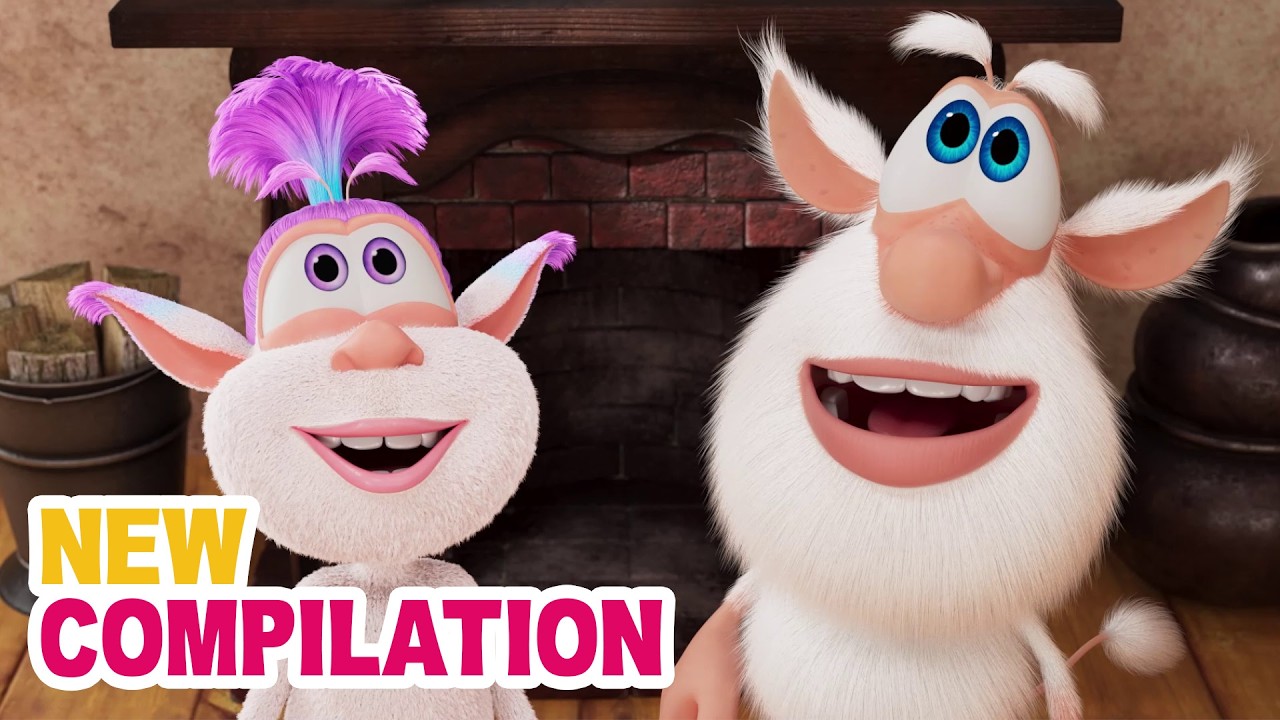
Booba, with his expressive face, playful antics, and simple shapes, is the perfect character for kids to learn drawing. Drawing tutorials inspired by Booba help children develop fine motor skills, creativity, and visual observation while keeping them entertained. In this guide, we will cover easy Booba drawing tutorials for kids and explain how to make the activity fun, educational, and engaging for children aged 3–8. Why Booba Drawing Is Perfect for Kids: Simple Shapes: Booba’s rounded forms and bold features are easy for children to replicate. Expressive Character: Big eyes, exaggerated mouth, and fluffy body encourage creativity. Step-by-Step Learning: Children can follow simple steps to create recognizable characters. Safe & Fun: Requires minimal materials and is suitable for home or classroom settings. Materials Needed: Drawing paper or sketchbook Pencils and erasers Colored pencils, crayons, or markers Optional: Ruler for shapes, templates for guidance Step-by-Step Booba Drawing Tutorial for Kids: 1. Start with Basic Shapes Draw a large oval for Booba’s head. Add a smaller oval or circle for the body. Mark positions for eyes, nose, and mouth lightly with a pencil. Educational Tip: Teaches kids shape recognition and spatial awareness. 2. Add Eyes and Facial Features Draw big circular eyes near the top of the head. Add pupils and highlights to make them expressive. Draw a small oval nose and a wide, smiling mouth. Educational Tip: Encourages fine motor control and observation skills. 3. Draw Booba’s Arms and Legs Use curved lines for arms and legs. Hands can be simple ovals or mitten shapes. Feet are rounded or slightly elongated to mimic Booba’s style. Learning Tip: Helps children understand proportions and symmetry. 4. Add Booba’s Fluffy Ears and Tail Draw large, rounded ears on the sides of the head. Optional: Add a small fluffy tail for additional detail. Educational Tip: Introduces attention to detail and pattern recognition. 5. Add Accessories or Objects Kids can draw Booba interacting with toys, balloons, or pillows. Encourage imagination: Booba can be climbing, jumping, or sliding. Learning Tip: Supports creative thinking and storytelling. 6. Outline and Erase Guidelines Trace final lines with a darker pencil or marker. Erase unnecessary guidelines to clean up the drawing. Educational Tip: Teaches focus, patience, and precision. 7. Coloring Your Booba Drawing Use bright colors to mimic Booba’s animated style. Encourage kids to experiment with new color combinations. Add details like shadows or background items to make it lively. Learning Tip: Enhances color recognition, creativity, and concentration. Tips to Make Booba Drawing More Fun: Follow Along Videos: Use step-by-step tutorials for guidance. Draw Together: Parents or teachers can draw alongside kids to increase engagement. Storytelling: Encourage children to create stories about what Booba is doing in their drawings. Display Artwork: Show off finished drawings on walls or classroom boards to boost confidence. Combine with Crafts: Turn drawings into puppets, masks, or collages. Educational Benefits of Booba Drawing Tutorials: Fine Motor Development: Tracing, coloring, and shaping improve hand strength. Creativity & Imagination: Kids interpret Booba’s expressions in unique ways. Cognitive Skills: Planning steps and drawing sequences enhances problem-solving. Visual Observation: Children learn to observe shapes, proportions, and expressions. Emotional Expression: Drawing expressive faces encourages understanding of emotions. Final Thoughts: Booba drawing tutorials are perfect for combining fun and learning. Kids develop creativity, motor skills, observation, and storytelling abilities while enjoying a hands-on, interactive activity. Drawing Booba can be a daily creative habit or a fun weekend project, making learning exciting and visually engaging.
Affordable & Thoughtful Gifts Inspired by Gentle Characters
Finding the perfect gift that sparks joy doesn't require a big budget. For fans of gentle, curious characters, the most memorable presents are often those that encourage imagination, creativity, and hands-on play. This 2025 guide highlights charming, affordable gift ideas (mostly under $25) that capture a spirit of playful discovery, making them perfect for birthdays, holidays, or just-because surprises. The Philosophy of a Great Gift: Experience Over "Stuff" : The best gifts often create moments, not just add to a collection. Look for items that are: Interactive: Encourage the child to do something—create, solve, build, or imagine. Open-Ended: Can be used in multiple ways, growing with the child's imagination. Thoughtfully Themed: A subtle nod to the character's traits (curiosity, simplicity, humor) is more impactful than generic branding. Quality Within Budget: Well-made from safe, durable materials that will last. Category 1: The Creative Maker Kit (Under $20) : Gifts that let them build and create their own adventures. DIY "Curiosity" Sock Puppet Kit: Why It's Perfect: This gift is an activity and a toy in one. Include a pair of solid blue socks, pre-cut white felt circles (for eyes), black felt, safe fabric glue, and some extra colorful felt scraps. They can create their own puppet friend and immediately put on a silent, playful show. Budget Tip: Source materials from a dollar store or craft surplus shop. Package it in a clear cellophane bag with a simple "Create Your Friend!" tag. "Mystery Box" Building Set: Why It's Perfect: A collection of open-ended building materials like wooden clothespins, craft sticks, colorful binder clips, and wooden cubes. Pack them in a small, decorated cardboard "treasure box." It’s a kit for inventing wacky structures, fostering the same trial-and-error, inventive engineering the character loves. Budget Tip: Raid the office supply aisle and a craft store's wood section. The presentation in a decorated box makes it special. Window Cling Activity Set: Why It's Perfect: A set of reusable, clear vinyl clings in simple shapes (dots, question marks, light bulbs, gears) and primary colors. Kids can create ever-changing scenes on a window or mirror, exploring patterns and stories with light shining through. It's mess-free, reusable, and encourages visual storytelling. Budget Tip: You can find generic shape sets very affordably online or in craft stores. Category 2: The Everyday Adventure Gear (Under $15) : Useful items that add a dash of playful curiosity to daily routines. Personalized "Explorer" Water Bottle: Why It's Perfect: A simple, stainless steel water bottle can be customized with vinyl stickers featuring playful, curious eyes and a smile. Add their name with vinyl lettering. It promotes healthy habits and gives them a unique, personal item for school or outings. Budget Tip: Use a basic bottle and a small, inexpensive pack of permanent vinyl stickers from a craft cutter shop or online marketplace. "What's Inside?" Journal & Mystery Pen: Why It's Perfect: A simple sketchbook or notebook with a blue cover. On the first page, write a prompt: "This journal is for curious discoveries." Include a pen with a small, interesting topper (like a fuzzy pom-pom or a googly eye). Encourages drawing, observation notes, or collecting "evidence" from adventures. Budget Tip: Decorate a plain notebook with stickers. The special pen is the exciting key. "Discovery" Flashlight & Shadow Puppet Set: Why It's Perfect: A small, durable flashlight paired with printed cardstock cut-outs of simple shapes (an animal, a tree, a question mark). Teach them how to make shadow puppets on the wall. It transforms bedtime or a dark room into a theater of curiosity. Budget Tip: Printable templates are free online. The flashlight is a long-lasting, useful tool. Category 3: The Cozy & Imaginative Play Gift (Under $25) : Gifts for comfort and quiet, imaginative scenarios. "Adventure Awaits" Fort-Building Kit: Why It's Perfect: A bundle containing a large, light blue flat sheet, several spring-clamp curtain clips, and a battery-operated string of fairy lights. This empowers them to build their own secret curiosity cave or reading nook anywhere in the house. The ultimate open-ended play space. Budget Tip: Use a sheet from a discount store and clips from a hardware aisle. The lights make it magical. Storytelling Dice Set: Why It's Perfect: A set of wooden dice with simple pictures engraved or drawn on each face (a key, a door, a monster, a treasure, a surprised face, a light bulb). Roll the dice and invent a story based on the images. This directly channels non-verbal, problem-solving storytelling. Budget Tip: Purchase blank wooden cubes and draw on them with permanent markers, or find affordable pre-made sets online. Character-Inspired Night Light: Why It's Perfect: A simple, plug-in or touch-activated night light in a soft blue hue. You can add removable, silhouette decals of curious eyes or a simple shape to the shade or wall nearby. It provides comforting light and a subtle, friendly presence in their room. Budget Tip: A plain night light is very affordable. Use removable wall decals for the themed touch. The "Priceless" Add-On: The Gift of Experience : Pair any small gift with a hand-written "Coupon Book" for experiences, such as: One "I Wonder..." Walk: A 30-minute walk where you both point out curious things. One Fort Building Session: Where you help them engineer an epic blanket fort. One Silent Movie Night: Watch a short, wordless cartoon together with popcorn. This shows thoughtfulness and creates lasting memories far beyond the object itself. Conclusion: The Gift of Inspired Play : The most meaningful gifts are those that see the child and honor their interests. By choosing affordable, interactive presents that celebrate curiosity, building, and cozy imagination, you're giving more than an item—you're giving permission to play, explore, and see the wonder in the everyday. That is a gift that truly keeps on giving.
Best Apps & Games for Young Explorers
For fans of gentle, curious characters, finding digital experiences that match that spirit of joyful, non-verbal discovery is key. The best apps and games nurture problem-solving, creativity, and exploration in a safe, ad-light environment. This 2025 guide curates top-tier picks that channel a similar sense of wonder, ensuring screen time is engaging, educational, and aligned with positive values. Our Selection Philosophy: What Makes a Great "Explorer" App? We prioritize apps and games that are: Curiosity-Driven: Focused on exploration, cause-and-effect, and open-ended discovery. Minimally Verbal: Relying on visual cues, sounds, and intuitive interaction over complex instructions. Commercially Safe: With no intrusive ads, aggressive in-app purchases, or data collection concerns. High-Quality & Respectful: Featuring calm design, pleasant sounds, and respect for the child's intelligence. Important Note: Always supervise initial play, use parental controls, and check age ratings (PEGI, ESRB) before downloading. Category 1: For Young Discoverers (Ages 2-4) – Tap, Explore, Giggle : These apps focus on simple cause-and-effect, sensory feedback, and gentle humor. App: "Toca Kitchen" (Toca Boca) Why It’s a Perfect Match: This is the digital equivalent of curious, messy experimentation. Kids can take various foods, cook them in silly ways (boil, fry, microwave), and feed them to characters who react with exaggerated, non-verbal expressions of delight or disgust. It’s all about discovery without rules or pressure. Key Features: No goals or scores, intuitive drag-and-drop, charmingly quirky reactions, and a one-time purchase model. App: "Sago Mini World" (Sago Sago) Why It’s a Perfect Match: This subscription-based suite offers dozens of mini-worlds to explore. Games like "Sago Mini Builders" or "Sago Mini Planes" let kids playfully interact with environments in unexpected ways—building wobbly towers or flying a plane to pop giant bubbles. The tone is consistently friendly, cheerful, and explorative. Key Features: Vast library of ad-free games, consistent gentle aesthetic, offline play, and a focus on open-ended fun. Game: "Peek-a-Zoo" by Duck Duck Moose Why It’s a Perfect Match: This app is a digital "hide and seek" focused on observation and identifying emotions/actions. Based on the classic "Peekaboo" format, it asks, “Who is crying?” or “Who is dancing?” fostering attentive looking and simple deduction in a joyful, animal-filled setting. Key Features: No ads, no in-app purchases, aligns with early learning standards for social-emotional growth. Category 2: For Creative Problem-Solvers (Ages 5-8) – Think, Tinker, Create : These selections encourage logical thinking, physics-based experimentation, and creative expression. Game: "Thinkrolls" Series (Avokiddo) Why It’s a Perfect Match: This award-winning series is pure logic and physics puzzles wrapped in charming characters. Kids guide a bouncy ball through increasingly complex mazes, manipulating objects like boxes, balloons, and teleporters. The problem-solving is non-verbal, trial-and-error based, and deeply satisfying—capturing the "aha!" moment of figuring things out. Key Features: Hundreds of levels, gradual difficulty increase, no reading required, and a one-time purchase. App: "Khan Academy Kids" Why It’s a Perfect Match: While educational, its spirit is one of joyful exploration. The "Creativity" section lets kids draw, color, and make stories. The friendly animal guides encourage curiosity across reading, math, and logic games in a completely free, ad-free environment. It feels like a playful clubhouse of learning. Key Features: 100% free, no ads, vast curriculum, and a strong emphasis on self-paced discovery. Game: "PBS Kids Games" App Why It’s a Perfect Match: This hub offers games from all PBS Kids shows. For explorer-minded kids, seek out games like "Wild Kratts Creature Math" (animal adventures) or "Cat in the Hat Builda-ma-loo" (inventive construction). The games are tied to educational curricula, vetted for safety, and feature beloved, positive characters. Key Features: Free, trusted source, new games added regularly, and parental resources. Category 3: For Budding Architects & Storytellers (Ages 7-10) – Build, Design, Imagine : These apps provide tools for complex creation and storytelling. Game: "Minecraft" (Education Mode or Creative Mode) Why It’s a Perfect Match: The ultimate digital sandbox for curiosity. In Creative Mode, with unlimited resources, kids can build anything they imagine—a wobbly tower, a hidden cave house, a giant pixel-art portrait of their favorite character. It’s a world governed by simple rules of placement and physics, encouraging endless experimentation. Key Tips: Use the Education Edition for a more structured, classroom-safe environment, or set up a private, supervised Creative Mode world. Supervise multiplayer. App: "Stop Motion Studio" Why It’s a Perfect Match: This app lets kids create their own animated shorts frame-by-frame using toys, clay, or drawings. It directly channels the spirit of making simple, funny, visual stories without words. They can make their plush toys go on curious adventures, mimicking the playful, physical comedy they love. Key Features: Intuitive interface, onion-skinning for smooth animation, and the ability to add sound effects and music. A powerful tool for patient creators. App: "Drawing Cartoon 2" Why It’s a Perfect Match: A step up from simple coloring apps, this provides easy tools to design original cartoon characters and simple animations. Kids can create their own curious explorer character, give them big eyes and expressive poses, and even make them walk or jump in a loop. Key Features: Bone-based rigging for easy animation, pre-set character templates to modify, and a focus on fun, cartoon-style creation. Essential Tips for Parents : Co-Play First: Sit with your child as they try a new app. Explore it together, which models how to engage with it thoughtfully. Use Device-Level Controls: Utilize "Guided Access" (iOS) or "Screen Pinning" (Android) to lock the device into a single app, preventing accidental exits or purchases. Seek Out "Paid-Up-Front" Models: Favor apps with a one-time purchase price over "free-to-play" models, which often rely on ads or microtransactions. Balance is Key: Pair digital exploration with hands-on play. After building in Minecraft, build with real blocks. After making a stop-motion film, act out a live play. Conclusion: Digital Tools for Real-World Curiosity : The best apps and games don't just entertain; they extend a child's natural desire to explore, figure things out, and create. By choosing high-quality, respectful digital experiences that prioritize discovery over consumption, you give your child a digital sandbox worthy of their imagination—one that complements the joyful, curious play inspired by their favorite gentle characters and real-world adventures.
Where to Find Stickers, Posters & Printables: A 2025 Guide for Creative Parents
Decorating a room, personalizing a notebook, or finding the perfect craft printable doesn't have to be a wild goose chase. In 2024, a blend of official sources and creative community hubs offers a wealth of options for fans of gentle, popular characters. This guide will navigate you to the best places—both online and offline—to find high-quality, safe, and fun stickers, posters, and printables for your child's next project. Guiding Principle: Safety, Quality & Respect : Prioritize Official Sources: For guaranteed quality and safety (non-toxic inks, safe materials). Trust Reputable Creators: When using independent artists, look for positive reviews and clear usage terms. Respect Copyright: Use printables for personal, non-commercial fun only. Support artists by purchasing their official products. Category 1: Official & Licensed Merchandise – For Guaranteed Quality : These are your go-to sources for authentic, high-fidelity designs. 1. Official Character Website/Online Shop: What You'll Find: This is the primary source for officially licensed posters, high-quality vinyl sticker packs, and sometimes exclusive print-on-demand items like wall decals. Designs will be accurate and vetted. Best For: Premium posters, durable sticker sheets, and official wall art. Tip: Sign up for newsletters to get alerts on new collections and sales. 2. Major Online Retailers (Amazon, Walmart, Target): What You'll Find: Search for "[Character Name] stickers" or "[Character Name] poster" in the Toys, Home Decor, or Office Supplies sections. You'll find a mix of officially licensed and third-party products. Best For: Quick shipping, variety, and easy price comparison. Always check seller ratings and reviews for quality. Tip: Filter by "Amazon's Choice" or "Top Rated" and read customer photos to see the actual product quality. 3. Specialty Toy & Comic Stores: What You'll Find: Local comic book shops, toy stores, or large chains like FYE often carry niche pop culture merchandise, including stickers, button pins, and small posters. Best For: Discovering unique items and supporting local businesses. Great for impulse finds. Tip: Call ahead to ask about their selection of character merchandise. Category 2: The Creative Marketplace – For Unique & Artistic Takes : Platforms where independent artists sell their designs. 1. Etsy: What You'll Find: A treasure trove of handmade and digital goods. Search for "[Character Name] stickers," "[Character Name] printable," or "[Character Name] poster." You'll find original artist interpretations, digital download packs for instant printing, and custom-made items. Best For: Unique art styles, printable activity packs (coloring pages, door hangers), and custom orders. Tip: Read shop reviews diligently. For printables, ensure you understand the file type (PDF, PNG) and license. 2. Redbubble & Society6: What You'll Find: These print-on-demand platforms host millions of artist designs. You can find the character on every product imaginable: stickers, posters, magnets, phone cases, and more. Each item is printed when ordered. Best For: Stickers in every size and shape (matte, transparent, glossy), and large format posters. You're directly supporting the artist with each purchase. Tip: Use the search filters to browse by product type (e.g., "Stickers" or "Wall Art"). You can often choose from multiple design variations by different artists. Category 3: The DIY & Printable Hub – For Instant, At-Home Projects : For the crafty parent who wants to print and play today. 1. Pinterest: What You'll Find: The ultimate visual search engine for ideas. Search "[Character Name] coloring page," "[Character Name] free printable," or "[Character Name] DIY craft." You'll find links to blogs and websites offering free resources. Best For: Inspiration and finding links to free, fan-made coloring sheets, paper crafts, or party decorations. Important: Always click through to the original source (a blog or website) to download. Ensure the site is reputable and the download is intended for free personal use. 2. Educational & Parenting Blogs: What You'll Find: Many creative parenting blogs design and share free printable packs centered around popular, gentle characters. These often include puzzles, matching games, "I Spy" sheets, and cut-out masks. Best For: Screen-free activity sheets that are educational and fun. Quality can be excellent. Tip: These are usually offered as a free download in exchange for an email subscription. Use a dedicated email if concerned about newsletters. 3. Canva (Pro/Free): What You'll Find: A graphic design platform with a vast library of clipart and elements. While you won't find licensed character images, you can use it to create your own themed designs using simple shapes, colors, and text that evoke the character's style (e.g., create a poster with a blue circle, big white eyes, and the text "Stay Curious!"). Best For: Making completely custom, personal posters, chore charts, or sticker designs (if you have printable sticker paper). Tip: Use the color picker tool to match the character's exact signature blue for a coordinated look. Smart Shopping & Safety Checklist : Before you click "buy" or "download," run through this list: Source: Is it official or a reputable seller/artist? Reviews: What do other buyers say about print quality, sticker durability, or accuracy? License: For printables, is it clearly for personal use only? Safety: For young children, are stickers described as safe and non-toxic? Are posters printed on safe paper with soy-based inks? File Format: If buying a digital printable, do you have the software to open it (usually PDF or PNG)? Conclusion: Build a World of Wonder : Whether you're seeking a durable wall decal from an official store, a unique artist's sticker from Etsy, or a free coloring page for a rainy day, the resources are plentiful. By choosing quality sources and respecting the creative work behind these designs, you can easily find the perfect decorative touches to celebrate your child's interests and fuel their imagination. Happy hunting and creating!
Dinosaur Stories for Children
Dinosaurs have fascinated children for generations with their enormous size, mysterious history, and exciting adventures. Dinosaur stories for children bring these prehistoric creatures to life through colorful cartoons, friendly characters, and imaginative storytelling. These stories are not only entertaining but also educational, teaching children about science, history, teamwork, and problem-solving. In this article, we explore why dinosaur cartoons are so popular, their educational benefits, and how parents can use them to encourage learning and creativity. ⭐ Why Dinosaur Stories Are Popular with Kids: 1. Fascination with Prehistoric Creatures: Children are naturally curious about dinosaurs. Cartoons give them a safe and fun way to explore these creatures and their world. 2. Imaginative Storytelling: Dinosaur cartoons combine fantasy, adventure, and humor, making stories engaging and memorable. 3. Relatable Characters: Friendly dinosaur characters help children relate to lessons about friendship, courage, and kindness. 4. Visual and Audio Learning: Bright animations and fun sounds keep children engaged while helping them retain information about dinosaurs and prehistoric life. 5. Safe Learning: Animated stories allow children to learn about large, potentially scary creatures in a safe, entertaining environment. ⭐ Popular Themes in Dinosaur Stories: 1. Adventures in Prehistoric Times: Stories often follow dinosaurs exploring jungles, volcanoes, and rivers, teaching children about different environments. 2. Friendship and Teamwork: Cartoons focus on dinosaurs helping each other, sharing, and solving problems, reinforcing social and moral lessons. 3. Science and History: Some stories introduce facts about dinosaur species, fossils, and their behavior in a fun and age-appropriate way. 4. Problem-Solving and Creativity: Characters face challenges, encouraging children to think creatively and learn problem-solving skills. 5. Fun and Humor: Animated dinosaurs often have funny traits or adventures, keeping children entertained while learning. ⭐ Educational Benefits of Dinosaur Stories: 1. Develops Curiosity: Children learn about prehistoric life, evolution, and the natural world, fostering a love for science. 2. Builds Vocabulary: Cartoons introduce terms like “Tyrannosaurus,” “Triceratops,” “volcano,” and “fossil” in a fun, understandable way. 3. Encourages Moral Values: Stories about helping friends, sharing, and bravery instill positive social and emotional values. 4. Enhances Cognitive Skills: Following storylines, remembering character names, and understanding plots improve memory and critical thinking. 5. Stimulates Imagination: Children create their own dinosaur worlds, adventures, and stories, boosting creativity and imaginative play. ⭐ Tips for Parents to Make the Most of Dinosaur Cartoons: ✔ 1. Watch Together: Discuss dinosaur names, behaviors, and adventures to reinforce learning. ✔ 2. Encourage Drawing and Crafts: Let children draw dinosaurs, create models, or make prehistoric scenes inspired by the cartoons. ✔ 3. Ask Questions: Questions like “What would you do if you were a dinosaur?” help children think creatively and engage with the story. ✔ 4. Reinforce Facts: Introduce simple facts about dinosaurs to combine fun and education effectively. ✔ 5. Limit Screen Time: Keep episodes short and interactive, ideally 20–30 minutes, to balance entertainment and other learning activities. ⭐ Conclusion: Dinosaur stories for children are a fantastic way to combine entertainment, imagination, and education. Through vibrant animations, adventurous storytelling, and friendly dinosaur characters, children learn about prehistoric life, moral values, problem-solving, and creativity. Parents and educators can use these cartoons to foster curiosity, develop cognitive and social skills, and inspire children to explore science and history. Dinosaur cartoons make learning about the past fun and memorable, creating a love for stories, knowledge, and imaginative play that lasts a lifetime.
DIY Bedroom Decor Inspired by Gentle Characters: A 2025 Creative Guide
Transforming a child's room into a space that sparks joy and curiosity doesn't require a full remodel or a big budget. By channeling the playful, exploratory spirit of gentle, popular characters, you can create a personalized sanctuary that encourages imagination and calm. This 2025 guide offers safe, creative, and non-permanent DIY ideas to bring a touch of playful wonder to any bedroom. Guiding Philosophy: Whimsy, Not Overstimulation : The goal is to create a space that feels playful yet peaceful, not chaotic. Think subtle nods and interactive elements over overwhelming themes. Focus on the character's core traits: curiosity, simplicity, and joyful discovery. Safety First: All projects should use non-toxic, child-safe paints and materials. Ensure any wall hangings are securely mounted and all electrical elements (like LEDs) are low-voltage and supervised. Idea 1: The "Curiosity Door" Silhouette : Add a touch of magic to the room's entrance. What You'll Need: Dark blue or black adhesive vinyl (or removable wall decal paper and a projector), a craft knife, and a cutting mat. The DIY: Find a simple, recognizable silhouette of the character in a curious pose—peeking around a corner, holding a light bulb. Use a projector to trace the outline onto the vinyl, then carefully cut it out. Apply it to the door at child-height, as if the character is peeking into their room. It's a welcoming, non-permanent detail. Pro Tip: For a 3D effect, use craft foam sheets instead of vinyl. Idea 2: Glow-in-the-Dark "Discovery" Constellation Wall : Capture the wonder of exploration on the ceiling or an accent wall. What You'll Need: Glow-in-the-dark star stickers, glow-in-the-dark fabric paint, a stencil of simple shapes (light bulb, question mark, gear), and a blacklight bulb for a lamp (optional). The DIY: Create a custom "constellation" on the ceiling above the bed. Instead of just stars, use the glow paint and stencils to add themed shapes among the stars. Use the star stickers to connect them into unique constellations. The glow paint will charge by day and create a magical, calming night light effect. Pro Tip: Name the constellations together ("The Great Light Bulb," "The Curious Question Mark"). Idea 3: "Adventure Gear" Wall Hooks : Turn clutter into part of the decor. What You'll Need: Plain wooden wall hooks, sandpaper, non-toxic acrylic paints (blues, whites, black), and clear sealant. The DIY: Sand and paint the hooks to resemble the character's simple color scheme—a blue base with white "gloves" on the hook prongs. Paint two large, curious black and white eyes near the top of each hook. Mount them at kid-height for hanging backpacks, hats, or dress-up capes. It looks like helpful little friends holding their gear. Pro Tip: Use command strips to mount them without damaging walls. Idea 4: Interactive "What's Inside?" Fabric Bins : Add mystery to toy storage. What You'll Need: Plain canvas storage cubes or bins, fabric paint or markers, and a plain, contrasting fabric circle. The DIY: On the front of each bin, paint or draw a large, simple version of the character's face with a huge, curious open mouth. Sew or use strong fabric glue to attach the fabric circle behind the mouth opening, creating a sturdy "pocket." Kids can now "feed" the bin by putting toys through the mouth, or pull toys out from inside. Label bins with pictures (blocks, cars, animals) on the sides. Pro Tip: Use different facial expressions on each bin (surprised, happy, puzzled). Idea 5: Oversized "Friendly Friend" Bean Bag Chair : Create the ultimate cozy reading nook. What You'll Need: A large, plain bean bag chair (or a bean bag insert and durable fabric to make a cover), blue and white fleece or minky fabric, and black felt. The DIY: Create a custom slipcover. Use blue fabric for the main body. Sew on large white oval "eye" patches and a white tummy patch. Cut and securely attach black felt circles for pupils and a simple, smiling mouth. The result is a giant, huggable version of their friend that they can actually sit on and relax with. Pro Tip: Make the cover zippered and machine-washable. Idea 6: "Mystery Object" Shadow Box Shelves : Display treasures with a sense of wonder. What You'll Need: A few deep, wooden shadow box frames, non-toxic paint (in the character's signature blue), and battery-operated LED puck lights. The DIY: Paint the interior back panel of each shadow box a deep blue. Arrange and secure a collection of your child's interesting "found objects"—a cool rock, a pinecone, a vintage key, a colorful marble—inside each box. Install a small LED light inside to illuminate the collection. Mount the boxes together on the wall. It celebrates curiosity and makes everyday objects look like museum exhibits. Pro Tip: Let your child curate and change the objects seasonally. Final Touch: The "Idea Jar" Nightstand Companion : Encourage creativity right from bed. What You'll Need: A simple blue jar, a label, and popsicle sticks. The DIY: Label the jar "Adventure Ideas." On each popsicle stick, write a simple, curious prompt: "Find something blue tomorrow," "Listen for a new sound," "Build a fort after school," "Ask a 'why' question." It extends the room's theme of curiosity into daily life. Conclusion: A Room That Grows With Them : The best DIY decor is flexible, personal, and full of heart. These projects focus on interactivity and subtle themes that won't feel "babyish" in a year. By creating a space that values curiosity and cozy comfort, you're building more than just a bedroom—you're creating a launchpad for imagination, designed with love, one creative project at a time.