Teaching Manners to Kids with Playful Cartoon Episodes

Cartoon episodes featuring funny, curious, and playful characters can be more than just entertainment—they can help teach children important social skills and manners. By observing characters navigate everyday situations, children learn how to behave politely, cooperate with others, and understand social cues.

This guide explains how parents can use cartoon episodes to reinforce manners and positive behavior in children aged 3–8.


Why Cartoons Are Effective for Teaching Manners:

  1. Modeling Behavior: Children learn by observing characters’ actions and interactions.

  2. Engaging Stories: Entertaining episodes keep kids interested while conveying lessons naturally.

  3. Visual Cues: Expressions, gestures, and reactions help children understand social norms.

  4. Safe Learning Environment: Mistakes made by characters provide learning opportunities without real-world consequences.


Key Manners to Teach Using Cartoons:

1. Sharing and Taking Turns

  • Characters often share toys, food, or space.

  • Discuss with your child how the character shared and why it was kind.

  • Encourage children to practice sharing at home with siblings or friends.


2. Saying “Please” and “Thank You”

  • Highlight episodes where characters use polite words.

  • Ask children to repeat and practice these phrases in daily life.

  • Reinforces respectful communication and social etiquette.


3. Waiting Patiently

  • Many episodes show characters waiting their turn or being patient.

  • Discuss why patience is important and praise children when they demonstrate waiting calmly.


4. Expressing Emotions Politely

  • Characters often feel frustrated, excited, or sad.

  • Talk about how they express emotions appropriately and model similar behavior at home.


5. Helping Others

  • Scenes where characters assist friends, family, or animals teach kindness and empathy.

  • Encourage children to think of ways they can help at home or school.


Tips for Parents to Reinforce Lessons:

  1. Discuss Episodes: After watching, ask your child what the character did and why it was polite or helpful.

  2. Role-Play Scenes: Encourage children to act out manners from the episode.

  3. Praise Positive Behavior: Reinforce good manners with praise, stickers, or small rewards.

  4. Connect to Real Life: Show children how manners in cartoons relate to home, school, and social situations.

  5. Use Interactive Activities: Drawing, coloring, or craft projects featuring characters can reinforce the lesson in a creative way.


Benefits of Teaching Manners Through Cartoons:

  • Social Skills: Sharing, cooperation, and polite communication

  • Emotional Development: Recognizing and expressing feelings respectfully

  • Cognitive Skills: Understanding cause and effect, problem-solving, and empathy

  • Creativity & Imagination: Acting out or drawing scenes promotes imaginative play

  • Positive Reinforcement: Learning manners in a fun context increases engagement


Final Thoughts:

Using playful cartoon episodes to teach manners is an effective, engaging, and enjoyable strategy. By discussing stories, role-playing scenes, and connecting lessons to real life, parents can help children develop good social habits, empathy, and polite behavior while still enjoying their favorite animated adventures.


Advertisement
How to Use Playful Cartoon Characters to Improve Kids’ Creativity
Children love watching funny, curious, and playful animated characters. Beyond entertainment, these characters can be powerful tools to boost creativity, imagination, and problem-solving skills in young learners. This guide explains how parents can use animated characters to inspire creativity in children aged 3–8 through activities, storytelling, and interactive play. Why Animated Characters Boost Creativity: Imaginative Scenarios: Characters often explore unusual or silly situations, inspiring children to think outside the box. Visual Storytelling: Exaggerated expressions and playful antics allow children to interpret and invent stories. Hands-On Inspiration: Watching characters can motivate kids to draw, craft, or role-play. Problem-Solving: Funny mishaps encourage children to invent solutions, enhancing cognitive skills. Ways to Use Animated Characters to Enhance Creativity: 1. Storytelling Activities Ask children to retell the episode in their own words. Encourage them to change endings or invent new adventures. Use props or toys to act out scenes, promoting imagination. Educational Tip: Enhances narrative skills, sequencing, and vocabulary. 2. Drawing and Coloring Inspired by Characters Let kids draw or color scenes from the episode. Encourage adding new elements or characters, fostering creativity. Combine with storytelling by asking them to describe their drawings. Learning Tip: Supports fine motor skills and creative thinking. 3. Craft and DIY Projects Create character-themed crafts, such as paper puppets, masks, or origami figures. Encourage children to design new characters or accessories, boosting problem-solving and innovation. Learning Tip: Hands-on crafts enhance planning, coordination, and imaginative skills. 4. Role-Playing and Acting Children can recreate scenes or improvise new stories. Use safe props or costumes to make play interactive. Role-play helps children experiment with different emotions and scenarios. Learning Tip: Develops emotional intelligence, social skills, and creativity. 5. Writing Mini Stories For older children (6–8 years), encourage writing short stories inspired by episodes. They can illustrate characters and adventures, combining art and writing. Helps build literacy skills, imagination, and self-expression. Tips for Parents: Co-Create Stories: Participate with your child to make storytelling interactive. Provide Materials: Supply markers, colored paper, scissors, or toys for creative activities. Encourage Originality: Praise unique ideas rather than copying. Set a Routine: Incorporate 20–30 minutes of creativity-inspired activities after watching episodes. Display Work: Showcase drawings or crafts to boost confidence and motivation. Benefits of Using Animated Characters for Creativity: Imagination Growth: Kids learn to invent and visualize new scenarios. Problem-Solving Skills: Characters’ challenges encourage innovative thinking. Fine Motor Development: Drawing, coloring, and crafting enhance hand-eye coordination. Emotional Expression: Acting or storytelling helps express feelings. Confidence and Achievement: Completing projects inspired by characters increases self-esteem. Final Thoughts: Playful cartoon characters are more than just entertainment—they can inspire creativity, problem-solving, and imaginative play in children. By integrating drawing, storytelling, role-playing, and crafts, parents can turn screen time into interactive learning experiences, boosting both fun and skill development.
Top 10 Power Fruits for Kids | Healthy Snacks for Growing Bodies
Top 10 Fruits for Kids: Fruits are a powerhouse for children’s growth, energy, immunity, and brain development. Each fruit brings its unique blend of vitamins, minerals, fiber, and antioxidants that support overall well-being. While all fruits are beneficial, some stand out for their nutrient density and child-friendly taste. Here’s a detailed guide to the top 10 fruits every child should eat regularly, along with their benefits and practical ways to include them in a child’s diet. Banana — Energy and Potassium Booster: Bananas are one of the most child-friendly fruits. They are rich in potassium, which supports heart health and muscle function, and contain natural sugars that provide quick yet sustained energy. Bananas are also high in fiber, which aids digestion and keeps children full between meals. Practical Tips: Slice bananas into breakfast cereal or oatmeal. Blend with milk for a nutritious smoothie. Serve as a quick snack for school or outdoor play. Apple — Fiber and Immunity Support: Apples are packed with fiber, vitamin C, and antioxidants, making them excellent for digestion and immunity. The peel contains a significant amount of nutrients, so serving apples unpeeled is recommended. Apples also improve satiety, reducing cravings for unhealthy snacks. Practical Tips: Cut into thin slices for lunchboxes. Mix with peanut butter for a fun snack. Bake with cinnamon for a warm treat. Orange — Immune and Vitamin C Powerhouse: Oranges are rich in vitamin C, which strengthens the immune system, supports skin health, and aids iron absorption from other foods. They are juicy, sweet, and naturally appealing to children. Practical Tips: Serve as segments for snacks. Freshly squeeze for homemade juice (without sugar). Add orange slices to fruit salads. Mango — Growth and Eye Health: Mangoes are not only delicious but are also high in vitamin A, vitamin C, and antioxidants, which help improve vision, support immunity, and promote tissue growth. Mangoes are perfect for summer and are generally well-loved by children. Practical Tips: Serve as mango cubes or puree. Add to smoothies or yoghurt bowls. Mix with other fruits for a tropical fruit salad. Papaya — Digestion and Immune Booster: Papaya contains enzymes like papain that aid digestion and make nutrient absorption easier. It’s rich in vitamin C, folate, and potassium, which support growth, immunity, and muscle function. Practical Tips: Serve raw as cubes for breakfast or a snack. Blend into smoothies with banana or mango. Mix with a little yoghurt for an easy dessert. Guava — Vitamin C Superfruit: Guava is one of the richest sources of vitamin C, far exceeding oranges. It also contains fiber, potassium, and antioxidants. Regular consumption supports immunity, healthy skin, and digestive health. Practical Tips: Serve sliced or in small chunks. Mash and mix with yoghurt. Add to fruit salads for extra colour and nutrition. Blueberries — Brain and Antioxidant Support: Blueberries are loaded with antioxidants, vitamins, and flavonoids that support brain development, memory, and learning in children. They also protect cells from damage caused by free radicals. Practical Tips: Add to oatmeal, cereal, or yoghurt. Serve fresh or frozen as a snack. Mix into pancake or muffin batter. Watermelon — Hydration and Refreshment: Watermelon is more than just a juicy summer treat. It provides hydration, vitamin C, potassium, and antioxidants, helping children stay refreshed, maintain energy, and support heart health. Practical Tips: Cut into fun shapes for kids. Blend for a natural, hydrating juice. Mix with berries for a colourful summer salad. Pomegranate — Immunity and Heart Support: Pomegranates are rich in antioxidants, vitamin C, and fiber, supporting immunity, heart health, and digestion. The bright red seeds are fun to eat and can be mixed into meals or snacks. Practical Tips: Serve arils (seeds) as a snack. Sprinkle over yoghurt or oatmeal. Mix into salads or smoothies. Strawberries — Antioxidant and Digestive Aid: Strawberries are high in vitamin C, fiber, and antioxidants, supporting immunity, skin health, and digestion. They are naturally sweet and usually a favourite among children. Practical Tips: Serve whole or sliced as a snack. Blend into smoothies or milkshakes. Mix with other fruits for colourful fruit bowls. Tips for Incorporating Fruits in Children’s Diets: Variety is Key: Offer a mix of fruits in different colours, flavours, and textures to ensure a wide range of nutrients. Seasonal Choices: Seasonal fruits are often richer in nutrients and fresher. Adjust the fruit selection according to the season. Creative Presentation: Cut fruits into fun shapes, create fruit skewers, or mix with yoghurt and oats to make them appealing. Consistency Over Quantity: Encourage daily fruit intake rather than occasional large servings. Small, regular servings work best. Pairing for Better Absorption: Pair vitamin C-rich fruits like oranges or guava with iron-rich meals to enhance nutrient absorption. Final Thoughts: Fruits are a cornerstone of a healthy childhood diet. They provide energy, immunity, digestive support, and brain-enhancing nutrients. The **top 10 fruits listed here—banana, apple, orange, mango, papaya, guava, blueberries, watermelon, pomegranate, and strawberries—**cover the essential nutrients that growing children need. Including these fruits regularly ensures children develop strong bones, sharp minds, and a resilient immune system. Parents should focus on variety, seasonal availability, and creative serving methods to make fruit consumption enjoyable and consistent. Remember, fruits are not just snacks—they are essential growth boosters that can shape a child’s health for life.  
Learning Videos for Toddlers
Toddlers are naturally curious, and their early years are critical for building foundational skills like language, numeracy, and color recognition. In today’s digital world, fun learning videos have become one of the most effective ways to engage young children in educational activities. Unlike traditional screen time, carefully selected learning videos help toddlers absorb concepts effortlessly while having fun. This guide explores the benefits of fun learning videos, what types of content are most effective, and top video recommendations for teaching ABC, numbers, colors, and more. Parents will also find practical tips for choosing videos that are both entertaining and educational. Why Fun Learning Videos Matter for Toddlers: Toddlers learn best when learning is interactive, colorful, and playful. Videos specifically designed for this age group combine visuals, music, repetition, and storytelling to help children retain information naturally. Key benefits include: Language development: Videos introduce new words, sounds, and phonics. Early math skills: Counting, recognizing numbers, and basic problem-solving. Color and shape recognition: Children learn to identify colors, shapes, and patterns. Cognitive growth: Interactive videos promote memory, observation, and reasoning. Emotional engagement: Cheerful characters and music keep toddlers focused. Safe learning environment: Carefully curated content avoids harmful messaging. The key is that toddlers perceive these videos as fun entertainment, making learning effortless. Top Fun Learning Video Categories for Toddlers: Here are the main types of videos that parents should consider for toddlers: 1. ABC and Phonics Videos: Learning the alphabet is the first step toward language development. Videos focusing on ABCs combine songs, animation, and repetition to reinforce letter recognition and pronunciation. What toddlers learn: Recognize letters A–Z Correct pronunciation Phonics and letter sounds Vocabulary building with animated characters Example series: Super Simple ABCs – uses songs and playful characters Alphabet Town Adventures – interactive stories teaching letters through fun scenarios 2. Numbers and Counting Videos: Counting and early math concepts can be introduced in an engaging, visual way through videos. Animated characters guide toddlers to recognize numbers and practice counting. Learning benefits: Counting from 1 to 20 (or beyond) Recognizing numeric symbols Basic addition and subtraction concepts Understanding shapes and patterns Popular videos: Momo’s Math World – combines games and songs to make numbers fun Counting with Funimals – uses animals and visual aids to reinforce learning 3. Colors and Shapes Videos: Recognizing colors and shapes is a key early development skill. Bright, visually appealing videos can help toddlers identify and remember colors quickly. Skills covered: Color identification: red, blue, green, yellow, etc. Shape recognition: circle, square, triangle, rectangle Color mixing and pattern recognition Associating objects with colors and shapes Recommended series: Learn Colors with Lolipop – interactive and music-driven lessons Colorful World Adventures – combines storytelling with color learning 4. Multi-Skill Learning Videos: Some videos combine ABCs, numbers, colors, and simple problem-solving into all-in-one educational content. These are excellent for toddlers who enjoy variety and multi-sensory learning. Benefits: Simultaneous development of language, math, and observation skills Promotes curiosity and exploration Keeps toddlers engaged for longer periods Popular choices: Booba Educational Adventures – fun exploration with basic concepts Super Simple Learning World – songs and rhymes for multiple skills How to Choose the Right Learning Videos: Choosing the right videos is crucial to maximize learning while ensuring screen time is healthy and safe. Key factors to consider: Age-appropriate content – Avoid videos with complex language or abstract concepts. Slow-paced visuals – Toddlers learn better when content is not overwhelming. Repetition – Repeating letters, numbers, and colors helps retention. Interactive elements – Videos with prompts, songs, and gestures encourage participation. Positive messaging – Look for videos that promote kindness, sharing, and curiosity. Safe platforms – Choose trusted sources like YouTube Kids, educational apps, or websites like boobacartoon.com. Tips to Make Video Learning Effective: Set a routine: Short, daily learning sessions (10–15 minutes) are more effective than long sessions. Watch together: Parents watching with toddlers can reinforce concepts and answer questions. Repeat favorite videos: Repetition strengthens memory and understanding. Combine with offline activities: Encourage toddlers to trace letters, count objects, or color shapes after watching. Encourage interaction: Pause videos and ask your child questions to keep them engaged. Recommended Fun Learning Videos for Toddlers in 2025: Here’s a curated list of some of the best learning videos for ABC, numbers, and colors: Super Simple ABCs – Alphabet songs with colorful animation and friendly characters. Alphabet Town Adventures – Teaches letters through interactive stories and fun scenarios. Momo’s Math World – Fun counting, addition, and shape games. Counting with Funimals – Toddlers learn numbers using animals and vibrant visuals. Learn Colors with Lolipop – Engaging color recognition with music and interactive prompts. Colorful World Adventures – Teaches colors through objects, shapes, and playful stories. Booba Educational Adventures – Multi-skill learning: letters, numbers, and basic science concepts. Super Simple Learning World – Combines ABCs, numbers, colors, and good habits. Final Thoughts: Fun learning videos are more than just entertainment—they are powerful educational tools that help toddlers develop language, numeracy, color recognition, and cognitive skills naturally. By choosing the right content, parents can ensure their child learns while playing, laying a strong foundation for future growth. In 2025, with a wide variety of options available, parents should focus on age-appropriate, engaging, and safe content. Mix ABC, numbers, colors, and multi-skill videos to give your toddler a well-rounded learning experience. Tip for Parents: Combine screen-based learning with hands-on activities like drawing letters, counting toys, or coloring shapes to reinforce concepts and make learning memorable. With the right videos and guidance, your toddler’s screen time can become a fun and productive learning adventure.
Booba Origami Ideas for Kids
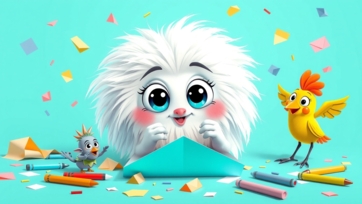
Origami is a fantastic way to combine creativity, concentration, and fine motor skills in young learners. When inspired by Booba, origami becomes even more playful and engaging, turning simple paper folding into exciting adventures for kids. In this guide, we explore Booba-themed origami ideas for children aged 4–8, complete with step-by-step instructions and educational benefits. Why Booba Origami Is Perfect for Kids: Visual Appeal: Booba’s expressive face and playful body make origami more fun. Simple Shapes: Rounded and exaggerated shapes are easy for children to fold. Hands-On Learning: Folding paper enhances fine motor development. Creativity & Imagination: Kids can invent their own Booba scenes and scenarios. Materials Needed: Colored origami paper or plain square sheets Markers or colored pencils Optional: Googly eyes, stickers, or small decorations Clear surface for folding and crafting Top Booba Origami Ideas for Kids: 1. Booba Paper Figure Fold a simple square base for the body. Add ears and facial features with markers or cut-out shapes. Can be used for play, storytelling, or desk display. Learning Tip: Encourages precision, sequencing, and fine motor control. 2. Booba Paper Puppet Create a folded paper figure with movable arms and legs. Use a small stick or straw as a handle for role-play. Kids can reenact favorite Booba adventures. Learning Tip: Develops imaginative play and storytelling skills. 3. Booba Origami Mask Fold a square sheet to create a wearable Booba face. Decorate with markers and add elastic string. Perfect for dress-up or small Booba performances. Learning Tip: Improves spatial awareness and creativity. 4. Booba Origami Animals Create additional origami animals for Booba to interact with. Examples: birds, mice, or small creatures from Booba episodes. Can be used to set up miniature adventures or storytelling scenes. Learning Tip: Encourages pattern recognition and creativity. 5. Booba Origami Gift Boxes Make small boxes with Booba faces for party favors or treasures. Kids can decorate boxes with stickers, crayons, or markers. Useful for themed parties or reward systems. Learning Tip: Teaches measurement, folding precision, and planning skills. 6. Booba Origami Collage Combine multiple origami figures to create a Booba scene. Glue or tape folded characters onto a larger sheet. Add drawn backgrounds or props to enhance the storytelling. Learning Tip: Boosts creative thinking, storytelling, and planning. 7. Booba Origami Bookmarks Fold origami corners into fun Booba-themed bookmarks. Personalize with markers or stickers. Encourages reading habits while combining craft and play. Tips for Booba Origami Success: Use Bright Colors: Kids are more engaged with neon or vibrant papers. Start Simple: Begin with basic folds before attempting complex shapes. Add Personal Touches: Draw Booba expressions and accessories. Combine with Stories: Encourage children to narrate adventures as they fold. Display Creations: Show finished origami at home or classroom for motivation. Educational Benefits of Booba Origami: Fine Motor Skills: Folding and shaping paper strengthens hand muscles and coordination. Cognitive Skills: Following step-by-step instructions enhances problem-solving and sequencing. Creativity & Imagination: Kids invent new scenarios and expressions for Booba. Concentration & Patience: Completing origami teaches focus and perseverance. Visual-Spatial Awareness: Understanding folds and shapes improves spatial reasoning. Final Thoughts: Booba origami combines fun, creativity, and learning for children. From simple paper figures and puppets to masks and interactive scenes, Booba-themed origami fosters fine motor development, imagination, and storytelling skills. Perfect for home activities, preschool classrooms, or rainy-day fun, Booba origami turns everyday paper into playful adventures.
How Much Screen Time Should Kids Have? Expert Guide
Screen time is a major part of modern childhood. With tablets, TVs, and computers, parents often ask: “How much screen time is appropriate for my child?” Understanding recommended limits and guidelines can help children benefit from educational content while avoiding negative effects on health, development, and sleep. This guide presents expert advice on safe screen time limits for children, along with tips for making screen use educational and interactive. Recommended Screen Time by Age: 1. Infants and Toddlers (0–2 years) Experts recommend avoiding screen time except for video calls with family. Focus on hands-on play, reading, and exploration. 2. Preschoolers (3–5 years) Limit screen time to about 1 hour per day of high-quality, educational content. Encourage co-viewing with parents to enhance understanding and engagement. 3. Early School Age (6–12 years) Screen time should be balanced with physical activity, homework, reading, and social interaction. Educational programs, creative apps, and interactive learning tools are preferable. 4. Teenagers (13–18 years) Encourage moderation and healthy habits, balancing screen use with sleep, exercise, and real-world interactions. Limit recreational screen use, especially before bedtime. Tips for Healthy Screen Use: Co-View and Discuss: Watch educational programs with your child and ask questions to enhance learning. Interactive Content: Choose apps, games, or shows that promote creativity, problem-solving, and active thinking. Breaks Are Essential: Encourage a 10–15 minute break every hour to reduce eye strain and maintain attention. Set Screen-Free Zones: Keep mealtime, bedrooms, and outdoor play areas free from screens. Model Healthy Behavior: Children often imitate parents, so limit your own recreational screen time. Benefits of Controlled Screen Time: Educational Value: High-quality programs and apps can teach numbers, letters, languages, and problem-solving skills. Creativity & Imagination: Interactive games, drawing apps, or storytelling programs foster creative thinking. Social Skills: Video calls with relatives or collaborative learning apps help maintain social connections. Digital Literacy: Moderate screen use teaches children responsible and safe technology use. Risks of Excessive Screen Time: Sleep Disruption: Excessive screen time, especially before bedtime, can affect sleep patterns. Behavioral Issues: Too much passive viewing can contribute to short attention span or hyperactivity. Reduced Physical Activity: Sedentary screen time may limit exercise and outdoor play. Social Isolation: Overuse of screens may reduce interaction with peers or family. Creating a Balanced Screen Schedule: Plan Educational and Recreational Use: Allocate time for learning, creative play, and entertainment. Set Daily Limits: Use timers or parental controls if needed. Encourage Offline Activities: Sports, crafts, reading, and outdoor exploration should complement screen time. Observe and Adapt: Watch for signs of fatigue, frustration, or disinterest, and adjust accordingly. Final Thoughts: Screen time is not inherently harmful; it can be educational and fun if carefully monitored. By setting limits, choosing quality content, and encouraging interaction, parents can ensure children benefit from technology while maintaining healthy development.
Dinosaur Stories for Children
Dinosaurs have fascinated children for generations with their enormous size, mysterious history, and exciting adventures. Dinosaur stories for children bring these prehistoric creatures to life through colorful cartoons, friendly characters, and imaginative storytelling. These stories are not only entertaining but also educational, teaching children about science, history, teamwork, and problem-solving. In this article, we explore why dinosaur cartoons are so popular, their educational benefits, and how parents can use them to encourage learning and creativity. ⭐ Why Dinosaur Stories Are Popular with Kids: 1. Fascination with Prehistoric Creatures: Children are naturally curious about dinosaurs. Cartoons give them a safe and fun way to explore these creatures and their world. 2. Imaginative Storytelling: Dinosaur cartoons combine fantasy, adventure, and humor, making stories engaging and memorable. 3. Relatable Characters: Friendly dinosaur characters help children relate to lessons about friendship, courage, and kindness. 4. Visual and Audio Learning: Bright animations and fun sounds keep children engaged while helping them retain information about dinosaurs and prehistoric life. 5. Safe Learning: Animated stories allow children to learn about large, potentially scary creatures in a safe, entertaining environment. ⭐ Popular Themes in Dinosaur Stories: 1. Adventures in Prehistoric Times: Stories often follow dinosaurs exploring jungles, volcanoes, and rivers, teaching children about different environments. 2. Friendship and Teamwork: Cartoons focus on dinosaurs helping each other, sharing, and solving problems, reinforcing social and moral lessons. 3. Science and History: Some stories introduce facts about dinosaur species, fossils, and their behavior in a fun and age-appropriate way. 4. Problem-Solving and Creativity: Characters face challenges, encouraging children to think creatively and learn problem-solving skills. 5. Fun and Humor: Animated dinosaurs often have funny traits or adventures, keeping children entertained while learning. ⭐ Educational Benefits of Dinosaur Stories: 1. Develops Curiosity: Children learn about prehistoric life, evolution, and the natural world, fostering a love for science. 2. Builds Vocabulary: Cartoons introduce terms like “Tyrannosaurus,” “Triceratops,” “volcano,” and “fossil” in a fun, understandable way. 3. Encourages Moral Values: Stories about helping friends, sharing, and bravery instill positive social and emotional values. 4. Enhances Cognitive Skills: Following storylines, remembering character names, and understanding plots improve memory and critical thinking. 5. Stimulates Imagination: Children create their own dinosaur worlds, adventures, and stories, boosting creativity and imaginative play. ⭐ Tips for Parents to Make the Most of Dinosaur Cartoons: ✔ 1. Watch Together: Discuss dinosaur names, behaviors, and adventures to reinforce learning. ✔ 2. Encourage Drawing and Crafts: Let children draw dinosaurs, create models, or make prehistoric scenes inspired by the cartoons. ✔ 3. Ask Questions: Questions like “What would you do if you were a dinosaur?” help children think creatively and engage with the story. ✔ 4. Reinforce Facts: Introduce simple facts about dinosaurs to combine fun and education effectively. ✔ 5. Limit Screen Time: Keep episodes short and interactive, ideally 20–30 minutes, to balance entertainment and other learning activities. ⭐ Conclusion: Dinosaur stories for children are a fantastic way to combine entertainment, imagination, and education. Through vibrant animations, adventurous storytelling, and friendly dinosaur characters, children learn about prehistoric life, moral values, problem-solving, and creativity. Parents and educators can use these cartoons to foster curiosity, develop cognitive and social skills, and inspire children to explore science and history. Dinosaur cartoons make learning about the past fun and memorable, creating a love for stories, knowledge, and imaginative play that lasts a lifetime.
YouTube Premium vs. YouTube Kids – What’s Better for Your Child in 2026?
The YouTube ecosystem offers two primary pathways for families: the ad-free, feature-rich YouTube Premium and the walled-garden, curated YouTube Kids. Choosing between them isn't about finding the single "best" option, but about matching the right tool to your family's specific values, your child's age, and your parenting style. This 2026 guide breaks down each service to help you make an informed decision for your digital household. The Core Philosophy: Two Different Approaches : YouTube Kids is a controlled environment. It's a separate app/platform designed from the ground up for children, with heavy human and algorithmic curation, simplified controls, and a commitment to being "family-friendly." YouTube Premium is an enhancement tool for the main YouTube platform. It doesn't change what is available, but it removes ads and unlocks features. Its use for children depends entirely on your own active supervision and parental controls. Let's compare them across the key dimensions that matter to parents. Content Library & Curation: Safety vs. Breadth : YouTube Kids: Pros: Features a severely restricted library of videos deemed appropriate for children by a mix of automated filters, human reviewers, and partner channels. It offers three age-based content settings (Preschool, Younger, Older) to tailor the experience. The chance of encountering blatantly inappropriate content is very low. Cons: The library can feel limited, especially for older, curious kids. Some parents have noted "edutainment" content that is overly commercialized or of low educational value slipping through. It can also block genuinely useful, child-appropriate content from the main site. YouTube Premium (on a Supervised Account): Pros: Grants access to the entire universe of YouTube, including educational channels, hobby tutorials, family vloggers, and music. With your careful supervision and channel subscriptions, you can build a rich, personalized learning feed. Cons: The "algorithm" is designed for general audiences, not children. Without extreme vigilance, it can easily recommend increasingly mature, commercialized, or sensational content. The burden of curation falls 100% on you. Winner for Content Safety: YouTube Kids.Winner for Content Breadth & Customization: YouTube Premium (with hands-on parenting). Advertisements & Commercialism: The Ad-Free Promise : YouTube Kids: Pros: It does have ads, but they are supposedly vetted to be appropriate for children and are limited in number. There are no display or overlay ads. Cons: Ads are still present. The line between content and advertising can be blurry, with channels dedicated to unboxing toys or video game promotions feeling inherently commercial. YouTube Premium: Pros: It removes all video ads across all of YouTube. This is its core feature. For a child using the main site, this eliminates interruptions, pre-roll ads for inappropriate products, and reduces the manipulative "clickbait" cycle fueled by ad revenue. Cons: It does not remove integrated product placements or sponsorships within the videos themselves. Winner for Ad Experience: YouTube Premium. An ad-free experience is profoundly different and removes a major vector of commercial pressure and inappropriate exposure. Features & Parental Controls: Built-in vs. DIY : YouTube Kids: Pros: Offers straightforward parental controls: passcode-locked settings, timer limits, the ability to block specific videos or channels, and content level selection. The interface is simple for a child to navigate. Cons: Controls can feel broad-stroke. The "Approved Content Only" mode requires you to hand-pick every single channel and video—a time-intensive process. YouTube Premium (with Google Family Link): Pros: When combined with a Supervised Google Account (managed via Family Link), you get powerful, granular controls for the main YouTube app: you can restrict the child to only watch videos you approve, or limit them to content rated for "9+." You can also set time limits and monitor watch history. Cons: This setup is more complex to configure. The "approved content only" mode is similarly labor-intensive. The main YouTube interface remains complex and tempting. Winner for Ease of Use & Built-In Safety: YouTube Kids.Winner for Granular Control (for tech-savvy parents): YouTube Premium + Supervised Account. Cost & Value Analysis : YouTube Kids: Free. It is a no-cost product. YouTube Premium: Paid Subscription. Requires a monthly fee. However, a YouTube Premium Family plan can cover up to 5 family members (all sharing the ad-free benefit) and includes YouTube Music Premium. Winner on Cost: YouTube Kids.Winner on Family-Wide Value: YouTube Premium Family (if you want ad-free YouTube and music for everyone). The Verdict: Which Service is "Better"? The answer depends entirely on your child's age and your desired level of involvement. Choose YouTube Kids If: Your child is between 3 and 8 years old. You want a "set it and mostly forget it" level of safety. You are comfortable with its curated, limited library. Your primary goal is to avoid explicit inappropriate content with minimal effort. Choose YouTube Premium (with a Supervised Account) If: Your child is 9 years or older and has specific, mature educational interests (e.g., advanced science tutorials, historical documentaries, creative software guides). You are committed to co-viewing and actively building playlists/channel subscriptions together. You want to completely eliminate video ads for your child. You already want Premium for your own use and can add them to a Family plan. The 2026 Expert Recommendation: A Phased Hybrid Approach : The most effective strategy often uses both tools at different stages. Ages 3-7: Start with YouTube Kids. This is the default, safe sandbox. Use it to establish good habits. Supplement with high-quality content from dedicated platforms like boobacartoon.com for storytelling and learn.universitiesforllm.com for structured lessons. Ages 8-10: Transition with Premium + Supervision. As their needs outgrow YouTube Kids, create a Supervised Google Account. Use the "Approved Content Only" mode on the main YouTube app. This is labor-intensive but allows you to add specific educational channels. A YouTube Premium subscription here is highly recommended to strip out ads. Ages 11+: Guided Independence with Premium. Move to a less restrictive supervised level (like "Explore More") but maintain time limits and regular check-ins of watch history. Continue to have conversations about algorithm awareness and critical thinking. Always maintain the ad-free benefit of Premium. The Bottom Line:YouTube Kids is a safer, simpler product for children.YouTube Premium is a more powerful tool for parents who are willing to be highly engaged media mentors. In 2026, the best choice is the one that aligns with your active parenting, not the one that promises passive peace of mind.
Booba Drawing Tutorials for Kids
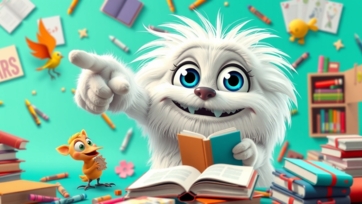
Booba, with his expressive face, playful antics, and simple shapes, is the perfect character for kids to learn drawing. Drawing tutorials inspired by Booba help children develop fine motor skills, creativity, and visual observation while keeping them entertained. In this guide, we will cover easy Booba drawing tutorials for kids and explain how to make the activity fun, educational, and engaging for children aged 3–8. Why Booba Drawing Is Perfect for Kids: Simple Shapes: Booba’s rounded forms and bold features are easy for children to replicate. Expressive Character: Big eyes, exaggerated mouth, and fluffy body encourage creativity. Step-by-Step Learning: Children can follow simple steps to create recognizable characters. Safe & Fun: Requires minimal materials and is suitable for home or classroom settings. Materials Needed: Drawing paper or sketchbook Pencils and erasers Colored pencils, crayons, or markers Optional: Ruler for shapes, templates for guidance Step-by-Step Booba Drawing Tutorial for Kids: 1. Start with Basic Shapes Draw a large oval for Booba’s head. Add a smaller oval or circle for the body. Mark positions for eyes, nose, and mouth lightly with a pencil. Educational Tip: Teaches kids shape recognition and spatial awareness. 2. Add Eyes and Facial Features Draw big circular eyes near the top of the head. Add pupils and highlights to make them expressive. Draw a small oval nose and a wide, smiling mouth. Educational Tip: Encourages fine motor control and observation skills. 3. Draw Booba’s Arms and Legs Use curved lines for arms and legs. Hands can be simple ovals or mitten shapes. Feet are rounded or slightly elongated to mimic Booba’s style. Learning Tip: Helps children understand proportions and symmetry. 4. Add Booba’s Fluffy Ears and Tail Draw large, rounded ears on the sides of the head. Optional: Add a small fluffy tail for additional detail. Educational Tip: Introduces attention to detail and pattern recognition. 5. Add Accessories or Objects Kids can draw Booba interacting with toys, balloons, or pillows. Encourage imagination: Booba can be climbing, jumping, or sliding. Learning Tip: Supports creative thinking and storytelling. 6. Outline and Erase Guidelines Trace final lines with a darker pencil or marker. Erase unnecessary guidelines to clean up the drawing. Educational Tip: Teaches focus, patience, and precision. 7. Coloring Your Booba Drawing Use bright colors to mimic Booba’s animated style. Encourage kids to experiment with new color combinations. Add details like shadows or background items to make it lively. Learning Tip: Enhances color recognition, creativity, and concentration. Tips to Make Booba Drawing More Fun: Follow Along Videos: Use step-by-step tutorials for guidance. Draw Together: Parents or teachers can draw alongside kids to increase engagement. Storytelling: Encourage children to create stories about what Booba is doing in their drawings. Display Artwork: Show off finished drawings on walls or classroom boards to boost confidence. Combine with Crafts: Turn drawings into puppets, masks, or collages. Educational Benefits of Booba Drawing Tutorials: Fine Motor Development: Tracing, coloring, and shaping improve hand strength. Creativity & Imagination: Kids interpret Booba’s expressions in unique ways. Cognitive Skills: Planning steps and drawing sequences enhances problem-solving. Visual Observation: Children learn to observe shapes, proportions, and expressions. Emotional Expression: Drawing expressive faces encourages understanding of emotions. Final Thoughts: Booba drawing tutorials are perfect for combining fun and learning. Kids develop creativity, motor skills, observation, and storytelling abilities while enjoying a hands-on, interactive activity. Drawing Booba can be a daily creative habit or a fun weekend project, making learning exciting and visually engaging.