Music & Rhythm: Lessons from Animated Episodes

Music and rhythm play an important role in early childhood development. Animated episodes, especially those designed for preschoolers, combine fun, movement, and melody to teach children fundamental lessons about music, coordination, and creativity. Through repetitive tunes, catchy songs, and playful beats, children learn to recognize patterns, improve memory, and express themselves through rhythm.

Episodes that incorporate music also stimulate multiple areas of the brain. Visual storytelling paired with musical elements enhances attention, auditory skills, and emotional understanding. Children are naturally drawn to music, and animated episodes provide a safe and engaging environment to explore this creative form.


Why Music and Rhythm Are Important for Young Children:

Music is more than entertainment; it is a tool for learning and development. For preschoolers, rhythm and melody help in:

  • Developing auditory discrimination skills

  • Enhancing memory and concentration

  • Encouraging physical coordination and movement

  • Fostering creativity and imagination

  • Supporting emotional expression and social interaction

Animated episodes make these skills accessible by combining visual cues with musical patterns.


How Animated Episodes Teach Musical Patterns:

Episodes often introduce simple melodies and repetitive songs that children can follow. Repetition helps young learners:

  • Recognize beats and rhythm

  • Learn to clap, tap, or move in sync with music

  • Predict the next notes or lyrics

  • Understand concepts like fast/slow or loud/soft

This foundational understanding of rhythm supports later learning in music, math, and language.


Incorporating Movement and Dance:

Many animated episodes encourage movement along with music. Characters may:

  • Tap their feet or hands to the beat

  • Dance in simple, exaggerated motions

  • Use gestures to represent musical concepts

When children imitate these actions, they improve coordination, gross motor skills, and rhythm recognition.


Developing Listening and Memory Skills:

Music-based episodes improve listening and memory. Children learn to:

  • Follow sequences of sounds or notes

  • Memorize short songs and lyrics

  • Recognize patterns in melody and rhythm

This active listening strengthens cognitive skills and enhances the child’s ability to focus and retain information.


Encouraging Creativity and Self-Expression:

Music and rhythm also provide an outlet for creative expression. Animated episodes often:

  • Encourage children to create their own songs or beats

  • Inspire imaginative play with musical instruments

  • Promote storytelling through sound and movement

Such activities help children develop confidence and individuality while having fun.


Lessons in Cooperation and Social Interaction:

Musical episodes frequently show group singing or dancing, teaching children important social lessons:

  • Taking turns

  • Coordinating with others

  • Listening to group cues

  • Celebrating together

These social experiences promote empathy, teamwork, and emotional intelligence in a playful setting.


How Parents Can Support Music-Based Learning:

Parents can enhance the learning experience by:

  • Singing along with episodes

  • Clapping or moving to the rhythm together

  • Providing safe instruments like tambourines, shakers, or xylophones

  • Encouraging children to invent their own musical patterns

Active participation reinforces concepts and makes learning more interactive and fun.


Choosing the Right Musical Episodes:

Not all animated episodes are equally beneficial. Parents should select shows that:

  • Include simple, repetitive songs suitable for preschoolers

  • Encourage movement and interaction

  • Use bright visuals and friendly characters

  • Avoid overly complex or loud sequences that may overwhelm young children

Educational musical episodes, such as those with nursery rhymes or rhythm-based adventures, are particularly effective.


Conclusion:

Music and rhythm lessons from animated episodes provide a playful and effective way for preschoolers to develop essential skills. By combining melody, movement, and repetition, these episodes support auditory, cognitive, motor, and social development. When parents engage with children and encourage active participation, music becomes not only fun but also a powerful educational tool, laying the foundation for creativity, coordination, and a lifelong appreciation for music.
Advertisement
What to Do If Your Child Watches Too Much YouTube
YouTube is a popular platform for children, offering educational videos, cartoons, and entertainment. However, excessive screen time can affect a child’s sleep, behavior, learning, and social skills. Parents need to find a balance between allowing educational content and preventing overuse, ensuring that YouTube remains a safe and beneficial resource. Excessive YouTube viewing can lead to passive consumption, reduced physical activity, and attention difficulties. Understanding why children watch too much and implementing strategies to manage screen time is essential for healthy development. Signs Your Child is Watching Too Much YouTube: Parents should be aware of these signs: Spending hours on the platform without breaks Ignoring meals, homework, or outdoor play Irritability or mood changes when screen time is limited Difficulty focusing on other tasks Preferring YouTube over social interaction or creative play Recognizing these signs early allows parents to intervene before negative effects increase. Set Clear Screen Time Limits: One of the most effective strategies is to establish daily screen time rules: Use device settings or parental control apps to enforce limits Schedule screen time after homework or physical activity Encourage a balance of educational and recreational content Start with reasonable limits (e.g., 30–60 minutes for preschoolers) Clear rules help children develop self-discipline and healthy viewing habits. Curate Safe and Educational Content: Instead of blocking YouTube completely, parents can guide children to age-appropriate content: Use YouTube Kids for controlled, child-friendly content Create playlists of educational videos and cartoons Discuss video topics and encourage learning beyond the screen Remove channels that contain violence, inappropriate language, or ads Curated content ensures children gain value from screen time while avoiding harmful material. Encourage Alternative Activities: To reduce overreliance on YouTube, parents should promote alternative activities: Reading books or listening to audiobooks Outdoor play and physical exercise Arts, crafts, and building projects Music, dance, and interactive learning games Balancing screen time with active, creative, and social activities supports overall development. Co-Viewing and Engagement: Parents can enhance learning and monitoring by watching with their children: Discuss what they are watching Ask questions about the content to encourage critical thinking Relate lessons from videos to real-life experiences Praise positive behavior and creativity inspired by videos Co-viewing ensures that children engage thoughtfully rather than passively consuming content. Set Up Device and App Controls: Many devices and apps allow parents to control usage and monitor activity: Enable screen time limits and device lock features Use parental controls to restrict content and track viewing Block or restrict channels with inappropriate content Adjust settings to prevent autoplay and endless video feeds These tools provide structured, safe, and manageable YouTube usage. Talk About Healthy Habits: Communication is key in helping children develop self-regulation: Explain why limits exist and the benefits of balance Encourage children to suggest alternative fun activities Set a routine for screen-free times (e.g., before bed, mealtimes) Model healthy media habits as a parent This teaches children to self-monitor and make responsible choices regarding screen time. Benefits of Controlled YouTube Usage: When YouTube usage is managed effectively: Children gain educational and creative benefits Screen time does not interfere with social or physical development Children develop critical thinking and media literacy Parents maintain peace of mind regarding online safety Controlled usage allows children to enjoy the benefits of digital content while minimizing potential risks. Conclusion: If your child watches too much YouTube, it’s essential to establish limits, curate content, and encourage alternative activities. By combining technology, engagement, and communication, parents can ensure that YouTube becomes a safe, educational, and enjoyable resource rather than a source of overexposure. Healthy screen habits foster learning, creativity, and balanced growth, preparing children for responsible digital consumption in the future.
Best Animal Cartoons for Kids in 2025
How Kids Can Learn with Fun Animal cartoons have always captured children’s imagination. In 2025, they are not just entertaining—they have become powerful learning tools. By combining colorful animation, fun characters, and educational storytelling, animal cartoons help toddlers and preschoolers learn about nature, animals, social skills, and essential life concepts. This guide explores the benefits of animal cartoons for kids, highlights top series in 2025, and provides tips for parents to make the most of these engaging learning resources. Why Animal Cartoons Are Great for Learning: Children naturally love animals, making them ideal learning companions. Animal cartoons provide a safe and playful way for children to: Learn about different animals: Names, habitats, diets, and behaviors. Develop empathy and social skills: Understanding feelings and actions of characters. Introduce science and nature concepts: Ecosystems, seasons, and environmental awareness. Enhance language skills: Vocabulary, pronunciation, and storytelling. Encourage problem-solving and teamwork: Characters often work together to overcome challenges. Animated animals turn learning into interactive and memorable experiences, keeping children engaged for longer periods. Types of Educational Animal Cartoons: 1. Animal Adventure Series: These cartoons follow animal characters on adventures, exploring forests, oceans, and jungles. They teach habitat, geography, and problem-solving skills. 2. Animal ABC and Counting Series: Animated animals introduce letters, numbers, and basic math concepts. Examples include counting fish, identifying animal names by letters, or sorting shapes. 3. Moral and Social Lessons Through Animals: Animals are often used to teach values and life skills. Stories about sharing, kindness, honesty, and cooperation resonate well with children. 4. Science and Nature Series: Some animal cartoons focus on biology, ecosystems, and wildlife conservation. They introduce kids to environmental awareness in a fun, digestible way. Top Animal Cartoons for Kids Learning in 2025: 1. Dino Learners: Smart Adventures: A dinosaur-themed series that combines fun with science learning. Learning benefits: Basic paleontology and dinosaur facts Problem-solving and teamwork Introduction to geography and prehistoric life Recommended age: 4–10 years 2. Booba’s Animal Adventures: Booba explores animal habitats and interactions in playful, curiosity-driven episodes. Highlights: Non-verbal storytelling suitable for all languages Encourages observation and critical thinking Perfect for toddlers and preschoolers 3. Animal ABCs with Friends: This series introduces letters and vocabulary using animal characters. Key learning areas: Alphabet recognition Vocabulary building Pronunciation practice Fun songs and rhymes 4. Little Wild Explorers: Animated mini-stories where animal friends learn life lessons, teamwork, and emotional skills. Themes include: Cooperation and friendship Problem-solving in small adventures Emotional intelligence and empathy 5. Forest Fun with Friends: A series focusing on habitat learning, nature awareness, and social skills through animal stories. Learning highlights: Identifying animals and their environments Understanding food chains and nature cycles Promoting environmental responsibility 6. Super Simple Animal Rhymes: A combination of songs and animations using animals to teach letters, numbers, colors, and shapes. Benefits: Engaging and interactive for toddlers Improves memory and language skills Multi-sensory learning through visual and auditory cues How Parents Can Maximize Learning: Parents can enhance the educational value of animal cartoons by: Watching together: Discuss animals, their habitats, and behaviors. Repeating favorite episodes: Repetition reinforces learning. Combining offline activities: Drawing animals, counting toys, or acting out stories. Asking questions: “Where does this animal live?” or “What does it eat?” to encourage thinking. Mixing genres: Combine adventure, ABC, and moral-based animal cartoons for well-rounded learning. Limiting screen time: Short, focused sessions are more effective for toddlers. Recommended Animal Cartoons for Kids Learning in 2025: Dino Learners: Smart Adventures – Dinosaurs and basic science concepts Booba’s Animal Adventures – Habitats, observation, and curiosity learning Animal ABCs with Friends – Letters, vocabulary, and rhymes Little Wild Explorers – Life lessons, teamwork, and emotional skills Forest Fun with Friends – Nature, animals, and environmental awareness Super Simple Animal Rhymes – Multi-skill learning with music and animals These series are safe, colorful, and educational, making them perfect for toddlers and preschoolers who love animals. Final Thoughts: Animal cartoons are not just entertaining—they are powerful educational tools. In 2025, they combine storytelling, music, and visuals to teach language, math, social skills, and environmental awareness. Parents can enhance learning by: Watching with children and discussing content Reinforcing concepts through real-life activities Encouraging creativity and empathy through role-play With the right animal cartoons, screen time becomes both fun and productive, helping children develop knowledge, skills, and emotional intelligence while enjoying vibrant, imaginative worlds. Tip for Parents: Encourage children to act out animal behaviors or stories, which strengthens memory, observation, and engagement while making learning interactive.
Top Booba-Themed Printable Worksheets for Children
Printable worksheets are an excellent way to combine fun and learning for children. Booba, with his playful and expressive personality, provides the perfect theme for worksheets that engage young learners. From coloring and tracing to puzzles and counting activities, Booba worksheets make education interactive, enjoyable, and visually stimulating. In this guide, we present the top Booba-themed printable worksheets for children aged 3–8, along with tips on how to use them for learning at home or in the classroom. 1. Booba Coloring Worksheets: Simple line art of Booba in various poses Bright colors can be added using crayons or markers Teaches color recognition, hand-eye coordination, and creativity Activity Tip: Encourage children to tell a mini story about what Booba is doing in the picture. 2. Booba Tracing Worksheets: Outlines of Booba, objects, and letters for tracing Helps children practice fine motor skills, pencil control, and writing readiness Great for preschoolers and early learners Learning Tip: Tracing can be combined with counting or identifying shapes in the picture. 3. Booba Maze Worksheets: Children help Booba find his way to a toy, balloon, or friend Improves problem-solving, spatial awareness, and patience Fun and engaging way to introduce logical thinking Activity Tip: Reward completion with a sticker or mini Booba stamp. 4. Booba Counting Worksheets: Worksheets with Booba interacting with objects for counting practice Helps children recognize numbers, quantities, and basic math skills Encourages visual learning and numeracy development Learning Tip: Ask children to color a certain number of items while counting aloud. 5. Booba Matching Worksheets: Match Booba characters to their favorite objects or scenes Enhances cognitive skills, attention to detail, and memory Suitable for group activities or solo learning Activity Tip: Use mini stickers for correct matches to make it interactive. 6. Booba Pattern Recognition Worksheets: Identify and continue patterns using Booba-themed objects Boosts critical thinking, sequencing, and problem-solving skills Ideal for preschoolers to practice logical reasoning Learning Tip: Start with simple patterns and gradually increase complexity. 7. Booba Spot-the-Difference Worksheets: Two similar Booba images with subtle differences Encourages visual observation, attention to detail, and patience Great for enhancing focus and concentration Activity Tip: Children can circle or color the differences for added fun. 8. Booba Cut-and-Paste Worksheets: Cut out Booba characters or objects and paste them into the correct scenes Improves fine motor skills, hand-eye coordination, and sequencing Adds a tactile dimension to learning Learning Tip: Turn it into a storytelling activity where children explain their scene. 9. Booba Word Search & Alphabet Worksheets: Introduce Booba-themed words for children to find in a word search Letters or words can be traced or colored for alphabet practice Develops reading skills, vocabulary, and letter recognition Activity Tip: Encourage children to use the words in their own mini stories. 10. Booba Creative Writing Worksheets: Provide a scene with Booba and leave space for children to write or draw what happens next Enhances imagination, storytelling, and writing skills Suitable for older preschoolers and early elementary learners Learning Tip: Combine with coloring and drawing to create a complete activity sheet. How to Use Booba Worksheets Effectively: Combine Multiple Skills: Use worksheets that combine coloring, counting, and tracing for multi-skill development. Set a Theme: Align worksheets with favorite Booba episodes or activities. Interactive Learning: Encourage discussion, storytelling, and role-play while completing worksheets. Reward Completion: Stickers, stamps, or praise motivate children. Rotate Activities: Offer different types of worksheets weekly to maintain interest. Educational Benefits of Booba Worksheets: Cognitive Development: Puzzles, matching, and pattern recognition enhance thinking skills. Fine Motor Skills: Coloring, tracing, and cutting improve hand-eye coordination. Creativity & Imagination: Children interpret Booba scenes and create their own ideas. Problem-Solving: Mazes and pattern activities teach logical thinking. Language & Literacy: Word searches and writing exercises improve vocabulary and literacy. Final Thoughts: Booba-themed printable worksheets are an engaging way to combine fun and learning. From coloring and tracing to mazes, counting, and creative writing, these worksheets help children develop essential skills while exploring Booba’s playful world. Perfect for home learning, preschool classrooms, or rainy-day activities, Booba worksheets keep children entertained and educationally engaged.
Booba Crafts for Preschoolers
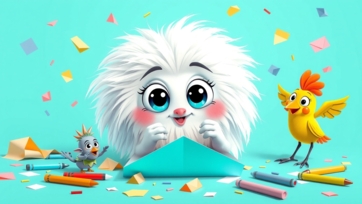
Booba is a playful, curious, and visually engaging character that sparks creativity and imagination in young children. For preschoolers, crafting activities inspired by Booba are not only fun but also educational, promoting fine motor skills, creativity, and problem-solving. In this guide, we explore easy and engaging Booba crafts for preschoolers, designed for children aged 3–5, suitable for home, preschool classrooms, or daycare centers. Why Booba Crafts Are Perfect for Preschoolers: Visual Engagement: Booba’s expressive eyes, fluffy body, and exaggerated actions captivate young children. Simple Designs: Easy shapes and bold outlines are ideal for preschool-level crafts. Hands-On Learning: Cutting, gluing, and coloring enhance fine motor development. Imaginative Play: Crafting Booba characters allows role-play and storytelling. Top Booba Craft Ideas for Preschoolers: 1. Booba Paper Mask Materials: Printable Booba template, cardstock, crayons, child-safe scissors, elastic string Activity: Color, cut, and assemble a Booba mask Learning: Enhances motor skills, creativity, and role-play 2. Booba Hand Puppets Materials: Paper bags, markers, glue, colored paper Activity: Decorate bags to create Booba puppets Learning: Encourages storytelling, imaginative play, and social interaction 3. Booba Coloring Sheets Materials: Printable coloring pages, crayons, colored pencils Activity: Color Booba in different scenes Learning: Improves hand-eye coordination, color recognition, and focus 4. Booba Balloon Art Materials: Balloons, markers, colored paper Activity: Draw Booba faces on balloons Learning: Enhances creativity and visual expression 5. Booba Paper Plate Craft Materials: Paper plates, glue, colored paper, crayons Activity: Make Booba’s face on a plate Learning: Teaches shapes, textures, and spatial awareness 6. Booba Collage Materials: Scrap paper, magazines, glue, markers Activity: Cut and paste shapes to recreate Booba’s adventures Learning: Boosts creativity, observation, and fine motor skills 7. Booba Finger Puppets Materials: Felt, glue, markers Activity: Create small Booba finger puppets for storytelling Learning: Encourages role-playing, storytelling, and hand dexterity 8. Booba Origami Materials: Colored paper Activity: Fold paper to make Booba or related objects Learning: Enhances spatial reasoning, sequencing, and fine motor skills 9. Booba Craft Stick Characters Materials: Popsicle sticks, markers, glue, colored paper Activity: Make Booba and friends on sticks for imaginative play Learning: Promotes creative thinking and storytelling 10. Booba Sensory Bottles Materials: Clear plastic bottles, glitter, small Booba figures, water Activity: Fill bottles with water and decorations for visual play Learning: Encourages focus, sensory exploration, and calm play Educational Benefits of Booba Crafts: Fine Motor Skills: Cutting, coloring, and gluing improve hand strength and coordination. Creativity & Imagination: Children interpret Booba’s adventures in their own way. Cognitive Development: Planning craft steps encourages problem-solving and sequencing. Social Skills: Craft activities in groups teach sharing, cooperation, and communication. Emotional Expression: Recreating Booba’s expressions helps children explore feelings. Tips for Parents and Educators: Supervise cutting and gluing activities for safety. Encourage children to narrate stories while crafting. Rotate crafts for variety: masks, puppets, and coloring activities. Display finished crafts to boost confidence and motivation. Use Booba episodes as inspiration to connect crafts with storytelling. Final Thoughts: Booba crafts are a perfect combination of fun and education for preschoolers. Through hands-on activities like masks, puppets, coloring, and collages, children develop fine motor skills, creativity, imagination, and social abilities. Integrating Booba-inspired crafts into playtime or preschool activities ensures that learning and fun happen simultaneously.
Nature's Candy: Essential Fruit Benefits for Growing Children
Fruits Benefits for Children: Fruits are not just colourful snacks or dessert alternatives for kids. They are nature’s complete nutrient packages, packed with vitamins, minerals, antioxidants, and fibers that directly influence a child’s growth, immunity, brain development, and overall energy levels. Children are in a rapid growth phase, and each day their bodies demand nutrients not only for physical development but also for mental performance, digestion, and disease resistance. Regularly including fruits in their diet can make a tangible difference in these areas. In Pakistan, studies show that a significant number of children do not consume the recommended daily servings of fruits. This deficiency often leads to frequent illnesses, low energy levels, and even slower cognitive development. Fruits are not a luxury—they are a necessity for building strong bodies and sharp minds. Vitamins and Minerals in Fruits — The Growth Essentials: Fruits are packed with micronutrients that children’s bodies cannot produce on their own. Vitamin C, potassium, folate, and antioxidants are just a few examples. Vitamin C and Immunity: Citrus fruits like oranges, lemons, and sweet limes provide vitamin C, which strengthens the immune system and helps the body fight infections. For children, a strong immunity means fewer school absences and better energy levels for play and learning. Vitamin C also helps in the absorption of iron, which is crucial for blood health. Potassium for Heart and Muscle Function: Bananas, melons, and apricots are rich in potassium, which supports heart health and proper muscle function. Active children who play sports or run around all day benefit greatly from potassium because it maintains fluid balance and prevents cramps. Folate for Cellular Growth: Folate is vital for rapid cell division, which is constantly occurring in children. Fruits such as papaya, guava, and mango provide folate naturally, helping in growth, tissue repair, and proper organ development. Practical Tip: Instead of giving processed juices, serve fresh fruits whole. A banana before school, guava slices in lunch boxes, or a small bowl of papaya after meals gives both nutrients and fiber. Fiber in Fruits — Digestive Health and Satiety: Fruits are a rich source of dietary fiber, which is crucial for children’s digestive systems. Fiber promotes healthy bowel movements, prevents constipation, and supports gut bacteria that aid nutrient absorption. A healthy gut is not just about digestion; it influences immunity, mood, and even energy levels. Examples of Fibre-Rich Fruits: Apples with skin Pears Berries like strawberries and blueberries Guava Including these fruits in meals ensures children feel full for longer, reducing unnecessary snacking on sugar-laden foods. Serving Idea: Chop apples or pears into small cubes and mix with yoghurt or oatmeal for breakfast. It’s an easy way to incorporate fibre without complaints. Antioxidants in Fruits — Brain and Body Protection: Children’s bodies generate free radicals through normal activity and metabolism. Fruits provide antioxidants that neutralise these free radicals, preventing cellular damage and supporting healthy brain and body development. Key Antioxidant Fruits: Blueberries and blackberries contain flavonoids that improve memory and learning. Mangoes and papayas contain carotenoids that support eye health and skin development. Pomegranates are rich in polyphenols that promote heart and blood vessel health. Real-Life Observation: Parents who give children a variety of colored fruits report higher attention spans, better mood stability, and fewer minor illnesses over time. Energy Boosters — Natural Sugars and Slow-Release Carbs: Unlike candy or processed snacks, fruits contain natural sugars accompanied by fiber, vitamins, and water. This combination provides a slow, sustained energy release rather than a sugar crash. Examples: Bananas are ideal for pre-sports energy. Apples and pears provide steady fuel during school hours. Dates and raisins are excellent natural snacks for quick energy, especially during travel or outdoor activities. Parenting Tip: Mix dried fruits like raisins, apricots, and figs with nuts for a natural trail mix. It’s portable, healthy, and keeps kids active longer without processed sugar spikes. Seasonal Fruits — Aligning with Nature: Seasonal fruits are usually richer in nutrients and are naturally designed to support health during that time of year. Summer Fruits: Mangoes for vitamin A and energy Melons for hydration and potassium Lychee for vitamin C and immunity Winter Fruits: Oranges and guavas for immune support Apples and pomegranates for fiber and antioxidants Papaya to aid digestion and provide vitamin C Seasonal eating ensures that children’s bodies get the nutrients they need most during each season. Modern grocery habits often bring off-season fruits, which may not be as nutrient-dense. How Much Fruit Should Children Eat? Nutritionists recommend that children consume at least 2–3 servings of fruit per day, depending on age. Each serving can be roughly: 1 medium-sized fruit (apple, banana, orange) ½ cup chopped or sliced fruit ¼ cup dried fruit It’s better to offer small portions consistently throughout the day than to overload one meal with fruit. Variety across types and colours ensures a broader range of nutrients. Making Fruits Appealing to Children: Children may resist eating fruits for several reasons — texture, taste, or simply unfamiliarity. Some strategies to encourage consumption include: Presenting fruits in colourful, visually attractive plates. Offering them in different forms: sliced, diced, in smoothies, or mixed with yoghurt. Introducing new fruits gradually alongside familiar favourites. Allowing children to participate in washing or cutting fruits increases curiosity and willingness to try. Creating a positive eating experience is often more effective than forcing children to eat. Fruits vs. Processed Snacks — The Health Perspective: Many children consume packaged snacks or sweetened juices, thinking they are equivalent to fruits. This is a common misconception. Processed snacks often contain high sugar, low fiber, and artificial additives. Whole fruits provide fiber, vitamins, minerals, and antioxidants along with natural sweetness. Consuming real fruits reduces cravings for unhealthy snacks, improves satiety, and supports long-term growth and immunity. Cognitive and Emotional Benefits: Fruits are not just for physical health; they affect mental and emotional development. Studies show that children who consume a variety of fruits regularly demonstrate: Improved concentration and learning ability Better emotional regulation Reduced fatigue and irritability Lower incidence of minor infections Colourful fruits like berries, pomegranate, and mangoes support neurodevelopment through antioxidants and micronutrients critical for brain function. Final Thoughts: Fruits are fundamental to children’s growth, health, and well-being. A balanced daily intake provides essential vitamins, minerals, fiber, antioxidants, and natural energy that support bone growth, immunity, brain development, digestion, and emotional stability. Parents should view fruits as daily health investments, not occasional treats. Mixing colours, textures, and seasonal varieties ensures a complete nutrient profile and makes eating enjoyable. By encouraging children to enjoy fruits naturally, you are laying the foundation for strong bodies, sharp minds, and healthy habits that can last a lifetime. Every child deserves a diet where fruits are not optional—they are essential. Start with small, consistent servings, diversify across colours and types, and integrate them into meals and snacks. The results are not only physical growth but also enhanced immunity, cognitive function, and overall vitality.  
Why You Should Block Certain Cartoon Channels
Cartoons are a wonderful source of entertainment and learning for children, but not all cartoon channels are suitable for young audiences. Some content may contain violence, inappropriate language, or negative behavioral messages, which can impact a child’s development. Parents need to carefully monitor and, in some cases, block certain channels to ensure a safe and healthy viewing experience. Blocking unsuitable channels allows children to focus on age-appropriate content, learn positive behaviors, and enjoy cartoons without exposure to harmful material. Impact of Inappropriate Content on Children: Watching unsuitable cartoons can affect children in several ways: Encourage aggressive or inappropriate behavior Introduce complex themes beyond their understanding Create fear, anxiety, or confusion Influence negative attitudes toward others Distract from learning-focused activities By blocking these channels, parents can protect children’s emotional and cognitive development. Signs That a Cartoon Channel May Be Inappropriate: Parents should be alert to certain indicators when evaluating cartoon channels: Frequent violence, fighting, or bullying Use of inappropriate language or mature themes Characters displaying poor moral behavior without consequences Content that is overly fast-paced or overstimulating Shows that promote consumerism or unsafe habits Identifying these signs helps parents make informed decisions about what their children watch. Benefits of Blocking Unsuitable Channels: Blocking certain cartoon channels ensures children: Watch content aligned with their age and development Focus on educational and creative shows Develop positive social and emotional skills Avoid exposure to content that encourages aggression or fear Build a foundation for healthy screen habits This approach allows children to enjoy cartoons safely while learning valuable lessons. How to Select Safe Cartoon Channels: When choosing suitable channels, parents should consider: Shows that teach morality, empathy, and teamwork Educational content that promotes literacy, numeracy, or creativity Channels with bright visuals, friendly characters, and calm pacing Programs that reinforce positive social and emotional skills Some popular safe options include Sesame Street, Bluey, Daniel Tiger’s Neighborhood, and educational YouTube channels specifically designed for preschoolers. Tools and Techniques for Blocking Channels: Parents can use several tools to filter or block unwanted cartoon content: Parental control apps like Google Family Link, YouTube Kids, or Qustodio Browser and app-level content restrictions Device-based content filtering and screen time controls Creating custom playlists or approved channels These tools help ensure children have controlled access to safe content. Encouraging Positive Viewing Habits: Blocking inappropriate channels is only one step. Parents should also: Watch cartoons together and discuss lessons learned Encourage children to ask questions and express ideas Balance screen time with active, hands-on activities Praise curiosity and creativity while avoiding passive consumption Active engagement enhances learning and reinforces positive behavior. Conclusion: Blocking certain cartoon channels is essential for safe and effective learning through media. By monitoring content, using parental controls, and promoting age-appropriate shows, parents can protect children from harmful influences and ensure cartoons remain a source of fun, education, and positive social development. Safe cartoon viewing fosters healthy screen habits, creativity, and emotional growth, preparing children for both learning and social interactions.
Themed Party Favors for Kids: A 2025 Guide to Fun, Simple & Memorable Gifts
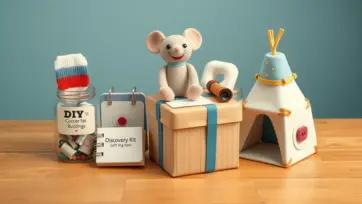
Party favors are the final thank-you note, a small token of appreciation for sharing in the celebration. For a party inspired by gentle, curious characters, the best favors aren't just branded trinkets—they're useful, playful, and spark imagination long after the cake is gone. This 2025 guide offers creative, affordable, and low-waste favor ideas that capture a spirit of discovery and fun. The New Rules for Modern Party Favors : Move beyond plastic junk. Today's best favors are: Useful or Experiential: Something kids will actually use or enjoy doing. Low-Waste & Thoughtful: Minimal plastic, functional packaging. Interactive: Encourages play, creation, or discovery. Cohesive: Ties into the party theme without being overly commercial. Category 1: The "Create & Explore" Favor Bag (Ages 3-7) : Favors that are an activity in themselves. DIY "Curiosity" Play Dough Kit: The Idea: A small jar or clear bag of homemade blue play dough (non-toxic, scented with vanilla if desired). Attach a tag that says, "Shape Something Wonderful!" Include a couple of simple tools like a craft stick and a small cookie cutter in a basic shape (circle, star). Why It Works: It's sensory, creative, and the container becomes part of the play. It aligns perfectly with hands-on, tactile discovery. "Mystery Seed" Planting Pot: The Idea: A small terracotta pot painted a solid, cheerful blue (or wrapped in blue paper). Fill it with soil and bury a mystery seed packet for a fast-growing plant like beans, sunflowers, or basil. Tag: "Watch Curiosity Grow!" Why It Works: It's a living, growing favor that teaches patience and care. The "mystery" element adds excitement. "I Spy" Discovery Bottle: The Idea: A clear plastic bottle filled with rice or sand dyed blue, and a mix of small hidden treasures (a tiny plastic lightbulb, a question mark charm, a button, a bead). Hot glue the lid shut for safety. Attach a laminated list of items to find. Why It Works: It’s a calming, focus-building activity. Kids can shake and search for the hidden items again and again. Category 2: The "Useful Adventure Gear" Favors (Ages 5-10) : Items that will be used in everyday play. Personalized "Explorer" Water Bottle Strap: The Idea: A simple, adjustable nylon bottle strap (available in bulk online) customized with a wooden bead painted with two simple dot eyes. It instantly turns any water bottle into a sidekick for adventures. Why It Works: Incredibly practical for school, sports, and outings. The personalization makes it special. "Secret Message" Notepad & Decoder Pen: The Idea: A small, memo-sized notepad with a blue cover. Pair it with a "invisible ink" pen (UV pen that writes in clear ink, requiring the attached UV light to read). Tag: "For Your Top-Secret Discoveries." Why It Works: Combines writing practice with spy-game fun. The interactive element is a huge hit. "Build-Your-Own" Snack Mix & Container: The Idea: A reusable silicone pouch or small metal tin. Set up a snack mix station at the party with blue-tinted popcorn, yogurt-covered pretzels, chocolate chips, and cereal. Let each child fill their own container to take home. Why It Works: Edible, zero-waste, and involves the kids in the favor creation. The container is reusable. Category 3: The "Imagination & Play" Favors (All Ages) : Favors that fuel storytelling and pretend play. Storytelling Dice: The Idea: One or two large wooden dice with simple pictures drawn or glued on each face (a key, a door, a treasure chest, a surprised face, a foot, a question mark). Package in a small muslin bag. Why It Works: Encourages creative language and storytelling. A game that can be played alone or with friends. Character "Face" Bean Bag Toss Game: The Idea: A small favor bag containing three homemade bean bags (simple squares of blue fabric filled with rice or beans, sewn shut) and a paper plate with a face drawn on it (two big eyes and a smile). Kids can take it home and play a tossing game. Why It Works: It's an instant game. Promotes active play and motor skills. "Color Your Own" Canvas Pouch: The Idea: A plain, light-colored canvas drawstring pouch. Include a few fabric markers. Kids can decorate their own favor bag at the party or at home, making it a truly personal keepsake. Why It Works: The bag is the favor and the packaging. It’s functional for storing small toys later. The Presentation: Making it Special : How you package favors matters just as much as what's inside. Thematic Packaging: Use blue paper bags, boxes, or reusable fabric bags. Tie with a simple white or black ribbon. Simple, Clever Tags: Instead of just the guest's name, use tags with phrases like: "Thanks for exploring with me!" "Stay Curious!" "A small treasure from our adventure." Practical Containers: Let the container be part of the favor (the planting pot, the canvas pouch, the silicone snack bag). What to Avoid: The Favor Hall of Shame : Single-Use Plastic Toys: They break instantly and become landfill. Candy Overload: A small treat is fine, but don't make sugar the main gift. Overly Commercial Items: Cheap, mass-produced trinkets with no play value. Anything with Small, Loose Parts for Young Kids: Always consider age and choking hazards. Conclusion: Favors That Feel Like a Gift, Not an Afterthought : The goal of a modern party favor is to leave a little spark of the party's joy in each guest's hands. By choosing favors that are interactive, useful, or creative, you're giving a gift that respects parents (less clutter!), delights kids (fun to use!), and reflects a thoughtful, playful celebration. It’s a small way to say thank you for the biggest gift of all—sharing in your child's special day.
Best English Learning Cartoons in 2025
Music and animation are powerful tools for early learning. In 2025, cartoon songs for kids learning English words have become one of the most effective ways to teach toddlers and preschoolers vocabulary, pronunciation, and basic language skills. Combining catchy tunes, colorful visuals, and interactive lyrics, these songs make learning English fun, engaging, and memorable. This guide explores the benefits of cartoon songs, highlights top series for 2025, and provides tips for parents to maximize learning. Why Cartoon Songs Are Effective for Learning English: Children naturally respond to music and repetition, making cartoon songs an ideal learning tool. Here’s why: Reinforcement through melody: Tunes help children remember new words and phrases. Visual cues: Animated characters show objects, actions, or letters while singing. Interactive learning: Repeating words, singing along, and performing actions improve retention. Early language development: Listening and singing enhances pronunciation, comprehension, and vocabulary. Fun and engagement: Kids perceive learning as play, reducing resistance and boredom. By combining music, visuals, and storytelling, children learn English words effortlessly while having fun. Key Learning Areas in Cartoon Songs: Alphabet and Letters Songs teach A–Z letters with animated visuals. Associating letters with objects (A for Apple, B for Ball) enhances memory. Numbers and Counting Counting songs teach numbers, order, and simple math concepts. Colors, Shapes, and Objects Animated objects and songs introduce colors, shapes, and common items. Basic Vocabulary Everyday words for animals, foods, clothes, and actions. Reinforcement through repetition and visual cues. Simple Phrases and Greetings Introduces polite expressions, short sentences, and conversational phrases. Top Cartoon Songs for Kids Learning English Words in 2025: 1. Super Simple Learning Songs: This series is a favorite among toddlers and preschoolers for learning English words through music. Highlights: Alphabet, numbers, and colors Fun characters and colorful animations Slow, clear pronunciation ideal for early learners 2. ABC Kids Songs: Animated songs with letters and words make learning English engaging. Learning benefits: Improves vocabulary and pronunciation Interactive songs encourage singing along Teaches alphabet sequence and letter sounds 3. Booba’s Learning Songs: Booba introduces words and objects in playful animated scenarios. Why it’s popular: Non-verbal storytelling combined with music Encourages observation and repetition Perfect for toddlers of all languages 4. Little Learners English Songs: Mini-stories combined with catchy songs teach numbers, animals, foods, and basic phrases. Key learning points: Vocabulary expansion through visuals and lyrics Reinforces daily words for home, school, and play Short episodes perfect for attention spans of 2–6 years 5. Fun Animal Alphabet Songs: Songs featuring animals and letters make English vocabulary memorable. Benefits: Associates letters with animals (A for Alligator, B for Bear) Introduces sounds and spelling Engaging for toddlers who love animals How Parents Can Maximize Learning: To make cartoon songs more effective, parents can: Watch and sing along: Encourage children to imitate words and gestures. Repeat favorite songs: Repetition reinforces memory and pronunciation. Use props and toys: Show objects while singing corresponding words. Pause and ask questions: “Can you find the apple?” or “Which animal is this?” Mix learning songs with routine activities: Counting during snack time, naming colors while dressing, etc. Limit screen time: Short sessions of 5–10 minutes per song maximize attention. Recommended Cartoon Songs for Kids Learning English Words in 2025: Super Simple Learning Songs – Alphabet, numbers, colors ABC Kids Songs – Letters, words, and pronunciation Booba’s Learning Songs – Observation-based vocabulary learning Little Learners English Songs – Everyday words, phrases, and objects Fun Animal Alphabet Songs – Letters and animals for interactive learning These animated songs are safe, colorful, and educational, helping children develop early English vocabulary, listening skills, and pronunciation while enjoying fun music and characters. Final Thoughts: Cartoon songs for learning English words are more than entertainment—they are educational powerhouses. In 2025, these series combine music, visuals, and repetition to make learning natural and enjoyable for toddlers and preschoolers. Parents can enhance learning by: Singing along and practicing words together Reinforcing vocabulary in daily routines Repeating songs to strengthen memory and comprehension With the right cartoon songs, children learn English effortlessly while having fun, setting a strong foundation for future language skills. Tip for Parents: Encourage children to draw or point out objects from the songs as they sing along, which reinforces memory and makes learning interactive.