Why Playful Cartoon Characters Are Different from Other Kids’ Cartoons

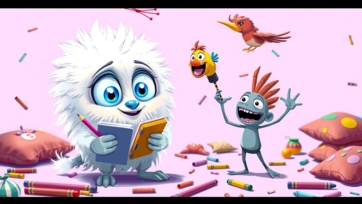
Not all cartoons are created equal. Some animated shows are just for laughs, while others combine humor, creativity, and educational value. Playful cartoon characters stand out because they entertain while subtly teaching lessons, encouraging imagination, and engaging children in meaningful ways.

This guide explains why playful cartoon characters are unique and how they benefit children aged 3–8 compared to other kids’ cartoons.


1. Unique Style and Expression:

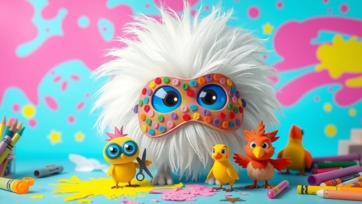
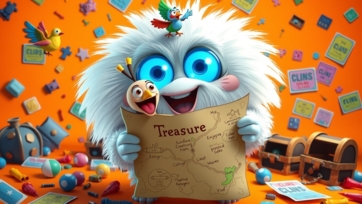
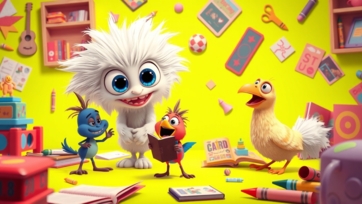
  • Visual Appeal: Playful characters often have exaggerated expressions, vibrant colors, and quirky designs.

  • Non-Verbal Storytelling: Many actions and expressions convey emotions and humor without words, making them accessible to children of all language backgrounds.

  • Distinct Animation Style: Fluid, dynamic movement keeps kids engaged and entertained.


2. Humor with Positive Lessons:

  • Unlike some cartoons that rely solely on slapstick, playful characters mix humor with subtle learning.

  • Episodes often teach problem-solving, sharing, curiosity, and empathy.

  • Children laugh while learning, reinforcing cognitive and social skills.


3. Encourages Creativity and Imagination:

  • Playful characters inspire children to draw, craft, role-play, and create stories.

  • Episodes often feature fantastical scenarios that encourage imaginative thinking.

  • Children learn to experiment and explore in both play and daily life.


4. Cross-Cultural Appeal:

  • Minimal or no dialogue makes these cartoons universally understandable.

  • Children from different cultures can enjoy, interpret, and learn from the visual storytelling.

  • Promotes inclusivity and cultural understanding at an early age.


5. Interactive Learning Opportunities:

  • Episodes can be used as storytelling prompts, drawing exercises, or role-play scenarios.

  • Children are encouraged to retell stories, invent new endings, or act out scenes, enhancing language, creativity, and critical thinking skills.

  • Unlike some cartoons, playful characters invite active participation rather than passive viewing.


6. Emotional and Social Development:

  • Characters model empathy, cooperation, and curiosity, helping children understand emotions and relationships.

  • Storylines often show problem-solving and teamwork, reinforcing positive social behavior.

  • Helps children navigate real-life social situations through observation and imitation.


Why Parents Prefer Playful Characters:

  1. Safe Content: Episodes are typically free of inappropriate violence or language.

  2. Educational Value: Combines learning with entertainment naturally.

  3. Creative Engagement: Encourages drawing, crafts, and storytelling.

  4. Easy Understanding: Non-verbal cues make it accessible to younger children.

  5. Universal Appeal: Children of all languages and backgrounds can enjoy and learn.


Final Thoughts:

Playful cartoon characters are more than just entertainment. They are interactive, educational, and imaginative, offering lessons in social skills, problem-solving, and creativity. Unlike other kids’ cartoons, they engage children actively, making learning fun, memorable, and globally accessible.


Advertisement
How Much Screen Time Should Kids Have? Expert Guide
Screen time is a major part of modern childhood. With tablets, TVs, and computers, parents often ask: “How much screen time is appropriate for my child?” Understanding recommended limits and guidelines can help children benefit from educational content while avoiding negative effects on health, development, and sleep. This guide presents expert advice on safe screen time limits for children, along with tips for making screen use educational and interactive. Recommended Screen Time by Age: 1. Infants and Toddlers (0–2 years) Experts recommend avoiding screen time except for video calls with family. Focus on hands-on play, reading, and exploration. 2. Preschoolers (3–5 years) Limit screen time to about 1 hour per day of high-quality, educational content. Encourage co-viewing with parents to enhance understanding and engagement. 3. Early School Age (6–12 years) Screen time should be balanced with physical activity, homework, reading, and social interaction. Educational programs, creative apps, and interactive learning tools are preferable. 4. Teenagers (13–18 years) Encourage moderation and healthy habits, balancing screen use with sleep, exercise, and real-world interactions. Limit recreational screen use, especially before bedtime. Tips for Healthy Screen Use: Co-View and Discuss: Watch educational programs with your child and ask questions to enhance learning. Interactive Content: Choose apps, games, or shows that promote creativity, problem-solving, and active thinking. Breaks Are Essential: Encourage a 10–15 minute break every hour to reduce eye strain and maintain attention. Set Screen-Free Zones: Keep mealtime, bedrooms, and outdoor play areas free from screens. Model Healthy Behavior: Children often imitate parents, so limit your own recreational screen time. Benefits of Controlled Screen Time: Educational Value: High-quality programs and apps can teach numbers, letters, languages, and problem-solving skills. Creativity & Imagination: Interactive games, drawing apps, or storytelling programs foster creative thinking. Social Skills: Video calls with relatives or collaborative learning apps help maintain social connections. Digital Literacy: Moderate screen use teaches children responsible and safe technology use. Risks of Excessive Screen Time: Sleep Disruption: Excessive screen time, especially before bedtime, can affect sleep patterns. Behavioral Issues: Too much passive viewing can contribute to short attention span or hyperactivity. Reduced Physical Activity: Sedentary screen time may limit exercise and outdoor play. Social Isolation: Overuse of screens may reduce interaction with peers or family. Creating a Balanced Screen Schedule: Plan Educational and Recreational Use: Allocate time for learning, creative play, and entertainment. Set Daily Limits: Use timers or parental controls if needed. Encourage Offline Activities: Sports, crafts, reading, and outdoor exploration should complement screen time. Observe and Adapt: Watch for signs of fatigue, frustration, or disinterest, and adjust accordingly. Final Thoughts: Screen time is not inherently harmful; it can be educational and fun if carefully monitored. By setting limits, choosing quality content, and encouraging interaction, parents can ensure children benefit from technology while maintaining healthy development.
Best Booba Toys for Kids: The Ultimate 2025 Play Guide
Beloved for his cheerful simplicity and playful curiosity, Booba has captured the hearts of children worldwide. The right Booba toy can extend that fun from the screen into the physical world, encouraging creativity, motor skills, and imaginative play. This 2025 guide cuts through the clutter to recommend the best Booba toys that are safe, engaging, and developmentally valuable, ensuring your child’s playtime is filled with joyful exploration. Understanding the "Booba" Play Value : When choosing a Booba toy, look for items that embody his core traits: curiosity, non-verbal problem-solving, tactile discovery, and joyful mischief. The best toys will encourage open-ended play, not just replication of screen moments. Disclaimer: This is an independent guide. Always verify safety certifications (CE, ASTM) and age recommendations before purchase. Category 1: For Tactile Explorers & Young Fans (Ages 1.5-3) : These toys focus on sensory input, durability, and basic cause-and-effect, perfect for toddlers sharing Booba's discovery phase. Booba Plush Toy with Textured Elements: Why It's a Top Pick: A soft, huggable plush is a must-have. The best versions include different fabrics on his ears, feet, or belly for tactile exploration, and are machine-washable. It provides comfort and a first friend for role-play. What to Look For: Seam integrity, embroidered (not plastic) eyes for safety, and hypoallergenic filling. Booba Shape Sorter Discovery Cube: Why It's a Top Pick: This directly translates Booba's curiosity into a foundational learning toy. A cube with Booba's face features holes for chunky, themed shapes (like his favorite donut or light bulb). It develops fine motor skills, spatial reasoning, and problem-solving. What to Look For: Large, easy-to-grip shapes made of durable, BPA-free plastic. Smooth edges and a storage bag for the shapes. "Booba's Kitchen Surprise" Push & Go Toy: Why It's a Top Pick: A chunky, durable toy car or figure that wobbles or makes a gentle rattling sound when pushed. It encourages crawling/chasing and satisfies a toddler's desire to make things happen, just like Booba does. What to Look For: A sturdy, tip-resistant design with wheels that roll smoothly and no detachable small parts. Category 2: For Imaginative Storytellers (Ages 3-6) : This age group is ready to act out full Booba adventures. Toys should encourage narrative building and creative expression. Booba's Curiosity House Play Set: Why It's a Top Pick: A detailed, interactive playset based on Booba's home is the centerpiece of imaginative play. The best sets include opening doors, clickable lights, a sliding chair, and accessories like his iconic lamp, fridge, and teapot. It lets kids recreate and invent their own silent stories. What to Look For: Sets with multiple interactive features and several accessories. Durability is key—ensure hinges and moving parts are robust. Booba & Friends Figurine Collection: Why It's a Top Pick: A set of sturdy, poseable figurines including Booba, Jelly, and other characters allows for dynamic storytelling. They can be used with the playset, taken on "adventures" around the house, or incorporated into other playscapes. What to Look For: Good articulation (arms/legs that move), paint that won't chip easily, and a scale that works with other playsets. Booba Dress-Up Kit (Ears & Gloves): Why It's a Top Pick: Simple, high-quality felt ears on a headband and fluffy white gloves instantly transform a child into Booba. This prop is fantastic for physical comedy, mimicking Booba's expressions, and sparking active, character-driven play. What to Look For: A comfortable, adjustable headband. Gloves should allow for finger movement and be made of breathable material. Category 3: For Creative Builders & Problem-Solvers (Ages 5-8) : For older fans, toys that channel Booba's inventive and often unconventional problem-solving are ideal. Booba's Wacky Workshop Building Set: Why It's a Top Pick: A construction set featuring Booba's unique aesthetic—crazy angles, odd connectors, and vibrant colors. It challenges kids to build unstable-looking yet functional structures, just like Booba would, fostering engineering thinking and creativity beyond standard blocks. What to Look For: Compatibility with major block brands for expanded play, and an idea booklet with "challenges" (e.g., "Build a tower that can hold Booba's donut"). "Booba's Silly Reactions" Science Kit: Why It's a Top Pick: A themed science kit exploring simple, visually dramatic reactions like foaming "volcanoes" (donut glaze explosion!), color mixing, or magnet tricks. It perfectly captures Booba's cause-and-effect mischief in an educational framework. What to Look For: Kits that use safe, household ingredients and include clear, picture-based instructions. Emphasis on the "wow" factor. Booba Digital Drawing Tablet with Stencils: Why It's a Top Pick: A pressure-free, mess-free way to create Booba art. A kid's drawing tablet with pre-loaded Booba stencils or stamps lets them design their own scenes, encouraging digital creativity in a focused way. What to Look For: A tablet with a color screen, a sturdy stylus, and a "learn to draw Booba" function. The "Best of the Best" All-Around Winner (Ages 3-6) : Booba's Curiosity House Play Set with Figurines.This combination offers the highest return on play value. The environment (house) and the characters (figurines) together provide endless fuel for narrative, problem-solving, and social-emotional play, perfectly capturing the spirit of the show for the core age group. Tips for Integrating Booba Toys into Healthy Play : Pair with Screen Time: Watch a short episode, then use the toys to act out what you saw or invent a new ending. Encourage "Silent Play": Challenge your child to tell a story using only Booba's gestures and sounds, boosting non-verbal communication skills. Mix with Other Toys: Let Booba visit the toy castle or the car garage. Cross-play sparks incredible creativity. Balance with Other Activities: After a Booba play session, channel that energy into a real-world "discovery mission" outdoors, perhaps with gear from kidtoys.site, or follow up with a different style of creative story from boobacartoon.com. Conclusion: Play with Curiosity & Joy : The best Booba toys for 2025 aren't just merchandise; they are tools that extend the show’s positive themes of curiosity and joyful discovery into your child's hands. By choosing toys that prioritize open-ended play, durability, and creative thinking, you’re investing in playthings that will grow with your child’s imagination. Remember, the true magic happens not in the toy itself, but in how your child uses it to explore their world—with the same wide-eyed wonder as their favorite furry friend.
10 Brain-Boosting Activities Inspired by Cartoons
Cartoons are not just entertaining; they can be a source of creative and educational inspiration for children. Many educational cartoons are designed to encourage problem-solving, critical thinking, and cognitive skill development. Parents can leverage these shows to create fun, brain-boosting activities at home that support learning through play. Here are 10 activities inspired by cartoons that can enhance your child’s brain development and vocabulary. 1. Storytelling and Role-Play: Cartoons often have engaging stories and memorable characters. Encourage your child to retell episodes or act out their favorite scenes. This activity improves vocabulary, creativity, and narrative skills. For example, after watching a show like Dora the Explorer or Paw Patrol, children can role-play characters, solve problems, and create their own adventures. This not only makes learning fun but also enhances imagination and social skills. 2. Word Games and Puzzles: Many cartoons introduce new words, phrases, or simple riddles. Turn this into interactive word games at home. Use flashcards, crossword puzzles, or matching games with words learned from cartoons. This strengthens memory, vocabulary, and problem-solving skills, while keeping children engaged in educational play. 3. Drawing and Coloring Activities: Cartoons are visually appealing, making them ideal for drawing and coloring exercises. Ask your child to draw their favorite characters or scenes. This activity improves fine motor skills, hand-eye coordination, and creativity, while allowing children to practice storytelling visually. Parents can also introduce new words related to colors, shapes, and actions during the activity. 4. Interactive Quizzes: After watching a cartoon episode, create simple quizzes about the story, characters, or moral lessons. Use multiple-choice or true/false questions to make it fun. Interactive quizzes enhance critical thinking, attention span, and comprehension skills, and make children more attentive to details in animated shows. 5. Memory Games: Many cartoons repeat phrases, rhymes, or sequences, which can be used for memory-boosting exercises. Encourage children to recall sequences of events or dialogue from their favorite shows. This activity strengthens working memory, focus, and language retention, making it easier for kids to learn and use new vocabulary. 6. Educational Craft Projects: Inspired by cartoon themes, children can create crafts, such as building models, making puppets, or designing simple props. For instance, after watching a show about animals, kids can make paper animals or masks. Craft projects boost problem-solving, creativity, and fine motor skills, while reinforcing knowledge and vocabulary related to the cartoon theme. 7. Music and Singing Activities: Many cartoons include songs and rhymes. Encourage children to sing along, dance, or create their own lyrics inspired by these songs. Music-based activities enhance memory, language development, and rhythm recognition, while making learning fun and interactive. It also helps children pronounce new words clearly. 8. Puzzle-Based Problem Solving: Cartoons often feature characters solving simple challenges or mysteries. Turn these scenarios into hands-on problem-solving games, like jigsaw puzzles, building blocks, or treasure hunts. This improves logical thinking, spatial awareness, and concentration, while teaching children to think creatively like their favorite cartoon heroes. 9. Science and Exploration Experiments: Some educational cartoons introduce basic science concepts. Use these as inspiration for safe and simple experiments at home. For example, shows about nature or animals can lead to planting seeds, exploring magnets, or observing insects. These activities boost curiosity, observational skills, and scientific vocabulary, turning cartoon inspiration into practical learning experiences. 10. Reading and Writing Exercises: Cartoons often feature stories, letters, or written messages. Encourage children to write their own short stories or letters based on episodes they watched. This reinforces writing, reading comprehension, and vocabulary acquisition. It also helps children connect visual storytelling with written language, strengthening their literacy skills. Tips for Parents to Maximize Learning: Select educational cartoons: Choose shows with clear language, problem-solving, and moral lessons. Limit screen time: Use cartoons as inspiration, not a passive activity; 30–60 minutes per day is ideal. Engage actively: Watch with your child, discuss new words, and encourage participation. Combine activities: Mix drawing, crafts, quizzes, and memory games to reinforce learning. Use bright and playful tools: Colorful materials and interactive props make activities more engaging and memorable. Conclusion: Cartoons are much more than entertainment—they are a powerful tool for brain development in children. By translating animated stories into hands-on activities, parents can boost cognitive skills, vocabulary, creativity, and problem-solving abilities. Integrating these 10 brain-boosting activities inspired by cartoons into your child’s routine transforms screen time into meaningful learning experiences, ensuring that fun and education go hand in hand. With creative play, interactive exercises, and storytelling, children can develop essential skills that last a lifetime—all while enjoying their favorite cartoons.
Why You Should Block Certain Cartoon Channels
Cartoons are a wonderful source of entertainment and learning for children, but not all cartoon channels are suitable for young audiences. Some content may contain violence, inappropriate language, or negative behavioral messages, which can impact a child’s development. Parents need to carefully monitor and, in some cases, block certain channels to ensure a safe and healthy viewing experience. Blocking unsuitable channels allows children to focus on age-appropriate content, learn positive behaviors, and enjoy cartoons without exposure to harmful material. Impact of Inappropriate Content on Children: Watching unsuitable cartoons can affect children in several ways: Encourage aggressive or inappropriate behavior Introduce complex themes beyond their understanding Create fear, anxiety, or confusion Influence negative attitudes toward others Distract from learning-focused activities By blocking these channels, parents can protect children’s emotional and cognitive development. Signs That a Cartoon Channel May Be Inappropriate: Parents should be alert to certain indicators when evaluating cartoon channels: Frequent violence, fighting, or bullying Use of inappropriate language or mature themes Characters displaying poor moral behavior without consequences Content that is overly fast-paced or overstimulating Shows that promote consumerism or unsafe habits Identifying these signs helps parents make informed decisions about what their children watch. Benefits of Blocking Unsuitable Channels: Blocking certain cartoon channels ensures children: Watch content aligned with their age and development Focus on educational and creative shows Develop positive social and emotional skills Avoid exposure to content that encourages aggression or fear Build a foundation for healthy screen habits This approach allows children to enjoy cartoons safely while learning valuable lessons. How to Select Safe Cartoon Channels: When choosing suitable channels, parents should consider: Shows that teach morality, empathy, and teamwork Educational content that promotes literacy, numeracy, or creativity Channels with bright visuals, friendly characters, and calm pacing Programs that reinforce positive social and emotional skills Some popular safe options include Sesame Street, Bluey, Daniel Tiger’s Neighborhood, and educational YouTube channels specifically designed for preschoolers. Tools and Techniques for Blocking Channels: Parents can use several tools to filter or block unwanted cartoon content: Parental control apps like Google Family Link, YouTube Kids, or Qustodio Browser and app-level content restrictions Device-based content filtering and screen time controls Creating custom playlists or approved channels These tools help ensure children have controlled access to safe content. Encouraging Positive Viewing Habits: Blocking inappropriate channels is only one step. Parents should also: Watch cartoons together and discuss lessons learned Encourage children to ask questions and express ideas Balance screen time with active, hands-on activities Praise curiosity and creativity while avoiding passive consumption Active engagement enhances learning and reinforces positive behavior. Conclusion: Blocking certain cartoon channels is essential for safe and effective learning through media. By monitoring content, using parental controls, and promoting age-appropriate shows, parents can protect children from harmful influences and ensure cartoons remain a source of fun, education, and positive social development. Safe cartoon viewing fosters healthy screen habits, creativity, and emotional growth, preparing children for both learning and social interactions.
Music & Rhythm: Lessons from Animated Episodes
Music and rhythm play an important role in early childhood development. Animated episodes, especially those designed for preschoolers, combine fun, movement, and melody to teach children fundamental lessons about music, coordination, and creativity. Through repetitive tunes, catchy songs, and playful beats, children learn to recognize patterns, improve memory, and express themselves through rhythm. Episodes that incorporate music also stimulate multiple areas of the brain. Visual storytelling paired with musical elements enhances attention, auditory skills, and emotional understanding. Children are naturally drawn to music, and animated episodes provide a safe and engaging environment to explore this creative form. Why Music and Rhythm Are Important for Young Children: Music is more than entertainment; it is a tool for learning and development. For preschoolers, rhythm and melody help in: Developing auditory discrimination skills Enhancing memory and concentration Encouraging physical coordination and movement Fostering creativity and imagination Supporting emotional expression and social interaction Animated episodes make these skills accessible by combining visual cues with musical patterns. How Animated Episodes Teach Musical Patterns: Episodes often introduce simple melodies and repetitive songs that children can follow. Repetition helps young learners: Recognize beats and rhythm Learn to clap, tap, or move in sync with music Predict the next notes or lyrics Understand concepts like fast/slow or loud/soft This foundational understanding of rhythm supports later learning in music, math, and language. Incorporating Movement and Dance: Many animated episodes encourage movement along with music. Characters may: Tap their feet or hands to the beat Dance in simple, exaggerated motions Use gestures to represent musical concepts When children imitate these actions, they improve coordination, gross motor skills, and rhythm recognition. Developing Listening and Memory Skills: Music-based episodes improve listening and memory. Children learn to: Follow sequences of sounds or notes Memorize short songs and lyrics Recognize patterns in melody and rhythm This active listening strengthens cognitive skills and enhances the child’s ability to focus and retain information. Encouraging Creativity and Self-Expression: Music and rhythm also provide an outlet for creative expression. Animated episodes often: Encourage children to create their own songs or beats Inspire imaginative play with musical instruments Promote storytelling through sound and movement Such activities help children develop confidence and individuality while having fun. Lessons in Cooperation and Social Interaction: Musical episodes frequently show group singing or dancing, teaching children important social lessons: Taking turns Coordinating with others Listening to group cues Celebrating together These social experiences promote empathy, teamwork, and emotional intelligence in a playful setting. How Parents Can Support Music-Based Learning: Parents can enhance the learning experience by: Singing along with episodes Clapping or moving to the rhythm together Providing safe instruments like tambourines, shakers, or xylophones Encouraging children to invent their own musical patterns Active participation reinforces concepts and makes learning more interactive and fun. Choosing the Right Musical Episodes: Not all animated episodes are equally beneficial. Parents should select shows that: Include simple, repetitive songs suitable for preschoolers Encourage movement and interaction Use bright visuals and friendly characters Avoid overly complex or loud sequences that may overwhelm young children Educational musical episodes, such as those with nursery rhymes or rhythm-based adventures, are particularly effective. Conclusion: Music and rhythm lessons from animated episodes provide a playful and effective way for preschoolers to develop essential skills. By combining melody, movement, and repetition, these episodes support auditory, cognitive, motor, and social development. When parents engage with children and encourage active participation, music becomes not only fun but also a powerful educational tool, laying the foundation for creativity, coordination, and a lifelong appreciation for music.
Best Moral Stories for Kids with Animation
Learn with Fun in 2025 Teaching children good values and life lessons is a vital part of early education. In today’s digital age, animated moral stories for kids have become one of the most effective ways to teach ethics, empathy, and social skills while keeping learning fun and engaging. Animated moral stories combine colorful visuals, lively characters, and engaging narratives to help children understand right from wrong, develop emotional intelligence, and learn essential life lessons. In 2025, these videos are more popular than ever, offering parents a safe and interactive way to instill values in their children. This guide explores the benefits of animated moral stories, top series and videos for kids, and tips for parents to maximize learning from these stories. Why Moral Stories Matter for Kids in 2025: Stories have always been a powerful educational tool. With animation, stories come to life, making lessons memorable and relatable. Benefits of animated moral stories: Teaches values: Honesty, kindness, sharing, and respect. Emotional intelligence: Helps children understand feelings, empathy, and conflict resolution. Problem-solving skills: Characters face challenges, showing consequences of choices. Language development: Kids learn new words and sentence structures through storytelling. Safe entertainment: Stories are designed with age-appropriate lessons and positive messaging. By turning morals into entertaining narratives, children absorb values naturally without feeling like they are being “taught.” Top Moral Lessons Taught Through Animated Stories: Here are some common and essential moral lessons taught in animated stories for kids: Kindness and EmpathyStories that show characters helping others or showing compassion teach toddlers how to care for friends, family, and animals. Honesty and IntegrityAnimated tales about telling the truth help children understand why honesty matters and the consequences of lying. Sharing and CooperationThrough teamwork or sharing experiences, kids learn how to play and work well with others. Courage and ResilienceCharacters overcoming fears or challenges inspire children to face difficulties bravely. Respect and Good MannersStories highlight respecting elders, peers, and rules, reinforcing positive social behavior. Responsibility and Self-disciplineAnimated moral stories show children the importance of taking responsibility for actions and forming good habits. Top Animated Moral Story Series for Kids in 2025: 1. The Kindness Club: One of the most popular series in 2025, The Kindness Club teaches empathy, friendship, and sharing through playful characters and interactive stories. Why it’s popular: Engaging and relatable storylines Soft, colorful animation that appeals to toddlers Promotes emotional intelligence and social skills 2. Moral Tales with Booba: Booba’s curiosity-driven adventures are now infused with moral lessons. Children learn safety, honesty, and helping others while watching Booba explore the world. Benefits: Non-verbal and easy to understand for all languages Encourages observation and critical thinking Suitable for toddlers and preschoolers 3. ABC & Friends Life Lessons: Combining alphabet learning with moral lessons, this series uses fun stories and characters to teach values along with ABCs. Highlights: Teaches honesty, kindness, and cooperation Reinforces language skills Colorful, interactive visuals for toddlers 4. Super Simple Stories: Life Lessons: Super Simple Stories combines songs, rhymes, and animations to convey morals in a fun way. What kids learn: Sharing and caring Respect and empathy Following rules and helping friends 5. Little Hero Adventures: Animated mini-stories where small characters face challenges and learn courage, responsibility, and resilience. Key themes: Problem-solving and decision-making Bravery in small daily tasks Understanding consequences 6. Animal Tales for Kids: Stories featuring animals teach moral lessons in an entertaining way, often making values easier for children to understand. Learning benefits: Sharing and friendship through animal adventures Respect for nature and animals Promotes teamwork and kindness How to Choose the Right Animated Moral Stories: When selecting moral story videos for kids, parents should consider: Age-appropriate content – Stories should match your child’s understanding. Positive messaging – Avoid content with negative stereotypes or violence. Engaging visuals – Bright colors and fun characters hold attention. Short duration – Toddlers learn better from 5–10 minute videos. Interactive elements – Songs, rhymes, and prompts encourage participation. Trusted sources – Use safe platforms like YouTube Kids or educational websites such as boobacartoon.com. Tips for Maximizing Learning with Moral Stories: Watch together – Parents can reinforce the lessons and answer questions. Discuss the story – Ask your child “What would you do?” to encourage critical thinking. Repeat favorites – Repetition strengthens understanding and retention. Combine with real-life practice – Encourage children to act on lessons like sharing or helping. Mix with other learning videos – Pair moral stories with ABC, numbers, or colors for a well-rounded early education. Recommended Moral Stories for Kids in 2025: The Kindness Club – Empathy, sharing, and friendship Moral Tales with Booba – Safety, honesty, and helpfulness ABC & Friends Life Lessons – Values combined with alphabet learning Super Simple Stories: Life Lessons – Songs, rhymes, and morals Little Hero Adventures – Courage, resilience, and responsibility Animal Tales for Kids – Friendship, teamwork, and respect for animals These series are safe, engaging, and educational, making moral lessons fun and memorable for toddlers and preschoolers. Final Thoughts: Animated moral stories are more than just entertaining videos—they are powerful tools for teaching values, empathy, and social skills. By choosing the right series, parents can help their children develop emotional intelligence, good habits, and decision-making skills while enjoying bright and playful animations. In 2025, with a wide variety of animated moral stories available, parents have endless options to make screen time educational and enriching. Mix and match stories, discuss lessons, and encourage real-life practice to give your child a strong foundation for ethical and emotional development. Tip for Parents:  Encourage children to retell the stories in their own words—this reinforces memory, comprehension, and moral understanding.
Best Vegetables Every Child Must Eat
Best Vegetables Every Child Must Eat: Childhood is a construction phase. Bones are being mineralised, neural networks are wiring themselves at astonishing speed, and the immune system is basically attending boot camp every day. You are not just feeding a child; you are supplying raw materials to a rapidly evolving biological machine. Vegetables are some of the most information-dense materials you can provide. They contain micronutrients that act like instructions telling the body how to grow, not just how much to grow. Many children get enough calories. Fewer get enough nutrients. That gap matters. Leafy Greens — The Structural Engineers: 4 Leafy greens like spinach, mustard greens, and fenugreek are nutritional heavyweights. They provide iron, calcium, magnesium, folate, and vitamin K — nutrients that directly influence bone density and blood formation. Iron helps carry oxygen through the bloodstream. Oxygen fuels growing tissues. Without enough oxygen delivery, growth slows like a city during a power outage. Vitamin K ensures calcium actually binds into bones instead of wandering uselessly through the bloodstream. Think of it as the traffic controller directing minerals to the skeleton. Children who regularly eat leafy greens often show better endurance, stronger immunity, and fewer fatigue complaints. Blend them into lentils, knead them into dough, or add to omelettes. The goal is exposure, not culinary perfection. Carrots and Pumpkin — The Neural Support Crew: 4 Orange vegetables like carrots and pumpkin are loaded with beta-carotene, which the body converts into vitamin A. This nutrient is essential for vision, immune defence, and — often overlooked — brain development. Vitamin A supports communication between neurons. A growing brain is basically laying down electrical wiring at high speed, and vitamin A helps maintain insulation and signal clarity. Children deficient in it may experience frequent infections and slower recovery from illness. That means missed school days, lower activity, and less physical development. Add grated carrots to rice, mix pumpkin into soups, or roast them lightly to bring out natural sweetness. Children accept sweetness from vegetables far more easily than bitterness. Broccoli and Cauliflower — The Cellular Repair Specialists: 4 Cruciferous vegetables — broccoli and cauliflower — contain compounds that activate detoxification enzymes and support cellular repair. During childhood, cells are dividing constantly. That process needs maintenance systems to prevent errors. These vegetables also enhance how the body uses protein. Even if a child eats eggs, lentils, or meat, those nutrients are better utilised when these vegetables are part of the diet. In other words, they help the body make better use of what is already being eaten. Lightly cook them with familiar foods like potatoes or rice to reduce resistance. Beetroot and Turnip — The Circulation Boosters: 4 Root vegetables such as beetroot and turnip support blood circulation and provide potassium, fiber, and natural nitrates. Improved circulation means nutrients reach growing tissues faster — muscles, bones, and even the brain receive better supply lines. Beetroot also supports stamina. Active children benefit from enhanced oxygen delivery, which helps sustain play, exercise, and physical coordination. Grate beetroot into yoghurt, mix into cutlets, or add to flatbread dough. Its vibrant colour often makes it more appealing to children than expected. Bottle Gourd and Okra — The Digestive Stabilisers: 4 Some vegetables do not look impressive, but they quietly perform essential work. Bottle gourd and okra support digestion and hydration. A healthy digestive system is critical because nutrients must be absorbed before they can contribute to growth. Okra provides soluble fiber that nourishes beneficial gut bacteria. Those bacteria influence metabolism, immune signalling, and even hormone balance. A child with good digestion absorbs more nutrition from the same meal than one with poor gut health. That difference accumulates over the years. Cook them simply with mild spices to maintain their natural texture and benefits. Why Children Need Variety, Not Just One “Healthy Vegetable”: The human body does not grow on a single nutrient. It requires a network of interacting vitamins and minerals. Iron needs vitamin C to be absorbed properly.Calcium depends on vitamin K.Cell repair requires antioxidants.Brain development needs a mix of fats, minerals, and plant compounds. Different vegetables provide different parts of that puzzle. Feeding only one type repeatedly is like trying to build a house using only bricks and no cement. A rotating selection across the week works better than forcing one vegetable daily. How Much Is Enough? Children generally need about one cup of vegetables per day in early childhood, increasing with age. This should include multiple types rather than a single serving. Small, consistent portions outperform large, occasional servings. The body responds to regular signals. Growth is cumulative, not episodic. Making Vegetables Acceptable to Children: Children resist unfamiliar textures more than flavours. Presentation changes everything. Mix vegetables into foods they already trust.Serve them in varied forms — mashed, grated, lightly cooked.Avoid labelling them as “healthy.” Curiosity works better than pressure. When vegetables appear as a normal part of meals rather than a forced addition, acceptance rises naturally. The Bigger Picture: Vegetables are not just protective foods. They are developmental tools. They help build skeletal strength, support cognitive growth, stabilise immunity, and regulate metabolism — all processes that define childhood health. A child’s future physiology is being written right now, meal by meal. Vegetables are part of that script, quietly shaping resilience, energy, and long-term well-being. Treat them less like side dishes and more like the biological software updates that keep the system running smoothly.  
Best Vegetables for Kids’ Growth
Best Vegetables for Kids’ Growth: When parents think about children’s growth, they often focus on milk, eggs, or supplements. But real biological growth — the kind that builds strong bones, sharp brains, and resilient immunity — depends heavily on vegetables. These are not just side dishes. They are biochemical toolkits packed with micronutrients that literally instruct the body how to grow. In South Asian diets, especially in Pakistan, vegetables are available year-round, yet many children still face nutrient deficiencies because variety is missing. Growth is not just about eating more food; it is about eating the right signals. Vegetables provide those signals through vitamins, minerals, antioxidants, and plant compounds that supplements cannot fully replicate. Let’s explore the vegetables that actually support healthy development in children. Green Leafy Vegetables — The Bone and Blood Builders: 4 Why Spinach, Fenugreek, and Mustard Greens Matter: Leafy greens are rich in calcium, iron, folate, and vitamin K — all essential for skeletal growth and red blood cell production. Vitamin K helps the body absorb calcium properly, ensuring it reaches bones instead of being wasted. Iron improves oxygen transport in the blood, which supports muscle development and brain activity. Children who regularly eat leafy vegetables tend to show: Better stamina Stronger immunity Improved focus and energy Practical Example: Mix chopped spinach into lentils (daal) or knead it into dough for parathas. Children accept it easily when blended into familiar foods. Orange and Red Vegetables — Brain and Immunity Boosters: 4 Carrots, Pumpkin, and Sweet Potatoes: These vegetables are loaded with beta-carotene, which the body converts into vitamin A — a key nutrient for neurological development and immune defense. Vitamin A supports: Brain cell communication Healthy skin and tissue growth Resistance against infections Children deficient in vitamin A often experience frequent illness and slower development. Real-Life Application: Add grated carrots to rice, omelets, or homemade cutlets. The mild sweetness makes them child-friendly without added sugar. Cruciferous Vegetables — Cellular Growth Regulators: 4 Broccoli, Cauliflower, and Cabbage: These vegetables contain compounds like sulforaphane, known for supporting detoxification and cellular repair. In simple terms, they help the body rebuild itself — a process essential during childhood when tissues are constantly forming and expanding. They also improve protein utilization, meaning the body uses nutrients from other foods more efficiently. Smart Serving Idea: Cook cauliflower with potatoes or add cabbage into noodles or fried rice for better acceptance. Root Vegetables — Natural Energy and Circulation Enhancers: 4 Beetroot, Turnip, and Radish: Root vegetables supply potassium, fiber, and natural nitrates that improve blood circulation. Better circulation means nutrients are delivered faster to growing tissues, supporting: Healthy weight gain Stronger muscles Improved appetite Beetroot, in particular, enhances oxygen delivery, which fuels active children and supports endurance. Practical Use: Grate beetroot into yogurt or mix into chapati dough for a subtle color and nutrition boost. Seasonal Vegetables — Nature’s Growth Timing System: Traditional diets followed seasonal eating for a reason. Vegetables grown in a particular season contain nutrients the body needs most during that time. Winter Vegetables Support: Bone density Immunity strengthening Stored energy for colder months Examples: carrots, mustard greens, turnips. Summer Vegetables Support: Hydration Digestion Electrolyte balance Examples: bottle gourd, okra, ridge gourd. Eating seasonally aligns the body with natural environmental demands, improving nutrient absorption. Why Variety Matters More Than Quantity: Many parents try to feed large portions of one vegetable. Growth does not work that way. Different vegetables contain different micronutrients, and children need a mix. A colourful plate is not decoration; it is nutritional diversity. For example: Green vegetables provide iron and calcium. Orange vegetables provide vitamin A. White vegetables provide potassium and digestive fiber. Together, they form a complete growth-support system. How Much Should Children Eat? Nutrition experts recommend that children consume at least 1 to 1.5 cups of mixed vegetables daily, depending on age. This should include: One leafy vegetable One colorful vegetable One seasonal option Consistency matters more than forcing large meals occasionally. The Psychology of Feeding Vegetables to Kids: Children often reject vegetables not because of taste, but because of presentation and repetition. Helpful strategies include: Offering vegetables in different forms, such as soups, parathas, or rice mixes. Combining them with familiar foods rather than serving them alone. Allowing children to see family members eating the same meals. Children learn eating habits by imitation, not instruction. Vegetables vs. Supplements — A Critical Difference: Multivitamins can help when needed, but they cannot replace vegetables. Vegetables provide: Fibre that supports digestion Natural enzymes Antioxidants Plant compounds that regulate metabolism These components nourish gut bacteria, which play a major role in nutrient absorption and hormone regulation during growth. Supplements may fill gaps, but vegetables build the foundation. Final Thought: Children’s growth is not driven by one “superfood.” It is shaped by daily patterns — small servings of diverse vegetables that quietly guide the body toward strength, resilience, and balanced development. A child’s plate should look alive with colour and variety. That is not just healthy eating. It is biological engineering carried out by nature, one meal at a time.