Best English Learning Cartoons in 2025

Music and animation are powerful tools for early learning. In 2025, cartoon songs for kids learning English words have become one of the most effective ways to teach toddlers and preschoolers vocabulary, pronunciation, and basic language skills. Combining catchy tunes, colorful visuals, and interactive lyrics, these songs make learning English fun, engaging, and memorable.

This guide explores the benefits of cartoon songs, highlights top series for 2025, and provides tips for parents to maximize learning.


Why Cartoon Songs Are Effective for Learning English:

Children naturally respond to music and repetition, making cartoon songs an ideal learning tool. Here’s why:

  • Reinforcement through melody: Tunes help children remember new words and phrases.

  • Visual cues: Animated characters show objects, actions, or letters while singing.

  • Interactive learning: Repeating words, singing along, and performing actions improve retention.

  • Early language development: Listening and singing enhances pronunciation, comprehension, and vocabulary.

  • Fun and engagement: Kids perceive learning as play, reducing resistance and boredom.

By combining music, visuals, and storytelling, children learn English words effortlessly while having fun.


Key Learning Areas in Cartoon Songs:

  1. Alphabet and Letters

  • Songs teach A–Z letters with animated visuals.

  • Associating letters with objects (A for Apple, B for Ball) enhances memory.

  1. Numbers and Counting

  • Counting songs teach numbers, order, and simple math concepts.

  1. Colors, Shapes, and Objects

  • Animated objects and songs introduce colors, shapes, and common items.

  1. Basic Vocabulary

  • Everyday words for animals, foods, clothes, and actions.

  • Reinforcement through repetition and visual cues.

  1. Simple Phrases and Greetings

  • Introduces polite expressions, short sentences, and conversational phrases.


Top Cartoon Songs for Kids Learning English Words in 2025:

1. Super Simple Learning Songs:

This series is a favorite among toddlers and preschoolers for learning English words through music.

Highlights:

  • Alphabet, numbers, and colors

  • Fun characters and colorful animations

  • Slow, clear pronunciation ideal for early learners


2. ABC Kids Songs:

Animated songs with letters and words make learning English engaging.

Learning benefits:

  • Improves vocabulary and pronunciation

  • Interactive songs encourage singing along

  • Teaches alphabet sequence and letter sounds


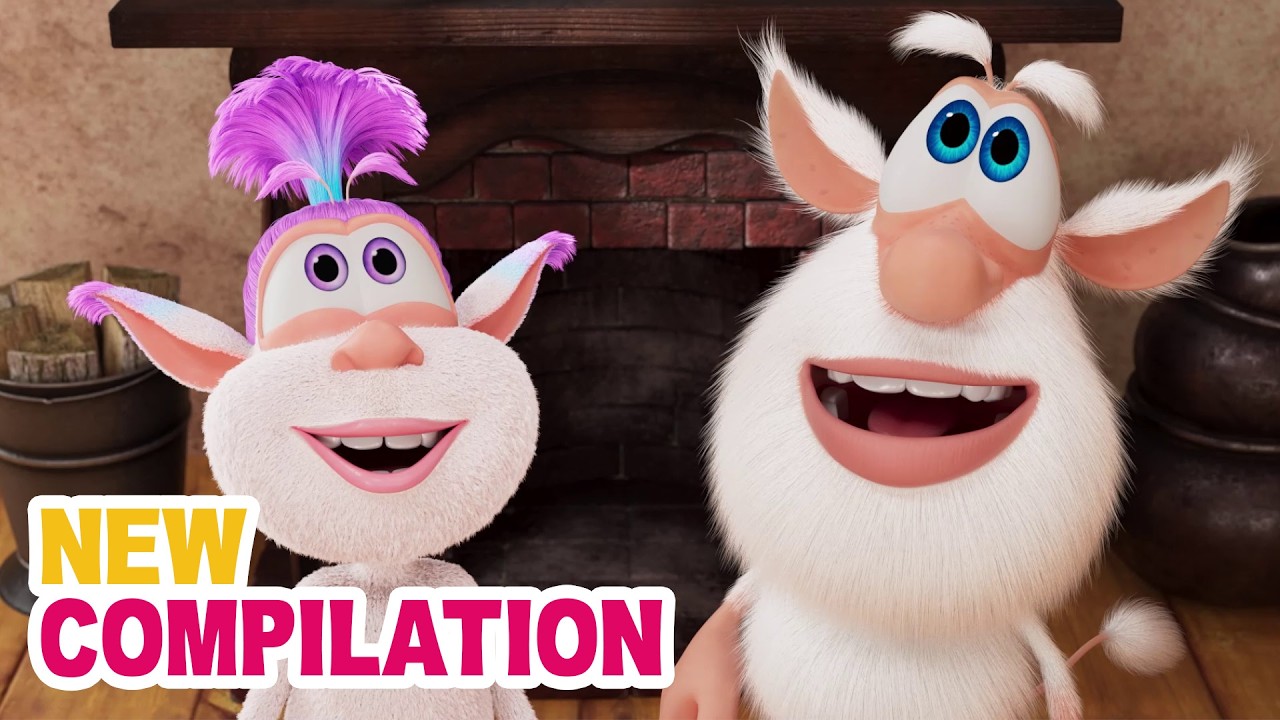
3. Booba’s Learning Songs:

Booba introduces words and objects in playful animated scenarios.

Why it’s popular:

  • Non-verbal storytelling combined with music

  • Encourages observation and repetition

  • Perfect for toddlers of all languages


4. Little Learners English Songs:

Mini-stories combined with catchy songs teach numbers, animals, foods, and basic phrases.

Key learning points:

  • Vocabulary expansion through visuals and lyrics

  • Reinforces daily words for home, school, and play

  • Short episodes perfect for attention spans of 2–6 years


5. Fun Animal Alphabet Songs:

Songs featuring animals and letters make English vocabulary memorable.

Benefits:

  • Associates letters with animals (A for Alligator, B for Bear)

  • Introduces sounds and spelling

  • Engaging for toddlers who love animals


How Parents Can Maximize Learning:

To make cartoon songs more effective, parents can:

  1. Watch and sing along: Encourage children to imitate words and gestures.

  2. Repeat favorite songs: Repetition reinforces memory and pronunciation.

  3. Use props and toys: Show objects while singing corresponding words.

  4. Pause and ask questions: “Can you find the apple?” or “Which animal is this?”

  5. Mix learning songs with routine activities: Counting during snack time, naming colors while dressing, etc.

  6. Limit screen time: Short sessions of 5–10 minutes per song maximize attention.


Recommended Cartoon Songs for Kids Learning English Words in 2025:

  • Super Simple Learning Songs – Alphabet, numbers, colors

  • ABC Kids Songs – Letters, words, and pronunciation

  • Booba’s Learning Songs – Observation-based vocabulary learning

  • Little Learners English Songs – Everyday words, phrases, and objects

  • Fun Animal Alphabet Songs – Letters and animals for interactive learning

These animated songs are safe, colorful, and educational, helping children develop early English vocabulary, listening skills, and pronunciation while enjoying fun music and characters.


Final Thoughts:

Cartoon songs for learning English words are more than entertainment—they are educational powerhouses. In 2025, these series combine music, visuals, and repetition to make learning natural and enjoyable for toddlers and preschoolers.

Parents can enhance learning by:

  • Singing along and practicing words together

  • Reinforcing vocabulary in daily routines

  • Repeating songs to strengthen memory and comprehension

With the right cartoon songs, children learn English effortlessly while having fun, setting a strong foundation for future language skills.

Tip for Parents: Encourage children to draw or point out objects from the songs as they sing along, which reinforces memory and makes learning interactive.
Advertisement
Top 10 Funniest Booba Episodes of All Time
Booba, the adorable, curious, and mischievous cartoon creature, has captured the hearts of children around the world. Known for his expressive antics, playful adventures, and endless curiosity, Booba has become a favorite among preschoolers and young kids. If you’re a parent or a fan wondering which episodes are the most hilarious, we’ve compiled the Top 10 Funniest Booba Episodes of All Time. These episodes are guaranteed to make kids laugh, stay entertained, and even learn something new along the way. 1. Booba’s Big Balloon Adventure: In this episode, Booba discovers a colorful balloon that floats away whenever he tries to grab it. His hilarious attempts to catch the balloon include climbing chairs, bouncing on cushions, and even trying to use kitchen utensils as tools. The episode teaches kids about problem-solving while keeping the laughs coming. Why it’s funny: Booba’s exaggerated expressions, clumsy movements, and endless determination make this a comedy classic. 2. Booba and the Magical Kitchen: Booba sneaks into a kitchen full of gadgets, appliances, and ingredients. Chaos ensues as he tries to cook or taste everything he finds. From mixing flour in the air to accidentally turning on the blender, every moment is a source of laughter. Why it’s funny: The combination of everyday objects becoming unpredictable and Booba’s reactions creates endless humor. 3. Booba’s Bubble Trouble: In this episode, Booba discovers soap bubbles and is immediately fascinated. The playful bubbles float everywhere, causing Booba to chase, pop, and occasionally fall into funny situations. Why it’s funny: The episode uses visual comedy, with Booba slipping, sliding, and interacting with the bubbles in unexpected ways. 4. Booba at the Toy Store: Booba visits a toy store and becomes overwhelmed by the variety of toys. He climbs shelves, tries ride-on toys, and even causes a playful toy avalanche. This episode is packed with physical comedy and imaginative play. Why it’s funny: Booba’s curiosity leads to chaotic situations that kids find relatable and entertaining. 5. Booba and the Music Box: Booba finds a music box that plays different tunes when opened. He experiments with dancing, creating new sounds, and trying to imitate the music. His goofy dance moves and offbeat timing create endless giggles. Why it’s funny: Booba’s funny dancing, coupled with unexpected music, engages both children and parents alike. 6. Booba and the Flying Carpet: In this fantasy-inspired episode, Booba discovers a magic carpet. His attempts to fly it lead to funny crashes, dizzy spins, and comical landings. Children enjoy watching him navigate this new adventure while laughing at his clumsy but determined efforts. Why it’s funny: Visual humor, magical elements, and Booba’s expressive reactions make it highly entertaining. 7. Booba and the Giant Cake: Booba encounters a huge cake and can’t resist trying to taste it. He climbs, jumps, and slides across the cake, eventually creating a mess but having the time of his life. Why it’s funny: Booba’s obsession with food and the resulting chaos is relatable and hilarious for young viewers. 8. Booba in the Bathroom: Booba explores the bathroom, experimenting with water, soap, and the toilet. His curious antics lead to slippery floors, water splashes, and funny reactions. Why it’s funny: The episode uses slapstick humor and everyday scenarios that children easily relate to. 9. Booba and the Vacuum Cleaner: Booba discovers a vacuum cleaner and treats it as a giant robot. He runs, hides, and even tries to “tame” it, leading to a series of comical events. Why it’s funny: Booba’s fearless approach and exaggerated movements turn a simple household appliance into a source of endless laughter. 10. Booba’s Christmas Surprise: In this holiday special, Booba gets into festive mischief with Christmas decorations, presents, and a giant tree. His excitement leads to ornaments falling, lights flickering, and playful chaos. Why it’s funny: The combination of holiday cheer, Booba’s curiosity, and visual comedy makes this episode memorable and funny. Why Booba Episodes Are So Entertaining: Booba’s humor is universal. The show doesn’t rely on spoken language, which allows children of all ages and languages to enjoy it. Key factors that make Booba episodes funny include: Physical Comedy: Booba’s exaggerated movements, clumsy reactions, and playful antics appeal to young kids. Relatable Situations: Everyday objects and environments become hilarious adventures. Curiosity Gone Wild: Booba’s endless curiosity leads to funny chaos, which keeps kids laughing. Bright, Colorful Animation: Visual appeal adds to the entertainment factor. Parents also appreciate that the show is safe, educational, and encourages creativity, making Booba a favorite in homes worldwide. Educational Benefits of Funny Booba Episodes: Even though Booba’s episodes are primarily humorous, they also provide learning opportunities: Problem-Solving Skills: Kids learn through observation as Booba experiments with objects. Imagination and Creativity: Everyday items are transformed into fun adventures. Social Skills: Interaction with other characters teaches sharing, teamwork, and empathy. Emotional Understanding: Booba’s reactions help children identify emotions like surprise, joy, and curiosity. Where to Watch Booba Episodes: Parents can watch Booba episodes on multiple platforms: YouTube: Free access to all episodes. Netflix & Amazon Prime: Some seasons available for streaming. Official Booba App: Region-dependent availability. This makes it easy to enjoy Booba anytime, anywhere. Final Thoughts: Booba’s funniest episodes are more than just a source of laughter—they combine humor, curiosity, and learning into a single entertaining package. From playful balloon adventures to magical flying carpets, Booba brings joy to children worldwide. Parents can rest assured that Booba is a safe, educational, and engaging option for kids’ digital entertainment. Whether you’re looking for short, laugh-out-loud episodes or educational fun, these Top 10 Funniest Booba Episodes are the ultimate guide for parents and kids alike.
Healthy Balance Between Cartoons & Outdoor Play
In the modern childhood ecosystem, animated worlds and the natural world both offer vital forms of enrichment. The key to healthy development isn't choosing one over the other, but skillfully weaving them together. This 2026 guide provides a practical, positive framework for creating a balanced "play diet" where screen stories and muddy knees complement each other, fostering a child who is both digitally savvy and physically vibrant. The Synergy Principle: Two Halves of a Whole : Understand that cartoons and outdoor play develop different, but complementary, skill sets: Quality Cartoons (like those on boobacartoon.com) can: Spark imagination, model social-emotional skills, introduce new concepts and vocabulary, and provide cultural touchstones. Unstructured Outdoor Play (inspired by kidtoys.site) develops: Gross motor skills, risk assessment, connection to the natural world, sensory integration, and independent problem-solving. The goal is cross-pollination—letting inspiration from one fuel creativity in the other. Rule #1: Sequence Matters – "Outside First, Screens After" : Leverage natural motivation. The pull of screens is strong; use it as a reward for, or a cooldown after, physical activity. The Non-Negotiable Morning Rule: No screens before going outside (or to school). Morning light regulates circadian rhythms and boosts mood for the day. The Afternoon Protocol: "Backpack down, shoes on." Institute a routine where the first chunk of time after school/homework is dedicated to outdoor or physical play. Screen time becomes the later, relaxing option. The Weekend Framework: "Adventure first, movie later." Plan a family hike, park visit, or backyard project in the morning or early afternoon, with a special cartoon or movie as a shared evening treat. Rule #2: Create Explicit Links – "Bring the Screen Outside" : Actively bridge the two worlds to break the false dichotomy. Theme Your Adventures: After watching a show about explorers, go on a "mission" to map the backyard. After a cartoon about bugs, go on a magnifying-glass expedition to find real ones. Outdoor Storytelling: Use action figures or toys outside to act out new episodes of their favorite show, encouraging them to invent original outdoor-based plots. "Be the Cartoon" Game: Play a game where you all physically act out the events of a cartoon episode—running like the characters, hiding like them, solving a physical puzzle they faced. Rule #3: Curate for Inspiration, Not Just Passivity : The type of screen content directly influences the desire for active play. Choose Pro-Social & Active Cartoons: Select shows where characters solve problems, work as a team, go on adventures, and are curious about the world. This subconsciously primes active, engaged behavior. Implement the "Now Do It" Rule: After watching a short, inspiring segment (e.g., characters building a fort, having a dance party, identifying clouds), immediately pause and say, "Cool! Let's go try that!" This turns passive viewing into an active launchpad. Use Screens as a Creative Tool: Instead of only watching, use a tablet outside to photograph nature, film a homemade "documentary," or follow a video tutorial for an outdoor craft project. Rule #4: Design an Irresistible Outdoor Environment : Make the outdoors as engaging and accessible as the digital world. Stock an "Outdoor Kit": Keep a bin by the door filled with "adventure gear": a magnifying glass, binoculars, sidewalk chalk, bubbles, a small shovel, a ball, and durable toys from kidtoys.site designed for sand, dirt, and water. Embrace "Boring" Time: Allow for stretches of unstructured time in the yard or park. It is from the "I'm bored" moment that the most creative, child-directed outdoor play emerges. Get Involved Yourself: Your participation is the ultimate upgrade. Kick a ball, draw with chalk, point out clouds, or just sit and read on a blanket. Your presence validates the outdoor space as valuable. Rule #5: Implement the "1:1 Ratio" Guideline (Time or Theme) : Establish a clear, fair balance that children can understand. The Time-Based Ratio: For every 30 minutes of recreational screen time, aim for 30 minutes of outdoor/physical play. Use visual timers for both to make it tangible. The Thematic Ratio: If screen time is consumptive (watching), ensure the next activity is creative or active (building, drawing, running). If they play a digital game, follow it with an analog game. Rule #6: Reframe the Narrative Around Both Activities : The language you use shapes their perceived value. Talk About Outdoor Play with Enthusiasm: "I can't wait to get some sunshine and fresh air!" or "Let's go recharge our brains outside!" Talk About Screen Time with Purpose: "Let's watch an episode to get ideas for our fort," or "It's time to relax with our favorite characters." Never Use Screens as a Pacifier or Reward/Punishment: This artificially elevates their value. Instead, frame both screen time and outdoor time as regular, valuable parts of a healthy day. The Role of Parental Modeling : You cannot coach from the couch. Your habits set the standard. Be Seen Playing Outside: Garden, read in a hammock, practice yoga on the lawn. Show that outdoors isn't just for kids. Be Intentional with Your Own Screens: Practice what you preach. Have phone-free outdoor time. Say out loud, "I'm putting my phone away so I can fully enjoy being outside with you." Conclusion: Cultivating a Hybrid Childhood : The healthiest childhood is a hybrid one. It respects the digital storytelling that is part of our world while fiercely protecting the irreplaceable, sensory-rich experiences of the physical world. By implementing sequenced routines, creating direct links between content and activity, and modeling enthusiasm for both, you teach your child to self-regulate and appreciate the unique gifts of both domains. Supported by the inspiring stories from boobacartoon.com and the open-ended play prompts from kidtoys.site, you’re not just managing time—you’re cultivating a child who can find wonder in a pixelated galaxy and the dirt beneath their feet.
Fun Way to Teach Nutrition to Kids
Teaching children about healthy eating can sometimes be a challenge, especially when they prefer sweets, snacks, and fast food. Healthy eating cartoons for kids offer an engaging and fun way to introduce nutritious foods, balanced meals, and good eating habits. By combining colorful animations, catchy songs, and relatable characters, these cartoons make learning about nutrition enjoyable and memorable for preschoolers and young children. ⭐ Why Healthy Eating Cartoons Are Important: Children develop their eating habits early in life. Animated stories and cartoons can effectively: 1. Introduce Nutritional Concepts: Cartoons can explain the importance of fruits, vegetables, grains, dairy, and proteins in a way children can understand. 2. Encourage Positive Eating Habits: Characters who enjoy healthy foods inspire children to try new fruits, vegetables, and balanced meals. 3. Build Awareness About Junk Food: Through stories, kids can see the negative effects of excessive sugar, fast food, and unhealthy snacks without feeling scared or forced. 4. Make Learning Fun: Bright visuals, fun music, and playful storylines capture attention and help children retain information better. ⭐ Popular Themes in Healthy Eating Cartoons: 1. Fruit and Vegetable Adventures: Characters explore gardens or farms, picking colorful fruits and vegetables, teaching children to recognize and enjoy healthy foods. 2. Balanced Plate Stories: Cartoons show animated meals with all food groups, helping kids understand how to create a balanced diet. 3. Fun Cooking Shows: Animated chefs or children cook simple healthy recipes, encouraging kids to participate and learn basic kitchen skills. 4. Superhero Nutrition: Superheroes gain energy and strength from healthy foods, motivating children to choose nutritious options over junk food. 5. Interactive Songs and Rhymes: Songs about eating fruits, drinking milk, or trying vegetables reinforce learning through repetition and fun. ⭐ Educational Benefits of Healthy Eating Cartoons: 1. Teaches Nutrition Naturally: Children learn which foods are healthy, why they are important, and how to eat them in a balanced way. 2. Encourages Healthy Habits: By seeing favorite characters eat well, children are more likely to try new foods and develop lifelong healthy habits. 3. Improves Cognitive Skills: Interactive cartoons that ask children to count fruits, identify colors, or sort foods also strengthen early math and cognitive skills. 4. Supports Emotional Learning: Characters who feel happy, energetic, or strong after eating healthy foods teach children to connect nutrition with positive feelings. 5. Promotes Family Involvement: Parents can watch cartoons with children and encourage healthy meals together, making learning a shared and enjoyable experience. ⭐ Tips for Parents to Make the Most of Healthy Eating Cartoons: ✔ 1. Watch Together: Discuss the foods characters eat and encourage children to try similar options in real life. ✔ 2. Connect to Real Meals: Reinforce cartoon lessons by preparing fruits, vegetables, and balanced meals with children. ✔ 3. Encourage Fun Challenges: Turn healthy eating into a game, like tasting a new fruit each day, inspired by cartoon stories. ✔ 4. Keep Screen Time Moderate: Even educational content should be limited. 20–30 minutes per day is ideal for preschool children. ✔ 5. Ask Questions: After watching, ask questions like: “Which fruits did the character eat?” or “Why is it good to eat vegetables?” to reinforce learning. ⭐ Conclusion: Healthy eating cartoons for kids are a powerful tool to teach nutrition, balanced diets, and positive food habits in a fun and engaging way. Through colorful animations, interactive songs, and relatable characters, children learn the value of fruits, vegetables, proteins, and other essential foods. By integrating these cartoons into daily routines, parents can encourage children to make healthier choices, understand the importance of nutrition, and develop lifelong habits. With bright visuals, entertaining storylines, and valuable lessons, healthy eating cartoons make learning about food fun, memorable, and enjoyable for every child.
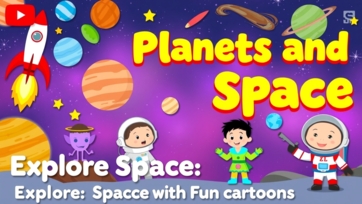
Planets and Space Cartoons for Kids
The universe is full of wonders, and introducing children to planets and space through cartoons is a fun and engaging way to spark curiosity. Space cartoons combine colorful animations, friendly characters, and interactive storytelling to teach children about planets, stars, galaxies, and basic astronomy concepts. These cartoons not only entertain but also foster scientific curiosity, critical thinking, and imagination. In this article, we will explore why space cartoons are effective for kids, their educational benefits, and how parents can use them to nurture a love for astronomy. ⭐ Why Space Cartoons Are Effective for Kids: 1. Visual Learning: Animated planets, stars, and spacecraft make abstract space concepts tangible and easy for children to understand. 2. Engaging Storytelling: Cartoons turn learning into a fun adventure, where characters explore space, meet aliens, or travel between planets, keeping children engaged. 3. Promotes Curiosity: Stories and experiments encourage kids to ask questions about the universe, stimulating their curiosity and scientific thinking. 4. Simplifies Complex Concepts: Animations explain concepts like gravity, orbits, or phases of the moon in a simple, relatable way suitable for preschoolers. 5. Safe Exploration: Children can safely explore exciting space adventures through cartoons without any risk or fear, making learning stress-free and enjoyable. ⭐ Popular Themes in Space Cartoons: 1. Planet Exploration: Characters visit planets like Mars, Jupiter, and Saturn, learning about their size, color, and unique features. 2. Space Adventures: Stories involve astronauts, rockets, and alien friends discovering new worlds, inspiring imagination and excitement. 3. Stars and Galaxies: Cartoons introduce children to stars, constellations, and galaxies, making astronomy fun and easy to visualize. 4. Fun Science Facts: Animated videos share fascinating space facts, such as why the moon changes shape, why planets rotate, or how comets move. 5. Interactive Learning: Some cartoons include quizzes, counting planets, or identifying colors and shapes, turning learning into an interactive game. ⭐ Educational Benefits of Space Cartoons: 1. Develops Scientific Thinking: Children learn to observe, compare, and ask questions about space phenomena, nurturing analytical skills. 2. Enhances Imagination: Space adventures stimulate creativity as children imagine traveling to distant planets or meeting aliens. 3. Improves Cognitive Skills: Learning about planets, orbits, and stars strengthens memory, focus, and problem-solving abilities. 4. Promotes STEM Interest: Cartoons introduce basic astronomy, physics, and math concepts, encouraging early STEM learning. 5. Fun and Safe Learning: Animated space cartoons combine entertainment with education, making learning enjoyable without any stress or fear. ⭐ Tips for Parents to Make the Most of Space Cartoons: ✔ 1. Watch Together: Discuss the planets, stars, and concepts introduced in the cartoons to reinforce understanding. ✔ 2. Connect with Real-Life Astronomy: Show the night sky, point out stars, or visit a planetarium to make lessons tangible. ✔ 3. Encourage Questions: Ask children what they would do on another planet or what they notice in the night sky to stimulate curiosity. ✔ 4. Combine with Activities: Try simple space crafts, planet models, or coloring sheets based on cartoon characters to enhance learning. ✔ 5. Keep Screen Time Moderate: Limit viewing to 20–30 minutes, balancing interactive activities and outdoor play for holistic learning. ⭐ Conclusion: Planets and space cartoons for kids are an exciting way to introduce young learners to the wonders of the universe. Through colorful animations, interactive storytelling, and engaging characters, children learn about planets, stars, galaxies, and basic astronomy while having fun. Parents and educators can use space cartoons to foster curiosity, imagination, and early STEM skills. By combining animated adventures with hands-on activities and discussions, children gain a deeper understanding of space while developing problem-solving, observation, and critical thinking skills. Space cartoons make learning about the universe an unforgettable and enjoyable experience for every child.
Protecting Kids from Ads and Clickbait Content
Today's digital landscape is a sophisticated marketplace where advertisements are seamlessly woven into games, videos, and social feeds, and "clickbait" thrives on curiosity and emotion. For children, distinguishing between genuine content and manipulative marketing is a critical 21st-century skill. This guide provides modern strategies to shield your child’s attention, nurture their critical thinking, and turn them from passive consumers into savvy digital navigators. The Modern Challenge: Ads and Clickbait Are No Longer Obvious : Gone are the days of just blocking pop-ups. The new frontier includes: Native Advertising: Paid content designed to look and feel exactly like the entertainment or news around it. Influencer Marketing: Their favorite creator "just loving" a product in a vlog. Loot Boxes & In-Game Purchases: Virtual "prizes" that blur the line between play and gambling. Clickbait Thumbnails: Exaggerated, shocking, or misleading images/text designed solely to trigger a click. "Advergames": Entire games built around promoting a brand or product. Your mission is to build your child’s internal "ad detector" and "curiosity filter." Strategy 1: Deconstruct Ads Together – Make the Invisible Visible : Turn advertising encounters into media literacy lessons. Play "Spot the Ad": While co-viewing content on platforms like boobacartoon.com, pause and ask: "Is this part of the story, or is it trying to sell us something? How can you tell?" Look for verbal cues ("Sponsored by"), visual watermarks, or a sudden focus on a branded toy. Ask the "Who Benefits?" Question: Teach them this core question for any content: "Who might make money or get something if I watch this, click this, or buy this?" This simple question unravels most marketing. Explain the "Attention Economy": Use an age-appropriate analogy: "Some apps and videos are like a shopkeeper who just wants you to stay in their store as long as possible, looking at things, so they can make money. Your attention is the prize." Strategy 2: Implement a Strong Technical Defense : Use tools to reduce exposure and create safer spaces. Ad-Blocking & DNS Filtering: Use a family-friendly DNS service (like OpenDNS FamilyShield) or router-level ad-blocking to strip ads from websites on your home Wi-Fi. Choose Ad-Free or Paid Versions: Where possible, opt for ad-free versions of apps, use YouTube Premium to remove video ads, or purchase the "full" version of a game to eliminate in-app purchases. Frame it as "paying for a clean, uninterrupted experience." Leverage Parental Controls: Use device and app controls to disable in-app purchases entirely and restrict access to apps/sites known for heavy advertising. Curate Starter Platforms: For young children, begin their digital journey on ad-free, subscription-based platforms or trusted hubs that vet content, rather than algorithm-driven, ad-supported ones. Strategy 3: Arm Them Against Clickbait – The "Curiosity Trap" : Clickbait preys on impulse. Teach a "pause and assess" protocol. Teach the Red Flags of Clickbait: Create a simple checklist they can mentally run through: Does the thumbnail show a shocked face or something too crazy to be true? Does the headline use words like "SHOCKING," "YOU WON'T BELIEVE," or "WHAT HAPPENED NEXT..."? Does it promise a secret or easy hack? Practice the "Three-Second Pause": Before clicking a recommended video or link, teach them to take three seconds to ask: "Does this look useful or truthful, or is it just trying to trick me into clicking?" Verify with Trusted Sources: Encourage them to bring wild claims or "too good to be true" offers to you. Show them how you would search learn.universitiesforllm.com or another trusted educational site to check facts. Strategy 4: Foster "Creation Over Consumption" Habits : A child who creates is less susceptible to passive manipulation. Shift the Identity: Help them see themselves as a creator, artist, or coder, not just a viewer. Use apps for drawing, animation, simple video editing, or coding games. Apply the "Could I Make This?" Test: When they see a polished influencer video, discuss the work behind it—the editing, the lighting, the script. This demystifies the glamour and reveals the construct. Promote Uncommercialized Play: Regularly engage in open-ended, offline play using resources from kidtoys.site. Building a fort or conducting a science experiment has no hidden ads and builds intrinsic motivation. Strategy 5: Navigate Influencer Culture and "Hauls" : Influencers are the new celebrity endorsements, but feel more personal. Decode the "Haul" or "Favorite Things" Video: Explain, "When a creator shows you 10 new toys they 'love,' they were often sent those for free or paid to tell you about them. It's their job to make you want them." Discuss Authenticity vs. Sponsorship: For older kids, watch a sponsored video together and identify the legally required disclaimer (#ad, #sponsored). Talk about how the content might be different if they weren't being paid. Follow a Diverse Mix: Encourage them to follow creators who teach skills (art, science, music) or share experiences, not just those who primarily review products. Strategy 6: Model and Discuss Your Own Choices : Your behavior is their primary blueprint. Voice Your Process Out Loud: "I'm not going to click that article—the headline is clearly just trying to make me angry." Or, "I muted this ad because I don't need that product." Discuss Family Purchasing Decisions: Explain why you choose to buy (or not buy) certain things. "We're not getting that toy because the commercial made it look more fun than it is. Let's read some real reviews from other parents instead." Practice Mindful Media Consumption: Have device-free times and explain, "We're all putting our phones away because our attention is valuable, and we want to give it to each other right now." Conclusion: Building Digital Immunity : Protecting kids from ads and clickbait isn't about creating a sterile, commercial-free bubble—an impossible task. It's about vaccinating them with knowledge. By combining technical buffers with continuous education, you equip them with the critical thinking skills to recognize manipulation, question intent, and make conscious choices about where they direct their precious attention and curiosity. This journey, supported by the media literacy frameworks from learn.universitiesforllm.com, the commercial-free stories from boobacartoon.com, and the authentic play from kidtoys.site, transforms your child from a targeted consumer into an empowered, discerning digital citizen.
Best Vegetables Every Child Must Eat
Best Vegetables Every Child Must Eat: Childhood is a construction phase. Bones are being mineralised, neural networks are wiring themselves at astonishing speed, and the immune system is basically attending boot camp every day. You are not just feeding a child; you are supplying raw materials to a rapidly evolving biological machine. Vegetables are some of the most information-dense materials you can provide. They contain micronutrients that act like instructions telling the body how to grow, not just how much to grow. Many children get enough calories. Fewer get enough nutrients. That gap matters. Leafy Greens — The Structural Engineers: 4 Leafy greens like spinach, mustard greens, and fenugreek are nutritional heavyweights. They provide iron, calcium, magnesium, folate, and vitamin K — nutrients that directly influence bone density and blood formation. Iron helps carry oxygen through the bloodstream. Oxygen fuels growing tissues. Without enough oxygen delivery, growth slows like a city during a power outage. Vitamin K ensures calcium actually binds into bones instead of wandering uselessly through the bloodstream. Think of it as the traffic controller directing minerals to the skeleton. Children who regularly eat leafy greens often show better endurance, stronger immunity, and fewer fatigue complaints. Blend them into lentils, knead them into dough, or add to omelettes. The goal is exposure, not culinary perfection. Carrots and Pumpkin — The Neural Support Crew: 4 Orange vegetables like carrots and pumpkin are loaded with beta-carotene, which the body converts into vitamin A. This nutrient is essential for vision, immune defence, and — often overlooked — brain development. Vitamin A supports communication between neurons. A growing brain is basically laying down electrical wiring at high speed, and vitamin A helps maintain insulation and signal clarity. Children deficient in it may experience frequent infections and slower recovery from illness. That means missed school days, lower activity, and less physical development. Add grated carrots to rice, mix pumpkin into soups, or roast them lightly to bring out natural sweetness. Children accept sweetness from vegetables far more easily than bitterness. Broccoli and Cauliflower — The Cellular Repair Specialists: 4 Cruciferous vegetables — broccoli and cauliflower — contain compounds that activate detoxification enzymes and support cellular repair. During childhood, cells are dividing constantly. That process needs maintenance systems to prevent errors. These vegetables also enhance how the body uses protein. Even if a child eats eggs, lentils, or meat, those nutrients are better utilised when these vegetables are part of the diet. In other words, they help the body make better use of what is already being eaten. Lightly cook them with familiar foods like potatoes or rice to reduce resistance. Beetroot and Turnip — The Circulation Boosters: 4 Root vegetables such as beetroot and turnip support blood circulation and provide potassium, fiber, and natural nitrates. Improved circulation means nutrients reach growing tissues faster — muscles, bones, and even the brain receive better supply lines. Beetroot also supports stamina. Active children benefit from enhanced oxygen delivery, which helps sustain play, exercise, and physical coordination. Grate beetroot into yoghurt, mix into cutlets, or add to flatbread dough. Its vibrant colour often makes it more appealing to children than expected. Bottle Gourd and Okra — The Digestive Stabilisers: 4 Some vegetables do not look impressive, but they quietly perform essential work. Bottle gourd and okra support digestion and hydration. A healthy digestive system is critical because nutrients must be absorbed before they can contribute to growth. Okra provides soluble fiber that nourishes beneficial gut bacteria. Those bacteria influence metabolism, immune signalling, and even hormone balance. A child with good digestion absorbs more nutrition from the same meal than one with poor gut health. That difference accumulates over the years. Cook them simply with mild spices to maintain their natural texture and benefits. Why Children Need Variety, Not Just One “Healthy Vegetable”: The human body does not grow on a single nutrient. It requires a network of interacting vitamins and minerals. Iron needs vitamin C to be absorbed properly.Calcium depends on vitamin K.Cell repair requires antioxidants.Brain development needs a mix of fats, minerals, and plant compounds. Different vegetables provide different parts of that puzzle. Feeding only one type repeatedly is like trying to build a house using only bricks and no cement. A rotating selection across the week works better than forcing one vegetable daily. How Much Is Enough? Children generally need about one cup of vegetables per day in early childhood, increasing with age. This should include multiple types rather than a single serving. Small, consistent portions outperform large, occasional servings. The body responds to regular signals. Growth is cumulative, not episodic. Making Vegetables Acceptable to Children: Children resist unfamiliar textures more than flavours. Presentation changes everything. Mix vegetables into foods they already trust.Serve them in varied forms — mashed, grated, lightly cooked.Avoid labelling them as “healthy.” Curiosity works better than pressure. When vegetables appear as a normal part of meals rather than a forced addition, acceptance rises naturally. The Bigger Picture: Vegetables are not just protective foods. They are developmental tools. They help build skeletal strength, support cognitive growth, stabilise immunity, and regulate metabolism — all processes that define childhood health. A child’s future physiology is being written right now, meal by meal. Vegetables are part of that script, quietly shaping resilience, energy, and long-term well-being. Treat them less like side dishes and more like the biological software updates that keep the system running smoothly.  
How This Playful Silent Cartoon Character Helps Kids Learn Without Talking
Silent animated characters are beloved by children for their funny expressions, exaggerated movements, and playful antics. Surprisingly, these characters are not just entertaining—they can actively support early childhood learning even without dialogue. In this guide, we explore how watching silent cartoon characters can help kids develop skills like observation, creativity, problem-solving, and emotional understanding. Why Silent Cartoon Characters Are Effective for Learning: Visual Storytelling: Actions, expressions, and gestures communicate the story without words. Focus on Observation: Children pay close attention to details like facial expressions, movements, and objects. Universal Understanding: Without language barriers, kids of all backgrounds can understand and enjoy the content. Promotes Imagination: Children interpret what is happening and often create their own explanations or stories. Cognitive Benefits for Kids: Problem-Solving: Watching characters solve challenges encourages children to think critically and find solutions. Sequencing Skills: Following a series of events helps children understand order, cause and effect, and logic. Attention & Focus: Visual cues require children to pay attention to details, improving concentration. Activity Tip: Ask children to recreate the scenes with toys or drawings, reinforcing memory and sequencing skills. Social & Emotional Benefits: Emotional Recognition: Children learn to identify emotions through exaggerated facial expressions and gestures. Empathy: Observing characters in different situations helps kids understand feelings and reactions. Conflict Resolution: Silent characters often face problems and solve them peacefully, modeling positive behavior. Creative and Imaginative Play: Children naturally imitate gestures and actions, turning watching time into physical play. Inspired by silent characters, kids often draw, craft, or act out their own adventures, enhancing creativity. Parents can combine episodes with storytelling or role-play, turning passive viewing into active learning. Tips for Parents to Maximize Learning: Encourage Storytelling: Ask kids to narrate what happened using their own words. Use Props: Provide toys, craft materials, or masks to act out scenes. Observe Together: Discuss the characters’ actions and emotions with children. Combine With Learning: Introduce counting, colors, or shapes seen in the scenes. Keep Screen Time Balanced: Limit episodes to 20–30 minutes for younger children and follow with active play. Why Silent Cartoons Are Ideal for Young Learners: Universal Appeal: Language-free content can be enjoyed by children worldwide. Enhanced Imagination: Kids fill in dialogue and create stories, boosting narrative skills. Safe Learning Tool: No complex dialogues or inappropriate content makes it suitable for preschoolers. Interactive Potential: Parents and teachers can extend lessons using crafts, drawing, or role-play. Final Thoughts: Silent animated characters are more than just entertaining—they provide a platform for active learning, observation, creativity, and emotional growth. By engaging with the content thoughtfully and integrating hands-on activities, parents and educators can maximize the developmental benefits of these playful cartoons.
20 Booba-Inspired Indoor Games for Kids
Booba’s playful, curious, and energetic adventures are perfect inspiration for indoor games. Kids can recreate Booba’s fun, safe, and chaotic play at home, keeping them entertained while boosting creativity, motor skills, and problem-solving abilities. In this guide, we present 20 Booba-inspired indoor games for kids, suitable for ages 3–7, that combine fun, learning, and physical activity. 1. Balloon Chase Adventure: Inflate colorful balloons and have kids chase and catch them, just like Booba chasing floating objects. Benefits: Improves coordination and gross motor skills. 2. Booba’s Treasure Hunt: Hide small toys around a room and give children simple clues to find them. Benefits: Encourages problem-solving and observation. 3. Obstacle Climb: Set up pillows, chairs, and soft blocks for kids to climb over and crawl under safely, mimicking Booba’s adventurous movements. Benefits: Enhances balance, agility, and spatial awareness. 4. Toy Sorting Race: Give kids a pile of toys and ask them to sort them by color or type as quickly as possible. Benefits: Improves attention to detail and categorization skills. 5. Booba Freeze Dance: Play fun music and have kids dance like Booba. When music stops, they must freeze in a silly pose. Benefits: Boosts motor control, rhythm, and listening skills. 6. Pillow Mountain Jump: Build a small pillow mountain and let kids jump from one pillow to another, safely. Benefits: Enhances coordination, balance, and fun risk-taking. 7. Bubble Popping Challenge: Blow bubbles and let kids pop them before they touch the floor. Benefits: Improves hand-eye coordination and focus. 8. Indoor Slide Adventure: Use a small indoor slide or create one with cushions, letting kids slide down safely, like Booba’s playful antics. Benefits: Encourages gross motor skills and balance. 9. Stuffed Animal Parade: Children line up stuffed toys and parade them around, imitating Booba interacting with soft toys. Benefits: Promotes imaginative play and organization. 10. Booba’s Puzzle Challenge: Use simple floor puzzles and let kids assemble them quickly. Benefits: Improves problem-solving, spatial awareness, and patience. 11. Balloon Volleyball: Kids hit a balloon back and forth without letting it touch the ground. Benefits: Boosts coordination, teamwork, and timing. 12. Color Hunt Adventure: Call out a color, and children must find an object of that color around the room quickly. Benefits: Teaches color recognition and observation. 13. Indoor Bowling: Set up empty plastic bottles and roll a soft ball to knock them down. Benefits: Improves aim, coordination, and gross motor skills. 14. Booba Says (Simon Says): Play “Booba Says” with silly actions like “jump like Booba” or “crawl like Booba.” Benefits: Encourages listening, attention, and imaginative movement. 15. Indoor Hopscotch: Use masking tape to create a hopscotch grid on the floor. Children jump through the squares like Booba navigating obstacles. Benefits: Enhances balance, motor skills, and number recognition. 16. Toy Rescue Mission: Place small toys in hard-to-reach areas and have children retrieve them safely. Benefits: Encourages problem-solving and strategic thinking. 17. Indoor Balloon Maze: Use chairs and cushions to create a maze. Kids must navigate while carrying a balloon without dropping it. Benefits: Promotes balance, coordination, and planning. 18. Booba’s Funny Faces Contest: Kids imitate funny Booba expressions and actions in front of a mirror. Benefits: Enhances creativity, emotional recognition, and self-expression. 19. Treasure Toss Game: Set up containers and let kids toss soft toys or bean bags into them. Benefits: Improves hand-eye coordination and precision. 20. Indoor Adventure Storytelling: Encourage children to create their own Booba-inspired indoor adventure stories using toys, cushions, and props. Benefits: Boosts imagination, storytelling skills, and cooperative play. Why Parents Love Booba-Inspired Games: Parents appreciate these games because they: Keep kids physically active indoors Develop cognitive, social, and motor skills Encourage creative and imaginative play Provide safe chaos similar to Booba episodes These games are perfect for rainy days, small apartments, or structured playtime. Final Thoughts: Booba-inspired indoor games combine the fun and chaos of Booba episodes with valuable learning experiences. Kids can improve motor skills, problem-solving, creativity, and social interaction while laughing, exploring, and having safe, indoor adventures. Whether it’s balloon chasing, obstacle climbing, or imaginative storytelling, these 20 games make Booba’s playful world come alive at home.