Best Animal Cartoons for Kids in 2025

How Kids Can Learn with Fun

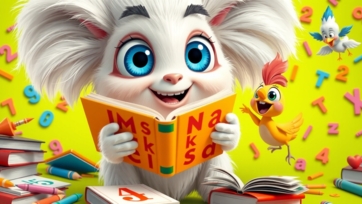
Animal cartoons have always captured children’s imagination. In 2025, they are not just entertaining—they have become powerful learning tools. By combining colorful animation, fun characters, and educational storytelling, animal cartoons help toddlers and preschoolers learn about nature, animals, social skills, and essential life concepts.

This guide explores the benefits of animal cartoons for kids, highlights top series in 2025, and provides tips for parents to make the most of these engaging learning resources.


Why Animal Cartoons Are Great for Learning:

Children naturally love animals, making them ideal learning companions. Animal cartoons provide a safe and playful way for children to:

  • Learn about different animals: Names, habitats, diets, and behaviors.

  • Develop empathy and social skills: Understanding feelings and actions of characters.

  • Introduce science and nature concepts: Ecosystems, seasons, and environmental awareness.

  • Enhance language skills: Vocabulary, pronunciation, and storytelling.

  • Encourage problem-solving and teamwork: Characters often work together to overcome challenges.

Animated animals turn learning into interactive and memorable experiences, keeping children engaged for longer periods.


Types of Educational Animal Cartoons:

1. Animal Adventure Series:

These cartoons follow animal characters on adventures, exploring forests, oceans, and jungles. They teach habitat, geography, and problem-solving skills.

2. Animal ABC and Counting Series:

Animated animals introduce letters, numbers, and basic math concepts. Examples include counting fish, identifying animal names by letters, or sorting shapes.

3. Moral and Social Lessons Through Animals:

Animals are often used to teach values and life skills. Stories about sharing, kindness, honesty, and cooperation resonate well with children.

4. Science and Nature Series:

Some animal cartoons focus on biology, ecosystems, and wildlife conservation. They introduce kids to environmental awareness in a fun, digestible way.


Top Animal Cartoons for Kids Learning in 2025:

1. Dino Learners: Smart Adventures:

A dinosaur-themed series that combines fun with science learning.

Learning benefits:

  • Basic paleontology and dinosaur facts

  • Problem-solving and teamwork

  • Introduction to geography and prehistoric life

Recommended age: 4–10 years


2. Booba’s Animal Adventures:

Booba explores animal habitats and interactions in playful, curiosity-driven episodes.

Highlights:

  • Non-verbal storytelling suitable for all languages

  • Encourages observation and critical thinking

  • Perfect for toddlers and preschoolers


3. Animal ABCs with Friends:

This series introduces letters and vocabulary using animal characters.

Key learning areas:

  • Alphabet recognition

  • Vocabulary building

  • Pronunciation practice

  • Fun songs and rhymes


4. Little Wild Explorers:

Animated mini-stories where animal friends learn life lessons, teamwork, and emotional skills.

Themes include:

  • Cooperation and friendship

  • Problem-solving in small adventures

  • Emotional intelligence and empathy


5. Forest Fun with Friends:

A series focusing on habitat learning, nature awareness, and social skills through animal stories.

Learning highlights:

  • Identifying animals and their environments

  • Understanding food chains and nature cycles

  • Promoting environmental responsibility


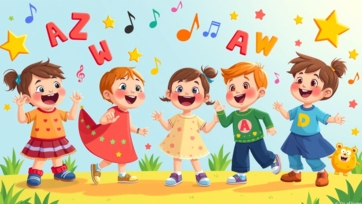
6. Super Simple Animal Rhymes:

A combination of songs and animations using animals to teach letters, numbers, colors, and shapes.

Benefits:

  • Engaging and interactive for toddlers

  • Improves memory and language skills

  • Multi-sensory learning through visual and auditory cues


How Parents Can Maximize Learning:

Parents can enhance the educational value of animal cartoons by:

  1. Watching together: Discuss animals, their habitats, and behaviors.

  2. Repeating favorite episodes: Repetition reinforces learning.

  3. Combining offline activities: Drawing animals, counting toys, or acting out stories.

  4. Asking questions: “Where does this animal live?” or “What does it eat?” to encourage thinking.

  5. Mixing genres: Combine adventure, ABC, and moral-based animal cartoons for well-rounded learning.

  6. Limiting screen time: Short, focused sessions are more effective for toddlers.


Recommended Animal Cartoons for Kids Learning in 2025:

  • Dino Learners: Smart Adventures – Dinosaurs and basic science concepts

  • Booba’s Animal Adventures – Habitats, observation, and curiosity learning

  • Animal ABCs with Friends – Letters, vocabulary, and rhymes

  • Little Wild Explorers – Life lessons, teamwork, and emotional skills

  • Forest Fun with Friends – Nature, animals, and environmental awareness

  • Super Simple Animal Rhymes – Multi-skill learning with music and animals

These series are safe, colorful, and educational, making them perfect for toddlers and preschoolers who love animals.


Final Thoughts:

Animal cartoons are not just entertaining—they are powerful educational tools. In 2025, they combine storytelling, music, and visuals to teach language, math, social skills, and environmental awareness.

Parents can enhance learning by:

  • Watching with children and discussing content

  • Reinforcing concepts through real-life activities

  • Encouraging creativity and empathy through role-play

With the right animal cartoons, screen time becomes both fun and productive, helping children develop knowledge, skills, and emotional intelligence while enjoying vibrant, imaginative worlds.

Tip for Parents: Encourage children to act out animal behaviors or stories, which strengthens memory, observation, and engagement while making learning interactive.

Advertisement
Best Kids Cartoons about Friendship in 2025
Friendship is one of the most important lessons children can learn early in life. In 2025, cartoon episodes about friendship have become a popular way to teach toddlers and preschoolers social skills, empathy, cooperation, and conflict resolution in a fun and engaging way. Animated stories make abstract concepts like sharing, kindness, and loyalty easy to understand for young children. By watching characters navigate friendships, kids learn through observation and relate lessons to their own lives. This guide explores the benefits of friendship-themed cartoons, highlights top series for 2025, and provides tips for parents to maximize learning. Why Friendship Cartoons Are Important for Kids: Children learn social behavior best through modeling and storytelling. Cartoon episodes can: Teach sharing and cooperation: Children see characters resolving conflicts and working together. Encourage empathy: Understanding how characters feel helps kids recognize emotions in themselves and others. Reinforce communication skills: Listening, speaking politely, and expressing feelings are highlighted in stories. Promote problem-solving: Characters face challenges and find solutions collaboratively. Provide safe guidance: Lessons are delivered in a child-friendly, positive environment. Friendship cartoons turn social learning into fun and memorable experiences, making important life skills easier to grasp. Key Friendship Lessons Taught Through Cartoons: Sharing and CooperationCharacters often share toys, snacks, or resources, teaching toddlers how to take turns and cooperate. Kindness and EmpathyStories show caring for friends, animals, or family, helping children understand feelings and compassion. Conflict ResolutionEpisodes demonstrate how friends handle disagreements calmly, showing kids healthy ways to resolve arguments. Loyalty and TrustChildren learn the importance of being reliable and trustworthy in friendships. Inclusion and DiversityCartoons often feature characters of different backgrounds, teaching children to value diversity and include others. Top Cartoon Series About Friendship for Kids in 2025: 1. Booba and Friends: Booba’s adventures now include episodes focused on teamwork, sharing, and helping friends. Why it’s popular: Non-verbal, accessible to all languages Engages toddlers with fun exploration Teaches observation and empathy 2. The Kindness Club: The Kindness Club emphasizes friendship, empathy, and emotional intelligence in playful stories. Learning benefits: Promotes caring, sharing, and cooperation Builds communication and listening skills Suitable for preschoolers and early school-age children 3. Super Simple Learning World: Friendship Edition: This series combines songs, stories, and animated characters to teach social skills and friendship lessons. Highlights: Interactive and engaging for toddlers Reinforces sharing, honesty, and kindness Uses colorful visuals and repetition for better retention 4. Little Hero Adventures: Animated mini-stories focus on friendship challenges, problem-solving, and teamwork. Key lessons: Encourages collaboration in small tasks Models empathy and understanding of others Short, engaging episodes suitable for young children 5. Animal Friends Stories: Animals are used to teach friendship, cooperation, and empathy in a fun and relatable way. Learning focus: Caring for friends and community Working together to solve problems Respecting differences and including everyone How Parents Can Enhance Learning: Parents play a crucial role in reinforcing friendship lessons: Watch together: Discuss friendship moments and ask, “What would you do?” Encourage role-play: Children can act out friendship scenarios to strengthen understanding. Repeat episodes: Repetition helps toddlers internalize social behaviors. Relate lessons to real life: Point out moments of sharing, helping, and cooperating in daily life. Combine with offline activities: Games, collaborative tasks, and story-building encourage teamwork. Recommended Cartoon Episodes About Friendship in 2025: Booba and Friends – Teamwork, sharing, and empathy The Kindness Club – Caring, inclusion, and emotional intelligence Super Simple Learning World: Friendship Edition – Songs and stories reinforcing social skills Little Hero Adventures – Problem-solving and collaboration Animal Friends Stories – Friendship, cooperation, and respect for diversity These series are safe, engaging, and educational, helping children develop essential social skills while enjoying colorful animated adventures. Final Thoughts: Cartoon episodes about friendship are more than entertainment—they are tools for social and emotional development. In 2025, animated stories combine fun, music, and colorful visuals to teach children how to share, empathize, resolve conflicts, and value relationships. Parents can maximize learning by: Watching and discussing episodes together Encouraging children to practice social skills in real life Using role-play and games to reinforce friendship lessons With the right series, screen time becomes a positive, educational experience, helping toddlers and preschoolers build strong social foundations and lifelong skills. Tip for Parents: Ask children to retell friendship stories in their own words, which improves comprehension, empathy, and communication.
How to Build Kids’ Imagination Power Through Cartoons
Cartoons are not just a source of entertainment—they are a powerful tool to nurture imagination in children. Early childhood is a critical period for creativity and imaginative thinking. By observing characters, colorful worlds, and inventive storylines, children expand their minds, learn problem-solving, and develop cognitive flexibility. Animated shows provide children with visual stimulation, narrative structure, and playful scenarios that encourage creative thinking. When kids engage with these imaginative worlds, they are more likely to explore, create, and innovate in their own ways. Why Imagination is Important for Children: Imagination is essential for intellectual, social, and emotional development. It helps children: Solve problems creatively Develop storytelling and language skills Understand emotions and social interactions Build cognitive flexibility Explore new ideas and possibilities Cartoons provide an accessible and enjoyable way for children to exercise their imagination while learning. How Cartoons Encourage Creative Thinking: Animated shows often feature fantastical worlds and inventive characters, inspiring children to think outside the box. Through imaginative scenarios, children learn to: Explore “what if” situations Visualize new worlds and concepts Connect ideas in unexpected ways Experiment with solutions to challenges This kind of storytelling strengthens divergent thinking, a key component of creativity. Role of Characters and Storylines: Characters in cartoons often face challenges that require innovation and resourcefulness. When children see how characters solve problems: They develop problem-solving skills They practice empathy by understanding characters’ choices They gain confidence in experimenting with their own ideas Storylines that are open-ended encourage children to imagine multiple outcomes, enhancing cognitive flexibility. Using Visuals to Spark Imagination: Bright colors, exaggerated shapes, and dynamic animation engage children’s visual senses. Visual cues in cartoons: Encourage children to explore new patterns Inspire creative drawing, building, or role-playing Help children form mental images of stories and concepts The more visually stimulating the cartoon, the more it engages children’s imaginative thinking. Music, Sound, and Movement: Music and sound effects in cartoons further stimulate imagination. Rhythmic patterns, sound cues, and playful music: Encourage movement and mimicry Inspire children to create their own sounds and songs Enhance memory and storytelling abilities Combining visuals with music and movement creates a multisensory experience that nurtures imagination. Encouraging Kids to Participate Actively: Parents and educators can amplify the imaginative impact of cartoons by: Asking children what they think might happen next Encouraging role-play based on cartoon scenarios Providing art supplies or building blocks to recreate scenes Inviting children to invent their own endings or characters Active participation transforms passive viewing into creative learning. Social and Emotional Imagination: Cartoons also allow children to explore social and emotional situations safely. Through interactions between characters, children: Learn to empathize with others Understand different perspectives Practice problem-solving in social contexts Experiment with expressing emotions This strengthens both emotional intelligence and imaginative reasoning. Benefits of Imagination-Based Learning: Building imagination through cartoons provides multiple benefits: Enhances creativity and cognitive flexibility Develops problem-solving and critical thinking Improves storytelling and language skills Encourages curiosity and exploration Fosters confidence and self-expression By regularly engaging with imaginative cartoons, children cultivate skills that benefit academic, social, and personal growth. Conclusion: Cartoons are more than entertainment; they are tools for building kids’ imagination power. Through engaging storylines, colorful visuals, inventive characters, and interactive music, children develop creativity, problem-solving skills, and emotional understanding. With the right guidance and active participation from parents, cartoons become a gateway to limitless imaginative thinking, preparing children for a world full of ideas and possibilities.
Storybooks & Educational Materials: A 2025 Guide to Nurturing Curiosity
Beyond the screen, the gentle and curious spirit of beloved characters can be a wonderful gateway to early literacy, emotional learning, and hands-on discovery. Finding the right books and learning materials that embody this spirit of playful exploration can enrich your child's development. This 2025 guide helps you identify high-quality storybooks, activity books, and educational tools that foster the same joy of "figuring things out." What to Look For: The Mark of Quality Learning Materials : The best resources share these traits: Visual Storytelling: Rich in pictures that tell the story, minimizing reliance on text—perfect for pre-readers and early readers. Focus on Process: Stories about solving problems, exploring environments, and discovering how things work. Emotional Simplicity: Themes of curiosity, surprise, friendship, and perseverance without complex moralizing. Interactive Elements: Flaps to lift, textures to feel, or prompts that engage the child directly. Durability: Thick, wipeable pages for young hands or sturdy bindings for frequent use. Category 1: Storybooks That Celebrate Curiosity & Discovery : These books capture the essence of exploration through visual narratives. Wordless & Nearly Wordless Picture Books: Why They're a Perfect Match: They rely entirely on visual sequencing, encouraging children to "read" the pictures, infer emotions, and tell the story in their own words—mirroring non-verbal, observational storytelling. Top Picks to Look For: "Journey" Trilogy by Aaron Becker: A breathtaking wordless adventure where a child uses a red crayon to draw doors into magical worlds. "Flora and the Flamingo" by Molly Idle: A wordless book about mimicry, friendship, and movement with interactive flaps. "The Snowman" by Raymond Briggs: A classic, gentle wordless story of a magical winter adventure. "Problem-Solving" Themed Stories: Why They're a Perfect Match: These books feature protagonists who encounter a puzzle or obstacle and must creatively find a solution through trial, error, and observation. Top Picks to Look For: "Rosie Revere, Engineer" by Andrea Beaty: Celebrates persistence, curiosity, and the spirit of invention after failed attempts. "The Most Magnificent Thing" by Ashley Spires: A girl tries to build something magnificent, dealing with frustration before her breakthrough. "Press Here" by Hervé Tullet:* The ultimate interactive book that turns reading into a series of magical cause-and-effect commands. Simple, Repetitive Phrase Books: Why They're a Perfect Match: For younger fans, books with minimal, repetitive text and bold, clear illustrations help build confidence in "reading" and prediction. Top Picks to Look For: Books by Eric Carle ("The Very Hungry Caterpillar") or Bill Martin Jr. ("Brown Bear, Brown Bear"). The rhythmic text and vibrant collage art are deeply engaging. Category 2: Educational Activity & Workbooks : These turn quiet time into skill-building time with a playful approach. "Seek-and-Find" & "I Spy" Visual Puzzle Books: Why They're a Perfect Match: They train attention to detail, focus, and visual discrimination—all through a game. The task is clear: look closely and discover. What to Look For: Books with busy, colorful scenes (like "Where's Waldo?" for older kids or the "I Spy" series for younger ones). Look for themes of exploration or silly chaos. Beginner Logic & Maze Books: Why They're a Perfect Match: They introduce basic reasoning and spatial skills without requiring reading. Navigating a maze is a silent, physical puzzle on paper. What to Look For: Books like "Kumon Thinking Skills Workbooks" or "Highlights™ Maze Puzzles." Start with simple, wide-path mazes and progress to more complex ones. Sticker Activity & Scene Creation Books: Why They're a Perfect Match: They combine fine motor skill development with storytelling and choice. Children decide where to place elements, creating their own unique scenes. What to Look For: Books with reusable stickers and open-ended backgrounds (a town, a forest, a room). Avoid ones with overly prescriptive instructions. Category 3: Hands-On Educational Materials & Kits : Learning through physical interaction. "How Things Work" Non-Fiction for Kids: Why They're a Perfect Match: Satisfies deep curiosity about everyday objects. Look for books with clear, cutaway diagrams and simple explanations. Top Picks to Look For: "How Machines Work: Zoo Break!" by David Macaulay or the "See Inside" series by Usborne Books, which have informative flaps to lift. Simple Science & Discovery Kits: Why They're a Perfect Match: They provide the tools for hands-on, cause-and-effect experimentation. The focus should be on the fun of the process, not a perfect result. What to Look For: Kits about magnets, color mixing, growing crystals, or basic physics (ramps and gears). Brands like Learning Resources or Thames & Kosmos offer quality beginner kits. Pattern Blocks & Tangram Puzzles: Why They're a Perfect Match: These are the ultimate open-ended, silent puzzles. Children explore shapes, symmetry, and geometry by fitting pieces together to match a picture or create their own designs. What to Look For: A set of wooden pattern blocks in classic shapes (hexagons, trapezoids, squares) with accompanying pattern cards. How to Integrate These Materials: Tips for Parents : "Book and Do" Pairing: After reading a book about building, get out the blocks. After a seek-and-find book, go on a nature walk to "spy" colors and shapes. Follow Their Lead: If they're obsessed with a page showing gears, find a simple gear toy or video to expand on that interest. Embrace the Silence: When looking at a wordless book, don't rush to narrate. Ask, "What do you think is happening here?" Let them be the storyteller. Quality Over Quantity: A few well-chosen, durable books and puzzles are better than a mountain of disposable activity pads. Conclusion: Building a Library of Wonder : The goal is to curate a collection of resources that don't just entertain, but actively engage your child's mind and hands. By choosing storybooks that prize visual discovery, activity books that challenge logic in a fun way, and hands-on materials that reward curiosity, you build a foundation for lifelong learning. You're not just buying books and puzzles—you're providing portals to new ways of thinking, all inspired by the simple, powerful joy of figuring it out.
Best YouTube Channels for Toddlers
YouTube has become a popular platform for young children, offering fun, educational, and engaging videos. However, parents must ensure that toddlers watch age-appropriate content that promotes learning, creativity, and safe screen time. This guide highlights the best YouTube channels for toddlers, suitable for ages 1–4, and offers tips for parents to make the experience both fun and safe. Why Choosing the Right Channel Matters: Safety First: Toddlers can accidentally access inappropriate content. Educational Value: High-quality channels teach numbers, colors, letters, and basic life skills. Entertainment with Learning: Bright visuals, songs, and playful characters keep toddlers engaged while learning. Interactive Experience: Encourages singing, dancing, and role-playing, enhancing physical and cognitive development. Top YouTube Channels for Toddlers: 1. Tiny Tunes World Focuses on songs, nursery rhymes, and interactive storytelling. Helps toddlers learn language, rhythm, and coordination. 2. Little Learners Club Engaging videos on colors, shapes, numbers, and basic concepts. Short episodes perfect for toddlers’ attention span. 3. Happy Critters TV Fun animated characters teach sharing, friendship, and emotional awareness. Combines humor with social and emotional learning. 4. Giggle Garden Outdoor adventures with toddlers-friendly characters. Encourages exploration, observation, and nature awareness. 5. Playful Pals Features playful characters in creative scenarios. Promotes imagination, role-playing, and problem-solving skills. 6. Fuzzy Friends Fun Short, funny clips designed to entertain and educate. Teaches basic cognitive and social skills while keeping toddlers engaged. Tips for Parents Using YouTube for Toddlers: Enable YouTube Kids: Provides safe, curated content suitable for toddlers. Set Screen Time Limits: Limit to 30–60 minutes per day for this age group. Co-View and Interact: Watch together to encourage singing, dancing, and discussion. Pre-Select Content: Choose videos aligned with learning goals and age-appropriateness. Encourage Offline Play: Balance screen time with reading, crafts, and outdoor activities. Benefits of the Right YouTube Channels: Cognitive Development: Enhances memory, language, and problem-solving skills. Social-Emotional Skills: Teaches sharing, empathy, and cooperation through character interactions. Creativity: Inspires drawing, crafts, and imaginative play. Fun Learning: Makes education engaging and enjoyable for toddlers. Safe Entertainment: Provides a controlled environment for screen exposure. Final Thoughts: Choosing the best YouTube channels for toddlers ensures that screen time is educational, entertaining, and safe. Parents can enhance the experience by watching together, engaging in activities, and setting clear limits, creating a balanced, fun, and enriching digital experience for young children.
Cartoon Stories About Helping Others
Helping others is an essential value that children need to learn from an early age. Cartoon stories about helping others are a fun and effective way to teach children the importance of kindness, empathy, and cooperation. By using colorful animations, engaging characters, and interactive storytelling, these cartoons make moral lessons easy to understand and remember. In this article, we will explore why cartoons about helping others are important, their educational benefits, and how parents can use them to teach valuable life skills. ⭐ Why Cartoon Stories About Helping Others Are Effective: Children learn best through observation, play, and storytelling. Cartoon stories combine these elements to create a meaningful learning experience: 1. Visual Learning: Animated characters and vibrant visuals make abstract concepts like kindness and empathy easy for children to understand. 2. Relatable Characters: Children connect with cartoon characters, which helps them see real-life examples of helping others and applying kindness. 3. Story-Based Lessons: Stories demonstrate the positive outcomes of helping, such as friendship, gratitude, and happiness, making the moral memorable. 4. Emotional Engagement: Cartoons evoke emotions through expressions, music, and storytelling, helping children understand how helping others makes people feel. 5. Repetition Reinforces Values: Many cartoons repeat lessons about helping friends, family, or strangers, reinforcing good behavior without feeling forced. ⭐ Popular Themes in Helping Others Cartoons: 1. Friends in Need: Stories show children or animals helping friends who are sad, lost, or in trouble, emphasizing empathy and teamwork. 2. Family and Community: Cartoons often depict characters helping family members, neighbors, or community members, teaching children the value of cooperation. 3. Environmental Help: Some stories show characters cleaning parks, planting trees, or caring for animals, teaching children to help the environment. 4. Acts of Kindness: Cartoons highlight small gestures like sharing toys, helping a classmate, or comforting someone who is lonely. 5. Problem-Solving Together: Stories show children or characters working together to solve challenges, teaching cooperation, communication, and the joy of helping. ⭐ Educational Benefits of Helping Others Cartoons: 1. Builds Empathy: Children learn to recognize and respond to the feelings of others, strengthening emotional intelligence. 2. Encourages Positive Social Behavior: Watching characters help others motivates children to practice sharing, teamwork, and kindness in real life. 3. Enhances Communication Skills: Interactive cartoons encourage children to express themselves, ask questions, and discuss moral lessons with parents or peers. 4. Develops Problem-Solving Abilities: Stories often show characters finding ways to help, teaching children critical thinking and creative solutions. 5. Promotes Moral and Ethical Growth: By repeatedly observing positive actions, children internalize values such as honesty, generosity, and respect. ⭐ Tips for Parents to Make the Most of Helping Others Cartoons: ✔ 1. Watch Together: Discuss the characters’ actions and ask your child how they would help in a similar situation. ✔ 2. Reinforce Lessons with Real-Life Activities: Encourage children to practice helping at home, in school, or in the neighborhood. ✔ 3. Role-Playing: Act out scenarios from the cartoons to help children practice empathy and problem-solving. ✔ 4. Praise Acts of Kindness: Recognize and praise your child when they help others, reinforcing positive behavior. ✔ 5. Limit Screen Time: Even educational cartoons should be watched in moderation. Short, interactive sessions of 20–30 minutes are ideal. ⭐ Conclusion: Cartoon stories about helping others are an engaging and effective way to teach children kindness, empathy, and cooperation. Through colorful animations, relatable characters, and story-based lessons, children learn the joy of helping friends, family, and the community. By incorporating these cartoons into daily routines, parents and educators can help children develop positive social behaviors, emotional intelligence, and moral values. With interactive storytelling and fun visuals, cartoons about helping others make learning essential life skills both enjoyable and memorable for young minds.
Funny Way to Build Good Habits
Cartoons play a very important role in a child’s early learning. Whether it’s sharing toys, speaking politely, or helping friends, cartoon stories make manners easy for children to understand. Kids naturally learn better when something is shown in a fun, colorful, and story-based format. That’s why cartoon stories about good manners have become one of the most effective tools for parents and teachers. In today’s busy world, reminding kids about manners again and again can be challenging. But when the same lessons come through a cute animated character, children not only enjoy watching but also remember the message. Let’s explore how cartoon stories help improve manners in kids and which habits are most important. ⭐ Why Cartoons Are Effective for Teaching Manners 1. Kids Understand Visual Messages Quickly Children learn better with pictures and actions. Cartoons show how to behave in real-life situations, which makes learning natural and effortless. 2. Stories Create Emotional Impact When kids see their favorite cartoon hero helping others or apologizing, they feel inspired to do the same. 3. Repetition Makes Learning Strong Cartoons repeat moral messages in simple ways. When children see good manners again and again, they become part of their daily behavior. 4. Learning Feels Like Fun, Not School Most kids resist long lectures but happily watch a 5-minute animated story. This converts manners into enjoyable lessons. ⭐ Important Manners Kids Learn Through Cartoons 1. Saying “Please” and “Thank You” Politeness is one of the first manners parents want kids to learn. In cartoon stories, characters often use polite language, showing kids when and how to say “please,” “thank you,” and “sorry.” 2. Sharing with Friends One of the biggest challenges for toddlers is sharing toys or snacks. Cartoon stories show how sharing brings happiness and how refusing to share can hurt others. 3. Helping Parents and Friends Kids learn responsibility when they see animated characters helping in small tasks like cleaning up, organizing toys, or helping a friend in trouble. 4. Respecting Elders Respectful behavior—listening, not interrupting, and speaking kindly—is often highlighted in kids’ cartoons. 5. Patience and Waiting for Their Turn Children naturally want everything instantly. Cartoons teach them that waiting for their turn is an important manner. 6. Keeping the Environment Clean Many cartoons show characters picking up trash, keeping rooms tidy, and caring for nature. ⭐ Benefits of Using Cartoon Stories for Manners 1. Kids Remember Moral Lessons Longer Because stories have characters, actions, and emotions, children remember the moral values more deeply. 2. Builds Social and Emotional Skills Kids learn empathy, kindness, cooperation, and problem-solving from cartoon-based storytelling. 3. Helps Parents Guide Kids Easily Instead of scolding, parents can say, “Remember what the cartoon character did?” This makes discipline gentle and effective. 4. Safe and Positive Entertainment Good-manner cartoons are clean, age-appropriate, and free from harmful content. ⭐ Examples of Manners Highlighted in Popular Cartoon Stories Helping Friends Stories where a character helps someone fix a broken toy, opens the door for others, or supports a sad friend help kids understand kindness. Apologizing When Wrong Cartoons teach that saying “sorry” is important and shows courage. Kids learn it’s okay to make mistakes but important to apologize. Listening Carefully Animated characters often remind kids to listen to instructions and follow rules in school, home, and playground. Tidy Up Time A common theme shows characters cleaning up after playing, encouraging kids to do the same. ⭐ How Parents Can Use Cartoons to Teach Manners: 1. Watch Together When parents watch with their kids, they can point out important lessons and discuss them. 2. Repeat the Lessons During the Day For example, say:“Just like the cartoon taught, we should share our toys.” 3. Choose High-Quality Content Pick cartoons that focus on learning and character-building instead of violence or meaningless humor. 4. Encourage Kids to Practice the Learned Manners Praise them when they apply a good habit they saw in the cartoon. ⭐ Why Manners Matter in Early Childhood: Good manners help children: Make more friends Build confidence Become responsible Communicate politely Grow into emotionally strong individuals Cartoon stories make this journey easier by showing good habits in an entertaining, child-friendly way. ⭐ Conclusion: Teaching manners doesn’t have to feel difficult or boring. Cartoon stories provide a joyful and effective way to help kids learn how to behave politely, share with others, and build strong character. When children watch animated stories that highlight kindness, respect, and responsibility, they naturally start adopting these habits in daily life. Cartoons aren’t just entertainment—they are powerful learning tools that shape behavior, personality, and values. With the right selection of videos, parents can guide their children toward becoming polite, caring, and well-mannered individuals.
Safe YouTube Tips for Kids Who Love Playful Cartoon Characters
YouTube is a popular platform for children to watch funny and engaging animated characters. While these videos can be entertaining, it’s important for parents to ensure that children watch safely and responsibly. This guide provides practical tips for parents to help kids enjoy videos of their favorite playful cartoon characters without compromising safety or development. Why YouTube Can Be Both Fun and Risky: Educational Potential: Quality videos can teach colors, numbers, shapes, creativity, and problem-solving skills. Entertainment & Creativity: Watching funny animations encourages imaginative play and storytelling. Risks: Unsupervised viewing can expose children to inappropriate content, ads, or excessive screen time. Tips for Safe YouTube Viewing: 1. Use YouTube Kids App Designed specifically for children under 13 Filters content to be age-appropriate and educational Allows parental control over watch time, playlists, and channels 2. Set Viewing Limits Limit screen time according to age and daily schedule: Ages 3–5: ~1 hour/day Ages 6–12: 1–2 hours/day Combine with offline activities like drawing, crafts, or reading 3. Co-View and Engage Watch videos together and discuss: What the character is doing What the child learned Fun ideas to recreate or act out scenes Encourages interaction, comprehension, and bonding 4. Create Playlists of Trusted Content Pre-select favorite channels or videos of playful cartoon characters Avoid letting children browse freely, reducing the risk of inappropriate recommendations Include educational or creative content 5. Teach Digital Safety Explain not to click unknown links or ads Encourage children to ask a parent before searching new content Model responsible technology use 6. Integrate Hands-On Activities Turn videos into active learning experiences: Drawing or coloring characters Crafting or origami Role-playing favorite scenes Educational Tip: This transforms passive viewing into interactive learning and creativity. 7. Monitor and Adjust Observe the child’s reaction to videos: Are they engaged or frustrated? Do they imitate positive behaviors or problematic actions? Adjust content, time, and activities accordingly Benefits of Safe Viewing: Learning Skills: Numbers, letters, colors, shapes, and problem-solving Imagination & Creativity: Encourages storytelling, drawing, and acting Emotional Understanding: Recognizing characters’ expressions and emotions Screen-Time Balance: Teaches healthy viewing habits from an early age Final Thoughts: Children can enjoy funny and playful cartoon characters on YouTube safely when parents guide viewing habits. By pre-selecting content, limiting time, co-viewing, and integrating hands-on activities, parents can ensure videos are both fun and educational, promoting safe and positive screen experiences.
Best Summer Fruits for Kids' Growth | Hydrating & Nutritious Seasonal Snacks
Best Summer Fruits for Kids Growth: Summer is the season when children are most active, playing outdoors, running around, and burning energy at a faster rate than other times of the year. Their bodies require more hydration, energy, and nutrients to support growth and maintain immunity during hot months. Summer fruits are nature’s perfect solution: they are hydrating, naturally sweet, and packed with vitamins, minerals, antioxidants, and fiber that promote healthy growth in children. Including the right fruits during summer not only supports physical development but also improves energy levels, digestion, and cognitive performance. In Pakistan, summers can be extremely hot, and children often lose fluids and electrolytes faster. The National Nutrition Survey emphasizes the importance of seasonal fruits to combat dehydration, heat-related fatigue, and nutrient deficiencies. Let’s explore the best summer fruits for children’s growth, their benefits, and practical ways to include them in daily meals. Mango — The King of Summer Fruits: Mangoes are often called the “king of fruits” and for children, they truly deserve that title. Rich in vitamin A, vitamin C, potassium, and antioxidants, mangoes support bone growth, immunity, skin health, and brain development. Vitamin A in mangoes promotes healthy vision and tissue development, while vitamin C strengthens immunity. Potassium regulates fluid balance and supports heart and muscle function, crucial during active summer days. Practical Tips: Serve mango cubes or slices as a snack. Blend with yogurt or milk for a nutritious smoothie. Mix with other seasonal fruits to create a colorful fruit salad. Watermelon — Hydration and Electrolyte Balance: Watermelon is over 90% water, making it the perfect fruit to keep children hydrated during hot weather. It is also a source of vitamin C, potassium, and antioxidants, which help maintain electrolyte balance, improve circulation, and reduce heat-related fatigue. Watermelon is easy to digest and provides quick energy, making it ideal for active children who need hydration and natural sugars for stamina. Practical Tips: Cut into fun shapes to make it more appealing. Blend with mint or cucumber for a refreshing summer drink. Mix with berries or other fruits for variety. Lychee — Immune and Energy Booster: Lychee is a summer fruit rich in vitamin C, potassium, and natural sugars. It boosts immunity, promotes energy, and supports healthy blood circulation. Its natural sweetness makes it highly appealing to children. Lychee also contains antioxidants that protect cells and support tissue repair during the high activity levels typical of summer. Practical Tips: Serve peeled lychee as a snack. Mix with yogurt for a creamy treat. Blend into smoothies with other tropical fruits. Muskmelon (Cantaloupe) — Vitamin and Fiber-Rich: Muskmelon is rich in vitamin A, vitamin C, and dietary fiber, making it an excellent fruit for skin health, immunity, and digestion. Its high water content also supports hydration, and its natural sweetness encourages children to eat it without any added sugar. Muskmelon contains antioxidants that help combat free radicals, supporting cell growth and overall health during the physically demanding summer months. Practical Tips: Cube and serve as a chilled snack. Blend into fruit smoothies or juices. Mix with other melon varieties to add variety to meals. Papaya — Digestive and Immune Support: Papaya is rich in papain, a digestive enzyme that helps children absorb nutrients more efficiently. It also contains vitamin C, folate, and potassium, which support immunity, bone development, and muscle function. Papaya is particularly useful in summer because it is easy to digest, hydrates the body, and provides a natural source of energy for active children. Practical Tips: Serve cubed as a fresh snack. Blend with mango or banana for a tropical smoothie. Mix with yogurt for a creamy summer dessert. Pineapple — Growth and Digestion Aid: Pineapple contains bromelain, an enzyme that aids digestion, and is also a rich source of vitamin C and manganese, which support bone health and immunity. Its natural sweetness is highly appealing to children, making it an easy fruit to include in their diet. Practical Tips: Serve as fresh slices or small cubes. Mix with other fruits in a tropical fruit salad. Blend into smoothies with papaya or banana for a nutritious drink. Berries (Strawberries, Blueberries, Raspberries) — Brain and Immunity Boosters: Berries are packed with antioxidants, vitamin C, and fiber, which support brain function, immunity, and digestion. During summer, berries are excellent because they provide quick energy and help children stay hydrated due to their high water content. Strawberries and blueberries are especially rich in flavonoids that enhance memory, attention, and learning — perfect for school-age children during the active summer months. Practical Tips: Mix with yogurt or oatmeal for breakfast. Serve fresh or frozen as a snack. Blend into smoothies for a nutrient-dense drink. Grapes — Hydration and Energy Support: Grapes contain natural sugars, antioxidants, and potassium, providing quick energy and supporting hydration during hot summer days. They are easy to eat, bite-sized, and appealing to children. Grapes also improve blood circulation, support heart function, and provide vitamins that contribute to growth and immunity. Practical Tips: Wash and serve as a snack. Freeze grapes for a chilled, refreshing treat. Mix into fruit salads or with melon cubes. Kiwi — Vitamin C and Immune Support: Kiwi is a small but powerful fruit rich in vitamin C, vitamin K, and antioxidants. It boosts immunity, supports digestion, and helps with tissue repair and growth. Its tangy taste makes it refreshing for summer and encourages children to develop a taste for diverse fruits. Practical Tips: Serve sliced or cubed as a snack. Mix into fruit salads with mango, papaya, or berries. Blend with yogurt for a nutrient-rich smoothie. Pomegranate — Antioxidant and Growth Support: Pomegranates are rich in antioxidants, vitamin C, and fiber, which help in strengthening immunity, promoting healthy digestion, and supporting overall growth. The bright red arils are visually appealing, making fruit consumption more enjoyable for children. Practical Tips: Serve arils as a snack. Sprinkle over yogurt, cereal, or fruit salads. Mix into juices for an antioxidant boost. Benefits of Summer Fruits for Children’s Growth: Hydration:Fruits like watermelon, muskmelon, and grapes provide water content that keeps children hydrated in hot weather. Energy and Stamina:Natural sugars in bananas, mangoes, and lychees provide quick and sustained energy for outdoor activities. Immunity Boost:Vitamin C-rich fruits like oranges, guava, and strawberries strengthen immunity and reduce frequent infections. Digestive Health:Fiber in apples, papaya, and berries improves digestion and nutrient absorption. Brain and Cognitive Development:Antioxidant-rich fruits like blueberries and pomegranate enhance learning, memory, and concentration. Bone and Muscle Growth:Fruits with potassium, magnesium, and vitamin C support bone density, muscle function, and growth during active summer months. Tips for Including Summer Fruits in Children’s Diet: Variety and Colors:Offer multiple fruits daily for a broader nutrient spectrum. Seasonal Selection:Focus on fruits that are in season — they are fresher, more nutritious, and affordable. Creative Presentation:Make fruit skewers, fruit salads, or smoothie bowls to make them appealing. Small Portions, Frequent Serving:Offer fruits in small, regular portions rather than a single large serving. Family Participation:Involve children in washing, cutting, or arranging fruits to increase interest and acceptance. Conclusion: Summer fruits are essential for children’s growth, immunity, energy, and cognitive development. Including fruits like mango, watermelon, lychee, muskmelon, papaya, pineapple, berries, grapes, kiwi, and pomegranate in daily meals ensures children receive hydration, vitamins, minerals, antioxidants, and fiber critical for their development. Parents should focus on variety, seasonal fruits, and creative presentation to encourage daily consumption. Fruits are not just snacks—they are natural growth boosters that shape health, strength, and cognitive performance for life. Regular consumption of these fruits ensures children grow physically strong, stay mentally sharp, and maintain healthy immunity even in the demanding summer months. By prioritizing summer fruits in children’s diets, parents are investing in long-term health, resilience, and active growth — creating the foundation for a strong and energetic childhood.