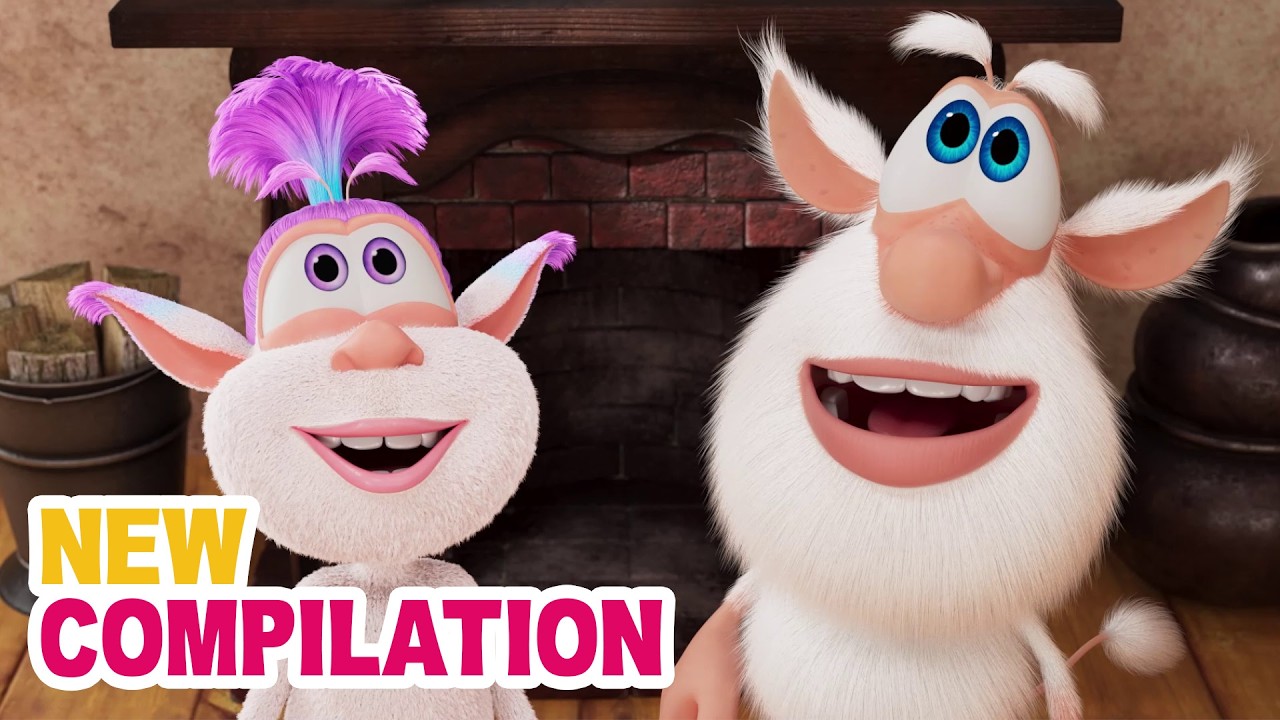
Most Popular Kids’ Cartoons in 2025

The world of children’s entertainment is constantly evolving. In 2025, playful, colorful, and creative animated shows continue to captivate young audiences. Parents and educators are always looking for age-appropriate, engaging, and educational cartoons that entertain while inspiring creativity, learning, and social skills.

This guide explores the most popular kids’ cartoons in 2025 and highlights why children love them.


Why These Cartoons Are Popular:

  1. Vibrant Animation: Bright colors, expressive characters, and fun visual effects keep kids engaged.

  2. Relatable Characters: Funny, curious, and adventurous characters capture children’s imagination.

  3. Humor and Storytelling: Combining comedy with engaging storylines makes learning fun.

  4. Educational Value: Many shows include problem-solving, social skills, and creativity.

  5. Interactive Appeal: Episodes encourage role-play, drawing, storytelling, and crafts.


Top Kids’ Cartoons of 2025:

1. Playful Creature Adventures

  • Focuses on curious, expressive characters exploring their world.

  • Teaches creativity, problem-solving, and social skills.

2. Tiny Tales Universe

  • Short, engaging stories for toddlers.

  • Highlights colors, numbers, shapes, and emotional learning.

3. Fuzzy Friends Academy

  • Group of animal friends on humorous adventures.

  • Encourages friendship, teamwork, and empathy.

4. Magical Garden Explorers

  • Outdoor adventures with educational lessons about nature and science.

  • Inspires observation, creativity, and imagination.

5. Happy Helpers Club

  • Characters engage in activities promoting responsibility, sharing, and cooperation.

  • Great for role-playing and learning life skills.

6. Giggles and Wonders

  • Combines humor, storytelling, and visual learning.

  • Encourages children to retell stories and create their own adventures.


How Parents Can Maximize Learning:

  1. Watch Together: Discuss episodes to reinforce lessons and encourage conversation.

  2. Extend Learning Activities: Drawing, crafts, or acting out scenes improves engagement.

  3. Set Limits: Maintain healthy screen time for balance with outdoor play and reading.

  4. Encourage Creativity: Ask children to invent new storylines or design characters.

  5. Praise Participation: Celebrate curiosity, questions, and creative efforts inspired by the shows.


Benefits of Watching Popular Cartoons:

  • Cognitive Skills: Improves observation, problem-solving, and comprehension.

  • Social Skills: Encourages empathy, teamwork, and communication.

  • Creativity and Imagination: Inspires drawing, storytelling, and imaginative play.

  • Language Development: Expands vocabulary and strengthens narrative skills.

  • Safe Entertainment: Age-appropriate and educational content ensures fun learning.


Final Thoughts:

The most popular kids’ cartoons in 2025 are more than just entertainment. They combine humor, imagination, and learning, making them a valuable tool for parents and educators. By choosing these shows thoughtfully and pairing them with creative activities and discussions, children can enjoy fun, safe, and enriching screen time.
Advertisement
How to Use Playful Cartoon Characters to Improve Kids’ Creativity
Children love watching funny, curious, and playful animated characters. Beyond entertainment, these characters can be powerful tools to boost creativity, imagination, and problem-solving skills in young learners. This guide explains how parents can use animated characters to inspire creativity in children aged 3–8 through activities, storytelling, and interactive play. Why Animated Characters Boost Creativity: Imaginative Scenarios: Characters often explore unusual or silly situations, inspiring children to think outside the box. Visual Storytelling: Exaggerated expressions and playful antics allow children to interpret and invent stories. Hands-On Inspiration: Watching characters can motivate kids to draw, craft, or role-play. Problem-Solving: Funny mishaps encourage children to invent solutions, enhancing cognitive skills. Ways to Use Animated Characters to Enhance Creativity: 1. Storytelling Activities Ask children to retell the episode in their own words. Encourage them to change endings or invent new adventures. Use props or toys to act out scenes, promoting imagination. Educational Tip: Enhances narrative skills, sequencing, and vocabulary. 2. Drawing and Coloring Inspired by Characters Let kids draw or color scenes from the episode. Encourage adding new elements or characters, fostering creativity. Combine with storytelling by asking them to describe their drawings. Learning Tip: Supports fine motor skills and creative thinking. 3. Craft and DIY Projects Create character-themed crafts, such as paper puppets, masks, or origami figures. Encourage children to design new characters or accessories, boosting problem-solving and innovation. Learning Tip: Hands-on crafts enhance planning, coordination, and imaginative skills. 4. Role-Playing and Acting Children can recreate scenes or improvise new stories. Use safe props or costumes to make play interactive. Role-play helps children experiment with different emotions and scenarios. Learning Tip: Develops emotional intelligence, social skills, and creativity. 5. Writing Mini Stories For older children (6–8 years), encourage writing short stories inspired by episodes. They can illustrate characters and adventures, combining art and writing. Helps build literacy skills, imagination, and self-expression. Tips for Parents: Co-Create Stories: Participate with your child to make storytelling interactive. Provide Materials: Supply markers, colored paper, scissors, or toys for creative activities. Encourage Originality: Praise unique ideas rather than copying. Set a Routine: Incorporate 20–30 minutes of creativity-inspired activities after watching episodes. Display Work: Showcase drawings or crafts to boost confidence and motivation. Benefits of Using Animated Characters for Creativity: Imagination Growth: Kids learn to invent and visualize new scenarios. Problem-Solving Skills: Characters’ challenges encourage innovative thinking. Fine Motor Development: Drawing, coloring, and crafting enhance hand-eye coordination. Emotional Expression: Acting or storytelling helps express feelings. Confidence and Achievement: Completing projects inspired by characters increases self-esteem. Final Thoughts: Playful cartoon characters are more than just entertainment—they can inspire creativity, problem-solving, and imaginative play in children. By integrating drawing, storytelling, role-playing, and crafts, parents can turn screen time into interactive learning experiences, boosting both fun and skill development.
Best Booba Toys for Kids: The Ultimate 2025 Play Guide
Beloved for his cheerful simplicity and playful curiosity, Booba has captured the hearts of children worldwide. The right Booba toy can extend that fun from the screen into the physical world, encouraging creativity, motor skills, and imaginative play. This 2025 guide cuts through the clutter to recommend the best Booba toys that are safe, engaging, and developmentally valuable, ensuring your child’s playtime is filled with joyful exploration. Understanding the "Booba" Play Value : When choosing a Booba toy, look for items that embody his core traits: curiosity, non-verbal problem-solving, tactile discovery, and joyful mischief. The best toys will encourage open-ended play, not just replication of screen moments. Disclaimer: This is an independent guide. Always verify safety certifications (CE, ASTM) and age recommendations before purchase. Category 1: For Tactile Explorers & Young Fans (Ages 1.5-3) : These toys focus on sensory input, durability, and basic cause-and-effect, perfect for toddlers sharing Booba's discovery phase. Booba Plush Toy with Textured Elements: Why It's a Top Pick: A soft, huggable plush is a must-have. The best versions include different fabrics on his ears, feet, or belly for tactile exploration, and are machine-washable. It provides comfort and a first friend for role-play. What to Look For: Seam integrity, embroidered (not plastic) eyes for safety, and hypoallergenic filling. Booba Shape Sorter Discovery Cube: Why It's a Top Pick: This directly translates Booba's curiosity into a foundational learning toy. A cube with Booba's face features holes for chunky, themed shapes (like his favorite donut or light bulb). It develops fine motor skills, spatial reasoning, and problem-solving. What to Look For: Large, easy-to-grip shapes made of durable, BPA-free plastic. Smooth edges and a storage bag for the shapes. "Booba's Kitchen Surprise" Push & Go Toy: Why It's a Top Pick: A chunky, durable toy car or figure that wobbles or makes a gentle rattling sound when pushed. It encourages crawling/chasing and satisfies a toddler's desire to make things happen, just like Booba does. What to Look For: A sturdy, tip-resistant design with wheels that roll smoothly and no detachable small parts. Category 2: For Imaginative Storytellers (Ages 3-6) : This age group is ready to act out full Booba adventures. Toys should encourage narrative building and creative expression. Booba's Curiosity House Play Set: Why It's a Top Pick: A detailed, interactive playset based on Booba's home is the centerpiece of imaginative play. The best sets include opening doors, clickable lights, a sliding chair, and accessories like his iconic lamp, fridge, and teapot. It lets kids recreate and invent their own silent stories. What to Look For: Sets with multiple interactive features and several accessories. Durability is key—ensure hinges and moving parts are robust. Booba & Friends Figurine Collection: Why It's a Top Pick: A set of sturdy, poseable figurines including Booba, Jelly, and other characters allows for dynamic storytelling. They can be used with the playset, taken on "adventures" around the house, or incorporated into other playscapes. What to Look For: Good articulation (arms/legs that move), paint that won't chip easily, and a scale that works with other playsets. Booba Dress-Up Kit (Ears & Gloves): Why It's a Top Pick: Simple, high-quality felt ears on a headband and fluffy white gloves instantly transform a child into Booba. This prop is fantastic for physical comedy, mimicking Booba's expressions, and sparking active, character-driven play. What to Look For: A comfortable, adjustable headband. Gloves should allow for finger movement and be made of breathable material. Category 3: For Creative Builders & Problem-Solvers (Ages 5-8) : For older fans, toys that channel Booba's inventive and often unconventional problem-solving are ideal. Booba's Wacky Workshop Building Set: Why It's a Top Pick: A construction set featuring Booba's unique aesthetic—crazy angles, odd connectors, and vibrant colors. It challenges kids to build unstable-looking yet functional structures, just like Booba would, fostering engineering thinking and creativity beyond standard blocks. What to Look For: Compatibility with major block brands for expanded play, and an idea booklet with "challenges" (e.g., "Build a tower that can hold Booba's donut"). "Booba's Silly Reactions" Science Kit: Why It's a Top Pick: A themed science kit exploring simple, visually dramatic reactions like foaming "volcanoes" (donut glaze explosion!), color mixing, or magnet tricks. It perfectly captures Booba's cause-and-effect mischief in an educational framework. What to Look For: Kits that use safe, household ingredients and include clear, picture-based instructions. Emphasis on the "wow" factor. Booba Digital Drawing Tablet with Stencils: Why It's a Top Pick: A pressure-free, mess-free way to create Booba art. A kid's drawing tablet with pre-loaded Booba stencils or stamps lets them design their own scenes, encouraging digital creativity in a focused way. What to Look For: A tablet with a color screen, a sturdy stylus, and a "learn to draw Booba" function. The "Best of the Best" All-Around Winner (Ages 3-6) : Booba's Curiosity House Play Set with Figurines.This combination offers the highest return on play value. The environment (house) and the characters (figurines) together provide endless fuel for narrative, problem-solving, and social-emotional play, perfectly capturing the spirit of the show for the core age group. Tips for Integrating Booba Toys into Healthy Play : Pair with Screen Time: Watch a short episode, then use the toys to act out what you saw or invent a new ending. Encourage "Silent Play": Challenge your child to tell a story using only Booba's gestures and sounds, boosting non-verbal communication skills. Mix with Other Toys: Let Booba visit the toy castle or the car garage. Cross-play sparks incredible creativity. Balance with Other Activities: After a Booba play session, channel that energy into a real-world "discovery mission" outdoors, perhaps with gear from kidtoys.site, or follow up with a different style of creative story from boobacartoon.com. Conclusion: Play with Curiosity & Joy : The best Booba toys for 2025 aren't just merchandise; they are tools that extend the show’s positive themes of curiosity and joyful discovery into your child's hands. By choosing toys that prioritize open-ended play, durability, and creative thinking, you’re investing in playthings that will grow with your child’s imagination. Remember, the true magic happens not in the toy itself, but in how your child uses it to explore their world—with the same wide-eyed wonder as their favorite furry friend.
Top Cartoons Similar to Playful Cartoon Characters Kids Will Love
Kids love funny, curious, and colorful animated characters. Many children who enjoy one playful cartoon are often drawn to similar shows that combine humor, creativity, and learning. This guide highlights top cartoons similar to playful animated characters, helping parents choose age-appropriate, engaging, and educational content for children aged 3–8. Why Kids Love Playful Cartoons: Bright Colors and Fun Animations: Eye-catching visuals keep kids engaged. Expressive Characters: Funny faces and exaggerated actions appeal to young viewers. Simple Stories: Easy-to-follow plots help children understand cause and effect. Humor and Slapstick Comedy: Silly antics make learning fun. Positive Lessons: Episodes often teach friendship, creativity, problem-solving, and empathy. Top Cartoons Similar to Playful Characters: 1. Pip and Pop Adventures Focuses on curious, playful creatures exploring their world. Teaches problem-solving, cooperation, and curiosity. 2. Tiny Tales Short, humorous episodes perfect for toddlers. Highlights colors, numbers, and shapes with visual storytelling. 3. Happy Critters Club Group of animal friends engaging in funny adventures. Encourages friendship, sharing, and teamwork. 4. Momo’s Magical World Combines fantasy, humor, and educational content. Episodes promote creativity, imagination, and storytelling. 5. Fuzzy Friends Fun Focuses on curiosity, exploration, and learning through play. Teaches basic concepts like shapes, letters, and problem-solving. 6. Giggle Garden Outdoor adventures with playful characters. Encourages observation skills, nature awareness, and imagination. Tips for Parents Choosing Cartoons: Check Age Appropriateness: Ensure content is suitable for your child’s age. Mix Education with Entertainment: Look for shows with learning opportunities and fun stories. Watch Together: Co-viewing promotes discussion, comprehension, and bonding. Encourage Activities Post-Episode: Drawing, crafts, or role-play extends learning. Monitor Screen Time: Balance viewing with offline activities, outdoor play, and reading. Benefits of Watching Similar Cartoons: Creativity and Imagination: Inspires storytelling, drawing, and role-play. Social Skills: Characters model friendship, sharing, and empathy. Cognitive Skills: Episodes teach problem-solving, observation, and sequencing. Emotional Understanding: Helps children recognize feelings and emotions. Final Thoughts: Children who enjoy playful cartoon characters can benefit from exploring similar animated shows. By choosing age-appropriate, entertaining, and educational cartoons, parents can enhance creativity, learning, and social skills, while keeping screen time fun and safe.
Funny Way to Build Good Habits
Cartoons play a very important role in a child’s early learning. Whether it’s sharing toys, speaking politely, or helping friends, cartoon stories make manners easy for children to understand. Kids naturally learn better when something is shown in a fun, colorful, and story-based format. That’s why cartoon stories about good manners have become one of the most effective tools for parents and teachers. In today’s busy world, reminding kids about manners again and again can be challenging. But when the same lessons come through a cute animated character, children not only enjoy watching but also remember the message. Let’s explore how cartoon stories help improve manners in kids and which habits are most important. ⭐ Why Cartoons Are Effective for Teaching Manners 1. Kids Understand Visual Messages Quickly Children learn better with pictures and actions. Cartoons show how to behave in real-life situations, which makes learning natural and effortless. 2. Stories Create Emotional Impact When kids see their favorite cartoon hero helping others or apologizing, they feel inspired to do the same. 3. Repetition Makes Learning Strong Cartoons repeat moral messages in simple ways. When children see good manners again and again, they become part of their daily behavior. 4. Learning Feels Like Fun, Not School Most kids resist long lectures but happily watch a 5-minute animated story. This converts manners into enjoyable lessons. ⭐ Important Manners Kids Learn Through Cartoons 1. Saying “Please” and “Thank You” Politeness is one of the first manners parents want kids to learn. In cartoon stories, characters often use polite language, showing kids when and how to say “please,” “thank you,” and “sorry.” 2. Sharing with Friends One of the biggest challenges for toddlers is sharing toys or snacks. Cartoon stories show how sharing brings happiness and how refusing to share can hurt others. 3. Helping Parents and Friends Kids learn responsibility when they see animated characters helping in small tasks like cleaning up, organizing toys, or helping a friend in trouble. 4. Respecting Elders Respectful behavior—listening, not interrupting, and speaking kindly—is often highlighted in kids’ cartoons. 5. Patience and Waiting for Their Turn Children naturally want everything instantly. Cartoons teach them that waiting for their turn is an important manner. 6. Keeping the Environment Clean Many cartoons show characters picking up trash, keeping rooms tidy, and caring for nature. ⭐ Benefits of Using Cartoon Stories for Manners 1. Kids Remember Moral Lessons Longer Because stories have characters, actions, and emotions, children remember the moral values more deeply. 2. Builds Social and Emotional Skills Kids learn empathy, kindness, cooperation, and problem-solving from cartoon-based storytelling. 3. Helps Parents Guide Kids Easily Instead of scolding, parents can say, “Remember what the cartoon character did?” This makes discipline gentle and effective. 4. Safe and Positive Entertainment Good-manner cartoons are clean, age-appropriate, and free from harmful content. ⭐ Examples of Manners Highlighted in Popular Cartoon Stories Helping Friends Stories where a character helps someone fix a broken toy, opens the door for others, or supports a sad friend help kids understand kindness. Apologizing When Wrong Cartoons teach that saying “sorry” is important and shows courage. Kids learn it’s okay to make mistakes but important to apologize. Listening Carefully Animated characters often remind kids to listen to instructions and follow rules in school, home, and playground. Tidy Up Time A common theme shows characters cleaning up after playing, encouraging kids to do the same. ⭐ How Parents Can Use Cartoons to Teach Manners: 1. Watch Together When parents watch with their kids, they can point out important lessons and discuss them. 2. Repeat the Lessons During the Day For example, say:“Just like the cartoon taught, we should share our toys.” 3. Choose High-Quality Content Pick cartoons that focus on learning and character-building instead of violence or meaningless humor. 4. Encourage Kids to Practice the Learned Manners Praise them when they apply a good habit they saw in the cartoon. ⭐ Why Manners Matter in Early Childhood: Good manners help children: Make more friends Build confidence Become responsible Communicate politely Grow into emotionally strong individuals Cartoon stories make this journey easier by showing good habits in an entertaining, child-friendly way. ⭐ Conclusion: Teaching manners doesn’t have to feel difficult or boring. Cartoon stories provide a joyful and effective way to help kids learn how to behave politely, share with others, and build strong character. When children watch animated stories that highlight kindness, respect, and responsibility, they naturally start adopting these habits in daily life. Cartoons aren’t just entertainment—they are powerful learning tools that shape behavior, personality, and values. With the right selection of videos, parents can guide their children toward becoming polite, caring, and well-mannered individuals.
Make Your Own Booba Mask – Easy DIY
Booba’s playful and mischievous nature makes him a perfect inspiration for DIY crafts. Making a Booba mask is a fun, creative activity that encourages hands-on learning, imagination, and fine motor skills in children. Whether for a birthday party, Halloween, or just a rainy day activity, DIY Booba masks provide hours of educational fun. In this guide, we will explain how to make a Booba mask easily at home and how to use it for learning and creative play. Why DIY Booba Masks Are Perfect for Kids: Hands-On Creativity: Kids engage in coloring, cutting, and assembling, which fosters creativity. Fine Motor Skills: Cutting, gluing, and decorating strengthen hand-eye coordination. Imaginative Play: Wearing the mask allows children to role-play Booba’s adventures. Safe and Engaging: Uses simple materials that are safe for children aged 3–7. Materials You Will Need: Printable Booba mask template (or draw your own) Thick paper or cardstock Crayons, markers, or colored pencils Scissors (child-safe) Glue or tape Elastic string or ribbon Optional: glitter, stickers, or foam for decoration Step-by-Step Instructions: Step 1: Print or Draw the Template Print a pre-made Booba mask template or draw Booba’s face on cardstock. Make sure the template is large enough to cover the child’s face comfortably. Step 2: Color the Mask Use bright colors to mimic Booba’s playful style. Encourage kids to experiment with colors and patterns. Include details like Booba’s big eyes, fluffy ears, and expressive mouth. Educational Tip: Discuss colors, shapes, and textures while coloring. Step 3: Cut Out the Mask Carefully cut along the edges of the mask. Cut holes for the eyes using child-safe scissors. Educational Tip: Cutting accurately helps develop fine motor control and spatial awareness. Step 4: Attach Elastic or Ribbon Attach elastic or ribbon to each side of the mask with tape or glue. Make sure it fits comfortably around the child’s head. Safety Tip: Elastic should not be too tight to avoid discomfort. Step 5: Add Decorations (Optional) Use glitter, stickers, or foam pieces to decorate. Encourage kids to personalize their Booba mask. Educational Tip: Adding decorations improves creativity and planning skills. Fun Activities With Booba Masks: Once the masks are ready, children can: Role-Play Adventures: Pretend to be Booba exploring kitchens, rooms, or playgrounds. Storytelling: Create mini-adventures or reenact favorite Booba episodes. Group Play: Collaborate with friends or siblings to act out scenes. Indoor Games: Combine masks with indoor games like pillow obstacle courses or balloon chases. Photo Fun: Take photos or make short videos for family albums or classroom projects. Educational Benefits: Making and using Booba masks offers learning opportunities beyond craft skills: Creativity and Imagination: Children interpret Booba’s expressions in their own way. Motor Skills: Coloring, cutting, and assembling strengthen coordination. Problem-Solving: Figuring out mask fit or decoration placement encourages critical thinking. Emotional Expression: Acting out Booba’s adventures teaches empathy and emotional understanding. Social Skills: Collaborative play develops teamwork and communication. Tips for Parents and Educators: Supervise cutting and gluing activities for younger children. Encourage storytelling along with mask-making. Display finished masks to boost confidence and pride. Combine mask-making with Booba episode viewing for thematic play. Rotate activities: one child can be Booba while others play supporting characters. Final Thoughts: Making your own Booba mask is a fun, creative, and educational activity for kids aged 3–7. It allows children to bring Booba’s playful adventures to life, develop fine motor skills, enhance creativity, and engage in imaginative play. Whether done at home or in a classroom, this DIY project is a safe, joyful, and memorable learning experience.
Best Apps & Games for Young Explorers
For fans of gentle, curious characters, finding digital experiences that match that spirit of joyful, non-verbal discovery is key. The best apps and games nurture problem-solving, creativity, and exploration in a safe, ad-light environment. This 2025 guide curates top-tier picks that channel a similar sense of wonder, ensuring screen time is engaging, educational, and aligned with positive values. Our Selection Philosophy: What Makes a Great "Explorer" App? We prioritize apps and games that are: Curiosity-Driven: Focused on exploration, cause-and-effect, and open-ended discovery. Minimally Verbal: Relying on visual cues, sounds, and intuitive interaction over complex instructions. Commercially Safe: With no intrusive ads, aggressive in-app purchases, or data collection concerns. High-Quality & Respectful: Featuring calm design, pleasant sounds, and respect for the child's intelligence. Important Note: Always supervise initial play, use parental controls, and check age ratings (PEGI, ESRB) before downloading. Category 1: For Young Discoverers (Ages 2-4) – Tap, Explore, Giggle : These apps focus on simple cause-and-effect, sensory feedback, and gentle humor. App: "Toca Kitchen" (Toca Boca) Why It’s a Perfect Match: This is the digital equivalent of curious, messy experimentation. Kids can take various foods, cook them in silly ways (boil, fry, microwave), and feed them to characters who react with exaggerated, non-verbal expressions of delight or disgust. It’s all about discovery without rules or pressure. Key Features: No goals or scores, intuitive drag-and-drop, charmingly quirky reactions, and a one-time purchase model. App: "Sago Mini World" (Sago Sago) Why It’s a Perfect Match: This subscription-based suite offers dozens of mini-worlds to explore. Games like "Sago Mini Builders" or "Sago Mini Planes" let kids playfully interact with environments in unexpected ways—building wobbly towers or flying a plane to pop giant bubbles. The tone is consistently friendly, cheerful, and explorative. Key Features: Vast library of ad-free games, consistent gentle aesthetic, offline play, and a focus on open-ended fun. Game: "Peek-a-Zoo" by Duck Duck Moose Why It’s a Perfect Match: This app is a digital "hide and seek" focused on observation and identifying emotions/actions. Based on the classic "Peekaboo" format, it asks, “Who is crying?” or “Who is dancing?” fostering attentive looking and simple deduction in a joyful, animal-filled setting. Key Features: No ads, no in-app purchases, aligns with early learning standards for social-emotional growth. Category 2: For Creative Problem-Solvers (Ages 5-8) – Think, Tinker, Create : These selections encourage logical thinking, physics-based experimentation, and creative expression. Game: "Thinkrolls" Series (Avokiddo) Why It’s a Perfect Match: This award-winning series is pure logic and physics puzzles wrapped in charming characters. Kids guide a bouncy ball through increasingly complex mazes, manipulating objects like boxes, balloons, and teleporters. The problem-solving is non-verbal, trial-and-error based, and deeply satisfying—capturing the "aha!" moment of figuring things out. Key Features: Hundreds of levels, gradual difficulty increase, no reading required, and a one-time purchase. App: "Khan Academy Kids" Why It’s a Perfect Match: While educational, its spirit is one of joyful exploration. The "Creativity" section lets kids draw, color, and make stories. The friendly animal guides encourage curiosity across reading, math, and logic games in a completely free, ad-free environment. It feels like a playful clubhouse of learning. Key Features: 100% free, no ads, vast curriculum, and a strong emphasis on self-paced discovery. Game: "PBS Kids Games" App Why It’s a Perfect Match: This hub offers games from all PBS Kids shows. For explorer-minded kids, seek out games like "Wild Kratts Creature Math" (animal adventures) or "Cat in the Hat Builda-ma-loo" (inventive construction). The games are tied to educational curricula, vetted for safety, and feature beloved, positive characters. Key Features: Free, trusted source, new games added regularly, and parental resources. Category 3: For Budding Architects & Storytellers (Ages 7-10) – Build, Design, Imagine : These apps provide tools for complex creation and storytelling. Game: "Minecraft" (Education Mode or Creative Mode) Why It’s a Perfect Match: The ultimate digital sandbox for curiosity. In Creative Mode, with unlimited resources, kids can build anything they imagine—a wobbly tower, a hidden cave house, a giant pixel-art portrait of their favorite character. It’s a world governed by simple rules of placement and physics, encouraging endless experimentation. Key Tips: Use the Education Edition for a more structured, classroom-safe environment, or set up a private, supervised Creative Mode world. Supervise multiplayer. App: "Stop Motion Studio" Why It’s a Perfect Match: This app lets kids create their own animated shorts frame-by-frame using toys, clay, or drawings. It directly channels the spirit of making simple, funny, visual stories without words. They can make their plush toys go on curious adventures, mimicking the playful, physical comedy they love. Key Features: Intuitive interface, onion-skinning for smooth animation, and the ability to add sound effects and music. A powerful tool for patient creators. App: "Drawing Cartoon 2" Why It’s a Perfect Match: A step up from simple coloring apps, this provides easy tools to design original cartoon characters and simple animations. Kids can create their own curious explorer character, give them big eyes and expressive poses, and even make them walk or jump in a loop. Key Features: Bone-based rigging for easy animation, pre-set character templates to modify, and a focus on fun, cartoon-style creation. Essential Tips for Parents : Co-Play First: Sit with your child as they try a new app. Explore it together, which models how to engage with it thoughtfully. Use Device-Level Controls: Utilize "Guided Access" (iOS) or "Screen Pinning" (Android) to lock the device into a single app, preventing accidental exits or purchases. Seek Out "Paid-Up-Front" Models: Favor apps with a one-time purchase price over "free-to-play" models, which often rely on ads or microtransactions. Balance is Key: Pair digital exploration with hands-on play. After building in Minecraft, build with real blocks. After making a stop-motion film, act out a live play. Conclusion: Digital Tools for Real-World Curiosity : The best apps and games don't just entertain; they extend a child's natural desire to explore, figure things out, and create. By choosing high-quality, respectful digital experiences that prioritize discovery over consumption, you give your child a digital sandbox worthy of their imagination—one that complements the joyful, curious play inspired by their favorite gentle characters and real-world adventures.
Plush Toys Inspired by Gentle Characters – Your Complete 2025 Buying Guide
A soft, huggable plush friend can be a child's first confidant, a comfort during storms, and a spark for endless imagination. Choosing the right one—especially when it's inspired by a beloved, gentle character—requires more than just picking the cutest face. This complete 2025 buying guide will help you navigate materials, safety, and quality to find the perfect plush companion that's safe, durable, and ready for years of love. Why the Right Plush Toy Matters : A high-quality plush toy is an investment in comfort and creative play. It should be: A Safe Haven: Free from hazards, with secure construction. A Sensory Experience: Made from soft, comforting fabrics. A Durable Friend: Built to withstand hugs, tugs, and adventures. A Spark for Stories: Faithfully representing a character known for kindness and curiosity to inspire positive play. Chapter 1: The Safety First Checklist – Non-Negotiables : Before you consider design, verify these critical safety points. Certifications & Standards: Look for official safety labels like CE (Europe), ASTM (USA), or UKCA (UK). These indicate the toy meets strict safety standards for materials and construction. Construction Integrity: Eyes & Nose: Must be embroidered or digitally printed fabric. Avoid plastic or button eyes/noses that can be pulled off and become a choking hazard. Seams: Should be double-stitched and tight with no loose threads or gaps where stuffing could emerge. Stuffing: Should be a clean, hypoallergenic polyester fiberfill. It should feel evenly distributed with no hard or lumpy spots. Materials & Fabrics: The outer fabric should be soft, durable, and colorfast. Look for mentions of "machine washable" for easy cleaning. Avoid cheap, scratchy, or strongly scented materials. Chapter 2: The Quality & Design Deep Dive – What to Look For : Once safety is confirmed, assess these quality and design factors. Authenticity & Likeness: For character plushes, the design should be faithful and recognizable. The expression should capture the character’s gentle and curious nature. Size & Proportion: Consider both cuddling and portability. Large (16-24 inches): Best for bedtime cuddling and room decor. Medium (10-15 inches): The versatile all-rounder, perfect for play and travel. Small (5-9 inches): Great for little hands, backpack companions, or collectibles. Sensory Features: Extra details enhance play value: Different Textures: Ears, paws, or tummies in a contrasting, soft material. Gentle Squeakers or Rattles: Ensure they are securely sealed inside and designed for calm interaction. Poseability: Some plush toys have wire in the arms/legs for posing, but ensure it is safely encased and the toy is age-appropriate. Chapter 3: Where & How to Buy – Smart Shopping Tips : Navigate the marketplace with confidence. Trusted Retailers: Purchase from official brand stores, reputable toy stores (online or brick-and-mortar), or major, trusted retailers. Be cautious with unknown third-party sellers on large marketplaces. Reading the Fine Print: Always check the product description for: Age Grade: e.g., "0+" or "3+". This is a safety guideline. Material List: Should be clearly stated. Care Instructions: Machine washable is a huge plus. Reviews are Key: Read customer reviews and look at user-uploaded photos. Pay attention to comments about durability after washing, color fading, and seam strength. Chapter 4: The Top Picks Breakdown – By Need : Best for Toddlers (Ages 1.5-3): The Super-Soft Cuddler Look for: Small to medium size, all-embroidered features, multiple tactile textures, and machine-washable fabric. Simpler designs are safer and more appealing at this age. Best for Imaginative Play (Ages 4-7): The Storytelling Companion Look for: Medium size, accurate and expressive design, durable fabric that can handle being part of adventures. This is the prime age for character-driven role-play. Best for Collectors & Older Fans (Ages 8+): The Premium Display Friend Look for: Larger size, high-quality detailing, possible poseability, and special edition features. These are for gentle cuddling and display. Chapter 5: Care & Maintenance – Keeping the Friend for Years : A good plush can last for generations with proper care. Regular Cleaning: Surface clean with a damp cloth. For a full wash, use a gentle cycle in a mesh laundry bag with mild detergent. Air dry thoroughly; avoid high heat from dryers. Damage Check: Regularly inspect for loose seams, holes, or detached parts. Repair small tears immediately to prevent further damage. Storage: When not in use, store in a cool, dry place away from direct sunlight to prevent fading. Red Flags – When to Walk Away : Unbelievably low price from an unknown seller. No safety certifications listed. Plastic parts (eyes, nose) that feel loose or poorly attached. Strong chemical or unnatural odor. Poor stitching or uneven, lumpy stuffing. Conclusion: More Than Just a Toy : Choosing the perfect character-inspired plush is an act of care. It’s selecting a future heirloom that will be a silent witness to bedtime stories, a comfort during sick days, and a catalyst for countless adventures. By prioritizing safety, quality materials, and thoughtful design, you’re not just buying a toy—you’re welcoming a cherished member of the family. May their new friend be soft, strong, and ready for all the love that’s coming their way.
How Much Screen Time Should Kids Have? Expert Guide
Screen time is a major part of modern childhood. With tablets, TVs, and computers, parents often ask: “How much screen time is appropriate for my child?” Understanding recommended limits and guidelines can help children benefit from educational content while avoiding negative effects on health, development, and sleep. This guide presents expert advice on safe screen time limits for children, along with tips for making screen use educational and interactive. Recommended Screen Time by Age: 1. Infants and Toddlers (0–2 years) Experts recommend avoiding screen time except for video calls with family. Focus on hands-on play, reading, and exploration. 2. Preschoolers (3–5 years) Limit screen time to about 1 hour per day of high-quality, educational content. Encourage co-viewing with parents to enhance understanding and engagement. 3. Early School Age (6–12 years) Screen time should be balanced with physical activity, homework, reading, and social interaction. Educational programs, creative apps, and interactive learning tools are preferable. 4. Teenagers (13–18 years) Encourage moderation and healthy habits, balancing screen use with sleep, exercise, and real-world interactions. Limit recreational screen use, especially before bedtime. Tips for Healthy Screen Use: Co-View and Discuss: Watch educational programs with your child and ask questions to enhance learning. Interactive Content: Choose apps, games, or shows that promote creativity, problem-solving, and active thinking. Breaks Are Essential: Encourage a 10–15 minute break every hour to reduce eye strain and maintain attention. Set Screen-Free Zones: Keep mealtime, bedrooms, and outdoor play areas free from screens. Model Healthy Behavior: Children often imitate parents, so limit your own recreational screen time. Benefits of Controlled Screen Time: Educational Value: High-quality programs and apps can teach numbers, letters, languages, and problem-solving skills. Creativity & Imagination: Interactive games, drawing apps, or storytelling programs foster creative thinking. Social Skills: Video calls with relatives or collaborative learning apps help maintain social connections. Digital Literacy: Moderate screen use teaches children responsible and safe technology use. Risks of Excessive Screen Time: Sleep Disruption: Excessive screen time, especially before bedtime, can affect sleep patterns. Behavioral Issues: Too much passive viewing can contribute to short attention span or hyperactivity. Reduced Physical Activity: Sedentary screen time may limit exercise and outdoor play. Social Isolation: Overuse of screens may reduce interaction with peers or family. Creating a Balanced Screen Schedule: Plan Educational and Recreational Use: Allocate time for learning, creative play, and entertainment. Set Daily Limits: Use timers or parental controls if needed. Encourage Offline Activities: Sports, crafts, reading, and outdoor exploration should complement screen time. Observe and Adapt: Watch for signs of fatigue, frustration, or disinterest, and adjust accordingly. Final Thoughts: Screen time is not inherently harmful; it can be educational and fun if carefully monitored. By setting limits, choosing quality content, and encouraging interaction, parents can ensure children benefit from technology while maintaining healthy development.