20 Booba-Inspired Indoor Games for Kids

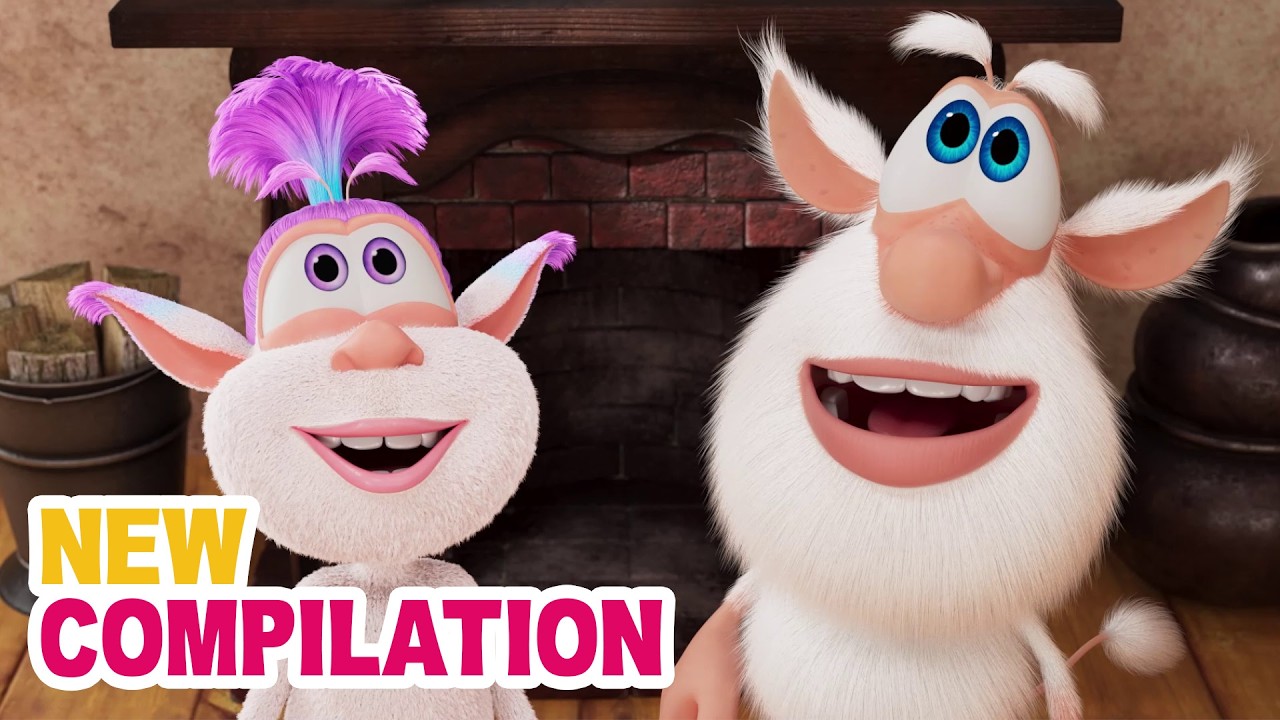
Booba’s playful, curious, and energetic adventures are perfect inspiration for indoor games. Kids can recreate Booba’s fun, safe, and chaotic play at home, keeping them entertained while boosting creativity, motor skills, and problem-solving abilities.

In this guide, we present 20 Booba-inspired indoor games for kids, suitable for ages 3–7, that combine fun, learning, and physical activity.


1. Balloon Chase Adventure:

Inflate colorful balloons and have kids chase and catch them, just like Booba chasing floating objects.

Benefits: Improves coordination and gross motor skills.


2. Booba’s Treasure Hunt:

Hide small toys around a room and give children simple clues to find them.

Benefits: Encourages problem-solving and observation.


3. Obstacle Climb:

Set up pillows, chairs, and soft blocks for kids to climb over and crawl under safely, mimicking Booba’s adventurous movements.

Benefits: Enhances balance, agility, and spatial awareness.


4. Toy Sorting Race:

Give kids a pile of toys and ask them to sort them by color or type as quickly as possible.

Benefits: Improves attention to detail and categorization skills.


5. Booba Freeze Dance:

Play fun music and have kids dance like Booba. When music stops, they must freeze in a silly pose.

Benefits: Boosts motor control, rhythm, and listening skills.


6. Pillow Mountain Jump:

Build a small pillow mountain and let kids jump from one pillow to another, safely.

Benefits: Enhances coordination, balance, and fun risk-taking.


7. Bubble Popping Challenge:

Blow bubbles and let kids pop them before they touch the floor.

Benefits: Improves hand-eye coordination and focus.


8. Indoor Slide Adventure:

Use a small indoor slide or create one with cushions, letting kids slide down safely, like Booba’s playful antics.

Benefits: Encourages gross motor skills and balance.


9. Stuffed Animal Parade:

Children line up stuffed toys and parade them around, imitating Booba interacting with soft toys.

Benefits: Promotes imaginative play and organization.


10. Booba’s Puzzle Challenge:

Use simple floor puzzles and let kids assemble them quickly.

Benefits: Improves problem-solving, spatial awareness, and patience.


11. Balloon Volleyball:

Kids hit a balloon back and forth without letting it touch the ground.

Benefits: Boosts coordination, teamwork, and timing.


12. Color Hunt Adventure:

Call out a color, and children must find an object of that color around the room quickly.

Benefits: Teaches color recognition and observation.


13. Indoor Bowling:

Set up empty plastic bottles and roll a soft ball to knock them down.

Benefits: Improves aim, coordination, and gross motor skills.


14. Booba Says (Simon Says):

Play “Booba Says” with silly actions like “jump like Booba” or “crawl like Booba.”

Benefits: Encourages listening, attention, and imaginative movement.


15. Indoor Hopscotch:

Use masking tape to create a hopscotch grid on the floor. Children jump through the squares like Booba navigating obstacles.

Benefits: Enhances balance, motor skills, and number recognition.


16. Toy Rescue Mission:

Place small toys in hard-to-reach areas and have children retrieve them safely.

Benefits: Encourages problem-solving and strategic thinking.


17. Indoor Balloon Maze:

Use chairs and cushions to create a maze. Kids must navigate while carrying a balloon without dropping it.

Benefits: Promotes balance, coordination, and planning.


18. Booba’s Funny Faces Contest:

Kids imitate funny Booba expressions and actions in front of a mirror.

Benefits: Enhances creativity, emotional recognition, and self-expression.


19. Treasure Toss Game:

Set up containers and let kids toss soft toys or bean bags into them.

Benefits: Improves hand-eye coordination and precision.


20. Indoor Adventure Storytelling:

Encourage children to create their own Booba-inspired indoor adventure stories using toys, cushions, and props.

Benefits: Boosts imagination, storytelling skills, and cooperative play.


Why Parents Love Booba-Inspired Games:

Parents appreciate these games because they:

  • Keep kids physically active indoors

  • Develop cognitive, social, and motor skills

  • Encourage creative and imaginative play

  • Provide safe chaos similar to Booba episodes

These games are perfect for rainy days, small apartments, or structured playtime.


Final Thoughts:

Booba-inspired indoor games combine the fun and chaos of Booba episodes with valuable learning experiences. Kids can improve motor skills, problem-solving, creativity, and social interaction while laughing, exploring, and having safe, indoor adventures.

Whether it’s balloon chasing, obstacle climbing, or imaginative storytelling, these 20 games make Booba’s playful world come alive at home.

Advertisement
Best Kids Cartoons about Friendship in 2025
Friendship is one of the most important lessons children can learn early in life. In 2025, cartoon episodes about friendship have become a popular way to teach toddlers and preschoolers social skills, empathy, cooperation, and conflict resolution in a fun and engaging way. Animated stories make abstract concepts like sharing, kindness, and loyalty easy to understand for young children. By watching characters navigate friendships, kids learn through observation and relate lessons to their own lives. This guide explores the benefits of friendship-themed cartoons, highlights top series for 2025, and provides tips for parents to maximize learning. Why Friendship Cartoons Are Important for Kids: Children learn social behavior best through modeling and storytelling. Cartoon episodes can: Teach sharing and cooperation: Children see characters resolving conflicts and working together. Encourage empathy: Understanding how characters feel helps kids recognize emotions in themselves and others. Reinforce communication skills: Listening, speaking politely, and expressing feelings are highlighted in stories. Promote problem-solving: Characters face challenges and find solutions collaboratively. Provide safe guidance: Lessons are delivered in a child-friendly, positive environment. Friendship cartoons turn social learning into fun and memorable experiences, making important life skills easier to grasp. Key Friendship Lessons Taught Through Cartoons: Sharing and CooperationCharacters often share toys, snacks, or resources, teaching toddlers how to take turns and cooperate. Kindness and EmpathyStories show caring for friends, animals, or family, helping children understand feelings and compassion. Conflict ResolutionEpisodes demonstrate how friends handle disagreements calmly, showing kids healthy ways to resolve arguments. Loyalty and TrustChildren learn the importance of being reliable and trustworthy in friendships. Inclusion and DiversityCartoons often feature characters of different backgrounds, teaching children to value diversity and include others. Top Cartoon Series About Friendship for Kids in 2025: 1. Booba and Friends: Booba’s adventures now include episodes focused on teamwork, sharing, and helping friends. Why it’s popular: Non-verbal, accessible to all languages Engages toddlers with fun exploration Teaches observation and empathy 2. The Kindness Club: The Kindness Club emphasizes friendship, empathy, and emotional intelligence in playful stories. Learning benefits: Promotes caring, sharing, and cooperation Builds communication and listening skills Suitable for preschoolers and early school-age children 3. Super Simple Learning World: Friendship Edition: This series combines songs, stories, and animated characters to teach social skills and friendship lessons. Highlights: Interactive and engaging for toddlers Reinforces sharing, honesty, and kindness Uses colorful visuals and repetition for better retention 4. Little Hero Adventures: Animated mini-stories focus on friendship challenges, problem-solving, and teamwork. Key lessons: Encourages collaboration in small tasks Models empathy and understanding of others Short, engaging episodes suitable for young children 5. Animal Friends Stories: Animals are used to teach friendship, cooperation, and empathy in a fun and relatable way. Learning focus: Caring for friends and community Working together to solve problems Respecting differences and including everyone How Parents Can Enhance Learning: Parents play a crucial role in reinforcing friendship lessons: Watch together: Discuss friendship moments and ask, “What would you do?” Encourage role-play: Children can act out friendship scenarios to strengthen understanding. Repeat episodes: Repetition helps toddlers internalize social behaviors. Relate lessons to real life: Point out moments of sharing, helping, and cooperating in daily life. Combine with offline activities: Games, collaborative tasks, and story-building encourage teamwork. Recommended Cartoon Episodes About Friendship in 2025: Booba and Friends – Teamwork, sharing, and empathy The Kindness Club – Caring, inclusion, and emotional intelligence Super Simple Learning World: Friendship Edition – Songs and stories reinforcing social skills Little Hero Adventures – Problem-solving and collaboration Animal Friends Stories – Friendship, cooperation, and respect for diversity These series are safe, engaging, and educational, helping children develop essential social skills while enjoying colorful animated adventures. Final Thoughts: Cartoon episodes about friendship are more than entertainment—they are tools for social and emotional development. In 2025, animated stories combine fun, music, and colorful visuals to teach children how to share, empathize, resolve conflicts, and value relationships. Parents can maximize learning by: Watching and discussing episodes together Encouraging children to practice social skills in real life Using role-play and games to reinforce friendship lessons With the right series, screen time becomes a positive, educational experience, helping toddlers and preschoolers build strong social foundations and lifelong skills. Tip for Parents: Ask children to retell friendship stories in their own words, which improves comprehension, empathy, and communication.
How to Use Playful Cartoon Characters to Improve Kids’ Creativity
Children love watching funny, curious, and playful animated characters. Beyond entertainment, these characters can be powerful tools to boost creativity, imagination, and problem-solving skills in young learners. This guide explains how parents can use animated characters to inspire creativity in children aged 3–8 through activities, storytelling, and interactive play. Why Animated Characters Boost Creativity: Imaginative Scenarios: Characters often explore unusual or silly situations, inspiring children to think outside the box. Visual Storytelling: Exaggerated expressions and playful antics allow children to interpret and invent stories. Hands-On Inspiration: Watching characters can motivate kids to draw, craft, or role-play. Problem-Solving: Funny mishaps encourage children to invent solutions, enhancing cognitive skills. Ways to Use Animated Characters to Enhance Creativity: 1. Storytelling Activities Ask children to retell the episode in their own words. Encourage them to change endings or invent new adventures. Use props or toys to act out scenes, promoting imagination. Educational Tip: Enhances narrative skills, sequencing, and vocabulary. 2. Drawing and Coloring Inspired by Characters Let kids draw or color scenes from the episode. Encourage adding new elements or characters, fostering creativity. Combine with storytelling by asking them to describe their drawings. Learning Tip: Supports fine motor skills and creative thinking. 3. Craft and DIY Projects Create character-themed crafts, such as paper puppets, masks, or origami figures. Encourage children to design new characters or accessories, boosting problem-solving and innovation. Learning Tip: Hands-on crafts enhance planning, coordination, and imaginative skills. 4. Role-Playing and Acting Children can recreate scenes or improvise new stories. Use safe props or costumes to make play interactive. Role-play helps children experiment with different emotions and scenarios. Learning Tip: Develops emotional intelligence, social skills, and creativity. 5. Writing Mini Stories For older children (6–8 years), encourage writing short stories inspired by episodes. They can illustrate characters and adventures, combining art and writing. Helps build literacy skills, imagination, and self-expression. Tips for Parents: Co-Create Stories: Participate with your child to make storytelling interactive. Provide Materials: Supply markers, colored paper, scissors, or toys for creative activities. Encourage Originality: Praise unique ideas rather than copying. Set a Routine: Incorporate 20–30 minutes of creativity-inspired activities after watching episodes. Display Work: Showcase drawings or crafts to boost confidence and motivation. Benefits of Using Animated Characters for Creativity: Imagination Growth: Kids learn to invent and visualize new scenarios. Problem-Solving Skills: Characters’ challenges encourage innovative thinking. Fine Motor Development: Drawing, coloring, and crafting enhance hand-eye coordination. Emotional Expression: Acting or storytelling helps express feelings. Confidence and Achievement: Completing projects inspired by characters increases self-esteem. Final Thoughts: Playful cartoon characters are more than just entertainment—they can inspire creativity, problem-solving, and imaginative play in children. By integrating drawing, storytelling, role-playing, and crafts, parents can turn screen time into interactive learning experiences, boosting both fun and skill development.
Top School Supplies Inspired by Friendly Cartoon Characters
Getting ready for school can be an adventure with the right tools! Supplies featuring popular, gentle cartoon characters can make organization fun and spark excitement for learning. This 2025 guide highlights the best back-to-school essentials that combine quality, functionality, and the cheerful, curious spirit kids love—helping them stay organized and motivated all year long. Why Character Supplies Work : Themed supplies from favorite shows do more than just look fun. They: Build Positive Associations: Connect schoolwork with familiar, joyful characters. Encourage Responsibility: Kids are more likely to keep track of items they love. Spark Creativity: A cheerful pencil case or notebook can make brainstorming feel more like play. Note: Always prioritize quality and safety. Look for non-toxic certifications, durable materials, and age-appropriate designs from reputable brands. Category 1: The Core Essentials – For Daily Organization : These are the workhorses of the school bag, keeping everything in its place. The Ultimate Character Backpack with Padded Compartments: Why It’s a Top Pick: A well-designed backpack sets the tone. Look for one with a subtle but cheerful character patch or pattern, ergonomic padded straps, multiple compartments for organization, and durable, water-resistant fabric. A front pocket for a lunchbox and side pockets for a water bottle are must-haves. Key Features: Lightweight yet sturdy construction, reflective strips for safety, and a design that balances fun with practicality for school hallways. Insulated Character Lunch Box & Bento Set: Why It’s a Top Pick: Lunchtime is more fun with a friend. A high-quality insulated lunch bag featuring cheerful characters, paired with a Bento-style box with compartments, encourages healthy eating and reduces waste. Look for sets that are leak-proof, easy to clean, and sized right for your child's appetite. Key Features: Non-toxic, BPA-free materials, a sturdy zip, and an ice pack compartment. Bento dividers help make food visually appealing. Large, Zippered Pencil Case with Multiple Pockets: Why It’s a Top Pick: Chaos ends here. A spacious, structured pencil case with the cheerful character's face and internal organizers (loops for pencils, mesh pockets for erasers) keeps supplies from getting lost at the bottom of the bag. Key Features: Robust zipper, easy-to-clean lining, and enough room for pencils, pens, a small sharpener, and a glue stick. Category 2: The Writing & Creativity Toolkit – For Expressing Ideas : These supplies turn homework and notes into a more engaging activity. Character-Themed Notebook & Folder Set: Why It’s a Top Pick: Organization starts on page one. A matching set of durable poly folders and composition notebooks or binders with the cheerful character helps separate subjects. Look for reinforced edges on notebooks and sturdy prongs in folders. Key Features: Thick, bleed-resistant paper in notebooks; folders with interior pockets for loose sheets. Mechanical Pencils, Erasers & Highlighters Set: Why It’s a Top Pick: A curated set featuring small character details (like a topper on a pencil or a shaped eraser) makes writing and studying more enjoyable. Mechanical pencils eliminate the need for a sharpener, and brightly colored highlighters are essential for note-taking. Key Features: Non-toxic, break-resistant lead for pencils; latex-free, smudge-free erasers; highlighters with mild, vibrant ink. Art Supply Kit in a Carry Case: Why It’s a Top Pick: Perfect for art class or creative breaks. A kit with character branding that includes colored pencils, washable markers, crayons, and a small sketchpad in a portable case encourages artistic expression. Key Features: AP-certified non-toxic supplies, a case that closes securely, and a variety of colors for complete projects. Category 3: The Motivational Extras – For Fun & Function : These items add a special touch to the school routine. Character Water Bottle with Time Markings: Why It’s a Top Pick: Hydration is key to concentration. An insulated stainless-steel bottle decorated with friendly characters and time markers (e.g., "Drink by 10 AM!") serves as a fun, visual reminder to drink water throughout the day. Key Features: Leak-proof lid, easy-to-carry handle, vacuum insulation to keep drinks cold, and durable finish that won't peel. Desk Organizer with USB LED Light: Why It’s a Top Pick: Creates a dedicated, cheerful homework station. A small desk caddy shaped or decorated like the character's house, with compartments for supplies and a built-in, rechargeable LED light, fosters focus and organization at home. Key Features: Sturdy plastic or wood, cable management, and a warm, eye-friendly light for evening work. Interactive Homework Planner with Stickers: Why It’s a Top Pick: Teaches time management with a smile. A weekly planner featuring the cheerful character and themed stickers (stars, checkmarks, playful icons) allows kids to track assignments, tests, and goals in an engaging, rewarding way. Key Features: A simple, intuitive layout, plenty of space for writing, and a sheet of reusable stickers. Tips for Choosing & Using Themed Supplies : Involve Your Child: Let them pick their favorite character from a selection of high-quality options you've pre-approved. Ownership increases care. Label Everything: Use a permanent marker or fun labels to add your child's name to each item, especially on common character gear. Balance is Key: Pair one or two standout character items (like a backpack and lunchbox) with more neutral, durable essentials to keep the look cohesive and age-appropriate as they grow. Connect to Positive Habits: Use the themed planner to celebrate completed homework, or the water bottle to track healthy habits. Conclusion: Pack for Success with a Smile : The best school supplies for 2025 blend durability, smart design, and a touch of personalized joy. By choosing quality items inspired by positive, curious characters, you’re not just equipping a backpack—you’re helping build a positive mindset toward learning and organization. When school feels like an adventure, every assignment is a new discovery waiting to happen.
Best Cartoons for Pre-K Learning
Cartoons are not just entertaining; they are powerful educational tools, especially for Pre-K children. At this age, children are naturally curious and learn best through visual storytelling, repetition, and play. Choosing the right cartoons can help children develop foundational skills in areas such as literacy, numeracy, problem-solving, creativity, and social-emotional understanding. Pre-K learning focuses on building skills that prepare children for kindergarten and beyond. Well-designed cartoons combine bright visuals, engaging characters, and simple educational concepts, making learning fun and effective. Why Educational Cartoons Matter for Pre-K Children: Pre-K children are in a critical stage of cognitive development. Educational cartoons help in: Introducing letters, numbers, and shapes Teaching colors, patterns, and spatial awareness Building vocabulary and language skills Developing social-emotional skills like sharing and empathy Encouraging curiosity and problem-solving By making learning interactive and visually appealing, cartoons capture attention and increase retention. Cartoons That Teach Literacy Skills: Certain cartoons focus on letters, phonics, and storytelling. They help children recognize sounds, words, and sentence structures through: Repetition of letters and words Simple rhymes and songs Story-based lessons with engaging characters These shows improve early reading and communication skills, helping children develop a strong language foundation. Cartoons That Teach Numeracy and Math Concepts: Some educational cartoons introduce numbers, counting, and basic math concepts: Counting objects in fun adventures Identifying shapes and patterns Understanding concepts like more, less, big, and small These cartoons make abstract concepts tangible and memorable for Pre-K learners. Cartoons That Encourage Creativity and Imagination: Creativity is crucial in early learning. Cartoons that inspire drawing, building, or imaginative play help children: Explore colors, shapes, and textures Experiment with ideas in pretend play Build critical thinking and problem-solving skills Creative cartoons allow children to express themselves freely while learning new concepts. Cartoons That Teach Social and Emotional Skills: Pre-K children are learning to interact with peers and manage emotions. Cartoons that focus on friendship, empathy, and teamwork help children: Recognize feelings in themselves and others Understand conflict resolution Develop kindness and sharing habits These shows support emotional intelligence, which is as important as academic skills at this age. Benefits of Watching Educational Cartoons: Watching the right cartoons provides multiple benefits for Pre-K learners: Makes learning fun and engaging Improves memory and attention span Encourages curiosity and exploration Strengthens language and communication skills Prepares children for formal school learning Educational cartoons turn screen time into productive learning time when chosen wisely. How Parents Can Maximize Learning from Cartoons: Parents can enhance the benefits of educational cartoons by: Watching cartoons together and discussing key lessons Asking questions about letters, numbers, shapes, and colors Encouraging children to imitate experiments, songs, or creative tasks Relating cartoon concepts to real-life experiences This active engagement ensures that children apply what they learn beyond the screen. Tips for Choosing the Best Pre-K Cartoons: Not all cartoons are equally educational. Parents should look for shows that: Use bright visuals and slow-paced narration suitable for young children Focus on basic skills like letters, numbers, colors, and social learning Avoid violence, fast cuts, or overly complicated storylines Include positive role models and relatable characters Popular Pre-K educational shows include Sesame Street, Bluey, Daniel Tiger’s Neighborhood, and Pocoyo, among others. Conclusion: Choosing the best cartoons for Pre-K learning can significantly impact a child’s early development. Educational cartoons provide a fun and interactive way to introduce foundational skills in literacy, numeracy, creativity, and social-emotional growth. When parents actively participate and guide learning, cartoons become a powerful tool that nurtures curiosity, engagement, and a love for learning from a young age.
10 Brain-Boosting Activities Inspired by Cartoons
Cartoons are not just entertaining; they can be a source of creative and educational inspiration for children. Many educational cartoons are designed to encourage problem-solving, critical thinking, and cognitive skill development. Parents can leverage these shows to create fun, brain-boosting activities at home that support learning through play. Here are 10 activities inspired by cartoons that can enhance your child’s brain development and vocabulary. 1. Storytelling and Role-Play: Cartoons often have engaging stories and memorable characters. Encourage your child to retell episodes or act out their favorite scenes. This activity improves vocabulary, creativity, and narrative skills. For example, after watching a show like Dora the Explorer or Paw Patrol, children can role-play characters, solve problems, and create their own adventures. This not only makes learning fun but also enhances imagination and social skills. 2. Word Games and Puzzles: Many cartoons introduce new words, phrases, or simple riddles. Turn this into interactive word games at home. Use flashcards, crossword puzzles, or matching games with words learned from cartoons. This strengthens memory, vocabulary, and problem-solving skills, while keeping children engaged in educational play. 3. Drawing and Coloring Activities: Cartoons are visually appealing, making them ideal for drawing and coloring exercises. Ask your child to draw their favorite characters or scenes. This activity improves fine motor skills, hand-eye coordination, and creativity, while allowing children to practice storytelling visually. Parents can also introduce new words related to colors, shapes, and actions during the activity. 4. Interactive Quizzes: After watching a cartoon episode, create simple quizzes about the story, characters, or moral lessons. Use multiple-choice or true/false questions to make it fun. Interactive quizzes enhance critical thinking, attention span, and comprehension skills, and make children more attentive to details in animated shows. 5. Memory Games: Many cartoons repeat phrases, rhymes, or sequences, which can be used for memory-boosting exercises. Encourage children to recall sequences of events or dialogue from their favorite shows. This activity strengthens working memory, focus, and language retention, making it easier for kids to learn and use new vocabulary. 6. Educational Craft Projects: Inspired by cartoon themes, children can create crafts, such as building models, making puppets, or designing simple props. For instance, after watching a show about animals, kids can make paper animals or masks. Craft projects boost problem-solving, creativity, and fine motor skills, while reinforcing knowledge and vocabulary related to the cartoon theme. 7. Music and Singing Activities: Many cartoons include songs and rhymes. Encourage children to sing along, dance, or create their own lyrics inspired by these songs. Music-based activities enhance memory, language development, and rhythm recognition, while making learning fun and interactive. It also helps children pronounce new words clearly. 8. Puzzle-Based Problem Solving: Cartoons often feature characters solving simple challenges or mysteries. Turn these scenarios into hands-on problem-solving games, like jigsaw puzzles, building blocks, or treasure hunts. This improves logical thinking, spatial awareness, and concentration, while teaching children to think creatively like their favorite cartoon heroes. 9. Science and Exploration Experiments: Some educational cartoons introduce basic science concepts. Use these as inspiration for safe and simple experiments at home. For example, shows about nature or animals can lead to planting seeds, exploring magnets, or observing insects. These activities boost curiosity, observational skills, and scientific vocabulary, turning cartoon inspiration into practical learning experiences. 10. Reading and Writing Exercises: Cartoons often feature stories, letters, or written messages. Encourage children to write their own short stories or letters based on episodes they watched. This reinforces writing, reading comprehension, and vocabulary acquisition. It also helps children connect visual storytelling with written language, strengthening their literacy skills. Tips for Parents to Maximize Learning: Select educational cartoons: Choose shows with clear language, problem-solving, and moral lessons. Limit screen time: Use cartoons as inspiration, not a passive activity; 30–60 minutes per day is ideal. Engage actively: Watch with your child, discuss new words, and encourage participation. Combine activities: Mix drawing, crafts, quizzes, and memory games to reinforce learning. Use bright and playful tools: Colorful materials and interactive props make activities more engaging and memorable. Conclusion: Cartoons are much more than entertainment—they are a powerful tool for brain development in children. By translating animated stories into hands-on activities, parents can boost cognitive skills, vocabulary, creativity, and problem-solving abilities. Integrating these 10 brain-boosting activities inspired by cartoons into your child’s routine transforms screen time into meaningful learning experiences, ensuring that fun and education go hand in hand. With creative play, interactive exercises, and storytelling, children can develop essential skills that last a lifetime—all while enjoying their favorite cartoons.
Educational Lessons Kids Learn from Booba
Booba is more than just a funny, playful cartoon character. While children laugh at his antics and enjoy colorful adventures, they also absorb important educational lessons through visual storytelling, problem-solving, and imaginative play. In this article, we explore the educational lessons kids learn from Booba, why parents trust the show, and how it supports early childhood development. 1. Curiosity and Exploration: Booba’s defining trait is his boundless curiosity. He touches, examines, and experiments with everything in his environment—whether it’s a kitchen gadget, a toy, or a new object. Educational Value: Encourages children to ask questions Promotes exploration in safe environments Develops early scientific thinking skills Example: Booba poking at a gadget teaches children to observe cause-and-effect in their surroundings. 2. Problem-Solving Skills: Many Booba episodes feature challenges or funny obstacles. For example, catching a balloon, climbing objects, or figuring out how a toy works. Educational Value: Encourages children to think critically Teaches that trial-and-error is okay Develops logic and reasoning skills Example: Booba trying multiple ways to reach a toy shows kids that persistence and creativity solve problems. 3. Emotional Understanding: Booba’s exaggerated facial expressions and body language make it easy for children to understand emotions, even without dialogue. Educational Value: Improves emotional recognition Teaches empathy by seeing reactions of other characters Encourages healthy expression of feelings Example: When Booba laughs, cries, or shows surprise, children learn to identify similar feelings in themselves and others. 4. Creativity and Imagination: Booba turns everyday objects into playful adventures—turning a cardboard box into a vehicle or a balloon into a toy animal. Educational Value: Promotes creative thinking Stimulates imaginative play Encourages innovative problem-solving Example: Booba’s inventive play inspires kids to use imagination with real-life objects, rather than relying solely on pre-made toys. 5. Cause-and-Effect Learning: Every action Booba takes leads to a reaction—he knocks over objects, pours water, or pops bubbles. Educational Value: Strengthens understanding of cause-and-effect relationships Teaches responsibility for actions Improves predictive thinking Example: Booba spilling water teaches children that actions have outcomes, subtly reinforcing accountability. 6. Social Skills and Cooperation: Although Booba is mostly a solo character, he interacts with secondary characters like Loola, Spike, or Mr. Beak. These interactions teach basic social lessons. Educational Value: Encourages cooperation and teamwork Demonstrates friendly behavior and sharing Introduces positive conflict resolution Example: Booba working around Spike’s mischief shows kids how to adapt and respond to others. 7. Patience and Persistence: Many episodes show Booba attempting a task multiple times, failing, and finally succeeding. Educational Value: Builds resilience Teaches patience and delayed gratification Reinforces learning through repetition Example: Booba repeatedly chasing a balloon teaches children to keep trying without frustration. 8. Observational Skills: Booba often notices small details that lead to fun discoveries or solutions. Educational Value: Enhances attention to detail Encourages mindful observation Boosts problem-solving efficiency Example: Spotting a tool or toy needed to complete a task teaches children to look closely at their environment. 9. Motor Skills Development: Through physical comedy, Booba jumps, slides, climbs, and balances on objects. Educational Value: Improves gross motor skills Encourages coordination and spatial awareness Supports active, healthy play Example: Watching Booba climb or jump motivates children to engage in similar safe movements. 10. Safe Risk-Taking: Booba’s adventures involve minor risks—sliding down a staircase or playing with a bouncing ball—without any real danger. Educational Value: Teaches assessing and taking safe risks Encourages confidence in exploration Prepares children for problem-solving in real-life situations Example: Booba experimenting with new objects encourages children to try new things safely. Why Parents Approve of Booba: Parents trust Booba because: Episodes are non-verbal, safe, and non-violent Humor and chaos are controlled and age-appropriate Lessons are naturally embedded without preaching Supports cognitive, emotional, and social development Final Thoughts: Booba is much more than a funny cartoon—it’s an educational tool disguised as entertainment. Children learn curiosity, problem-solving, emotional awareness, creativity, cause-and-effect, social skills, patience, observation, motor skills, and safe risk-taking—all while laughing and enjoying colorful adventures. For parents and educators, Booba episodes provide a safe, fun, and developmentally valuable viewing experience for children aged 2–7 years.
Non-Violent Cartoons Parents Can Trust
In today’s digital age, parents are often concerned about the content their children watch. Non-violent cartoons provide safe entertainment, while teaching values, problem-solving, and social skills. These shows are fun, engaging, and educational, without exposing children to aggression or inappropriate behavior. This guide highlights non-violent cartoons suitable for children aged 2–8 and explains why they are trusted by parents. Why Non-Violent Cartoons Matter: Safety First: Ensures children aren’t exposed to aggression, scary scenes, or unsafe behavior. Emotional Well-Being: Promotes positive behavior, empathy, and kindness. Learning Through Fun: Many shows teach numbers, colors, social skills, and creativity. Age-Appropriate Humor: Keeps children engaged without confusing or frightening content. Interactive Opportunities: Encourages role-play, drawing, and imaginative storytelling. Top Non-Violent Cartoons Parents Can Trust: 1. Playful Creature Adventures Bright, expressive characters exploring fun worlds. Teaches problem-solving, creativity, and cooperation. 2. Tiny Tales Universe Short, entertaining episodes for toddlers and preschoolers. Promotes learning through humor, songs, and storytelling. 3. Fuzzy Friends Academy A group of playful friends solving challenges together. Encourages teamwork, sharing, and imaginative play. 4. Giggle Garden Explorers Outdoor adventures with creative problem-solving scenarios. Introduces nature, observation, and exploration in a safe environment. 5. Happy Helpers Club Characters help each other while having fun. Teaches empathy, responsibility, and cooperative skills. Tips for Parents: Pre-Select Shows: Ensure content is age-appropriate and non-violent. Co-View and Engage: Discuss episodes to reinforce lessons and moral values. Encourage Creativity: Let children draw or role-play their favorite scenes. Set Screen Time Limits: Balance viewing with outdoor play, reading, and crafts. Praise Positive Behavior: Highlight lessons learned and model kindness and cooperation. Benefits of Non-Violent Cartoons: Cognitive Development: Enhances observation, memory, and problem-solving skills. Social Skills: Encourages sharing, empathy, and collaboration. Creativity: Inspires drawing, storytelling, and imaginative play. Emotional Intelligence: Helps children understand emotions and moral lessons. Safe Entertainment: Provides fun without exposing children to aggressive content or negative behavior. Final Thoughts: Non-violent cartoons are a safe, entertaining, and educational option for children. By selecting trusted shows with playful, expressive characters, parents can foster creativity, social-emotional skills, and cognitive growth while keeping screen time enjoyable and safe.
Booba Coloring Pages & How to Use Them for Learning
Booba coloring pages are more than just a fun activity—they provide children with opportunities to develop creativity, motor skills, and early learning abilities. Coloring helps children express themselves while enhancing focus, hand-eye coordination, and even early academic skills. In this guide, we explore Booba coloring pages and how to use them for educational purposes, making learning both playful and effective. Why Booba Coloring Pages Are Perfect for Kids: Booba’s simple, expressive design makes it ideal for coloring. Key benefits include: Clear outlines: Easy for children to color inside Engaging characters: Booba, Spike, Loola, and Mr. Beak spark imagination Safe and non-violent: Perfect for ages 3–7 Versatile learning opportunities: Can be combined with lessons on colors, shapes, and creativity Educational Benefits of Coloring Booba Pages: 1. Fine Motor Skill Development Coloring requires controlled hand movements, improving: Grip strength Precision Hand-eye coordination Example: Coloring Booba’s round eyes or expressive hands helps strengthen small muscles necessary for writing and drawing. 2. Creativity and Imagination Booba’s world is playful and imaginative. Coloring allows children to: Experiment with colors freely Create unique interpretations of familiar characters Imagine new adventures Example: Children can color Booba’s clothes, toys, and surroundings in ways that reflect their creativity. 3. Learning Colors and Shapes Parents can guide children to: Identify primary and secondary colors Learn about shapes by coloring different objects in the scene Understand patterns and symmetry Example: Coloring a scene with balloons, blocks, and a toy box can teach color recognition and shape differentiation. 4. Emotional Expression Booba’s exaggerated expressions help children explore emotions while coloring. Happiness, surprise, or mischief can be discussed Encourages empathy and emotional awareness Safe outlet for expressing feelings through art Example: A surprised Booba can prompt discussions about emotions and storytelling. 5. Focus and Concentration Coloring requires sustained attention, helping kids develop focus and patience. Completing a page builds a sense of accomplishment Encourages attention to detail Prepares children for structured learning tasks Example: Coloring all elements in a Booba adventure scene helps children concentrate for longer periods. 6. Storytelling and Language Skills Booba coloring pages can spark creative storytelling. Children can narrate what Booba is doing while coloring. Encourages vocabulary development Improves verbal skills Fosters narrative thinking Example: “Booba is sliding on a pillow, and Spike is chasing a ball” – children create mini-stories while coloring. 7. Social Interaction and Sharing Coloring can be turned into a group activity: Siblings or friends can color together Encourages collaboration and sharing Teaches patience and taking turns Example: Two children coloring a Booba scene together can practice teamwork and social skills. 8. Calm and Mindfulness Coloring is a relaxing activity, helping children: Manage emotions Reduce restlessness Develop mindfulness and focus Example: After an active day, Booba coloring pages can provide a quiet, creative break. Tips for Using Booba Coloring Pages Effectively: Provide a variety of tools: Crayons, colored pencils, and markers Combine with learning prompts: Ask questions like “What color should Booba’s toy be?” Encourage storytelling: Let children narrate the scene while coloring Create themed sets: Group pages by adventure, music, or indoor play Display finished work: Boosts confidence and motivates kids Conclusion: Booba coloring pages are both fun and educational, helping children develop fine motor skills, creativity, focus, emotional awareness, and early academic abilities. When combined with storytelling, discussion, and group activities, these coloring pages become a powerful tool for learning while keeping the playful spirit of Booba alive. Parents and educators can easily integrate these pages into home activities, classrooms, or daycare centers, ensuring that children learn while having fun.