Raising Curious Kids: Lessons from Playful Cartoon Characters’ Personality

Curiosity is a key trait that drives learning, creativity, and problem-solving in children. Funny, playful cartoon characters often display endless curiosity, exploring their surroundings, asking questions, and experimenting with new things. Parents can use these traits as a guide to foster curiosity and learning in their children.

This guide explores lessons parents can draw from animated characters’ personalities to raise curious, engaged, and imaginative kids.


Why Curiosity Matters in Early Childhood:

  1. Encourages Exploration: Curious children are more likely to explore their environment, leading to hands-on learning.

  2. Boosts Problem-Solving Skills: A curious mindset helps children approach challenges creatively and persistently.

  3. Fosters Lifelong Learning: Early curiosity lays the foundation for self-directed learning and growth.

  4. Enhances Social Skills: Curious kids ask questions and seek to understand, building communication and empathy.


Lessons from Playful Cartoon Characters:

1. Embrace Mistakes as Learning Opportunities

  • Animated characters often try new things and make mistakes.

  • Teach children that failure is part of learning and encourage them to try again.

2. Explore and Ask Questions

  • Characters demonstrate curiosity by investigating objects, places, and scenarios.

  • Parents can encourage children to ask “why” and “how” during everyday activities.

3. Be Bold and Creative

  • Playful characters often think outside the box and solve problems in unusual ways.

  • Encourage children to experiment with art, building blocks, or imaginative play.

4. Pay Attention to Details

  • Observing small details helps cartoon characters navigate their world.

  • Activities like drawing, matching games, and puzzles enhance observational skills in children.

5. Celebrate Curiosity

  • When characters discover something new, it’s exciting and fun.

  • Praise children when they show curiosity, reinforcing positive learning behaviors.


Practical Ways for Parents to Foster Curiosity:

  1. Provide Open-Ended Activities: Puzzles, building blocks, and art projects encourage exploration.

  2. Use Playful Learning Tools: Animated characters, storybooks, and educational games make learning engaging.

  3. Ask Open-Ended Questions: Encourage children to explain what they think, see, or feel.

  4. Create a Safe Exploration Environment: Let children experiment without fear of mistakes.

  5. Encourage Outdoor Exploration: Nature walks, simple science experiments, and sensory activities stimulate curiosity.


Benefits of Encouraging Curiosity:

  • Cognitive Development: Improves problem-solving, reasoning, and understanding.

  • Emotional Growth: Builds resilience and confidence in trying new things.

  • Creativity & Imagination: Inspires inventive thinking and imaginative play.

  • Social Learning: Curiosity leads to better communication, collaboration, and empathy.


Final Thoughts:

Playful cartoon characters are a fun example of curiosity in action. By observing and encouraging similar traits in children—exploration, boldness, questioning, and experimentation—parents can raise curious, confident, and creative kids. Combining fun activities, hands-on learning, and guided discussions with everyday experiences will help children develop curiosity into lifelong learning habits.
Advertisement
Safe YouTube Tips for Kids Who Love Playful Cartoon Characters
YouTube is a popular platform for children to watch funny and engaging animated characters. While these videos can be entertaining, it’s important for parents to ensure that children watch safely and responsibly. This guide provides practical tips for parents to help kids enjoy videos of their favorite playful cartoon characters without compromising safety or development. Why YouTube Can Be Both Fun and Risky: Educational Potential: Quality videos can teach colors, numbers, shapes, creativity, and problem-solving skills. Entertainment & Creativity: Watching funny animations encourages imaginative play and storytelling. Risks: Unsupervised viewing can expose children to inappropriate content, ads, or excessive screen time. Tips for Safe YouTube Viewing: 1. Use YouTube Kids App Designed specifically for children under 13 Filters content to be age-appropriate and educational Allows parental control over watch time, playlists, and channels 2. Set Viewing Limits Limit screen time according to age and daily schedule: Ages 3–5: ~1 hour/day Ages 6–12: 1–2 hours/day Combine with offline activities like drawing, crafts, or reading 3. Co-View and Engage Watch videos together and discuss: What the character is doing What the child learned Fun ideas to recreate or act out scenes Encourages interaction, comprehension, and bonding 4. Create Playlists of Trusted Content Pre-select favorite channels or videos of playful cartoon characters Avoid letting children browse freely, reducing the risk of inappropriate recommendations Include educational or creative content 5. Teach Digital Safety Explain not to click unknown links or ads Encourage children to ask a parent before searching new content Model responsible technology use 6. Integrate Hands-On Activities Turn videos into active learning experiences: Drawing or coloring characters Crafting or origami Role-playing favorite scenes Educational Tip: This transforms passive viewing into interactive learning and creativity. 7. Monitor and Adjust Observe the child’s reaction to videos: Are they engaged or frustrated? Do they imitate positive behaviors or problematic actions? Adjust content, time, and activities accordingly Benefits of Safe Viewing: Learning Skills: Numbers, letters, colors, shapes, and problem-solving Imagination & Creativity: Encourages storytelling, drawing, and acting Emotional Understanding: Recognizing characters’ expressions and emotions Screen-Time Balance: Teaches healthy viewing habits from an early age Final Thoughts: Children can enjoy funny and playful cartoon characters on YouTube safely when parents guide viewing habits. By pre-selecting content, limiting time, co-viewing, and integrating hands-on activities, parents can ensure videos are both fun and educational, promoting safe and positive screen experiences.
Best English Learning Cartoons in 2025
Music and animation are powerful tools for early learning. In 2025, cartoon songs for kids learning English words have become one of the most effective ways to teach toddlers and preschoolers vocabulary, pronunciation, and basic language skills. Combining catchy tunes, colorful visuals, and interactive lyrics, these songs make learning English fun, engaging, and memorable. This guide explores the benefits of cartoon songs, highlights top series for 2025, and provides tips for parents to maximize learning. Why Cartoon Songs Are Effective for Learning English: Children naturally respond to music and repetition, making cartoon songs an ideal learning tool. Here’s why: Reinforcement through melody: Tunes help children remember new words and phrases. Visual cues: Animated characters show objects, actions, or letters while singing. Interactive learning: Repeating words, singing along, and performing actions improve retention. Early language development: Listening and singing enhances pronunciation, comprehension, and vocabulary. Fun and engagement: Kids perceive learning as play, reducing resistance and boredom. By combining music, visuals, and storytelling, children learn English words effortlessly while having fun. Key Learning Areas in Cartoon Songs: Alphabet and Letters Songs teach A–Z letters with animated visuals. Associating letters with objects (A for Apple, B for Ball) enhances memory. Numbers and Counting Counting songs teach numbers, order, and simple math concepts. Colors, Shapes, and Objects Animated objects and songs introduce colors, shapes, and common items. Basic Vocabulary Everyday words for animals, foods, clothes, and actions. Reinforcement through repetition and visual cues. Simple Phrases and Greetings Introduces polite expressions, short sentences, and conversational phrases. Top Cartoon Songs for Kids Learning English Words in 2025: 1. Super Simple Learning Songs: This series is a favorite among toddlers and preschoolers for learning English words through music. Highlights: Alphabet, numbers, and colors Fun characters and colorful animations Slow, clear pronunciation ideal for early learners 2. ABC Kids Songs: Animated songs with letters and words make learning English engaging. Learning benefits: Improves vocabulary and pronunciation Interactive songs encourage singing along Teaches alphabet sequence and letter sounds 3. Booba’s Learning Songs: Booba introduces words and objects in playful animated scenarios. Why it’s popular: Non-verbal storytelling combined with music Encourages observation and repetition Perfect for toddlers of all languages 4. Little Learners English Songs: Mini-stories combined with catchy songs teach numbers, animals, foods, and basic phrases. Key learning points: Vocabulary expansion through visuals and lyrics Reinforces daily words for home, school, and play Short episodes perfect for attention spans of 2–6 years 5. Fun Animal Alphabet Songs: Songs featuring animals and letters make English vocabulary memorable. Benefits: Associates letters with animals (A for Alligator, B for Bear) Introduces sounds and spelling Engaging for toddlers who love animals How Parents Can Maximize Learning: To make cartoon songs more effective, parents can: Watch and sing along: Encourage children to imitate words and gestures. Repeat favorite songs: Repetition reinforces memory and pronunciation. Use props and toys: Show objects while singing corresponding words. Pause and ask questions: “Can you find the apple?” or “Which animal is this?” Mix learning songs with routine activities: Counting during snack time, naming colors while dressing, etc. Limit screen time: Short sessions of 5–10 minutes per song maximize attention. Recommended Cartoon Songs for Kids Learning English Words in 2025: Super Simple Learning Songs – Alphabet, numbers, colors ABC Kids Songs – Letters, words, and pronunciation Booba’s Learning Songs – Observation-based vocabulary learning Little Learners English Songs – Everyday words, phrases, and objects Fun Animal Alphabet Songs – Letters and animals for interactive learning These animated songs are safe, colorful, and educational, helping children develop early English vocabulary, listening skills, and pronunciation while enjoying fun music and characters. Final Thoughts: Cartoon songs for learning English words are more than entertainment—they are educational powerhouses. In 2025, these series combine music, visuals, and repetition to make learning natural and enjoyable for toddlers and preschoolers. Parents can enhance learning by: Singing along and practicing words together Reinforcing vocabulary in daily routines Repeating songs to strengthen memory and comprehension With the right cartoon songs, children learn English effortlessly while having fun, setting a strong foundation for future language skills. Tip for Parents: Encourage children to draw or point out objects from the songs as they sing along, which reinforces memory and makes learning interactive.
Future of Kids’ Animation: Exciting Trends of 2025
The world of kids' animation is no longer just Saturday morning cartoons. It's a dynamic, fast-evolving landscape where new technology, changing viewing habits, and fresh creative ideas are shaping what the next generation will watch and love. Here’s a look at the key trends defining the future of animation for kids in 2025. 1. Hyper-Personalized & Interactive Stories : Animation is becoming a two-way street. Choose-Your-Own-Adventure Style: Platforms are experimenting with episodes where kids can make choices for the characters (e.g., "Should they go through the red door or the blue door?"), leading to different story outcomes. This boosts engagement and makes them co-creators of the narrative. AI-Assisted Customization: Imagine a show where the main character has your child's name or their favorite color appears in key scenes. While in early stages, AI is beginning to allow for subtle personalization within animated streams. 2. The Rise of "Calmimation" – Slower, Gentler Content : In response to overstimulation, a new genre focused on well-being is booming. Focus on Pacing & Mood: Shows with slower pacing, softer color palettes, and calming soundtracks are being designed to reduce anxiety and promote focus. Think less frenetic slapstick, more thoughtful exploration. Themes of Mindfulness: Plots will increasingly incorporate simple mindfulness, emotional regulation, and kindness as core elements, teaching SEL (Social-Emotional Learning) skills directly through the narrative. 3. Hybrid Techniques – Blending 2D, 3D & Real-World Elements : The lines between animation styles are blurring in exciting ways. 2D Charm with 3D Depth: Many shows use stylized 3D animation that retains the warmth and expressiveness of hand-drawn 2D, often with visible line work and textured, "crafted" feels. Mixed-Media Mashups: It’s becoming more common to see 3D characters interact with photorealistic backgrounds, or live-action kids inserted into animated worlds seamlessly, creating a unique and immersive visual experience. 4. Micro-Content & Vertical Animation : TikTok and YouTube Shorts have changed how kids consume media. Animation Designed for Phones: Studios are creating original, high-quality animated series made specifically for short-form, vertical video platforms. These are fast-paced, loopable, and designed to capture attention in under 90 seconds. Comedy in a Flash: The humor and storytelling are adapting to this ultra-quick format, relying on instant visual gags and concise character expressions. 5. Sustainability as a Core Theme & Production Goal : Eco-consciousness is moving from plot point to production principle. On-Screen Narratives: More stories will center on environmental stewardship, nature connection, and science-based problem-solving related to the planet. Behind the Scenes: Studios are adopting "green" production pipelines, using cloud rendering (which uses renewable energy) and developing tools to reduce the massive computational (and energy) cost of animation. 6. Global Stories, Authentic Voices : The world of animation is becoming as diverse as its global audience. Beyond Western Settings: We'll see a significant increase in shows set in and co-produced by countries across Africa, Asia, and South America, featuring local folklore, landscapes, and cultural nuances. Authentic Representation: There’s a strong push for creative teams (writers, directors, designers) to come from the cultures being portrayed, ensuring authentic and respectful storytelling. 7. The Educational Playground – "Edu-tainment" Gets Smarter : Learning is being woven into entertainment more seamlessly than ever. Stealth Learning: Curricula in coding basics, foundational logic, natural science, and emotional intelligence will be embedded directly into adventure plots and character challenges, not presented as separate "lesson time." Interactive Learning Companions: Animated characters may begin to appear in companion educational apps, breaking the "fourth wall" and encouraging kids to apply lessons from the show in interactive games. 8. AI as a Creative Tool, Not a Replacement : AI is entering the animation studio as a powerful assistant for artists. Inbetweening & Clean-Up: AI tools can handle time-consuming, repetitive tasks like generating in-between frames from an animator's key poses or cleaning up rough line art, freeing up human artists for more creative work. Background Generation & Effects: AI can quickly generate complex background variations or intricate effects (like flowing water or swarming crowds), allowing smaller studios to create visually rich worlds. 9. The "Phygital" Toy Connection : The link between screen and play is becoming more sophisticated. Toys with Digital Avatars: Physical toys (like those from kidtoys.site) will increasingly connect to apps, unlocking exclusive animated content, character backstories, or new abilities in a related game. Augmented Reality (AR) Integration: Shows will have companion AR apps that let kids bring characters into their real-world space through their tablet, blending animated play with physical environments. 10. Nostalgia Reimagined for a New Generation : Classics are getting smart updates. Legacy Characters, Modern Stories: Beloved characters from the 80s and 90s are returning in reboots that maintain their core spirit but update the humor, pacing, and social themes for today's kids and modern animation techniques. Cross-Generational Appeal: These updates are crafted to entertain both kids discovering them for the first time and their parents, fostering shared viewing experiences. Conclusion: A More Immersive, Inclusive & Intentional Future : The future of kids' animation in 2025 is bright, diverse, and thoughtfully designed. It’s moving towards experiences that are not just watched but felt and interacted with. It values calmness as much as comedy, authenticity as much as adventure, and seeks to connect with children on a more personal and global level. For young viewers, this means a richer, more engaging, and wonderfully varied animated world to explore.
Fun Way to Teach Nutrition to Kids
Teaching children about healthy eating can sometimes be a challenge, especially when they prefer sweets, snacks, and fast food. Healthy eating cartoons for kids offer an engaging and fun way to introduce nutritious foods, balanced meals, and good eating habits. By combining colorful animations, catchy songs, and relatable characters, these cartoons make learning about nutrition enjoyable and memorable for preschoolers and young children. ⭐ Why Healthy Eating Cartoons Are Important: Children develop their eating habits early in life. Animated stories and cartoons can effectively: 1. Introduce Nutritional Concepts: Cartoons can explain the importance of fruits, vegetables, grains, dairy, and proteins in a way children can understand. 2. Encourage Positive Eating Habits: Characters who enjoy healthy foods inspire children to try new fruits, vegetables, and balanced meals. 3. Build Awareness About Junk Food: Through stories, kids can see the negative effects of excessive sugar, fast food, and unhealthy snacks without feeling scared or forced. 4. Make Learning Fun: Bright visuals, fun music, and playful storylines capture attention and help children retain information better. ⭐ Popular Themes in Healthy Eating Cartoons: 1. Fruit and Vegetable Adventures: Characters explore gardens or farms, picking colorful fruits and vegetables, teaching children to recognize and enjoy healthy foods. 2. Balanced Plate Stories: Cartoons show animated meals with all food groups, helping kids understand how to create a balanced diet. 3. Fun Cooking Shows: Animated chefs or children cook simple healthy recipes, encouraging kids to participate and learn basic kitchen skills. 4. Superhero Nutrition: Superheroes gain energy and strength from healthy foods, motivating children to choose nutritious options over junk food. 5. Interactive Songs and Rhymes: Songs about eating fruits, drinking milk, or trying vegetables reinforce learning through repetition and fun. ⭐ Educational Benefits of Healthy Eating Cartoons: 1. Teaches Nutrition Naturally: Children learn which foods are healthy, why they are important, and how to eat them in a balanced way. 2. Encourages Healthy Habits: By seeing favorite characters eat well, children are more likely to try new foods and develop lifelong healthy habits. 3. Improves Cognitive Skills: Interactive cartoons that ask children to count fruits, identify colors, or sort foods also strengthen early math and cognitive skills. 4. Supports Emotional Learning: Characters who feel happy, energetic, or strong after eating healthy foods teach children to connect nutrition with positive feelings. 5. Promotes Family Involvement: Parents can watch cartoons with children and encourage healthy meals together, making learning a shared and enjoyable experience. ⭐ Tips for Parents to Make the Most of Healthy Eating Cartoons: ✔ 1. Watch Together: Discuss the foods characters eat and encourage children to try similar options in real life. ✔ 2. Connect to Real Meals: Reinforce cartoon lessons by preparing fruits, vegetables, and balanced meals with children. ✔ 3. Encourage Fun Challenges: Turn healthy eating into a game, like tasting a new fruit each day, inspired by cartoon stories. ✔ 4. Keep Screen Time Moderate: Even educational content should be limited. 20–30 minutes per day is ideal for preschool children. ✔ 5. Ask Questions: After watching, ask questions like: “Which fruits did the character eat?” or “Why is it good to eat vegetables?” to reinforce learning. ⭐ Conclusion: Healthy eating cartoons for kids are a powerful tool to teach nutrition, balanced diets, and positive food habits in a fun and engaging way. Through colorful animations, interactive songs, and relatable characters, children learn the value of fruits, vegetables, proteins, and other essential foods. By integrating these cartoons into daily routines, parents can encourage children to make healthier choices, understand the importance of nutrition, and develop lifelong habits. With bright visuals, entertaining storylines, and valuable lessons, healthy eating cartoons make learning about food fun, memorable, and enjoyable for every child.
Booba Adventure Episodes Ranked from Best to Worst
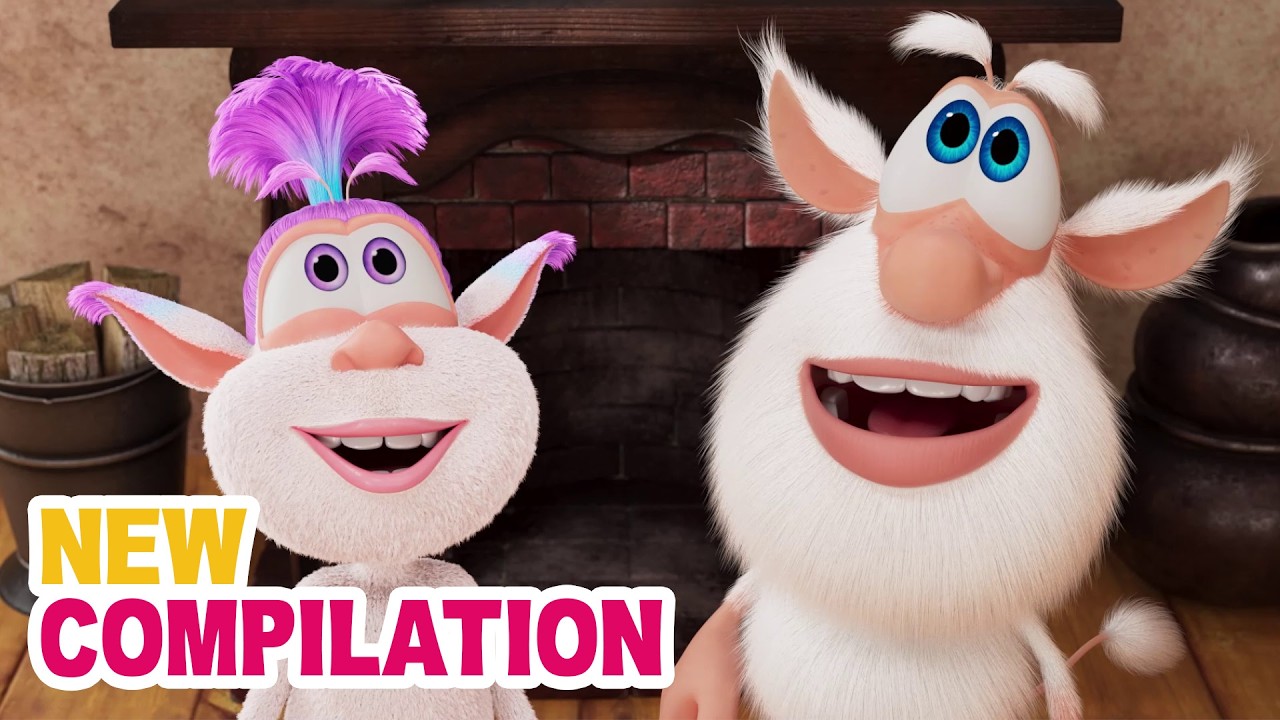
Booba is a playful, curious, and funny character loved by children worldwide. While every episode has its charm, some Booba adventure episodes stand out more than others. For parents, educators, and kids, ranking these episodes helps pick the best content for fun and learning. In this article, we rank Booba adventure episodes from best to worst, explaining why each episode is enjoyable, educational, and perfect for young viewers. Why Ranking Booba Episodes Matters: Kids often watch multiple episodes repeatedly. Ranking helps: Identify the most engaging adventures Choose episodes suitable for different age groups Encourage learning through fun Save screen time while maximizing enjoyment For ages 3–7, adventure episodes combine: Humor Imaginative exploration Problem-solving Visual storytelling Top Booba Adventure Episodes (Best to Worst): 1. Booba’s Big Balloon Adventure (Best) Booba chases a giant floating balloon, climbing, jumping, and reacting to obstacles. Why it’s best: High-action adventure Visual humor and exaggerated expressions Encourages persistence and problem-solving Lesson: Keep trying even if challenges are tricky. 2. Booba and the Flying Carpet Booba experiments with a magical flying carpet. He balances, jumps, and discovers new ways to explore. Why kids love it: Fantasy + adventure Encourages imagination Interactive visual storytelling Lesson: Creativity and curiosity can lead to fun discoveries. 3. Booba and the Magical Kitchen Booba explores kitchen gadgets, ingredients, and tools, creating chaos and laughter. Why kids enjoy it: Everyday object exploration Problem-solving opportunities Cause-and-effect learning Lesson: Exploring and experimenting is fun and safe. 4. Booba and the Giant Cake Booba discovers a giant cake and plays with it, causing playful chaos. Why kids like it: Humor and visual fun Encourages imaginative play Safe risk-taking Lesson: Exploration is exciting, even when messy. 5. Booba and the Balloon Animal Booba finds balloon animals and interacts creatively. Why it’s good: Combines fantasy and reality Encourages imaginative play Exaggerated expressions make kids laugh Lesson: Everyday items can spark creativity. 6. Booba and Bubble Trouble Booba plays with bubbles, chasing and popping them. Why kids enjoy it: Simple, visual fun Interactive cause-and-effect learning Bright, colorful visuals Lesson: Curiosity leads to playful learning. 7. Booba in the Bedroom Booba explores pillows, toys, and blankets, causing small funny mishaps. Why it works for kids: Familiar environment Gentle humor Safe exploration Lesson: Everyday environments can be fun and engaging. 8. Booba and the Toy Store Booba explores a store full of toys. He climbs, slides, and interacts with colorful objects. Why it’s okay: Adventure with objects Encourages imaginative play Visual humor Lesson: Toys and objects can inspire creative thinking. 9. Booba and the Music Box Booba experiments with a music box, dancing and reacting to sounds. Why it’s slightly weaker: Less physical adventure Focused on sound rather than visual action Lesson: Experimentation and creativity are important. 10. Booba’s Christmas Surprise (Worst) Festive episode with decorations, gifts, and playful chaos. Why it ranks lowest: Less continuous adventure Mostly seasonal content Lower replay value for non-holiday periods Lesson: Celebration and fun can still teach safe interaction. What Kids Learn from Booba Adventure Episodes: Even in funny, chaotic adventures, children develop: Problem-solving skills Curiosity and exploration Imaginative play Cause-and-effect understanding Emotional recognition through humor These episodes balance fun with subtle learning. Parents’ Perspective: Parents appreciate Booba adventure episodes because: They are safe and non-violent Episodes are short and engaging Humor and chaos are controlled Educational elements are subtly integrated Booba adventures are ideal for screen time that entertains and teaches. Final Thoughts: Booba adventure episodes rank differently based on action, humor, creativity, and engagement. Episodes like Big Balloon Adventure, Flying Carpet, and Magical Kitchen stand out as highly entertaining and educational, while seasonal or music-focused episodes are less adventurous but still enjoyable. By knowing which episodes are best, parents can maximize fun and learning, and kids can enjoy a variety of colorful, funny adventures.
Booba Drawing Tutorials for Kids
Booba, with his expressive face, playful antics, and simple shapes, is the perfect character for kids to learn drawing. Drawing tutorials inspired by Booba help children develop fine motor skills, creativity, and visual observation while keeping them entertained. In this guide, we will cover easy Booba drawing tutorials for kids and explain how to make the activity fun, educational, and engaging for children aged 3–8. Why Booba Drawing Is Perfect for Kids: Simple Shapes: Booba’s rounded forms and bold features are easy for children to replicate. Expressive Character: Big eyes, exaggerated mouth, and fluffy body encourage creativity. Step-by-Step Learning: Children can follow simple steps to create recognizable characters. Safe & Fun: Requires minimal materials and is suitable for home or classroom settings. Materials Needed: Drawing paper or sketchbook Pencils and erasers Colored pencils, crayons, or markers Optional: Ruler for shapes, templates for guidance Step-by-Step Booba Drawing Tutorial for Kids: 1. Start with Basic Shapes Draw a large oval for Booba’s head. Add a smaller oval or circle for the body. Mark positions for eyes, nose, and mouth lightly with a pencil. Educational Tip: Teaches kids shape recognition and spatial awareness. 2. Add Eyes and Facial Features Draw big circular eyes near the top of the head. Add pupils and highlights to make them expressive. Draw a small oval nose and a wide, smiling mouth. Educational Tip: Encourages fine motor control and observation skills. 3. Draw Booba’s Arms and Legs Use curved lines for arms and legs. Hands can be simple ovals or mitten shapes. Feet are rounded or slightly elongated to mimic Booba’s style. Learning Tip: Helps children understand proportions and symmetry. 4. Add Booba’s Fluffy Ears and Tail Draw large, rounded ears on the sides of the head. Optional: Add a small fluffy tail for additional detail. Educational Tip: Introduces attention to detail and pattern recognition. 5. Add Accessories or Objects Kids can draw Booba interacting with toys, balloons, or pillows. Encourage imagination: Booba can be climbing, jumping, or sliding. Learning Tip: Supports creative thinking and storytelling. 6. Outline and Erase Guidelines Trace final lines with a darker pencil or marker. Erase unnecessary guidelines to clean up the drawing. Educational Tip: Teaches focus, patience, and precision. 7. Coloring Your Booba Drawing Use bright colors to mimic Booba’s animated style. Encourage kids to experiment with new color combinations. Add details like shadows or background items to make it lively. Learning Tip: Enhances color recognition, creativity, and concentration. Tips to Make Booba Drawing More Fun: Follow Along Videos: Use step-by-step tutorials for guidance. Draw Together: Parents or teachers can draw alongside kids to increase engagement. Storytelling: Encourage children to create stories about what Booba is doing in their drawings. Display Artwork: Show off finished drawings on walls or classroom boards to boost confidence. Combine with Crafts: Turn drawings into puppets, masks, or collages. Educational Benefits of Booba Drawing Tutorials: Fine Motor Development: Tracing, coloring, and shaping improve hand strength. Creativity & Imagination: Kids interpret Booba’s expressions in unique ways. Cognitive Skills: Planning steps and drawing sequences enhances problem-solving. Visual Observation: Children learn to observe shapes, proportions, and expressions. Emotional Expression: Drawing expressive faces encourages understanding of emotions. Final Thoughts: Booba drawing tutorials are perfect for combining fun and learning. Kids develop creativity, motor skills, observation, and storytelling abilities while enjoying a hands-on, interactive activity. Drawing Booba can be a daily creative habit or a fun weekend project, making learning exciting and visually engaging.
Best Funny Cartoon Series for Kids
Laughter is one of the most effective ways for children to learn, relax, and develop social skills. In 2025, funny cartoon series for kids—featuring slapstick comedy and safe humor—have become extremely popular among toddlers and preschoolers. These animated series combine physical comedy, playful antics, and humorous storytelling while ensuring content is safe, age-appropriate, and educational. Parents now recognize that humor-based cartoons can improve a child’s creativity, problem-solving, and emotional resilience, making them a valuable addition to early learning content. Why Funny Cartoons Are Important: Funny cartoons provide entertainment with subtle learning opportunities: Promote social skills: Children observe humor, timing, and social interactions. Encourage creativity: Slapstick and playful situations spark imaginative thinking. Boost emotional health: Laughter reduces stress and increases positive emotions. Support problem-solving: Characters often overcome funny obstacles, teaching perseverance. Safe entertainment: Carefully curated humor avoids violence, inappropriate jokes, or harmful behavior. By combining fun and educational values, funny cartoons create a balanced screen-time experience for young children. Key Features of Funny Cartoon Series: Slapstick Humor Gentle, non-violent physical comedy like slipping, tumbling, and playful mistakes. Engages children’s attention and encourages laughter without fear. Safe, Age-Appropriate Content No scary scenes, crude jokes, or adult themes. Reinforces positive behavior even in funny situations. Colorful and Expressive Animation Bright visuals and exaggerated expressions enhance comedic effect. Helps children recognize emotions and expressions. Short, Engaging Episodes Perfect for toddlers’ attention spans (3–7 minutes). Fast-paced, visually stimulating storytelling keeps kids entertained. Subtle Learning Opportunities Problem-solving, teamwork, empathy, and perseverance are often embedded in comedic plots. Top Funny Cartoon Series for Kids in 2025: 1. Booba’s Silly Adventures: Booba’s playful curiosity leads to funny situations that teach children observation, problem-solving, and laughter. Highlights: Non-verbal comedy suitable for all languages Physical humor, visual gags, and slapstick Encourages curiosity and learning through laughter 2. Super Simple Funny Songs: Animated songs with comedic storytelling teach letters, numbers, and daily life routines in a fun way. Learning benefits: Vocabulary and early concepts reinforced through humor Interactive songs encourage participation Gentle comedy keeps toddlers engaged 3. Little Hero Comedy Tales: Mini-stories where characters overcome challenges in humorous ways while learning cooperation and problem-solving. Key lessons: Teamwork and sharing Creativity and imaginative thinking Resilience through playful challenges 4. Animal Antics Series: Animal characters engage in playful mischief, funny encounters, and gentle pranks suitable for preschoolers. Learning highlights: Encourages empathy by showing how actions affect friends Recognizing emotions and reactions Combines humor with moral lessons in a safe environment 5. Giggles & Friends: A modern cartoon series focused on slapstick and playful humor, promoting laughter while subtly teaching life skills. Benefits: Engaging plots with safe comedy Reinforces cooperation, problem-solving, and creative thinking Short episodes perfect for toddlers and preschoolers How Parents Can Make Funny Cartoons More Beneficial: Parents can enhance the value of funny cartoons by: Watching together: Discuss funny situations and relate them to real-life lessons. Pause and question: “What could we do differently?” or “Why was that funny?” Repeat favorite episodes: Reinforces learning and enjoyment. Encourage creative play: Let children act out scenes, building imagination and confidence. Monitor humor: Ensure children understand the difference between funny and harmful behavior. Balance screen time: Short, engaging episodes work best for attention spans of 2–6 years. Recommended Funny Cartoon Series for Kids in 2025: Booba’s Silly Adventures – Non-verbal physical comedy Super Simple Funny Songs – Educational songs with humor Little Hero Comedy Tales – Mini-stories with playful learning Animal Antics Series – Gentle animal mischief and life lessons Giggles & Friends – Slapstick humor with educational value These series provide safe, entertaining, and educational laughter, helping children develop creativity, social skills, and resilience while enjoying playful humor. Final Thoughts: Funny cartoon series for kids are more than just entertainment—they are tools for learning and emotional growth. In 2025, slapstick comedy and safe humor provide children with: Social and emotional awareness Problem-solving and creative thinking Joyful, stress-free entertainment Parents can maximize benefits by: Watching and discussing the episodes together Encouraging creative play inspired by funny stories Reinforcing learning and empathy through humor With the right funny cartoons, children laugh, learn, and develop important skills while enjoying safe, playful adventures. Tip for Parents: Encourage children to draw or act out their favorite funny scenes, which reinforces creativity, comprehension, and social skills.
Why Kids Love Booba: Psychological Reasons Explained
Booba is one of the most popular cartoon characters among young children across the world. From toddlers to preschoolers, kids are instantly drawn to his funny expressions, playful actions, and curious nature. But what exactly makes Booba so appealing to children? The answer lies not just in animation or humor, but in child psychology. In this article, we explore the psychological reasons why kids love Booba, how his behavior matches early childhood development, and why parents see such strong engagement when children watch Booba episodes. 1. No Language Barrier: Perfect for Young Minds: One of the strongest psychological reasons behind Booba’s popularity is that he does not speak. Children aged 2–6 years process the world mainly through: Visual cues Facial expressions Body movement Booba communicates entirely through sounds, gestures, and exaggerated reactions. This matches how young children naturally understand emotions before language fully develops. Psychological Impact Reduces cognitive load Improves emotional recognition Makes content universal and easy to understand Kids don’t need explanations — they feel the story. 2. Exaggerated Facial Expressions Attract Attention: Children are naturally attracted to big eyes, wide mouths, and dramatic expressions. Booba’s character design is built exactly around this principle. Why This Works Large eyes help babies and toddlers focus Clear emotions help kids identify feelings Over-reaction feels funny and safe From a psychological point of view, exaggerated expressions help children: Learn emotions faster Stay engaged longer Feel emotionally connected This is why kids often laugh even before understanding what is happening. 3. Curiosity Matches a Child’s Natural Behavior: Booba behaves exactly like a child exploring the world for the first time. He touches everything, opens drawers, presses buttons, and experiments without fear. This mirrors early childhood curiosity, where children learn through trial and error. Psychological Connection Children see themselves in Booba: “He is like me” “I do that too” “I want to explore like him” This creates instant emotional bonding, which is why kids keep returning to Booba episodes. 4. Safe Chaos Without Fear: Booba creates mess, chaos, and funny accidents — but nothing bad ever happens. From a child psychology perspective, this is extremely important. Kids enjoy: Falling Slipping Funny mistakes But only when: There is no pain No danger No scary consequences Booba provides controlled chaos, allowing children to laugh freely without stress or fear. 5. Short Attention-Span Friendly Episodes: Young children have a very limited attention span. Booba episodes are usually short, fast-paced, and visually rich. Psychological Benefits Prevents boredom Reduces overstimulation Keeps dopamine levels balanced Quick actions, constant movement, and visual surprises keep the child’s brain engaged without exhaustion. 6. Repetition Creates Comfort: Children love watching the same episode again and again. Booba’s predictable structure helps with this. Psychologically, repetition: Builds emotional safety Increases memory development Reduces anxiety Kids feel comfortable knowing: What kind of fun to expect That nothing scary will happen This is why children often demand the same Booba episode repeatedly. 7. Bright Colors Stimulate the Brain: Booba episodes use bright, high-contrast colors, which are scientifically proven to attract young viewers. Color Psychology for Kids Red & yellow increase excitement Blue creates trust Green adds balance High contrast improves focus These colors stimulate the visual cortex and keep kids emotionally engaged. 8. Booba Encourages Independent Thinking: Booba does not tell children what to think or feel. There is no narration explaining lessons. This allows children to: Observe Interpret Think independently Psychologists call this active viewing, which improves: Cognitive development Decision-making Observation skills Kids feel smarter because they “figure things out” themselves. 9. Positive Emotions Only: Booba’s world is filled with: Joy Surprise Curiosity Laughter There is no anger, fear, or sadness lasting long. For children, this emotional environment feels safe and comforting. This is why parents notice: Calm behavior Happy mood Reduced screen-time tantrums after watching Booba. 10. Booba Builds Emotional Confidence: When kids see Booba: Failing Falling Trying again They learn that: It’s okay to make mistakes Trying again is normal Learning can be fun This builds emotional resilience, an important psychological skill for early childhood. Why Parents Notice Strong Attachment: Parents often report that children: Laugh louder at Booba Watch attentively Ask for Booba again This happens because Booba meets core psychological needs: Safety Curiosity Joy Exploration Very few cartoons achieve this balance. Final Thoughts: Kids love Booba not just because he is funny, but because he is psychologically designed for early childhood development. His silent communication, bright colors, exaggerated emotions, and curiosity-driven adventures perfectly match how young brains learn and feel. Booba is a powerful example of how entertainment, psychology, and education can come together — making him one of the most loved kids’ cartoon characters worldwide.