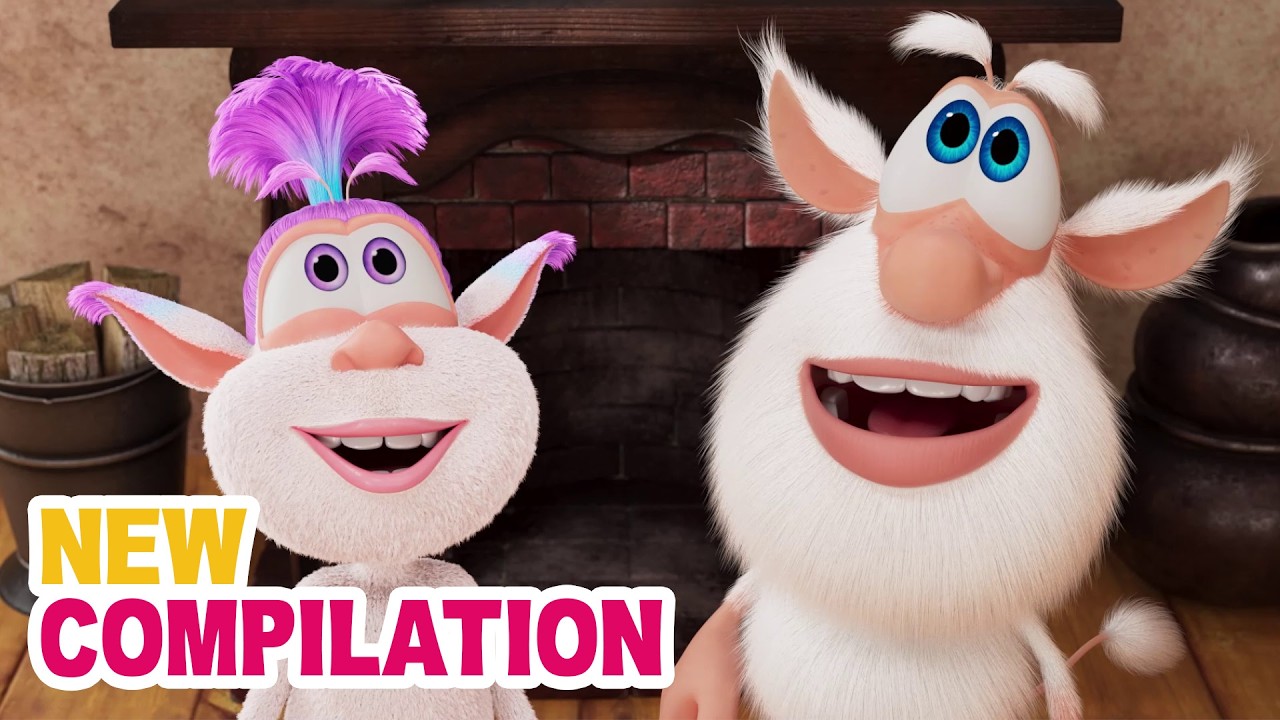
Animated Experiments for Kids

Introducing children to science at an early age helps spark curiosity, creativity, and problem-solving skills. Science for kids – animated experiments and fun facts is a fun and engaging way to teach complex scientific concepts in a simple, understandable, and entertaining format. Through colorful animations, interactive visuals, and playful characters, children can learn about science while having fun. This article explores why animated science videos are effective, their educational benefits, and how parents can use them to encourage a love for science.


Why Animated Science Videos Are Effective for Kids:

Animated science experiments and fun facts are ideal for young learners because they combine visual learning, interactivity, and entertainment:

1. Visual Representation of Complex Ideas:

Science concepts like gravity, magnets, or chemical reactions can be hard for children to grasp. Animations simplify these ideas through bright visuals and step-by-step demonstrations.

2. Engaging and Interactive:

Cartoons and animations keep children interested and encourage participation. Many videos ask kids to guess outcomes or make predictions, making learning active.

3. Memorable Learning:

Fun characters, storytelling, and humor make scientific concepts stick in children’s minds longer than traditional teaching methods.

4. Safe Experiment Demonstrations:

Animated experiments allow children to see exciting experiments without any risk of harm, chemicals, or accidents.

5. Encourages Curiosity:

Animated science videos spark curiosity and inspire children to ask questions, explore, and conduct safe experiments at home or in school.


Popular Themes in Science for Kids Videos:

1. Simple Experiments:

Animated experiments show easy, safe science projects like mixing colors, creating volcanoes, or floating objects, which children can try at home with parental guidance.

2. Fun Science Facts:

Videos share amazing facts about space, animals, plants, weather, or the human body in a fun, animated format that captures attention.

3. Everyday Science:

Cartoons explain scientific principles in daily life, such as why it rains, how plants grow, or how magnets work, making learning relatable.

4. Adventure-Based Learning:

Characters go on exciting science adventures, exploring the ocean, outer space, or the rainforest, combining storytelling with scientific discovery.

5. Interactive Quizzes and Challenges:

Animated quizzes challenge kids to test their knowledge, solve puzzles, or predict experiment outcomes, reinforcing learning and critical thinking.


Educational Benefits of Science for Kids Videos:

1. Develops Scientific Thinking:

Children learn to observe, hypothesize, experiment, and draw conclusions, laying the foundation for scientific thinking.

2. Boosts Curiosity and Exploration:

Animated science encourages children to ask questions and explore the world around them creatively.

3. Improves Cognitive Skills:

Watching animated experiments develops memory, attention, problem-solving, and analytical skills.

4. Enhances Language and Communication:

Narration and dialogues in videos improve vocabulary, listening skills, and comprehension of scientific terms.

5. Encourages Hands-On Learning:

After watching, children are inspired to try simple experiments themselves, connecting theory with practice.


Tips for Parents to Make the Most of Animated Science Videos:

1. Watch Together:

Sit with your child and discuss the experiments, asking them questions to reinforce understanding.

2. Encourage Safe Experiments:

Try simple, safe experiments at home to complement what they see in videos.

3. Connect Science to Daily Life:

Relate experiments to everyday experiences, like explaining evaporation while drying clothes or floating objects in water.

4. Limit Screen Time:

Even educational videos should be balanced with active play and hands-on activities.

5. Praise Curiosity:

Encourage children to ask questions and explore, reinforcing their interest and confidence in learning science.


Conclusion:

Science for kids – animated experiments and fun facts is an exciting way to introduce children to the wonders of the natural world. Through vibrant animations, storytelling, and interactive experiments, children learn scientific concepts, develop problem-solving skills, and cultivate curiosity.

Parents and educators can use these videos to make science enjoyable, safe, and memorable. By combining animated demonstrations with hands-on activities, children not only understand how the world works but also develop a lifelong love for science and exploration. Animated science videos are more than entertainment—they are a gateway to learning, discovery, and imagination for young minds.
Advertisement
Most Popular Kids’ Cartoons in 2025
The world of children’s entertainment is constantly evolving. In 2025, playful, colorful, and creative animated shows continue to captivate young audiences. Parents and educators are always looking for age-appropriate, engaging, and educational cartoons that entertain while inspiring creativity, learning, and social skills. This guide explores the most popular kids’ cartoons in 2025 and highlights why children love them. Why These Cartoons Are Popular: Vibrant Animation: Bright colors, expressive characters, and fun visual effects keep kids engaged. Relatable Characters: Funny, curious, and adventurous characters capture children’s imagination. Humor and Storytelling: Combining comedy with engaging storylines makes learning fun. Educational Value: Many shows include problem-solving, social skills, and creativity. Interactive Appeal: Episodes encourage role-play, drawing, storytelling, and crafts. Top Kids’ Cartoons of 2025: 1. Playful Creature Adventures Focuses on curious, expressive characters exploring their world. Teaches creativity, problem-solving, and social skills. 2. Tiny Tales Universe Short, engaging stories for toddlers. Highlights colors, numbers, shapes, and emotional learning. 3. Fuzzy Friends Academy Group of animal friends on humorous adventures. Encourages friendship, teamwork, and empathy. 4. Magical Garden Explorers Outdoor adventures with educational lessons about nature and science. Inspires observation, creativity, and imagination. 5. Happy Helpers Club Characters engage in activities promoting responsibility, sharing, and cooperation. Great for role-playing and learning life skills. 6. Giggles and Wonders Combines humor, storytelling, and visual learning. Encourages children to retell stories and create their own adventures. How Parents Can Maximize Learning: Watch Together: Discuss episodes to reinforce lessons and encourage conversation. Extend Learning Activities: Drawing, crafts, or acting out scenes improves engagement. Set Limits: Maintain healthy screen time for balance with outdoor play and reading. Encourage Creativity: Ask children to invent new storylines or design characters. Praise Participation: Celebrate curiosity, questions, and creative efforts inspired by the shows. Benefits of Watching Popular Cartoons: Cognitive Skills: Improves observation, problem-solving, and comprehension. Social Skills: Encourages empathy, teamwork, and communication. Creativity and Imagination: Inspires drawing, storytelling, and imaginative play. Language Development: Expands vocabulary and strengthens narrative skills. Safe Entertainment: Age-appropriate and educational content ensures fun learning. Final Thoughts: The most popular kids’ cartoons in 2025 are more than just entertainment. They combine humor, imagination, and learning, making them a valuable tool for parents and educators. By choosing these shows thoughtfully and pairing them with creative activities and discussions, children can enjoy fun, safe, and enriching screen time.
Top 20 Fun Facts About Cartoons Kids Will Enjoy
Get ready for a behind-the-scenes peek into the colorful, wacky, and amazing world of cartoons! These fun facts will make you see your favorite shows in a whole new way. 1. The First Cartoon Star Was a Dinosaur : Before Mickey Mouse, there was Gertie! Gertie the Dinosaur, made in 1914, was one of the very first cartoon characters with a real personality. She could listen to commands and even cried when scolded! 2. Cartoon Characters Often Have 4 Fingers : Look at the hands of Mickey Mouse, Homer Simpson, or SpongeBob SquarePants. Many are drawn with only four fingers (three fingers and a thumb). It’s a tradition from old animation because it’s faster to draw and looks just as good on screen! 3. Some Cartoons Are Made from Thousands of Drawings : A one-minute scene in a hand-drawn cartoon can need over 1,400 separate drawings! That’s why big teams of artists work together to bring your favorite half-hour show to life. 4. Voice Actors Often Record Alone : You might think the actors who play best friends in a cartoon record together, but they usually record their lines alone in a sound booth, talking to a microphone. Later, editors mix their voices to make it sound like a conversation! 5. Cartoon Food is Often Made of Plastic or Glue : In stop-motion cartoons (like Wallace & Gromit), real food would wilt and look bad under hot lights. So, chefs and artists make fake food from colored glue, cotton balls, or plastic that looks delicious on camera. 6. Bugs Bunny’s Famous Line Was a Mistake : When Bugs Bunny first said, “What’s up, Doc?” in 1940, the animator just put in a silly line. It was so funny that it became his catchphrase forever! 7. SpongeBob’s Laugh is a Real Sea Creature : That iconic, silly laugh of SpongeBob SquarePants? The sound editor, Tom Kenny (who also voices SpongeBob), actually made that sound by recording a dolphin's chatter and then editing it to sound even goofier! 8. Many Cartoon Towns Are Based on Real Places : The town in Scooby-Doo looks a lot like a California beach city. The Simpsons’ Springfield is a mix of many small American towns. Animators often use real places for inspiration. 9. “Steamboat Willie” Wasn’t Mickey’s First Cartoon : Steamboat Willie (1928) is famous as Mickey Mouse’s debut, but two other Mickey cartoons were made first. Steamboat Willie was just the first one released to the public because it had synchronized sound, which was brand new and exciting! 10. Cartoon Characters Blink Slowly on Purpose : Animators make characters blink slowly and less often than real people. Why? Because blinking too much can make a character look nervous or shifty. A slow blink makes them seem more friendly and relatable. 11. Some Cartoons Use “Smear Frames” for Speed : When a character runs super fast, animators sometimes add a single, crazy-looking stretched-out drawing called a “smear frame.” You barely see it, but it tricks your brain into feeling the speed! 12. Winnie the Pooh’s Red Shirt Has a Funny Reason : In the original books, Winnie the Pooh was naked! He got his famous red shirt when he was animated because the filmmakers thought a completely naked bear might look odd on screen. 13. Cartoon Sound Effects Come from Weird Places : That “boing” sound of a spring? It’s often a real metal slinky. The sound of a sword being pulled out? It’s actually two metal plates being rubbed together in a studio. Sound artists are very creative! 14. The First Full-Color Cartoon Was About Flowers : Flowers and Trees, made by Disney in 1932, was the first cartoon in full Technicolor. It won the very first Academy Award for Best Cartoon! 15. Cartoon Dogs Often Have the Same Voice Actor : A man named Frank Welker has voiced hundreds of cartoon animals! He’s the voice of Scooby-Doo’s laugh and bark, Fred Jones’s dog in Scooby-Doo, Abu in Aladdin, and Curious George. He’s a master of funny animal sounds! 16. Animators Study Real-Life Movements : To make cartoon movements look real (even in silly ways), animators often watch videos of people and animals or even act out scenes themselves in front of a mirror. It’s part of their homework! 17. Some Cartoons Are Controlled by Math : In computer animation, things like how hair blows in the wind, how water splashes, or how a crowd moves are often created using special math formulas and physics simulations inside the computer. It’s like a super-smart video game engine! 18. The Longest-Running Cartoon is… : The Simpsons! It first started in 1989 and is still making new episodes. It holds the world record for the longest-running primetime animated TV show. 19. Early Cartoons Were Shown in Movie Theaters : Before TV, people went to the movie theater to watch the news, a main movie, AND a brand-new cartoon short! Cartoons like Tom and Jerry and Looney Tunes were made for the big screen. 20. You Can See Hidden Animators in Cartoons : Sometimes animators sneak their own names, or even drawings of themselves, into the background of a scene as a fun Easter egg. Next time you watch, look carefully at signs in the background or crowd scenes! Conclusion: A World of Wonder and Hard Work : Cartoons are a magical mix of silly ideas, amazing art, clever technology, and a whole lot of hard work. Every frame, sound effect, and funny line is made with love by teams of creative people who want to make you smile. So the next time you watch, remember—you’re not just being entertained, you’re seeing a masterpiece of imagination in motion!
How to Manage Kids’ Screen Addiction
In today’s digital world, children often spend hours on tablets, phones, TVs, and computers. While screens can be educational and entertaining, excessive use can lead to screen addiction, affecting health, social skills, and learning. This guide provides practical tips for parents on how to manage kids’ screen time and reduce dependency while encouraging healthy digital habits. Signs of Screen Addiction in Children: Excessive Screen Time: Using devices for longer than recommended, even when asked to stop. Irritability: Tantrums, mood swings, or frustration when screens are removed. Neglect of Other Activities: Avoiding homework, play, or social interactions. Sleep Problems: Difficulty falling asleep due to screens, especially before bedtime. Obsessive Behavior: Constantly thinking about or asking for devices. Recommended Screen Time Limits by Age: Toddlers (2–5 years): ~1 hour/day of high-quality educational content Early School Age (6–12 years): 1–2 hours/day, balanced with outdoor play, reading, and social activities Teenagers (13–18 years): Encourage moderation, ensuring screen time doesn’t interfere with sleep, schoolwork, or physical activity Strategies to Reduce Screen Addiction: 1. Create a Screen Schedule Set daily time limits and stick to them consistently. Allocate specific times for educational content, recreational videos, and gaming. Use timers or parental controls to reinforce limits. 2. Encourage Screen-Free Activities Introduce alternatives like outdoor play, crafts, puzzles, or reading. Plan family activities to promote bonding without screens. Rotate toys and activities regularly to maintain interest. 3. Co-View and Engage Watch videos with your child and discuss content, ask questions, and play along. Interactive viewing reduces passive screen use and promotes learning. 4. Set Screen-Free Zones Designate areas such as bedrooms, dining tables, and play areas as screen-free. Helps children separate screen time from meals, sleep, and family interaction. 5. Model Healthy Screen Habits Children imitate parents, so reduce your recreational screen use. Demonstrate balanced use of devices and encourage family activities without screens. 6. Monitor Content Quality Choose educational and age-appropriate content. Avoid violent or inappropriate material that could encourage negative behavior. Pre-select apps, games, and shows to limit exposure to unsafe content. 7. Positive Reinforcement Reward children for following screen rules or participating in offline activities. Praise creativity, problem-solving, and engagement in non-digital activities. Benefits of Managing Screen Time: Better Sleep: Reduces overstimulation and improves bedtime routines. Enhanced Social Skills: Encourages face-to-face interactions and empathy. Physical Activity: Frees time for outdoor play, exercise, and healthy habits. Cognitive Development: Promotes creativity, problem-solving, and attention span. Balanced Lifestyle: Children learn moderation and responsible device use. Final Thoughts: Screen devices are not inherently bad, but overuse can lead to addiction. By setting limits, encouraging alternative activities, co-viewing, and modeling healthy habits, parents can help children develop a balanced relationship with technology, ensuring both learning and well-being.
Best Educational Cartoons for Young Children
Educational cartoons are an excellent way to combine learning and entertainment for young children. With colorful visuals, playful characters, and fun storylines, these shows can teach essential skills like numbers, letters, social behavior, and problem-solving. This guide highlights the best educational cartoons for young children aged 2–7 and explains why they are effective for learning. Why Educational Cartoons Are Important: Engaging Learning: Kids are more attentive when learning is paired with fun, humor, and music. Visual and Auditory Learning: Cartoons help children understand concepts through visuals, dialogue, and songs. Social and Emotional Skills: Episodes teach sharing, empathy, teamwork, and conflict resolution. Creativity and Imagination: Fun scenarios encourage storytelling, drawing, and role-play. Top Educational Cartoons for Young Children: 1. Little Learners Club Focuses on basic numbers, colors, and letters. Fun songs and repetition help memory retention. 2. Curious Critters Features playful characters exploring the world. Encourages observation, curiosity, and problem-solving. 3. Tiny Tales Academy Short, colorful stories teach social skills, emotions, and friendship. Great for toddlers and preschoolers. 4. Fuzzy Friends Adventures Combines humor, storytelling, and basic educational concepts. Teaches teamwork, creativity, and life skills. 5. Happy Helpers Characters engage in tasks that promote responsibility and empathy. Perfect for role-playing and real-life skill learning. 6. Giggle Garden Learning Outdoor adventures that highlight nature, science, and exploration. Encourages hands-on observation and imaginative play. How to Make the Most of Educational Cartoons: Watch Together: Discuss episodes to reinforce lessons and understanding. Encourage Storytelling: Ask children to retell or extend the story. Use Related Activities: Crafts, drawing, or mini experiments enhance learning. Set Screen Time Limits: Balance viewing with physical play, reading, and family activities. Praise Engagement: Encourage curiosity, questions, and creativity inspired by the shows. Benefits of Educational Cartoons: Cognitive Development: Improves counting, letters, memory, and problem-solving. Social and Emotional Skills: Promotes empathy, sharing, and teamwork. Creativity and Imagination: Inspires art, role-play, and storytelling. Language Skills: Expands vocabulary and improves sentence formation. Fun Learning: Makes education enjoyable and memorable for young children. Final Thoughts: Educational cartoons are a valuable tool for early childhood learning. By selecting shows with engaging characters, colorful visuals, and educational content, parents can boost cognitive, social, and emotional development while keeping learning fun and interactive.
How Cartoons Improve Vocabulary in Kids
Cartoons are not just a source of entertainment for children; they play a vital role in the development of language skills and vocabulary. Parents often wonder how watching cartoons can benefit their children academically. Research and expert opinions suggest that educational cartoons and carefully selected animated shows can significantly enhance a child’s vocabulary development and communication abilities. 1. Cartoons Make Learning Fun: Children are naturally attracted to colorful visuals, animated characters, and fun storytelling. When they watch kids cartoons, they are not just entertained but also exposed to new words and phrases. Fun and engaging content helps children remember vocabulary more effectively than traditional rote learning. For example, shows like Dora the Explorer or Sesame Street integrate simple language and interactive exercises, allowing children to repeat words, ask questions, and learn through playful interaction. This method of learning through cartoons is effective because children associate words with actions and visuals, making the learning process natural and enjoyable. 2. Exposure to Conversational Language: Most cartoons use simple and clear dialogues that are easy for children to understand. Watching these shows regularly allows kids to hear new words in context, which improves their ability to comprehend and use language. Unlike textbooks, cartoons show conversational language, everyday expressions, and emotional tone, helping children learn how to communicate effectively. For instance, a cartoon character might say, “I am very excited to go on an adventure!” The child not only learns the word “excited” but also understands how to use it in a sentence. This exposure to contextual vocabulary is crucial for early language development. 3. Reinforcement Through Repetition: Cartoons are often designed with repetitive phrases, rhymes, and songs. This repetition helps reinforce new vocabulary and makes it easier for children to remember. Words introduced in a fun and repeated manner stick in the memory more effectively. For example, educational cartoons for preschoolers often repeat animal names, colors, numbers, and common objects. Over time, children start recognizing and using these words naturally in their daily conversations. Repetition is a key strategy in vocabulary acquisition, and cartoons provide this effortlessly. 4. Visual Learning Boosts Word Recognition: Children are visual learners. They understand and retain information better when it is associated with images and actions. Cartoons provide rich visual context for every word. When a character in a cartoon says “ball” while holding a ball, children connect the spoken word with the object, which strengthens their word recognition and understanding. Moreover, cartoons often depict emotions and actions, helping children learn descriptive vocabulary like happy, sad, excited, running, jumping, and more. This visual association enhances cognitive development alongside language skills. 5. Encourages Active Participation: Interactive cartoons and shows often ask children to repeat words or answer simple questions. For example, a character might ask, “Can you say your ABCs?” This kind of active engagement encourages children to practice speaking, which is essential for vocabulary improvement. By responding to prompts and participating in animated activities, children are more likely to retain new words and develop confidence in using language creatively. Parents can further support this by discussing episodes and asking questions about the storyline or characters. 6. Introduces Diverse Vocabulary: High-quality educational cartoons introduce children to a wide range of words and concepts beyond their immediate environment. Shows about animals, science, history, or geography expose children to terms like habitat, ecosystem, adventure, culture, and more. This helps children expand their vocabulary and learn concepts that are part of formal education. Furthermore, cartoons often include rhymes, songs, and storytelling techniques that introduce figurative language, idioms, and new sentence structures. For example, phrases like “time flies” or “piece of cake” are easier for children to understand when presented in a fun cartoon scenario. 7. Boosts Reading and Writing Skills: A rich vocabulary is a foundation for strong reading and writing skills. Children who are exposed to animated educational content are more likely to recognize words when reading books, stories, or school materials. The familiarity with vocabulary gained from cartoons makes reading less intimidating and more enjoyable. Additionally, children often try to write or narrate stories inspired by cartoons. This encourages creative writing and the practical use of new words, reinforcing their learning. 8. Tips for Maximizing Vocabulary Benefits from Cartoons: To ensure that cartoons positively impact vocabulary development, parents and caregivers can follow these tips: Choose educational cartoons: Select shows specifically designed for learning, such as Peppa Pig, Sesame Street, or Bluey. Limit screen time: Avoid excessive viewing; 30–60 minutes of quality content per day is recommended. Watch together: Engage with your child while watching and discuss new words. Reinforce words: Encourage children to repeat words, describe scenes, or narrate stories from the cartoon. Combine with reading: Introduce books or print materials related to the cartoons to strengthen word recognition. Use subtitles: If your child is learning reading skills, subtitles can help them associate spoken words with written forms. Conclusion: Cartoons are a powerful tool for improving vocabulary in children. When chosen wisely, they provide fun, visual, and interactive learning experiences that enhance language skills, comprehension, and communication. Through repetition, context, and engagement, children naturally acquire new words and phrases, which strengthens their reading, writing, and speaking abilities. By incorporating educational cartoons into a child’s daily routine and actively participating in their learning process, parents can support early literacy and cognitive development in an enjoyable and effective way. Investing in the right cartoons today can pave the way for strong language skills and a lifelong love for learning tomorrow.
Best Cartoon Stories About Family and Love
Family and love are central to a child’s early development. In 2025, cartoon stories about family and love have become a favorite tool for parents to teach toddlers and preschoolers the importance of relationships, empathy, and emotional connection. These animated stories combine vivid visuals, engaging characters, and gentle storytelling to help children understand love, respect, and the value of family bonds. This guide explores the benefits of family-themed cartoons, highlights the top series for 2025, and provides tips for parents to reinforce these lessons in daily life. Why Family and Love Cartoons Matter: Children learn social and emotional skills by observing behaviors, and family-focused cartoons provide: Understanding of relationships: Shows positive interactions between family members. Emotional intelligence: Teaches children to recognize and express feelings. Empathy and compassion: Characters model care, patience, and kindness. Safe storytelling: Age-appropriate scenarios with no violence or adult themes. Role models: Illustrates healthy communication, respect, and cooperation. By combining entertainment with moral lessons, these cartoons help children build a strong emotional foundation. Key Lessons in Family and Love Cartoons: Respect for Family Members Encourages listening, sharing, and helping parents, siblings, and grandparents. Showing Love and Affection Hugs, kind words, and caring actions model positive emotional expression. Problem-Solving Together Family members work together to overcome challenges, teaching teamwork. Gratitude and Appreciation Shows children how to value and thank family members. Conflict Resolution Gentle guidance on managing disagreements and fostering understanding. Top Cartoon Stories About Family and Love in 2025: 1. The Family Tree Adventures: A popular series where family members go on adventures and solve problems together, teaching children the importance of unity and support. Highlights: Focuses on family bonding and teamwork Engaging and colorful animations for toddlers Age-appropriate moral lessons about love and cooperation 2. Booba’s Family Fun: Booba interacts with family-like characters, learning lessons about sharing, helping, and expressing affection. Why it’s popular: Non-verbal storytelling suitable for all languages Teaches social and emotional skills through playful actions Short episodes ideal for young children’s attention spans 3. Little Hearts Club: Animated mini-stories that show children helping their families, expressing love, and supporting friends. Key lessons: Empathy and compassion Cooperation and problem-solving Celebrating love and gratitude 4. Animal Families Tales: Animal characters model family dynamics, teaching children how family members care for and support each other. Learning highlights: Introduces concepts of sibling care and parent-child interaction Emotional lessons embedded in fun storytelling Encourages children to show love and empathy in real life 5. Super Simple Family Songs: Animated songs focus on family, love, and gratitude, reinforcing moral lessons through music. Benefits: Encourages participation through singing and dancing Helps toddlers remember positive behaviors Combines education, music, and gentle humor How Parents Can Reinforce Lessons: Parents can enhance learning from family and love cartoons by: Watching together: Pause to discuss feelings and interactions. Practice affection: Encourage hugs, kind words, and helping behaviors. Repeat favorite stories: Reinforces emotional lessons. Relate to real-life situations: Show children how lessons apply at home. Use creative play: Role-play family situations to teach empathy and cooperation. Praise positive behavior: Encourage children when they show love and respect. Recommended Cartoon Stories About Family and Love: The Family Tree Adventures – Adventures emphasizing bonding and teamwork Booba’s Family Fun – Observation-based lessons on sharing and affection Little Hearts Club – Mini-stories teaching empathy and problem-solving Animal Families Tales – Animal-themed family lessons Super Simple Family Songs – Musical reinforcement of love and gratitude These cartoons are safe, engaging, and educational, helping children understand relationships, develop empathy, and value family bonds. Final Thoughts: Cartoon stories about family and love are more than just entertainment—they are tools for emotional and social development. In 2025, animated series help children learn: How to express love and gratitude How to resolve conflicts and cooperate with family How to develop empathy and positive social skills Parents can enhance learning by: Watching and discussing episodes together Practicing real-life applications of lessons Encouraging creative and empathetic play With the right family-themed cartoons, children develop emotional intelligence and appreciation for loved ones while enjoying safe, colorful, and heartwarming stories. Tip for Parents: Encourage children to draw or act out scenes showing family love, which reinforces creativity, comprehension, and emotional expression.
Protecting Kids from Ads and Clickbait Content
Today's digital landscape is a sophisticated marketplace where advertisements are seamlessly woven into games, videos, and social feeds, and "clickbait" thrives on curiosity and emotion. For children, distinguishing between genuine content and manipulative marketing is a critical 21st-century skill. This guide provides modern strategies to shield your child’s attention, nurture their critical thinking, and turn them from passive consumers into savvy digital navigators. The Modern Challenge: Ads and Clickbait Are No Longer Obvious : Gone are the days of just blocking pop-ups. The new frontier includes: Native Advertising: Paid content designed to look and feel exactly like the entertainment or news around it. Influencer Marketing: Their favorite creator "just loving" a product in a vlog. Loot Boxes & In-Game Purchases: Virtual "prizes" that blur the line between play and gambling. Clickbait Thumbnails: Exaggerated, shocking, or misleading images/text designed solely to trigger a click. "Advergames": Entire games built around promoting a brand or product. Your mission is to build your child’s internal "ad detector" and "curiosity filter." Strategy 1: Deconstruct Ads Together – Make the Invisible Visible : Turn advertising encounters into media literacy lessons. Play "Spot the Ad": While co-viewing content on platforms like boobacartoon.com, pause and ask: "Is this part of the story, or is it trying to sell us something? How can you tell?" Look for verbal cues ("Sponsored by"), visual watermarks, or a sudden focus on a branded toy. Ask the "Who Benefits?" Question: Teach them this core question for any content: "Who might make money or get something if I watch this, click this, or buy this?" This simple question unravels most marketing. Explain the "Attention Economy": Use an age-appropriate analogy: "Some apps and videos are like a shopkeeper who just wants you to stay in their store as long as possible, looking at things, so they can make money. Your attention is the prize." Strategy 2: Implement a Strong Technical Defense : Use tools to reduce exposure and create safer spaces. Ad-Blocking & DNS Filtering: Use a family-friendly DNS service (like OpenDNS FamilyShield) or router-level ad-blocking to strip ads from websites on your home Wi-Fi. Choose Ad-Free or Paid Versions: Where possible, opt for ad-free versions of apps, use YouTube Premium to remove video ads, or purchase the "full" version of a game to eliminate in-app purchases. Frame it as "paying for a clean, uninterrupted experience." Leverage Parental Controls: Use device and app controls to disable in-app purchases entirely and restrict access to apps/sites known for heavy advertising. Curate Starter Platforms: For young children, begin their digital journey on ad-free, subscription-based platforms or trusted hubs that vet content, rather than algorithm-driven, ad-supported ones. Strategy 3: Arm Them Against Clickbait – The "Curiosity Trap" : Clickbait preys on impulse. Teach a "pause and assess" protocol. Teach the Red Flags of Clickbait: Create a simple checklist they can mentally run through: Does the thumbnail show a shocked face or something too crazy to be true? Does the headline use words like "SHOCKING," "YOU WON'T BELIEVE," or "WHAT HAPPENED NEXT..."? Does it promise a secret or easy hack? Practice the "Three-Second Pause": Before clicking a recommended video or link, teach them to take three seconds to ask: "Does this look useful or truthful, or is it just trying to trick me into clicking?" Verify with Trusted Sources: Encourage them to bring wild claims or "too good to be true" offers to you. Show them how you would search learn.universitiesforllm.com or another trusted educational site to check facts. Strategy 4: Foster "Creation Over Consumption" Habits : A child who creates is less susceptible to passive manipulation. Shift the Identity: Help them see themselves as a creator, artist, or coder, not just a viewer. Use apps for drawing, animation, simple video editing, or coding games. Apply the "Could I Make This?" Test: When they see a polished influencer video, discuss the work behind it—the editing, the lighting, the script. This demystifies the glamour and reveals the construct. Promote Uncommercialized Play: Regularly engage in open-ended, offline play using resources from kidtoys.site. Building a fort or conducting a science experiment has no hidden ads and builds intrinsic motivation. Strategy 5: Navigate Influencer Culture and "Hauls" : Influencers are the new celebrity endorsements, but feel more personal. Decode the "Haul" or "Favorite Things" Video: Explain, "When a creator shows you 10 new toys they 'love,' they were often sent those for free or paid to tell you about them. It's their job to make you want them." Discuss Authenticity vs. Sponsorship: For older kids, watch a sponsored video together and identify the legally required disclaimer (#ad, #sponsored). Talk about how the content might be different if they weren't being paid. Follow a Diverse Mix: Encourage them to follow creators who teach skills (art, science, music) or share experiences, not just those who primarily review products. Strategy 6: Model and Discuss Your Own Choices : Your behavior is their primary blueprint. Voice Your Process Out Loud: "I'm not going to click that article—the headline is clearly just trying to make me angry." Or, "I muted this ad because I don't need that product." Discuss Family Purchasing Decisions: Explain why you choose to buy (or not buy) certain things. "We're not getting that toy because the commercial made it look more fun than it is. Let's read some real reviews from other parents instead." Practice Mindful Media Consumption: Have device-free times and explain, "We're all putting our phones away because our attention is valuable, and we want to give it to each other right now." Conclusion: Building Digital Immunity : Protecting kids from ads and clickbait isn't about creating a sterile, commercial-free bubble—an impossible task. It's about vaccinating them with knowledge. By combining technical buffers with continuous education, you equip them with the critical thinking skills to recognize manipulation, question intent, and make conscious choices about where they direct their precious attention and curiosity. This journey, supported by the media literacy frameworks from learn.universitiesforllm.com, the commercial-free stories from boobacartoon.com, and the authentic play from kidtoys.site, transforms your child from a targeted consumer into an empowered, discerning digital citizen.
Storybooks & Educational Materials: A 2025 Guide to Nurturing Curiosity
Beyond the screen, the gentle and curious spirit of beloved characters can be a wonderful gateway to early literacy, emotional learning, and hands-on discovery. Finding the right books and learning materials that embody this spirit of playful exploration can enrich your child's development. This 2025 guide helps you identify high-quality storybooks, activity books, and educational tools that foster the same joy of "figuring things out." What to Look For: The Mark of Quality Learning Materials : The best resources share these traits: Visual Storytelling: Rich in pictures that tell the story, minimizing reliance on text—perfect for pre-readers and early readers. Focus on Process: Stories about solving problems, exploring environments, and discovering how things work. Emotional Simplicity: Themes of curiosity, surprise, friendship, and perseverance without complex moralizing. Interactive Elements: Flaps to lift, textures to feel, or prompts that engage the child directly. Durability: Thick, wipeable pages for young hands or sturdy bindings for frequent use. Category 1: Storybooks That Celebrate Curiosity & Discovery : These books capture the essence of exploration through visual narratives. Wordless & Nearly Wordless Picture Books: Why They're a Perfect Match: They rely entirely on visual sequencing, encouraging children to "read" the pictures, infer emotions, and tell the story in their own words—mirroring non-verbal, observational storytelling. Top Picks to Look For: "Journey" Trilogy by Aaron Becker: A breathtaking wordless adventure where a child uses a red crayon to draw doors into magical worlds. "Flora and the Flamingo" by Molly Idle: A wordless book about mimicry, friendship, and movement with interactive flaps. "The Snowman" by Raymond Briggs: A classic, gentle wordless story of a magical winter adventure. "Problem-Solving" Themed Stories: Why They're a Perfect Match: These books feature protagonists who encounter a puzzle or obstacle and must creatively find a solution through trial, error, and observation. Top Picks to Look For: "Rosie Revere, Engineer" by Andrea Beaty: Celebrates persistence, curiosity, and the spirit of invention after failed attempts. "The Most Magnificent Thing" by Ashley Spires: A girl tries to build something magnificent, dealing with frustration before her breakthrough. "Press Here" by Hervé Tullet:* The ultimate interactive book that turns reading into a series of magical cause-and-effect commands. Simple, Repetitive Phrase Books: Why They're a Perfect Match: For younger fans, books with minimal, repetitive text and bold, clear illustrations help build confidence in "reading" and prediction. Top Picks to Look For: Books by Eric Carle ("The Very Hungry Caterpillar") or Bill Martin Jr. ("Brown Bear, Brown Bear"). The rhythmic text and vibrant collage art are deeply engaging. Category 2: Educational Activity & Workbooks : These turn quiet time into skill-building time with a playful approach. "Seek-and-Find" & "I Spy" Visual Puzzle Books: Why They're a Perfect Match: They train attention to detail, focus, and visual discrimination—all through a game. The task is clear: look closely and discover. What to Look For: Books with busy, colorful scenes (like "Where's Waldo?" for older kids or the "I Spy" series for younger ones). Look for themes of exploration or silly chaos. Beginner Logic & Maze Books: Why They're a Perfect Match: They introduce basic reasoning and spatial skills without requiring reading. Navigating a maze is a silent, physical puzzle on paper. What to Look For: Books like "Kumon Thinking Skills Workbooks" or "Highlights™ Maze Puzzles." Start with simple, wide-path mazes and progress to more complex ones. Sticker Activity & Scene Creation Books: Why They're a Perfect Match: They combine fine motor skill development with storytelling and choice. Children decide where to place elements, creating their own unique scenes. What to Look For: Books with reusable stickers and open-ended backgrounds (a town, a forest, a room). Avoid ones with overly prescriptive instructions. Category 3: Hands-On Educational Materials & Kits : Learning through physical interaction. "How Things Work" Non-Fiction for Kids: Why They're a Perfect Match: Satisfies deep curiosity about everyday objects. Look for books with clear, cutaway diagrams and simple explanations. Top Picks to Look For: "How Machines Work: Zoo Break!" by David Macaulay or the "See Inside" series by Usborne Books, which have informative flaps to lift. Simple Science & Discovery Kits: Why They're a Perfect Match: They provide the tools for hands-on, cause-and-effect experimentation. The focus should be on the fun of the process, not a perfect result. What to Look For: Kits about magnets, color mixing, growing crystals, or basic physics (ramps and gears). Brands like Learning Resources or Thames & Kosmos offer quality beginner kits. Pattern Blocks & Tangram Puzzles: Why They're a Perfect Match: These are the ultimate open-ended, silent puzzles. Children explore shapes, symmetry, and geometry by fitting pieces together to match a picture or create their own designs. What to Look For: A set of wooden pattern blocks in classic shapes (hexagons, trapezoids, squares) with accompanying pattern cards. How to Integrate These Materials: Tips for Parents : "Book and Do" Pairing: After reading a book about building, get out the blocks. After a seek-and-find book, go on a nature walk to "spy" colors and shapes. Follow Their Lead: If they're obsessed with a page showing gears, find a simple gear toy or video to expand on that interest. Embrace the Silence: When looking at a wordless book, don't rush to narrate. Ask, "What do you think is happening here?" Let them be the storyteller. Quality Over Quantity: A few well-chosen, durable books and puzzles are better than a mountain of disposable activity pads. Conclusion: Building a Library of Wonder : The goal is to curate a collection of resources that don't just entertain, but actively engage your child's mind and hands. By choosing storybooks that prize visual discovery, activity books that challenge logic in a fun way, and hands-on materials that reward curiosity, you build a foundation for lifelong learning. You're not just buying books and puzzles—you're providing portals to new ways of thinking, all inspired by the simple, powerful joy of figuring it out.