How to Use Playful Cartoon Characters to Improve Kids’ Creativity

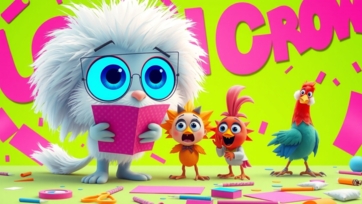
Children love watching funny, curious, and playful animated characters. Beyond entertainment, these characters can be powerful tools to boost creativity, imagination, and problem-solving skills in young learners.

This guide explains how parents can use animated characters to inspire creativity in children aged 3–8 through activities, storytelling, and interactive play.


Why Animated Characters Boost Creativity:

  1. Imaginative Scenarios: Characters often explore unusual or silly situations, inspiring children to think outside the box.

  2. Visual Storytelling: Exaggerated expressions and playful antics allow children to interpret and invent stories.

  3. Hands-On Inspiration: Watching characters can motivate kids to draw, craft, or role-play.

  4. Problem-Solving: Funny mishaps encourage children to invent solutions, enhancing cognitive skills.


Ways to Use Animated Characters to Enhance Creativity:

1. Storytelling Activities

  • Ask children to retell the episode in their own words.

  • Encourage them to change endings or invent new adventures.

  • Use props or toys to act out scenes, promoting imagination.

Educational Tip: Enhances narrative skills, sequencing, and vocabulary.


2. Drawing and Coloring Inspired by Characters

  • Let kids draw or color scenes from the episode.

  • Encourage adding new elements or characters, fostering creativity.

  • Combine with storytelling by asking them to describe their drawings.

Learning Tip: Supports fine motor skills and creative thinking.


3. Craft and DIY Projects

  • Create character-themed crafts, such as paper puppets, masks, or origami figures.

  • Encourage children to design new characters or accessories, boosting problem-solving and innovation.

Learning Tip: Hands-on crafts enhance planning, coordination, and imaginative skills.


4. Role-Playing and Acting

  • Children can recreate scenes or improvise new stories.

  • Use safe props or costumes to make play interactive.

  • Role-play helps children experiment with different emotions and scenarios.

Learning Tip: Develops emotional intelligence, social skills, and creativity.


5. Writing Mini Stories

  • For older children (6–8 years), encourage writing short stories inspired by episodes.

  • They can illustrate characters and adventures, combining art and writing.

  • Helps build literacy skills, imagination, and self-expression.


Tips for Parents:

  1. Co-Create Stories: Participate with your child to make storytelling interactive.

  2. Provide Materials: Supply markers, colored paper, scissors, or toys for creative activities.

  3. Encourage Originality: Praise unique ideas rather than copying.

  4. Set a Routine: Incorporate 20–30 minutes of creativity-inspired activities after watching episodes.

  5. Display Work: Showcase drawings or crafts to boost confidence and motivation.


Benefits of Using Animated Characters for Creativity:

  • Imagination Growth: Kids learn to invent and visualize new scenarios.

  • Problem-Solving Skills: Characters’ challenges encourage innovative thinking.

  • Fine Motor Development: Drawing, coloring, and crafting enhance hand-eye coordination.

  • Emotional Expression: Acting or storytelling helps express feelings.

  • Confidence and Achievement: Completing projects inspired by characters increases self-esteem.


Final Thoughts:

Playful cartoon characters are more than just entertainment—they can inspire creativity, problem-solving, and imaginative play in children. By integrating drawing, storytelling, role-playing, and crafts, parents can turn screen time into interactive learning experiences, boosting both fun and skill development.

Advertisement
Booba Drawing Tutorials for Kids
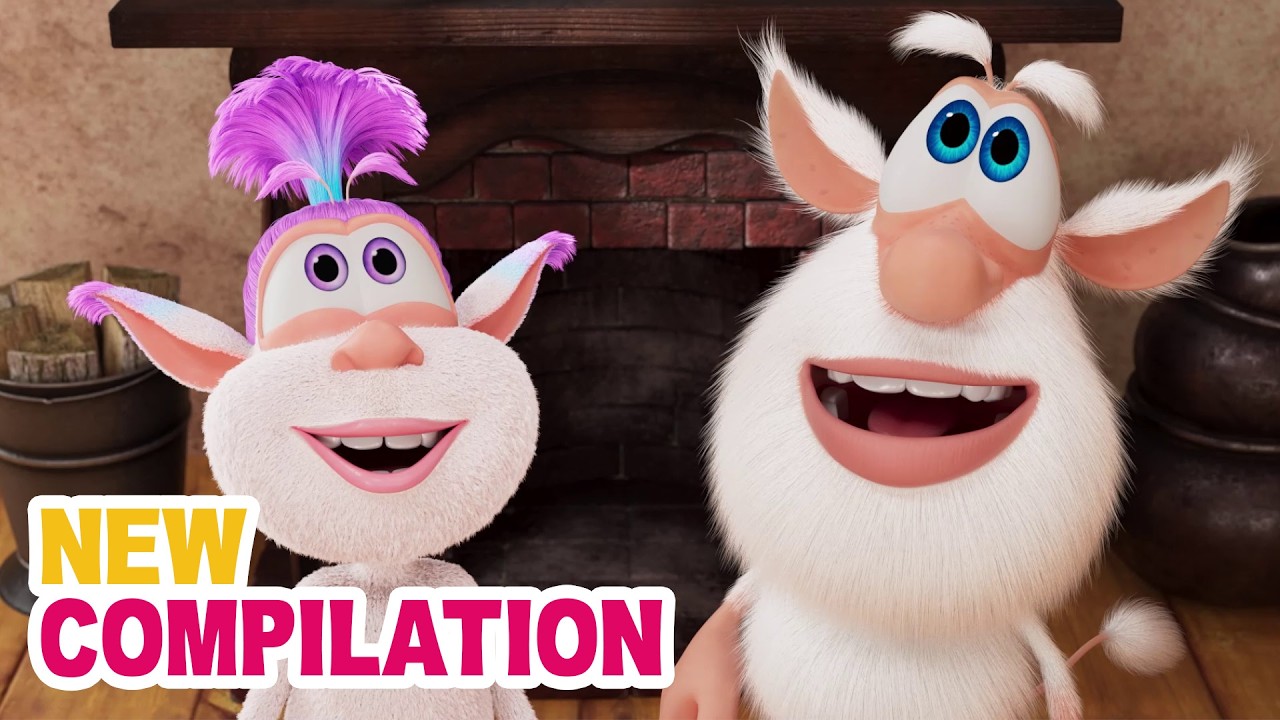
Booba, with his expressive face, playful antics, and simple shapes, is the perfect character for kids to learn drawing. Drawing tutorials inspired by Booba help children develop fine motor skills, creativity, and visual observation while keeping them entertained. In this guide, we will cover easy Booba drawing tutorials for kids and explain how to make the activity fun, educational, and engaging for children aged 3–8. Why Booba Drawing Is Perfect for Kids: Simple Shapes: Booba’s rounded forms and bold features are easy for children to replicate. Expressive Character: Big eyes, exaggerated mouth, and fluffy body encourage creativity. Step-by-Step Learning: Children can follow simple steps to create recognizable characters. Safe & Fun: Requires minimal materials and is suitable for home or classroom settings. Materials Needed: Drawing paper or sketchbook Pencils and erasers Colored pencils, crayons, or markers Optional: Ruler for shapes, templates for guidance Step-by-Step Booba Drawing Tutorial for Kids: 1. Start with Basic Shapes Draw a large oval for Booba’s head. Add a smaller oval or circle for the body. Mark positions for eyes, nose, and mouth lightly with a pencil. Educational Tip: Teaches kids shape recognition and spatial awareness. 2. Add Eyes and Facial Features Draw big circular eyes near the top of the head. Add pupils and highlights to make them expressive. Draw a small oval nose and a wide, smiling mouth. Educational Tip: Encourages fine motor control and observation skills. 3. Draw Booba’s Arms and Legs Use curved lines for arms and legs. Hands can be simple ovals or mitten shapes. Feet are rounded or slightly elongated to mimic Booba’s style. Learning Tip: Helps children understand proportions and symmetry. 4. Add Booba’s Fluffy Ears and Tail Draw large, rounded ears on the sides of the head. Optional: Add a small fluffy tail for additional detail. Educational Tip: Introduces attention to detail and pattern recognition. 5. Add Accessories or Objects Kids can draw Booba interacting with toys, balloons, or pillows. Encourage imagination: Booba can be climbing, jumping, or sliding. Learning Tip: Supports creative thinking and storytelling. 6. Outline and Erase Guidelines Trace final lines with a darker pencil or marker. Erase unnecessary guidelines to clean up the drawing. Educational Tip: Teaches focus, patience, and precision. 7. Coloring Your Booba Drawing Use bright colors to mimic Booba’s animated style. Encourage kids to experiment with new color combinations. Add details like shadows or background items to make it lively. Learning Tip: Enhances color recognition, creativity, and concentration. Tips to Make Booba Drawing More Fun: Follow Along Videos: Use step-by-step tutorials for guidance. Draw Together: Parents or teachers can draw alongside kids to increase engagement. Storytelling: Encourage children to create stories about what Booba is doing in their drawings. Display Artwork: Show off finished drawings on walls or classroom boards to boost confidence. Combine with Crafts: Turn drawings into puppets, masks, or collages. Educational Benefits of Booba Drawing Tutorials: Fine Motor Development: Tracing, coloring, and shaping improve hand strength. Creativity & Imagination: Kids interpret Booba’s expressions in unique ways. Cognitive Skills: Planning steps and drawing sequences enhances problem-solving. Visual Observation: Children learn to observe shapes, proportions, and expressions. Emotional Expression: Drawing expressive faces encourages understanding of emotions. Final Thoughts: Booba drawing tutorials are perfect for combining fun and learning. Kids develop creativity, motor skills, observation, and storytelling abilities while enjoying a hands-on, interactive activity. Drawing Booba can be a daily creative habit or a fun weekend project, making learning exciting and visually engaging.
Best Funny Cartoon Series for Kids
Laughter is one of the most effective ways for children to learn, relax, and develop social skills. In 2025, funny cartoon series for kids—featuring slapstick comedy and safe humor—have become extremely popular among toddlers and preschoolers. These animated series combine physical comedy, playful antics, and humorous storytelling while ensuring content is safe, age-appropriate, and educational. Parents now recognize that humor-based cartoons can improve a child’s creativity, problem-solving, and emotional resilience, making them a valuable addition to early learning content. Why Funny Cartoons Are Important: Funny cartoons provide entertainment with subtle learning opportunities: Promote social skills: Children observe humor, timing, and social interactions. Encourage creativity: Slapstick and playful situations spark imaginative thinking. Boost emotional health: Laughter reduces stress and increases positive emotions. Support problem-solving: Characters often overcome funny obstacles, teaching perseverance. Safe entertainment: Carefully curated humor avoids violence, inappropriate jokes, or harmful behavior. By combining fun and educational values, funny cartoons create a balanced screen-time experience for young children. Key Features of Funny Cartoon Series: Slapstick Humor Gentle, non-violent physical comedy like slipping, tumbling, and playful mistakes. Engages children’s attention and encourages laughter without fear. Safe, Age-Appropriate Content No scary scenes, crude jokes, or adult themes. Reinforces positive behavior even in funny situations. Colorful and Expressive Animation Bright visuals and exaggerated expressions enhance comedic effect. Helps children recognize emotions and expressions. Short, Engaging Episodes Perfect for toddlers’ attention spans (3–7 minutes). Fast-paced, visually stimulating storytelling keeps kids entertained. Subtle Learning Opportunities Problem-solving, teamwork, empathy, and perseverance are often embedded in comedic plots. Top Funny Cartoon Series for Kids in 2025: 1. Booba’s Silly Adventures: Booba’s playful curiosity leads to funny situations that teach children observation, problem-solving, and laughter. Highlights: Non-verbal comedy suitable for all languages Physical humor, visual gags, and slapstick Encourages curiosity and learning through laughter 2. Super Simple Funny Songs: Animated songs with comedic storytelling teach letters, numbers, and daily life routines in a fun way. Learning benefits: Vocabulary and early concepts reinforced through humor Interactive songs encourage participation Gentle comedy keeps toddlers engaged 3. Little Hero Comedy Tales: Mini-stories where characters overcome challenges in humorous ways while learning cooperation and problem-solving. Key lessons: Teamwork and sharing Creativity and imaginative thinking Resilience through playful challenges 4. Animal Antics Series: Animal characters engage in playful mischief, funny encounters, and gentle pranks suitable for preschoolers. Learning highlights: Encourages empathy by showing how actions affect friends Recognizing emotions and reactions Combines humor with moral lessons in a safe environment 5. Giggles & Friends: A modern cartoon series focused on slapstick and playful humor, promoting laughter while subtly teaching life skills. Benefits: Engaging plots with safe comedy Reinforces cooperation, problem-solving, and creative thinking Short episodes perfect for toddlers and preschoolers How Parents Can Make Funny Cartoons More Beneficial: Parents can enhance the value of funny cartoons by: Watching together: Discuss funny situations and relate them to real-life lessons. Pause and question: “What could we do differently?” or “Why was that funny?” Repeat favorite episodes: Reinforces learning and enjoyment. Encourage creative play: Let children act out scenes, building imagination and confidence. Monitor humor: Ensure children understand the difference between funny and harmful behavior. Balance screen time: Short, engaging episodes work best for attention spans of 2–6 years. Recommended Funny Cartoon Series for Kids in 2025: Booba’s Silly Adventures – Non-verbal physical comedy Super Simple Funny Songs – Educational songs with humor Little Hero Comedy Tales – Mini-stories with playful learning Animal Antics Series – Gentle animal mischief and life lessons Giggles & Friends – Slapstick humor with educational value These series provide safe, entertaining, and educational laughter, helping children develop creativity, social skills, and resilience while enjoying playful humor. Final Thoughts: Funny cartoon series for kids are more than just entertainment—they are tools for learning and emotional growth. In 2025, slapstick comedy and safe humor provide children with: Social and emotional awareness Problem-solving and creative thinking Joyful, stress-free entertainment Parents can maximize benefits by: Watching and discussing the episodes together Encouraging creative play inspired by funny stories Reinforcing learning and empathy through humor With the right funny cartoons, children laugh, learn, and develop important skills while enjoying safe, playful adventures. Tip for Parents: Encourage children to draw or act out their favorite funny scenes, which reinforces creativity, comprehension, and social skills.
Why You Should Block Certain Cartoon Channels
Cartoons are a wonderful source of entertainment and learning for children, but not all cartoon channels are suitable for young audiences. Some content may contain violence, inappropriate language, or negative behavioral messages, which can impact a child’s development. Parents need to carefully monitor and, in some cases, block certain channels to ensure a safe and healthy viewing experience. Blocking unsuitable channels allows children to focus on age-appropriate content, learn positive behaviors, and enjoy cartoons without exposure to harmful material. Impact of Inappropriate Content on Children: Watching unsuitable cartoons can affect children in several ways: Encourage aggressive or inappropriate behavior Introduce complex themes beyond their understanding Create fear, anxiety, or confusion Influence negative attitudes toward others Distract from learning-focused activities By blocking these channels, parents can protect children’s emotional and cognitive development. Signs That a Cartoon Channel May Be Inappropriate: Parents should be alert to certain indicators when evaluating cartoon channels: Frequent violence, fighting, or bullying Use of inappropriate language or mature themes Characters displaying poor moral behavior without consequences Content that is overly fast-paced or overstimulating Shows that promote consumerism or unsafe habits Identifying these signs helps parents make informed decisions about what their children watch. Benefits of Blocking Unsuitable Channels: Blocking certain cartoon channels ensures children: Watch content aligned with their age and development Focus on educational and creative shows Develop positive social and emotional skills Avoid exposure to content that encourages aggression or fear Build a foundation for healthy screen habits This approach allows children to enjoy cartoons safely while learning valuable lessons. How to Select Safe Cartoon Channels: When choosing suitable channels, parents should consider: Shows that teach morality, empathy, and teamwork Educational content that promotes literacy, numeracy, or creativity Channels with bright visuals, friendly characters, and calm pacing Programs that reinforce positive social and emotional skills Some popular safe options include Sesame Street, Bluey, Daniel Tiger’s Neighborhood, and educational YouTube channels specifically designed for preschoolers. Tools and Techniques for Blocking Channels: Parents can use several tools to filter or block unwanted cartoon content: Parental control apps like Google Family Link, YouTube Kids, or Qustodio Browser and app-level content restrictions Device-based content filtering and screen time controls Creating custom playlists or approved channels These tools help ensure children have controlled access to safe content. Encouraging Positive Viewing Habits: Blocking inappropriate channels is only one step. Parents should also: Watch cartoons together and discuss lessons learned Encourage children to ask questions and express ideas Balance screen time with active, hands-on activities Praise curiosity and creativity while avoiding passive consumption Active engagement enhances learning and reinforces positive behavior. Conclusion: Blocking certain cartoon channels is essential for safe and effective learning through media. By monitoring content, using parental controls, and promoting age-appropriate shows, parents can protect children from harmful influences and ensure cartoons remain a source of fun, education, and positive social development. Safe cartoon viewing fosters healthy screen habits, creativity, and emotional growth, preparing children for both learning and social interactions.
Cartoons That Teach Science in Simple Ways
Science is often seen as a complex subject, but cartoons have proven to be a powerful tool for introducing scientific concepts to children in simple and engaging ways. Educational cartoons combine visual storytelling, bright colors, and relatable characters to make learning fun and easy to understand. Through animated adventures, children can explore topics like nature, space, chemistry, physics, and biology without feeling overwhelmed. Introducing science early helps children develop curiosity, critical thinking, and problem-solving skills. Cartoons act as a bridge between abstract concepts and real-world understanding, making learning interactive and enjoyable. Why Science Education is Important for Kids: Science education at an early age encourages children to: Ask questions about how things work Understand cause-and-effect relationships Observe and analyze natural phenomena Develop problem-solving and critical thinking skills Build a foundation for future STEM learning Cartoons make these skills accessible by presenting science in relatable and playful scenarios. How Cartoons Simplify Scientific Concepts: Educational cartoons break down complex topics into bite-sized lessons. For example: Shows about weather explain clouds, rain, and storms using fun characters Space-themed cartoons illustrate planets, stars, and astronauts in colorful animated worlds Chemistry experiments are shown safely with exaggerated effects, helping kids understand reactions By visualizing abstract concepts, children grasp ideas more easily and retain information longer. Encouraging Curiosity Through Exploration: Science cartoons often depict characters exploring the world around them. Kids learn to: Observe plants, animals, and natural processes Experiment with simple scientific tools Ask “why” and “how” questions Make predictions and test ideas This approach nurtures curiosity and scientific thinking naturally, without pressure or memorization. Interactive Learning with Experiments: Some cartoons include interactive experiments or demonstrations. Children can safely replicate these experiments at home with guidance, such as: Mixing safe household substances to observe reactions Planting seeds and tracking growth Exploring magnets or simple machines Hands-on interaction reinforces lessons from the cartoon and strengthens practical understanding of science. Role of Storytelling in Science Learning: Cartoons use storytelling to engage children emotionally and intellectually. When characters face problems that require scientific thinking, kids learn problem-solving through narrative: Characters might invent a device, solve a mystery, or conduct an experiment Kids see the scientific method in action: hypothesis, testing, observation, conclusion Storytelling connects abstract science to real-life scenarios This combination of story and science makes learning more memorable and enjoyable. Visuals and Animation Enhance Memory: Bright colors, movement, and exaggeration in cartoons strengthen visual memory. For example: Animated volcanoes erupt in exaggerated colors Characters float in space with colorful planets Water cycles and weather patterns are dramatized for effect These visual cues help children remember scientific concepts and vocabulary more easily. Choosing the Right Science Cartoons: Not all cartoons are educational. Parents should select shows that: Explain science clearly and accurately Focus on exploration, curiosity, and problem-solving Use safe and age-appropriate examples Include diverse characters and relatable scenarios Shows like The Magic School Bus, Sid the Science Kid, and similar educational programs are excellent choices for preschool and early learners. Benefits of Learning Science Through Cartoons: Learning science through cartoons offers multiple advantages: Makes abstract concepts tangible and understandable Improves attention and engagement Encourages curiosity and independent thinking Prepares children for formal science education Supports cognitive and language development With cartoons, children associate learning with fun, which boosts motivation and confidence. How Parents Can Enhance Science Learning: Parents can maximize the benefits by: Watching cartoons together and discussing key concepts Asking open-ended questions about experiments and phenomena Providing safe materials for children to replicate demonstrations Connecting cartoon lessons to real-life observations These strategies help children apply what they see on screen to the real world. Conclusion: Cartoons that teach science in simple ways are an invaluable tool for early education. By combining storytelling, visual exaggeration, and playful exploration, these shows introduce children to scientific concepts without pressure or confusion. When parents actively engage and encourage curiosity, cartoons become more than entertainment—they become a gateway to understanding the world, fostering inquisitive minds, and building a foundation for lifelong learning in science.
Why Kids Love Booba: Psychological Reasons Explained
Booba is one of the most popular cartoon characters among young children across the world. From toddlers to preschoolers, kids are instantly drawn to his funny expressions, playful actions, and curious nature. But what exactly makes Booba so appealing to children? The answer lies not just in animation or humor, but in child psychology. In this article, we explore the psychological reasons why kids love Booba, how his behavior matches early childhood development, and why parents see such strong engagement when children watch Booba episodes. 1. No Language Barrier: Perfect for Young Minds: One of the strongest psychological reasons behind Booba’s popularity is that he does not speak. Children aged 2–6 years process the world mainly through: Visual cues Facial expressions Body movement Booba communicates entirely through sounds, gestures, and exaggerated reactions. This matches how young children naturally understand emotions before language fully develops. Psychological Impact Reduces cognitive load Improves emotional recognition Makes content universal and easy to understand Kids don’t need explanations — they feel the story. 2. Exaggerated Facial Expressions Attract Attention: Children are naturally attracted to big eyes, wide mouths, and dramatic expressions. Booba’s character design is built exactly around this principle. Why This Works Large eyes help babies and toddlers focus Clear emotions help kids identify feelings Over-reaction feels funny and safe From a psychological point of view, exaggerated expressions help children: Learn emotions faster Stay engaged longer Feel emotionally connected This is why kids often laugh even before understanding what is happening. 3. Curiosity Matches a Child’s Natural Behavior: Booba behaves exactly like a child exploring the world for the first time. He touches everything, opens drawers, presses buttons, and experiments without fear. This mirrors early childhood curiosity, where children learn through trial and error. Psychological Connection Children see themselves in Booba: “He is like me” “I do that too” “I want to explore like him” This creates instant emotional bonding, which is why kids keep returning to Booba episodes. 4. Safe Chaos Without Fear: Booba creates mess, chaos, and funny accidents — but nothing bad ever happens. From a child psychology perspective, this is extremely important. Kids enjoy: Falling Slipping Funny mistakes But only when: There is no pain No danger No scary consequences Booba provides controlled chaos, allowing children to laugh freely without stress or fear. 5. Short Attention-Span Friendly Episodes: Young children have a very limited attention span. Booba episodes are usually short, fast-paced, and visually rich. Psychological Benefits Prevents boredom Reduces overstimulation Keeps dopamine levels balanced Quick actions, constant movement, and visual surprises keep the child’s brain engaged without exhaustion. 6. Repetition Creates Comfort: Children love watching the same episode again and again. Booba’s predictable structure helps with this. Psychologically, repetition: Builds emotional safety Increases memory development Reduces anxiety Kids feel comfortable knowing: What kind of fun to expect That nothing scary will happen This is why children often demand the same Booba episode repeatedly. 7. Bright Colors Stimulate the Brain: Booba episodes use bright, high-contrast colors, which are scientifically proven to attract young viewers. Color Psychology for Kids Red & yellow increase excitement Blue creates trust Green adds balance High contrast improves focus These colors stimulate the visual cortex and keep kids emotionally engaged. 8. Booba Encourages Independent Thinking: Booba does not tell children what to think or feel. There is no narration explaining lessons. This allows children to: Observe Interpret Think independently Psychologists call this active viewing, which improves: Cognitive development Decision-making Observation skills Kids feel smarter because they “figure things out” themselves. 9. Positive Emotions Only: Booba’s world is filled with: Joy Surprise Curiosity Laughter There is no anger, fear, or sadness lasting long. For children, this emotional environment feels safe and comforting. This is why parents notice: Calm behavior Happy mood Reduced screen-time tantrums after watching Booba. 10. Booba Builds Emotional Confidence: When kids see Booba: Failing Falling Trying again They learn that: It’s okay to make mistakes Trying again is normal Learning can be fun This builds emotional resilience, an important psychological skill for early childhood. Why Parents Notice Strong Attachment: Parents often report that children: Laugh louder at Booba Watch attentively Ask for Booba again This happens because Booba meets core psychological needs: Safety Curiosity Joy Exploration Very few cartoons achieve this balance. Final Thoughts: Kids love Booba not just because he is funny, but because he is psychologically designed for early childhood development. His silent communication, bright colors, exaggerated emotions, and curiosity-driven adventures perfectly match how young brains learn and feel. Booba is a powerful example of how entertainment, psychology, and education can come together — making him one of the most loved kids’ cartoon characters worldwide.
How This Playful Silent Cartoon Character Helps Kids Learn Without Talking
Silent animated characters are beloved by children for their funny expressions, exaggerated movements, and playful antics. Surprisingly, these characters are not just entertaining—they can actively support early childhood learning even without dialogue. In this guide, we explore how watching silent cartoon characters can help kids develop skills like observation, creativity, problem-solving, and emotional understanding. Why Silent Cartoon Characters Are Effective for Learning: Visual Storytelling: Actions, expressions, and gestures communicate the story without words. Focus on Observation: Children pay close attention to details like facial expressions, movements, and objects. Universal Understanding: Without language barriers, kids of all backgrounds can understand and enjoy the content. Promotes Imagination: Children interpret what is happening and often create their own explanations or stories. Cognitive Benefits for Kids: Problem-Solving: Watching characters solve challenges encourages children to think critically and find solutions. Sequencing Skills: Following a series of events helps children understand order, cause and effect, and logic. Attention & Focus: Visual cues require children to pay attention to details, improving concentration. Activity Tip: Ask children to recreate the scenes with toys or drawings, reinforcing memory and sequencing skills. Social & Emotional Benefits: Emotional Recognition: Children learn to identify emotions through exaggerated facial expressions and gestures. Empathy: Observing characters in different situations helps kids understand feelings and reactions. Conflict Resolution: Silent characters often face problems and solve them peacefully, modeling positive behavior. Creative and Imaginative Play: Children naturally imitate gestures and actions, turning watching time into physical play. Inspired by silent characters, kids often draw, craft, or act out their own adventures, enhancing creativity. Parents can combine episodes with storytelling or role-play, turning passive viewing into active learning. Tips for Parents to Maximize Learning: Encourage Storytelling: Ask kids to narrate what happened using their own words. Use Props: Provide toys, craft materials, or masks to act out scenes. Observe Together: Discuss the characters’ actions and emotions with children. Combine With Learning: Introduce counting, colors, or shapes seen in the scenes. Keep Screen Time Balanced: Limit episodes to 20–30 minutes for younger children and follow with active play. Why Silent Cartoons Are Ideal for Young Learners: Universal Appeal: Language-free content can be enjoyed by children worldwide. Enhanced Imagination: Kids fill in dialogue and create stories, boosting narrative skills. Safe Learning Tool: No complex dialogues or inappropriate content makes it suitable for preschoolers. Interactive Potential: Parents and teachers can extend lessons using crafts, drawing, or role-play. Final Thoughts: Silent animated characters are more than just entertaining—they provide a platform for active learning, observation, creativity, and emotional growth. By engaging with the content thoughtfully and integrating hands-on activities, parents and educators can maximize the developmental benefits of these playful cartoons.
Where to Find Stickers, Posters & Printables: A 2025 Guide for Creative Parents
Decorating a room, personalizing a notebook, or finding the perfect craft printable doesn't have to be a wild goose chase. In 2024, a blend of official sources and creative community hubs offers a wealth of options for fans of gentle, popular characters. This guide will navigate you to the best places—both online and offline—to find high-quality, safe, and fun stickers, posters, and printables for your child's next project. Guiding Principle: Safety, Quality & Respect : Prioritize Official Sources: For guaranteed quality and safety (non-toxic inks, safe materials). Trust Reputable Creators: When using independent artists, look for positive reviews and clear usage terms. Respect Copyright: Use printables for personal, non-commercial fun only. Support artists by purchasing their official products. Category 1: Official & Licensed Merchandise – For Guaranteed Quality : These are your go-to sources for authentic, high-fidelity designs. 1. Official Character Website/Online Shop: What You'll Find: This is the primary source for officially licensed posters, high-quality vinyl sticker packs, and sometimes exclusive print-on-demand items like wall decals. Designs will be accurate and vetted. Best For: Premium posters, durable sticker sheets, and official wall art. Tip: Sign up for newsletters to get alerts on new collections and sales. 2. Major Online Retailers (Amazon, Walmart, Target): What You'll Find: Search for "[Character Name] stickers" or "[Character Name] poster" in the Toys, Home Decor, or Office Supplies sections. You'll find a mix of officially licensed and third-party products. Best For: Quick shipping, variety, and easy price comparison. Always check seller ratings and reviews for quality. Tip: Filter by "Amazon's Choice" or "Top Rated" and read customer photos to see the actual product quality. 3. Specialty Toy & Comic Stores: What You'll Find: Local comic book shops, toy stores, or large chains like FYE often carry niche pop culture merchandise, including stickers, button pins, and small posters. Best For: Discovering unique items and supporting local businesses. Great for impulse finds. Tip: Call ahead to ask about their selection of character merchandise. Category 2: The Creative Marketplace – For Unique & Artistic Takes : Platforms where independent artists sell their designs. 1. Etsy: What You'll Find: A treasure trove of handmade and digital goods. Search for "[Character Name] stickers," "[Character Name] printable," or "[Character Name] poster." You'll find original artist interpretations, digital download packs for instant printing, and custom-made items. Best For: Unique art styles, printable activity packs (coloring pages, door hangers), and custom orders. Tip: Read shop reviews diligently. For printables, ensure you understand the file type (PDF, PNG) and license. 2. Redbubble & Society6: What You'll Find: These print-on-demand platforms host millions of artist designs. You can find the character on every product imaginable: stickers, posters, magnets, phone cases, and more. Each item is printed when ordered. Best For: Stickers in every size and shape (matte, transparent, glossy), and large format posters. You're directly supporting the artist with each purchase. Tip: Use the search filters to browse by product type (e.g., "Stickers" or "Wall Art"). You can often choose from multiple design variations by different artists. Category 3: The DIY & Printable Hub – For Instant, At-Home Projects : For the crafty parent who wants to print and play today. 1. Pinterest: What You'll Find: The ultimate visual search engine for ideas. Search "[Character Name] coloring page," "[Character Name] free printable," or "[Character Name] DIY craft." You'll find links to blogs and websites offering free resources. Best For: Inspiration and finding links to free, fan-made coloring sheets, paper crafts, or party decorations. Important: Always click through to the original source (a blog or website) to download. Ensure the site is reputable and the download is intended for free personal use. 2. Educational & Parenting Blogs: What You'll Find: Many creative parenting blogs design and share free printable packs centered around popular, gentle characters. These often include puzzles, matching games, "I Spy" sheets, and cut-out masks. Best For: Screen-free activity sheets that are educational and fun. Quality can be excellent. Tip: These are usually offered as a free download in exchange for an email subscription. Use a dedicated email if concerned about newsletters. 3. Canva (Pro/Free): What You'll Find: A graphic design platform with a vast library of clipart and elements. While you won't find licensed character images, you can use it to create your own themed designs using simple shapes, colors, and text that evoke the character's style (e.g., create a poster with a blue circle, big white eyes, and the text "Stay Curious!"). Best For: Making completely custom, personal posters, chore charts, or sticker designs (if you have printable sticker paper). Tip: Use the color picker tool to match the character's exact signature blue for a coordinated look. Smart Shopping & Safety Checklist : Before you click "buy" or "download," run through this list: Source: Is it official or a reputable seller/artist? Reviews: What do other buyers say about print quality, sticker durability, or accuracy? License: For printables, is it clearly for personal use only? Safety: For young children, are stickers described as safe and non-toxic? Are posters printed on safe paper with soy-based inks? File Format: If buying a digital printable, do you have the software to open it (usually PDF or PNG)? Conclusion: Build a World of Wonder : Whether you're seeking a durable wall decal from an official store, a unique artist's sticker from Etsy, or a free coloring page for a rainy day, the resources are plentiful. By choosing quality sources and respecting the creative work behind these designs, you can easily find the perfect decorative touches to celebrate your child's interests and fuel their imagination. Happy hunting and creating!
Top Dairy Products for Kids’ Growth and Immunity | Beyond Just a Glass of Milk
Top Dairy Products for Kids’ Growth and Immunity Dairy products are a cornerstone of children’s nutrition. From infancy to adolescence, milk, yoghurt, cheese, and paneer provide a combination of high-quality protein, calcium, vitamins, and healthy fats that support bone development, muscle growth, immunity, energy, and cognitive function. For children in Pakistan, where dietary gaps often lead to calcium and protein deficiencies, including dairy in daily meals is essential for healthy growth. While many foods contribute to a child’s diet, dairy is unique because it offers multiple nutrients in a single natural source. Regular consumption ensures that children grow stronger physically, remain active, and maintain better immunity, particularly during periods of rapid growth or increased physical activity. Milk — The Foundation of Strong Bones and Growth Milk is naturally rich in calcium, protein, vitamin D, phosphorus, potassium, and vitamin B12, making it ideal for children’s growth. Calcium and vitamin D are critical for bone strength and teeth formation, while protein supports muscle growth and tissue repair. In Pakistan, studies indicate that a large number of children do not get enough calcium, which increases the risk of weak bones, dental issues, and slower growth. Fortified milk, available in many local markets, enhances calcium absorption and provides vitamin D, which is often deficient due to limited sun exposure or dietary gaps. Practical Serving Tips: Serve a glass of milk with breakfast cereals or oatmeal. Blend milk with seasonal fruits like mango, banana, or papaya for a smoothie. Use milk in cooking soups, sauces, or desserts to naturally increase nutrient intake. Health Benefits:Regular milk consumption supports height and weight gain, strong teeth, and overall skeletal development, while also providing energy for active children. Yoghurt — Probiotics for Digestion and Immunity Yoghurt is fermented milk, rich in probiotics, calcium, protein, and vitamins, making it a perfect snack for children. Probiotics help maintain healthy gut bacteria, improve digestion, and enhance nutrient absorption, which is essential for growth. In addition, yoghurt provides calcium and protein in an easily digestible form, suitable even for children with mild lactose sensitivity. The probiotics in yoghurt strengthen the immune system, reducing the frequency of colds, infections, and stomach upsets. Practical Serving Tips: Serve plain yoghurt with chopped fruits like berries, banana, or mango. Make yoghurt smoothies with milk and fruit for a nutrient-packed drink. Include yoghurt in breakfast bowls with oats or granola for a balanced meal. Health Benefits:Yoghurt supports healthy digestion, strong immunity, and sustained energy, making it an ideal daily addition for children. Cheese — Calcium and Protein in a Tasty Form Cheese is a concentrated source of calcium, phosphorus, protein, and vitamins like vitamin A. Calcium and phosphorus work together to strengthen bones and teeth, while protein aids in muscle growth and tissue repair. Vitamin A in cheese supports vision, skin health, and immunity. Cheese is also convenient and versatile, making it a practical way to increase dairy intake. Its taste appeals to children, so it is often easier to include than plain milk or yoghurt. Practical Serving Tips: Serve cheese slices or cubes as a snack. Sprinkle grated cheese on pasta, vegetables, or casseroles. Include cheese in sandwiches, wraps, or omelettes for added nutrients. Health Benefits:Regular cheese consumption promotes bone density, muscle development, and overall energy, supporting active growth in children. Paneer (Cottage Cheese) — A Vegetarian Powerhouse Paneer is rich in high-quality protein, calcium, and phosphorus, making it ideal for vegetarian children who may not get enough protein from other sources. Paneer supports muscle development, bone growth, and satiety, and is extremely versatile in cooking. Paneer can be easily incorporated into curries, sandwiches, wraps, and snacks, providing a nutrient-dense food option that children enjoy. Practical Serving Tips: Serve grilled or lightly pan-fried cubes as a snack. Mix paneer into curries with vegetables for a balanced meal. Mash paneer with fruits like banana for a quick snack or smoothie. Health Benefits:Paneer supports sustained energy, bone development, and healthy weight gain, making it an important part of daily nutrition. Dairy for Brain Development Dairy products are rich in proteins, healthy fats, and micronutrients that support cognitive development, memory, and learning ability. Omega-3-enriched milk or full-fat dairy enhances brain function, particularly in school-age children. Children who consume dairy regularly show improved focus, memory, and attention span, which translates to better academic performance and problem-solving skills. Practical Tips: Serve a glass of milk with breakfast for brain-boosting energy. Blend milk or yoghurt with fruits and oats for a nutrient-rich smoothie. Include dairy-based snacks like cheese cubes or yoghurt parfaits during school breaks. Health Benefits:Dairy intake promotes mental alertness, concentration, and overall cognitive development, supporting active learning in children. Dairy for Immunity Milk, yoghurt, cheese, and paneer contain vitamins A, D, B12, zinc, and protein, which collectively strengthen the immune system. Children with strong immunity have fewer infections, faster recovery, and better overall health. Combining dairy with vitamin C-rich fruits in smoothies further boosts immunity, making children more resilient during school and playtime. Practical Tips: Offer milk or yoghurt with fruits like oranges, kiwi, or berries. Include dairy in snacks, breakfast, and dinner for a continuous nutrient supply. Use fortified dairy products for added immune benefits. Health Benefits:Regular dairy consumption ensures robust immunity, fewer illnesses, and enhanced recovery, keeping children active and healthy. Energy and Active Growth Lactose, the natural sugar in dairy, along with proteins and fats, provides sustained energy for children. Whether at school, during outdoor play, or sports activities, dairy gives steady energy without causing sugar spikes, unlike packaged drinks. Practical Tips: Serve milk before or after school to maintain energy levels. Blend milk with fruits and oats for an energy-packed smoothie. Include cheese or paneer in meals for slow-release energy. Health Benefits:Dairy provides stable energy, supports growth, and fuels physical activity, ensuring children remain active and strong throughout the day. Tips for Including Dairy in a Daily Diet Daily Intake: Children aged 4–8 require 2–3 servings of dairy daily; older children may need 3–4 servings. Variety: Include milk, yoghurt, cheese, and paneer to diversify nutrients. Fortified Options: Vitamin D or omega-3-fortified dairy enhances bone, brain, and immunity support. Avoid Added Sugar: Use natural sweetness from fruits instead of sugary milk or yoghurt. Meal Integration: Incorporate dairy into breakfast, snacks, and cooking for convenience and consistent intake. Conclusion Dairy products are essential for children’s growth, immunity, brain development, and energy. Milk, yoghurt, cheese, and paneer provide high-quality proteins, calcium, vitamins, minerals, and healthy fats that are crucial for strong bones, teeth, muscles, immunity, and cognitive development. Parents should prioritise fresh, fortified, and naturally served dairy, integrating it creatively into meals and snacks. Whether served as milk, smoothies, yoghurt, cheese, or paneer, dairy remains a daily growth booster for children. With regular consumption, children can achieve optimal growth, robust immunity, enhanced mental development, and sustained energy, creating a strong foundation for a healthy, active, and happy childhood.