Best Vegetables for Kids’ Growth

Best Vegetables for Kids’ Growth:

When parents think about children’s growth, they often focus on milk, eggs, or supplements. But real biological growth — the kind that builds strong bones, sharp brains, and resilient immunity — depends heavily on vegetables. These are not just side dishes. They are biochemical toolkits packed with micronutrients that literally instruct the body how to grow.

In South Asian diets, especially in Pakistan, vegetables are available year-round, yet many children still face nutrient deficiencies because variety is missing. Growth is not just about eating more food; it is about eating the right signals. Vegetables provide those signals through vitamins, minerals, antioxidants, and plant compounds that supplements cannot fully replicate.

Let’s explore the vegetables that actually support healthy development in children.

Green Leafy Vegetables — The Bone and Blood Builders:

4

Why Spinach, Fenugreek, and Mustard Greens Matter:

Leafy greens are rich in calcium, iron, folate, and vitamin K — all essential for skeletal growth and red blood cell production.

Vitamin K helps the body absorb calcium properly, ensuring it reaches bones instead of being wasted. Iron improves oxygen transport in the blood, which supports muscle development and brain activity.

Children who regularly eat leafy vegetables tend to show:

  • Better stamina
  • Stronger immunity
  • Improved focus and energy

Practical Example:

Mix chopped spinach into lentils (daal) or knead it into dough for parathas. Children accept it easily when blended into familiar foods.

Orange and Red Vegetables — Brain and Immunity Boosters:

4

Carrots, Pumpkin, and Sweet Potatoes:

These vegetables are loaded with beta-carotene, which the body converts into vitamin A — a key nutrient for neurological development and immune defense.

Vitamin A supports:

  • Brain cell communication
  • Healthy skin and tissue growth
  • Resistance against infections

Children deficient in vitamin A often experience frequent illness and slower development.

Real-Life Application:

Add grated carrots to rice, omelets, or homemade cutlets. The mild sweetness makes them child-friendly without added sugar.

Cruciferous Vegetables — Cellular Growth Regulators:

4

Broccoli, Cauliflower, and Cabbage:

These vegetables contain compounds like sulforaphane, known for supporting detoxification and cellular repair.

In simple terms, they help the body rebuild itself — a process essential during childhood when tissues are constantly forming and expanding.

They also improve protein utilization, meaning the body uses nutrients from other foods more efficiently.

Smart Serving Idea:

Cook cauliflower with potatoes or add cabbage into noodles or fried rice for better acceptance.

Root Vegetables — Natural Energy and Circulation Enhancers:

4

Beetroot, Turnip, and Radish:

Root vegetables supply potassium, fiber, and natural nitrates that improve blood circulation.

Better circulation means nutrients are delivered faster to growing tissues, supporting:

  • Healthy weight gain
  • Stronger muscles
  • Improved appetite

Beetroot, in particular, enhances oxygen delivery, which fuels active children and supports endurance.

Practical Use:

Grate beetroot into yogurt or mix into chapati dough for a subtle color and nutrition boost.

Seasonal Vegetables — Nature’s Growth Timing System:

Traditional diets followed seasonal eating for a reason. Vegetables grown in a particular season contain nutrients the body needs most during that time.

Winter Vegetables Support:

  • Bone density
  • Immunity strengthening
  • Stored energy for colder months

Examples: carrots, mustard greens, turnips.

Summer Vegetables Support:

  • Hydration
  • Digestion
  • Electrolyte balance

Examples: bottle gourd, okra, ridge gourd.

Eating seasonally aligns the body with natural environmental demands, improving nutrient absorption.

Why Variety Matters More Than Quantity:

Many parents try to feed large portions of one vegetable. Growth does not work that way. Different vegetables contain different micronutrients, and children need a mix.

A colourful plate is not decoration; it is nutritional diversity.

For example:

  • Green vegetables provide iron and calcium.
  • Orange vegetables provide vitamin A.
  • White vegetables provide potassium and digestive fiber.

Together, they form a complete growth-support system.

How Much Should Children Eat?

Nutrition experts recommend that children consume at least 1 to 1.5 cups of mixed vegetables daily, depending on age.

This should include:

  • One leafy vegetable
  • One colorful vegetable
  • One seasonal option

Consistency matters more than forcing large meals occasionally.

The Psychology of Feeding Vegetables to Kids:

Children often reject vegetables not because of taste, but because of presentation and repetition.

Helpful strategies include:

  • Offering vegetables in different forms, such as soups, parathas, or rice mixes.
  • Combining them with familiar foods rather than serving them alone.
  • Allowing children to see family members eating the same meals.

Children learn eating habits by imitation, not instruction.

Vegetables vs. Supplements — A Critical Difference:

Multivitamins can help when needed, but they cannot replace vegetables.

Vegetables provide:

  • Fibre that supports digestion
  • Natural enzymes
  • Antioxidants
  • Plant compounds that regulate metabolism

These components nourish gut bacteria, which play a major role in nutrient absorption and hormone regulation during growth.

Supplements may fill gaps, but vegetables build the foundation.

Final Thought:

Children’s growth is not driven by one “superfood.” It is shaped by daily patterns — small servings of diverse vegetables that quietly guide the body toward strength, resilience, and balanced development.

A child’s plate should look alive with colour and variety. That is not just healthy eating. It is biological engineering carried out by nature, one meal at a time.


Advertisement
Best Educational Cartoons for Young Children
Educational cartoons are an excellent way to combine learning and entertainment for young children. With colorful visuals, playful characters, and fun storylines, these shows can teach essential skills like numbers, letters, social behavior, and problem-solving. This guide highlights the best educational cartoons for young children aged 2–7 and explains why they are effective for learning. Why Educational Cartoons Are Important: Engaging Learning: Kids are more attentive when learning is paired with fun, humor, and music. Visual and Auditory Learning: Cartoons help children understand concepts through visuals, dialogue, and songs. Social and Emotional Skills: Episodes teach sharing, empathy, teamwork, and conflict resolution. Creativity and Imagination: Fun scenarios encourage storytelling, drawing, and role-play. Top Educational Cartoons for Young Children: 1. Little Learners Club Focuses on basic numbers, colors, and letters. Fun songs and repetition help memory retention. 2. Curious Critters Features playful characters exploring the world. Encourages observation, curiosity, and problem-solving. 3. Tiny Tales Academy Short, colorful stories teach social skills, emotions, and friendship. Great for toddlers and preschoolers. 4. Fuzzy Friends Adventures Combines humor, storytelling, and basic educational concepts. Teaches teamwork, creativity, and life skills. 5. Happy Helpers Characters engage in tasks that promote responsibility and empathy. Perfect for role-playing and real-life skill learning. 6. Giggle Garden Learning Outdoor adventures that highlight nature, science, and exploration. Encourages hands-on observation and imaginative play. How to Make the Most of Educational Cartoons: Watch Together: Discuss episodes to reinforce lessons and understanding. Encourage Storytelling: Ask children to retell or extend the story. Use Related Activities: Crafts, drawing, or mini experiments enhance learning. Set Screen Time Limits: Balance viewing with physical play, reading, and family activities. Praise Engagement: Encourage curiosity, questions, and creativity inspired by the shows. Benefits of Educational Cartoons: Cognitive Development: Improves counting, letters, memory, and problem-solving. Social and Emotional Skills: Promotes empathy, sharing, and teamwork. Creativity and Imagination: Inspires art, role-play, and storytelling. Language Skills: Expands vocabulary and improves sentence formation. Fun Learning: Makes education enjoyable and memorable for young children. Final Thoughts: Educational cartoons are a valuable tool for early childhood learning. By selecting shows with engaging characters, colorful visuals, and educational content, parents can boost cognitive, social, and emotional development while keeping learning fun and interactive.
Booba Crafts for Preschoolers
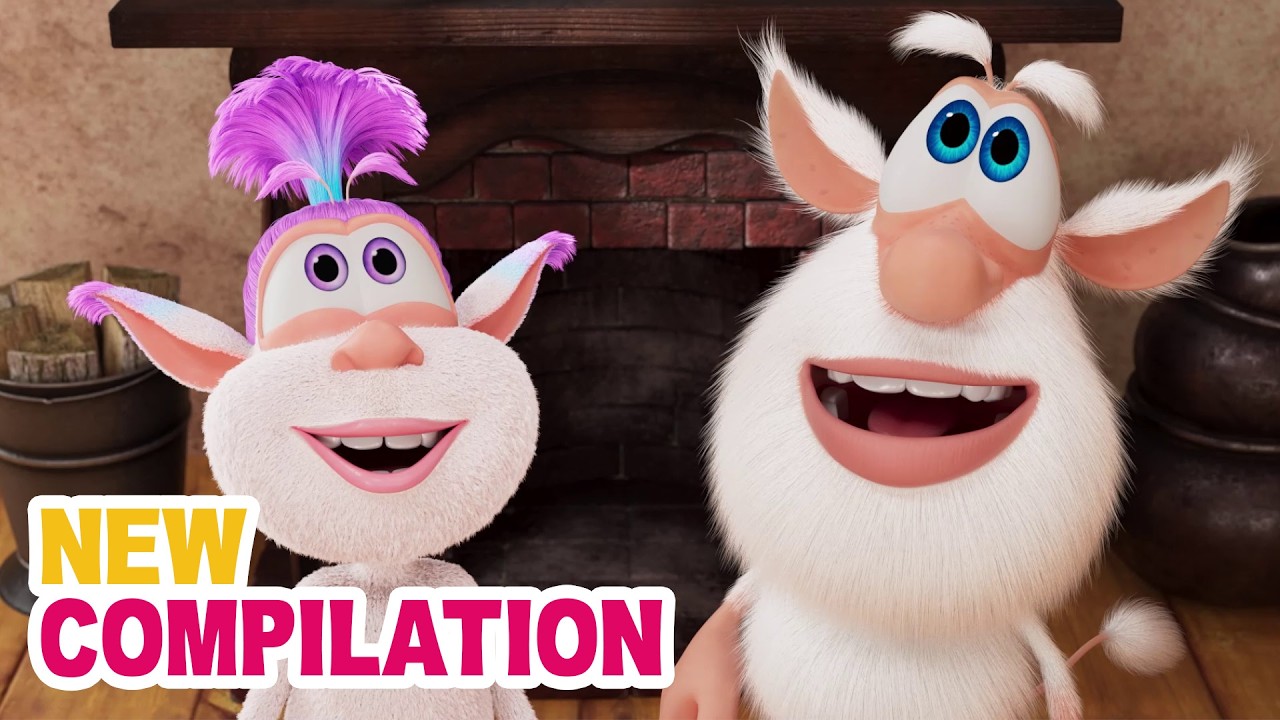
Booba is a playful, curious, and visually engaging character that sparks creativity and imagination in young children. For preschoolers, crafting activities inspired by Booba are not only fun but also educational, promoting fine motor skills, creativity, and problem-solving. In this guide, we explore easy and engaging Booba crafts for preschoolers, designed for children aged 3–5, suitable for home, preschool classrooms, or daycare centers. Why Booba Crafts Are Perfect for Preschoolers: Visual Engagement: Booba’s expressive eyes, fluffy body, and exaggerated actions captivate young children. Simple Designs: Easy shapes and bold outlines are ideal for preschool-level crafts. Hands-On Learning: Cutting, gluing, and coloring enhance fine motor development. Imaginative Play: Crafting Booba characters allows role-play and storytelling. Top Booba Craft Ideas for Preschoolers: 1. Booba Paper Mask Materials: Printable Booba template, cardstock, crayons, child-safe scissors, elastic string Activity: Color, cut, and assemble a Booba mask Learning: Enhances motor skills, creativity, and role-play 2. Booba Hand Puppets Materials: Paper bags, markers, glue, colored paper Activity: Decorate bags to create Booba puppets Learning: Encourages storytelling, imaginative play, and social interaction 3. Booba Coloring Sheets Materials: Printable coloring pages, crayons, colored pencils Activity: Color Booba in different scenes Learning: Improves hand-eye coordination, color recognition, and focus 4. Booba Balloon Art Materials: Balloons, markers, colored paper Activity: Draw Booba faces on balloons Learning: Enhances creativity and visual expression 5. Booba Paper Plate Craft Materials: Paper plates, glue, colored paper, crayons Activity: Make Booba’s face on a plate Learning: Teaches shapes, textures, and spatial awareness 6. Booba Collage Materials: Scrap paper, magazines, glue, markers Activity: Cut and paste shapes to recreate Booba’s adventures Learning: Boosts creativity, observation, and fine motor skills 7. Booba Finger Puppets Materials: Felt, glue, markers Activity: Create small Booba finger puppets for storytelling Learning: Encourages role-playing, storytelling, and hand dexterity 8. Booba Origami Materials: Colored paper Activity: Fold paper to make Booba or related objects Learning: Enhances spatial reasoning, sequencing, and fine motor skills 9. Booba Craft Stick Characters Materials: Popsicle sticks, markers, glue, colored paper Activity: Make Booba and friends on sticks for imaginative play Learning: Promotes creative thinking and storytelling 10. Booba Sensory Bottles Materials: Clear plastic bottles, glitter, small Booba figures, water Activity: Fill bottles with water and decorations for visual play Learning: Encourages focus, sensory exploration, and calm play Educational Benefits of Booba Crafts: Fine Motor Skills: Cutting, coloring, and gluing improve hand strength and coordination. Creativity & Imagination: Children interpret Booba’s adventures in their own way. Cognitive Development: Planning craft steps encourages problem-solving and sequencing. Social Skills: Craft activities in groups teach sharing, cooperation, and communication. Emotional Expression: Recreating Booba’s expressions helps children explore feelings. Tips for Parents and Educators: Supervise cutting and gluing activities for safety. Encourage children to narrate stories while crafting. Rotate crafts for variety: masks, puppets, and coloring activities. Display finished crafts to boost confidence and motivation. Use Booba episodes as inspiration to connect crafts with storytelling. Final Thoughts: Booba crafts are a perfect combination of fun and education for preschoolers. Through hands-on activities like masks, puppets, coloring, and collages, children develop fine motor skills, creativity, imagination, and social abilities. Integrating Booba-inspired crafts into playtime or preschool activities ensures that learning and fun happen simultaneously.
Teaching Manners to Kids with Playful Cartoon Episodes
Cartoon episodes featuring funny, curious, and playful characters can be more than just entertainment—they can help teach children important social skills and manners. By observing characters navigate everyday situations, children learn how to behave politely, cooperate with others, and understand social cues. This guide explains how parents can use cartoon episodes to reinforce manners and positive behavior in children aged 3–8. Why Cartoons Are Effective for Teaching Manners: Modeling Behavior: Children learn by observing characters’ actions and interactions. Engaging Stories: Entertaining episodes keep kids interested while conveying lessons naturally. Visual Cues: Expressions, gestures, and reactions help children understand social norms. Safe Learning Environment: Mistakes made by characters provide learning opportunities without real-world consequences. Key Manners to Teach Using Cartoons: 1. Sharing and Taking Turns Characters often share toys, food, or space. Discuss with your child how the character shared and why it was kind. Encourage children to practice sharing at home with siblings or friends. 2. Saying “Please” and “Thank You” Highlight episodes where characters use polite words. Ask children to repeat and practice these phrases in daily life. Reinforces respectful communication and social etiquette. 3. Waiting Patiently Many episodes show characters waiting their turn or being patient. Discuss why patience is important and praise children when they demonstrate waiting calmly. 4. Expressing Emotions Politely Characters often feel frustrated, excited, or sad. Talk about how they express emotions appropriately and model similar behavior at home. 5. Helping Others Scenes where characters assist friends, family, or animals teach kindness and empathy. Encourage children to think of ways they can help at home or school. Tips for Parents to Reinforce Lessons: Discuss Episodes: After watching, ask your child what the character did and why it was polite or helpful. Role-Play Scenes: Encourage children to act out manners from the episode. Praise Positive Behavior: Reinforce good manners with praise, stickers, or small rewards. Connect to Real Life: Show children how manners in cartoons relate to home, school, and social situations. Use Interactive Activities: Drawing, coloring, or craft projects featuring characters can reinforce the lesson in a creative way. Benefits of Teaching Manners Through Cartoons: Social Skills: Sharing, cooperation, and polite communication Emotional Development: Recognizing and expressing feelings respectfully Cognitive Skills: Understanding cause and effect, problem-solving, and empathy Creativity & Imagination: Acting out or drawing scenes promotes imaginative play Positive Reinforcement: Learning manners in a fun context increases engagement Final Thoughts: Using playful cartoon episodes to teach manners is an effective, engaging, and enjoyable strategy. By discussing stories, role-playing scenes, and connecting lessons to real life, parents can help children develop good social habits, empathy, and polite behavior while still enjoying their favorite animated adventures.
Best Number Learning Cartoons in 2025
Teaching numbers to preschool children can sometimes feel challenging, especially when kids have short attention spans and learn best through fun, visual activities. This is where “123 number learning cartoons for preschool children” become a powerful educational tool. Today’s kids are naturally drawn to colorful animations, catchy songs, and playful characters, and educational cartoons combine all these elements to teach numbers in an enjoyable way. In this article, we will explore how number learning cartoons help children understand early math concepts, why they are effective, and which types of number-learning videos are best for preschoolers. ⭐ Why Number Learning Cartoons Are Important for Preschool Children: When children are between the ages of 2 and 5 years, their brains absorb information quickly. This period is crucial for building early numeracy skills, including: Number recognition Counting ability Understanding quantity Basic sequencing Memory development Traditional teaching methods—like worksheets or repetitive writing—often feel boring to young kids. In contrast, 123 number learning cartoons use storytelling, visuals, sound effects, and music to make learning enjoyable. This type of learning also helps children stay focused for longer periods. Top SEO Keywords used naturally:123 number learning for kids, preschool learning videos, number learning cartoons, counting cartoons for toddlers, educational videos for preschoolers. ⭐ How 123 Number Learning Cartoons Help Children Learn Faster: Here are the major reasons why animated number-learning videos work so effectively: 1. Colorful Visuals Improve Memory: Bright visuals help children remember numbers more easily. When they repeatedly see a number with animations—like balloons, animals, cars—they start associating the number with an object. This boosts recognition and recall. 2. Music and Rhymes Strengthen Counting Skills: Most 123 learning cartoons include rhymes like “One, Two, Buckle My Shoe” or original counting songs. Music activates multiple parts of the brain and helps kids learn faster. 3. Repetition Makes Learning Natural: Preschoolers learn through repetition. Cartoons repeat numbers, counting sequences, and examples in different ways, reinforcing the information without making it feel boring. 4. Characters Make Learning Fun: Animated characters—like friendly animals, talking shapes, or cartoon kids—keep children engaged. Kids often imitate what they see, so when the cartoon says “Let’s count together!”, children naturally follow along. 5. Helps Children with Slow Learning: Cartoons move at a slow, clear pace. The voiceovers are simple, and the numbers flash on-screen clearly. This helps children who need extra time to understand concepts. ⭐ Best Types of 123 Number Learning Cartoons for Preschoolers: Not all educational videos are the same. Here are the most effective types of number-learning cartoons recommended for preschool children: 1. Counting Songs (1 to 10, 1 to 20, 1 to 100): These are perfect for beginners. Kids enjoy repeating the numbers along with music, which improves pronunciation and memory. Example themes: Count the balloons Farm animals counting Ocean animals counting Space-themed number songs 2. Interactive Number Cartoons: These videos ask questions like “Can you count the apples?” or “Where is number 5?” This makes children think instead of just watching passively. 3. Story-Based Number Learning: Short stories where characters go on adventures—like collecting treasures or finding toys—teach kids counting naturally. 4. Number Tracing Cartoons: Some cartoons show how to trace each number step-by-step. These help preschoolers prepare for writing in school. 5. Montessori-Inspired Learning Videos: Montessori counting videos use real-life objects and soft colors. They are calm, slow-paced, and very effective for early learners. ⭐ Benefits of Using Cartoons for Number Learning: 1. Boosts Early Math Confidence: Children who learn numbers early feel more confident when they enter school. They participate more in class activities and perform better in math. 2. Helps Speech Development: Cartoons teach pronunciation, rhythm, and voice modulation. This helps preschoolers improve vocabulary and communication skills. 3. Encourages Independent Learning: Kids can watch these videos on their own and learn without constant supervision. This builds curiosity and independence. 4. Ideal for Homeschooling: Parents who homeschool their children find 123 number learning cartoons extremely helpful. They make learning stress-free and enjoyable. 5. Supports Different Learning Styles: Some children learn through visuals, others through audio, and some by movement. Cartoons combine all three, making them ideal for every child. ⭐ Tips for Parents to Use Number Learning Cartoons Effectively: To make the most of these videos, follow these expert tips: ✔ 1. Limit Screen Time: Even educational content should be viewed in moderation. For preschoolers, 20–30 minutes of screen time is ideal. ✔ 2. Watch Together: Sit with your child and repeat the numbers with them. Kids learn better when parents participate. ✔ 3. Add Real-Life Counting: After watching a video, practice counting real objects like toys, fruits, or blocks. ✔ 4. Choose Age-Appropriate Content: Pick videos designed specifically for preschool (ages 2–5). Avoid overly fast or flashy videos. ✔ 5. Reinforce Learning through Play: Use number puzzles, counting books, and flashcards after watching cartoons to strengthen memory. Final Thoughts: 123 number learning cartoons are one of the best ways to teach counting skills to preschool children. These videos are colorful, engaging, and interactive, making early math feel like play. Whether your child is learning to recognize numbers for the first time or practicing counting up to 20 or 100, these animated videos provide a fun, effective, and stress-free approach to learning.
How Booba Encourages Curiosity in Young Minds
Booba is a popular animated character loved by young children around the world. Unlike traditional cartoons with heavy dialogue, Booba relies on visual storytelling, expressions, and playful exploration. This unique style makes Booba especially effective in encouraging curiosity in young minds. Children naturally feel connected to Booba’s sense of wonder, which motivates them to observe, explore, and ask questions about the world around them. Curiosity is one of the most important skills in early childhood development. When children are curious, they learn faster, think deeper, and develop a lifelong love for learning. Booba plays a significant role in nurturing this curiosity through simple yet powerful storytelling. Why Curiosity Is Important for Young Children: Curiosity is the driving force behind learning. It encourages children to explore new ideas, understand cause and effect, and develop problem-solving skills. Curious children are more likely to ask questions, experiment, and stay engaged in learning activities. Developing curiosity at an early age helps children: Build critical thinking skills Improve attention and focus Enhance creativity and imagination Develop independence in learning Strengthen cognitive development Booba’s cartoon style aligns perfectly with how young children naturally learn—through observation and exploration. How Booba’s Visual Storytelling Sparks Curiosity: Booba cartoons use minimal or no spoken language, which encourages children to focus on actions rather than words. This visual storytelling pushes kids to observe closely and interpret what is happening on screen. When Booba interacts with everyday objects in unexpected ways, children become curious about outcomes. They begin thinking: What will happen next? Why did that happen? What is Booba trying to do? This constant engagement keeps young minds active and curious. Exploration of Everyday Objects: One of Booba’s strongest features is how he explores ordinary household items in creative ways. Simple objects like boxes, utensils, or toys become sources of adventure. This teaches children that learning does not always require complex tools. Everyday surroundings are full of opportunities for exploration. Kids start imitating Booba by experimenting with objects safely, which strengthens curiosity-driven learning. Encouraging Cause and Effect Thinking: Booba cartoons often show actions followed by immediate consequences. When Booba presses a button, pulls a lever, or mixes things, something happens. This helps children understand cause and effect relationships, which are essential for cognitive development. Kids begin to predict outcomes and test their assumptions, a key part of scientific thinking and problem-solving. Non-Verbal Learning and Observation Skills: Because Booba relies heavily on expressions, gestures, and movement, children sharpen their observation skills. They learn to read emotions, understand reactions, and interpret situations without spoken explanations. This strengthens: Visual perception Emotional understanding Attention to detail Concentration These skills are directly linked to curiosity, as observant children naturally want to know more. Freedom to Think Without Instructions: Unlike many educational cartoons that give direct instructions, Booba allows children to think independently. There are no obvious answers or explanations given. This open-ended style encourages children to: Form their own ideas Interpret situations differently Explore multiple possibilities Such freedom is essential for nurturing creative curiosity in young minds. Emotional Engagement Builds Interest: Booba’s expressive face and playful reactions create strong emotional connections with children. When kids emotionally connect with a character, they become more invested in what happens next. This emotional engagement keeps curiosity alive, making children eager to watch, learn, and explore further. How Parents Can Use Booba to Encourage Curiosity: Parents can turn Booba cartoons into meaningful learning moments by engaging actively with their children. Simple actions can increase the learning impact: Ask children what they think Booba is doing Encourage them to guess what might happen next Relate Booba’s actions to real-life situations Let children recreate safe experiments inspired by Booba These interactions help children express curiosity verbally and confidently. Benefits of Booba for Early Childhood Development: Booba supports several areas of early development, including: Curiosity and exploration Problem-solving skills Imagination and creativity Observation and focus Emotional understanding Because Booba uses simple visuals and slow pacing, it is especially suitable for preschool and early learners. Choosing the Right Balance of Screen Time: While Booba is beneficial, balanced screen time is important. Parents should ensure children also engage in physical play, reading, and real-world exploration. When used mindfully, Booba cartoons can enhance curiosity without overstimulation, making screen time productive and educational. Long-Term Impact of Curiosity-Based Learning: Children who grow up curious tend to perform better academically and socially. They become confident learners who enjoy discovering new things. By encouraging curiosity through cartoons like Booba, parents lay a strong foundation for: Lifelong learning Independent thinking Adaptability Creativity Conclusion: How Booba encourages curiosity in young minds is a perfect example of learning through simplicity. With visual storytelling, playful exploration, and emotional engagement, Booba naturally stimulates curiosity without pressure or instruction. When parents guide children thoughtfully, Booba becomes more than a cartoon—it becomes a tool for developing curious, confident, and creative young learners. Used wisely, Booba helps children explore the world with wonder and excitement, one small discovery at a time.
Raising Curious Kids: Lessons from Playful Cartoon Characters’ Personality
Curiosity is a key trait that drives learning, creativity, and problem-solving in children. Funny, playful cartoon characters often display endless curiosity, exploring their surroundings, asking questions, and experimenting with new things. Parents can use these traits as a guide to foster curiosity and learning in their children. This guide explores lessons parents can draw from animated characters’ personalities to raise curious, engaged, and imaginative kids. Why Curiosity Matters in Early Childhood: Encourages Exploration: Curious children are more likely to explore their environment, leading to hands-on learning. Boosts Problem-Solving Skills: A curious mindset helps children approach challenges creatively and persistently. Fosters Lifelong Learning: Early curiosity lays the foundation for self-directed learning and growth. Enhances Social Skills: Curious kids ask questions and seek to understand, building communication and empathy. Lessons from Playful Cartoon Characters: 1. Embrace Mistakes as Learning Opportunities Animated characters often try new things and make mistakes. Teach children that failure is part of learning and encourage them to try again. 2. Explore and Ask Questions Characters demonstrate curiosity by investigating objects, places, and scenarios. Parents can encourage children to ask “why” and “how” during everyday activities. 3. Be Bold and Creative Playful characters often think outside the box and solve problems in unusual ways. Encourage children to experiment with art, building blocks, or imaginative play. 4. Pay Attention to Details Observing small details helps cartoon characters navigate their world. Activities like drawing, matching games, and puzzles enhance observational skills in children. 5. Celebrate Curiosity When characters discover something new, it’s exciting and fun. Praise children when they show curiosity, reinforcing positive learning behaviors. Practical Ways for Parents to Foster Curiosity: Provide Open-Ended Activities: Puzzles, building blocks, and art projects encourage exploration. Use Playful Learning Tools: Animated characters, storybooks, and educational games make learning engaging. Ask Open-Ended Questions: Encourage children to explain what they think, see, or feel. Create a Safe Exploration Environment: Let children experiment without fear of mistakes. Encourage Outdoor Exploration: Nature walks, simple science experiments, and sensory activities stimulate curiosity. Benefits of Encouraging Curiosity: Cognitive Development: Improves problem-solving, reasoning, and understanding. Emotional Growth: Builds resilience and confidence in trying new things. Creativity & Imagination: Inspires inventive thinking and imaginative play. Social Learning: Curiosity leads to better communication, collaboration, and empathy. Final Thoughts: Playful cartoon characters are a fun example of curiosity in action. By observing and encouraging similar traits in children—exploration, boldness, questioning, and experimentation—parents can raise curious, confident, and creative kids. Combining fun activities, hands-on learning, and guided discussions with everyday experiences will help children develop curiosity into lifelong learning habits.
Best Booba Toys for Kids: The Ultimate 2025 Play Guide
Beloved for his cheerful simplicity and playful curiosity, Booba has captured the hearts of children worldwide. The right Booba toy can extend that fun from the screen into the physical world, encouraging creativity, motor skills, and imaginative play. This 2025 guide cuts through the clutter to recommend the best Booba toys that are safe, engaging, and developmentally valuable, ensuring your child’s playtime is filled with joyful exploration. Understanding the "Booba" Play Value : When choosing a Booba toy, look for items that embody his core traits: curiosity, non-verbal problem-solving, tactile discovery, and joyful mischief. The best toys will encourage open-ended play, not just replication of screen moments. Disclaimer: This is an independent guide. Always verify safety certifications (CE, ASTM) and age recommendations before purchase. Category 1: For Tactile Explorers & Young Fans (Ages 1.5-3) : These toys focus on sensory input, durability, and basic cause-and-effect, perfect for toddlers sharing Booba's discovery phase. Booba Plush Toy with Textured Elements: Why It's a Top Pick: A soft, huggable plush is a must-have. The best versions include different fabrics on his ears, feet, or belly for tactile exploration, and are machine-washable. It provides comfort and a first friend for role-play. What to Look For: Seam integrity, embroidered (not plastic) eyes for safety, and hypoallergenic filling. Booba Shape Sorter Discovery Cube: Why It's a Top Pick: This directly translates Booba's curiosity into a foundational learning toy. A cube with Booba's face features holes for chunky, themed shapes (like his favorite donut or light bulb). It develops fine motor skills, spatial reasoning, and problem-solving. What to Look For: Large, easy-to-grip shapes made of durable, BPA-free plastic. Smooth edges and a storage bag for the shapes. "Booba's Kitchen Surprise" Push & Go Toy: Why It's a Top Pick: A chunky, durable toy car or figure that wobbles or makes a gentle rattling sound when pushed. It encourages crawling/chasing and satisfies a toddler's desire to make things happen, just like Booba does. What to Look For: A sturdy, tip-resistant design with wheels that roll smoothly and no detachable small parts. Category 2: For Imaginative Storytellers (Ages 3-6) : This age group is ready to act out full Booba adventures. Toys should encourage narrative building and creative expression. Booba's Curiosity House Play Set: Why It's a Top Pick: A detailed, interactive playset based on Booba's home is the centerpiece of imaginative play. The best sets include opening doors, clickable lights, a sliding chair, and accessories like his iconic lamp, fridge, and teapot. It lets kids recreate and invent their own silent stories. What to Look For: Sets with multiple interactive features and several accessories. Durability is key—ensure hinges and moving parts are robust. Booba & Friends Figurine Collection: Why It's a Top Pick: A set of sturdy, poseable figurines including Booba, Jelly, and other characters allows for dynamic storytelling. They can be used with the playset, taken on "adventures" around the house, or incorporated into other playscapes. What to Look For: Good articulation (arms/legs that move), paint that won't chip easily, and a scale that works with other playsets. Booba Dress-Up Kit (Ears & Gloves): Why It's a Top Pick: Simple, high-quality felt ears on a headband and fluffy white gloves instantly transform a child into Booba. This prop is fantastic for physical comedy, mimicking Booba's expressions, and sparking active, character-driven play. What to Look For: A comfortable, adjustable headband. Gloves should allow for finger movement and be made of breathable material. Category 3: For Creative Builders & Problem-Solvers (Ages 5-8) : For older fans, toys that channel Booba's inventive and often unconventional problem-solving are ideal. Booba's Wacky Workshop Building Set: Why It's a Top Pick: A construction set featuring Booba's unique aesthetic—crazy angles, odd connectors, and vibrant colors. It challenges kids to build unstable-looking yet functional structures, just like Booba would, fostering engineering thinking and creativity beyond standard blocks. What to Look For: Compatibility with major block brands for expanded play, and an idea booklet with "challenges" (e.g., "Build a tower that can hold Booba's donut"). "Booba's Silly Reactions" Science Kit: Why It's a Top Pick: A themed science kit exploring simple, visually dramatic reactions like foaming "volcanoes" (donut glaze explosion!), color mixing, or magnet tricks. It perfectly captures Booba's cause-and-effect mischief in an educational framework. What to Look For: Kits that use safe, household ingredients and include clear, picture-based instructions. Emphasis on the "wow" factor. Booba Digital Drawing Tablet with Stencils: Why It's a Top Pick: A pressure-free, mess-free way to create Booba art. A kid's drawing tablet with pre-loaded Booba stencils or stamps lets them design their own scenes, encouraging digital creativity in a focused way. What to Look For: A tablet with a color screen, a sturdy stylus, and a "learn to draw Booba" function. The "Best of the Best" All-Around Winner (Ages 3-6) : Booba's Curiosity House Play Set with Figurines.This combination offers the highest return on play value. The environment (house) and the characters (figurines) together provide endless fuel for narrative, problem-solving, and social-emotional play, perfectly capturing the spirit of the show for the core age group. Tips for Integrating Booba Toys into Healthy Play : Pair with Screen Time: Watch a short episode, then use the toys to act out what you saw or invent a new ending. Encourage "Silent Play": Challenge your child to tell a story using only Booba's gestures and sounds, boosting non-verbal communication skills. Mix with Other Toys: Let Booba visit the toy castle or the car garage. Cross-play sparks incredible creativity. Balance with Other Activities: After a Booba play session, channel that energy into a real-world "discovery mission" outdoors, perhaps with gear from kidtoys.site, or follow up with a different style of creative story from boobacartoon.com. Conclusion: Play with Curiosity & Joy : The best Booba toys for 2025 aren't just merchandise; they are tools that extend the show’s positive themes of curiosity and joyful discovery into your child's hands. By choosing toys that prioritize open-ended play, durability, and creative thinking, you’re investing in playthings that will grow with your child’s imagination. Remember, the true magic happens not in the toy itself, but in how your child uses it to explore their world—with the same wide-eyed wonder as their favorite furry friend.
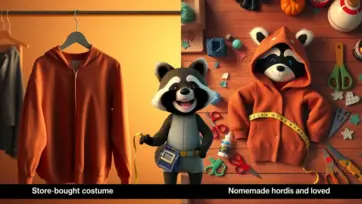
Character Costumes: Buying vs Making at Home - The 2025 Parent's Guide
When your child wants to transform into their favorite gentle, curious character for Halloween, playtime, or a party, you face a classic dilemma: buy a ready-made costume or embrace a DIY project? Both paths have unique rewards and challenges. This 2025 guide breaks down the pros, cons, costs, and considerations of each approach to help you choose the best option for your family’s time, budget, and creative spirit. The Core Question: What Are Your Priorities? Before deciding, ask yourself: Time: Do you have weeks or just days? Budget: What are you comfortable spending? Skill Level: How confident are you with basic sewing, crafting, or hacking? Child's Involvement: Do you want a quick surprise or a collaborative project? Longevity: Is this for one night or for years of dress-up play? Option 1: Buying a Costume – The Path of Convenience : Where to Buy: Major Retailers & Online Marketplaces: (Amazon, Walmart, Target, Halloween specialty stores). Offers the widest selection, especially as holidays approach. Official Brand Stores: The best source for screen-accurate, licensed costumes, though often at a premium price. Costume Resale Sites & Local Groups: (Facebook Marketplace, Mercari). Excellent for finding gently used costumes at a fraction of the cost and reducing waste. Pros of Buying: Instant Gratification: It arrives ready-to-wear. Zero project stress. Screen Accuracy: Licensed costumes capture exact details, colors, and likeness. Time-Saving: Frees up your evenings and weekends. Often Includes Accessories: Typically comes as a full set (hood, bodysuit, gloves). Cons of Buying: Cost: Quality costumes can be expensive, especially for a single event. Quality & Comfort Issues: Often made from thin, non-breathable polyester. Zippers can be cheap, seams can rip. "One-size-fits-most" rarely fits well. Limited Sizing & Adjustability: Hard to tailor if it's too big/small. Generic Feel: Your child might see five others in the same costume at the party. Environmental Impact: Often involves plastic packaging and disposable, single-use materials. Option 2: Making a Costume at Home – The Path of Customization : Approach Overview:This doesn't mean sewing from scratch unless you want to. Modern DIY is about creative assembly using existing clothing and craft materials. The "No-Sew" Hack Method (Easiest): Base: A royal blue, long-sleeved shirt and blue sweatpants/leggings. The Hood: Use a blue beanie or hoodie. Attach two large white felt circles for eyes and smaller black felt circles for pupils using fabric glue. Shape the hood with safety pins if needed. The Gloves: Simple, inexpensive white cotton gloves (often sold in multipacks). The Details: Use white felt to cut out and glue a simple oval "tummy" onto the blue shirt. The "Sew-Lite" Custom Method (More Durable): Base: Same blue clothing base. The Hood: Purchase a blue hooded sweatshirt. Permanently sew on the felt eye details for a sturdier finish. The Bodysuit Alternative: Use a blue adult-sized t-shirt. Cut it down the middle front, hem the edges, and add snap fasteners to create an easy-on, easy-off jumper. Pros of Making: Perfect Fit: You tailor it to your child's exact measurements for maximum comfort and mobility. Uniqueness & Personal Touch: It’s one-of-a-kind. You can add inside jokes or personalized details. Quality Control: You choose soft, breathable fabrics that feel good against the skin and are built to last through multiple play sessions. Cost-Effective (Often): Can be significantly cheaper, especially if you repurpose clothing or shop thrift stores for blue basics. A Shared Experience: The process of making it together becomes a cherished memory. Sustainable: Repurposes existing items and avoids disposable costume waste. Cons of Making: Time Investment: Requires planning, shopping for materials, and assembly time. Skill/Confidence Required: Can feel daunting if you're not craft-inclined. Potential for Frustration: If a glue doesn't hold or a seam rips at the wrong moment. May Lack "Polish": A homemade look has charm, but might not have the crisp, store-bought finish some kids desire. The 2025 Hybrid Champion: The "Smart Customization" Approach This is the best-of-both-worlds strategy for most modern parents. Buy a Simple, High-Quality Base: Purchase a very soft, well-made royal blue hooded sweatshirt and pants set (intended for everyday wear). Customize with Details: Use high-quality felt, fabric glue, or simple stitches to add the signature white eyes and tummy patch. Accessorize Thoughtfully: Buy the white gloves new, and let your child carry a small, funny prop (a giant cardboard lightbulb, a question-mark sign). Result: You have a comfortable, durable, unique costume that becomes a beloved piece of everyday play clothing long after the event is over. The cost is similar to a cheap store costume, but the value and longevity are far greater. Decision Flowchart: Which Path is Right for You? Choose BUY if: The event is in < 1 week, your budget is flexible, you have zero craft time/interest, and your child prioritizes perfect accuracy. Choose the HYBRID if: You have 1-3 weeks, a moderate budget, basic craft skills, and want a costume that doubles as play clothes. Choose FULLY DIY if: You have > 3 weeks, a tight budget, you enjoy crafting, and you value the creative process and uniqueness above all. Final Verdict: It's About the Experience : In 2025, the "better" choice isn't universal. Buying is about the event. Making is about the journey. If your goal is simply a costume for a night, buying is a perfectly valid, stress-free solution—just opt for a used one if possible. If your goal is to foster creativity, ensure comfort, and create something special with your child, the homemade or hybrid route is profoundly rewarding. Ultimately, seeing the joy on your child's face when they see their reflection—whether in a store-bought jumpsuit or a homemade hoodie you made together—is what makes any choice the right one.