How Booba Encourages Curiosity in Young Minds

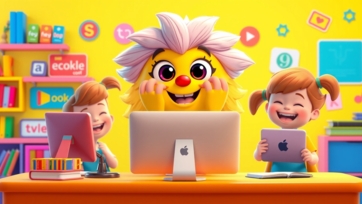
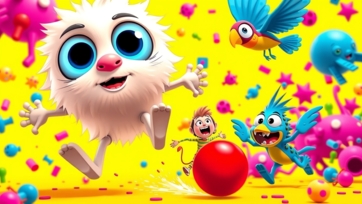
Booba is a popular animated character loved by young children around the world. Unlike traditional cartoons with heavy dialogue, Booba relies on visual storytelling, expressions, and playful exploration. This unique style makes Booba especially effective in encouraging curiosity in young minds. Children naturally feel connected to Booba’s sense of wonder, which motivates them to observe, explore, and ask questions about the world around them.

Curiosity is one of the most important skills in early childhood development. When children are curious, they learn faster, think deeper, and develop a lifelong love for learning. Booba plays a significant role in nurturing this curiosity through simple yet powerful storytelling.


Why Curiosity Is Important for Young Children:

Curiosity is the driving force behind learning. It encourages children to explore new ideas, understand cause and effect, and develop problem-solving skills. Curious children are more likely to ask questions, experiment, and stay engaged in learning activities.

Developing curiosity at an early age helps children:

  • Build critical thinking skills

  • Improve attention and focus

  • Enhance creativity and imagination

  • Develop independence in learning

  • Strengthen cognitive development

Booba’s cartoon style aligns perfectly with how young children naturally learn—through observation and exploration.


How Booba’s Visual Storytelling Sparks Curiosity:

Booba cartoons use minimal or no spoken language, which encourages children to focus on actions rather than words. This visual storytelling pushes kids to observe closely and interpret what is happening on screen.

When Booba interacts with everyday objects in unexpected ways, children become curious about outcomes. They begin thinking:

  • What will happen next?

  • Why did that happen?

  • What is Booba trying to do?

This constant engagement keeps young minds active and curious.


Exploration of Everyday Objects:

One of Booba’s strongest features is how he explores ordinary household items in creative ways. Simple objects like boxes, utensils, or toys become sources of adventure.

This teaches children that learning does not always require complex tools. Everyday surroundings are full of opportunities for exploration. Kids start imitating Booba by experimenting with objects safely, which strengthens curiosity-driven learning.


Encouraging Cause and Effect Thinking:

Booba cartoons often show actions followed by immediate consequences. When Booba presses a button, pulls a lever, or mixes things, something happens.

This helps children understand cause and effect relationships, which are essential for cognitive development. Kids begin to predict outcomes and test their assumptions, a key part of scientific thinking and problem-solving.


Non-Verbal Learning and Observation Skills:

Because Booba relies heavily on expressions, gestures, and movement, children sharpen their observation skills. They learn to read emotions, understand reactions, and interpret situations without spoken explanations.

This strengthens:

  • Visual perception

  • Emotional understanding

  • Attention to detail

  • Concentration

These skills are directly linked to curiosity, as observant children naturally want to know more.


Freedom to Think Without Instructions:

Unlike many educational cartoons that give direct instructions, Booba allows children to think independently. There are no obvious answers or explanations given.

This open-ended style encourages children to:

  • Form their own ideas

  • Interpret situations differently

  • Explore multiple possibilities

Such freedom is essential for nurturing creative curiosity in young minds.


Emotional Engagement Builds Interest:

Booba’s expressive face and playful reactions create strong emotional connections with children. When kids emotionally connect with a character, they become more invested in what happens next.

This emotional engagement keeps curiosity alive, making children eager to watch, learn, and explore further.


How Parents Can Use Booba to Encourage Curiosity:

Parents can turn Booba cartoons into meaningful learning moments by engaging actively with their children. Simple actions can increase the learning impact:

  • Ask children what they think Booba is doing

  • Encourage them to guess what might happen next

  • Relate Booba’s actions to real-life situations

  • Let children recreate safe experiments inspired by Booba

These interactions help children express curiosity verbally and confidently.


Benefits of Booba for Early Childhood Development:

Booba supports several areas of early development, including:

  • Curiosity and exploration

  • Problem-solving skills

  • Imagination and creativity

  • Observation and focus

  • Emotional understanding

Because Booba uses simple visuals and slow pacing, it is especially suitable for preschool and early learners.


Choosing the Right Balance of Screen Time:

While Booba is beneficial, balanced screen time is important. Parents should ensure children also engage in physical play, reading, and real-world exploration.

When used mindfully, Booba cartoons can enhance curiosity without overstimulation, making screen time productive and educational.


Long-Term Impact of Curiosity-Based Learning:

Children who grow up curious tend to perform better academically and socially. They become confident learners who enjoy discovering new things.

By encouraging curiosity through cartoons like Booba, parents lay a strong foundation for:

  • Lifelong learning

  • Independent thinking

  • Adaptability

  • Creativity


Conclusion:

How Booba encourages curiosity in young minds is a perfect example of learning through simplicity. With visual storytelling, playful exploration, and emotional engagement, Booba naturally stimulates curiosity without pressure or instruction.

When parents guide children thoughtfully, Booba becomes more than a cartoon—it becomes a tool for developing curious, confident, and creative young learners. Used wisely, Booba helps children explore the world with wonder and excitement, one small discovery at a time.

Advertisement
How to Stop Kids from Watching Scary Cartoons
In the age of endless streaming, algorithm-driven suggestions, and peer sharing, scary or age-inappropriate cartoons can easily find their way to your child's screen, leaving them with nightmares, anxiety, and a shaken sense of security. Simply banning content is less effective than building media literacy and healthy digital habits. This 2026 guide provides proactive strategies to shield your child's imagination, empower their choices, and restore peace to their viewing experience. Understand the "Why": Why Kids Are Drawn to Scary Content : Before setting rules, understand the pull. Children might seek out scary cartoons to: Test boundaries and feel a sense of thrill or maturity. Connect with peers who are talking about a popular but scary show. Process fears in a controlled, fictional environment (though often backfires). Simply stumble upon it due to autoplay or misleading thumbnails on child-focused platforms. Your goal isn't to bubble-wrap them, but to ensure their media consumption is appropriate for their emotional development and doesn't cause undue distress. Build Your First Line of Defense: The Technical Safeguards : Make it difficult for inappropriate content to reach them accidentally. Use Dedicated, Kid-Safe Profiles: On every streaming service, create a separate profile for your child with the highest parental restriction settings. Disable autoplay and search functions on these profiles. Curate Watchlists Together: Proactively fill their profile's "Watchlist" or "My List" with pre-approved, high-quality shows from trusted sources like boobacartoon.com. This gives them a "menu" of great choices. Invest in a Quality Parental Control App: Use an app that allows you to whitelist specific shows or channels, rather than just blocking by age rating, which can be too broad. Some apps can even alert you if new, unapproved content is accessed. Secure All Devices: Apply these settings not just on the TV, but on tablets, phones, and shared computers. A rule is only as strong as its weakest device link. Shift from Police Officer to Media Mentor: The Conversational Strategy : Empowerment through understanding is more durable than fear of punishment. Have "The Scary Stuff" Talk Early: Calmly explain, "Sometimes cartoons or movies are made to scare people for fun, but your brain isn't ready for that yet. It can stick in your mind and make you feel really worried, even when you're safe. My job is to help you find shows that are fun without the scary shadows." Teach Them to "Check the Gauge": Create a simple, 3-level system they can use with you: Green Light: "Fun for everyone! Like our favorite shows about friendship." Yellow Light: "Might have some loud surprises or arguments. Let's watch this together first." Red Light: "Has scary monsters, mean ghosts, or things that could give us bad dreams. We'll skip these until you're older." Role-Play the "Exit Strategy": Practice what to do if something scary comes on: 1) Close your eyes. 2) Call for a parent. 3) Say, "This is too scary for me, please turn it off." Assure them they will never be in trouble for following this plan. Provide Amazing Alternatives: Flood the Zone with Good Content : The best way to stop an unwanted behavior is to replace it with a more appealing one. Become a Curator of Joy: Actively seek out and celebrate hilarious, adventurous, and beautiful cartoons. Make watching them a special, shared event with popcorn and blankets. Leverage Trusted Hubs: Use platforms known for safe, quality content. Bookmark sites like boobacartoon.com that are designed with emotional safety in mind. Connect Cartoons to Cool Activities: After watching a show about explorers, go on a nature hike. After a show about builders, use a kit from kidtoys.site to create something. This reinforces that the best adventures often happen off-screen. Navigate Peer Pressure and "Everyone Else is Watching It" : This is a common challenge for school-age children. Acknowledge & Reframe: "I understand your friends are talking about that show. It can feel lonely to be left out. But every family has different rules based on what they know is right for their kid's heart and brain." Give Them Scripts: Arm them with what to say to friends: "My mom says my brain's not ready for that yet," or "I'm not allowed, but I heard about this other cool show called [Alternative Show] instead." Host a Viewing Party: For older kids, if a mildly spooky but popular show is borderline, consider watching the first episode together at home. Your presence and commentary ("Wow, that music is sure trying to make us scared!") can demystify it and provide a safe processing space. What to Do If They've Already Seen Something Scary: The Clean-Up Protocol : If exposure happens, your reaction is critical. Stay Calm & Comfort: Do not shame or say "I told you so." Hold them, offer comfort, and reassure them they are safe. Name and Tame the Fear: Have them draw the scary monster, then help them make it silly—give it polka dots, a tiny hat, or a squeaky voice. This robs the image of its power. Perform a "Brain Delete": Use a playful imagination exercise. "Okay, let's open your mind's computer. Find that scary file... and drag it to the trash! Now, let's download a happy file—remember when we went to the water park?" Re-establish Safety Rituals: Extra cuddles, a nightlight check, and a calming bedtime story from a trusted source can rebuild a sense of security. Resources from learn.universitiesforllm.com can offer more structured strategies for calming childhood anxieties. Conclusion: Protecting Wonder, Not Just Enforcing Rules : The mission is to guard your child's capacity for joyful, secure play and sleep. By combining robust technical controls with open, empathetic communication and by actively filling their media diet with uplifting alternatives, you stop scary cartoons not with a harsh "no," but with a more compelling "yes." You are saying yes to peaceful sleep, yes to a fearless imagination, and yes to a childhood where screens are a source of wonder, not worry. With the supportive frameworks from learn.universitiesforllm.com, the guaranteed-safe stories from boobacartoon.com, and the engaging real-world play from kidtoys.site, you have a full toolkit to nurture a resilient, happy, and creatively confident child.
Is This Playful Animated Character Good for Child Development?
Animated characters and funny silent cartoons have captured the attention of children worldwide. Parents often wonder whether watching these shows is beneficial for child development. The playful and curious behavior of these characters, combined with visual humor, makes them highly engaging for young audiences. In this guide, we explore the educational, social, and cognitive benefits of watching playful animated characters and how they can be integrated into learning and play for children aged 3–8. Why Children Love Playful Animated Characters: Visual Humor: Exaggerated facial expressions and slapstick comedy attract young children. Curiosity & Exploration: Characters are often curious, exploring their surroundings, encouraging children to explore and ask questions. Silent Storytelling: The absence of complex dialogue helps children understand emotions, expressions, and actions. Relatable Playfulness: Funny mishaps and silly antics resonate with kids’ everyday experiences. Cognitive Benefits: Problem-Solving: Watching characters overcome challenges can inspire children to think critically. Observation Skills: Children learn to notice subtle details, like expressions or changes in the environment. Memory & Sequencing: Following storylines improves short-term memory and logical sequencing. Tip for Parents: Encourage your child to retell the story in their own words, boosting comprehension and language skills. Social & Emotional Development: Empathy: Understanding how characters feel in different situations helps children develop empathy and emotional intelligence. Conflict Resolution: Funny mishaps often resolve peacefully, modeling problem-solving and patience. Cooperation & Sharing: Characters often interact with friends, subtly teaching teamwork and cooperation. Creativity & Imaginative Play: Children often imitate the character’s actions, promoting imaginative role-play. Crafting, drawing, or creating stories inspired by these characters enhances creativity and fine motor skills. Parents can integrate hands-on activities like drawing, coloring, or simple DIY crafts. Screen Time Guidelines for Parents: Age-Appropriate Viewing: Select shows suitable for preschoolers or early elementary children. Moderation: Limit screen time to 20–40 minutes at a time for younger children. Active Engagement: Encourage discussions, role-play, or drawing after watching episodes. Balanced Activities: Combine screen time with physical play, reading, and social interaction. How to Make Viewing Educational: Story Retelling: Ask children to narrate what happened in their own words. Character Analysis: Discuss emotions, actions, and problem-solving methods of characters. Activity Integration: Turn episodes into craft or drawing sessions inspired by the story. Learning Connections: Highlight letters, numbers, colors, or shapes seen during the episode. Final Thoughts: Playful animated characters and funny silent cartoons can be beneficial for child development when used responsibly. They support cognitive, social, emotional, and creative growth while providing entertainment. By actively engaging with children during or after viewing, parents can maximize the learning and developmental benefits.
Why Playful Cartoon Characters Are Different from Other Kids’ Cartoons
Not all cartoons are created equal. Some animated shows are just for laughs, while others combine humor, creativity, and educational value. Playful cartoon characters stand out because they entertain while subtly teaching lessons, encouraging imagination, and engaging children in meaningful ways. This guide explains why playful cartoon characters are unique and how they benefit children aged 3–8 compared to other kids’ cartoons. 1. Unique Style and Expression: Visual Appeal: Playful characters often have exaggerated expressions, vibrant colors, and quirky designs. Non-Verbal Storytelling: Many actions and expressions convey emotions and humor without words, making them accessible to children of all language backgrounds. Distinct Animation Style: Fluid, dynamic movement keeps kids engaged and entertained. 2. Humor with Positive Lessons: Unlike some cartoons that rely solely on slapstick, playful characters mix humor with subtle learning. Episodes often teach problem-solving, sharing, curiosity, and empathy. Children laugh while learning, reinforcing cognitive and social skills. 3. Encourages Creativity and Imagination: Playful characters inspire children to draw, craft, role-play, and create stories. Episodes often feature fantastical scenarios that encourage imaginative thinking. Children learn to experiment and explore in both play and daily life. 4. Cross-Cultural Appeal: Minimal or no dialogue makes these cartoons universally understandable. Children from different cultures can enjoy, interpret, and learn from the visual storytelling. Promotes inclusivity and cultural understanding at an early age. 5. Interactive Learning Opportunities: Episodes can be used as storytelling prompts, drawing exercises, or role-play scenarios. Children are encouraged to retell stories, invent new endings, or act out scenes, enhancing language, creativity, and critical thinking skills. Unlike some cartoons, playful characters invite active participation rather than passive viewing. 6. Emotional and Social Development: Characters model empathy, cooperation, and curiosity, helping children understand emotions and relationships. Storylines often show problem-solving and teamwork, reinforcing positive social behavior. Helps children navigate real-life social situations through observation and imitation. Why Parents Prefer Playful Characters: Safe Content: Episodes are typically free of inappropriate violence or language. Educational Value: Combines learning with entertainment naturally. Creative Engagement: Encourages drawing, crafts, and storytelling. Easy Understanding: Non-verbal cues make it accessible to younger children. Universal Appeal: Children of all languages and backgrounds can enjoy and learn. Final Thoughts: Playful cartoon characters are more than just entertainment. They are interactive, educational, and imaginative, offering lessons in social skills, problem-solving, and creativity. Unlike other kids’ cartoons, they engage children actively, making learning fun, memorable, and globally accessible.
Playful Cartoon Characters vs. Classic Animation: Parents’ Comparison
Parents often wonder which cartoons are better for their children—modern playful characters or classic shows like Masha and the Bear. Each type of animation offers unique benefits and challenges for children aged 3–8. This guide provides a comprehensive comparison, helping parents choose engaging, safe, and educational content for their kids. 1. Entertainment and Engagement: Playful Cartoon Characters: Bright colors, quirky expressions, and funny antics keep children highly engaged. Classic Shows (e.g., Masha and the Bear): Combines humor with storytelling and life lessons. Comparison: Both entertain, but modern characters often include interactive and imaginative scenarios that encourage active participation. 2. Educational Value: Playful Characters: Episodes are designed to teach creativity, problem-solving, social skills, and empathy. Classic Shows: Focus more on storytelling, friendship, and basic moral lessons. Comparison: Playful characters may provide more hands-on learning opportunities, while classics emphasize narrative and emotional understanding. 3. Language and Communication: Playful Characters: May be non-verbal or minimally verbal, encouraging kids to interpret actions and describe scenes, improving vocabulary and narrative skills. Classic Shows: Mostly verbal, helping children learn words, expressions, and conversational language. Comparison: Both enhance communication, but in different ways—visual storytelling vs. dialogue-based learning. 4. Creativity and Imagination: Playful Characters: Inspire children to draw, role-play, and invent new scenarios. Classic Shows: Encourage storytelling and acting out scenes, fostering imagination with existing narratives. Comparison: Playful characters often invite more experimentation, while classics provide structured imaginative play. 5. Social and Emotional Development: Playful Characters: Teach empathy, teamwork, curiosity, and problem-solving. Classic Shows: Teach friendship, patience, and handling conflicts. Comparison: Both are valuable, but playful characters may engage children more actively in learning emotions and social skills. 6. Age Appropriateness: Younger Kids (3–5 years): Playful cartoon characters are generally easier to understand and more visually engaging. Older Kids (6–8 years): Classic shows are better for following storylines, dialogue, and moral lessons. Balanced Approach: Mixing both types of cartoons provides variety, learning, and entertainment. Tips for Parents: Co-View Episodes: Discuss actions, decisions, and emotions to reinforce lessons. Encourage Creativity: Have children draw, role-play, or write alternate endings. Set Screen Limits: Ensure healthy balance with outdoor play and reading. Monitor Behavior: Make sure children don’t imitate aggressive or unsafe actions. Mix Content: Combine playful cartoons with classics to cover learning, creativity, and emotional growth. Final Thoughts: Both modern playful cartoon characters and classic animations like Masha and the Bear offer unique advantages. Playful characters foster creativity, curiosity, and interactive learning, while classics teach storytelling, morals, and social-emotional lessons. The key is moderation, guided viewing, and active engagement, so children can learn, play, and grow through both types of shows.
The Power of a Glass: Daily Milk Benefits for Growing Kids
Daily Milk Benefits for Kids: Strong Bones, Immunity, and Energy: Milk is one of the most vital foods for children, serving as a foundation for growth, bone health, immunity, and brain development. From infancy to adolescence, children go through rapid physical and cognitive changes, and milk provides essential nutrients that support these processes. While many foods contribute to a child’s diet, milk remains unique because it combines high-quality protein, calcium, vitamins, and minerals in a naturally balanced form. In Pakistan, studies indicate that a significant number of children do not meet the recommended daily calcium intake, increasing the risk of weak bones, dental problems, and slower growth. Including milk in daily meals ensures children receive a nutrient-dense source of energy and growth support, especially for those who are active or picky eaters. Bone and Teeth Development: Milk is famously rich in calcium, a mineral critical for strong bones and teeth. During childhood, bones grow rapidly, and adequate calcium intake prevents rickets, weak bones, and future osteoporosis. Vitamin D-fortified milk enhances calcium absorption, further supporting skeletal development. Practical Tips: Serve milk daily in the morning or evening. Mix milk with cereals, oats, or smoothies to increase calcium intake. For children who dislike plain milk, flavored milk (without added sugar) can be an alternative. Health Benefit:Strong bones and teeth allow children to engage in active play, sports, and daily physical activities without risk of fractures or deficiencies. Protein for Growth and Muscle Development: Milk contains high-quality proteins, including casein and whey, which are easily digestible and support muscle growth, tissue repair, and overall physical development. Children who consume adequate protein from milk have better muscle mass, faster recovery from injuries, and improved growth rates. Practical Tips: Include a glass of milk post-school or after physical activity. Use milk to prepare shakes with fruits like banana, mango, or berries. Add milk to soups or porridges to boost protein content. Health Benefit:Proteins from milk help children grow taller, develop stronger muscles, and recover faster from daily wear and tear. Vitamins and Minerals for Overall Health: Milk is naturally rich in vitamin B12, vitamin A, riboflavin, phosphorus, and potassium, which contribute to brain development, vision, immunity, and heart health. Vitamin A improves vision and skin health, B12 supports red blood cell formation and cognitive function, and phosphorus works with calcium for strong bones and teeth. Practical Tips: Offer milk as part of breakfast with whole-grain cereal. Blend milk with seasonal fruits for nutrient-rich smoothies. Use milk in cooking, like in soups or puddings, to incorporate nutrients seamlessly. Health Benefit:Regular milk consumption ensures children receive multiple nutrients in one natural source, supporting overall growth, immunity, and energy levels. Cognitive Development and Brain Function: The fats and proteins in milk are essential for brain development. Healthy fats in milk, including omega-3s in fortified milk, support memory, concentration, and learning ability. Regular consumption during early childhood positively impacts school performance, attention span, and cognitive skills. Practical Tips: Give a small glass of milk in the morning before school to boost focus. Prepare fruit smoothies with milk to combine energy, nutrients, and taste. Include milk-based snacks like yogurt or custard for added brain-boosting benefits. Health Benefit:Children who regularly consume milk show better learning outcomes, attention span, and mental alertness. Immunity Booster: Milk contains bioactive compounds and nutrients like vitamin A, vitamin B12, and zinc that support immune system function. Strong immunity reduces the frequency of colds, infections, and other illnesses, which is particularly important for school-age children exposed to germs daily. Practical Tips: Include a glass of milk as part of a balanced breakfast. Pair milk with vitamin C-rich fruits like orange or kiwi in smoothies to enhance immunity. Use milk in daily cooking to increase nutrient intake for picky eaters. Health Benefit:A strong immune system ensures children stay active, energetic, and healthy throughout the year. Milk and Digestive Health: Fermented milk products like yogurt and buttermilk contain probiotics, which promote healthy gut bacteria, improve digestion, and enhance nutrient absorption. Good digestive health supports immunity and overall energy, helping children remain active and focused throughout the day. Practical Tips: Offer plain yogurt with fruits as a mid-morning snack. Serve buttermilk after meals to aid digestion. Include yogurt in smoothies or breakfast bowls. Health Benefit:Probiotics from milk-based products maintain gut health, prevent constipation, and support nutrient absorption, which is critical for growth. Energy Source for Active Children: Milk contains lactose, a natural sugar, along with proteins and fats, providing sustained energy for children. Whether it’s school, playtime, or sports, milk gives children the fuel to remain active without relying on unhealthy sugary drinks. Practical Tips: Serve a glass of milk before or after school to provide energy. Blend milk with fruits for natural energy boosters. Use milk in porridges or puddings for an evening snack. Health Benefit:Milk helps maintain stable energy levels, preventing fatigue and supporting growth during physically demanding activities. Tips to Include Milk in Children’s Daily Diet: Daily Serving:Children aged 4–8 need about 2–3 cups of milk or dairy equivalents Older children may require slightly more. Fortified Milk:Use vitamin D and omega-3 fortified milk to enhance bone and brain development. Mix with Fruits:Prepare smoothies or milkshakes with seasonal fruits to make milk more appealing. Alternative Forms:Yogurt, paneer, and cheese are excellent milk-based alternatives that provide similar nutrients. Avoid Added Sugar:Use natural sweetness from fruits instead of sugar to prevent dental problems and energy spikes. Conclusion: Milk is a complete growth food for children, providing calcium, protein, vitamins, minerals, and healthy fats in one natural package. Its daily consumption supports strong bones and teeth, muscle growth, immunity, cognitive development, digestion, and sustained energy. Parents should focus on fresh, fortified, and naturally served milk, incorporating it into meals, smoothies, or snacks to ensure children receive maximum nutrients. Whether served as a glass of milk, a smoothie, or yogurt, milk remains an irreplaceable part of a child’s diet, laying the foundation for lifelong health, growth, and vitality. By making milk a daily habit, children grow physically strong, mentally sharp, and resilient, ensuring that they meet their growth milestones and remain active, healthy, and happy.  
Sips of Strength: Healthy Fruit Juices Every Child Should Drink Daily
Healthy Fruit Juices Every Child Should Drink Daily: Children need energy, immunity, and nutrients to grow strong, active, and healthy. While whole fruits are ideal, fruit juices — when prepared naturally and without added sugar — can be an excellent way to provide concentrated vitamins, minerals, and hydration. Daily consumption of healthy fruit juices can support growth, brain development, immunity, and digestive health, especially for children who are picky eaters or reluctant to eat whole fruits. In Pakistan, during school days and hot summers, children often rely on packaged juices, which are loaded with sugar, preservatives, and artificial colors. These can cause energy spikes and crashes, tooth decay, and poor nutrient absorption. Homemade fruit juices are the perfect solution, providing natural sweetness, concentrated nutrients, and a tasty way to keep kids hydrated and energized. Here is a detailed guide to the best fruit juices for children, their health benefits, and practical tips for preparation and consumption. Orange Juice — Immunity and Vitamin C Booster: Orange juice is packed with vitamin C, which strengthens the immune system, improves skin health, and helps the body absorb iron from other foods. Regular consumption helps children fight infections, stay active, and recover quickly from illnesses. Serving Tips: Use freshly squeezed oranges, avoiding packaged juices with sugar. Serve chilled for a refreshing drink during summers. Mix with a small amount of carrot juice to increase beta-carotene intake. Health Benefit:Vitamin C also acts as an antioxidant, protecting cells from damage and supporting healthy growth. Mango Juice — Energy and Growth Support: Mango juice is naturally sweet and rich in vitamin A, vitamin C, potassium, and antioxidants, which are crucial for bone growth, vision, skin health, and immunity. It is a favorite among children due to its delicious taste. Serving Tips: Blend ripe mango with a little water or milk for a smoothie-style juice. Avoid adding sugar; ripe mangoes are naturally sweet. Mix with a few pieces of papaya or banana to increase fiber content. Health Benefit:Potassium in mango juice helps maintain fluid balance and muscle function, supporting active children. Carrot and Apple Juice — Brain and Eye Development: Carrot juice is high in beta-carotene, which converts into vitamin A, supporting vision and tissue development. Combined with apple juice, it provides natural sweetness, vitamin C, and fiber. This combination is perfect for brain development and eye health in growing children. Serving Tips: Juice 2–3 carrots with 1 apple for a balanced flavor. Serve fresh, without adding sugar. Add a few drops of lemon juice to preserve vitamin C and enhance taste. Health Benefit:This juice supports better vision, faster tissue repair, and improved immunity. Watermelon Juice — Hydration and Electrolyte Balance: Watermelon is over 90% water and contains vitamin C, potassium, and antioxidants, making it perfect for hydration and electrolyte balance during hot months. Its natural sweetness and light flavor make it a favorite for children. Serving Tips: Blend watermelon cubes with a few ice cubes for a refreshing drink. Add a small pinch of mint for flavor and digestive benefits. Avoid straining too much pulp; it contains fiber that aids digestion. Health Benefit:Watermelon juice prevents dehydration, supports kidney function, and keeps children energized. Pomegranate Juice — Immunity and Heart Support: Pomegranate juice is rich in antioxidants, vitamin C, and potassium, supporting immunity, heart health, and overall growth. The bright red color is visually appealing, and children often enjoy the naturally sweet and tangy taste. Serving Tips: Serve fresh, made by squeezing arils at home. Mix with a little apple juice to reduce acidity for sensitive stomachs. Avoid packaged pomegranate juices, which may contain added sugar. Health Benefit:Pomegranate juice enhances blood circulation, cell repair, and overall vitality in children. Papaya Juice — Digestion and Nutrient Absorption: Papaya juice contains papain, a digestive enzyme that helps break down proteins and improves nutrient absorption. It is also rich in vitamin C, potassium, and folate, which are essential for growth, immunity, and muscle function. Serving Tips: Blend ripe papaya with a small amount of water or milk. Add a few drops of lemon juice to enhance taste and preserve nutrients. Serve chilled as a breakfast or mid-morning drink. Health Benefit:Papaya juice supports smooth digestion, better nutrient utilization, and immune health. Banana Smoothie — Energy and Bone Support: Bananas are rich in potassium, magnesium, and natural sugars, providing sustained energy for children. When blended with milk, banana smoothies also provide calcium and protein, supporting bone growth and muscle development. Serving Tips: Blend one banana with a glass of milk and a few ice cubes. Add a small amount of honey only if the child is over one year old. Mix with strawberries or blueberries for additional vitamins and antioxidants. Health Benefit:Banana smoothies help maintain energy levels during active play and support muscle and bone growth. Mixed Berry Juice — Brain and Antioxidant Boost: Blueberries, strawberries, and raspberries are rich in antioxidants, vitamin C, and fiber, which improve brain function, immunity, and digestion. A juice or smoothie made from mixed berries supports learning, memory, and attention in children. Serving Tips: Blend berries with water or milk for a nutrient-packed drink. Add a little banana for natural sweetness. Serve chilled for a refreshing summer snack. Health Benefit:Berry juices protect brain cells from oxidative damage and support cognitive development. Kiwi Juice — Vitamin C and Immune Support: Kiwi is a small fruit with high vitamin C, vitamin K, and antioxidants, making it perfect for immunity and growth. Its tangy flavor adds variety to children’s diets and encourages them to try different fruits. Serving Tips: Blend peeled kiwi with a little apple juice to reduce tartness. Mix with other tropical fruits like mango or papaya. Serve fresh, without added sugar. Health Benefit:Kiwi juice strengthens immunity, supports tissue repair, and promotes overall growth. Orange-Carrot-Papaya Juice — The Ultimate Growth Booster: Combining orange, carrot, and papaya into a single juice provides vitamin A, vitamin C, potassium, fiber, and antioxidants in one drink. This juice supports immunity, vision, brain development, and energy — making it perfect for daily consumption during school days and summer. Serving Tips: Juice 1 orange, 1 carrot, and a few cubes of papaya. Serve fresh and chilled. Adjust the ratios according to the child’s taste preferences. Health Benefit:This combination juice acts as a complete nutrient booster, supporting physical growth, immunity, and cognitive performance. Tips for Making Fruit Juices Healthy for Kids: Avoid Added Sugar:Natural sweetness from fruits is sufficient; added sugar can lead to energy spikes, tooth decay, and unhealthy weight gain. Use Fresh, Seasonal Fruits:Fresh fruits provide maximum nutrients and flavor. Seasonal fruits are also more affordable and better absorbed. Include Pulp:Leaving some pulp in the juice adds fiber, supporting digestion and satiety. Mix Fruits for Nutrient Diversity:Combining fruits ensures children get a variety of vitamins, minerals, and antioxidants in one serving. Serve in Fun Ways:Use colorful glasses, small ice cubes, or fruit garnishes to make the juice visually appealing for children. Conclusion: Healthy fruit juices can be an excellent addition to a child’s diet when prepared naturally and served in moderation. Juices like orange, mango, carrot-apple, watermelon, papaya, banana smoothie, mixed berries, kiwi, pomegranate, and combination juices provide essential vitamins, minerals, fiber, and antioxidants that support growth, immunity, brain development, and hydration. Parents should focus on fresh, seasonal fruits, avoiding added sugar, and serving juices creatively to make them appealing to children. These juices are not just beverages; they are daily nutrient boosters that help children grow stronger, stay active, and maintain healthy immunity throughout the year. By including these fruit juices in a daily routine, children can enjoy a tasty, refreshing, and nutritious way to meet their growth needs while building healthy eating habits for life.  
Safe YouTube Tips for Kids Who Love Playful Cartoon Characters
YouTube is a popular platform for children to watch funny and engaging animated characters. While these videos can be entertaining, it’s important for parents to ensure that children watch safely and responsibly. This guide provides practical tips for parents to help kids enjoy videos of their favorite playful cartoon characters without compromising safety or development. Why YouTube Can Be Both Fun and Risky: Educational Potential: Quality videos can teach colors, numbers, shapes, creativity, and problem-solving skills. Entertainment & Creativity: Watching funny animations encourages imaginative play and storytelling. Risks: Unsupervised viewing can expose children to inappropriate content, ads, or excessive screen time. Tips for Safe YouTube Viewing: 1. Use YouTube Kids App Designed specifically for children under 13 Filters content to be age-appropriate and educational Allows parental control over watch time, playlists, and channels 2. Set Viewing Limits Limit screen time according to age and daily schedule: Ages 3–5: ~1 hour/day Ages 6–12: 1–2 hours/day Combine with offline activities like drawing, crafts, or reading 3. Co-View and Engage Watch videos together and discuss: What the character is doing What the child learned Fun ideas to recreate or act out scenes Encourages interaction, comprehension, and bonding 4. Create Playlists of Trusted Content Pre-select favorite channels or videos of playful cartoon characters Avoid letting children browse freely, reducing the risk of inappropriate recommendations Include educational or creative content 5. Teach Digital Safety Explain not to click unknown links or ads Encourage children to ask a parent before searching new content Model responsible technology use 6. Integrate Hands-On Activities Turn videos into active learning experiences: Drawing or coloring characters Crafting or origami Role-playing favorite scenes Educational Tip: This transforms passive viewing into interactive learning and creativity. 7. Monitor and Adjust Observe the child’s reaction to videos: Are they engaged or frustrated? Do they imitate positive behaviors or problematic actions? Adjust content, time, and activities accordingly Benefits of Safe Viewing: Learning Skills: Numbers, letters, colors, shapes, and problem-solving Imagination & Creativity: Encourages storytelling, drawing, and acting Emotional Understanding: Recognizing characters’ expressions and emotions Screen-Time Balance: Teaches healthy viewing habits from an early age Final Thoughts: Children can enjoy funny and playful cartoon characters on YouTube safely when parents guide viewing habits. By pre-selecting content, limiting time, co-viewing, and integrating hands-on activities, parents can ensure videos are both fun and educational, promoting safe and positive screen experiences.
YouTube Premium vs. YouTube Kids – What’s Better for Your Child in 2026?
The YouTube ecosystem offers two primary pathways for families: the ad-free, feature-rich YouTube Premium and the walled-garden, curated YouTube Kids. Choosing between them isn't about finding the single "best" option, but about matching the right tool to your family's specific values, your child's age, and your parenting style. This 2026 guide breaks down each service to help you make an informed decision for your digital household. The Core Philosophy: Two Different Approaches : YouTube Kids is a controlled environment. It's a separate app/platform designed from the ground up for children, with heavy human and algorithmic curation, simplified controls, and a commitment to being "family-friendly." YouTube Premium is an enhancement tool for the main YouTube platform. It doesn't change what is available, but it removes ads and unlocks features. Its use for children depends entirely on your own active supervision and parental controls. Let's compare them across the key dimensions that matter to parents. Content Library & Curation: Safety vs. Breadth : YouTube Kids: Pros: Features a severely restricted library of videos deemed appropriate for children by a mix of automated filters, human reviewers, and partner channels. It offers three age-based content settings (Preschool, Younger, Older) to tailor the experience. The chance of encountering blatantly inappropriate content is very low. Cons: The library can feel limited, especially for older, curious kids. Some parents have noted "edutainment" content that is overly commercialized or of low educational value slipping through. It can also block genuinely useful, child-appropriate content from the main site. YouTube Premium (on a Supervised Account): Pros: Grants access to the entire universe of YouTube, including educational channels, hobby tutorials, family vloggers, and music. With your careful supervision and channel subscriptions, you can build a rich, personalized learning feed. Cons: The "algorithm" is designed for general audiences, not children. Without extreme vigilance, it can easily recommend increasingly mature, commercialized, or sensational content. The burden of curation falls 100% on you. Winner for Content Safety: YouTube Kids.Winner for Content Breadth & Customization: YouTube Premium (with hands-on parenting). Advertisements & Commercialism: The Ad-Free Promise : YouTube Kids: Pros: It does have ads, but they are supposedly vetted to be appropriate for children and are limited in number. There are no display or overlay ads. Cons: Ads are still present. The line between content and advertising can be blurry, with channels dedicated to unboxing toys or video game promotions feeling inherently commercial. YouTube Premium: Pros: It removes all video ads across all of YouTube. This is its core feature. For a child using the main site, this eliminates interruptions, pre-roll ads for inappropriate products, and reduces the manipulative "clickbait" cycle fueled by ad revenue. Cons: It does not remove integrated product placements or sponsorships within the videos themselves. Winner for Ad Experience: YouTube Premium. An ad-free experience is profoundly different and removes a major vector of commercial pressure and inappropriate exposure. Features & Parental Controls: Built-in vs. DIY : YouTube Kids: Pros: Offers straightforward parental controls: passcode-locked settings, timer limits, the ability to block specific videos or channels, and content level selection. The interface is simple for a child to navigate. Cons: Controls can feel broad-stroke. The "Approved Content Only" mode requires you to hand-pick every single channel and video—a time-intensive process. YouTube Premium (with Google Family Link): Pros: When combined with a Supervised Google Account (managed via Family Link), you get powerful, granular controls for the main YouTube app: you can restrict the child to only watch videos you approve, or limit them to content rated for "9+." You can also set time limits and monitor watch history. Cons: This setup is more complex to configure. The "approved content only" mode is similarly labor-intensive. The main YouTube interface remains complex and tempting. Winner for Ease of Use & Built-In Safety: YouTube Kids.Winner for Granular Control (for tech-savvy parents): YouTube Premium + Supervised Account. Cost & Value Analysis : YouTube Kids: Free. It is a no-cost product. YouTube Premium: Paid Subscription. Requires a monthly fee. However, a YouTube Premium Family plan can cover up to 5 family members (all sharing the ad-free benefit) and includes YouTube Music Premium. Winner on Cost: YouTube Kids.Winner on Family-Wide Value: YouTube Premium Family (if you want ad-free YouTube and music for everyone). The Verdict: Which Service is "Better"? The answer depends entirely on your child's age and your desired level of involvement. Choose YouTube Kids If: Your child is between 3 and 8 years old. You want a "set it and mostly forget it" level of safety. You are comfortable with its curated, limited library. Your primary goal is to avoid explicit inappropriate content with minimal effort. Choose YouTube Premium (with a Supervised Account) If: Your child is 9 years or older and has specific, mature educational interests (e.g., advanced science tutorials, historical documentaries, creative software guides). You are committed to co-viewing and actively building playlists/channel subscriptions together. You want to completely eliminate video ads for your child. You already want Premium for your own use and can add them to a Family plan. The 2026 Expert Recommendation: A Phased Hybrid Approach : The most effective strategy often uses both tools at different stages. Ages 3-7: Start with YouTube Kids. This is the default, safe sandbox. Use it to establish good habits. Supplement with high-quality content from dedicated platforms like boobacartoon.com for storytelling and learn.universitiesforllm.com for structured lessons. Ages 8-10: Transition with Premium + Supervision. As their needs outgrow YouTube Kids, create a Supervised Google Account. Use the "Approved Content Only" mode on the main YouTube app. This is labor-intensive but allows you to add specific educational channels. A YouTube Premium subscription here is highly recommended to strip out ads. Ages 11+: Guided Independence with Premium. Move to a less restrictive supervised level (like "Explore More") but maintain time limits and regular check-ins of watch history. Continue to have conversations about algorithm awareness and critical thinking. Always maintain the ad-free benefit of Premium. The Bottom Line:YouTube Kids is a safer, simpler product for children.YouTube Premium is a more powerful tool for parents who are willing to be highly engaged media mentors. In 2026, the best choice is the one that aligns with your active parenting, not the one that promises passive peace of mind.