Best Learning Videos for Kids in 2025

Early childhood is the perfect time for children to learn basic shapes and colors, which are essential building blocks for cognitive development, creativity, and problem-solving skills. In 2025, shape and color learning videos for preschoolers have become one of the most engaging ways to teach these concepts. By combining vivid visuals, catchy songs, and interactive animations, these videos make learning fun, memorable, and effective.

This guide explores the benefits of shape and color learning videos, top series for preschoolers in 2025, and tips for parents to enhance learning.


Why Shape and Color Videos Are Important:

Preschoolers learn best through visuals and interactive content, making animated videos ideal for teaching shapes and colors:

  • Boosts visual recognition: Children quickly identify shapes and colors through repetition and vibrant imagery.

  • Enhances memory retention: Songs and animations help kids remember concepts more easily.

  • Supports cognitive development: Sorting, matching, and recognizing shapes and colors improve critical thinking.

  • Encourages creativity: Children learn to combine shapes and colors to create patterns, drawings, and crafts.

  • Provides interactive learning: Animated videos often include prompts, songs, and activities for active participation.

Through these videos, preschoolers develop essential skills while having fun, making early education enjoyable.


Key Learning Areas in Shape and Color Videos:

  1. Basic Shapes

  • Circle, square, triangle, rectangle, star, and heart

  • Animated examples of shapes in everyday objects

  1. Colors

  • Primary colors: red, blue, yellow

  • Secondary colors: green, orange, purple

  • Shades and combinations through playful storytelling

  1. Shape and Color Recognition

  • Matching shapes with objects

  • Identifying colors in daily life

  • Simple puzzles and interactive games

  1. Patterns and Sorting

  • Learning sequences with shapes and colors

  • Sorting objects by shape or color

  • Encourages analytical thinking and problem-solving

  1. Creativity and Art

  • Combining shapes and colors in drawing or building activities

  • Encourages imagination and fine motor skills


Top Shape and Color Learning Video Series for Preschoolers in 2025

1. Super Simple Shapes and Colors

A favorite series for early learners, combining songs, visuals, and repetition to teach basic shapes and colors.

Highlights:

  • Animated characters demonstrate shapes in daily objects

  • Fun songs for color and shape recognition

  • Slow-paced and toddler-friendly


2. ABC Kids – Shapes and Colors Edition

This series uses alphabet characters and playful animations to reinforce color and shape learning.

Learning benefits:

  • Letter and shape association (A for Apple – round shape)

  • Primary and secondary colors introduced interactively

  • Encourages singing along and participation


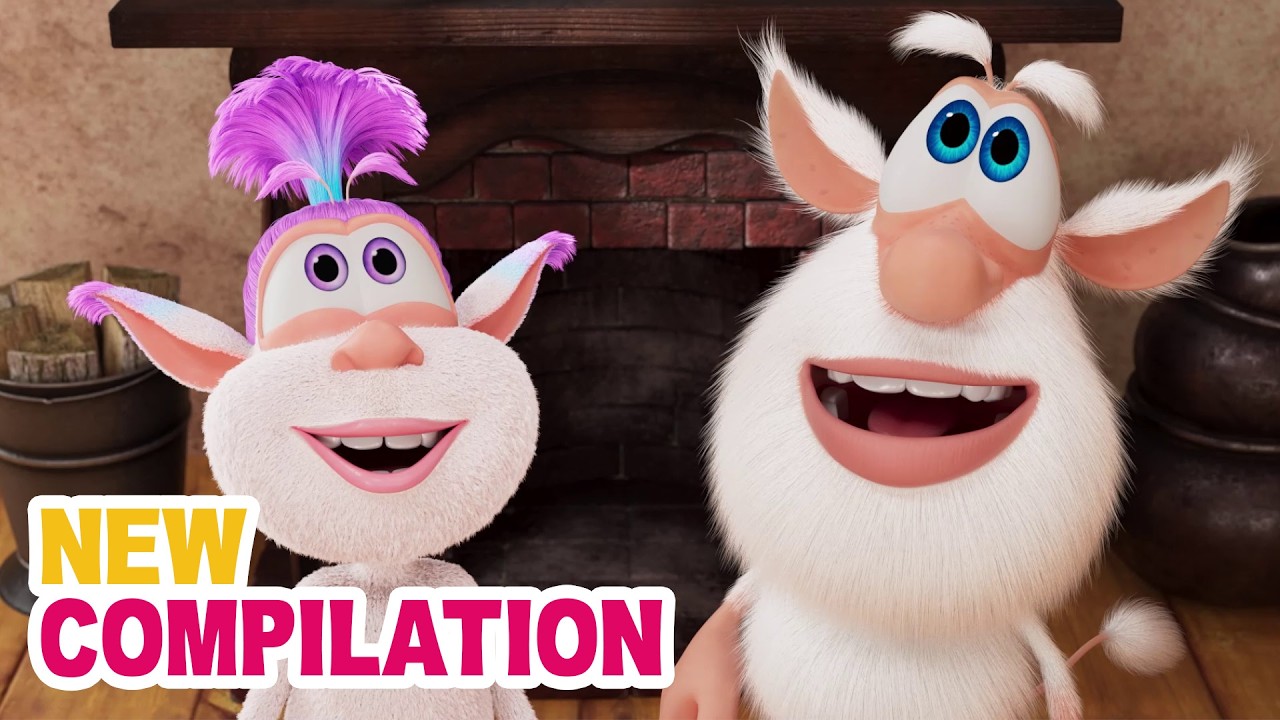
3. Booba Learns Colors and Shapes

Booba explores different objects and environments while teaching shapes and colors in a playful way.

Why it’s popular:

  • Non-verbal storytelling suitable for all languages

  • Observation-based learning

  • Short episodes perfect for attention spans of 2–6 years


4. Little Learners: Colors & Shapes

Mini-stories and songs help preschoolers identify shapes and colors in everyday situations.

Key learning points:

  • Matching shapes and colors with objects

  • Reinforces vocabulary for shapes and colors

  • Interactive prompts encourage participation


5. Fun Animal Colors & Shapes

Animals are used to teach shapes and colors in fun, memorable ways.

Learning highlights:

  • Associating colors with animals and objects

  • Introduces patterns and simple puzzles

  • Combines entertainment with educational content


How Parents Can Enhance Learning

Parents can help children maximize the benefits of shape and color learning videos:

  1. Watch together: Point out shapes and colors in the video and at home.

  2. Ask interactive questions: “Can you find a red circle?” or “Which objects are triangles?”

  3. Repeat favorite videos: Reinforces recognition and memory.

  4. Practice offline: Use toys, blocks, or drawing activities to reinforce concepts.

  5. Encourage creativity: Let children create art using shapes and colors learned in the videos.

  6. Keep sessions short: 5–10 minute videos work best for attention spans of preschoolers.


Recommended Shape and Color Learning Videos for 2025

  • Super Simple Shapes and Colors – Songs and animated examples

  • ABC Kids – Shapes and Colors Edition – Alphabet-based learning

  • Booba Learns Colors and Shapes – Observation and play-based learning

  • Little Learners: Colors & Shapes – Mini-stories and interactive prompts

  • Fun Animal Colors & Shapes – Animal-themed shape and color education

These videos are safe, colorful, and educational, helping preschoolers recognize shapes, identify colors, and develop creativity while having fun.


Final Thoughts

Shape and color learning videos are more than just entertaining—they are essential tools for early childhood development. In 2025, animated series combine bright visuals, music, and interactive storytelling to make learning engaging and effective.

Parents can enhance learning by:

  • Watching videos together and discussing concepts

  • Reinforcing lessons with offline activities and creative play

  • Repeating episodes to strengthen memory and recognition

With the right videos, preschoolers develop foundational cognitive skills, creativity, and visual awareness while enjoying colorful and fun animations.

Tip for Parents: Encourage children to sort toys or draw using learned shapes and colors after watching videos to reinforce learning and motor skills.

Advertisement
Best YouTube Channels for Toddlers
YouTube has become a popular platform for young children, offering fun, educational, and engaging videos. However, parents must ensure that toddlers watch age-appropriate content that promotes learning, creativity, and safe screen time. This guide highlights the best YouTube channels for toddlers, suitable for ages 1–4, and offers tips for parents to make the experience both fun and safe. Why Choosing the Right Channel Matters: Safety First: Toddlers can accidentally access inappropriate content. Educational Value: High-quality channels teach numbers, colors, letters, and basic life skills. Entertainment with Learning: Bright visuals, songs, and playful characters keep toddlers engaged while learning. Interactive Experience: Encourages singing, dancing, and role-playing, enhancing physical and cognitive development. Top YouTube Channels for Toddlers: 1. Tiny Tunes World Focuses on songs, nursery rhymes, and interactive storytelling. Helps toddlers learn language, rhythm, and coordination. 2. Little Learners Club Engaging videos on colors, shapes, numbers, and basic concepts. Short episodes perfect for toddlers’ attention span. 3. Happy Critters TV Fun animated characters teach sharing, friendship, and emotional awareness. Combines humor with social and emotional learning. 4. Giggle Garden Outdoor adventures with toddlers-friendly characters. Encourages exploration, observation, and nature awareness. 5. Playful Pals Features playful characters in creative scenarios. Promotes imagination, role-playing, and problem-solving skills. 6. Fuzzy Friends Fun Short, funny clips designed to entertain and educate. Teaches basic cognitive and social skills while keeping toddlers engaged. Tips for Parents Using YouTube for Toddlers: Enable YouTube Kids: Provides safe, curated content suitable for toddlers. Set Screen Time Limits: Limit to 30–60 minutes per day for this age group. Co-View and Interact: Watch together to encourage singing, dancing, and discussion. Pre-Select Content: Choose videos aligned with learning goals and age-appropriateness. Encourage Offline Play: Balance screen time with reading, crafts, and outdoor activities. Benefits of the Right YouTube Channels: Cognitive Development: Enhances memory, language, and problem-solving skills. Social-Emotional Skills: Teaches sharing, empathy, and cooperation through character interactions. Creativity: Inspires drawing, crafts, and imaginative play. Fun Learning: Makes education engaging and enjoyable for toddlers. Safe Entertainment: Provides a controlled environment for screen exposure. Final Thoughts: Choosing the best YouTube channels for toddlers ensures that screen time is educational, entertaining, and safe. Parents can enhance the experience by watching together, engaging in activities, and setting clear limits, creating a balanced, fun, and enriching digital experience for young children.
Booba Origami Ideas for Kids
Origami is a fantastic way to combine creativity, concentration, and fine motor skills in young learners. When inspired by Booba, origami becomes even more playful and engaging, turning simple paper folding into exciting adventures for kids. In this guide, we explore Booba-themed origami ideas for children aged 4–8, complete with step-by-step instructions and educational benefits. Why Booba Origami Is Perfect for Kids: Visual Appeal: Booba’s expressive face and playful body make origami more fun. Simple Shapes: Rounded and exaggerated shapes are easy for children to fold. Hands-On Learning: Folding paper enhances fine motor development. Creativity & Imagination: Kids can invent their own Booba scenes and scenarios. Materials Needed: Colored origami paper or plain square sheets Markers or colored pencils Optional: Googly eyes, stickers, or small decorations Clear surface for folding and crafting Top Booba Origami Ideas for Kids: 1. Booba Paper Figure Fold a simple square base for the body. Add ears and facial features with markers or cut-out shapes. Can be used for play, storytelling, or desk display. Learning Tip: Encourages precision, sequencing, and fine motor control. 2. Booba Paper Puppet Create a folded paper figure with movable arms and legs. Use a small stick or straw as a handle for role-play. Kids can reenact favorite Booba adventures. Learning Tip: Develops imaginative play and storytelling skills. 3. Booba Origami Mask Fold a square sheet to create a wearable Booba face. Decorate with markers and add elastic string. Perfect for dress-up or small Booba performances. Learning Tip: Improves spatial awareness and creativity. 4. Booba Origami Animals Create additional origami animals for Booba to interact with. Examples: birds, mice, or small creatures from Booba episodes. Can be used to set up miniature adventures or storytelling scenes. Learning Tip: Encourages pattern recognition and creativity. 5. Booba Origami Gift Boxes Make small boxes with Booba faces for party favors or treasures. Kids can decorate boxes with stickers, crayons, or markers. Useful for themed parties or reward systems. Learning Tip: Teaches measurement, folding precision, and planning skills. 6. Booba Origami Collage Combine multiple origami figures to create a Booba scene. Glue or tape folded characters onto a larger sheet. Add drawn backgrounds or props to enhance the storytelling. Learning Tip: Boosts creative thinking, storytelling, and planning. 7. Booba Origami Bookmarks Fold origami corners into fun Booba-themed bookmarks. Personalize with markers or stickers. Encourages reading habits while combining craft and play. Tips for Booba Origami Success: Use Bright Colors: Kids are more engaged with neon or vibrant papers. Start Simple: Begin with basic folds before attempting complex shapes. Add Personal Touches: Draw Booba expressions and accessories. Combine with Stories: Encourage children to narrate adventures as they fold. Display Creations: Show finished origami at home or classroom for motivation. Educational Benefits of Booba Origami: Fine Motor Skills: Folding and shaping paper strengthens hand muscles and coordination. Cognitive Skills: Following step-by-step instructions enhances problem-solving and sequencing. Creativity & Imagination: Kids invent new scenarios and expressions for Booba. Concentration & Patience: Completing origami teaches focus and perseverance. Visual-Spatial Awareness: Understanding folds and shapes improves spatial reasoning. Final Thoughts: Booba origami combines fun, creativity, and learning for children. From simple paper figures and puppets to masks and interactive scenes, Booba-themed origami fosters fine motor development, imagination, and storytelling skills. Perfect for home activities, preschool classrooms, or rainy-day fun, Booba origami turns everyday paper into playful adventures.
Booba-Themed Birthday Party Ideas
Planning a birthday party for young kids can be exciting but also challenging. If your child loves Booba, a Booba-themed birthday party is a perfect way to combine fun, creativity, and learning. From decorations and games to food and party favors, Booba-inspired ideas make every child feel like they are in a playful adventure. In this guide, we provide fun, safe, and creative Booba-themed birthday party ideas for children aged 3–7. 1. Invitations Inspired by Booba: Start the party excitement with creative invitations: Use Booba images or templates Bright, playful colors like neon pink, blue, or yellow Include fun phrases like “Join Booba’s Adventure Party!” Educational Tip: Children can help color or decorate invitations, practicing fine motor skills and creativity. 2. Booba Decorations: Decorations set the tone for the party: Balloons, banners, and streamers in Booba’s signature colors Tablecloths, plates, and cups featuring Booba or playful motifs DIY cardboard props like Booba’s favorite objects: toys, balloons, pillows Fun Tip: Use confetti and colorful props to create a playful, chaotic Booba environment. 3. Booba-Themed Cake: The cake is always a party centerpiece: Booba-shaped cake or cupcakes decorated with Booba faces Bright colors with fun edible props like balloons or stars Optionally, make cupcakes with mini Booba toppers Educational Tip: Let kids help decorate cupcakes for hands-on creativity and color recognition. 4. Booba-Inspired Games: Bring Booba’s playful adventures to life with games: Balloon Chase Adventure – Kids chase colorful balloons, mimicking Booba. Obstacle Course – Pillows, cushions, and toys create a mini adventure. Treasure Hunt – Hide toys or candy around the room. Booba Freeze Dance – Dance like Booba, freeze when music stops. DIY Booba Masks – Craft activity where kids make and wear Booba masks. Educational Value: These games boost motor skills, creativity, and teamwork. 5. Themed Party Favors: Party favors make kids excited and extend the fun: Mini Booba toys or figurines Coloring pages and crayons DIY mask kits or stickers Booba-themed goodie bags with bright colors Fun Tip: Encourage kids to take their DIY masks or colored pages home to practice creativity. 6. Booba Photo Booth: Set up a small photo booth with props: Booba masks, plush toys, balloons Bright backgrounds with Booba-themed decorations Kids can pose and act out Booba’s adventures Educational Value: Encourages imaginative play and storytelling. 7. Party Music and Dance: Booba’s silent comedy is full of physical comedy and action: Play fun, upbeat music for dancing Encourage kids to mimic Booba’s movements Include games like “Booba Says” for fun movement-based interaction Educational Tip: Enhances gross motor skills, rhythm, and coordination. 8. Booba Snack Ideas: Keep snacks fun, colorful, and thematic: Mini sandwiches cut into fun shapes Colorful fruit skewers Cupcakes or cookies decorated like Booba’s face Healthy snacks disguised as playful treats Educational Tip: Discuss colors, shapes, and healthy eating while serving snacks. 9. Craft Corner: Provide a creative area for kids: Coloring Booba pages DIY Booba masks Sticker decorating stations Playdough modeling of Booba characters Educational Value: Encourages fine motor skills, creativity, and focus. 10. Ending the Party: Conclude with a memorable touch: Booba-themed thank-you notes Photo mementos Small Booba figurines or toys as keepsakes This makes the party interactive, fun, and educational. Final Thoughts: A Booba-themed birthday party combines fun, creativity, and learning. With bright decorations, playful games, themed food, and DIY crafts, children enjoy a safe and exciting adventure that mirrors Booba’s animated world. Parents and educators can use these ideas to host memorable, engaging, and educational celebrations for kids aged 3–7.
Cartoon Stories About Helping Others
Helping others is an essential value that children need to learn from an early age. Cartoon stories about helping others are a fun and effective way to teach children the importance of kindness, empathy, and cooperation. By using colorful animations, engaging characters, and interactive storytelling, these cartoons make moral lessons easy to understand and remember. In this article, we will explore why cartoons about helping others are important, their educational benefits, and how parents can use them to teach valuable life skills. ⭐ Why Cartoon Stories About Helping Others Are Effective: Children learn best through observation, play, and storytelling. Cartoon stories combine these elements to create a meaningful learning experience: 1. Visual Learning: Animated characters and vibrant visuals make abstract concepts like kindness and empathy easy for children to understand. 2. Relatable Characters: Children connect with cartoon characters, which helps them see real-life examples of helping others and applying kindness. 3. Story-Based Lessons: Stories demonstrate the positive outcomes of helping, such as friendship, gratitude, and happiness, making the moral memorable. 4. Emotional Engagement: Cartoons evoke emotions through expressions, music, and storytelling, helping children understand how helping others makes people feel. 5. Repetition Reinforces Values: Many cartoons repeat lessons about helping friends, family, or strangers, reinforcing good behavior without feeling forced. ⭐ Popular Themes in Helping Others Cartoons: 1. Friends in Need: Stories show children or animals helping friends who are sad, lost, or in trouble, emphasizing empathy and teamwork. 2. Family and Community: Cartoons often depict characters helping family members, neighbors, or community members, teaching children the value of cooperation. 3. Environmental Help: Some stories show characters cleaning parks, planting trees, or caring for animals, teaching children to help the environment. 4. Acts of Kindness: Cartoons highlight small gestures like sharing toys, helping a classmate, or comforting someone who is lonely. 5. Problem-Solving Together: Stories show children or characters working together to solve challenges, teaching cooperation, communication, and the joy of helping. ⭐ Educational Benefits of Helping Others Cartoons: 1. Builds Empathy: Children learn to recognize and respond to the feelings of others, strengthening emotional intelligence. 2. Encourages Positive Social Behavior: Watching characters help others motivates children to practice sharing, teamwork, and kindness in real life. 3. Enhances Communication Skills: Interactive cartoons encourage children to express themselves, ask questions, and discuss moral lessons with parents or peers. 4. Develops Problem-Solving Abilities: Stories often show characters finding ways to help, teaching children critical thinking and creative solutions. 5. Promotes Moral and Ethical Growth: By repeatedly observing positive actions, children internalize values such as honesty, generosity, and respect. ⭐ Tips for Parents to Make the Most of Helping Others Cartoons: ✔ 1. Watch Together: Discuss the characters’ actions and ask your child how they would help in a similar situation. ✔ 2. Reinforce Lessons with Real-Life Activities: Encourage children to practice helping at home, in school, or in the neighborhood. ✔ 3. Role-Playing: Act out scenarios from the cartoons to help children practice empathy and problem-solving. ✔ 4. Praise Acts of Kindness: Recognize and praise your child when they help others, reinforcing positive behavior. ✔ 5. Limit Screen Time: Even educational cartoons should be watched in moderation. Short, interactive sessions of 20–30 minutes are ideal. ⭐ Conclusion: Cartoon stories about helping others are an engaging and effective way to teach children kindness, empathy, and cooperation. Through colorful animations, relatable characters, and story-based lessons, children learn the joy of helping friends, family, and the community. By incorporating these cartoons into daily routines, parents and educators can help children develop positive social behaviors, emotional intelligence, and moral values. With interactive storytelling and fun visuals, cartoons about helping others make learning essential life skills both enjoyable and memorable for young minds.
Where to Find Stickers, Posters & Printables: A 2025 Guide for Creative Parents
Decorating a room, personalizing a notebook, or finding the perfect craft printable doesn't have to be a wild goose chase. In 2024, a blend of official sources and creative community hubs offers a wealth of options for fans of gentle, popular characters. This guide will navigate you to the best places—both online and offline—to find high-quality, safe, and fun stickers, posters, and printables for your child's next project. Guiding Principle: Safety, Quality & Respect : Prioritize Official Sources: For guaranteed quality and safety (non-toxic inks, safe materials). Trust Reputable Creators: When using independent artists, look for positive reviews and clear usage terms. Respect Copyright: Use printables for personal, non-commercial fun only. Support artists by purchasing their official products. Category 1: Official & Licensed Merchandise – For Guaranteed Quality : These are your go-to sources for authentic, high-fidelity designs. 1. Official Character Website/Online Shop: What You'll Find: This is the primary source for officially licensed posters, high-quality vinyl sticker packs, and sometimes exclusive print-on-demand items like wall decals. Designs will be accurate and vetted. Best For: Premium posters, durable sticker sheets, and official wall art. Tip: Sign up for newsletters to get alerts on new collections and sales. 2. Major Online Retailers (Amazon, Walmart, Target): What You'll Find: Search for "[Character Name] stickers" or "[Character Name] poster" in the Toys, Home Decor, or Office Supplies sections. You'll find a mix of officially licensed and third-party products. Best For: Quick shipping, variety, and easy price comparison. Always check seller ratings and reviews for quality. Tip: Filter by "Amazon's Choice" or "Top Rated" and read customer photos to see the actual product quality. 3. Specialty Toy & Comic Stores: What You'll Find: Local comic book shops, toy stores, or large chains like FYE often carry niche pop culture merchandise, including stickers, button pins, and small posters. Best For: Discovering unique items and supporting local businesses. Great for impulse finds. Tip: Call ahead to ask about their selection of character merchandise. Category 2: The Creative Marketplace – For Unique & Artistic Takes : Platforms where independent artists sell their designs. 1. Etsy: What You'll Find: A treasure trove of handmade and digital goods. Search for "[Character Name] stickers," "[Character Name] printable," or "[Character Name] poster." You'll find original artist interpretations, digital download packs for instant printing, and custom-made items. Best For: Unique art styles, printable activity packs (coloring pages, door hangers), and custom orders. Tip: Read shop reviews diligently. For printables, ensure you understand the file type (PDF, PNG) and license. 2. Redbubble & Society6: What You'll Find: These print-on-demand platforms host millions of artist designs. You can find the character on every product imaginable: stickers, posters, magnets, phone cases, and more. Each item is printed when ordered. Best For: Stickers in every size and shape (matte, transparent, glossy), and large format posters. You're directly supporting the artist with each purchase. Tip: Use the search filters to browse by product type (e.g., "Stickers" or "Wall Art"). You can often choose from multiple design variations by different artists. Category 3: The DIY & Printable Hub – For Instant, At-Home Projects : For the crafty parent who wants to print and play today. 1. Pinterest: What You'll Find: The ultimate visual search engine for ideas. Search "[Character Name] coloring page," "[Character Name] free printable," or "[Character Name] DIY craft." You'll find links to blogs and websites offering free resources. Best For: Inspiration and finding links to free, fan-made coloring sheets, paper crafts, or party decorations. Important: Always click through to the original source (a blog or website) to download. Ensure the site is reputable and the download is intended for free personal use. 2. Educational & Parenting Blogs: What You'll Find: Many creative parenting blogs design and share free printable packs centered around popular, gentle characters. These often include puzzles, matching games, "I Spy" sheets, and cut-out masks. Best For: Screen-free activity sheets that are educational and fun. Quality can be excellent. Tip: These are usually offered as a free download in exchange for an email subscription. Use a dedicated email if concerned about newsletters. 3. Canva (Pro/Free): What You'll Find: A graphic design platform with a vast library of clipart and elements. While you won't find licensed character images, you can use it to create your own themed designs using simple shapes, colors, and text that evoke the character's style (e.g., create a poster with a blue circle, big white eyes, and the text "Stay Curious!"). Best For: Making completely custom, personal posters, chore charts, or sticker designs (if you have printable sticker paper). Tip: Use the color picker tool to match the character's exact signature blue for a coordinated look. Smart Shopping & Safety Checklist : Before you click "buy" or "download," run through this list: Source: Is it official or a reputable seller/artist? Reviews: What do other buyers say about print quality, sticker durability, or accuracy? License: For printables, is it clearly for personal use only? Safety: For young children, are stickers described as safe and non-toxic? Are posters printed on safe paper with soy-based inks? File Format: If buying a digital printable, do you have the software to open it (usually PDF or PNG)? Conclusion: Build a World of Wonder : Whether you're seeking a durable wall decal from an official store, a unique artist's sticker from Etsy, or a free coloring page for a rainy day, the resources are plentiful. By choosing quality sources and respecting the creative work behind these designs, you can easily find the perfect decorative touches to celebrate your child's interests and fuel their imagination. Happy hunting and creating!
Booba Silent Comedy: Why It Works for Every Culture
Booba is a universally loved cartoon character, and one of the biggest reasons for his global popularity is his silent comedy style. Unlike many other shows that rely on dialogue or language-specific jokes, Booba communicates entirely through visual humor, expressions, and playful actions. This unique approach allows children and families from every culture and language background to enjoy the content equally. In this article, we explore why Booba’s silent comedy works so well worldwide, the psychological reasons behind it, and the benefits for kids. 1. Visual Humor is Universal: Silent comedy relies on visual cues, exaggerated gestures, and facial expressions. Booba’s large eyes, open mouth, and dramatic reactions make it instantly clear what he is feeling or doing. Why it works for every culture: No need for language comprehension Humor is instantly understandable Children and adults can laugh together Example: Booba slipping on a toy or reacting to a bouncing ball is funny in any country, regardless of spoken language. 2. Easy for Kids to Follow: Young children, especially ages 2–7, often cannot fully understand dialogue-heavy shows. Booba’s silent comedy is: Simple to follow Engaging through action and movement Fun without requiring reading or listening skills Psychological Impact:Children develop attention, observation, and comprehension skills while enjoying the show. 3. Cross-Cultural Appeal: Booba’s silent comedy removes cultural barriers. There are no jokes that depend on specific language, slang, or cultural references. Why this matters: Children worldwide can enjoy the same humor Parents can introduce Booba to multilingual households Episodes are universally shareable Example: A Japanese child and a Brazilian child can laugh at the same scene, even without translation. 4. Encourages Emotional Understanding: Silent comedy emphasizes emotions through expression, which helps children recognize and understand feelings. Why it’s effective globally: Smiling, laughing, surprise, or frustration is universally recognized Children learn empathy and emotional awareness Language differences do not hinder emotional learning Example: Booba reacting with surprise to a falling object teaches children that unexpected events can be funny and safe. 5. Promotes Imaginative Play: Booba often turns ordinary objects into playful adventures. Silent storytelling encourages children to imagine the story themselves, rather than relying on dialogue. Educational Value: Encourages creativity Develops imagination Kids can invent their own explanations for Booba’s actions Example: A cardboard box becomes a car, spaceship, or hiding place—all interpretable differently by children in different cultures. 6. Humor Without Conflict: Booba’s comedy is always safe, light-hearted, and non-violent. There are no culturally sensitive jokes or language-based misunderstandings. Why this matters: Safe for all children Parents feel comfortable letting kids watch Humor is inclusive and universally enjoyable Example: Booba falling into a pile of pillows or chasing bubbles is funny without being harmful or offensive. 7. Short Episodes Suit Short Attention Spans: Most Booba episodes are short, fast-paced, and action-packed, which suits children with limited attention spans. Global benefit: Engaging for children everywhere No need for long explanations or cultural context Encourages repeated viewing, which reinforces learning Psychological Impact:Short, repetitive episodes help children develop memory and observational skills. 8. Builds Early Cognitive Skills: Silent comedy stimulates problem-solving, pattern recognition, and cause-and-effect learning. Children watch Booba try, fail, and succeed at small challenges. Why it transcends culture: Skills are universal Children learn through action, not words Enhances early cognitive development globally Example: Booba experimenting with a rolling ball teaches persistence and observation in every culture. 9. Multi-Generational Entertainment: Because Booba is silent, adults can enjoy the humor too. Families around the world can watch together without needing translation. Why it works cross-culturally: Promotes shared entertainment Strengthens family bonds Humor is universally appealing Example: Parents laugh along while toddlers are entertained, creating a shared viewing experience. 10. Supports Early Language and Observation: While Booba doesn’t speak, the silent comedy style enhances children’s listening, observation, and storytelling skills. Benefits: Children can describe what they see in their own words Supports language development indirectly Encourages active engagement rather than passive watching Example: A child explaining Booba’s adventure to a friend or parent strengthens communication skills. Final Thoughts: Booba’s silent comedy is more than just entertainment—it’s a universal, cross-cultural tool for learning, creativity, and fun. Children worldwide can enjoy Booba without language barriers while developing curiosity, problem-solving skills, emotional awareness, and imaginative play. The genius of Booba lies in its simplicity: funny, safe, and universally relatable.
Fun Way for Kids to Learn Letters
Learning the alphabet is one of the first and most important steps in a child’s educational journey. Alphabet learning A–Z cartoon songs make this process fun, engaging, and memorable for preschoolers and young children. By combining colorful animations, catchy tunes, and playful characters, these cartoon songs help children recognize letters, improve pronunciation, and build a strong foundation for reading and writing. ⭐ Why Alphabet Cartoon Songs Are Effective for Learning: Alphabet cartoon songs are highly effective because they combine multiple learning methods: 1. Visual Learning: Animated letters, objects, and characters help children remember each letter by associating it with a picture or action. 2. Musical Learning: Songs and rhymes enhance memory retention. Children are more likely to remember letters when they are paired with music. 3. Repetition Builds Familiarity: Alphabet songs repeat letters and sounds in a fun way, reinforcing recognition without feeling boring. 4. Engaging Characters: Friendly animated animals, children, or objects encourage participation and imitation, making learning interactive. 5. Supports Early Literacy: By learning letters through songs, children develop phonemic awareness, which is essential for reading and writing skills. ⭐ Popular Types of Alphabet Cartoon Songs: 1. Classic A–Z Songs: These follow the traditional alphabet sequence and pair each letter with a word or object, like “A is for Apple, B is for Ball.” 2. Themed Alphabet Songs: Songs focus on specific themes, such as animals, foods, vehicles, or colors, helping children learn letters in a meaningful context. 3. Interactive Songs: Some cartoon songs ask children to sing along, point to letters, or identify objects, encouraging active participation. 4. Story-Based Alphabet Songs: Animated stories incorporate letters naturally, such as a journey through a magical land where each letter represents a new adventure. 5. Multilingual Alphabet Songs: Some modern cartoons teach letters in more than one language, helping children develop early bilingual skills. ⭐ Educational Benefits of Alphabet Cartoon Songs: 1. Letter Recognition: Children learn to identify letters both visually and audibly, building a foundation for reading. 2. Phonics and Pronunciation: Cartoon songs emphasize the sounds of letters, helping children pronounce words correctly. 3. Memory Development: Music, repetition, and visuals improve memory and recall, making learning faster and more effective. 4. Engagement and Motivation: Fun songs and characters motivate children to participate, even for extended learning sessions. 5. Early Writing Skills: When children see letters in animated forms, they are more confident and curious to trace and write them themselves. ⭐ Tips for Parents to Make the Most of Alphabet Cartoon Songs: ✔ 1. Watch Together: Sing along with your child, point to letters, and encourage them to repeat sounds and words. ✔ 2. Reinforce with Real-Life Examples: Show your child objects around the house or outdoors that match letters in the song. ✔ 3. Encourage Singing and Dancing: Let children move, dance, or act out letters while singing to enhance learning through movement. ✔ 4. Limit Screen Time: Keep cartoon viewing sessions short (20–30 minutes) and interactive for preschoolers. ✔ 5. Repeat Regularly: Repetition is key—watching the same alphabet songs multiple times reinforces recognition and memory. ⭐ Conclusion: Alphabet learning A–Z cartoon songs are a fun, interactive, and educational way for children to master letters. By combining music, animation, repetition, and playful characters, these cartoons help preschoolers recognize letters, understand phonics, and develop early literacy skills. Parents and educators can use these songs to make learning engaging, entertaining, and effective. With vibrant visuals and catchy tunes, children not only learn the alphabet but also enjoy the process, building confidence and curiosity for reading and writing in the future.
Best Cartoons for Pre-K Learning
Cartoons are not just entertaining; they are powerful educational tools, especially for Pre-K children. At this age, children are naturally curious and learn best through visual storytelling, repetition, and play. Choosing the right cartoons can help children develop foundational skills in areas such as literacy, numeracy, problem-solving, creativity, and social-emotional understanding. Pre-K learning focuses on building skills that prepare children for kindergarten and beyond. Well-designed cartoons combine bright visuals, engaging characters, and simple educational concepts, making learning fun and effective. Why Educational Cartoons Matter for Pre-K Children: Pre-K children are in a critical stage of cognitive development. Educational cartoons help in: Introducing letters, numbers, and shapes Teaching colors, patterns, and spatial awareness Building vocabulary and language skills Developing social-emotional skills like sharing and empathy Encouraging curiosity and problem-solving By making learning interactive and visually appealing, cartoons capture attention and increase retention. Cartoons That Teach Literacy Skills: Certain cartoons focus on letters, phonics, and storytelling. They help children recognize sounds, words, and sentence structures through: Repetition of letters and words Simple rhymes and songs Story-based lessons with engaging characters These shows improve early reading and communication skills, helping children develop a strong language foundation. Cartoons That Teach Numeracy and Math Concepts: Some educational cartoons introduce numbers, counting, and basic math concepts: Counting objects in fun adventures Identifying shapes and patterns Understanding concepts like more, less, big, and small These cartoons make abstract concepts tangible and memorable for Pre-K learners. Cartoons That Encourage Creativity and Imagination: Creativity is crucial in early learning. Cartoons that inspire drawing, building, or imaginative play help children: Explore colors, shapes, and textures Experiment with ideas in pretend play Build critical thinking and problem-solving skills Creative cartoons allow children to express themselves freely while learning new concepts. Cartoons That Teach Social and Emotional Skills: Pre-K children are learning to interact with peers and manage emotions. Cartoons that focus on friendship, empathy, and teamwork help children: Recognize feelings in themselves and others Understand conflict resolution Develop kindness and sharing habits These shows support emotional intelligence, which is as important as academic skills at this age. Benefits of Watching Educational Cartoons: Watching the right cartoons provides multiple benefits for Pre-K learners: Makes learning fun and engaging Improves memory and attention span Encourages curiosity and exploration Strengthens language and communication skills Prepares children for formal school learning Educational cartoons turn screen time into productive learning time when chosen wisely. How Parents Can Maximize Learning from Cartoons: Parents can enhance the benefits of educational cartoons by: Watching cartoons together and discussing key lessons Asking questions about letters, numbers, shapes, and colors Encouraging children to imitate experiments, songs, or creative tasks Relating cartoon concepts to real-life experiences This active engagement ensures that children apply what they learn beyond the screen. Tips for Choosing the Best Pre-K Cartoons: Not all cartoons are equally educational. Parents should look for shows that: Use bright visuals and slow-paced narration suitable for young children Focus on basic skills like letters, numbers, colors, and social learning Avoid violence, fast cuts, or overly complicated storylines Include positive role models and relatable characters Popular Pre-K educational shows include Sesame Street, Bluey, Daniel Tiger’s Neighborhood, and Pocoyo, among others. Conclusion: Choosing the best cartoons for Pre-K learning can significantly impact a child’s early development. Educational cartoons provide a fun and interactive way to introduce foundational skills in literacy, numeracy, creativity, and social-emotional growth. When parents actively participate and guide learning, cartoons become a powerful tool that nurtures curiosity, engagement, and a love for learning from a young age.