Best Cartoon Stories Based on Fairy Tales

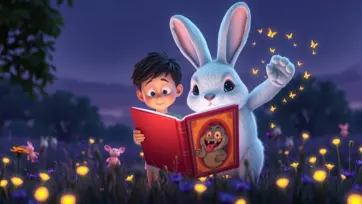
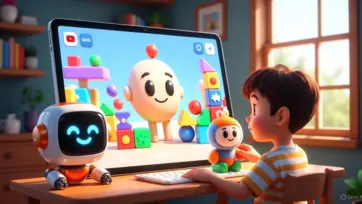
Fairy tales have been a favorite source of entertainment and learning for children for generations. Today, cartoon stories based on fairy tales (new versions) are a creative way to bring these classic tales to life with modern twists, vibrant animations, and engaging storytelling. These new versions not only entertain children but also teach moral lessons, creativity, and problem-solving skills. In this article, we will explore the importance of updated fairy tale cartoons, their educational benefits, and how parents can use them to support children’s learning.


Why Cartoon Fairy Tales Are Effective for Children:

Cartoon adaptations of fairy tales offer several advantages over traditional storytelling:

1. Modernized Stories:

New versions of fairy tales often include updated plots, characters, and settings that are more relatable to today’s children. They can include contemporary themes, gender equality, teamwork, and environmental awareness.

2. Engaging Visuals:

Animations make fairy tales visually appealing. Bright colors, expressive characters, and imaginative landscapes capture children’s attention, making it easier for them to understand and remember the story.

3. Teaching Moral Lessons:

Fairy tales always carry moral values, such as honesty, courage, kindness, and perseverance. Cartoon adaptations highlight these lessons in ways children can relate to and emulate.

4. Promotes Language Development:

Cartoon dialogues, rhymes, and songs improve vocabulary, pronunciation, and comprehension skills, especially for preschool and early school-age children.

5. Stimulates Creativity:

Animated fairy tales inspire children to imagine new worlds, create their own stories, or draw and play based on the characters and adventures they see.


Popular Themes in New Version Fairy Tale Cartoons:

1. Classic Tales with a Twist:

Stories like Cinderella, Little Red Riding Hood, and Snow White are reimagined with new adventures, modern settings, or humorous characters while keeping the original moral lessons intact.

2. Diverse Characters and Cultures:

Modern fairy tale cartoons include characters from different cultures, promoting inclusivity, empathy, and understanding of diversity.

3. Problem-Solving and Teamwork:

Many new versions focus on collaboration. Characters work together to solve challenges, teaching children teamwork and creative thinking.

4. Environmental and Social Lessons:

Updated fairy tales sometimes include themes about protecting nature, helping others, and showing kindness—preparing children to face real-life situations positively.

5. Musical and Interactive Cartoons:

Cartoons often integrate songs, rhymes, and interactive questions to engage children actively. For example, asking children to count magical items or predict what happens next strengthens learning while having fun.


Educational Benefits of Cartoon Fairy Tales:

1. Builds Moral Values:

Updated fairy tales focus on honesty, kindness, bravery, and empathy, teaching children to apply these values in real life.

2. Enhances Cognitive Skills:

Children develop memory, attention, and problem-solving skills while following the storylines and understanding character choices.

3. Encourages Reading and Storytelling:

Watching animated fairy tales inspires children to read books, retell stories, or even create their own stories, promoting literacy and imagination.

4. Supports Emotional Development:

Children learn to recognize emotions like happiness, sadness, fear, and excitement through animated characters, improving their emotional intelligence.

5. Fun Learning:

By combining entertainment and education, cartoon fairy tales make learning enjoyable, keeping children engaged without feeling forced.


Tips for Parents to Make the Most of Fairy Tale Cartoons:

1. Watch Together:

Watching stories with your children allows you to discuss the lessons, ask questions, and relate the story to real-life situations.

2. Encourage Story Retelling:

After the cartoon, encourage children to retell the story in their own words. This improves language skills, memory, and comprehension.

3. Integrate Creative Activities:

Children can draw, color, or act out favorite scenes, boosting creativity and fine motor skills.

4. Discuss Moral Lessons:

Ask questions like, “Why was Cinderella kind?” or “How did teamwork help the characters?” to reinforce understanding of values.

5. Limit Screen Time:

Even educational cartoons should be moderated. Short episodes or specific viewing times are ideal for preschoolers.


Conclusion:

Cartoon stories based on fairy tales (new versions) are an exciting way to combine fun, learning, and creativity for children. By modernizing classic stories with vibrant animation, updated characters, and interactive features, these cartoons teach important life lessons, foster imagination, and support emotional and cognitive development.

Parents and educators can use these cartoons not only to entertain children but also to instill moral values, inspire creativity, and encourage literacy and problem-solving skills. With captivating visuals and engaging storytelling, fairy tale cartoons continue to be a timeless tool for children’s education and entertainment.

Advertisement
Learning Videos for Toddlers
Toddlers are naturally curious, and their early years are critical for building foundational skills like language, numeracy, and color recognition. In today’s digital world, fun learning videos have become one of the most effective ways to engage young children in educational activities. Unlike traditional screen time, carefully selected learning videos help toddlers absorb concepts effortlessly while having fun. This guide explores the benefits of fun learning videos, what types of content are most effective, and top video recommendations for teaching ABC, numbers, colors, and more. Parents will also find practical tips for choosing videos that are both entertaining and educational. Why Fun Learning Videos Matter for Toddlers: Toddlers learn best when learning is interactive, colorful, and playful. Videos specifically designed for this age group combine visuals, music, repetition, and storytelling to help children retain information naturally. Key benefits include: Language development: Videos introduce new words, sounds, and phonics. Early math skills: Counting, recognizing numbers, and basic problem-solving. Color and shape recognition: Children learn to identify colors, shapes, and patterns. Cognitive growth: Interactive videos promote memory, observation, and reasoning. Emotional engagement: Cheerful characters and music keep toddlers focused. Safe learning environment: Carefully curated content avoids harmful messaging. The key is that toddlers perceive these videos as fun entertainment, making learning effortless. Top Fun Learning Video Categories for Toddlers: Here are the main types of videos that parents should consider for toddlers: 1. ABC and Phonics Videos: Learning the alphabet is the first step toward language development. Videos focusing on ABCs combine songs, animation, and repetition to reinforce letter recognition and pronunciation. What toddlers learn: Recognize letters A–Z Correct pronunciation Phonics and letter sounds Vocabulary building with animated characters Example series: Super Simple ABCs – uses songs and playful characters Alphabet Town Adventures – interactive stories teaching letters through fun scenarios 2. Numbers and Counting Videos: Counting and early math concepts can be introduced in an engaging, visual way through videos. Animated characters guide toddlers to recognize numbers and practice counting. Learning benefits: Counting from 1 to 20 (or beyond) Recognizing numeric symbols Basic addition and subtraction concepts Understanding shapes and patterns Popular videos: Momo’s Math World – combines games and songs to make numbers fun Counting with Funimals – uses animals and visual aids to reinforce learning 3. Colors and Shapes Videos: Recognizing colors and shapes is a key early development skill. Bright, visually appealing videos can help toddlers identify and remember colors quickly. Skills covered: Color identification: red, blue, green, yellow, etc. Shape recognition: circle, square, triangle, rectangle Color mixing and pattern recognition Associating objects with colors and shapes Recommended series: Learn Colors with Lolipop – interactive and music-driven lessons Colorful World Adventures – combines storytelling with color learning 4. Multi-Skill Learning Videos: Some videos combine ABCs, numbers, colors, and simple problem-solving into all-in-one educational content. These are excellent for toddlers who enjoy variety and multi-sensory learning. Benefits: Simultaneous development of language, math, and observation skills Promotes curiosity and exploration Keeps toddlers engaged for longer periods Popular choices: Booba Educational Adventures – fun exploration with basic concepts Super Simple Learning World – songs and rhymes for multiple skills How to Choose the Right Learning Videos: Choosing the right videos is crucial to maximize learning while ensuring screen time is healthy and safe. Key factors to consider: Age-appropriate content – Avoid videos with complex language or abstract concepts. Slow-paced visuals – Toddlers learn better when content is not overwhelming. Repetition – Repeating letters, numbers, and colors helps retention. Interactive elements – Videos with prompts, songs, and gestures encourage participation. Positive messaging – Look for videos that promote kindness, sharing, and curiosity. Safe platforms – Choose trusted sources like YouTube Kids, educational apps, or websites like boobacartoon.com. Tips to Make Video Learning Effective: Set a routine: Short, daily learning sessions (10–15 minutes) are more effective than long sessions. Watch together: Parents watching with toddlers can reinforce concepts and answer questions. Repeat favorite videos: Repetition strengthens memory and understanding. Combine with offline activities: Encourage toddlers to trace letters, count objects, or color shapes after watching. Encourage interaction: Pause videos and ask your child questions to keep them engaged. Recommended Fun Learning Videos for Toddlers in 2025: Here’s a curated list of some of the best learning videos for ABC, numbers, and colors: Super Simple ABCs – Alphabet songs with colorful animation and friendly characters. Alphabet Town Adventures – Teaches letters through interactive stories and fun scenarios. Momo’s Math World – Fun counting, addition, and shape games. Counting with Funimals – Toddlers learn numbers using animals and vibrant visuals. Learn Colors with Lolipop – Engaging color recognition with music and interactive prompts. Colorful World Adventures – Teaches colors through objects, shapes, and playful stories. Booba Educational Adventures – Multi-skill learning: letters, numbers, and basic science concepts. Super Simple Learning World – Combines ABCs, numbers, colors, and good habits. Final Thoughts: Fun learning videos are more than just entertainment—they are powerful educational tools that help toddlers develop language, numeracy, color recognition, and cognitive skills naturally. By choosing the right content, parents can ensure their child learns while playing, laying a strong foundation for future growth. In 2025, with a wide variety of options available, parents should focus on age-appropriate, engaging, and safe content. Mix ABC, numbers, colors, and multi-skill videos to give your toddler a well-rounded learning experience. Tip for Parents: Combine screen-based learning with hands-on activities like drawing letters, counting toys, or coloring shapes to reinforce concepts and make learning memorable. With the right videos and guidance, your toddler’s screen time can become a fun and productive learning adventure.
Why Cartoons Are Important for Childhood Development: A 2025 Perspective
In an era dominated by debates over screen time, it's easy to overlook a fundamental truth: high-quality cartoons are not merely digital babysitters. When chosen intentionally, they are a vibrant, dynamic tool that can significantly contribute to a child's cognitive, social, and emotional growth. This 2025 guide moves beyond the screen-time clock to explore the multifaceted developmental benefits of thoughtful cartoon viewing. Beyond Entertainment: Cartoons as a Developmental Tool : Modern, well-crafted cartoons are designed by teams of artists, writers, and often child development experts. They are complex narratives that do far more than fill time; they provide a shared cultural language and a safe space to explore big ideas. 1. Cognitive & Language Development: Building a Smarter Brain : Cartoons can actively stimulate young minds in powerful ways. Vocabulary Expansion: Children's programming often introduces a richer vocabulary than everyday conversation. Narratives expose them to new words, concepts (like "gravity," "habitat," "emerge"), and linguistic structures in a memorable, contextualized way. Foundation for Literacy: The sequence of events in a plot teaches story structure—beginning, middle, end, cause and effect. This is a direct precursor to reading comprehension. Shows with on-screen text or wordplay reinforce letter and sound recognition. Executive Function: Many cartoons pose problems that characters must solve. Watching them model planning, perseverance, and flexible thinking ("That didn't work, try something else!") helps children internalize these critical cognitive skills. Cultural & General Knowledge: Cartoons can be a child's first window into history, geography, science, and different cultures, making learning visceral and engaging. 2. Social & Emotional Learning (SEL): The School of Feelings : Cartoons provide a "social simulator" where children can safely observe and process complex interpersonal dynamics. Empathy & Perspective-Taking: By identifying with characters, children learn to recognize and label emotions—not just their own, but those of others. They see the consequences of kindness, sharing, and hurtful actions in a low-stakes environment. Navigating Social Scenarios: Storylines often revolve around friendship conflicts, teamwork, jealousy, and reconciliation. Children absorb scripts for social problem-solving they can apply in their own lives. Resilience & Coping: Characters face fears, make mistakes, and experience disappointment. Seeing them cope in healthy ways provides models for emotional regulation and resilience. Representation & Identity: Seeing characters who look like them or share their experiences validates a child's own identity. Seeing diverse characters builds understanding and inclusivity from a young age. 3. Creativity & Imaginative Play: Fuel for the Inner World : The vibrant, rule-bending worlds of animation are potent fuel for a child's imagination. Spark for Pretend Play: Cartoons provide characters, scenarios, and worlds that children eagerly recreate in their own play, building narratives, dialogue, and problem-solving in real-time. Visual Creativity: The unique art styles of different cartoons expand a child's visual library and can inspire their own drawing, building, and creative expression. "What If" Thinking: Animated worlds often operate on different logic, encouraging divergent thinking and the exploration of possibilities beyond the real world. 4. The Family Connection: A Shared Cultural Experience : Cartoons create common ground for connection and conversation. Co-Viewing as Bonding: Watching together is shared joy. It's an opportunity to laugh, gasp, and experience a story as a team. Springboard for Big Talks: A character's dilemma can be the perfect, non-threatening entry point to discuss real-life issues like bullying, honesty, or frustration. Parents can ask, "What would you have done?" Building Family Lore: Favorite shows, quotes, and characters become part of a family's shared language and inside jokes, strengthening bonds. The Critical Caveat: Not All Cartoons Are Created Equal : These benefits are contingent on quality, age-appropriateness, and context. The Quality Spectrum: A slow-paced, character-driven show about cooperation is neurologically different from a hyper-fast, violent comedy clip. Seek out animation that prioritizes story and character. The Co-Viewing Factor: The benefits are magnified exponentially when an adult is present to discuss, explain, and connect the on-screen events to the child's world. This "mediated viewing" transforms passive consumption into active learning. Balance is Non-Negotiable: Cartoons should be a part of a rich developmental diet that includes physical play, real-world exploration, reading, and unstructured downtime. Choosing Developmentally Positive Cartoons in 2025: A Quick Guide : For Toddlers (2-4): Look for slow pacing, simple narratives, and gentle humor. Focus on shows that label emotions and objects clearly. For Preschoolers (4-6): Seek out shows that model social problem-solving, empathy, and curiosity. Slightly more complex plots are appropriate. For School-Age (6-10): Cartoons can explore more complex themes of friendship, ethics, and persistence. This is a great age for shows that introduce STEM concepts or historical events in an engaging way. Conclusion: Intentional Viewing as a Parenting Strategy : The question in 2025 is not "Should my child watch cartoons?" but "How can we make this screen time meaningful?" By moving from seeing cartoons as mere entertainment to recognizing them as a potential catalyst for discussion, learning, and connection, we reclaim their value. A well-chosen cartoon, watched together and talked about afterward, is not a developmental compromise—it can be a legitimate and valuable tool in the modern parenting toolkit, nurturing a child's mind and heart in equal measure.
Protecting Kids from Ads and Clickbait Content
Today's digital landscape is a sophisticated marketplace where advertisements are seamlessly woven into games, videos, and social feeds, and "clickbait" thrives on curiosity and emotion. For children, distinguishing between genuine content and manipulative marketing is a critical 21st-century skill. This guide provides modern strategies to shield your child’s attention, nurture their critical thinking, and turn them from passive consumers into savvy digital navigators. The Modern Challenge: Ads and Clickbait Are No Longer Obvious : Gone are the days of just blocking pop-ups. The new frontier includes: Native Advertising: Paid content designed to look and feel exactly like the entertainment or news around it. Influencer Marketing: Their favorite creator "just loving" a product in a vlog. Loot Boxes & In-Game Purchases: Virtual "prizes" that blur the line between play and gambling. Clickbait Thumbnails: Exaggerated, shocking, or misleading images/text designed solely to trigger a click. "Advergames": Entire games built around promoting a brand or product. Your mission is to build your child’s internal "ad detector" and "curiosity filter." Strategy 1: Deconstruct Ads Together – Make the Invisible Visible : Turn advertising encounters into media literacy lessons. Play "Spot the Ad": While co-viewing content on platforms like boobacartoon.com, pause and ask: "Is this part of the story, or is it trying to sell us something? How can you tell?" Look for verbal cues ("Sponsored by"), visual watermarks, or a sudden focus on a branded toy. Ask the "Who Benefits?" Question: Teach them this core question for any content: "Who might make money or get something if I watch this, click this, or buy this?" This simple question unravels most marketing. Explain the "Attention Economy": Use an age-appropriate analogy: "Some apps and videos are like a shopkeeper who just wants you to stay in their store as long as possible, looking at things, so they can make money. Your attention is the prize." Strategy 2: Implement a Strong Technical Defense : Use tools to reduce exposure and create safer spaces. Ad-Blocking & DNS Filtering: Use a family-friendly DNS service (like OpenDNS FamilyShield) or router-level ad-blocking to strip ads from websites on your home Wi-Fi. Choose Ad-Free or Paid Versions: Where possible, opt for ad-free versions of apps, use YouTube Premium to remove video ads, or purchase the "full" version of a game to eliminate in-app purchases. Frame it as "paying for a clean, uninterrupted experience." Leverage Parental Controls: Use device and app controls to disable in-app purchases entirely and restrict access to apps/sites known for heavy advertising. Curate Starter Platforms: For young children, begin their digital journey on ad-free, subscription-based platforms or trusted hubs that vet content, rather than algorithm-driven, ad-supported ones. Strategy 3: Arm Them Against Clickbait – The "Curiosity Trap" : Clickbait preys on impulse. Teach a "pause and assess" protocol. Teach the Red Flags of Clickbait: Create a simple checklist they can mentally run through: Does the thumbnail show a shocked face or something too crazy to be true? Does the headline use words like "SHOCKING," "YOU WON'T BELIEVE," or "WHAT HAPPENED NEXT..."? Does it promise a secret or easy hack? Practice the "Three-Second Pause": Before clicking a recommended video or link, teach them to take three seconds to ask: "Does this look useful or truthful, or is it just trying to trick me into clicking?" Verify with Trusted Sources: Encourage them to bring wild claims or "too good to be true" offers to you. Show them how you would search learn.universitiesforllm.com or another trusted educational site to check facts. Strategy 4: Foster "Creation Over Consumption" Habits : A child who creates is less susceptible to passive manipulation. Shift the Identity: Help them see themselves as a creator, artist, or coder, not just a viewer. Use apps for drawing, animation, simple video editing, or coding games. Apply the "Could I Make This?" Test: When they see a polished influencer video, discuss the work behind it—the editing, the lighting, the script. This demystifies the glamour and reveals the construct. Promote Uncommercialized Play: Regularly engage in open-ended, offline play using resources from kidtoys.site. Building a fort or conducting a science experiment has no hidden ads and builds intrinsic motivation. Strategy 5: Navigate Influencer Culture and "Hauls" : Influencers are the new celebrity endorsements, but feel more personal. Decode the "Haul" or "Favorite Things" Video: Explain, "When a creator shows you 10 new toys they 'love,' they were often sent those for free or paid to tell you about them. It's their job to make you want them." Discuss Authenticity vs. Sponsorship: For older kids, watch a sponsored video together and identify the legally required disclaimer (#ad, #sponsored). Talk about how the content might be different if they weren't being paid. Follow a Diverse Mix: Encourage them to follow creators who teach skills (art, science, music) or share experiences, not just those who primarily review products. Strategy 6: Model and Discuss Your Own Choices : Your behavior is their primary blueprint. Voice Your Process Out Loud: "I'm not going to click that article—the headline is clearly just trying to make me angry." Or, "I muted this ad because I don't need that product." Discuss Family Purchasing Decisions: Explain why you choose to buy (or not buy) certain things. "We're not getting that toy because the commercial made it look more fun than it is. Let's read some real reviews from other parents instead." Practice Mindful Media Consumption: Have device-free times and explain, "We're all putting our phones away because our attention is valuable, and we want to give it to each other right now." Conclusion: Building Digital Immunity : Protecting kids from ads and clickbait isn't about creating a sterile, commercial-free bubble—an impossible task. It's about vaccinating them with knowledge. By combining technical buffers with continuous education, you equip them with the critical thinking skills to recognize manipulation, question intent, and make conscious choices about where they direct their precious attention and curiosity. This journey, supported by the media literacy frameworks from learn.universitiesforllm.com, the commercial-free stories from boobacartoon.com, and the authentic play from kidtoys.site, transforms your child from a targeted consumer into an empowered, discerning digital citizen.
Top Dairy Products for Kids’ Growth and Immunity | Beyond Just a Glass of Milk
Top Dairy Products for Kids’ Growth and Immunity Dairy products are a cornerstone of children’s nutrition. From infancy to adolescence, milk, yoghurt, cheese, and paneer provide a combination of high-quality protein, calcium, vitamins, and healthy fats that support bone development, muscle growth, immunity, energy, and cognitive function. For children in Pakistan, where dietary gaps often lead to calcium and protein deficiencies, including dairy in daily meals is essential for healthy growth. While many foods contribute to a child’s diet, dairy is unique because it offers multiple nutrients in a single natural source. Regular consumption ensures that children grow stronger physically, remain active, and maintain better immunity, particularly during periods of rapid growth or increased physical activity. Milk — The Foundation of Strong Bones and Growth Milk is naturally rich in calcium, protein, vitamin D, phosphorus, potassium, and vitamin B12, making it ideal for children’s growth. Calcium and vitamin D are critical for bone strength and teeth formation, while protein supports muscle growth and tissue repair. In Pakistan, studies indicate that a large number of children do not get enough calcium, which increases the risk of weak bones, dental issues, and slower growth. Fortified milk, available in many local markets, enhances calcium absorption and provides vitamin D, which is often deficient due to limited sun exposure or dietary gaps. Practical Serving Tips: Serve a glass of milk with breakfast cereals or oatmeal. Blend milk with seasonal fruits like mango, banana, or papaya for a smoothie. Use milk in cooking soups, sauces, or desserts to naturally increase nutrient intake. Health Benefits:Regular milk consumption supports height and weight gain, strong teeth, and overall skeletal development, while also providing energy for active children. Yoghurt — Probiotics for Digestion and Immunity Yoghurt is fermented milk, rich in probiotics, calcium, protein, and vitamins, making it a perfect snack for children. Probiotics help maintain healthy gut bacteria, improve digestion, and enhance nutrient absorption, which is essential for growth. In addition, yoghurt provides calcium and protein in an easily digestible form, suitable even for children with mild lactose sensitivity. The probiotics in yoghurt strengthen the immune system, reducing the frequency of colds, infections, and stomach upsets. Practical Serving Tips: Serve plain yoghurt with chopped fruits like berries, banana, or mango. Make yoghurt smoothies with milk and fruit for a nutrient-packed drink. Include yoghurt in breakfast bowls with oats or granola for a balanced meal. Health Benefits:Yoghurt supports healthy digestion, strong immunity, and sustained energy, making it an ideal daily addition for children. Cheese — Calcium and Protein in a Tasty Form Cheese is a concentrated source of calcium, phosphorus, protein, and vitamins like vitamin A. Calcium and phosphorus work together to strengthen bones and teeth, while protein aids in muscle growth and tissue repair. Vitamin A in cheese supports vision, skin health, and immunity. Cheese is also convenient and versatile, making it a practical way to increase dairy intake. Its taste appeals to children, so it is often easier to include than plain milk or yoghurt. Practical Serving Tips: Serve cheese slices or cubes as a snack. Sprinkle grated cheese on pasta, vegetables, or casseroles. Include cheese in sandwiches, wraps, or omelettes for added nutrients. Health Benefits:Regular cheese consumption promotes bone density, muscle development, and overall energy, supporting active growth in children. Paneer (Cottage Cheese) — A Vegetarian Powerhouse Paneer is rich in high-quality protein, calcium, and phosphorus, making it ideal for vegetarian children who may not get enough protein from other sources. Paneer supports muscle development, bone growth, and satiety, and is extremely versatile in cooking. Paneer can be easily incorporated into curries, sandwiches, wraps, and snacks, providing a nutrient-dense food option that children enjoy. Practical Serving Tips: Serve grilled or lightly pan-fried cubes as a snack. Mix paneer into curries with vegetables for a balanced meal. Mash paneer with fruits like banana for a quick snack or smoothie. Health Benefits:Paneer supports sustained energy, bone development, and healthy weight gain, making it an important part of daily nutrition. Dairy for Brain Development Dairy products are rich in proteins, healthy fats, and micronutrients that support cognitive development, memory, and learning ability. Omega-3-enriched milk or full-fat dairy enhances brain function, particularly in school-age children. Children who consume dairy regularly show improved focus, memory, and attention span, which translates to better academic performance and problem-solving skills. Practical Tips: Serve a glass of milk with breakfast for brain-boosting energy. Blend milk or yoghurt with fruits and oats for a nutrient-rich smoothie. Include dairy-based snacks like cheese cubes or yoghurt parfaits during school breaks. Health Benefits:Dairy intake promotes mental alertness, concentration, and overall cognitive development, supporting active learning in children. Dairy for Immunity Milk, yoghurt, cheese, and paneer contain vitamins A, D, B12, zinc, and protein, which collectively strengthen the immune system. Children with strong immunity have fewer infections, faster recovery, and better overall health. Combining dairy with vitamin C-rich fruits in smoothies further boosts immunity, making children more resilient during school and playtime. Practical Tips: Offer milk or yoghurt with fruits like oranges, kiwi, or berries. Include dairy in snacks, breakfast, and dinner for a continuous nutrient supply. Use fortified dairy products for added immune benefits. Health Benefits:Regular dairy consumption ensures robust immunity, fewer illnesses, and enhanced recovery, keeping children active and healthy. Energy and Active Growth Lactose, the natural sugar in dairy, along with proteins and fats, provides sustained energy for children. Whether at school, during outdoor play, or sports activities, dairy gives steady energy without causing sugar spikes, unlike packaged drinks. Practical Tips: Serve milk before or after school to maintain energy levels. Blend milk with fruits and oats for an energy-packed smoothie. Include cheese or paneer in meals for slow-release energy. Health Benefits:Dairy provides stable energy, supports growth, and fuels physical activity, ensuring children remain active and strong throughout the day. Tips for Including Dairy in a Daily Diet Daily Intake: Children aged 4–8 require 2–3 servings of dairy daily; older children may need 3–4 servings. Variety: Include milk, yoghurt, cheese, and paneer to diversify nutrients. Fortified Options: Vitamin D or omega-3-fortified dairy enhances bone, brain, and immunity support. Avoid Added Sugar: Use natural sweetness from fruits instead of sugary milk or yoghurt. Meal Integration: Incorporate dairy into breakfast, snacks, and cooking for convenience and consistent intake. Conclusion Dairy products are essential for children’s growth, immunity, brain development, and energy. Milk, yoghurt, cheese, and paneer provide high-quality proteins, calcium, vitamins, minerals, and healthy fats that are crucial for strong bones, teeth, muscles, immunity, and cognitive development. Parents should prioritise fresh, fortified, and naturally served dairy, integrating it creatively into meals and snacks. Whether served as milk, smoothies, yoghurt, cheese, or paneer, dairy remains a daily growth booster for children. With regular consumption, children can achieve optimal growth, robust immunity, enhanced mental development, and sustained energy, creating a strong foundation for a healthy, active, and happy childhood.  
How to Build Kids’ Imagination Power Through Cartoons
Cartoons are not just a source of entertainment—they are a powerful tool to nurture imagination in children. Early childhood is a critical period for creativity and imaginative thinking. By observing characters, colorful worlds, and inventive storylines, children expand their minds, learn problem-solving, and develop cognitive flexibility. Animated shows provide children with visual stimulation, narrative structure, and playful scenarios that encourage creative thinking. When kids engage with these imaginative worlds, they are more likely to explore, create, and innovate in their own ways. Why Imagination is Important for Children: Imagination is essential for intellectual, social, and emotional development. It helps children: Solve problems creatively Develop storytelling and language skills Understand emotions and social interactions Build cognitive flexibility Explore new ideas and possibilities Cartoons provide an accessible and enjoyable way for children to exercise their imagination while learning. How Cartoons Encourage Creative Thinking: Animated shows often feature fantastical worlds and inventive characters, inspiring children to think outside the box. Through imaginative scenarios, children learn to: Explore “what if” situations Visualize new worlds and concepts Connect ideas in unexpected ways Experiment with solutions to challenges This kind of storytelling strengthens divergent thinking, a key component of creativity. Role of Characters and Storylines: Characters in cartoons often face challenges that require innovation and resourcefulness. When children see how characters solve problems: They develop problem-solving skills They practice empathy by understanding characters’ choices They gain confidence in experimenting with their own ideas Storylines that are open-ended encourage children to imagine multiple outcomes, enhancing cognitive flexibility. Using Visuals to Spark Imagination: Bright colors, exaggerated shapes, and dynamic animation engage children’s visual senses. Visual cues in cartoons: Encourage children to explore new patterns Inspire creative drawing, building, or role-playing Help children form mental images of stories and concepts The more visually stimulating the cartoon, the more it engages children’s imaginative thinking. Music, Sound, and Movement: Music and sound effects in cartoons further stimulate imagination. Rhythmic patterns, sound cues, and playful music: Encourage movement and mimicry Inspire children to create their own sounds and songs Enhance memory and storytelling abilities Combining visuals with music and movement creates a multisensory experience that nurtures imagination. Encouraging Kids to Participate Actively: Parents and educators can amplify the imaginative impact of cartoons by: Asking children what they think might happen next Encouraging role-play based on cartoon scenarios Providing art supplies or building blocks to recreate scenes Inviting children to invent their own endings or characters Active participation transforms passive viewing into creative learning. Social and Emotional Imagination: Cartoons also allow children to explore social and emotional situations safely. Through interactions between characters, children: Learn to empathize with others Understand different perspectives Practice problem-solving in social contexts Experiment with expressing emotions This strengthens both emotional intelligence and imaginative reasoning. Benefits of Imagination-Based Learning: Building imagination through cartoons provides multiple benefits: Enhances creativity and cognitive flexibility Develops problem-solving and critical thinking Improves storytelling and language skills Encourages curiosity and exploration Fosters confidence and self-expression By regularly engaging with imaginative cartoons, children cultivate skills that benefit academic, social, and personal growth. Conclusion: Cartoons are more than entertainment; they are tools for building kids’ imagination power. Through engaging storylines, colorful visuals, inventive characters, and interactive music, children develop creativity, problem-solving skills, and emotional understanding. With the right guidance and active participation from parents, cartoons become a gateway to limitless imaginative thinking, preparing children for a world full of ideas and possibilities.
Best Booba Episodes for Kids (4–7 Years)
Booba has become one of the most beloved cartoon characters among children worldwide. While toddlers enjoy simple visuals, kids aged 4–7 years are ready for slightly more complex storylines, adventure, and humor. Booba episodes perfectly match this age group because they are funny, colorful, and interactive, with action-packed sequences that keep children engaged while subtly teaching life lessons. In this guide, we explore the best Booba episodes for kids aged 4–7 years, explaining why each episode is entertaining and developmentally beneficial. Why Booba Appeals to 4–7-Year-Olds: Children in this age group are developing: Logical thinking skills Imaginative play Social understanding Emotional awareness Booba delivers all these in a fun, non-verbal, visually rich format. Episodes feature: Problem-solving scenarios Interactive adventure sequences Bright, high-contrast colors Humor that matches their growing comprehension This combination makes Booba ideal for early school-age children. Top Booba Episodes for Kids (4–7 Years): 1. Booba’s Big Balloon Adventure Booba’s attempts to catch a floating balloon involve climbing, bouncing, and creative problem-solving. Why 4–7 kids love it: Teaches persistence Visual humor with exaggerated reactions Encourages logical thinking Lesson: Sometimes you need multiple attempts to succeed. 2. Booba and the Magical Kitchen Booba explores a kitchen filled with gadgets, ingredients, and utensils. His curiosity leads to chaos and inventive solutions. Why it’s perfect for 4–7-year-olds: Observation and experimentation Encourages creativity Simple cause-and-effect learning Lesson: Exploring new things is fun and educational. 3. Booba and the Flying Carpet A magical carpet adventure introduces fantasy elements. Booba experiments with flying, balancing, and problem-solving mid-air. Why it works for 4–7-year-olds: Encourages imagination Adventure and action are engaging Visual storytelling without language barriers Lesson: Creativity and curiosity can lead to fun discoveries. 4. Booba and the Giant Cake Booba encounters a huge cake and explores it with excitement. The chaos teaches planning, spatial awareness, and cause-and-effect. Why kids enjoy it: Humor and exaggerated expressions Visual learning through interactive objects Teaches playful risk-taking in safe ways Lesson: Exploration is rewarding, even if messy. 5. Booba and the Music Box Booba discovers a music box and experiments with rhythms, beats, and dancing. Why it’s perfect: Encourages musical awareness Improves timing and coordination Fun dancing sequences Lesson: Experimentation and creativity are exciting. 6. Booba and the Vacuum Cleaner Booba treats a vacuum cleaner like a playful creature. He learns, reacts, and solves problems creatively. Why kids love it: Problem-solving through observation Humor in safe, everyday scenarios Interactive and relatable Lesson: Everyday objects can inspire creativity and learning. 7. Booba and Bubble Trouble Booba plays with bubbles, exploring movement and reactions. Why it’s ideal for 4–7-year-olds: Cause-and-effect visual learning Fun, interactive animation Encourages curiosity and observation Lesson: Playful experimentation is part of learning. 8. Booba and the Toy Store Booba explores a store full of toys, climbing, sliding, and creatively interacting with objects. Why kids enjoy it: Interactive exploration Visual humor and problem-solving Encourages imaginative play Lesson: Exploration and creativity go hand in hand. 9. Booba’s Christmas Surprise Festive chaos as Booba interacts with decorations, presents, and a giant Christmas tree. Why it’s perfect for 4–7 kids: Seasonal fun and excitement Teaches cause and effect through safe chaos Encourages imaginative play Lesson: Joy and celebration can be shared safely with others. 10. Booba and the Balloon Animal Booba discovers balloons shaped like animals and interacts with them creatively. Why it works: Combines fantasy and real-world objects Encourages imaginative play Visual humor with colorful objects Lesson: Everyday items can spark imagination and creativity. Educational Benefits of These Episodes: Even though these episodes are primarily entertainment, kids learn: Problem-solving and logical thinking Creative exploration and imagination Cause-and-effect understanding Emotional recognition and humor Safe risk-taking and curiosity Booba combines fun and education in a natural, engaging way for kids aged 4–7. Why Parents Approve: Parents notice that Booba: Keeps children entertained safely Uses bright visuals and short stories ideal for attention spans Promotes social and cognitive skills indirectly Encourages independent observation and creativity Booba is a safe choice for screen time with educational value. Final Thoughts: For kids aged 4–7, Booba episodes provide the perfect blend of humor, adventure, imagination, and learning. Episodes like Big Balloon Adventure, Flying Carpet, and Giant Cake not only make children laugh but also subtly teach problem-solving, creativity, and curiosity. Parents can confidently let children watch Booba while knowing they are getting entertaining content with hidden educational value.
Best Booba Episodes for Toddlers (1–3 Years)
Toddlers between the ages of 1 and 3 experience the world very differently from older children. Their brains are developing rapidly, their attention span is short, and they respond most strongly to bright colors, simple actions, and clear emotions. This is where Booba becomes an ideal cartoon choice. Booba episodes are specially loved by toddlers because they are simple, safe, colorful, and visually expressive. In this guide, we explore the best Booba episodes for toddlers (1–3 years) and explain why these episodes are perfect for early childhood viewing. Why Booba Is Perfect for Toddlers: Before listing the episodes, it’s important to understand why Booba works so well for this age group. Toddlers need: Visual storytelling (not complex dialogue) Repetition and predictability Bright, high-contrast colors Gentle humor without fear Short and engaging content Booba delivers all of these naturally, making it one of the safest and most engaging cartoons for toddlers. Top Booba Episodes for Toddlers (1–3 Years): 1. Booba and Bubbles This episode is a toddler favorite. Floating bubbles instantly grab attention, and Booba’s attempts to catch and pop them create endless giggles. Why it’s perfect for toddlers: Slow, clear movements Bright shiny bubbles Simple cause-and-effect learning Toddler benefit: Visual tracking and hand-eye coordination. 2. Booba and the Ball In this episode, Booba plays with a colorful ball that rolls, bounces, and escapes him. Why toddlers love it: Repetitive motion Bright primary colors Easy-to-follow action Toddler benefit: Understanding movement and basic physics through play. 3. Booba in the Bedroom Booba explores pillows, blankets, and soft toys. The calm environment makes this episode ideal for very young children. Why it works for ages 1–2: Soft objects Gentle humor Familiar home setting Toddler benefit: Comfort, emotional safety, and recognition of daily surroundings. 4. Booba and the Toy Box A box full of toys becomes a mini adventure. Toys fall out, make sounds, and surprise Booba. Why toddlers enjoy it: Surprise elements without fear Bright toy colors Simple exploration Toddler benefit: Curiosity and sensory stimulation. 5. Booba and Music Sounds This episode focuses on sound-making objects. Booba reacts joyfully to different noises. Why it’s great for toddlers: Clear audio cues Rhythm and repetition Funny reactions Toddler benefit: Early sound recognition and auditory development. 6. Booba and Water Play Booba plays with water in a safe, playful way—splashing, pouring, and reacting to movement. Why toddlers love it: Water fascinates young minds Gentle splashes Clear visual movement Toddler benefit: Sensory awareness and observation skills. 7. Booba and the Box A simple cardboard box becomes a source of endless fun. Booba hides, jumps, and peeks out. Why it’s toddler-friendly: Simple object Repetition Peek-a-boo style humor Toddler benefit: Object permanence and surprise recognition. 8. Booba and Soft Toys Booba interacts with stuffed toys, hugging them and playing gently. Why toddlers feel connected: Familiar comfort objects Calm pace Friendly emotions Toddler benefit: Emotional bonding and empathy. 9. Booba and Lights Booba discovers lights turning on and off, reacting with excitement. Why toddlers are fascinated: Bright visual contrast Immediate cause and effect Toddler benefit: Understanding actions and reactions. 10. Booba’s Happy Dance This episode focuses on movement and dancing. Why toddlers love it: Body movement Fun music Laughing expressions Toddler benefit: Motor skills and body awareness. What Toddlers Learn from These Episodes: Even though Booba is mainly entertainment, toddlers gain valuable early learning skills: Visual focus through movement and colors Emotional recognition through facial expressions Cause-and-effect understanding Motor skill stimulation Curiosity without fear All of this happens naturally, without pressure or complex storytelling. Why Parents Trust Booba for Toddlers: Parents prefer Booba because: No talking means no bad language No violence or scary scenes Short episodes reduce screen overload Calm humor supports positive mood Booba is especially useful for: Quiet time Short breaks Safe screen exposure Screen Time Tip for Parents: For toddlers aged 1–3: Limit screen time Watch together when possible Choose calm episodes Avoid overstimulation Booba’s gentle pacing makes it a better choice than fast, noisy cartoons. Final Thoughts: Booba is one of the best cartoon choices for toddlers because it perfectly matches early childhood psychology. The episodes listed above are ideal for ages 1–3, offering bright visuals, gentle humor, and safe exploration. For parents looking for safe, engaging, and development-friendly entertainment, Booba episodes are a reliable and enjoyable option.
How Booba Encourages Curiosity in Young Minds
Booba is a popular animated character loved by young children around the world. Unlike traditional cartoons with heavy dialogue, Booba relies on visual storytelling, expressions, and playful exploration. This unique style makes Booba especially effective in encouraging curiosity in young minds. Children naturally feel connected to Booba’s sense of wonder, which motivates them to observe, explore, and ask questions about the world around them. Curiosity is one of the most important skills in early childhood development. When children are curious, they learn faster, think deeper, and develop a lifelong love for learning. Booba plays a significant role in nurturing this curiosity through simple yet powerful storytelling. Why Curiosity Is Important for Young Children: Curiosity is the driving force behind learning. It encourages children to explore new ideas, understand cause and effect, and develop problem-solving skills. Curious children are more likely to ask questions, experiment, and stay engaged in learning activities. Developing curiosity at an early age helps children: Build critical thinking skills Improve attention and focus Enhance creativity and imagination Develop independence in learning Strengthen cognitive development Booba’s cartoon style aligns perfectly with how young children naturally learn—through observation and exploration. How Booba’s Visual Storytelling Sparks Curiosity: Booba cartoons use minimal or no spoken language, which encourages children to focus on actions rather than words. This visual storytelling pushes kids to observe closely and interpret what is happening on screen. When Booba interacts with everyday objects in unexpected ways, children become curious about outcomes. They begin thinking: What will happen next? Why did that happen? What is Booba trying to do? This constant engagement keeps young minds active and curious. Exploration of Everyday Objects: One of Booba’s strongest features is how he explores ordinary household items in creative ways. Simple objects like boxes, utensils, or toys become sources of adventure. This teaches children that learning does not always require complex tools. Everyday surroundings are full of opportunities for exploration. Kids start imitating Booba by experimenting with objects safely, which strengthens curiosity-driven learning. Encouraging Cause and Effect Thinking: Booba cartoons often show actions followed by immediate consequences. When Booba presses a button, pulls a lever, or mixes things, something happens. This helps children understand cause and effect relationships, which are essential for cognitive development. Kids begin to predict outcomes and test their assumptions, a key part of scientific thinking and problem-solving. Non-Verbal Learning and Observation Skills: Because Booba relies heavily on expressions, gestures, and movement, children sharpen their observation skills. They learn to read emotions, understand reactions, and interpret situations without spoken explanations. This strengthens: Visual perception Emotional understanding Attention to detail Concentration These skills are directly linked to curiosity, as observant children naturally want to know more. Freedom to Think Without Instructions: Unlike many educational cartoons that give direct instructions, Booba allows children to think independently. There are no obvious answers or explanations given. This open-ended style encourages children to: Form their own ideas Interpret situations differently Explore multiple possibilities Such freedom is essential for nurturing creative curiosity in young minds. Emotional Engagement Builds Interest: Booba’s expressive face and playful reactions create strong emotional connections with children. When kids emotionally connect with a character, they become more invested in what happens next. This emotional engagement keeps curiosity alive, making children eager to watch, learn, and explore further. How Parents Can Use Booba to Encourage Curiosity: Parents can turn Booba cartoons into meaningful learning moments by engaging actively with their children. Simple actions can increase the learning impact: Ask children what they think Booba is doing Encourage them to guess what might happen next Relate Booba’s actions to real-life situations Let children recreate safe experiments inspired by Booba These interactions help children express curiosity verbally and confidently. Benefits of Booba for Early Childhood Development: Booba supports several areas of early development, including: Curiosity and exploration Problem-solving skills Imagination and creativity Observation and focus Emotional understanding Because Booba uses simple visuals and slow pacing, it is especially suitable for preschool and early learners. Choosing the Right Balance of Screen Time: While Booba is beneficial, balanced screen time is important. Parents should ensure children also engage in physical play, reading, and real-world exploration. When used mindfully, Booba cartoons can enhance curiosity without overstimulation, making screen time productive and educational. Long-Term Impact of Curiosity-Based Learning: Children who grow up curious tend to perform better academically and socially. They become confident learners who enjoy discovering new things. By encouraging curiosity through cartoons like Booba, parents lay a strong foundation for: Lifelong learning Independent thinking Adaptability Creativity Conclusion: How Booba encourages curiosity in young minds is a perfect example of learning through simplicity. With visual storytelling, playful exploration, and emotional engagement, Booba naturally stimulates curiosity without pressure or instruction. When parents guide children thoughtfully, Booba becomes more than a cartoon—it becomes a tool for developing curious, confident, and creative young learners. Used wisely, Booba helps children explore the world with wonder and excitement, one small discovery at a time.