Learning Videos for Toddlers

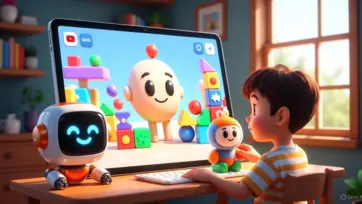
Toddlers are naturally curious, and their early years are critical for building foundational skills like language, numeracy, and color recognition. In today’s digital world, fun learning videos have become one of the most effective ways to engage young children in educational activities. Unlike traditional screen time, carefully selected learning videos help toddlers absorb concepts effortlessly while having fun.

This guide explores the benefits of fun learning videos, what types of content are most effective, and top video recommendations for teaching ABC, numbers, colors, and more. Parents will also find practical tips for choosing videos that are both entertaining and educational.


Why Fun Learning Videos Matter for Toddlers:

Toddlers learn best when learning is interactive, colorful, and playful. Videos specifically designed for this age group combine visuals, music, repetition, and storytelling to help children retain information naturally.

Key benefits include:

  • Language development: Videos introduce new words, sounds, and phonics.

  • Early math skills: Counting, recognizing numbers, and basic problem-solving.

  • Color and shape recognition: Children learn to identify colors, shapes, and patterns.

  • Cognitive growth: Interactive videos promote memory, observation, and reasoning.

  • Emotional engagement: Cheerful characters and music keep toddlers focused.

  • Safe learning environment: Carefully curated content avoids harmful messaging.

The key is that toddlers perceive these videos as fun entertainment, making learning effortless.


Top Fun Learning Video Categories for Toddlers:

Here are the main types of videos that parents should consider for toddlers:

1. ABC and Phonics Videos:

Learning the alphabet is the first step toward language development. Videos focusing on ABCs combine songs, animation, and repetition to reinforce letter recognition and pronunciation.

What toddlers learn:

  • Recognize letters A–Z

  • Correct pronunciation

  • Phonics and letter sounds

  • Vocabulary building with animated characters

Example series:

  • Super Simple ABCs – uses songs and playful characters

  • Alphabet Town Adventures – interactive stories teaching letters through fun scenarios


2. Numbers and Counting Videos:

Counting and early math concepts can be introduced in an engaging, visual way through videos. Animated characters guide toddlers to recognize numbers and practice counting.

Learning benefits:

  • Counting from 1 to 20 (or beyond)

  • Recognizing numeric symbols

  • Basic addition and subtraction concepts

  • Understanding shapes and patterns

Popular videos:

  • Momo’s Math World – combines games and songs to make numbers fun

  • Counting with Funimals – uses animals and visual aids to reinforce learning


3. Colors and Shapes Videos:

Recognizing colors and shapes is a key early development skill. Bright, visually appealing videos can help toddlers identify and remember colors quickly.

Skills covered:

  • Color identification: red, blue, green, yellow, etc.

  • Shape recognition: circle, square, triangle, rectangle

  • Color mixing and pattern recognition

  • Associating objects with colors and shapes

Recommended series:

  • Learn Colors with Lolipop – interactive and music-driven lessons

  • Colorful World Adventures – combines storytelling with color learning


4. Multi-Skill Learning Videos:

Some videos combine ABCs, numbers, colors, and simple problem-solving into all-in-one educational content. These are excellent for toddlers who enjoy variety and multi-sensory learning.

Benefits:

  • Simultaneous development of language, math, and observation skills

  • Promotes curiosity and exploration

  • Keeps toddlers engaged for longer periods

Popular choices:

  • Booba Educational Adventures – fun exploration with basic concepts

  • Super Simple Learning World – songs and rhymes for multiple skills


How to Choose the Right Learning Videos:

Choosing the right videos is crucial to maximize learning while ensuring screen time is healthy and safe.

Key factors to consider:

  1. Age-appropriate content – Avoid videos with complex language or abstract concepts.

  2. Slow-paced visuals – Toddlers learn better when content is not overwhelming.

  3. Repetition – Repeating letters, numbers, and colors helps retention.

  4. Interactive elements – Videos with prompts, songs, and gestures encourage participation.

  5. Positive messaging – Look for videos that promote kindness, sharing, and curiosity.

  6. Safe platforms – Choose trusted sources like YouTube Kids, educational apps, or websites like boobacartoon.com.


Tips to Make Video Learning Effective:

  1. Set a routine: Short, daily learning sessions (10–15 minutes) are more effective than long sessions.

  2. Watch together: Parents watching with toddlers can reinforce concepts and answer questions.

  3. Repeat favorite videos: Repetition strengthens memory and understanding.

  4. Combine with offline activities: Encourage toddlers to trace letters, count objects, or color shapes after watching.

  5. Encourage interaction: Pause videos and ask your child questions to keep them engaged.


Recommended Fun Learning Videos for Toddlers in 2025:

Here’s a curated list of some of the best learning videos for ABC, numbers, and colors:

  1. Super Simple ABCs – Alphabet songs with colorful animation and friendly characters.

  2. Alphabet Town Adventures – Teaches letters through interactive stories and fun scenarios.

  3. Momo’s Math World – Fun counting, addition, and shape games.

  4. Counting with Funimals – Toddlers learn numbers using animals and vibrant visuals.

  5. Learn Colors with Lolipop – Engaging color recognition with music and interactive prompts.

  6. Colorful World Adventures – Teaches colors through objects, shapes, and playful stories.

  7. Booba Educational Adventures – Multi-skill learning: letters, numbers, and basic science concepts.

  8. Super Simple Learning World – Combines ABCs, numbers, colors, and good habits.


Final Thoughts:

Fun learning videos are more than just entertainment—they are powerful educational tools that help toddlers develop language, numeracy, color recognition, and cognitive skills naturally. By choosing the right content, parents can ensure their child learns while playing, laying a strong foundation for future growth.

In 2025, with a wide variety of options available, parents should focus on age-appropriate, engaging, and safe content. Mix ABC, numbers, colors, and multi-skill videos to give your toddler a well-rounded learning experience.

Tip for Parents: Combine screen-based learning with hands-on activities like drawing letters, counting toys, or coloring shapes to reinforce concepts and make learning memorable.

With the right videos and guidance, your toddler’s screen time can become a fun and productive learning adventure.
Advertisement
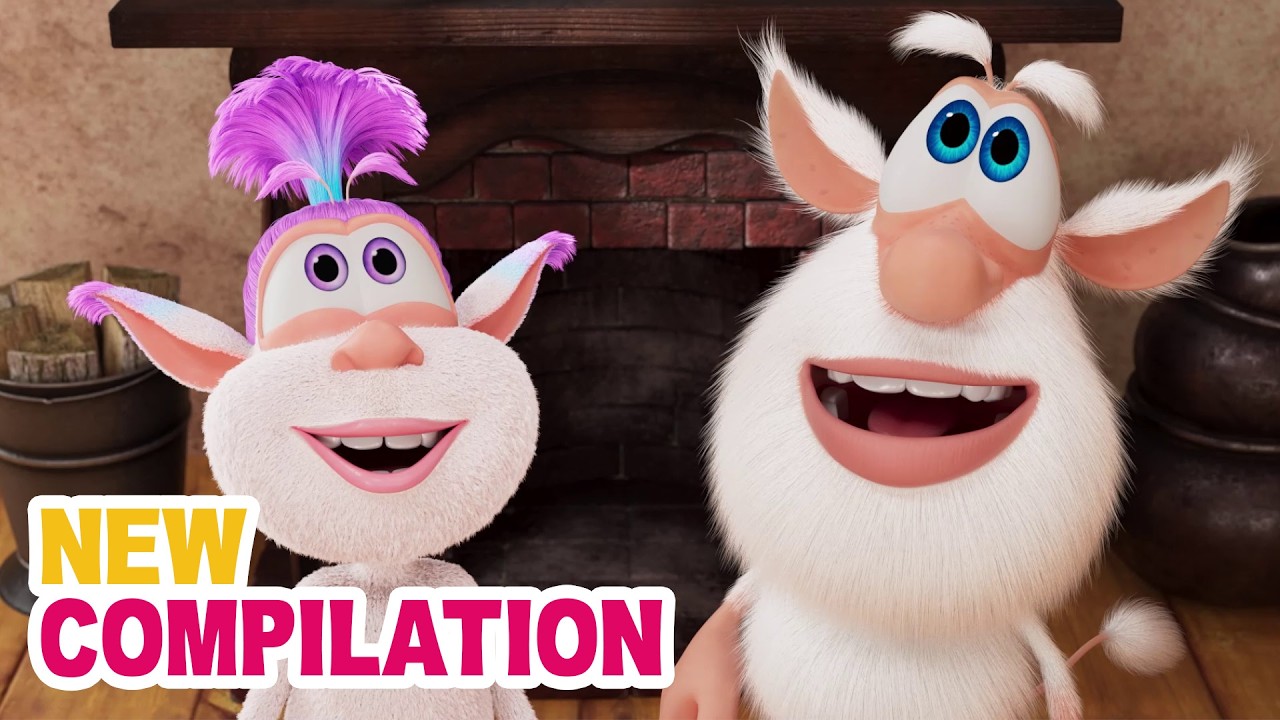
Who Is Booba? Complete Character Guide for Kids
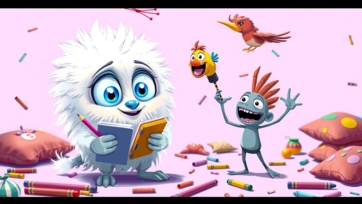
If your child enjoys fun, laughter, and imaginative adventures, chances are they already know Booba—the charming little creature who has taken the internet by storm. Booba is one of the most beloved animated characters for young children, thanks to his expressive face, adorable reactions, and exciting curiosity-filled world. But who exactly is Booba, and why do millions of kids love him so much? In this complete character guide, we explain everything parents and kids need to know about this funny and family-friendly cartoon character. Who Is Booba? Booba is a small, furry, and extremely curious creature who explores the world with child-like wonder. He does not speak words. Instead, he communicates through expressive sounds, funny gestures, and silly reactions. His biggest strength is his ability to turn the most ordinary things—like a lamp, a fridge, or a pair of shoes—into a hilarious adventure. Created by the animation studio 3D Sparrow, Booba first appeared on YouTube and quickly went viral among preschoolers. Today, the show is available on multiple streaming platforms, and Booba is recognized globally as a top children’s entertainment character. What Does Booba Look Like? Booba has a very unique and instantly recognizable appearance: A small white furry body Big blue eyes Pink cheeks A long tail Large ears A tiny backpack in some episodes His design is perfect for kids because it is both friendly and funny. His big expressions and exaggerated reactions make him enjoyable even for toddlers who cannot understand spoken language yet. What Makes Booba Popular Among Kids? Booba’s global popularity comes from several child-friendly qualities: 1. No Dialogue – Universal Entertainment Booba does not speak, which makes the show easy for children from all languages to enjoy. Kids focus on the actions, comedy, and visual storytelling, making it a perfect show for early learners. 2. Safe, Fun, and Educational Without violence, fear, or inappropriate content, Booba is completely safe for young children. The show encourages: Curiosity Exploration Creativity Problem-solving Each episode teaches children how to observe and learn from everyday things. 3. Short and Engaging Episodes Booba episodes are usually 3–5 minutes long, which matches the attention span of preschoolers. The fast-paced humor keeps kids laughing and entertained without overwhelming them. 4. Positive Character Personality Booba always remains cheerful, even when things go wrong. His reactions help children understand: It is okay to make mistakes Learning can be fun Curiosity leads to discovery His positive attitude is one of the main reasons parents trust this show. Booba’s Personality and Traits: Booba’s charm comes from his lovable personality. Some of his key traits include: Curiosity Booba is extremely curious. Whether he finds a toy, a kitchen gadget, or a musical instrument, he wants to explore it completely. This curiosity encourages kids to explore their environment safely. Playfulness He loves to play! Everything becomes a game for him. This playfulness helps kids develop imagination and creativity. Kindness Booba is friendly with everyone he meets, even if they cause trouble. His kindness teaches kids about empathy and good behavior. Bravery He often faces new things without fear. This trait inspires children to be confident and brave in new situations. Funny and Expressive Nature His silly reactions and big facial expressions make kids laugh instantly. Humor is a big part of why Booba is so addictive for children. Supporting Characters in Booba’s World: Booba is not alone in his adventures. Several characters join him and make the episodes more exciting. 1. Loola Loola is an active and energetic girl-like creature who loves to dance and play. She often joins Booba in exploring new places. 2. Googa Googa is the intelligent and inventive character in the Booba universe. He loves gadgets, tools, and creative ideas. 3. Spike Spike is the mischievous hedgehog who sometimes creates problems but always adds humor. 4. Mr. Beak Mr. Beak is a clever parrot who enjoys watching Booba’s silly actions while sometimes offering help. Together, these characters make the show more dynamic and enjoyable for kids. What Age Group Is Booba For? Booba is mainly designed for children aged 2 to 8 years, but toddlers and even older kids enjoy it due to its humor and visual appeal. Many parents say that even they enjoy watching Booba because of the comedy and creativity. Why Parents Approve of Booba Parents appreciate Booba because it: Avoids bad language Does not include violence Encourages positive learning Stimulates imagination Keeps kids engaged without harmful content It is a safe digital entertainment option compared to many noisy or aggressive children’s shows. Where Can Kids Watch Booba? Booba episodes are available on major platforms such as: YouTube Netflix Amazon Prime Booba’s official app (in some regions) This makes the show easy to access anywhere, anytime. Educational Benefits of Watching Booba: Although Booba is mostly a comedy show, it provides many learning opportunities: 1. Understanding Everyday Objects Kids learn how different items work—like a blender, vacuum cleaner, or mirror. 2. Visual Learning Skills Booba uses visual storytelling, which helps children improve observation and comprehension. 3. Social Skills Booba often interacts with friends, teaching kids about: Teamwork Sharing Friendship Cooperation 4. Creative Thinking Since Booba imagines new ways to use common things, children develop creative thinking and problem-solving skills. Booba Toys and Merchandise Booba’s popularity has led to many toys and merchandise for kids, including: Plush toys Storybooks Coloring books Puzzles School supplies These items help children engage with their favorite character in real life. Final Thoughts: Why Kids Love Booba So Much: Booba is more than just a cartoon character—he is a source of joy, creativity, and learning. His curious nature, funny adventures, and expressive personality make him a favorite among children everywhere. Without using any language, Booba communicates universal emotions that every child can understand. For parents searching for safe, educational, and fun entertainment, Booba is one of the best choices available today. His imaginative world encourages kids to explore, laugh, and learn—making him a truly unforgettable character.
Affordable & Thoughtful Gifts Inspired by Gentle Characters
Finding the perfect gift that sparks joy doesn't require a big budget. For fans of gentle, curious characters, the most memorable presents are often those that encourage imagination, creativity, and hands-on play. This 2025 guide highlights charming, affordable gift ideas (mostly under $25) that capture a spirit of playful discovery, making them perfect for birthdays, holidays, or just-because surprises. The Philosophy of a Great Gift: Experience Over "Stuff" : The best gifts often create moments, not just add to a collection. Look for items that are: Interactive: Encourage the child to do something—create, solve, build, or imagine. Open-Ended: Can be used in multiple ways, growing with the child's imagination. Thoughtfully Themed: A subtle nod to the character's traits (curiosity, simplicity, humor) is more impactful than generic branding. Quality Within Budget: Well-made from safe, durable materials that will last. Category 1: The Creative Maker Kit (Under $20) : Gifts that let them build and create their own adventures. DIY "Curiosity" Sock Puppet Kit: Why It's Perfect: This gift is an activity and a toy in one. Include a pair of solid blue socks, pre-cut white felt circles (for eyes), black felt, safe fabric glue, and some extra colorful felt scraps. They can create their own puppet friend and immediately put on a silent, playful show. Budget Tip: Source materials from a dollar store or craft surplus shop. Package it in a clear cellophane bag with a simple "Create Your Friend!" tag. "Mystery Box" Building Set: Why It's Perfect: A collection of open-ended building materials like wooden clothespins, craft sticks, colorful binder clips, and wooden cubes. Pack them in a small, decorated cardboard "treasure box." It’s a kit for inventing wacky structures, fostering the same trial-and-error, inventive engineering the character loves. Budget Tip: Raid the office supply aisle and a craft store's wood section. The presentation in a decorated box makes it special. Window Cling Activity Set: Why It's Perfect: A set of reusable, clear vinyl clings in simple shapes (dots, question marks, light bulbs, gears) and primary colors. Kids can create ever-changing scenes on a window or mirror, exploring patterns and stories with light shining through. It's mess-free, reusable, and encourages visual storytelling. Budget Tip: You can find generic shape sets very affordably online or in craft stores. Category 2: The Everyday Adventure Gear (Under $15) : Useful items that add a dash of playful curiosity to daily routines. Personalized "Explorer" Water Bottle: Why It's Perfect: A simple, stainless steel water bottle can be customized with vinyl stickers featuring playful, curious eyes and a smile. Add their name with vinyl lettering. It promotes healthy habits and gives them a unique, personal item for school or outings. Budget Tip: Use a basic bottle and a small, inexpensive pack of permanent vinyl stickers from a craft cutter shop or online marketplace. "What's Inside?" Journal & Mystery Pen: Why It's Perfect: A simple sketchbook or notebook with a blue cover. On the first page, write a prompt: "This journal is for curious discoveries." Include a pen with a small, interesting topper (like a fuzzy pom-pom or a googly eye). Encourages drawing, observation notes, or collecting "evidence" from adventures. Budget Tip: Decorate a plain notebook with stickers. The special pen is the exciting key. "Discovery" Flashlight & Shadow Puppet Set: Why It's Perfect: A small, durable flashlight paired with printed cardstock cut-outs of simple shapes (an animal, a tree, a question mark). Teach them how to make shadow puppets on the wall. It transforms bedtime or a dark room into a theater of curiosity. Budget Tip: Printable templates are free online. The flashlight is a long-lasting, useful tool. Category 3: The Cozy & Imaginative Play Gift (Under $25) : Gifts for comfort and quiet, imaginative scenarios. "Adventure Awaits" Fort-Building Kit: Why It's Perfect: A bundle containing a large, light blue flat sheet, several spring-clamp curtain clips, and a battery-operated string of fairy lights. This empowers them to build their own secret curiosity cave or reading nook anywhere in the house. The ultimate open-ended play space. Budget Tip: Use a sheet from a discount store and clips from a hardware aisle. The lights make it magical. Storytelling Dice Set: Why It's Perfect: A set of wooden dice with simple pictures engraved or drawn on each face (a key, a door, a monster, a treasure, a surprised face, a light bulb). Roll the dice and invent a story based on the images. This directly channels non-verbal, problem-solving storytelling. Budget Tip: Purchase blank wooden cubes and draw on them with permanent markers, or find affordable pre-made sets online. Character-Inspired Night Light: Why It's Perfect: A simple, plug-in or touch-activated night light in a soft blue hue. You can add removable, silhouette decals of curious eyes or a simple shape to the shade or wall nearby. It provides comforting light and a subtle, friendly presence in their room. Budget Tip: A plain night light is very affordable. Use removable wall decals for the themed touch. The "Priceless" Add-On: The Gift of Experience : Pair any small gift with a hand-written "Coupon Book" for experiences, such as: One "I Wonder..." Walk: A 30-minute walk where you both point out curious things. One Fort Building Session: Where you help them engineer an epic blanket fort. One Silent Movie Night: Watch a short, wordless cartoon together with popcorn. This shows thoughtfulness and creates lasting memories far beyond the object itself. Conclusion: The Gift of Inspired Play : The most meaningful gifts are those that see the child and honor their interests. By choosing affordable, interactive presents that celebrate curiosity, building, and cozy imagination, you're giving more than an item—you're giving permission to play, explore, and see the wonder in the everyday. That is a gift that truly keeps on giving.
Best Moral Stories for Kids with Animation
Learn with Fun in 2025 Teaching children good values and life lessons is a vital part of early education. In today’s digital age, animated moral stories for kids have become one of the most effective ways to teach ethics, empathy, and social skills while keeping learning fun and engaging. Animated moral stories combine colorful visuals, lively characters, and engaging narratives to help children understand right from wrong, develop emotional intelligence, and learn essential life lessons. In 2025, these videos are more popular than ever, offering parents a safe and interactive way to instill values in their children. This guide explores the benefits of animated moral stories, top series and videos for kids, and tips for parents to maximize learning from these stories. Why Moral Stories Matter for Kids in 2025: Stories have always been a powerful educational tool. With animation, stories come to life, making lessons memorable and relatable. Benefits of animated moral stories: Teaches values: Honesty, kindness, sharing, and respect. Emotional intelligence: Helps children understand feelings, empathy, and conflict resolution. Problem-solving skills: Characters face challenges, showing consequences of choices. Language development: Kids learn new words and sentence structures through storytelling. Safe entertainment: Stories are designed with age-appropriate lessons and positive messaging. By turning morals into entertaining narratives, children absorb values naturally without feeling like they are being “taught.” Top Moral Lessons Taught Through Animated Stories: Here are some common and essential moral lessons taught in animated stories for kids: Kindness and EmpathyStories that show characters helping others or showing compassion teach toddlers how to care for friends, family, and animals. Honesty and IntegrityAnimated tales about telling the truth help children understand why honesty matters and the consequences of lying. Sharing and CooperationThrough teamwork or sharing experiences, kids learn how to play and work well with others. Courage and ResilienceCharacters overcoming fears or challenges inspire children to face difficulties bravely. Respect and Good MannersStories highlight respecting elders, peers, and rules, reinforcing positive social behavior. Responsibility and Self-disciplineAnimated moral stories show children the importance of taking responsibility for actions and forming good habits. Top Animated Moral Story Series for Kids in 2025: 1. The Kindness Club: One of the most popular series in 2025, The Kindness Club teaches empathy, friendship, and sharing through playful characters and interactive stories. Why it’s popular: Engaging and relatable storylines Soft, colorful animation that appeals to toddlers Promotes emotional intelligence and social skills 2. Moral Tales with Booba: Booba’s curiosity-driven adventures are now infused with moral lessons. Children learn safety, honesty, and helping others while watching Booba explore the world. Benefits: Non-verbal and easy to understand for all languages Encourages observation and critical thinking Suitable for toddlers and preschoolers 3. ABC & Friends Life Lessons: Combining alphabet learning with moral lessons, this series uses fun stories and characters to teach values along with ABCs. Highlights: Teaches honesty, kindness, and cooperation Reinforces language skills Colorful, interactive visuals for toddlers 4. Super Simple Stories: Life Lessons: Super Simple Stories combines songs, rhymes, and animations to convey morals in a fun way. What kids learn: Sharing and caring Respect and empathy Following rules and helping friends 5. Little Hero Adventures: Animated mini-stories where small characters face challenges and learn courage, responsibility, and resilience. Key themes: Problem-solving and decision-making Bravery in small daily tasks Understanding consequences 6. Animal Tales for Kids: Stories featuring animals teach moral lessons in an entertaining way, often making values easier for children to understand. Learning benefits: Sharing and friendship through animal adventures Respect for nature and animals Promotes teamwork and kindness How to Choose the Right Animated Moral Stories: When selecting moral story videos for kids, parents should consider: Age-appropriate content – Stories should match your child’s understanding. Positive messaging – Avoid content with negative stereotypes or violence. Engaging visuals – Bright colors and fun characters hold attention. Short duration – Toddlers learn better from 5–10 minute videos. Interactive elements – Songs, rhymes, and prompts encourage participation. Trusted sources – Use safe platforms like YouTube Kids or educational websites such as boobacartoon.com. Tips for Maximizing Learning with Moral Stories: Watch together – Parents can reinforce the lessons and answer questions. Discuss the story – Ask your child “What would you do?” to encourage critical thinking. Repeat favorites – Repetition strengthens understanding and retention. Combine with real-life practice – Encourage children to act on lessons like sharing or helping. Mix with other learning videos – Pair moral stories with ABC, numbers, or colors for a well-rounded early education. Recommended Moral Stories for Kids in 2025: The Kindness Club – Empathy, sharing, and friendship Moral Tales with Booba – Safety, honesty, and helpfulness ABC & Friends Life Lessons – Values combined with alphabet learning Super Simple Stories: Life Lessons – Songs, rhymes, and morals Little Hero Adventures – Courage, resilience, and responsibility Animal Tales for Kids – Friendship, teamwork, and respect for animals These series are safe, engaging, and educational, making moral lessons fun and memorable for toddlers and preschoolers. Final Thoughts: Animated moral stories are more than just entertaining videos—they are powerful tools for teaching values, empathy, and social skills. By choosing the right series, parents can help their children develop emotional intelligence, good habits, and decision-making skills while enjoying bright and playful animations. In 2025, with a wide variety of animated moral stories available, parents have endless options to make screen time educational and enriching. Mix and match stories, discuss lessons, and encourage real-life practice to give your child a strong foundation for ethical and emotional development. Tip for Parents:  Encourage children to retell the stories in their own words—this reinforces memory, comprehension, and moral understanding.
Best Booba Toys for Kids: The Ultimate 2025 Play Guide
Beloved for his cheerful simplicity and playful curiosity, Booba has captured the hearts of children worldwide. The right Booba toy can extend that fun from the screen into the physical world, encouraging creativity, motor skills, and imaginative play. This 2025 guide cuts through the clutter to recommend the best Booba toys that are safe, engaging, and developmentally valuable, ensuring your child’s playtime is filled with joyful exploration. Understanding the "Booba" Play Value : When choosing a Booba toy, look for items that embody his core traits: curiosity, non-verbal problem-solving, tactile discovery, and joyful mischief. The best toys will encourage open-ended play, not just replication of screen moments. Disclaimer: This is an independent guide. Always verify safety certifications (CE, ASTM) and age recommendations before purchase. Category 1: For Tactile Explorers & Young Fans (Ages 1.5-3) : These toys focus on sensory input, durability, and basic cause-and-effect, perfect for toddlers sharing Booba's discovery phase. Booba Plush Toy with Textured Elements: Why It's a Top Pick: A soft, huggable plush is a must-have. The best versions include different fabrics on his ears, feet, or belly for tactile exploration, and are machine-washable. It provides comfort and a first friend for role-play. What to Look For: Seam integrity, embroidered (not plastic) eyes for safety, and hypoallergenic filling. Booba Shape Sorter Discovery Cube: Why It's a Top Pick: This directly translates Booba's curiosity into a foundational learning toy. A cube with Booba's face features holes for chunky, themed shapes (like his favorite donut or light bulb). It develops fine motor skills, spatial reasoning, and problem-solving. What to Look For: Large, easy-to-grip shapes made of durable, BPA-free plastic. Smooth edges and a storage bag for the shapes. "Booba's Kitchen Surprise" Push & Go Toy: Why It's a Top Pick: A chunky, durable toy car or figure that wobbles or makes a gentle rattling sound when pushed. It encourages crawling/chasing and satisfies a toddler's desire to make things happen, just like Booba does. What to Look For: A sturdy, tip-resistant design with wheels that roll smoothly and no detachable small parts. Category 2: For Imaginative Storytellers (Ages 3-6) : This age group is ready to act out full Booba adventures. Toys should encourage narrative building and creative expression. Booba's Curiosity House Play Set: Why It's a Top Pick: A detailed, interactive playset based on Booba's home is the centerpiece of imaginative play. The best sets include opening doors, clickable lights, a sliding chair, and accessories like his iconic lamp, fridge, and teapot. It lets kids recreate and invent their own silent stories. What to Look For: Sets with multiple interactive features and several accessories. Durability is key—ensure hinges and moving parts are robust. Booba & Friends Figurine Collection: Why It's a Top Pick: A set of sturdy, poseable figurines including Booba, Jelly, and other characters allows for dynamic storytelling. They can be used with the playset, taken on "adventures" around the house, or incorporated into other playscapes. What to Look For: Good articulation (arms/legs that move), paint that won't chip easily, and a scale that works with other playsets. Booba Dress-Up Kit (Ears & Gloves): Why It's a Top Pick: Simple, high-quality felt ears on a headband and fluffy white gloves instantly transform a child into Booba. This prop is fantastic for physical comedy, mimicking Booba's expressions, and sparking active, character-driven play. What to Look For: A comfortable, adjustable headband. Gloves should allow for finger movement and be made of breathable material. Category 3: For Creative Builders & Problem-Solvers (Ages 5-8) : For older fans, toys that channel Booba's inventive and often unconventional problem-solving are ideal. Booba's Wacky Workshop Building Set: Why It's a Top Pick: A construction set featuring Booba's unique aesthetic—crazy angles, odd connectors, and vibrant colors. It challenges kids to build unstable-looking yet functional structures, just like Booba would, fostering engineering thinking and creativity beyond standard blocks. What to Look For: Compatibility with major block brands for expanded play, and an idea booklet with "challenges" (e.g., "Build a tower that can hold Booba's donut"). "Booba's Silly Reactions" Science Kit: Why It's a Top Pick: A themed science kit exploring simple, visually dramatic reactions like foaming "volcanoes" (donut glaze explosion!), color mixing, or magnet tricks. It perfectly captures Booba's cause-and-effect mischief in an educational framework. What to Look For: Kits that use safe, household ingredients and include clear, picture-based instructions. Emphasis on the "wow" factor. Booba Digital Drawing Tablet with Stencils: Why It's a Top Pick: A pressure-free, mess-free way to create Booba art. A kid's drawing tablet with pre-loaded Booba stencils or stamps lets them design their own scenes, encouraging digital creativity in a focused way. What to Look For: A tablet with a color screen, a sturdy stylus, and a "learn to draw Booba" function. The "Best of the Best" All-Around Winner (Ages 3-6) : Booba's Curiosity House Play Set with Figurines.This combination offers the highest return on play value. The environment (house) and the characters (figurines) together provide endless fuel for narrative, problem-solving, and social-emotional play, perfectly capturing the spirit of the show for the core age group. Tips for Integrating Booba Toys into Healthy Play : Pair with Screen Time: Watch a short episode, then use the toys to act out what you saw or invent a new ending. Encourage "Silent Play": Challenge your child to tell a story using only Booba's gestures and sounds, boosting non-verbal communication skills. Mix with Other Toys: Let Booba visit the toy castle or the car garage. Cross-play sparks incredible creativity. Balance with Other Activities: After a Booba play session, channel that energy into a real-world "discovery mission" outdoors, perhaps with gear from kidtoys.site, or follow up with a different style of creative story from boobacartoon.com. Conclusion: Play with Curiosity & Joy : The best Booba toys for 2025 aren't just merchandise; they are tools that extend the show’s positive themes of curiosity and joyful discovery into your child's hands. By choosing toys that prioritize open-ended play, durability, and creative thinking, you’re investing in playthings that will grow with your child’s imagination. Remember, the true magic happens not in the toy itself, but in how your child uses it to explore their world—with the same wide-eyed wonder as their favorite furry friend.
Why Cartoons Are Important for Childhood Development: A 2025 Perspective
In an era dominated by debates over screen time, it's easy to overlook a fundamental truth: high-quality cartoons are not merely digital babysitters. When chosen intentionally, they are a vibrant, dynamic tool that can significantly contribute to a child's cognitive, social, and emotional growth. This 2025 guide moves beyond the screen-time clock to explore the multifaceted developmental benefits of thoughtful cartoon viewing. Beyond Entertainment: Cartoons as a Developmental Tool : Modern, well-crafted cartoons are designed by teams of artists, writers, and often child development experts. They are complex narratives that do far more than fill time; they provide a shared cultural language and a safe space to explore big ideas. 1. Cognitive & Language Development: Building a Smarter Brain : Cartoons can actively stimulate young minds in powerful ways. Vocabulary Expansion: Children's programming often introduces a richer vocabulary than everyday conversation. Narratives expose them to new words, concepts (like "gravity," "habitat," "emerge"), and linguistic structures in a memorable, contextualized way. Foundation for Literacy: The sequence of events in a plot teaches story structure—beginning, middle, end, cause and effect. This is a direct precursor to reading comprehension. Shows with on-screen text or wordplay reinforce letter and sound recognition. Executive Function: Many cartoons pose problems that characters must solve. Watching them model planning, perseverance, and flexible thinking ("That didn't work, try something else!") helps children internalize these critical cognitive skills. Cultural & General Knowledge: Cartoons can be a child's first window into history, geography, science, and different cultures, making learning visceral and engaging. 2. Social & Emotional Learning (SEL): The School of Feelings : Cartoons provide a "social simulator" where children can safely observe and process complex interpersonal dynamics. Empathy & Perspective-Taking: By identifying with characters, children learn to recognize and label emotions—not just their own, but those of others. They see the consequences of kindness, sharing, and hurtful actions in a low-stakes environment. Navigating Social Scenarios: Storylines often revolve around friendship conflicts, teamwork, jealousy, and reconciliation. Children absorb scripts for social problem-solving they can apply in their own lives. Resilience & Coping: Characters face fears, make mistakes, and experience disappointment. Seeing them cope in healthy ways provides models for emotional regulation and resilience. Representation & Identity: Seeing characters who look like them or share their experiences validates a child's own identity. Seeing diverse characters builds understanding and inclusivity from a young age. 3. Creativity & Imaginative Play: Fuel for the Inner World : The vibrant, rule-bending worlds of animation are potent fuel for a child's imagination. Spark for Pretend Play: Cartoons provide characters, scenarios, and worlds that children eagerly recreate in their own play, building narratives, dialogue, and problem-solving in real-time. Visual Creativity: The unique art styles of different cartoons expand a child's visual library and can inspire their own drawing, building, and creative expression. "What If" Thinking: Animated worlds often operate on different logic, encouraging divergent thinking and the exploration of possibilities beyond the real world. 4. The Family Connection: A Shared Cultural Experience : Cartoons create common ground for connection and conversation. Co-Viewing as Bonding: Watching together is shared joy. It's an opportunity to laugh, gasp, and experience a story as a team. Springboard for Big Talks: A character's dilemma can be the perfect, non-threatening entry point to discuss real-life issues like bullying, honesty, or frustration. Parents can ask, "What would you have done?" Building Family Lore: Favorite shows, quotes, and characters become part of a family's shared language and inside jokes, strengthening bonds. The Critical Caveat: Not All Cartoons Are Created Equal : These benefits are contingent on quality, age-appropriateness, and context. The Quality Spectrum: A slow-paced, character-driven show about cooperation is neurologically different from a hyper-fast, violent comedy clip. Seek out animation that prioritizes story and character. The Co-Viewing Factor: The benefits are magnified exponentially when an adult is present to discuss, explain, and connect the on-screen events to the child's world. This "mediated viewing" transforms passive consumption into active learning. Balance is Non-Negotiable: Cartoons should be a part of a rich developmental diet that includes physical play, real-world exploration, reading, and unstructured downtime. Choosing Developmentally Positive Cartoons in 2025: A Quick Guide : For Toddlers (2-4): Look for slow pacing, simple narratives, and gentle humor. Focus on shows that label emotions and objects clearly. For Preschoolers (4-6): Seek out shows that model social problem-solving, empathy, and curiosity. Slightly more complex plots are appropriate. For School-Age (6-10): Cartoons can explore more complex themes of friendship, ethics, and persistence. This is a great age for shows that introduce STEM concepts or historical events in an engaging way. Conclusion: Intentional Viewing as a Parenting Strategy : The question in 2025 is not "Should my child watch cartoons?" but "How can we make this screen time meaningful?" By moving from seeing cartoons as mere entertainment to recognizing them as a potential catalyst for discussion, learning, and connection, we reclaim their value. A well-chosen cartoon, watched together and talked about afterward, is not a developmental compromise—it can be a legitimate and valuable tool in the modern parenting toolkit, nurturing a child's mind and heart in equal measure.
Booba Crafts for Preschoolers
Booba is a playful, curious, and visually engaging character that sparks creativity and imagination in young children. For preschoolers, crafting activities inspired by Booba are not only fun but also educational, promoting fine motor skills, creativity, and problem-solving. In this guide, we explore easy and engaging Booba crafts for preschoolers, designed for children aged 3–5, suitable for home, preschool classrooms, or daycare centers. Why Booba Crafts Are Perfect for Preschoolers: Visual Engagement: Booba’s expressive eyes, fluffy body, and exaggerated actions captivate young children. Simple Designs: Easy shapes and bold outlines are ideal for preschool-level crafts. Hands-On Learning: Cutting, gluing, and coloring enhance fine motor development. Imaginative Play: Crafting Booba characters allows role-play and storytelling. Top Booba Craft Ideas for Preschoolers: 1. Booba Paper Mask Materials: Printable Booba template, cardstock, crayons, child-safe scissors, elastic string Activity: Color, cut, and assemble a Booba mask Learning: Enhances motor skills, creativity, and role-play 2. Booba Hand Puppets Materials: Paper bags, markers, glue, colored paper Activity: Decorate bags to create Booba puppets Learning: Encourages storytelling, imaginative play, and social interaction 3. Booba Coloring Sheets Materials: Printable coloring pages, crayons, colored pencils Activity: Color Booba in different scenes Learning: Improves hand-eye coordination, color recognition, and focus 4. Booba Balloon Art Materials: Balloons, markers, colored paper Activity: Draw Booba faces on balloons Learning: Enhances creativity and visual expression 5. Booba Paper Plate Craft Materials: Paper plates, glue, colored paper, crayons Activity: Make Booba’s face on a plate Learning: Teaches shapes, textures, and spatial awareness 6. Booba Collage Materials: Scrap paper, magazines, glue, markers Activity: Cut and paste shapes to recreate Booba’s adventures Learning: Boosts creativity, observation, and fine motor skills 7. Booba Finger Puppets Materials: Felt, glue, markers Activity: Create small Booba finger puppets for storytelling Learning: Encourages role-playing, storytelling, and hand dexterity 8. Booba Origami Materials: Colored paper Activity: Fold paper to make Booba or related objects Learning: Enhances spatial reasoning, sequencing, and fine motor skills 9. Booba Craft Stick Characters Materials: Popsicle sticks, markers, glue, colored paper Activity: Make Booba and friends on sticks for imaginative play Learning: Promotes creative thinking and storytelling 10. Booba Sensory Bottles Materials: Clear plastic bottles, glitter, small Booba figures, water Activity: Fill bottles with water and decorations for visual play Learning: Encourages focus, sensory exploration, and calm play Educational Benefits of Booba Crafts: Fine Motor Skills: Cutting, coloring, and gluing improve hand strength and coordination. Creativity & Imagination: Children interpret Booba’s adventures in their own way. Cognitive Development: Planning craft steps encourages problem-solving and sequencing. Social Skills: Craft activities in groups teach sharing, cooperation, and communication. Emotional Expression: Recreating Booba’s expressions helps children explore feelings. Tips for Parents and Educators: Supervise cutting and gluing activities for safety. Encourage children to narrate stories while crafting. Rotate crafts for variety: masks, puppets, and coloring activities. Display finished crafts to boost confidence and motivation. Use Booba episodes as inspiration to connect crafts with storytelling. Final Thoughts: Booba crafts are a perfect combination of fun and education for preschoolers. Through hands-on activities like masks, puppets, coloring, and collages, children develop fine motor skills, creativity, imagination, and social abilities. Integrating Booba-inspired crafts into playtime or preschool activities ensures that learning and fun happen simultaneously.
Top 20 Fun Facts About Cartoons Kids Will Enjoy
Get ready for a behind-the-scenes peek into the colorful, wacky, and amazing world of cartoons! These fun facts will make you see your favorite shows in a whole new way. 1. The First Cartoon Star Was a Dinosaur : Before Mickey Mouse, there was Gertie! Gertie the Dinosaur, made in 1914, was one of the very first cartoon characters with a real personality. She could listen to commands and even cried when scolded! 2. Cartoon Characters Often Have 4 Fingers : Look at the hands of Mickey Mouse, Homer Simpson, or SpongeBob SquarePants. Many are drawn with only four fingers (three fingers and a thumb). It’s a tradition from old animation because it’s faster to draw and looks just as good on screen! 3. Some Cartoons Are Made from Thousands of Drawings : A one-minute scene in a hand-drawn cartoon can need over 1,400 separate drawings! That’s why big teams of artists work together to bring your favorite half-hour show to life. 4. Voice Actors Often Record Alone : You might think the actors who play best friends in a cartoon record together, but they usually record their lines alone in a sound booth, talking to a microphone. Later, editors mix their voices to make it sound like a conversation! 5. Cartoon Food is Often Made of Plastic or Glue : In stop-motion cartoons (like Wallace & Gromit), real food would wilt and look bad under hot lights. So, chefs and artists make fake food from colored glue, cotton balls, or plastic that looks delicious on camera. 6. Bugs Bunny’s Famous Line Was a Mistake : When Bugs Bunny first said, “What’s up, Doc?” in 1940, the animator just put in a silly line. It was so funny that it became his catchphrase forever! 7. SpongeBob’s Laugh is a Real Sea Creature : That iconic, silly laugh of SpongeBob SquarePants? The sound editor, Tom Kenny (who also voices SpongeBob), actually made that sound by recording a dolphin's chatter and then editing it to sound even goofier! 8. Many Cartoon Towns Are Based on Real Places : The town in Scooby-Doo looks a lot like a California beach city. The Simpsons’ Springfield is a mix of many small American towns. Animators often use real places for inspiration. 9. “Steamboat Willie” Wasn’t Mickey’s First Cartoon : Steamboat Willie (1928) is famous as Mickey Mouse’s debut, but two other Mickey cartoons were made first. Steamboat Willie was just the first one released to the public because it had synchronized sound, which was brand new and exciting! 10. Cartoon Characters Blink Slowly on Purpose : Animators make characters blink slowly and less often than real people. Why? Because blinking too much can make a character look nervous or shifty. A slow blink makes them seem more friendly and relatable. 11. Some Cartoons Use “Smear Frames” for Speed : When a character runs super fast, animators sometimes add a single, crazy-looking stretched-out drawing called a “smear frame.” You barely see it, but it tricks your brain into feeling the speed! 12. Winnie the Pooh’s Red Shirt Has a Funny Reason : In the original books, Winnie the Pooh was naked! He got his famous red shirt when he was animated because the filmmakers thought a completely naked bear might look odd on screen. 13. Cartoon Sound Effects Come from Weird Places : That “boing” sound of a spring? It’s often a real metal slinky. The sound of a sword being pulled out? It’s actually two metal plates being rubbed together in a studio. Sound artists are very creative! 14. The First Full-Color Cartoon Was About Flowers : Flowers and Trees, made by Disney in 1932, was the first cartoon in full Technicolor. It won the very first Academy Award for Best Cartoon! 15. Cartoon Dogs Often Have the Same Voice Actor : A man named Frank Welker has voiced hundreds of cartoon animals! He’s the voice of Scooby-Doo’s laugh and bark, Fred Jones’s dog in Scooby-Doo, Abu in Aladdin, and Curious George. He’s a master of funny animal sounds! 16. Animators Study Real-Life Movements : To make cartoon movements look real (even in silly ways), animators often watch videos of people and animals or even act out scenes themselves in front of a mirror. It’s part of their homework! 17. Some Cartoons Are Controlled by Math : In computer animation, things like how hair blows in the wind, how water splashes, or how a crowd moves are often created using special math formulas and physics simulations inside the computer. It’s like a super-smart video game engine! 18. The Longest-Running Cartoon is… : The Simpsons! It first started in 1989 and is still making new episodes. It holds the world record for the longest-running primetime animated TV show. 19. Early Cartoons Were Shown in Movie Theaters : Before TV, people went to the movie theater to watch the news, a main movie, AND a brand-new cartoon short! Cartoons like Tom and Jerry and Looney Tunes were made for the big screen. 20. You Can See Hidden Animators in Cartoons : Sometimes animators sneak their own names, or even drawings of themselves, into the background of a scene as a fun Easter egg. Next time you watch, look carefully at signs in the background or crowd scenes! Conclusion: A World of Wonder and Hard Work : Cartoons are a magical mix of silly ideas, amazing art, clever technology, and a whole lot of hard work. Every frame, sound effect, and funny line is made with love by teams of creative people who want to make you smile. So the next time you watch, remember—you’re not just being entertained, you’re seeing a masterpiece of imagination in motion!
Best Educational Cartoons for Young Children
Educational cartoons are an excellent way to combine learning and entertainment for young children. With colorful visuals, playful characters, and fun storylines, these shows can teach essential skills like numbers, letters, social behavior, and problem-solving. This guide highlights the best educational cartoons for young children aged 2–7 and explains why they are effective for learning. Why Educational Cartoons Are Important: Engaging Learning: Kids are more attentive when learning is paired with fun, humor, and music. Visual and Auditory Learning: Cartoons help children understand concepts through visuals, dialogue, and songs. Social and Emotional Skills: Episodes teach sharing, empathy, teamwork, and conflict resolution. Creativity and Imagination: Fun scenarios encourage storytelling, drawing, and role-play. Top Educational Cartoons for Young Children: 1. Little Learners Club Focuses on basic numbers, colors, and letters. Fun songs and repetition help memory retention. 2. Curious Critters Features playful characters exploring the world. Encourages observation, curiosity, and problem-solving. 3. Tiny Tales Academy Short, colorful stories teach social skills, emotions, and friendship. Great for toddlers and preschoolers. 4. Fuzzy Friends Adventures Combines humor, storytelling, and basic educational concepts. Teaches teamwork, creativity, and life skills. 5. Happy Helpers Characters engage in tasks that promote responsibility and empathy. Perfect for role-playing and real-life skill learning. 6. Giggle Garden Learning Outdoor adventures that highlight nature, science, and exploration. Encourages hands-on observation and imaginative play. How to Make the Most of Educational Cartoons: Watch Together: Discuss episodes to reinforce lessons and understanding. Encourage Storytelling: Ask children to retell or extend the story. Use Related Activities: Crafts, drawing, or mini experiments enhance learning. Set Screen Time Limits: Balance viewing with physical play, reading, and family activities. Praise Engagement: Encourage curiosity, questions, and creativity inspired by the shows. Benefits of Educational Cartoons: Cognitive Development: Improves counting, letters, memory, and problem-solving. Social and Emotional Skills: Promotes empathy, sharing, and teamwork. Creativity and Imagination: Inspires art, role-play, and storytelling. Language Skills: Expands vocabulary and improves sentence formation. Fun Learning: Makes education enjoyable and memorable for young children. Final Thoughts: Educational cartoons are a valuable tool for early childhood learning. By selecting shows with engaging characters, colorful visuals, and educational content, parents can boost cognitive, social, and emotional development while keeping learning fun and interactive.