Top Dairy Products for Kids’ Growth and Immunity | Beyond Just a Glass of Milk

Top Dairy Products for Kids’ Growth and Immunity

Dairy products are a cornerstone of children’s nutrition. From infancy to adolescence, milk, yoghurt, cheese, and paneer provide a combination of high-quality protein, calcium, vitamins, and healthy fats that support bone development, muscle growth, immunity, energy, and cognitive function. For children in Pakistan, where dietary gaps often lead to calcium and protein deficiencies, including dairy in daily meals is essential for healthy growth.

While many foods contribute to a child’s diet, dairy is unique because it offers multiple nutrients in a single natural source. Regular consumption ensures that children grow stronger physically, remain active, and maintain better immunity, particularly during periods of rapid growth or increased physical activity.

  1. Milk — The Foundation of Strong Bones and Growth

Milk is naturally rich in calcium, protein, vitamin D, phosphorus, potassium, and vitamin B12, making it ideal for children’s growth. Calcium and vitamin D are critical for bone strength and teeth formation, while protein supports muscle growth and tissue repair.

In Pakistan, studies indicate that a large number of children do not get enough calcium, which increases the risk of weak bones, dental issues, and slower growth. Fortified milk, available in many local markets, enhances calcium absorption and provides vitamin D, which is often deficient due to limited sun exposure or dietary gaps.

Practical Serving Tips:

  • Serve a glass of milk with breakfast cereals or oatmeal.
  • Blend milk with seasonal fruits like mango, banana, or papaya for a smoothie.
  • Use milk in cooking soups, sauces, or desserts to naturally increase nutrient intake.

Health Benefits:
Regular milk consumption supports height and weight gain, strong teeth, and overall skeletal development, while also providing energy for active children.

  1. Yoghurt — Probiotics for Digestion and Immunity

Yoghurt is fermented milk, rich in probiotics, calcium, protein, and vitamins, making it a perfect snack for children. Probiotics help maintain healthy gut bacteria, improve digestion, and enhance nutrient absorption, which is essential for growth.

In addition, yoghurt provides calcium and protein in an easily digestible form, suitable even for children with mild lactose sensitivity. The probiotics in yoghurt strengthen the immune system, reducing the frequency of colds, infections, and stomach upsets.

Practical Serving Tips:

  • Serve plain yoghurt with chopped fruits like berries, banana, or mango.
  • Make yoghurt smoothies with milk and fruit for a nutrient-packed drink.
  • Include yoghurt in breakfast bowls with oats or granola for a balanced meal.

Health Benefits:
Yoghurt supports healthy digestion, strong immunity, and sustained energy, making it an ideal daily addition for children.

  1. Cheese — Calcium and Protein in a Tasty Form

Cheese is a concentrated source of calcium, phosphorus, protein, and vitamins like vitamin A. Calcium and phosphorus work together to strengthen bones and teeth, while protein aids in muscle growth and tissue repair. Vitamin A in cheese supports vision, skin health, and immunity.

Cheese is also convenient and versatile, making it a practical way to increase dairy intake. Its taste appeals to children, so it is often easier to include than plain milk or yoghurt.

Practical Serving Tips:

  • Serve cheese slices or cubes as a snack.
  • Sprinkle grated cheese on pasta, vegetables, or casseroles.
  • Include cheese in sandwiches, wraps, or omelettes for added nutrients.

Health Benefits:
Regular cheese consumption promotes bone density, muscle development, and overall energy, supporting active growth in children.

  1. Paneer (Cottage Cheese) — A Vegetarian Powerhouse

Paneer is rich in high-quality protein, calcium, and phosphorus, making it ideal for vegetarian children who may not get enough protein from other sources. Paneer supports muscle development, bone growth, and satiety, and is extremely versatile in cooking.

Paneer can be easily incorporated into curries, sandwiches, wraps, and snacks, providing a nutrient-dense food option that children enjoy.

Practical Serving Tips:

  • Serve grilled or lightly pan-fried cubes as a snack.
  • Mix paneer into curries with vegetables for a balanced meal.
  • Mash paneer with fruits like banana for a quick snack or smoothie.

Health Benefits:
Paneer supports sustained energy, bone development, and healthy weight gain, making it an important part of daily nutrition.

  1. Dairy for Brain Development

Dairy products are rich in proteins, healthy fats, and micronutrients that support cognitive development, memory, and learning ability. Omega-3-enriched milk or full-fat dairy enhances brain function, particularly in school-age children.

Children who consume dairy regularly show improved focus, memory, and attention span, which translates to better academic performance and problem-solving skills.

Practical Tips:

  • Serve a glass of milk with breakfast for brain-boosting energy.
  • Blend milk or yoghurt with fruits and oats for a nutrient-rich smoothie.
  • Include dairy-based snacks like cheese cubes or yoghurt parfaits during school breaks.

Health Benefits:
Dairy intake promotes mental alertness, concentration, and overall cognitive development, supporting active learning in children.

  1. Dairy for Immunity

Milk, yoghurt, cheese, and paneer contain vitamins A, D, B12, zinc, and protein, which collectively strengthen the immune system. Children with strong immunity have fewer infections, faster recovery, and better overall health.

Combining dairy with vitamin C-rich fruits in smoothies further boosts immunity, making children more resilient during school and playtime.

Practical Tips:

  • Offer milk or yoghurt with fruits like oranges, kiwi, or berries.
  • Include dairy in snacks, breakfast, and dinner for a continuous nutrient supply.
  • Use fortified dairy products for added immune benefits.

Health Benefits:
Regular dairy consumption ensures robust immunity, fewer illnesses, and enhanced recovery, keeping children active and healthy.

  1. Energy and Active Growth

Lactose, the natural sugar in dairy, along with proteins and fats, provides sustained energy for children. Whether at school, during outdoor play, or sports activities, dairy gives steady energy without causing sugar spikes, unlike packaged drinks.

Practical Tips:

  • Serve milk before or after school to maintain energy levels.
  • Blend milk with fruits and oats for an energy-packed smoothie.
  • Include cheese or paneer in meals for slow-release energy.

Health Benefits:
Dairy provides stable energy, supports growth, and fuels physical activity, ensuring children remain active and strong throughout the day.

  1. Tips for Including Dairy in a Daily Diet
  2. Daily Intake: Children aged 4–8 require 2–3 servings of dairy daily; older children may need 3–4 servings.
  3. Variety: Include milk, yoghurt, cheese, and paneer to diversify nutrients.
  4. Fortified Options: Vitamin D or omega-3-fortified dairy enhances bone, brain, and immunity support.
  5. Avoid Added Sugar: Use natural sweetness from fruits instead of sugary milk or yoghurt.
  6. Meal Integration: Incorporate dairy into breakfast, snacks, and cooking for convenience and consistent intake.

Conclusion

Dairy products are essential for children’s growth, immunity, brain development, and energy. Milk, yoghurt, cheese, and paneer provide high-quality proteins, calcium, vitamins, minerals, and healthy fats that are crucial for strong bones, teeth, muscles, immunity, and cognitive development.

Parents should prioritise fresh, fortified, and naturally served dairy, integrating it creatively into meals and snacks. Whether served as milk, smoothies, yoghurt, cheese, or paneer, dairy remains a daily growth booster for children.

With regular consumption, children can achieve optimal growth, robust immunity, enhanced mental development, and sustained energy, creating a strong foundation for a healthy, active, and happy childhood.


Advertisement
Best Kids Safety Cartoon in 2025
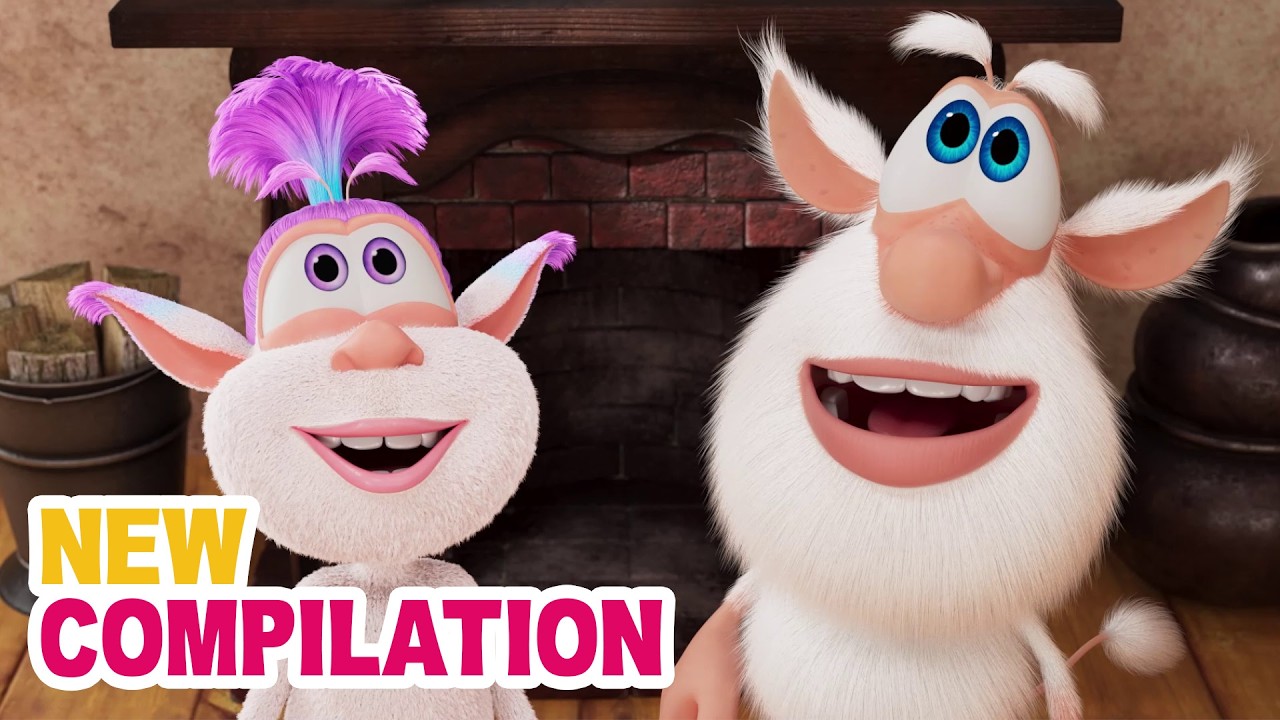
Keeping children safe is a top priority for every parent. In 2025, kids safety cartoon videos have become an effective way to teach toddlers and preschoolers home safety, road safety, and general precautions in a fun, engaging, and memorable way. Animated safety videos use colorful visuals, relatable characters, and storytelling to convey important lessons without being scary or overwhelming. This guide explores the benefits of safety cartoons, top series for children in 2025, and tips for parents to reinforce learning. Why Safety Cartoon Videos Are Important: Young children are naturally curious, which can put them at risk if they do not understand basic safety rules. Safety cartoons help by: Teaching essential safety skills: Home safety, road safety, and stranger awareness. Providing visual examples: Demonstrates safe behavior step by step. Promoting memory and recall: Repetition and catchy songs make rules easy to remember. Encouraging discussion: Parents and children can talk about what was learned. Making learning fun: Children perceive lessons as entertaining, not boring. Animated characters model correct behaviors, helping toddlers imitate and internalize safety habits naturally. Key Safety Lessons in Kids Cartoon Videos: 1. Home Safety: Avoid touching sharp objects, hot surfaces, or electrical outlets. Keep small objects away from toddlers to prevent choking. Demonstrate safe ways to climb stairs, use furniture, and play indoors. 2. Road Safety: Look both ways before crossing the street. Always hold an adult’s hand near traffic. Wear helmets while riding bikes or scooters. Follow traffic lights and pedestrian rules. 3. Stranger Awareness: Teach children not to go with strangers. Explain safe ways to seek help when lost. 4. Emergency Awareness: How to call for help (parents, guardians, emergency numbers). Stay calm and wait in a safe spot during emergencies. Top Kids Safety Cartoon Series in 2025: 1. Safety with Zoya: Zoya is a cheerful character who teaches home and road safety in an entertaining way. Highlights: Animated songs and repetition reinforce learning. Demonstrates safety routines through fun storytelling. Ideal for toddlers and preschoolers aged 3–7. 2. Booba Safety Adventures: Booba’s curiosity leads to situations where children learn safety rules through observation. Benefits: Non-verbal storytelling suitable for all languages. Engages children in identifying safe and unsafe actions. Perfect for young learners exploring their environment. 3. Super Simple Safety Songs: Combines nursery rhymes with safety lessons. Learning focus: Road safety songs like “Stop, Look, and Listen.” Home safety rhymes for brushing teeth, washing hands, and using toys safely. Reinforces memory through music and repetition. 4. Little Hero Safety Stories: Mini-stories teach children how to stay safe, act responsibly, and help others in emergencies. Key lessons: Fire safety and first aid basics Crossing streets safely Asking for help from trusted adults 5. Safe Friends Adventures: Animal characters demonstrate safety rules through fun situations. Learning benefits: Teaches sharing, cooperation, and hazard awareness. Introduces basic science and safety concepts in playful stories. Suitable for preschool and early school-age children. How Parents Can Maximize Learning: Parents can help children internalize safety lessons from cartoons by: Watching together: Discuss each scenario and ask questions like, “What should we do next?” Role-playing: Practice crossing streets, emergency drills, or safe indoor play. Repeating favorite episodes: Repetition helps toddlers remember important rules. Reinforcing in daily life: Praise children when they follow safety habits at home or outside. Interactive quizzes: Ask simple questions after watching videos to reinforce learning. Balance screen time: Short, focused episodes work best for toddlers. Recommended Kids Safety Cartoon Videos for 2025: Safety with Zoya – Home and road safety lessons Booba Safety Adventures – Observation and hazard awareness Super Simple Safety Songs – Nursery rhymes with safety themes Little Hero Safety Stories – Fire, emergency, and first aid lessons Safe Friends Adventures – Animal characters teaching safety These animated videos make learning safety engaging, fun, and practical, helping children adopt good habits that protect them in everyday life. Final Thoughts: Kids safety cartoon videos are a powerful tool for teaching toddlers and preschoolers essential safety skills. In 2025, animated series combine storytelling, music, and colorful visuals to make learning fun, memorable, and effective. Parents can enhance learning by: Watching together and discussing lessons Practicing safety routines in real life Reinforcing rules through role-play and repetition With the right safety cartoons, screen time becomes educational, giving children practical knowledge that helps them stay safe, confident, and responsible in everyday situations. Tip for Parents: Encourage children to demonstrate safety rules learned from cartoons, which improves retention and practical application.
Best Parental Control Apps for 2025
In 2025, technology continues to play a significant role in children’s lives. Smartphones, tablets, and computers are essential tools for learning and entertainment, but they also come with risks. Parental control apps help parents monitor and manage their child’s screen time, online safety, and content access, ensuring a secure digital environment. The best parental control apps combine ease of use, robust security features, and flexibility, allowing parents to customize access based on their child’s age and needs. These apps are not just about restriction—they also help promote healthy screen habits, educational engagement, and balanced digital experiences. Why Parental Control Apps Are Important: Parental control apps provide several benefits: Protect children from inappropriate content Limit screen time to promote healthy routines Track device usage and app activity Encourage educational and creative screen engagement Offer peace of mind to parents Using parental control apps helps balance technology use while maintaining child safety and development. Key Features to Look for in 2025: Modern parental control apps offer features that address both security and learning: App and website blocking: Filter inappropriate content Screen time management: Schedule limits for devices and apps Activity monitoring: Track usage, calls, and messages Location tracking: Ensure child safety outdoors Educational recommendations: Suggest age-appropriate apps and content Cross-device compatibility: Manage multiple devices from one dashboard These features make it easier for parents to stay informed and proactive. Top Parental Control Apps for 2025: Here are some of the best apps for parents in 2025: Qustodio: Comprehensive dashboard for monitoring Website and app filtering Screen time scheduling Activity and social media monitoring Google Family Link: Device management for Android and Chromebook App approvals and usage reports Screen time and bedtime limits Easy-to-use interface Norton Family: Monitors online activity and search history Blocks inappropriate websites Tracks location Encourages responsible online behavior Bark: Monitors texts, emails, and social media Detects cyberbullying, explicit content, and threats Sends alerts to parents Supports multiple devices Kaspersky Safe Kids: Content filtering and app control Location tracking and battery alerts Monitors social networks Provides tips for healthy device usage These apps are trusted, updated, and compatible with modern devices, making them ideal for 2025. Tips for Using Parental Control Apps Effectively: To maximize the benefits of parental control apps: Discuss with your child why controls are in place Set realistic limits and explain the reasons Regularly review reports and adjust settings as needed Encourage educational and creative content over passive usage Combine app monitoring with active parental guidance This approach ensures children understand boundaries and develop healthy habits. Balancing Control with Trust: While parental control apps are essential, children also need trust and autonomy: Gradually allow older children more freedom with monitoring Encourage responsible decision-making online Praise positive behavior and self-regulation Use apps as tools, not strict punishment Balancing control and trust fosters digital responsibility and confidence. Conclusion: Parental control apps in 2025 provide a vital combination of safety, education, and screen time management. Choosing the right app, setting clear rules, and actively engaging with children ensures a secure and enriching digital environment. With the proper tools and guidance, parents can help children enjoy technology safely, learn effectively, and develop healthy screen habits.
Top 20 Fun Facts About Cartoons Kids Will Enjoy
Get ready for a behind-the-scenes peek into the colorful, wacky, and amazing world of cartoons! These fun facts will make you see your favorite shows in a whole new way. 1. The First Cartoon Star Was a Dinosaur : Before Mickey Mouse, there was Gertie! Gertie the Dinosaur, made in 1914, was one of the very first cartoon characters with a real personality. She could listen to commands and even cried when scolded! 2. Cartoon Characters Often Have 4 Fingers : Look at the hands of Mickey Mouse, Homer Simpson, or SpongeBob SquarePants. Many are drawn with only four fingers (three fingers and a thumb). It’s a tradition from old animation because it’s faster to draw and looks just as good on screen! 3. Some Cartoons Are Made from Thousands of Drawings : A one-minute scene in a hand-drawn cartoon can need over 1,400 separate drawings! That’s why big teams of artists work together to bring your favorite half-hour show to life. 4. Voice Actors Often Record Alone : You might think the actors who play best friends in a cartoon record together, but they usually record their lines alone in a sound booth, talking to a microphone. Later, editors mix their voices to make it sound like a conversation! 5. Cartoon Food is Often Made of Plastic or Glue : In stop-motion cartoons (like Wallace & Gromit), real food would wilt and look bad under hot lights. So, chefs and artists make fake food from colored glue, cotton balls, or plastic that looks delicious on camera. 6. Bugs Bunny’s Famous Line Was a Mistake : When Bugs Bunny first said, “What’s up, Doc?” in 1940, the animator just put in a silly line. It was so funny that it became his catchphrase forever! 7. SpongeBob’s Laugh is a Real Sea Creature : That iconic, silly laugh of SpongeBob SquarePants? The sound editor, Tom Kenny (who also voices SpongeBob), actually made that sound by recording a dolphin's chatter and then editing it to sound even goofier! 8. Many Cartoon Towns Are Based on Real Places : The town in Scooby-Doo looks a lot like a California beach city. The Simpsons’ Springfield is a mix of many small American towns. Animators often use real places for inspiration. 9. “Steamboat Willie” Wasn’t Mickey’s First Cartoon : Steamboat Willie (1928) is famous as Mickey Mouse’s debut, but two other Mickey cartoons were made first. Steamboat Willie was just the first one released to the public because it had synchronized sound, which was brand new and exciting! 10. Cartoon Characters Blink Slowly on Purpose : Animators make characters blink slowly and less often than real people. Why? Because blinking too much can make a character look nervous or shifty. A slow blink makes them seem more friendly and relatable. 11. Some Cartoons Use “Smear Frames” for Speed : When a character runs super fast, animators sometimes add a single, crazy-looking stretched-out drawing called a “smear frame.” You barely see it, but it tricks your brain into feeling the speed! 12. Winnie the Pooh’s Red Shirt Has a Funny Reason : In the original books, Winnie the Pooh was naked! He got his famous red shirt when he was animated because the filmmakers thought a completely naked bear might look odd on screen. 13. Cartoon Sound Effects Come from Weird Places : That “boing” sound of a spring? It’s often a real metal slinky. The sound of a sword being pulled out? It’s actually two metal plates being rubbed together in a studio. Sound artists are very creative! 14. The First Full-Color Cartoon Was About Flowers : Flowers and Trees, made by Disney in 1932, was the first cartoon in full Technicolor. It won the very first Academy Award for Best Cartoon! 15. Cartoon Dogs Often Have the Same Voice Actor : A man named Frank Welker has voiced hundreds of cartoon animals! He’s the voice of Scooby-Doo’s laugh and bark, Fred Jones’s dog in Scooby-Doo, Abu in Aladdin, and Curious George. He’s a master of funny animal sounds! 16. Animators Study Real-Life Movements : To make cartoon movements look real (even in silly ways), animators often watch videos of people and animals or even act out scenes themselves in front of a mirror. It’s part of their homework! 17. Some Cartoons Are Controlled by Math : In computer animation, things like how hair blows in the wind, how water splashes, or how a crowd moves are often created using special math formulas and physics simulations inside the computer. It’s like a super-smart video game engine! 18. The Longest-Running Cartoon is… : The Simpsons! It first started in 1989 and is still making new episodes. It holds the world record for the longest-running primetime animated TV show. 19. Early Cartoons Were Shown in Movie Theaters : Before TV, people went to the movie theater to watch the news, a main movie, AND a brand-new cartoon short! Cartoons like Tom and Jerry and Looney Tunes were made for the big screen. 20. You Can See Hidden Animators in Cartoons : Sometimes animators sneak their own names, or even drawings of themselves, into the background of a scene as a fun Easter egg. Next time you watch, look carefully at signs in the background or crowd scenes! Conclusion: A World of Wonder and Hard Work : Cartoons are a magical mix of silly ideas, amazing art, clever technology, and a whole lot of hard work. Every frame, sound effect, and funny line is made with love by teams of creative people who want to make you smile. So the next time you watch, remember—you’re not just being entertained, you’re seeing a masterpiece of imagination in motion!
Cartoons That Teach Science in Simple Ways
Science is often seen as a complex subject, but cartoons have proven to be a powerful tool for introducing scientific concepts to children in simple and engaging ways. Educational cartoons combine visual storytelling, bright colors, and relatable characters to make learning fun and easy to understand. Through animated adventures, children can explore topics like nature, space, chemistry, physics, and biology without feeling overwhelmed. Introducing science early helps children develop curiosity, critical thinking, and problem-solving skills. Cartoons act as a bridge between abstract concepts and real-world understanding, making learning interactive and enjoyable. Why Science Education is Important for Kids: Science education at an early age encourages children to: Ask questions about how things work Understand cause-and-effect relationships Observe and analyze natural phenomena Develop problem-solving and critical thinking skills Build a foundation for future STEM learning Cartoons make these skills accessible by presenting science in relatable and playful scenarios. How Cartoons Simplify Scientific Concepts: Educational cartoons break down complex topics into bite-sized lessons. For example: Shows about weather explain clouds, rain, and storms using fun characters Space-themed cartoons illustrate planets, stars, and astronauts in colorful animated worlds Chemistry experiments are shown safely with exaggerated effects, helping kids understand reactions By visualizing abstract concepts, children grasp ideas more easily and retain information longer. Encouraging Curiosity Through Exploration: Science cartoons often depict characters exploring the world around them. Kids learn to: Observe plants, animals, and natural processes Experiment with simple scientific tools Ask “why” and “how” questions Make predictions and test ideas This approach nurtures curiosity and scientific thinking naturally, without pressure or memorization. Interactive Learning with Experiments: Some cartoons include interactive experiments or demonstrations. Children can safely replicate these experiments at home with guidance, such as: Mixing safe household substances to observe reactions Planting seeds and tracking growth Exploring magnets or simple machines Hands-on interaction reinforces lessons from the cartoon and strengthens practical understanding of science. Role of Storytelling in Science Learning: Cartoons use storytelling to engage children emotionally and intellectually. When characters face problems that require scientific thinking, kids learn problem-solving through narrative: Characters might invent a device, solve a mystery, or conduct an experiment Kids see the scientific method in action: hypothesis, testing, observation, conclusion Storytelling connects abstract science to real-life scenarios This combination of story and science makes learning more memorable and enjoyable. Visuals and Animation Enhance Memory: Bright colors, movement, and exaggeration in cartoons strengthen visual memory. For example: Animated volcanoes erupt in exaggerated colors Characters float in space with colorful planets Water cycles and weather patterns are dramatized for effect These visual cues help children remember scientific concepts and vocabulary more easily. Choosing the Right Science Cartoons: Not all cartoons are educational. Parents should select shows that: Explain science clearly and accurately Focus on exploration, curiosity, and problem-solving Use safe and age-appropriate examples Include diverse characters and relatable scenarios Shows like The Magic School Bus, Sid the Science Kid, and similar educational programs are excellent choices for preschool and early learners. Benefits of Learning Science Through Cartoons: Learning science through cartoons offers multiple advantages: Makes abstract concepts tangible and understandable Improves attention and engagement Encourages curiosity and independent thinking Prepares children for formal science education Supports cognitive and language development With cartoons, children associate learning with fun, which boosts motivation and confidence. How Parents Can Enhance Science Learning: Parents can maximize the benefits by: Watching cartoons together and discussing key concepts Asking open-ended questions about experiments and phenomena Providing safe materials for children to replicate demonstrations Connecting cartoon lessons to real-life observations These strategies help children apply what they see on screen to the real world. Conclusion: Cartoons that teach science in simple ways are an invaluable tool for early education. By combining storytelling, visual exaggeration, and playful exploration, these shows introduce children to scientific concepts without pressure or confusion. When parents actively engage and encourage curiosity, cartoons become more than entertainment—they become a gateway to understanding the world, fostering inquisitive minds, and building a foundation for lifelong learning in science.
What to Do If Your Child Watches Too Much YouTube
YouTube is a popular platform for children, offering educational videos, cartoons, and entertainment. However, excessive screen time can affect a child’s sleep, behavior, learning, and social skills. Parents need to find a balance between allowing educational content and preventing overuse, ensuring that YouTube remains a safe and beneficial resource. Excessive YouTube viewing can lead to passive consumption, reduced physical activity, and attention difficulties. Understanding why children watch too much and implementing strategies to manage screen time is essential for healthy development. Signs Your Child is Watching Too Much YouTube: Parents should be aware of these signs: Spending hours on the platform without breaks Ignoring meals, homework, or outdoor play Irritability or mood changes when screen time is limited Difficulty focusing on other tasks Preferring YouTube over social interaction or creative play Recognizing these signs early allows parents to intervene before negative effects increase. Set Clear Screen Time Limits: One of the most effective strategies is to establish daily screen time rules: Use device settings or parental control apps to enforce limits Schedule screen time after homework or physical activity Encourage a balance of educational and recreational content Start with reasonable limits (e.g., 30–60 minutes for preschoolers) Clear rules help children develop self-discipline and healthy viewing habits. Curate Safe and Educational Content: Instead of blocking YouTube completely, parents can guide children to age-appropriate content: Use YouTube Kids for controlled, child-friendly content Create playlists of educational videos and cartoons Discuss video topics and encourage learning beyond the screen Remove channels that contain violence, inappropriate language, or ads Curated content ensures children gain value from screen time while avoiding harmful material. Encourage Alternative Activities: To reduce overreliance on YouTube, parents should promote alternative activities: Reading books or listening to audiobooks Outdoor play and physical exercise Arts, crafts, and building projects Music, dance, and interactive learning games Balancing screen time with active, creative, and social activities supports overall development. Co-Viewing and Engagement: Parents can enhance learning and monitoring by watching with their children: Discuss what they are watching Ask questions about the content to encourage critical thinking Relate lessons from videos to real-life experiences Praise positive behavior and creativity inspired by videos Co-viewing ensures that children engage thoughtfully rather than passively consuming content. Set Up Device and App Controls: Many devices and apps allow parents to control usage and monitor activity: Enable screen time limits and device lock features Use parental controls to restrict content and track viewing Block or restrict channels with inappropriate content Adjust settings to prevent autoplay and endless video feeds These tools provide structured, safe, and manageable YouTube usage. Talk About Healthy Habits: Communication is key in helping children develop self-regulation: Explain why limits exist and the benefits of balance Encourage children to suggest alternative fun activities Set a routine for screen-free times (e.g., before bed, mealtimes) Model healthy media habits as a parent This teaches children to self-monitor and make responsible choices regarding screen time. Benefits of Controlled YouTube Usage: When YouTube usage is managed effectively: Children gain educational and creative benefits Screen time does not interfere with social or physical development Children develop critical thinking and media literacy Parents maintain peace of mind regarding online safety Controlled usage allows children to enjoy the benefits of digital content while minimizing potential risks. Conclusion: If your child watches too much YouTube, it’s essential to establish limits, curate content, and encourage alternative activities. By combining technology, engagement, and communication, parents can ensure that YouTube becomes a safe, educational, and enjoyable resource rather than a source of overexposure. Healthy screen habits foster learning, creativity, and balanced growth, preparing children for responsible digital consumption in the future.
10 Brain-Boosting Activities Inspired by Cartoons
Cartoons are not just entertaining; they can be a source of creative and educational inspiration for children. Many educational cartoons are designed to encourage problem-solving, critical thinking, and cognitive skill development. Parents can leverage these shows to create fun, brain-boosting activities at home that support learning through play. Here are 10 activities inspired by cartoons that can enhance your child’s brain development and vocabulary. 1. Storytelling and Role-Play: Cartoons often have engaging stories and memorable characters. Encourage your child to retell episodes or act out their favorite scenes. This activity improves vocabulary, creativity, and narrative skills. For example, after watching a show like Dora the Explorer or Paw Patrol, children can role-play characters, solve problems, and create their own adventures. This not only makes learning fun but also enhances imagination and social skills. 2. Word Games and Puzzles: Many cartoons introduce new words, phrases, or simple riddles. Turn this into interactive word games at home. Use flashcards, crossword puzzles, or matching games with words learned from cartoons. This strengthens memory, vocabulary, and problem-solving skills, while keeping children engaged in educational play. 3. Drawing and Coloring Activities: Cartoons are visually appealing, making them ideal for drawing and coloring exercises. Ask your child to draw their favorite characters or scenes. This activity improves fine motor skills, hand-eye coordination, and creativity, while allowing children to practice storytelling visually. Parents can also introduce new words related to colors, shapes, and actions during the activity. 4. Interactive Quizzes: After watching a cartoon episode, create simple quizzes about the story, characters, or moral lessons. Use multiple-choice or true/false questions to make it fun. Interactive quizzes enhance critical thinking, attention span, and comprehension skills, and make children more attentive to details in animated shows. 5. Memory Games: Many cartoons repeat phrases, rhymes, or sequences, which can be used for memory-boosting exercises. Encourage children to recall sequences of events or dialogue from their favorite shows. This activity strengthens working memory, focus, and language retention, making it easier for kids to learn and use new vocabulary. 6. Educational Craft Projects: Inspired by cartoon themes, children can create crafts, such as building models, making puppets, or designing simple props. For instance, after watching a show about animals, kids can make paper animals or masks. Craft projects boost problem-solving, creativity, and fine motor skills, while reinforcing knowledge and vocabulary related to the cartoon theme. 7. Music and Singing Activities: Many cartoons include songs and rhymes. Encourage children to sing along, dance, or create their own lyrics inspired by these songs. Music-based activities enhance memory, language development, and rhythm recognition, while making learning fun and interactive. It also helps children pronounce new words clearly. 8. Puzzle-Based Problem Solving: Cartoons often feature characters solving simple challenges or mysteries. Turn these scenarios into hands-on problem-solving games, like jigsaw puzzles, building blocks, or treasure hunts. This improves logical thinking, spatial awareness, and concentration, while teaching children to think creatively like their favorite cartoon heroes. 9. Science and Exploration Experiments: Some educational cartoons introduce basic science concepts. Use these as inspiration for safe and simple experiments at home. For example, shows about nature or animals can lead to planting seeds, exploring magnets, or observing insects. These activities boost curiosity, observational skills, and scientific vocabulary, turning cartoon inspiration into practical learning experiences. 10. Reading and Writing Exercises: Cartoons often feature stories, letters, or written messages. Encourage children to write their own short stories or letters based on episodes they watched. This reinforces writing, reading comprehension, and vocabulary acquisition. It also helps children connect visual storytelling with written language, strengthening their literacy skills. Tips for Parents to Maximize Learning: Select educational cartoons: Choose shows with clear language, problem-solving, and moral lessons. Limit screen time: Use cartoons as inspiration, not a passive activity; 30–60 minutes per day is ideal. Engage actively: Watch with your child, discuss new words, and encourage participation. Combine activities: Mix drawing, crafts, quizzes, and memory games to reinforce learning. Use bright and playful tools: Colorful materials and interactive props make activities more engaging and memorable. Conclusion: Cartoons are much more than entertainment—they are a powerful tool for brain development in children. By translating animated stories into hands-on activities, parents can boost cognitive skills, vocabulary, creativity, and problem-solving abilities. Integrating these 10 brain-boosting activities inspired by cartoons into your child’s routine transforms screen time into meaningful learning experiences, ensuring that fun and education go hand in hand. With creative play, interactive exercises, and storytelling, children can develop essential skills that last a lifetime—all while enjoying their favorite cartoons.
Booba Crafts for Preschoolers
Booba is a playful, curious, and visually engaging character that sparks creativity and imagination in young children. For preschoolers, crafting activities inspired by Booba are not only fun but also educational, promoting fine motor skills, creativity, and problem-solving. In this guide, we explore easy and engaging Booba crafts for preschoolers, designed for children aged 3–5, suitable for home, preschool classrooms, or daycare centers. Why Booba Crafts Are Perfect for Preschoolers: Visual Engagement: Booba’s expressive eyes, fluffy body, and exaggerated actions captivate young children. Simple Designs: Easy shapes and bold outlines are ideal for preschool-level crafts. Hands-On Learning: Cutting, gluing, and coloring enhance fine motor development. Imaginative Play: Crafting Booba characters allows role-play and storytelling. Top Booba Craft Ideas for Preschoolers: 1. Booba Paper Mask Materials: Printable Booba template, cardstock, crayons, child-safe scissors, elastic string Activity: Color, cut, and assemble a Booba mask Learning: Enhances motor skills, creativity, and role-play 2. Booba Hand Puppets Materials: Paper bags, markers, glue, colored paper Activity: Decorate bags to create Booba puppets Learning: Encourages storytelling, imaginative play, and social interaction 3. Booba Coloring Sheets Materials: Printable coloring pages, crayons, colored pencils Activity: Color Booba in different scenes Learning: Improves hand-eye coordination, color recognition, and focus 4. Booba Balloon Art Materials: Balloons, markers, colored paper Activity: Draw Booba faces on balloons Learning: Enhances creativity and visual expression 5. Booba Paper Plate Craft Materials: Paper plates, glue, colored paper, crayons Activity: Make Booba’s face on a plate Learning: Teaches shapes, textures, and spatial awareness 6. Booba Collage Materials: Scrap paper, magazines, glue, markers Activity: Cut and paste shapes to recreate Booba’s adventures Learning: Boosts creativity, observation, and fine motor skills 7. Booba Finger Puppets Materials: Felt, glue, markers Activity: Create small Booba finger puppets for storytelling Learning: Encourages role-playing, storytelling, and hand dexterity 8. Booba Origami Materials: Colored paper Activity: Fold paper to make Booba or related objects Learning: Enhances spatial reasoning, sequencing, and fine motor skills 9. Booba Craft Stick Characters Materials: Popsicle sticks, markers, glue, colored paper Activity: Make Booba and friends on sticks for imaginative play Learning: Promotes creative thinking and storytelling 10. Booba Sensory Bottles Materials: Clear plastic bottles, glitter, small Booba figures, water Activity: Fill bottles with water and decorations for visual play Learning: Encourages focus, sensory exploration, and calm play Educational Benefits of Booba Crafts: Fine Motor Skills: Cutting, coloring, and gluing improve hand strength and coordination. Creativity & Imagination: Children interpret Booba’s adventures in their own way. Cognitive Development: Planning craft steps encourages problem-solving and sequencing. Social Skills: Craft activities in groups teach sharing, cooperation, and communication. Emotional Expression: Recreating Booba’s expressions helps children explore feelings. Tips for Parents and Educators: Supervise cutting and gluing activities for safety. Encourage children to narrate stories while crafting. Rotate crafts for variety: masks, puppets, and coloring activities. Display finished crafts to boost confidence and motivation. Use Booba episodes as inspiration to connect crafts with storytelling. Final Thoughts: Booba crafts are a perfect combination of fun and education for preschoolers. Through hands-on activities like masks, puppets, coloring, and collages, children develop fine motor skills, creativity, imagination, and social abilities. Integrating Booba-inspired crafts into playtime or preschool activities ensures that learning and fun happen simultaneously.
Make Your Own Booba Mask – Easy DIY
Booba’s playful and mischievous nature makes him a perfect inspiration for DIY crafts. Making a Booba mask is a fun, creative activity that encourages hands-on learning, imagination, and fine motor skills in children. Whether for a birthday party, Halloween, or just a rainy day activity, DIY Booba masks provide hours of educational fun. In this guide, we will explain how to make a Booba mask easily at home and how to use it for learning and creative play. Why DIY Booba Masks Are Perfect for Kids: Hands-On Creativity: Kids engage in coloring, cutting, and assembling, which fosters creativity. Fine Motor Skills: Cutting, gluing, and decorating strengthen hand-eye coordination. Imaginative Play: Wearing the mask allows children to role-play Booba’s adventures. Safe and Engaging: Uses simple materials that are safe for children aged 3–7. Materials You Will Need: Printable Booba mask template (or draw your own) Thick paper or cardstock Crayons, markers, or colored pencils Scissors (child-safe) Glue or tape Elastic string or ribbon Optional: glitter, stickers, or foam for decoration Step-by-Step Instructions: Step 1: Print or Draw the Template Print a pre-made Booba mask template or draw Booba’s face on cardstock. Make sure the template is large enough to cover the child’s face comfortably. Step 2: Color the Mask Use bright colors to mimic Booba’s playful style. Encourage kids to experiment with colors and patterns. Include details like Booba’s big eyes, fluffy ears, and expressive mouth. Educational Tip: Discuss colors, shapes, and textures while coloring. Step 3: Cut Out the Mask Carefully cut along the edges of the mask. Cut holes for the eyes using child-safe scissors. Educational Tip: Cutting accurately helps develop fine motor control and spatial awareness. Step 4: Attach Elastic or Ribbon Attach elastic or ribbon to each side of the mask with tape or glue. Make sure it fits comfortably around the child’s head. Safety Tip: Elastic should not be too tight to avoid discomfort. Step 5: Add Decorations (Optional) Use glitter, stickers, or foam pieces to decorate. Encourage kids to personalize their Booba mask. Educational Tip: Adding decorations improves creativity and planning skills. Fun Activities With Booba Masks: Once the masks are ready, children can: Role-Play Adventures: Pretend to be Booba exploring kitchens, rooms, or playgrounds. Storytelling: Create mini-adventures or reenact favorite Booba episodes. Group Play: Collaborate with friends or siblings to act out scenes. Indoor Games: Combine masks with indoor games like pillow obstacle courses or balloon chases. Photo Fun: Take photos or make short videos for family albums or classroom projects. Educational Benefits: Making and using Booba masks offers learning opportunities beyond craft skills: Creativity and Imagination: Children interpret Booba’s expressions in their own way. Motor Skills: Coloring, cutting, and assembling strengthen coordination. Problem-Solving: Figuring out mask fit or decoration placement encourages critical thinking. Emotional Expression: Acting out Booba’s adventures teaches empathy and emotional understanding. Social Skills: Collaborative play develops teamwork and communication. Tips for Parents and Educators: Supervise cutting and gluing activities for younger children. Encourage storytelling along with mask-making. Display finished masks to boost confidence and pride. Combine mask-making with Booba episode viewing for thematic play. Rotate activities: one child can be Booba while others play supporting characters. Final Thoughts: Making your own Booba mask is a fun, creative, and educational activity for kids aged 3–7. It allows children to bring Booba’s playful adventures to life, develop fine motor skills, enhance creativity, and engage in imaginative play. Whether done at home or in a classroom, this DIY project is a safe, joyful, and memorable learning experience.