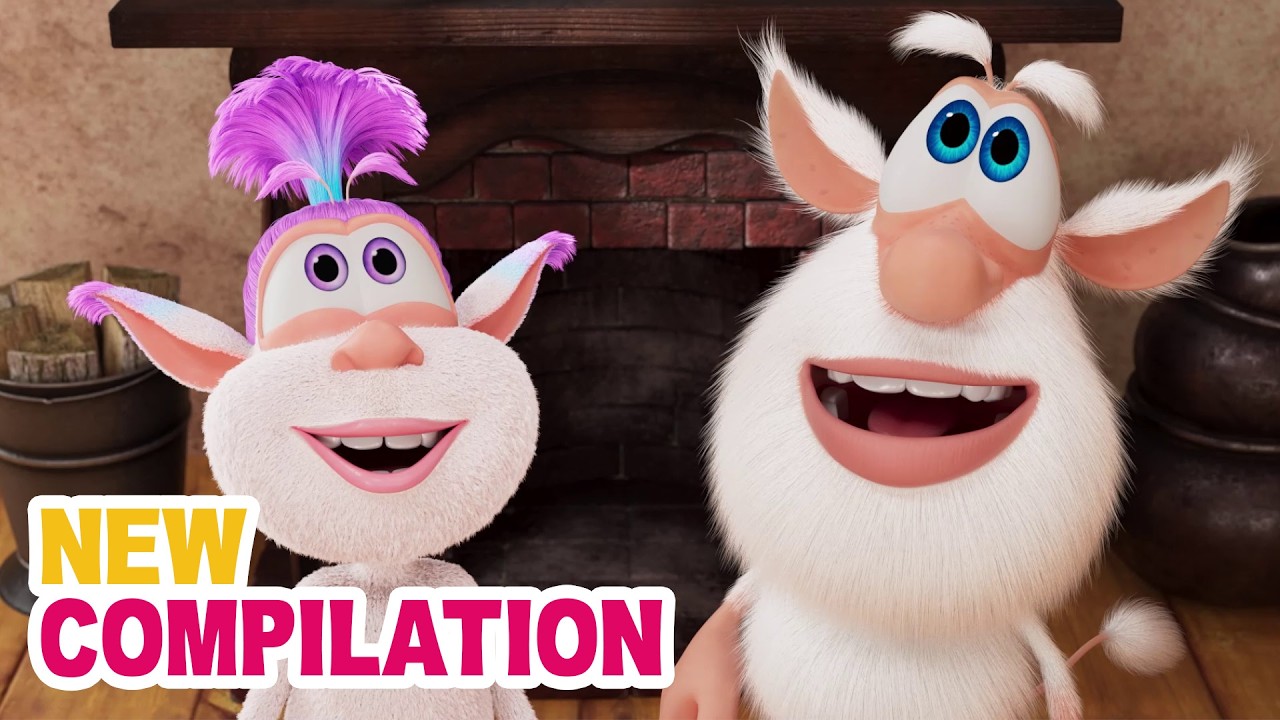
Best Booba Episodes for Kids (4–7 Years)

Booba has become one of the most beloved cartoon characters among children worldwide. While toddlers enjoy simple visuals, kids aged 4–7 years are ready for slightly more complex storylines, adventure, and humor. Booba episodes perfectly match this age group because they are funny, colorful, and interactive, with action-packed sequences that keep children engaged while subtly teaching life lessons.

In this guide, we explore the best Booba episodes for kids aged 4–7 years, explaining why each episode is entertaining and developmentally beneficial.


Why Booba Appeals to 4–7-Year-Olds:

Children in this age group are developing:

  • Logical thinking skills

  • Imaginative play

  • Social understanding

  • Emotional awareness

Booba delivers all these in a fun, non-verbal, visually rich format. Episodes feature:

  • Problem-solving scenarios

  • Interactive adventure sequences

  • Bright, high-contrast colors

  • Humor that matches their growing comprehension

This combination makes Booba ideal for early school-age children.


Top Booba Episodes for Kids (4–7 Years):

1. Booba’s Big Balloon Adventure

Booba’s attempts to catch a floating balloon involve climbing, bouncing, and creative problem-solving.

Why 4–7 kids love it:

  • Teaches persistence

  • Visual humor with exaggerated reactions

  • Encourages logical thinking

Lesson: Sometimes you need multiple attempts to succeed.


2. Booba and the Magical Kitchen

Booba explores a kitchen filled with gadgets, ingredients, and utensils. His curiosity leads to chaos and inventive solutions.

Why it’s perfect for 4–7-year-olds:

  • Observation and experimentation

  • Encourages creativity

  • Simple cause-and-effect learning

Lesson: Exploring new things is fun and educational.


3. Booba and the Flying Carpet

A magical carpet adventure introduces fantasy elements. Booba experiments with flying, balancing, and problem-solving mid-air.

Why it works for 4–7-year-olds:

  • Encourages imagination

  • Adventure and action are engaging

  • Visual storytelling without language barriers

Lesson: Creativity and curiosity can lead to fun discoveries.


4. Booba and the Giant Cake

Booba encounters a huge cake and explores it with excitement. The chaos teaches planning, spatial awareness, and cause-and-effect.

Why kids enjoy it:

  • Humor and exaggerated expressions

  • Visual learning through interactive objects

  • Teaches playful risk-taking in safe ways

Lesson: Exploration is rewarding, even if messy.


5. Booba and the Music Box

Booba discovers a music box and experiments with rhythms, beats, and dancing.

Why it’s perfect:

  • Encourages musical awareness

  • Improves timing and coordination

  • Fun dancing sequences

Lesson: Experimentation and creativity are exciting.


6. Booba and the Vacuum Cleaner

Booba treats a vacuum cleaner like a playful creature. He learns, reacts, and solves problems creatively.

Why kids love it:

  • Problem-solving through observation

  • Humor in safe, everyday scenarios

  • Interactive and relatable

Lesson: Everyday objects can inspire creativity and learning.


7. Booba and Bubble Trouble

Booba plays with bubbles, exploring movement and reactions.

Why it’s ideal for 4–7-year-olds:

  • Cause-and-effect visual learning

  • Fun, interactive animation

  • Encourages curiosity and observation

Lesson: Playful experimentation is part of learning.


8. Booba and the Toy Store

Booba explores a store full of toys, climbing, sliding, and creatively interacting with objects.

Why kids enjoy it:

  • Interactive exploration

  • Visual humor and problem-solving

  • Encourages imaginative play

Lesson: Exploration and creativity go hand in hand.


9. Booba’s Christmas Surprise

Festive chaos as Booba interacts with decorations, presents, and a giant Christmas tree.

Why it’s perfect for 4–7 kids:

  • Seasonal fun and excitement

  • Teaches cause and effect through safe chaos

  • Encourages imaginative play

Lesson: Joy and celebration can be shared safely with others.


10. Booba and the Balloon Animal

Booba discovers balloons shaped like animals and interacts with them creatively.

Why it works:

  • Combines fantasy and real-world objects

  • Encourages imaginative play

  • Visual humor with colorful objects

Lesson: Everyday items can spark imagination and creativity.


Educational Benefits of These Episodes:

Even though these episodes are primarily entertainment, kids learn:

  • Problem-solving and logical thinking

  • Creative exploration and imagination

  • Cause-and-effect understanding

  • Emotional recognition and humor

  • Safe risk-taking and curiosity

Booba combines fun and education in a natural, engaging way for kids aged 4–7.


Why Parents Approve:

Parents notice that Booba:

  • Keeps children entertained safely

  • Uses bright visuals and short stories ideal for attention spans

  • Promotes social and cognitive skills indirectly

  • Encourages independent observation and creativity

Booba is a safe choice for screen time with educational value.


Final Thoughts:

For kids aged 4–7, Booba episodes provide the perfect blend of humor, adventure, imagination, and learning. Episodes like Big Balloon Adventure, Flying Carpet, and Giant Cake not only make children laugh but also subtly teach problem-solving, creativity, and curiosity.

Parents can confidently let children watch Booba while knowing they are getting entertaining content with hidden educational value.
Advertisement
Where to Find Stickers, Posters & Printables: A 2025 Guide for Creative Parents
Decorating a room, personalizing a notebook, or finding the perfect craft printable doesn't have to be a wild goose chase. In 2024, a blend of official sources and creative community hubs offers a wealth of options for fans of gentle, popular characters. This guide will navigate you to the best places—both online and offline—to find high-quality, safe, and fun stickers, posters, and printables for your child's next project. Guiding Principle: Safety, Quality & Respect : Prioritize Official Sources: For guaranteed quality and safety (non-toxic inks, safe materials). Trust Reputable Creators: When using independent artists, look for positive reviews and clear usage terms. Respect Copyright: Use printables for personal, non-commercial fun only. Support artists by purchasing their official products. Category 1: Official & Licensed Merchandise – For Guaranteed Quality : These are your go-to sources for authentic, high-fidelity designs. 1. Official Character Website/Online Shop: What You'll Find: This is the primary source for officially licensed posters, high-quality vinyl sticker packs, and sometimes exclusive print-on-demand items like wall decals. Designs will be accurate and vetted. Best For: Premium posters, durable sticker sheets, and official wall art. Tip: Sign up for newsletters to get alerts on new collections and sales. 2. Major Online Retailers (Amazon, Walmart, Target): What You'll Find: Search for "[Character Name] stickers" or "[Character Name] poster" in the Toys, Home Decor, or Office Supplies sections. You'll find a mix of officially licensed and third-party products. Best For: Quick shipping, variety, and easy price comparison. Always check seller ratings and reviews for quality. Tip: Filter by "Amazon's Choice" or "Top Rated" and read customer photos to see the actual product quality. 3. Specialty Toy & Comic Stores: What You'll Find: Local comic book shops, toy stores, or large chains like FYE often carry niche pop culture merchandise, including stickers, button pins, and small posters. Best For: Discovering unique items and supporting local businesses. Great for impulse finds. Tip: Call ahead to ask about their selection of character merchandise. Category 2: The Creative Marketplace – For Unique & Artistic Takes : Platforms where independent artists sell their designs. 1. Etsy: What You'll Find: A treasure trove of handmade and digital goods. Search for "[Character Name] stickers," "[Character Name] printable," or "[Character Name] poster." You'll find original artist interpretations, digital download packs for instant printing, and custom-made items. Best For: Unique art styles, printable activity packs (coloring pages, door hangers), and custom orders. Tip: Read shop reviews diligently. For printables, ensure you understand the file type (PDF, PNG) and license. 2. Redbubble & Society6: What You'll Find: These print-on-demand platforms host millions of artist designs. You can find the character on every product imaginable: stickers, posters, magnets, phone cases, and more. Each item is printed when ordered. Best For: Stickers in every size and shape (matte, transparent, glossy), and large format posters. You're directly supporting the artist with each purchase. Tip: Use the search filters to browse by product type (e.g., "Stickers" or "Wall Art"). You can often choose from multiple design variations by different artists. Category 3: The DIY & Printable Hub – For Instant, At-Home Projects : For the crafty parent who wants to print and play today. 1. Pinterest: What You'll Find: The ultimate visual search engine for ideas. Search "[Character Name] coloring page," "[Character Name] free printable," or "[Character Name] DIY craft." You'll find links to blogs and websites offering free resources. Best For: Inspiration and finding links to free, fan-made coloring sheets, paper crafts, or party decorations. Important: Always click through to the original source (a blog or website) to download. Ensure the site is reputable and the download is intended for free personal use. 2. Educational & Parenting Blogs: What You'll Find: Many creative parenting blogs design and share free printable packs centered around popular, gentle characters. These often include puzzles, matching games, "I Spy" sheets, and cut-out masks. Best For: Screen-free activity sheets that are educational and fun. Quality can be excellent. Tip: These are usually offered as a free download in exchange for an email subscription. Use a dedicated email if concerned about newsletters. 3. Canva (Pro/Free): What You'll Find: A graphic design platform with a vast library of clipart and elements. While you won't find licensed character images, you can use it to create your own themed designs using simple shapes, colors, and text that evoke the character's style (e.g., create a poster with a blue circle, big white eyes, and the text "Stay Curious!"). Best For: Making completely custom, personal posters, chore charts, or sticker designs (if you have printable sticker paper). Tip: Use the color picker tool to match the character's exact signature blue for a coordinated look. Smart Shopping & Safety Checklist : Before you click "buy" or "download," run through this list: Source: Is it official or a reputable seller/artist? Reviews: What do other buyers say about print quality, sticker durability, or accuracy? License: For printables, is it clearly for personal use only? Safety: For young children, are stickers described as safe and non-toxic? Are posters printed on safe paper with soy-based inks? File Format: If buying a digital printable, do you have the software to open it (usually PDF or PNG)? Conclusion: Build a World of Wonder : Whether you're seeking a durable wall decal from an official store, a unique artist's sticker from Etsy, or a free coloring page for a rainy day, the resources are plentiful. By choosing quality sources and respecting the creative work behind these designs, you can easily find the perfect decorative touches to celebrate your child's interests and fuel their imagination. Happy hunting and creating!
Planets and Space Cartoons for Kids
The universe is full of wonders, and introducing children to planets and space through cartoons is a fun and engaging way to spark curiosity. Space cartoons combine colorful animations, friendly characters, and interactive storytelling to teach children about planets, stars, galaxies, and basic astronomy concepts. These cartoons not only entertain but also foster scientific curiosity, critical thinking, and imagination. In this article, we will explore why space cartoons are effective for kids, their educational benefits, and how parents can use them to nurture a love for astronomy. ⭐ Why Space Cartoons Are Effective for Kids: 1. Visual Learning: Animated planets, stars, and spacecraft make abstract space concepts tangible and easy for children to understand. 2. Engaging Storytelling: Cartoons turn learning into a fun adventure, where characters explore space, meet aliens, or travel between planets, keeping children engaged. 3. Promotes Curiosity: Stories and experiments encourage kids to ask questions about the universe, stimulating their curiosity and scientific thinking. 4. Simplifies Complex Concepts: Animations explain concepts like gravity, orbits, or phases of the moon in a simple, relatable way suitable for preschoolers. 5. Safe Exploration: Children can safely explore exciting space adventures through cartoons without any risk or fear, making learning stress-free and enjoyable. ⭐ Popular Themes in Space Cartoons: 1. Planet Exploration: Characters visit planets like Mars, Jupiter, and Saturn, learning about their size, color, and unique features. 2. Space Adventures: Stories involve astronauts, rockets, and alien friends discovering new worlds, inspiring imagination and excitement. 3. Stars and Galaxies: Cartoons introduce children to stars, constellations, and galaxies, making astronomy fun and easy to visualize. 4. Fun Science Facts: Animated videos share fascinating space facts, such as why the moon changes shape, why planets rotate, or how comets move. 5. Interactive Learning: Some cartoons include quizzes, counting planets, or identifying colors and shapes, turning learning into an interactive game. ⭐ Educational Benefits of Space Cartoons: 1. Develops Scientific Thinking: Children learn to observe, compare, and ask questions about space phenomena, nurturing analytical skills. 2. Enhances Imagination: Space adventures stimulate creativity as children imagine traveling to distant planets or meeting aliens. 3. Improves Cognitive Skills: Learning about planets, orbits, and stars strengthens memory, focus, and problem-solving abilities. 4. Promotes STEM Interest: Cartoons introduce basic astronomy, physics, and math concepts, encouraging early STEM learning. 5. Fun and Safe Learning: Animated space cartoons combine entertainment with education, making learning enjoyable without any stress or fear. ⭐ Tips for Parents to Make the Most of Space Cartoons: ✔ 1. Watch Together: Discuss the planets, stars, and concepts introduced in the cartoons to reinforce understanding. ✔ 2. Connect with Real-Life Astronomy: Show the night sky, point out stars, or visit a planetarium to make lessons tangible. ✔ 3. Encourage Questions: Ask children what they would do on another planet or what they notice in the night sky to stimulate curiosity. ✔ 4. Combine with Activities: Try simple space crafts, planet models, or coloring sheets based on cartoon characters to enhance learning. ✔ 5. Keep Screen Time Moderate: Limit viewing to 20–30 minutes, balancing interactive activities and outdoor play for holistic learning. ⭐ Conclusion: Planets and space cartoons for kids are an exciting way to introduce young learners to the wonders of the universe. Through colorful animations, interactive storytelling, and engaging characters, children learn about planets, stars, galaxies, and basic astronomy while having fun. Parents and educators can use space cartoons to foster curiosity, imagination, and early STEM skills. By combining animated adventures with hands-on activities and discussions, children gain a deeper understanding of space while developing problem-solving, observation, and critical thinking skills. Space cartoons make learning about the universe an unforgettable and enjoyable experience for every child.
Best Vegetables for Kids’ Growth
Best Vegetables for Kids’ Growth: When parents think about children’s growth, they often focus on milk, eggs, or supplements. But real biological growth — the kind that builds strong bones, sharp brains, and resilient immunity — depends heavily on vegetables. These are not just side dishes. They are biochemical toolkits packed with micronutrients that literally instruct the body how to grow. In South Asian diets, especially in Pakistan, vegetables are available year-round, yet many children still face nutrient deficiencies because variety is missing. Growth is not just about eating more food; it is about eating the right signals. Vegetables provide those signals through vitamins, minerals, antioxidants, and plant compounds that supplements cannot fully replicate. Let’s explore the vegetables that actually support healthy development in children. Green Leafy Vegetables — The Bone and Blood Builders: 4 Why Spinach, Fenugreek, and Mustard Greens Matter: Leafy greens are rich in calcium, iron, folate, and vitamin K — all essential for skeletal growth and red blood cell production. Vitamin K helps the body absorb calcium properly, ensuring it reaches bones instead of being wasted. Iron improves oxygen transport in the blood, which supports muscle development and brain activity. Children who regularly eat leafy vegetables tend to show: Better stamina Stronger immunity Improved focus and energy Practical Example: Mix chopped spinach into lentils (daal) or knead it into dough for parathas. Children accept it easily when blended into familiar foods. Orange and Red Vegetables — Brain and Immunity Boosters: 4 Carrots, Pumpkin, and Sweet Potatoes: These vegetables are loaded with beta-carotene, which the body converts into vitamin A — a key nutrient for neurological development and immune defense. Vitamin A supports: Brain cell communication Healthy skin and tissue growth Resistance against infections Children deficient in vitamin A often experience frequent illness and slower development. Real-Life Application: Add grated carrots to rice, omelets, or homemade cutlets. The mild sweetness makes them child-friendly without added sugar. Cruciferous Vegetables — Cellular Growth Regulators: 4 Broccoli, Cauliflower, and Cabbage: These vegetables contain compounds like sulforaphane, known for supporting detoxification and cellular repair. In simple terms, they help the body rebuild itself — a process essential during childhood when tissues are constantly forming and expanding. They also improve protein utilization, meaning the body uses nutrients from other foods more efficiently. Smart Serving Idea: Cook cauliflower with potatoes or add cabbage into noodles or fried rice for better acceptance. Root Vegetables — Natural Energy and Circulation Enhancers: 4 Beetroot, Turnip, and Radish: Root vegetables supply potassium, fiber, and natural nitrates that improve blood circulation. Better circulation means nutrients are delivered faster to growing tissues, supporting: Healthy weight gain Stronger muscles Improved appetite Beetroot, in particular, enhances oxygen delivery, which fuels active children and supports endurance. Practical Use: Grate beetroot into yogurt or mix into chapati dough for a subtle color and nutrition boost. Seasonal Vegetables — Nature’s Growth Timing System: Traditional diets followed seasonal eating for a reason. Vegetables grown in a particular season contain nutrients the body needs most during that time. Winter Vegetables Support: Bone density Immunity strengthening Stored energy for colder months Examples: carrots, mustard greens, turnips. Summer Vegetables Support: Hydration Digestion Electrolyte balance Examples: bottle gourd, okra, ridge gourd. Eating seasonally aligns the body with natural environmental demands, improving nutrient absorption. Why Variety Matters More Than Quantity: Many parents try to feed large portions of one vegetable. Growth does not work that way. Different vegetables contain different micronutrients, and children need a mix. A colourful plate is not decoration; it is nutritional diversity. For example: Green vegetables provide iron and calcium. Orange vegetables provide vitamin A. White vegetables provide potassium and digestive fiber. Together, they form a complete growth-support system. How Much Should Children Eat? Nutrition experts recommend that children consume at least 1 to 1.5 cups of mixed vegetables daily, depending on age. This should include: One leafy vegetable One colorful vegetable One seasonal option Consistency matters more than forcing large meals occasionally. The Psychology of Feeding Vegetables to Kids: Children often reject vegetables not because of taste, but because of presentation and repetition. Helpful strategies include: Offering vegetables in different forms, such as soups, parathas, or rice mixes. Combining them with familiar foods rather than serving them alone. Allowing children to see family members eating the same meals. Children learn eating habits by imitation, not instruction. Vegetables vs. Supplements — A Critical Difference: Multivitamins can help when needed, but they cannot replace vegetables. Vegetables provide: Fibre that supports digestion Natural enzymes Antioxidants Plant compounds that regulate metabolism These components nourish gut bacteria, which play a major role in nutrient absorption and hormone regulation during growth. Supplements may fill gaps, but vegetables build the foundation. Final Thought: Children’s growth is not driven by one “superfood.” It is shaped by daily patterns — small servings of diverse vegetables that quietly guide the body toward strength, resilience, and balanced development. A child’s plate should look alive with colour and variety. That is not just healthy eating. It is biological engineering carried out by nature, one meal at a time.  
Top 10 Funniest Booba Episodes of All Time
Booba, the adorable, curious, and mischievous cartoon creature, has captured the hearts of children around the world. Known for his expressive antics, playful adventures, and endless curiosity, Booba has become a favorite among preschoolers and young kids. If you’re a parent or a fan wondering which episodes are the most hilarious, we’ve compiled the Top 10 Funniest Booba Episodes of All Time. These episodes are guaranteed to make kids laugh, stay entertained, and even learn something new along the way. 1. Booba’s Big Balloon Adventure: In this episode, Booba discovers a colorful balloon that floats away whenever he tries to grab it. His hilarious attempts to catch the balloon include climbing chairs, bouncing on cushions, and even trying to use kitchen utensils as tools. The episode teaches kids about problem-solving while keeping the laughs coming. Why it’s funny: Booba’s exaggerated expressions, clumsy movements, and endless determination make this a comedy classic. 2. Booba and the Magical Kitchen: Booba sneaks into a kitchen full of gadgets, appliances, and ingredients. Chaos ensues as he tries to cook or taste everything he finds. From mixing flour in the air to accidentally turning on the blender, every moment is a source of laughter. Why it’s funny: The combination of everyday objects becoming unpredictable and Booba’s reactions creates endless humor. 3. Booba’s Bubble Trouble: In this episode, Booba discovers soap bubbles and is immediately fascinated. The playful bubbles float everywhere, causing Booba to chase, pop, and occasionally fall into funny situations. Why it’s funny: The episode uses visual comedy, with Booba slipping, sliding, and interacting with the bubbles in unexpected ways. 4. Booba at the Toy Store: Booba visits a toy store and becomes overwhelmed by the variety of toys. He climbs shelves, tries ride-on toys, and even causes a playful toy avalanche. This episode is packed with physical comedy and imaginative play. Why it’s funny: Booba’s curiosity leads to chaotic situations that kids find relatable and entertaining. 5. Booba and the Music Box: Booba finds a music box that plays different tunes when opened. He experiments with dancing, creating new sounds, and trying to imitate the music. His goofy dance moves and offbeat timing create endless giggles. Why it’s funny: Booba’s funny dancing, coupled with unexpected music, engages both children and parents alike. 6. Booba and the Flying Carpet: In this fantasy-inspired episode, Booba discovers a magic carpet. His attempts to fly it lead to funny crashes, dizzy spins, and comical landings. Children enjoy watching him navigate this new adventure while laughing at his clumsy but determined efforts. Why it’s funny: Visual humor, magical elements, and Booba’s expressive reactions make it highly entertaining. 7. Booba and the Giant Cake: Booba encounters a huge cake and can’t resist trying to taste it. He climbs, jumps, and slides across the cake, eventually creating a mess but having the time of his life. Why it’s funny: Booba’s obsession with food and the resulting chaos is relatable and hilarious for young viewers. 8. Booba in the Bathroom: Booba explores the bathroom, experimenting with water, soap, and the toilet. His curious antics lead to slippery floors, water splashes, and funny reactions. Why it’s funny: The episode uses slapstick humor and everyday scenarios that children easily relate to. 9. Booba and the Vacuum Cleaner: Booba discovers a vacuum cleaner and treats it as a giant robot. He runs, hides, and even tries to “tame” it, leading to a series of comical events. Why it’s funny: Booba’s fearless approach and exaggerated movements turn a simple household appliance into a source of endless laughter. 10. Booba’s Christmas Surprise: In this holiday special, Booba gets into festive mischief with Christmas decorations, presents, and a giant tree. His excitement leads to ornaments falling, lights flickering, and playful chaos. Why it’s funny: The combination of holiday cheer, Booba’s curiosity, and visual comedy makes this episode memorable and funny. Why Booba Episodes Are So Entertaining: Booba’s humor is universal. The show doesn’t rely on spoken language, which allows children of all ages and languages to enjoy it. Key factors that make Booba episodes funny include: Physical Comedy: Booba’s exaggerated movements, clumsy reactions, and playful antics appeal to young kids. Relatable Situations: Everyday objects and environments become hilarious adventures. Curiosity Gone Wild: Booba’s endless curiosity leads to funny chaos, which keeps kids laughing. Bright, Colorful Animation: Visual appeal adds to the entertainment factor. Parents also appreciate that the show is safe, educational, and encourages creativity, making Booba a favorite in homes worldwide. Educational Benefits of Funny Booba Episodes: Even though Booba’s episodes are primarily humorous, they also provide learning opportunities: Problem-Solving Skills: Kids learn through observation as Booba experiments with objects. Imagination and Creativity: Everyday items are transformed into fun adventures. Social Skills: Interaction with other characters teaches sharing, teamwork, and empathy. Emotional Understanding: Booba’s reactions help children identify emotions like surprise, joy, and curiosity. Where to Watch Booba Episodes: Parents can watch Booba episodes on multiple platforms: YouTube: Free access to all episodes. Netflix & Amazon Prime: Some seasons available for streaming. Official Booba App: Region-dependent availability. This makes it easy to enjoy Booba anytime, anywhere. Final Thoughts: Booba’s funniest episodes are more than just a source of laughter—they combine humor, curiosity, and learning into a single entertaining package. From playful balloon adventures to magical flying carpets, Booba brings joy to children worldwide. Parents can rest assured that Booba is a safe, educational, and engaging option for kids’ digital entertainment. Whether you’re looking for short, laugh-out-loud episodes or educational fun, these Top 10 Funniest Booba Episodes are the ultimate guide for parents and kids alike.
Holiday Special Kids Cartoons in 2025
Holidays are the perfect time for children to relax, have fun, and enjoy some educational entertainment. Holiday special kids cartoons for occasions like Eid, Christmas, and New Year are designed to combine fun, festive cheer, and learning in a colorful, animated format. These cartoons engage children with vibrant visuals, catchy songs, and playful characters while subtly teaching values, culture, and creativity. In this article, we will explore the importance of holiday cartoons, their educational benefits, and how parents can make the most of them during festive seasons. ⭐ Why Holiday Special Kids Cartoons Are Important: Holiday cartoons are more than just entertainment. They provide opportunities for children to: 1. Learn Cultural Traditions: Festive cartoons explain the meaning and traditions behind holidays like Eid, Christmas, and New Year. Children learn why families celebrate, how people share, and the joy of togetherness. 2. Develop Social Skills: Many holiday cartoons feature teamwork, sharing, helping others, and celebrating with friends. This encourages social interaction and empathy in young viewers. 3. Boost Creativity: Festive cartoons often include colorful decorations, music, and creative activities like making gifts or baking. Watching these inspires children to create their own art and participate in celebrations. 4. Build Positive Values: Many holiday cartoons include moral lessons about kindness, generosity, gratitude, and patience. Kids learn important life values in a fun, memorable way. ⭐ Popular Holiday Special Kids Cartoons: 1. Eid Cartoons: Eid cartoons teach children about the importance of sharing, gratitude, and family togetherness. Common themes include: Children helping their parents prepare for Eid Sharing gifts and sweets with friends and neighbors Learning about prayers and cultural traditions Friendly animal characters celebrating Eid 2. Christmas Cartoons: Christmas cartoons focus on fun, gifts, decorations, and family. Popular themes include: Santa Claus delivering presents Children decorating Christmas trees and singing carols Learning to be generous and kind to others Magical adventures in snowy landscapes 3. New Year Cartoons: New Year cartoons often combine celebration with reflection and planning. Themes include: Fireworks and parties in animated cities Characters making resolutions and setting goals Celebrating achievements of the past year Teamwork and cooperation to make New Year fun ⭐ Educational Benefits of Holiday Cartoons: Holiday cartoons do more than entertain—they support learning in multiple ways: 1. Cultural Awareness: Children understand why holidays are celebrated, helping them respect diversity and global traditions. 2. Language Development: Cartoons with dialogues, songs, and rhymes help preschoolers improve vocabulary, pronunciation, and listening skills. 3. Social and Emotional Learning: Watching characters share, celebrate, and solve problems teaches empathy, patience, and cooperation. 4. Creativity and Imagination: Colorful visuals and fun storylines inspire children to craft decorations, draw, or play role-playing games. 5. Cognitive Skills: Interactive cartoons may include counting gifts, recognizing shapes in decorations, or solving simple puzzles, strengthening early learning skills. ⭐ Tips for Parents to Use Holiday Cartoons Effectively: ✔ 1. Choose Age-Appropriate Cartoons: Select cartoons suitable for your child’s age. Preschoolers need shorter, slower-paced videos, while older children can enjoy longer stories. ✔ 2. Watch Together: Participate in the viewing experience. Discuss the story, ask questions, and encourage children to share their thoughts about celebrations. ✔ 3. Integrate Real-Life Activities: After watching, engage children in holiday activities like decorating, drawing, or gift-making to reinforce lessons from cartoons. ✔ 4. Limit Screen Time: Even educational cartoons should be watched in moderation. 20–30 minutes is ideal for preschool children. ✔ 5. Encourage Moral Reflection: Ask children how the characters showed kindness, sharing, or gratitude. This reinforces social values in real life.   ⭐ Why Parents Prefer Holiday Special Cartoons: Parents prefer holiday-themed cartoons because they: Provide safe, engaging entertainment Teach important social, moral, and cultural values Keep children busy during school breaks Inspire creativity and family bonding During Eid, Christmas, and New Year, these cartoons help children understand celebrations while learning positive behavior in an enjoyable way. ⭐ Conclusion: Holiday special kids cartoons are a fantastic combination of fun, education, and festive cheer. They help preschoolers and young children learn about cultural traditions, values like sharing and kindness, and important social skills. Whether it’s Eid, Christmas, or New Year, these cartoons make celebrations exciting while fostering creativity, language development, and moral growth. By incorporating holiday cartoons into daily routines, parents can ensure children enjoy meaningful entertainment that supports learning and personal development. With vibrant animations, catchy songs, and engaging stories, holiday cartoons create memorable experiences that children cherish long after the celebrations end.
Most Popular Kids’ Cartoons in 2025
The world of children’s entertainment is constantly evolving. In 2025, playful, colorful, and creative animated shows continue to captivate young audiences. Parents and educators are always looking for age-appropriate, engaging, and educational cartoons that entertain while inspiring creativity, learning, and social skills. This guide explores the most popular kids’ cartoons in 2025 and highlights why children love them. Why These Cartoons Are Popular: Vibrant Animation: Bright colors, expressive characters, and fun visual effects keep kids engaged. Relatable Characters: Funny, curious, and adventurous characters capture children’s imagination. Humor and Storytelling: Combining comedy with engaging storylines makes learning fun. Educational Value: Many shows include problem-solving, social skills, and creativity. Interactive Appeal: Episodes encourage role-play, drawing, storytelling, and crafts. Top Kids’ Cartoons of 2025: 1. Playful Creature Adventures Focuses on curious, expressive characters exploring their world. Teaches creativity, problem-solving, and social skills. 2. Tiny Tales Universe Short, engaging stories for toddlers. Highlights colors, numbers, shapes, and emotional learning. 3. Fuzzy Friends Academy Group of animal friends on humorous adventures. Encourages friendship, teamwork, and empathy. 4. Magical Garden Explorers Outdoor adventures with educational lessons about nature and science. Inspires observation, creativity, and imagination. 5. Happy Helpers Club Characters engage in activities promoting responsibility, sharing, and cooperation. Great for role-playing and learning life skills. 6. Giggles and Wonders Combines humor, storytelling, and visual learning. Encourages children to retell stories and create their own adventures. How Parents Can Maximize Learning: Watch Together: Discuss episodes to reinforce lessons and encourage conversation. Extend Learning Activities: Drawing, crafts, or acting out scenes improves engagement. Set Limits: Maintain healthy screen time for balance with outdoor play and reading. Encourage Creativity: Ask children to invent new storylines or design characters. Praise Participation: Celebrate curiosity, questions, and creative efforts inspired by the shows. Benefits of Watching Popular Cartoons: Cognitive Skills: Improves observation, problem-solving, and comprehension. Social Skills: Encourages empathy, teamwork, and communication. Creativity and Imagination: Inspires drawing, storytelling, and imaginative play. Language Development: Expands vocabulary and strengthens narrative skills. Safe Entertainment: Age-appropriate and educational content ensures fun learning. Final Thoughts: The most popular kids’ cartoons in 2025 are more than just entertainment. They combine humor, imagination, and learning, making them a valuable tool for parents and educators. By choosing these shows thoughtfully and pairing them with creative activities and discussions, children can enjoy fun, safe, and enriching screen time.
What to Do If Your Child Watches Too Much YouTube
YouTube is a popular platform for children, offering educational videos, cartoons, and entertainment. However, excessive screen time can affect a child’s sleep, behavior, learning, and social skills. Parents need to find a balance between allowing educational content and preventing overuse, ensuring that YouTube remains a safe and beneficial resource. Excessive YouTube viewing can lead to passive consumption, reduced physical activity, and attention difficulties. Understanding why children watch too much and implementing strategies to manage screen time is essential for healthy development. Signs Your Child is Watching Too Much YouTube: Parents should be aware of these signs: Spending hours on the platform without breaks Ignoring meals, homework, or outdoor play Irritability or mood changes when screen time is limited Difficulty focusing on other tasks Preferring YouTube over social interaction or creative play Recognizing these signs early allows parents to intervene before negative effects increase. Set Clear Screen Time Limits: One of the most effective strategies is to establish daily screen time rules: Use device settings or parental control apps to enforce limits Schedule screen time after homework or physical activity Encourage a balance of educational and recreational content Start with reasonable limits (e.g., 30–60 minutes for preschoolers) Clear rules help children develop self-discipline and healthy viewing habits. Curate Safe and Educational Content: Instead of blocking YouTube completely, parents can guide children to age-appropriate content: Use YouTube Kids for controlled, child-friendly content Create playlists of educational videos and cartoons Discuss video topics and encourage learning beyond the screen Remove channels that contain violence, inappropriate language, or ads Curated content ensures children gain value from screen time while avoiding harmful material. Encourage Alternative Activities: To reduce overreliance on YouTube, parents should promote alternative activities: Reading books or listening to audiobooks Outdoor play and physical exercise Arts, crafts, and building projects Music, dance, and interactive learning games Balancing screen time with active, creative, and social activities supports overall development. Co-Viewing and Engagement: Parents can enhance learning and monitoring by watching with their children: Discuss what they are watching Ask questions about the content to encourage critical thinking Relate lessons from videos to real-life experiences Praise positive behavior and creativity inspired by videos Co-viewing ensures that children engage thoughtfully rather than passively consuming content. Set Up Device and App Controls: Many devices and apps allow parents to control usage and monitor activity: Enable screen time limits and device lock features Use parental controls to restrict content and track viewing Block or restrict channels with inappropriate content Adjust settings to prevent autoplay and endless video feeds These tools provide structured, safe, and manageable YouTube usage. Talk About Healthy Habits: Communication is key in helping children develop self-regulation: Explain why limits exist and the benefits of balance Encourage children to suggest alternative fun activities Set a routine for screen-free times (e.g., before bed, mealtimes) Model healthy media habits as a parent This teaches children to self-monitor and make responsible choices regarding screen time. Benefits of Controlled YouTube Usage: When YouTube usage is managed effectively: Children gain educational and creative benefits Screen time does not interfere with social or physical development Children develop critical thinking and media literacy Parents maintain peace of mind regarding online safety Controlled usage allows children to enjoy the benefits of digital content while minimizing potential risks. Conclusion: If your child watches too much YouTube, it’s essential to establish limits, curate content, and encourage alternative activities. By combining technology, engagement, and communication, parents can ensure that YouTube becomes a safe, educational, and enjoyable resource rather than a source of overexposure. Healthy screen habits foster learning, creativity, and balanced growth, preparing children for responsible digital consumption in the future.
Top 20 Fun Facts About Cartoons Kids Will Enjoy
Get ready for a behind-the-scenes peek into the colorful, wacky, and amazing world of cartoons! These fun facts will make you see your favorite shows in a whole new way. 1. The First Cartoon Star Was a Dinosaur : Before Mickey Mouse, there was Gertie! Gertie the Dinosaur, made in 1914, was one of the very first cartoon characters with a real personality. She could listen to commands and even cried when scolded! 2. Cartoon Characters Often Have 4 Fingers : Look at the hands of Mickey Mouse, Homer Simpson, or SpongeBob SquarePants. Many are drawn with only four fingers (three fingers and a thumb). It’s a tradition from old animation because it’s faster to draw and looks just as good on screen! 3. Some Cartoons Are Made from Thousands of Drawings : A one-minute scene in a hand-drawn cartoon can need over 1,400 separate drawings! That’s why big teams of artists work together to bring your favorite half-hour show to life. 4. Voice Actors Often Record Alone : You might think the actors who play best friends in a cartoon record together, but they usually record their lines alone in a sound booth, talking to a microphone. Later, editors mix their voices to make it sound like a conversation! 5. Cartoon Food is Often Made of Plastic or Glue : In stop-motion cartoons (like Wallace & Gromit), real food would wilt and look bad under hot lights. So, chefs and artists make fake food from colored glue, cotton balls, or plastic that looks delicious on camera. 6. Bugs Bunny’s Famous Line Was a Mistake : When Bugs Bunny first said, “What’s up, Doc?” in 1940, the animator just put in a silly line. It was so funny that it became his catchphrase forever! 7. SpongeBob’s Laugh is a Real Sea Creature : That iconic, silly laugh of SpongeBob SquarePants? The sound editor, Tom Kenny (who also voices SpongeBob), actually made that sound by recording a dolphin's chatter and then editing it to sound even goofier! 8. Many Cartoon Towns Are Based on Real Places : The town in Scooby-Doo looks a lot like a California beach city. The Simpsons’ Springfield is a mix of many small American towns. Animators often use real places for inspiration. 9. “Steamboat Willie” Wasn’t Mickey’s First Cartoon : Steamboat Willie (1928) is famous as Mickey Mouse’s debut, but two other Mickey cartoons were made first. Steamboat Willie was just the first one released to the public because it had synchronized sound, which was brand new and exciting! 10. Cartoon Characters Blink Slowly on Purpose : Animators make characters blink slowly and less often than real people. Why? Because blinking too much can make a character look nervous or shifty. A slow blink makes them seem more friendly and relatable. 11. Some Cartoons Use “Smear Frames” for Speed : When a character runs super fast, animators sometimes add a single, crazy-looking stretched-out drawing called a “smear frame.” You barely see it, but it tricks your brain into feeling the speed! 12. Winnie the Pooh’s Red Shirt Has a Funny Reason : In the original books, Winnie the Pooh was naked! He got his famous red shirt when he was animated because the filmmakers thought a completely naked bear might look odd on screen. 13. Cartoon Sound Effects Come from Weird Places : That “boing” sound of a spring? It’s often a real metal slinky. The sound of a sword being pulled out? It’s actually two metal plates being rubbed together in a studio. Sound artists are very creative! 14. The First Full-Color Cartoon Was About Flowers : Flowers and Trees, made by Disney in 1932, was the first cartoon in full Technicolor. It won the very first Academy Award for Best Cartoon! 15. Cartoon Dogs Often Have the Same Voice Actor : A man named Frank Welker has voiced hundreds of cartoon animals! He’s the voice of Scooby-Doo’s laugh and bark, Fred Jones’s dog in Scooby-Doo, Abu in Aladdin, and Curious George. He’s a master of funny animal sounds! 16. Animators Study Real-Life Movements : To make cartoon movements look real (even in silly ways), animators often watch videos of people and animals or even act out scenes themselves in front of a mirror. It’s part of their homework! 17. Some Cartoons Are Controlled by Math : In computer animation, things like how hair blows in the wind, how water splashes, or how a crowd moves are often created using special math formulas and physics simulations inside the computer. It’s like a super-smart video game engine! 18. The Longest-Running Cartoon is… : The Simpsons! It first started in 1989 and is still making new episodes. It holds the world record for the longest-running primetime animated TV show. 19. Early Cartoons Were Shown in Movie Theaters : Before TV, people went to the movie theater to watch the news, a main movie, AND a brand-new cartoon short! Cartoons like Tom and Jerry and Looney Tunes were made for the big screen. 20. You Can See Hidden Animators in Cartoons : Sometimes animators sneak their own names, or even drawings of themselves, into the background of a scene as a fun Easter egg. Next time you watch, look carefully at signs in the background or crowd scenes! Conclusion: A World of Wonder and Hard Work : Cartoons are a magical mix of silly ideas, amazing art, clever technology, and a whole lot of hard work. Every frame, sound effect, and funny line is made with love by teams of creative people who want to make you smile. So the next time you watch, remember—you’re not just being entertained, you’re seeing a masterpiece of imagination in motion!