Best Cartoon Stories About Family and Love

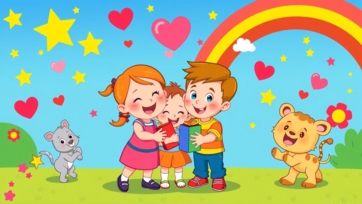
Family and love are central to a child’s early development. In 2025, cartoon stories about family and love have become a favorite tool for parents to teach toddlers and preschoolers the importance of relationships, empathy, and emotional connection. These animated stories combine vivid visuals, engaging characters, and gentle storytelling to help children understand love, respect, and the value of family bonds.

This guide explores the benefits of family-themed cartoons, highlights the top series for 2025, and provides tips for parents to reinforce these lessons in daily life.


Why Family and Love Cartoons Matter:

Children learn social and emotional skills by observing behaviors, and family-focused cartoons provide:

  • Understanding of relationships: Shows positive interactions between family members.

  • Emotional intelligence: Teaches children to recognize and express feelings.

  • Empathy and compassion: Characters model care, patience, and kindness.

  • Safe storytelling: Age-appropriate scenarios with no violence or adult themes.

  • Role models: Illustrates healthy communication, respect, and cooperation.

By combining entertainment with moral lessons, these cartoons help children build a strong emotional foundation.


Key Lessons in Family and Love Cartoons:

  1. Respect for Family Members

  • Encourages listening, sharing, and helping parents, siblings, and grandparents.

  1. Showing Love and Affection

  • Hugs, kind words, and caring actions model positive emotional expression.

  1. Problem-Solving Together

  • Family members work together to overcome challenges, teaching teamwork.

  1. Gratitude and Appreciation

  • Shows children how to value and thank family members.

  1. Conflict Resolution

  • Gentle guidance on managing disagreements and fostering understanding.


Top Cartoon Stories About Family and Love in 2025:

1. The Family Tree Adventures:

A popular series where family members go on adventures and solve problems together, teaching children the importance of unity and support.

Highlights:

  • Focuses on family bonding and teamwork

  • Engaging and colorful animations for toddlers

  • Age-appropriate moral lessons about love and cooperation


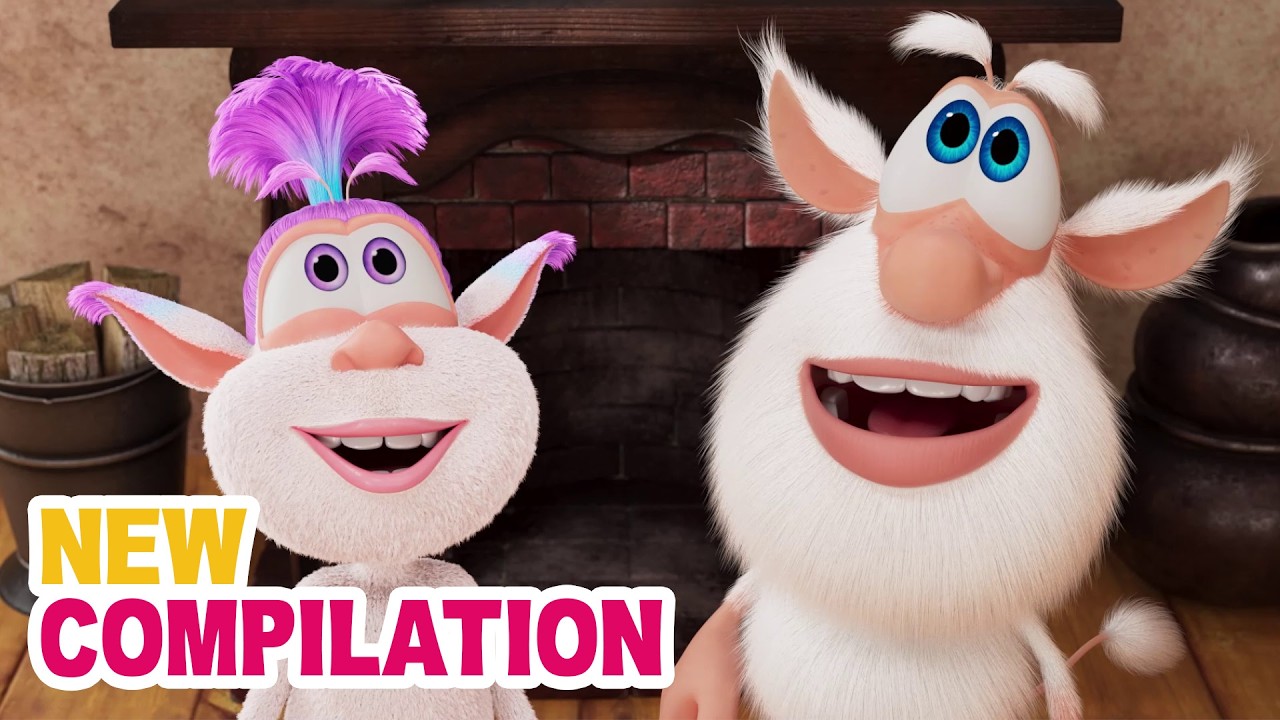
2. Booba’s Family Fun:

Booba interacts with family-like characters, learning lessons about sharing, helping, and expressing affection.

Why it’s popular:

  • Non-verbal storytelling suitable for all languages

  • Teaches social and emotional skills through playful actions

  • Short episodes ideal for young children’s attention spans


3. Little Hearts Club:

Animated mini-stories that show children helping their families, expressing love, and supporting friends.

Key lessons:

  • Empathy and compassion

  • Cooperation and problem-solving

  • Celebrating love and gratitude


4. Animal Families Tales:

Animal characters model family dynamics, teaching children how family members care for and support each other.

Learning highlights:

  • Introduces concepts of sibling care and parent-child interaction

  • Emotional lessons embedded in fun storytelling

  • Encourages children to show love and empathy in real life


5. Super Simple Family Songs:

Animated songs focus on family, love, and gratitude, reinforcing moral lessons through music.

Benefits:

  • Encourages participation through singing and dancing

  • Helps toddlers remember positive behaviors

  • Combines education, music, and gentle humor


How Parents Can Reinforce Lessons:

Parents can enhance learning from family and love cartoons by:

  1. Watching together: Pause to discuss feelings and interactions.

  2. Practice affection: Encourage hugs, kind words, and helping behaviors.

  3. Repeat favorite stories: Reinforces emotional lessons.

  4. Relate to real-life situations: Show children how lessons apply at home.

  5. Use creative play: Role-play family situations to teach empathy and cooperation.

  6. Praise positive behavior: Encourage children when they show love and respect.


Recommended Cartoon Stories About Family and Love:

  • The Family Tree Adventures – Adventures emphasizing bonding and teamwork

  • Booba’s Family Fun – Observation-based lessons on sharing and affection

  • Little Hearts Club – Mini-stories teaching empathy and problem-solving

  • Animal Families Tales – Animal-themed family lessons

  • Super Simple Family Songs – Musical reinforcement of love and gratitude

These cartoons are safe, engaging, and educational, helping children understand relationships, develop empathy, and value family bonds.


Final Thoughts:

Cartoon stories about family and love are more than just entertainment—they are tools for emotional and social development. In 2025, animated series help children learn:

  • How to express love and gratitude

  • How to resolve conflicts and cooperate with family

  • How to develop empathy and positive social skills

Parents can enhance learning by:

  • Watching and discussing episodes together

  • Practicing real-life applications of lessons

  • Encouraging creative and empathetic play

With the right family-themed cartoons, children develop emotional intelligence and appreciation for loved ones while enjoying safe, colorful, and heartwarming stories.

Tip for Parents: Encourage children to draw or act out scenes showing family love, which reinforces creativity, comprehension, and emotional expression.
Advertisement
Dinosaur Stories for Children
Dinosaurs have fascinated children for generations with their enormous size, mysterious history, and exciting adventures. Dinosaur stories for children bring these prehistoric creatures to life through colorful cartoons, friendly characters, and imaginative storytelling. These stories are not only entertaining but also educational, teaching children about science, history, teamwork, and problem-solving. In this article, we explore why dinosaur cartoons are so popular, their educational benefits, and how parents can use them to encourage learning and creativity. ⭐ Why Dinosaur Stories Are Popular with Kids: 1. Fascination with Prehistoric Creatures: Children are naturally curious about dinosaurs. Cartoons give them a safe and fun way to explore these creatures and their world. 2. Imaginative Storytelling: Dinosaur cartoons combine fantasy, adventure, and humor, making stories engaging and memorable. 3. Relatable Characters: Friendly dinosaur characters help children relate to lessons about friendship, courage, and kindness. 4. Visual and Audio Learning: Bright animations and fun sounds keep children engaged while helping them retain information about dinosaurs and prehistoric life. 5. Safe Learning: Animated stories allow children to learn about large, potentially scary creatures in a safe, entertaining environment. ⭐ Popular Themes in Dinosaur Stories: 1. Adventures in Prehistoric Times: Stories often follow dinosaurs exploring jungles, volcanoes, and rivers, teaching children about different environments. 2. Friendship and Teamwork: Cartoons focus on dinosaurs helping each other, sharing, and solving problems, reinforcing social and moral lessons. 3. Science and History: Some stories introduce facts about dinosaur species, fossils, and their behavior in a fun and age-appropriate way. 4. Problem-Solving and Creativity: Characters face challenges, encouraging children to think creatively and learn problem-solving skills. 5. Fun and Humor: Animated dinosaurs often have funny traits or adventures, keeping children entertained while learning. ⭐ Educational Benefits of Dinosaur Stories: 1. Develops Curiosity: Children learn about prehistoric life, evolution, and the natural world, fostering a love for science. 2. Builds Vocabulary: Cartoons introduce terms like “Tyrannosaurus,” “Triceratops,” “volcano,” and “fossil” in a fun, understandable way. 3. Encourages Moral Values: Stories about helping friends, sharing, and bravery instill positive social and emotional values. 4. Enhances Cognitive Skills: Following storylines, remembering character names, and understanding plots improve memory and critical thinking. 5. Stimulates Imagination: Children create their own dinosaur worlds, adventures, and stories, boosting creativity and imaginative play. ⭐ Tips for Parents to Make the Most of Dinosaur Cartoons: ✔ 1. Watch Together: Discuss dinosaur names, behaviors, and adventures to reinforce learning. ✔ 2. Encourage Drawing and Crafts: Let children draw dinosaurs, create models, or make prehistoric scenes inspired by the cartoons. ✔ 3. Ask Questions: Questions like “What would you do if you were a dinosaur?” help children think creatively and engage with the story. ✔ 4. Reinforce Facts: Introduce simple facts about dinosaurs to combine fun and education effectively. ✔ 5. Limit Screen Time: Keep episodes short and interactive, ideally 20–30 minutes, to balance entertainment and other learning activities. ⭐ Conclusion: Dinosaur stories for children are a fantastic way to combine entertainment, imagination, and education. Through vibrant animations, adventurous storytelling, and friendly dinosaur characters, children learn about prehistoric life, moral values, problem-solving, and creativity. Parents and educators can use these cartoons to foster curiosity, develop cognitive and social skills, and inspire children to explore science and history. Dinosaur cartoons make learning about the past fun and memorable, creating a love for stories, knowledge, and imaginative play that lasts a lifetime.
Best Booba Episodes for Kids (4–7 Years)
Booba has become one of the most beloved cartoon characters among children worldwide. While toddlers enjoy simple visuals, kids aged 4–7 years are ready for slightly more complex storylines, adventure, and humor. Booba episodes perfectly match this age group because they are funny, colorful, and interactive, with action-packed sequences that keep children engaged while subtly teaching life lessons. In this guide, we explore the best Booba episodes for kids aged 4–7 years, explaining why each episode is entertaining and developmentally beneficial. Why Booba Appeals to 4–7-Year-Olds: Children in this age group are developing: Logical thinking skills Imaginative play Social understanding Emotional awareness Booba delivers all these in a fun, non-verbal, visually rich format. Episodes feature: Problem-solving scenarios Interactive adventure sequences Bright, high-contrast colors Humor that matches their growing comprehension This combination makes Booba ideal for early school-age children. Top Booba Episodes for Kids (4–7 Years): 1. Booba’s Big Balloon Adventure Booba’s attempts to catch a floating balloon involve climbing, bouncing, and creative problem-solving. Why 4–7 kids love it: Teaches persistence Visual humor with exaggerated reactions Encourages logical thinking Lesson: Sometimes you need multiple attempts to succeed. 2. Booba and the Magical Kitchen Booba explores a kitchen filled with gadgets, ingredients, and utensils. His curiosity leads to chaos and inventive solutions. Why it’s perfect for 4–7-year-olds: Observation and experimentation Encourages creativity Simple cause-and-effect learning Lesson: Exploring new things is fun and educational. 3. Booba and the Flying Carpet A magical carpet adventure introduces fantasy elements. Booba experiments with flying, balancing, and problem-solving mid-air. Why it works for 4–7-year-olds: Encourages imagination Adventure and action are engaging Visual storytelling without language barriers Lesson: Creativity and curiosity can lead to fun discoveries. 4. Booba and the Giant Cake Booba encounters a huge cake and explores it with excitement. The chaos teaches planning, spatial awareness, and cause-and-effect. Why kids enjoy it: Humor and exaggerated expressions Visual learning through interactive objects Teaches playful risk-taking in safe ways Lesson: Exploration is rewarding, even if messy. 5. Booba and the Music Box Booba discovers a music box and experiments with rhythms, beats, and dancing. Why it’s perfect: Encourages musical awareness Improves timing and coordination Fun dancing sequences Lesson: Experimentation and creativity are exciting. 6. Booba and the Vacuum Cleaner Booba treats a vacuum cleaner like a playful creature. He learns, reacts, and solves problems creatively. Why kids love it: Problem-solving through observation Humor in safe, everyday scenarios Interactive and relatable Lesson: Everyday objects can inspire creativity and learning. 7. Booba and Bubble Trouble Booba plays with bubbles, exploring movement and reactions. Why it’s ideal for 4–7-year-olds: Cause-and-effect visual learning Fun, interactive animation Encourages curiosity and observation Lesson: Playful experimentation is part of learning. 8. Booba and the Toy Store Booba explores a store full of toys, climbing, sliding, and creatively interacting with objects. Why kids enjoy it: Interactive exploration Visual humor and problem-solving Encourages imaginative play Lesson: Exploration and creativity go hand in hand. 9. Booba’s Christmas Surprise Festive chaos as Booba interacts with decorations, presents, and a giant Christmas tree. Why it’s perfect for 4–7 kids: Seasonal fun and excitement Teaches cause and effect through safe chaos Encourages imaginative play Lesson: Joy and celebration can be shared safely with others. 10. Booba and the Balloon Animal Booba discovers balloons shaped like animals and interacts with them creatively. Why it works: Combines fantasy and real-world objects Encourages imaginative play Visual humor with colorful objects Lesson: Everyday items can spark imagination and creativity. Educational Benefits of These Episodes: Even though these episodes are primarily entertainment, kids learn: Problem-solving and logical thinking Creative exploration and imagination Cause-and-effect understanding Emotional recognition and humor Safe risk-taking and curiosity Booba combines fun and education in a natural, engaging way for kids aged 4–7. Why Parents Approve: Parents notice that Booba: Keeps children entertained safely Uses bright visuals and short stories ideal for attention spans Promotes social and cognitive skills indirectly Encourages independent observation and creativity Booba is a safe choice for screen time with educational value. Final Thoughts: For kids aged 4–7, Booba episodes provide the perfect blend of humor, adventure, imagination, and learning. Episodes like Big Balloon Adventure, Flying Carpet, and Giant Cake not only make children laugh but also subtly teach problem-solving, creativity, and curiosity. Parents can confidently let children watch Booba while knowing they are getting entertaining content with hidden educational value.
Best Kids Cartoons about Friendship in 2025
Friendship is one of the most important lessons children can learn early in life. In 2025, cartoon episodes about friendship have become a popular way to teach toddlers and preschoolers social skills, empathy, cooperation, and conflict resolution in a fun and engaging way. Animated stories make abstract concepts like sharing, kindness, and loyalty easy to understand for young children. By watching characters navigate friendships, kids learn through observation and relate lessons to their own lives. This guide explores the benefits of friendship-themed cartoons, highlights top series for 2025, and provides tips for parents to maximize learning. Why Friendship Cartoons Are Important for Kids: Children learn social behavior best through modeling and storytelling. Cartoon episodes can: Teach sharing and cooperation: Children see characters resolving conflicts and working together. Encourage empathy: Understanding how characters feel helps kids recognize emotions in themselves and others. Reinforce communication skills: Listening, speaking politely, and expressing feelings are highlighted in stories. Promote problem-solving: Characters face challenges and find solutions collaboratively. Provide safe guidance: Lessons are delivered in a child-friendly, positive environment. Friendship cartoons turn social learning into fun and memorable experiences, making important life skills easier to grasp. Key Friendship Lessons Taught Through Cartoons: Sharing and CooperationCharacters often share toys, snacks, or resources, teaching toddlers how to take turns and cooperate. Kindness and EmpathyStories show caring for friends, animals, or family, helping children understand feelings and compassion. Conflict ResolutionEpisodes demonstrate how friends handle disagreements calmly, showing kids healthy ways to resolve arguments. Loyalty and TrustChildren learn the importance of being reliable and trustworthy in friendships. Inclusion and DiversityCartoons often feature characters of different backgrounds, teaching children to value diversity and include others. Top Cartoon Series About Friendship for Kids in 2025: 1. Booba and Friends: Booba’s adventures now include episodes focused on teamwork, sharing, and helping friends. Why it’s popular: Non-verbal, accessible to all languages Engages toddlers with fun exploration Teaches observation and empathy 2. The Kindness Club: The Kindness Club emphasizes friendship, empathy, and emotional intelligence in playful stories. Learning benefits: Promotes caring, sharing, and cooperation Builds communication and listening skills Suitable for preschoolers and early school-age children 3. Super Simple Learning World: Friendship Edition: This series combines songs, stories, and animated characters to teach social skills and friendship lessons. Highlights: Interactive and engaging for toddlers Reinforces sharing, honesty, and kindness Uses colorful visuals and repetition for better retention 4. Little Hero Adventures: Animated mini-stories focus on friendship challenges, problem-solving, and teamwork. Key lessons: Encourages collaboration in small tasks Models empathy and understanding of others Short, engaging episodes suitable for young children 5. Animal Friends Stories: Animals are used to teach friendship, cooperation, and empathy in a fun and relatable way. Learning focus: Caring for friends and community Working together to solve problems Respecting differences and including everyone How Parents Can Enhance Learning: Parents play a crucial role in reinforcing friendship lessons: Watch together: Discuss friendship moments and ask, “What would you do?” Encourage role-play: Children can act out friendship scenarios to strengthen understanding. Repeat episodes: Repetition helps toddlers internalize social behaviors. Relate lessons to real life: Point out moments of sharing, helping, and cooperating in daily life. Combine with offline activities: Games, collaborative tasks, and story-building encourage teamwork. Recommended Cartoon Episodes About Friendship in 2025: Booba and Friends – Teamwork, sharing, and empathy The Kindness Club – Caring, inclusion, and emotional intelligence Super Simple Learning World: Friendship Edition – Songs and stories reinforcing social skills Little Hero Adventures – Problem-solving and collaboration Animal Friends Stories – Friendship, cooperation, and respect for diversity These series are safe, engaging, and educational, helping children develop essential social skills while enjoying colorful animated adventures. Final Thoughts: Cartoon episodes about friendship are more than entertainment—they are tools for social and emotional development. In 2025, animated stories combine fun, music, and colorful visuals to teach children how to share, empathize, resolve conflicts, and value relationships. Parents can maximize learning by: Watching and discussing episodes together Encouraging children to practice social skills in real life Using role-play and games to reinforce friendship lessons With the right series, screen time becomes a positive, educational experience, helping toddlers and preschoolers build strong social foundations and lifelong skills. Tip for Parents: Ask children to retell friendship stories in their own words, which improves comprehension, empathy, and communication.
Plush Toys Inspired by Gentle Characters – Your Complete 2025 Buying Guide
A soft, huggable plush friend can be a child's first confidant, a comfort during storms, and a spark for endless imagination. Choosing the right one—especially when it's inspired by a beloved, gentle character—requires more than just picking the cutest face. This complete 2025 buying guide will help you navigate materials, safety, and quality to find the perfect plush companion that's safe, durable, and ready for years of love. Why the Right Plush Toy Matters : A high-quality plush toy is an investment in comfort and creative play. It should be: A Safe Haven: Free from hazards, with secure construction. A Sensory Experience: Made from soft, comforting fabrics. A Durable Friend: Built to withstand hugs, tugs, and adventures. A Spark for Stories: Faithfully representing a character known for kindness and curiosity to inspire positive play. Chapter 1: The Safety First Checklist – Non-Negotiables : Before you consider design, verify these critical safety points. Certifications & Standards: Look for official safety labels like CE (Europe), ASTM (USA), or UKCA (UK). These indicate the toy meets strict safety standards for materials and construction. Construction Integrity: Eyes & Nose: Must be embroidered or digitally printed fabric. Avoid plastic or button eyes/noses that can be pulled off and become a choking hazard. Seams: Should be double-stitched and tight with no loose threads or gaps where stuffing could emerge. Stuffing: Should be a clean, hypoallergenic polyester fiberfill. It should feel evenly distributed with no hard or lumpy spots. Materials & Fabrics: The outer fabric should be soft, durable, and colorfast. Look for mentions of "machine washable" for easy cleaning. Avoid cheap, scratchy, or strongly scented materials. Chapter 2: The Quality & Design Deep Dive – What to Look For : Once safety is confirmed, assess these quality and design factors. Authenticity & Likeness: For character plushes, the design should be faithful and recognizable. The expression should capture the character’s gentle and curious nature. Size & Proportion: Consider both cuddling and portability. Large (16-24 inches): Best for bedtime cuddling and room decor. Medium (10-15 inches): The versatile all-rounder, perfect for play and travel. Small (5-9 inches): Great for little hands, backpack companions, or collectibles. Sensory Features: Extra details enhance play value: Different Textures: Ears, paws, or tummies in a contrasting, soft material. Gentle Squeakers or Rattles: Ensure they are securely sealed inside and designed for calm interaction. Poseability: Some plush toys have wire in the arms/legs for posing, but ensure it is safely encased and the toy is age-appropriate. Chapter 3: Where & How to Buy – Smart Shopping Tips : Navigate the marketplace with confidence. Trusted Retailers: Purchase from official brand stores, reputable toy stores (online or brick-and-mortar), or major, trusted retailers. Be cautious with unknown third-party sellers on large marketplaces. Reading the Fine Print: Always check the product description for: Age Grade: e.g., "0+" or "3+". This is a safety guideline. Material List: Should be clearly stated. Care Instructions: Machine washable is a huge plus. Reviews are Key: Read customer reviews and look at user-uploaded photos. Pay attention to comments about durability after washing, color fading, and seam strength. Chapter 4: The Top Picks Breakdown – By Need : Best for Toddlers (Ages 1.5-3): The Super-Soft Cuddler Look for: Small to medium size, all-embroidered features, multiple tactile textures, and machine-washable fabric. Simpler designs are safer and more appealing at this age. Best for Imaginative Play (Ages 4-7): The Storytelling Companion Look for: Medium size, accurate and expressive design, durable fabric that can handle being part of adventures. This is the prime age for character-driven role-play. Best for Collectors & Older Fans (Ages 8+): The Premium Display Friend Look for: Larger size, high-quality detailing, possible poseability, and special edition features. These are for gentle cuddling and display. Chapter 5: Care & Maintenance – Keeping the Friend for Years : A good plush can last for generations with proper care. Regular Cleaning: Surface clean with a damp cloth. For a full wash, use a gentle cycle in a mesh laundry bag with mild detergent. Air dry thoroughly; avoid high heat from dryers. Damage Check: Regularly inspect for loose seams, holes, or detached parts. Repair small tears immediately to prevent further damage. Storage: When not in use, store in a cool, dry place away from direct sunlight to prevent fading. Red Flags – When to Walk Away : Unbelievably low price from an unknown seller. No safety certifications listed. Plastic parts (eyes, nose) that feel loose or poorly attached. Strong chemical or unnatural odor. Poor stitching or uneven, lumpy stuffing. Conclusion: More Than Just a Toy : Choosing the perfect character-inspired plush is an act of care. It’s selecting a future heirloom that will be a silent witness to bedtime stories, a comfort during sick days, and a catalyst for countless adventures. By prioritizing safety, quality materials, and thoughtful design, you’re not just buying a toy—you’re welcoming a cherished member of the family. May their new friend be soft, strong, and ready for all the love that’s coming their way.
Top Dairy Products for Kids’ Growth and Immunity | Beyond Just a Glass of Milk
Top Dairy Products for Kids’ Growth and Immunity Dairy products are a cornerstone of children’s nutrition. From infancy to adolescence, milk, yoghurt, cheese, and paneer provide a combination of high-quality protein, calcium, vitamins, and healthy fats that support bone development, muscle growth, immunity, energy, and cognitive function. For children in Pakistan, where dietary gaps often lead to calcium and protein deficiencies, including dairy in daily meals is essential for healthy growth. While many foods contribute to a child’s diet, dairy is unique because it offers multiple nutrients in a single natural source. Regular consumption ensures that children grow stronger physically, remain active, and maintain better immunity, particularly during periods of rapid growth or increased physical activity. Milk — The Foundation of Strong Bones and Growth Milk is naturally rich in calcium, protein, vitamin D, phosphorus, potassium, and vitamin B12, making it ideal for children’s growth. Calcium and vitamin D are critical for bone strength and teeth formation, while protein supports muscle growth and tissue repair. In Pakistan, studies indicate that a large number of children do not get enough calcium, which increases the risk of weak bones, dental issues, and slower growth. Fortified milk, available in many local markets, enhances calcium absorption and provides vitamin D, which is often deficient due to limited sun exposure or dietary gaps. Practical Serving Tips: Serve a glass of milk with breakfast cereals or oatmeal. Blend milk with seasonal fruits like mango, banana, or papaya for a smoothie. Use milk in cooking soups, sauces, or desserts to naturally increase nutrient intake. Health Benefits:Regular milk consumption supports height and weight gain, strong teeth, and overall skeletal development, while also providing energy for active children. Yoghurt — Probiotics for Digestion and Immunity Yoghurt is fermented milk, rich in probiotics, calcium, protein, and vitamins, making it a perfect snack for children. Probiotics help maintain healthy gut bacteria, improve digestion, and enhance nutrient absorption, which is essential for growth. In addition, yoghurt provides calcium and protein in an easily digestible form, suitable even for children with mild lactose sensitivity. The probiotics in yoghurt strengthen the immune system, reducing the frequency of colds, infections, and stomach upsets. Practical Serving Tips: Serve plain yoghurt with chopped fruits like berries, banana, or mango. Make yoghurt smoothies with milk and fruit for a nutrient-packed drink. Include yoghurt in breakfast bowls with oats or granola for a balanced meal. Health Benefits:Yoghurt supports healthy digestion, strong immunity, and sustained energy, making it an ideal daily addition for children. Cheese — Calcium and Protein in a Tasty Form Cheese is a concentrated source of calcium, phosphorus, protein, and vitamins like vitamin A. Calcium and phosphorus work together to strengthen bones and teeth, while protein aids in muscle growth and tissue repair. Vitamin A in cheese supports vision, skin health, and immunity. Cheese is also convenient and versatile, making it a practical way to increase dairy intake. Its taste appeals to children, so it is often easier to include than plain milk or yoghurt. Practical Serving Tips: Serve cheese slices or cubes as a snack. Sprinkle grated cheese on pasta, vegetables, or casseroles. Include cheese in sandwiches, wraps, or omelettes for added nutrients. Health Benefits:Regular cheese consumption promotes bone density, muscle development, and overall energy, supporting active growth in children. Paneer (Cottage Cheese) — A Vegetarian Powerhouse Paneer is rich in high-quality protein, calcium, and phosphorus, making it ideal for vegetarian children who may not get enough protein from other sources. Paneer supports muscle development, bone growth, and satiety, and is extremely versatile in cooking. Paneer can be easily incorporated into curries, sandwiches, wraps, and snacks, providing a nutrient-dense food option that children enjoy. Practical Serving Tips: Serve grilled or lightly pan-fried cubes as a snack. Mix paneer into curries with vegetables for a balanced meal. Mash paneer with fruits like banana for a quick snack or smoothie. Health Benefits:Paneer supports sustained energy, bone development, and healthy weight gain, making it an important part of daily nutrition. Dairy for Brain Development Dairy products are rich in proteins, healthy fats, and micronutrients that support cognitive development, memory, and learning ability. Omega-3-enriched milk or full-fat dairy enhances brain function, particularly in school-age children. Children who consume dairy regularly show improved focus, memory, and attention span, which translates to better academic performance and problem-solving skills. Practical Tips: Serve a glass of milk with breakfast for brain-boosting energy. Blend milk or yoghurt with fruits and oats for a nutrient-rich smoothie. Include dairy-based snacks like cheese cubes or yoghurt parfaits during school breaks. Health Benefits:Dairy intake promotes mental alertness, concentration, and overall cognitive development, supporting active learning in children. Dairy for Immunity Milk, yoghurt, cheese, and paneer contain vitamins A, D, B12, zinc, and protein, which collectively strengthen the immune system. Children with strong immunity have fewer infections, faster recovery, and better overall health. Combining dairy with vitamin C-rich fruits in smoothies further boosts immunity, making children more resilient during school and playtime. Practical Tips: Offer milk or yoghurt with fruits like oranges, kiwi, or berries. Include dairy in snacks, breakfast, and dinner for a continuous nutrient supply. Use fortified dairy products for added immune benefits. Health Benefits:Regular dairy consumption ensures robust immunity, fewer illnesses, and enhanced recovery, keeping children active and healthy. Energy and Active Growth Lactose, the natural sugar in dairy, along with proteins and fats, provides sustained energy for children. Whether at school, during outdoor play, or sports activities, dairy gives steady energy without causing sugar spikes, unlike packaged drinks. Practical Tips: Serve milk before or after school to maintain energy levels. Blend milk with fruits and oats for an energy-packed smoothie. Include cheese or paneer in meals for slow-release energy. Health Benefits:Dairy provides stable energy, supports growth, and fuels physical activity, ensuring children remain active and strong throughout the day. Tips for Including Dairy in a Daily Diet Daily Intake: Children aged 4–8 require 2–3 servings of dairy daily; older children may need 3–4 servings. Variety: Include milk, yoghurt, cheese, and paneer to diversify nutrients. Fortified Options: Vitamin D or omega-3-fortified dairy enhances bone, brain, and immunity support. Avoid Added Sugar: Use natural sweetness from fruits instead of sugary milk or yoghurt. Meal Integration: Incorporate dairy into breakfast, snacks, and cooking for convenience and consistent intake. Conclusion Dairy products are essential for children’s growth, immunity, brain development, and energy. Milk, yoghurt, cheese, and paneer provide high-quality proteins, calcium, vitamins, minerals, and healthy fats that are crucial for strong bones, teeth, muscles, immunity, and cognitive development. Parents should prioritise fresh, fortified, and naturally served dairy, integrating it creatively into meals and snacks. Whether served as milk, smoothies, yoghurt, cheese, or paneer, dairy remains a daily growth booster for children. With regular consumption, children can achieve optimal growth, robust immunity, enhanced mental development, and sustained energy, creating a strong foundation for a healthy, active, and happy childhood.  
Best YouTube Channels for Toddlers
YouTube has become a popular platform for young children, offering fun, educational, and engaging videos. However, parents must ensure that toddlers watch age-appropriate content that promotes learning, creativity, and safe screen time. This guide highlights the best YouTube channels for toddlers, suitable for ages 1–4, and offers tips for parents to make the experience both fun and safe. Why Choosing the Right Channel Matters: Safety First: Toddlers can accidentally access inappropriate content. Educational Value: High-quality channels teach numbers, colors, letters, and basic life skills. Entertainment with Learning: Bright visuals, songs, and playful characters keep toddlers engaged while learning. Interactive Experience: Encourages singing, dancing, and role-playing, enhancing physical and cognitive development. Top YouTube Channels for Toddlers: 1. Tiny Tunes World Focuses on songs, nursery rhymes, and interactive storytelling. Helps toddlers learn language, rhythm, and coordination. 2. Little Learners Club Engaging videos on colors, shapes, numbers, and basic concepts. Short episodes perfect for toddlers’ attention span. 3. Happy Critters TV Fun animated characters teach sharing, friendship, and emotional awareness. Combines humor with social and emotional learning. 4. Giggle Garden Outdoor adventures with toddlers-friendly characters. Encourages exploration, observation, and nature awareness. 5. Playful Pals Features playful characters in creative scenarios. Promotes imagination, role-playing, and problem-solving skills. 6. Fuzzy Friends Fun Short, funny clips designed to entertain and educate. Teaches basic cognitive and social skills while keeping toddlers engaged. Tips for Parents Using YouTube for Toddlers: Enable YouTube Kids: Provides safe, curated content suitable for toddlers. Set Screen Time Limits: Limit to 30–60 minutes per day for this age group. Co-View and Interact: Watch together to encourage singing, dancing, and discussion. Pre-Select Content: Choose videos aligned with learning goals and age-appropriateness. Encourage Offline Play: Balance screen time with reading, crafts, and outdoor activities. Benefits of the Right YouTube Channels: Cognitive Development: Enhances memory, language, and problem-solving skills. Social-Emotional Skills: Teaches sharing, empathy, and cooperation through character interactions. Creativity: Inspires drawing, crafts, and imaginative play. Fun Learning: Makes education engaging and enjoyable for toddlers. Safe Entertainment: Provides a controlled environment for screen exposure. Final Thoughts: Choosing the best YouTube channels for toddlers ensures that screen time is educational, entertaining, and safe. Parents can enhance the experience by watching together, engaging in activities, and setting clear limits, creating a balanced, fun, and enriching digital experience for young children.
Top 20 Fun Facts About Cartoons Kids Will Enjoy
Get ready for a behind-the-scenes peek into the colorful, wacky, and amazing world of cartoons! These fun facts will make you see your favorite shows in a whole new way. 1. The First Cartoon Star Was a Dinosaur : Before Mickey Mouse, there was Gertie! Gertie the Dinosaur, made in 1914, was one of the very first cartoon characters with a real personality. She could listen to commands and even cried when scolded! 2. Cartoon Characters Often Have 4 Fingers : Look at the hands of Mickey Mouse, Homer Simpson, or SpongeBob SquarePants. Many are drawn with only four fingers (three fingers and a thumb). It’s a tradition from old animation because it’s faster to draw and looks just as good on screen! 3. Some Cartoons Are Made from Thousands of Drawings : A one-minute scene in a hand-drawn cartoon can need over 1,400 separate drawings! That’s why big teams of artists work together to bring your favorite half-hour show to life. 4. Voice Actors Often Record Alone : You might think the actors who play best friends in a cartoon record together, but they usually record their lines alone in a sound booth, talking to a microphone. Later, editors mix their voices to make it sound like a conversation! 5. Cartoon Food is Often Made of Plastic or Glue : In stop-motion cartoons (like Wallace & Gromit), real food would wilt and look bad under hot lights. So, chefs and artists make fake food from colored glue, cotton balls, or plastic that looks delicious on camera. 6. Bugs Bunny’s Famous Line Was a Mistake : When Bugs Bunny first said, “What’s up, Doc?” in 1940, the animator just put in a silly line. It was so funny that it became his catchphrase forever! 7. SpongeBob’s Laugh is a Real Sea Creature : That iconic, silly laugh of SpongeBob SquarePants? The sound editor, Tom Kenny (who also voices SpongeBob), actually made that sound by recording a dolphin's chatter and then editing it to sound even goofier! 8. Many Cartoon Towns Are Based on Real Places : The town in Scooby-Doo looks a lot like a California beach city. The Simpsons’ Springfield is a mix of many small American towns. Animators often use real places for inspiration. 9. “Steamboat Willie” Wasn’t Mickey’s First Cartoon : Steamboat Willie (1928) is famous as Mickey Mouse’s debut, but two other Mickey cartoons were made first. Steamboat Willie was just the first one released to the public because it had synchronized sound, which was brand new and exciting! 10. Cartoon Characters Blink Slowly on Purpose : Animators make characters blink slowly and less often than real people. Why? Because blinking too much can make a character look nervous or shifty. A slow blink makes them seem more friendly and relatable. 11. Some Cartoons Use “Smear Frames” for Speed : When a character runs super fast, animators sometimes add a single, crazy-looking stretched-out drawing called a “smear frame.” You barely see it, but it tricks your brain into feeling the speed! 12. Winnie the Pooh’s Red Shirt Has a Funny Reason : In the original books, Winnie the Pooh was naked! He got his famous red shirt when he was animated because the filmmakers thought a completely naked bear might look odd on screen. 13. Cartoon Sound Effects Come from Weird Places : That “boing” sound of a spring? It’s often a real metal slinky. The sound of a sword being pulled out? It’s actually two metal plates being rubbed together in a studio. Sound artists are very creative! 14. The First Full-Color Cartoon Was About Flowers : Flowers and Trees, made by Disney in 1932, was the first cartoon in full Technicolor. It won the very first Academy Award for Best Cartoon! 15. Cartoon Dogs Often Have the Same Voice Actor : A man named Frank Welker has voiced hundreds of cartoon animals! He’s the voice of Scooby-Doo’s laugh and bark, Fred Jones’s dog in Scooby-Doo, Abu in Aladdin, and Curious George. He’s a master of funny animal sounds! 16. Animators Study Real-Life Movements : To make cartoon movements look real (even in silly ways), animators often watch videos of people and animals or even act out scenes themselves in front of a mirror. It’s part of their homework! 17. Some Cartoons Are Controlled by Math : In computer animation, things like how hair blows in the wind, how water splashes, or how a crowd moves are often created using special math formulas and physics simulations inside the computer. It’s like a super-smart video game engine! 18. The Longest-Running Cartoon is… : The Simpsons! It first started in 1989 and is still making new episodes. It holds the world record for the longest-running primetime animated TV show. 19. Early Cartoons Were Shown in Movie Theaters : Before TV, people went to the movie theater to watch the news, a main movie, AND a brand-new cartoon short! Cartoons like Tom and Jerry and Looney Tunes were made for the big screen. 20. You Can See Hidden Animators in Cartoons : Sometimes animators sneak their own names, or even drawings of themselves, into the background of a scene as a fun Easter egg. Next time you watch, look carefully at signs in the background or crowd scenes! Conclusion: A World of Wonder and Hard Work : Cartoons are a magical mix of silly ideas, amazing art, clever technology, and a whole lot of hard work. Every frame, sound effect, and funny line is made with love by teams of creative people who want to make you smile. So the next time you watch, remember—you’re not just being entertained, you’re seeing a masterpiece of imagination in motion!
Best Apps & Games for Young Explorers
For fans of gentle, curious characters, finding digital experiences that match that spirit of joyful, non-verbal discovery is key. The best apps and games nurture problem-solving, creativity, and exploration in a safe, ad-light environment. This 2025 guide curates top-tier picks that channel a similar sense of wonder, ensuring screen time is engaging, educational, and aligned with positive values. Our Selection Philosophy: What Makes a Great "Explorer" App? We prioritize apps and games that are: Curiosity-Driven: Focused on exploration, cause-and-effect, and open-ended discovery. Minimally Verbal: Relying on visual cues, sounds, and intuitive interaction over complex instructions. Commercially Safe: With no intrusive ads, aggressive in-app purchases, or data collection concerns. High-Quality & Respectful: Featuring calm design, pleasant sounds, and respect for the child's intelligence. Important Note: Always supervise initial play, use parental controls, and check age ratings (PEGI, ESRB) before downloading. Category 1: For Young Discoverers (Ages 2-4) – Tap, Explore, Giggle : These apps focus on simple cause-and-effect, sensory feedback, and gentle humor. App: "Toca Kitchen" (Toca Boca) Why It’s a Perfect Match: This is the digital equivalent of curious, messy experimentation. Kids can take various foods, cook them in silly ways (boil, fry, microwave), and feed them to characters who react with exaggerated, non-verbal expressions of delight or disgust. It’s all about discovery without rules or pressure. Key Features: No goals or scores, intuitive drag-and-drop, charmingly quirky reactions, and a one-time purchase model. App: "Sago Mini World" (Sago Sago) Why It’s a Perfect Match: This subscription-based suite offers dozens of mini-worlds to explore. Games like "Sago Mini Builders" or "Sago Mini Planes" let kids playfully interact with environments in unexpected ways—building wobbly towers or flying a plane to pop giant bubbles. The tone is consistently friendly, cheerful, and explorative. Key Features: Vast library of ad-free games, consistent gentle aesthetic, offline play, and a focus on open-ended fun. Game: "Peek-a-Zoo" by Duck Duck Moose Why It’s a Perfect Match: This app is a digital "hide and seek" focused on observation and identifying emotions/actions. Based on the classic "Peekaboo" format, it asks, “Who is crying?” or “Who is dancing?” fostering attentive looking and simple deduction in a joyful, animal-filled setting. Key Features: No ads, no in-app purchases, aligns with early learning standards for social-emotional growth. Category 2: For Creative Problem-Solvers (Ages 5-8) – Think, Tinker, Create : These selections encourage logical thinking, physics-based experimentation, and creative expression. Game: "Thinkrolls" Series (Avokiddo) Why It’s a Perfect Match: This award-winning series is pure logic and physics puzzles wrapped in charming characters. Kids guide a bouncy ball through increasingly complex mazes, manipulating objects like boxes, balloons, and teleporters. The problem-solving is non-verbal, trial-and-error based, and deeply satisfying—capturing the "aha!" moment of figuring things out. Key Features: Hundreds of levels, gradual difficulty increase, no reading required, and a one-time purchase. App: "Khan Academy Kids" Why It’s a Perfect Match: While educational, its spirit is one of joyful exploration. The "Creativity" section lets kids draw, color, and make stories. The friendly animal guides encourage curiosity across reading, math, and logic games in a completely free, ad-free environment. It feels like a playful clubhouse of learning. Key Features: 100% free, no ads, vast curriculum, and a strong emphasis on self-paced discovery. Game: "PBS Kids Games" App Why It’s a Perfect Match: This hub offers games from all PBS Kids shows. For explorer-minded kids, seek out games like "Wild Kratts Creature Math" (animal adventures) or "Cat in the Hat Builda-ma-loo" (inventive construction). The games are tied to educational curricula, vetted for safety, and feature beloved, positive characters. Key Features: Free, trusted source, new games added regularly, and parental resources. Category 3: For Budding Architects & Storytellers (Ages 7-10) – Build, Design, Imagine : These apps provide tools for complex creation and storytelling. Game: "Minecraft" (Education Mode or Creative Mode) Why It’s a Perfect Match: The ultimate digital sandbox for curiosity. In Creative Mode, with unlimited resources, kids can build anything they imagine—a wobbly tower, a hidden cave house, a giant pixel-art portrait of their favorite character. It’s a world governed by simple rules of placement and physics, encouraging endless experimentation. Key Tips: Use the Education Edition for a more structured, classroom-safe environment, or set up a private, supervised Creative Mode world. Supervise multiplayer. App: "Stop Motion Studio" Why It’s a Perfect Match: This app lets kids create their own animated shorts frame-by-frame using toys, clay, or drawings. It directly channels the spirit of making simple, funny, visual stories without words. They can make their plush toys go on curious adventures, mimicking the playful, physical comedy they love. Key Features: Intuitive interface, onion-skinning for smooth animation, and the ability to add sound effects and music. A powerful tool for patient creators. App: "Drawing Cartoon 2" Why It’s a Perfect Match: A step up from simple coloring apps, this provides easy tools to design original cartoon characters and simple animations. Kids can create their own curious explorer character, give them big eyes and expressive poses, and even make them walk or jump in a loop. Key Features: Bone-based rigging for easy animation, pre-set character templates to modify, and a focus on fun, cartoon-style creation. Essential Tips for Parents : Co-Play First: Sit with your child as they try a new app. Explore it together, which models how to engage with it thoughtfully. Use Device-Level Controls: Utilize "Guided Access" (iOS) or "Screen Pinning" (Android) to lock the device into a single app, preventing accidental exits or purchases. Seek Out "Paid-Up-Front" Models: Favor apps with a one-time purchase price over "free-to-play" models, which often rely on ads or microtransactions. Balance is Key: Pair digital exploration with hands-on play. After building in Minecraft, build with real blocks. After making a stop-motion film, act out a live play. Conclusion: Digital Tools for Real-World Curiosity : The best apps and games don't just entertain; they extend a child's natural desire to explore, figure things out, and create. By choosing high-quality, respectful digital experiences that prioritize discovery over consumption, you give your child a digital sandbox worthy of their imagination—one that complements the joyful, curious play inspired by their favorite gentle characters and real-world adventures.