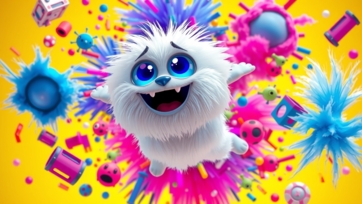
Where to Find Stickers, Posters & Printables: A 2025 Guide for Creative Parents

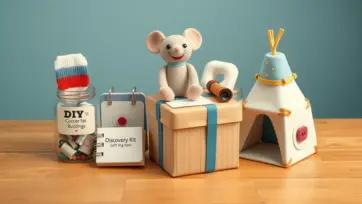
Decorating a room, personalizing a notebook, or finding the perfect craft printable doesn't have to be a wild goose chase. In 2024, a blend of official sources and creative community hubs offers a wealth of options for fans of gentle, popular characters. This guide will navigate you to the best places—both online and offline—to find high-quality, safe, and fun stickers, posters, and printables for your child's next project.


Guiding Principle: Safety, Quality & Respect :

  • Prioritize Official Sources: For guaranteed quality and safety (non-toxic inks, safe materials).

  • Trust Reputable Creators: When using independent artists, look for positive reviews and clear usage terms.

  • Respect Copyright: Use printables for personal, non-commercial fun only. Support artists by purchasing their official products.


Category 1: Official & Licensed Merchandise – For Guaranteed Quality :

These are your go-to sources for authentic, high-fidelity designs.

  • 1. Official Character Website/Online Shop:

    • What You'll Find: This is the primary source for officially licensed posters, high-quality vinyl sticker packs, and sometimes exclusive print-on-demand items like wall decals. Designs will be accurate and vetted.

    • Best For: Premium posters, durable sticker sheets, and official wall art.

    • Tip: Sign up for newsletters to get alerts on new collections and sales.

  • 2. Major Online Retailers (Amazon, Walmart, Target):

    • What You'll Find: Search for "[Character Name] stickers" or "[Character Name] poster" in the Toys, Home Decor, or Office Supplies sections. You'll find a mix of officially licensed and third-party products.

    • Best For: Quick shipping, variety, and easy price comparison. Always check seller ratings and reviews for quality.

    • Tip: Filter by "Amazon's Choice" or "Top Rated" and read customer photos to see the actual product quality.

  • 3. Specialty Toy & Comic Stores:

    • What You'll Find: Local comic book shops, toy stores, or large chains like FYE often carry niche pop culture merchandise, including stickers, button pins, and small posters.

    • Best For: Discovering unique items and supporting local businesses. Great for impulse finds.

    • Tip: Call ahead to ask about their selection of character merchandise.


Category 2: The Creative Marketplace – For Unique & Artistic Takes :

Platforms where independent artists sell their designs.

  • 1. Etsy:

    • What You'll Find: A treasure trove of handmade and digital goods. Search for "[Character Name] stickers," "[Character Name] printable," or "[Character Name] poster." You'll find original artist interpretations, digital download packs for instant printing, and custom-made items.

    • Best For: Unique art styles, printable activity packs (coloring pages, door hangers), and custom orders.

    • Tip: Read shop reviews diligently. For printables, ensure you understand the file type (PDF, PNG) and license.

  • 2. Redbubble & Society6:

    • What You'll Find: These print-on-demand platforms host millions of artist designs. You can find the character on every product imaginable: stickers, posters, magnets, phone cases, and more. Each item is printed when ordered.

    • Best For: Stickers in every size and shape (matte, transparent, glossy), and large format posters. You're directly supporting the artist with each purchase.

    • Tip: Use the search filters to browse by product type (e.g., "Stickers" or "Wall Art"). You can often choose from multiple design variations by different artists.


Category 3: The DIY & Printable Hub – For Instant, At-Home Projects :

For the crafty parent who wants to print and play today.

  • 1. Pinterest:

    • What You'll Find: The ultimate visual search engine for ideas. Search "[Character Name] coloring page," "[Character Name] free printable," or "[Character Name] DIY craft." You'll find links to blogs and websites offering free resources.

    • Best For: Inspiration and finding links to free, fan-made coloring sheets, paper crafts, or party decorations.

    • Important: Always click through to the original source (a blog or website) to download. Ensure the site is reputable and the download is intended for free personal use.

  • 2. Educational & Parenting Blogs:

    • What You'll Find: Many creative parenting blogs design and share free printable packs centered around popular, gentle characters. These often include puzzles, matching games, "I Spy" sheets, and cut-out masks.

    • Best For: Screen-free activity sheets that are educational and fun. Quality can be excellent.

    • Tip: These are usually offered as a free download in exchange for an email subscription. Use a dedicated email if concerned about newsletters.

  • 3. Canva (Pro/Free):

    • What You'll Find: A graphic design platform with a vast library of clipart and elements. While you won't find licensed character images, you can use it to create your own themed designs using simple shapes, colors, and text that evoke the character's style (e.g., create a poster with a blue circle, big white eyes, and the text "Stay Curious!").

    • Best For: Making completely custom, personal posters, chore charts, or sticker designs (if you have printable sticker paper).

    • Tip: Use the color picker tool to match the character's exact signature blue for a coordinated look.


Smart Shopping & Safety Checklist :

Before you click "buy" or "download," run through this list:

  1. Source: Is it official or a reputable seller/artist?

  2. Reviews: What do other buyers say about print quality, sticker durability, or accuracy?

  3. License: For printables, is it clearly for personal use only?

  4. Safety: For young children, are stickers described as safe and non-toxic? Are posters printed on safe paper with soy-based inks?

  5. File Format: If buying a digital printable, do you have the software to open it (usually PDF or PNG)?


Conclusion: Build a World of Wonder :

Whether you're seeking a durable wall decal from an official store, a unique artist's sticker from Etsy, or a free coloring page for a rainy day, the resources are plentiful. By choosing quality sources and respecting the creative work behind these designs, you can easily find the perfect decorative touches to celebrate your child's interests and fuel their imagination.

Happy hunting and creating!

Advertisement
YouTube Premium vs. YouTube Kids – What’s Better for Your Child in 2026?
The YouTube ecosystem offers two primary pathways for families: the ad-free, feature-rich YouTube Premium and the walled-garden, curated YouTube Kids. Choosing between them isn't about finding the single "best" option, but about matching the right tool to your family's specific values, your child's age, and your parenting style. This 2026 guide breaks down each service to help you make an informed decision for your digital household. The Core Philosophy: Two Different Approaches : YouTube Kids is a controlled environment. It's a separate app/platform designed from the ground up for children, with heavy human and algorithmic curation, simplified controls, and a commitment to being "family-friendly." YouTube Premium is an enhancement tool for the main YouTube platform. It doesn't change what is available, but it removes ads and unlocks features. Its use for children depends entirely on your own active supervision and parental controls. Let's compare them across the key dimensions that matter to parents. Content Library & Curation: Safety vs. Breadth : YouTube Kids: Pros: Features a severely restricted library of videos deemed appropriate for children by a mix of automated filters, human reviewers, and partner channels. It offers three age-based content settings (Preschool, Younger, Older) to tailor the experience. The chance of encountering blatantly inappropriate content is very low. Cons: The library can feel limited, especially for older, curious kids. Some parents have noted "edutainment" content that is overly commercialized or of low educational value slipping through. It can also block genuinely useful, child-appropriate content from the main site. YouTube Premium (on a Supervised Account): Pros: Grants access to the entire universe of YouTube, including educational channels, hobby tutorials, family vloggers, and music. With your careful supervision and channel subscriptions, you can build a rich, personalized learning feed. Cons: The "algorithm" is designed for general audiences, not children. Without extreme vigilance, it can easily recommend increasingly mature, commercialized, or sensational content. The burden of curation falls 100% on you. Winner for Content Safety: YouTube Kids.Winner for Content Breadth & Customization: YouTube Premium (with hands-on parenting). Advertisements & Commercialism: The Ad-Free Promise : YouTube Kids: Pros: It does have ads, but they are supposedly vetted to be appropriate for children and are limited in number. There are no display or overlay ads. Cons: Ads are still present. The line between content and advertising can be blurry, with channels dedicated to unboxing toys or video game promotions feeling inherently commercial. YouTube Premium: Pros: It removes all video ads across all of YouTube. This is its core feature. For a child using the main site, this eliminates interruptions, pre-roll ads for inappropriate products, and reduces the manipulative "clickbait" cycle fueled by ad revenue. Cons: It does not remove integrated product placements or sponsorships within the videos themselves. Winner for Ad Experience: YouTube Premium. An ad-free experience is profoundly different and removes a major vector of commercial pressure and inappropriate exposure. Features & Parental Controls: Built-in vs. DIY : YouTube Kids: Pros: Offers straightforward parental controls: passcode-locked settings, timer limits, the ability to block specific videos or channels, and content level selection. The interface is simple for a child to navigate. Cons: Controls can feel broad-stroke. The "Approved Content Only" mode requires you to hand-pick every single channel and video—a time-intensive process. YouTube Premium (with Google Family Link): Pros: When combined with a Supervised Google Account (managed via Family Link), you get powerful, granular controls for the main YouTube app: you can restrict the child to only watch videos you approve, or limit them to content rated for "9+." You can also set time limits and monitor watch history. Cons: This setup is more complex to configure. The "approved content only" mode is similarly labor-intensive. The main YouTube interface remains complex and tempting. Winner for Ease of Use & Built-In Safety: YouTube Kids.Winner for Granular Control (for tech-savvy parents): YouTube Premium + Supervised Account. Cost & Value Analysis : YouTube Kids: Free. It is a no-cost product. YouTube Premium: Paid Subscription. Requires a monthly fee. However, a YouTube Premium Family plan can cover up to 5 family members (all sharing the ad-free benefit) and includes YouTube Music Premium. Winner on Cost: YouTube Kids.Winner on Family-Wide Value: YouTube Premium Family (if you want ad-free YouTube and music for everyone). The Verdict: Which Service is "Better"? The answer depends entirely on your child's age and your desired level of involvement. Choose YouTube Kids If: Your child is between 3 and 8 years old. You want a "set it and mostly forget it" level of safety. You are comfortable with its curated, limited library. Your primary goal is to avoid explicit inappropriate content with minimal effort. Choose YouTube Premium (with a Supervised Account) If: Your child is 9 years or older and has specific, mature educational interests (e.g., advanced science tutorials, historical documentaries, creative software guides). You are committed to co-viewing and actively building playlists/channel subscriptions together. You want to completely eliminate video ads for your child. You already want Premium for your own use and can add them to a Family plan. The 2026 Expert Recommendation: A Phased Hybrid Approach : The most effective strategy often uses both tools at different stages. Ages 3-7: Start with YouTube Kids. This is the default, safe sandbox. Use it to establish good habits. Supplement with high-quality content from dedicated platforms like boobacartoon.com for storytelling and learn.universitiesforllm.com for structured lessons. Ages 8-10: Transition with Premium + Supervision. As their needs outgrow YouTube Kids, create a Supervised Google Account. Use the "Approved Content Only" mode on the main YouTube app. This is labor-intensive but allows you to add specific educational channels. A YouTube Premium subscription here is highly recommended to strip out ads. Ages 11+: Guided Independence with Premium. Move to a less restrictive supervised level (like "Explore More") but maintain time limits and regular check-ins of watch history. Continue to have conversations about algorithm awareness and critical thinking. Always maintain the ad-free benefit of Premium. The Bottom Line:YouTube Kids is a safer, simpler product for children.YouTube Premium is a more powerful tool for parents who are willing to be highly engaged media mentors. In 2026, the best choice is the one that aligns with your active parenting, not the one that promises passive peace of mind.
Why Kids Love Booba: Psychological Reasons Explained
Booba is one of the most popular cartoon characters among young children across the world. From toddlers to preschoolers, kids are instantly drawn to his funny expressions, playful actions, and curious nature. But what exactly makes Booba so appealing to children? The answer lies not just in animation or humor, but in child psychology. In this article, we explore the psychological reasons why kids love Booba, how his behavior matches early childhood development, and why parents see such strong engagement when children watch Booba episodes. 1. No Language Barrier: Perfect for Young Minds: One of the strongest psychological reasons behind Booba’s popularity is that he does not speak. Children aged 2–6 years process the world mainly through: Visual cues Facial expressions Body movement Booba communicates entirely through sounds, gestures, and exaggerated reactions. This matches how young children naturally understand emotions before language fully develops. Psychological Impact Reduces cognitive load Improves emotional recognition Makes content universal and easy to understand Kids don’t need explanations — they feel the story. 2. Exaggerated Facial Expressions Attract Attention: Children are naturally attracted to big eyes, wide mouths, and dramatic expressions. Booba’s character design is built exactly around this principle. Why This Works Large eyes help babies and toddlers focus Clear emotions help kids identify feelings Over-reaction feels funny and safe From a psychological point of view, exaggerated expressions help children: Learn emotions faster Stay engaged longer Feel emotionally connected This is why kids often laugh even before understanding what is happening. 3. Curiosity Matches a Child’s Natural Behavior: Booba behaves exactly like a child exploring the world for the first time. He touches everything, opens drawers, presses buttons, and experiments without fear. This mirrors early childhood curiosity, where children learn through trial and error. Psychological Connection Children see themselves in Booba: “He is like me” “I do that too” “I want to explore like him” This creates instant emotional bonding, which is why kids keep returning to Booba episodes. 4. Safe Chaos Without Fear: Booba creates mess, chaos, and funny accidents — but nothing bad ever happens. From a child psychology perspective, this is extremely important. Kids enjoy: Falling Slipping Funny mistakes But only when: There is no pain No danger No scary consequences Booba provides controlled chaos, allowing children to laugh freely without stress or fear. 5. Short Attention-Span Friendly Episodes: Young children have a very limited attention span. Booba episodes are usually short, fast-paced, and visually rich. Psychological Benefits Prevents boredom Reduces overstimulation Keeps dopamine levels balanced Quick actions, constant movement, and visual surprises keep the child’s brain engaged without exhaustion. 6. Repetition Creates Comfort: Children love watching the same episode again and again. Booba’s predictable structure helps with this. Psychologically, repetition: Builds emotional safety Increases memory development Reduces anxiety Kids feel comfortable knowing: What kind of fun to expect That nothing scary will happen This is why children often demand the same Booba episode repeatedly. 7. Bright Colors Stimulate the Brain: Booba episodes use bright, high-contrast colors, which are scientifically proven to attract young viewers. Color Psychology for Kids Red & yellow increase excitement Blue creates trust Green adds balance High contrast improves focus These colors stimulate the visual cortex and keep kids emotionally engaged. 8. Booba Encourages Independent Thinking: Booba does not tell children what to think or feel. There is no narration explaining lessons. This allows children to: Observe Interpret Think independently Psychologists call this active viewing, which improves: Cognitive development Decision-making Observation skills Kids feel smarter because they “figure things out” themselves. 9. Positive Emotions Only: Booba’s world is filled with: Joy Surprise Curiosity Laughter There is no anger, fear, or sadness lasting long. For children, this emotional environment feels safe and comforting. This is why parents notice: Calm behavior Happy mood Reduced screen-time tantrums after watching Booba. 10. Booba Builds Emotional Confidence: When kids see Booba: Failing Falling Trying again They learn that: It’s okay to make mistakes Trying again is normal Learning can be fun This builds emotional resilience, an important psychological skill for early childhood. Why Parents Notice Strong Attachment: Parents often report that children: Laugh louder at Booba Watch attentively Ask for Booba again This happens because Booba meets core psychological needs: Safety Curiosity Joy Exploration Very few cartoons achieve this balance. Final Thoughts: Kids love Booba not just because he is funny, but because he is psychologically designed for early childhood development. His silent communication, bright colors, exaggerated emotions, and curiosity-driven adventures perfectly match how young brains learn and feel. Booba is a powerful example of how entertainment, psychology, and education can come together — making him one of the most loved kids’ cartoon characters worldwide.
How Animations Are Made: A Simple Guide for Kids
Have you ever wondered how your favorite cartoon characters move, talk, and go on adventures? It feels like magic, but it’s actually a super cool mix of art, technology, and patience! Making an animation is like creating a flipbook, but with lots of people and powerful computers helping out. Let’s follow the journey of a single cartoon from the first spark of an idea to the show on your screen! Step 1: The Big Idea – It All Starts with a Story! : Every cartoon begins with someone’s imagination. The Writers dream up the story, the jokes, and what the characters will say. The Storyboard Artists are like comic book creators. They draw the story shot-by-shot in simple sketches. This is the cartoon’s first visual blueprint! It shows what characters are doing, where they are, and how the camera moves. Step 2: Meet the Characters – Design Time! : Before they can move, we need to know what they look like from every angle! Character Designers draw the heroes, villains, and everyone else. They make model sheets that show how a character stands, smiles, runs, and even looks sad. This makes sure they look the same in every scene. Step 3: The Secret of Movement – It’s an Illusion! : Our eyes and brains can be tricked! Animation works because of something called persistence of vision. If you see a bunch of pictures that are slightly different, one after another very quickly, your brain blends them into one moving image. Traditional (Hand-Drawn) Animation: Artists called Animators draw every single movement on special paper. For one second of cartoon, they need to draw 24 pictures (called frames)! That’s a LOT of drawing. The lead animator draws the key poses, and assistants draw the pictures in between. Stop-Motion Animation: This is like playing with action figures and taking a photo every time you move them a tiny bit. Animators use puppets or clay models, move them bit by bit, and take a photo of each move. When they play all the photos quickly, the puppet looks like it’s moving by itself! Computer (CGI) Animation: This is how most modern movies and shows are made. Artists build 3D models of the characters and worlds inside the computer. It’s like making a super-detailed virtual puppet. Then, Animators use special controls to move the model’s parts and create the performance, setting a "key pose" for each important movement. The computer creates the smooth "in-between" frames. Step 4: Adding Color and Backgrounds – Building the World : Background Artists paint the beautiful worlds where the adventure happens—the forests, cities, and castles. Clean-Up Artists make the rough drawings look perfect and ready for color. Color Artists (or computers) fill in all the characters and objects with their correct, bright colors. Step 5: Making it Come Alive – Sound and Final Magic! : A cartoon isn’t complete without sound! Voice Actors record all the characters' lines, screams, and laughs in a studio. Foley Artists create sound effects by making noises in creative ways—cracking celery for bone sounds, shaking leather for thunder, or stepping in cornstarch for snow. Composers write the exciting music that makes you feel happy, scared, or ready for adventure. The Final Edit: All the pieces—the moving pictures, the voices, the sound effects, and the music—are put together perfectly by editors, like a giant, amazing puzzle. Then it’s ready for you to watch! You Can Try It! A Mini Animation Project : Make Your Own Flipbook: Get a small stack of sticky notes or a notebook. On the last page, draw a simple character (like a smiling circle). On the next page, draw it again, but move it just a little bit. Keep doing this on each page, moving your character step-by-step. Now flip the pages quickly with your thumb. Your drawing is moving! You just made an animation! Conclusion: Teamwork Makes the Dream Work! : Making an animation is a huge project that takes many talented artists and technicians a long time—sometimes years for a movie! They are all storytellers who use drawings, models, or computers to create the magical moving pictures we love. The next time you watch your favorite cartoon, remember: it started as one simple drawing and a big idea.
Best Parental Control Apps for 2025
In 2025, technology continues to play a significant role in children’s lives. Smartphones, tablets, and computers are essential tools for learning and entertainment, but they also come with risks. Parental control apps help parents monitor and manage their child’s screen time, online safety, and content access, ensuring a secure digital environment. The best parental control apps combine ease of use, robust security features, and flexibility, allowing parents to customize access based on their child’s age and needs. These apps are not just about restriction—they also help promote healthy screen habits, educational engagement, and balanced digital experiences. Why Parental Control Apps Are Important: Parental control apps provide several benefits: Protect children from inappropriate content Limit screen time to promote healthy routines Track device usage and app activity Encourage educational and creative screen engagement Offer peace of mind to parents Using parental control apps helps balance technology use while maintaining child safety and development. Key Features to Look for in 2025: Modern parental control apps offer features that address both security and learning: App and website blocking: Filter inappropriate content Screen time management: Schedule limits for devices and apps Activity monitoring: Track usage, calls, and messages Location tracking: Ensure child safety outdoors Educational recommendations: Suggest age-appropriate apps and content Cross-device compatibility: Manage multiple devices from one dashboard These features make it easier for parents to stay informed and proactive. Top Parental Control Apps for 2025: Here are some of the best apps for parents in 2025: Qustodio: Comprehensive dashboard for monitoring Website and app filtering Screen time scheduling Activity and social media monitoring Google Family Link: Device management for Android and Chromebook App approvals and usage reports Screen time and bedtime limits Easy-to-use interface Norton Family: Monitors online activity and search history Blocks inappropriate websites Tracks location Encourages responsible online behavior Bark: Monitors texts, emails, and social media Detects cyberbullying, explicit content, and threats Sends alerts to parents Supports multiple devices Kaspersky Safe Kids: Content filtering and app control Location tracking and battery alerts Monitors social networks Provides tips for healthy device usage These apps are trusted, updated, and compatible with modern devices, making them ideal for 2025. Tips for Using Parental Control Apps Effectively: To maximize the benefits of parental control apps: Discuss with your child why controls are in place Set realistic limits and explain the reasons Regularly review reports and adjust settings as needed Encourage educational and creative content over passive usage Combine app monitoring with active parental guidance This approach ensures children understand boundaries and develop healthy habits. Balancing Control with Trust: While parental control apps are essential, children also need trust and autonomy: Gradually allow older children more freedom with monitoring Encourage responsible decision-making online Praise positive behavior and self-regulation Use apps as tools, not strict punishment Balancing control and trust fosters digital responsibility and confidence. Conclusion: Parental control apps in 2025 provide a vital combination of safety, education, and screen time management. Choosing the right app, setting clear rules, and actively engaging with children ensures a secure and enriching digital environment. With the proper tools and guidance, parents can help children enjoy technology safely, learn effectively, and develop healthy screen habits.
Why Cartoons Are Important for Childhood Development: A 2025 Perspective
In an era dominated by debates over screen time, it's easy to overlook a fundamental truth: high-quality cartoons are not merely digital babysitters. When chosen intentionally, they are a vibrant, dynamic tool that can significantly contribute to a child's cognitive, social, and emotional growth. This 2025 guide moves beyond the screen-time clock to explore the multifaceted developmental benefits of thoughtful cartoon viewing. Beyond Entertainment: Cartoons as a Developmental Tool : Modern, well-crafted cartoons are designed by teams of artists, writers, and often child development experts. They are complex narratives that do far more than fill time; they provide a shared cultural language and a safe space to explore big ideas. 1. Cognitive & Language Development: Building a Smarter Brain : Cartoons can actively stimulate young minds in powerful ways. Vocabulary Expansion: Children's programming often introduces a richer vocabulary than everyday conversation. Narratives expose them to new words, concepts (like "gravity," "habitat," "emerge"), and linguistic structures in a memorable, contextualized way. Foundation for Literacy: The sequence of events in a plot teaches story structure—beginning, middle, end, cause and effect. This is a direct precursor to reading comprehension. Shows with on-screen text or wordplay reinforce letter and sound recognition. Executive Function: Many cartoons pose problems that characters must solve. Watching them model planning, perseverance, and flexible thinking ("That didn't work, try something else!") helps children internalize these critical cognitive skills. Cultural & General Knowledge: Cartoons can be a child's first window into history, geography, science, and different cultures, making learning visceral and engaging. 2. Social & Emotional Learning (SEL): The School of Feelings : Cartoons provide a "social simulator" where children can safely observe and process complex interpersonal dynamics. Empathy & Perspective-Taking: By identifying with characters, children learn to recognize and label emotions—not just their own, but those of others. They see the consequences of kindness, sharing, and hurtful actions in a low-stakes environment. Navigating Social Scenarios: Storylines often revolve around friendship conflicts, teamwork, jealousy, and reconciliation. Children absorb scripts for social problem-solving they can apply in their own lives. Resilience & Coping: Characters face fears, make mistakes, and experience disappointment. Seeing them cope in healthy ways provides models for emotional regulation and resilience. Representation & Identity: Seeing characters who look like them or share their experiences validates a child's own identity. Seeing diverse characters builds understanding and inclusivity from a young age. 3. Creativity & Imaginative Play: Fuel for the Inner World : The vibrant, rule-bending worlds of animation are potent fuel for a child's imagination. Spark for Pretend Play: Cartoons provide characters, scenarios, and worlds that children eagerly recreate in their own play, building narratives, dialogue, and problem-solving in real-time. Visual Creativity: The unique art styles of different cartoons expand a child's visual library and can inspire their own drawing, building, and creative expression. "What If" Thinking: Animated worlds often operate on different logic, encouraging divergent thinking and the exploration of possibilities beyond the real world. 4. The Family Connection: A Shared Cultural Experience : Cartoons create common ground for connection and conversation. Co-Viewing as Bonding: Watching together is shared joy. It's an opportunity to laugh, gasp, and experience a story as a team. Springboard for Big Talks: A character's dilemma can be the perfect, non-threatening entry point to discuss real-life issues like bullying, honesty, or frustration. Parents can ask, "What would you have done?" Building Family Lore: Favorite shows, quotes, and characters become part of a family's shared language and inside jokes, strengthening bonds. The Critical Caveat: Not All Cartoons Are Created Equal : These benefits are contingent on quality, age-appropriateness, and context. The Quality Spectrum: A slow-paced, character-driven show about cooperation is neurologically different from a hyper-fast, violent comedy clip. Seek out animation that prioritizes story and character. The Co-Viewing Factor: The benefits are magnified exponentially when an adult is present to discuss, explain, and connect the on-screen events to the child's world. This "mediated viewing" transforms passive consumption into active learning. Balance is Non-Negotiable: Cartoons should be a part of a rich developmental diet that includes physical play, real-world exploration, reading, and unstructured downtime. Choosing Developmentally Positive Cartoons in 2025: A Quick Guide : For Toddlers (2-4): Look for slow pacing, simple narratives, and gentle humor. Focus on shows that label emotions and objects clearly. For Preschoolers (4-6): Seek out shows that model social problem-solving, empathy, and curiosity. Slightly more complex plots are appropriate. For School-Age (6-10): Cartoons can explore more complex themes of friendship, ethics, and persistence. This is a great age for shows that introduce STEM concepts or historical events in an engaging way. Conclusion: Intentional Viewing as a Parenting Strategy : The question in 2025 is not "Should my child watch cartoons?" but "How can we make this screen time meaningful?" By moving from seeing cartoons as mere entertainment to recognizing them as a potential catalyst for discussion, learning, and connection, we reclaim their value. A well-chosen cartoon, watched together and talked about afterward, is not a developmental compromise—it can be a legitimate and valuable tool in the modern parenting toolkit, nurturing a child's mind and heart in equal measure.
Booba Characters Explained: Loola, Spike, Mr. Beak & More
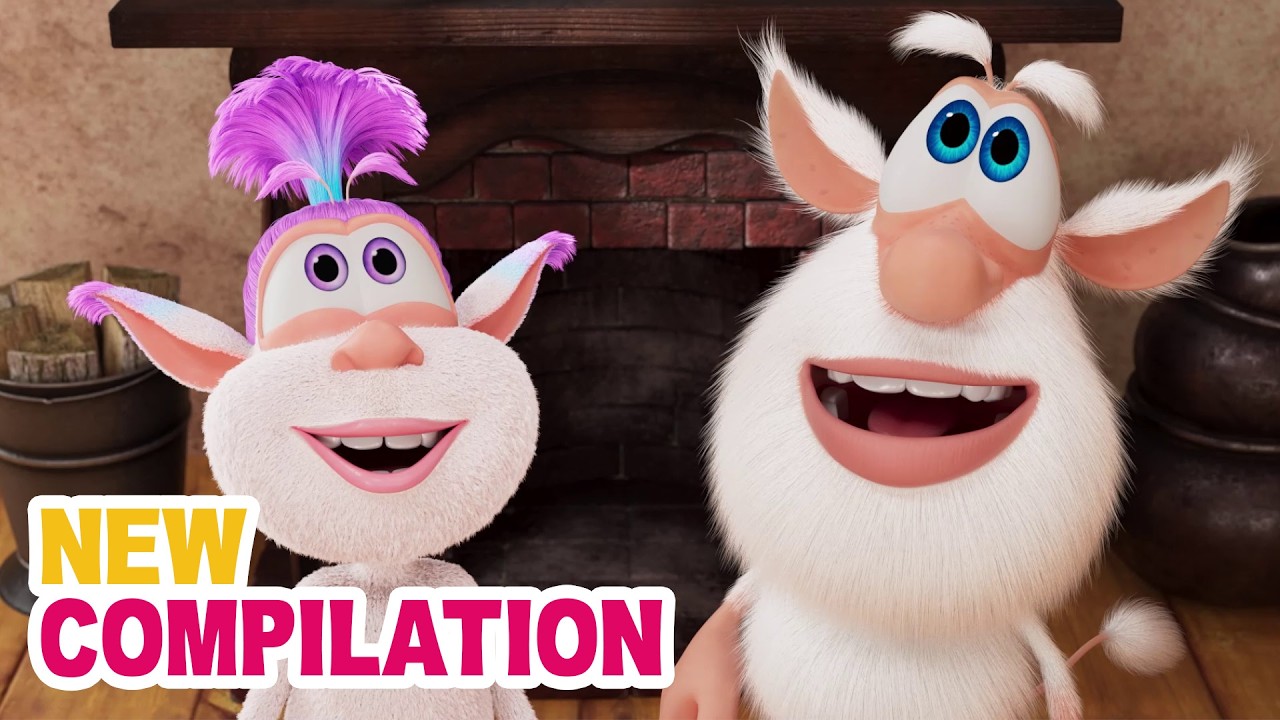
The world of Booba is not just about one curious little creature—it is filled with colorful, funny, and memorable characters that make every episode exciting. Each character in the Booba cartoon series has a unique personality, role, and lesson to offer children. Together, they create a playful universe that keeps kids entertained while subtly teaching important values. In this detailed guide, we explain all major Booba characters, including Loola, Spike, Mr. Beak, and more, and explore why kids love them so much. Why Booba Characters Matter: Booba episodes rely heavily on visual storytelling, expressions, and character interactions. Since there is no spoken dialogue, each character’s body language, emotions, and behavior play a major role in storytelling. These characters help children learn: Social interaction Emotional understanding Friendship and cooperation Problem-solving through observation 1. Booba – The Curious Explorer: Booba is the heart of the series. He is a small, fluffy, white creature with big blue eyes and endless curiosity. Booba loves exploring everyday environments like kitchens, bedrooms, and gardens, turning simple objects into fun adventures. Personality Traits Curious and adventurous Playful and energetic Innocent and kind-hearted Determined and brave What Kids Learn from Booba Curiosity leads to learning Mistakes are okay Trying again is important Imagination makes life fun Booba’s exaggerated reactions and expressive face make him instantly lovable for young children. 2. Loola – The Energetic Companion: Loola is one of the most cheerful characters in the Booba universe. She is energetic, playful, and often seen dancing or jumping around with excitement. Loola brings movement, rhythm, and joy into many episodes. Personality Traits Energetic and lively Friendly and playful Confident and expressive Role in Episodes Loola often joins adventures and adds excitement to scenes. Her movements and enthusiasm encourage kids to stay active and expressive. Lesson for Kids Expressing happiness is healthy Physical activity is fun Sharing joy strengthens friendships 3. Spike – The Mischievous Hedgehog: Spike is the troublemaker of the group. As a small hedgehog, he loves creating playful chaos, surprising others, and testing boundaries. While Spike can be mischievous, he is never truly mean. Personality Traits Mischievous and playful Curious but careless Funny and unpredictable Role in Episodes Spike’s actions often create funny problems that Booba and others must solve. Lesson for Kids Actions have consequences Mischief should not harm others Mistakes can be fixed Spike teaches children about responsibility through humor. 4. Mr. Beak – The Clever Observer: Mr. Beak is a smart and calm parrot who usually watches events from a distance. He appears thoughtful and sometimes helps guide situations without directly interfering. Personality Traits Intelligent and observant Calm and patient Helpful and wise Role in Episodes Mr. Beak often notices things others miss. He sometimes reacts subtly, encouraging kids to observe carefully. Lesson for Kids Observation is important Thinking before acting helps Calm behavior solves problems 5. Googa – The Inventor: Googa is the creative genius of the group. He loves tools, machines, and experiments. His curiosity focuses more on how things work rather than just playing with them. Personality Traits Intelligent and creative Curious and focused Innovative and logical Role in Episodes Googa introduces gadgets, inventions, and mechanical fun that adds educational value. Lesson for Kids Creativity and logic go together Building and experimenting are valuable skills Learning how things work is exciting How These Characters Help Child Development: Each Booba character contributes to a child’s development in a unique way: Character Skill Encouraged Booba Curiosity & resilience Loola Confidence & expression Spike Responsibility & awareness Mr. Beak Observation & patience Googa Creativity & problem-solving Together, they create a balanced learning environment for kids. Why Kids Love Booba Characters: Children connect with these characters because: They are visually expressive Their personalities are easy to understand Situations are relatable There is no language barrier This makes Booba a globally loved kids’ cartoon. Why Parents Trust Booba Characters: Parents appreciate Booba because: No violence or bad language Positive behavior modeling Encourages creativity and thinking Safe for preschoolers Each character reinforces healthy emotional and social development. Final Thoughts: The Booba cartoon series is successful not only because of its humor but because of its well-designed characters. Loola brings energy, Spike adds playful chaos, Mr. Beak offers wisdom, and Googa fuels curiosity. Together with Booba, they create a world that is fun, educational, and emotionally safe for children. Understanding these characters helps parents appreciate why Booba is more than just entertainment—it is a powerful learning experience wrapped in laughter.
Best Adventure Cartoon Stories for Children
Adventure cartoons are a favorite among children because they combine excitement, exploration, and learning in one engaging package. In 2025, adventure cartoon stories have become a popular tool for teaching problem-solving, teamwork, creativity, and curiosity while entertaining toddlers and preschoolers. Through imaginative journeys and colorful characters, children learn valuable life skills, moral lessons, and knowledge about the world. This guide explores the benefits of adventure cartoons, top series for 2025, and tips for parents to maximize learning through these exciting stories. Why Adventure Cartoons Are Great for Children: Adventure cartoons engage children in ways that make learning fun and memorable: Encourage curiosity: Children explore new worlds, animals, and concepts through animated adventures. Teach problem-solving: Characters encounter challenges, showing children how to think creatively and logically. Promote teamwork and cooperation: Many stories involve friends or teams working together to overcome obstacles. Introduce moral lessons: Courage, honesty, kindness, and perseverance are woven into adventures. Enhance imagination: Colorful settings and imaginative storylines boost creativity and innovation. By watching adventure cartoons, children absorb knowledge naturally, making screen time both entertaining and educational. Key Learning Lessons in Adventure Cartoons: Problem-Solving and Critical ThinkingCharacters face puzzles, obstacles, or mysteries that require thinking and planning. Teamwork and CooperationChildren see friends working together to achieve goals, reinforcing collaboration skills. Courage and ResilienceHeroes and characters face fears or challenges, teaching children bravery and perseverance. Respect and KindnessInteractions between characters often highlight empathy, sharing, and politeness. Exploration and CuriosityChildren learn about different places, animals, and cultures through fun adventures. Top Adventure Cartoon Series for Children in 2025: 1. Booba Adventure Tales: Booba’s curiosity-driven adventures take children on journeys through forests, cities, and imaginative worlds. Highlights: Non-verbal storytelling for universal understanding Encourages observation, exploration, and problem-solving Perfect for toddlers and preschoolers 2. Dino Learners: Adventure Edition: Dinosaur-themed adventures teach children about prehistoric life, science, and teamwork. Learning benefits: Basic paleontology and dinosaur facts Geography and environmental concepts Adventure-based problem-solving Recommended for ages 4–10 3. Little Hero Adventures: Animated mini-stories where small characters embark on courageous journeys, teaching moral and social lessons. Key lessons: Overcoming fears and challenges Cooperation and helping friends Empathy and resilience 4. Forest Friends Adventures: Animal characters explore forests, rivers, and mountains, solving problems and learning lessons along the way. Learning highlights: Nature and environmental awareness Social skills and teamwork Critical thinking and observation 5. Space Explorers Jr.: A space-themed adventure series that introduces children to planets, stars, and basic astronomy in a fun way. Benefits: Sparking curiosity about science and space Learning cosmic facts through story-driven adventures Encourages problem-solving and imagination How Parents Can Enhance Learning: Adventure cartoons can be more effective with parental guidance: Watch together: Discuss challenges characters face and ask, “What would you do?” Encourage role-play: Children can act out adventures, strengthening imagination and problem-solving skills. Repeat favorite episodes: Repetition reinforces learning and understanding. Relate lessons to real life: Highlight teamwork, courage, or creativity in daily activities. Mix with offline activities: Drawing maps, creating storyboards, or mini-adventures at home. Limit screen time: Short, focused sessions maximize learning without overwhelming toddlers. Recommended Adventure Cartoon Stories for Children in 2025: Booba Adventure Tales – Observation, exploration, and problem-solving Dino Learners: Adventure Edition – Dinosaurs, teamwork, and science learning Little Hero Adventures – Courage, empathy, and social lessons Forest Friends Adventures – Nature, animals, and cooperation Space Explorers Jr. – Space, curiosity, and critical thinking These series are safe, colorful, and educational, providing children with fun-filled adventures that stimulate creativity, learning, and social skills. Final Thoughts: Adventure cartoons are more than just entertainment—they are powerful educational tools. In 2025, these stories help children develop critical thinking, teamwork, moral values, and curiosity, all while enjoying colorful and imaginative worlds. Parents can maximize learning by: Watching episodes together and discussing challenges Encouraging children to act out adventures Combining screen time with offline exploration and activities With the right adventure cartoons, screen time becomes an opportunity for learning, creativity, and social growth, helping children build skills that last a lifetime. Tip for Parents: Ask children to retell or draw the adventure story in their own words to reinforce comprehension, creativity, and memory.
Top 10 Funniest Booba Episodes of All Time
Booba, the adorable, curious, and mischievous cartoon creature, has captured the hearts of children around the world. Known for his expressive antics, playful adventures, and endless curiosity, Booba has become a favorite among preschoolers and young kids. If you’re a parent or a fan wondering which episodes are the most hilarious, we’ve compiled the Top 10 Funniest Booba Episodes of All Time. These episodes are guaranteed to make kids laugh, stay entertained, and even learn something new along the way. 1. Booba’s Big Balloon Adventure: In this episode, Booba discovers a colorful balloon that floats away whenever he tries to grab it. His hilarious attempts to catch the balloon include climbing chairs, bouncing on cushions, and even trying to use kitchen utensils as tools. The episode teaches kids about problem-solving while keeping the laughs coming. Why it’s funny: Booba’s exaggerated expressions, clumsy movements, and endless determination make this a comedy classic. 2. Booba and the Magical Kitchen: Booba sneaks into a kitchen full of gadgets, appliances, and ingredients. Chaos ensues as he tries to cook or taste everything he finds. From mixing flour in the air to accidentally turning on the blender, every moment is a source of laughter. Why it’s funny: The combination of everyday objects becoming unpredictable and Booba’s reactions creates endless humor. 3. Booba’s Bubble Trouble: In this episode, Booba discovers soap bubbles and is immediately fascinated. The playful bubbles float everywhere, causing Booba to chase, pop, and occasionally fall into funny situations. Why it’s funny: The episode uses visual comedy, with Booba slipping, sliding, and interacting with the bubbles in unexpected ways. 4. Booba at the Toy Store: Booba visits a toy store and becomes overwhelmed by the variety of toys. He climbs shelves, tries ride-on toys, and even causes a playful toy avalanche. This episode is packed with physical comedy and imaginative play. Why it’s funny: Booba’s curiosity leads to chaotic situations that kids find relatable and entertaining. 5. Booba and the Music Box: Booba finds a music box that plays different tunes when opened. He experiments with dancing, creating new sounds, and trying to imitate the music. His goofy dance moves and offbeat timing create endless giggles. Why it’s funny: Booba’s funny dancing, coupled with unexpected music, engages both children and parents alike. 6. Booba and the Flying Carpet: In this fantasy-inspired episode, Booba discovers a magic carpet. His attempts to fly it lead to funny crashes, dizzy spins, and comical landings. Children enjoy watching him navigate this new adventure while laughing at his clumsy but determined efforts. Why it’s funny: Visual humor, magical elements, and Booba’s expressive reactions make it highly entertaining. 7. Booba and the Giant Cake: Booba encounters a huge cake and can’t resist trying to taste it. He climbs, jumps, and slides across the cake, eventually creating a mess but having the time of his life. Why it’s funny: Booba’s obsession with food and the resulting chaos is relatable and hilarious for young viewers. 8. Booba in the Bathroom: Booba explores the bathroom, experimenting with water, soap, and the toilet. His curious antics lead to slippery floors, water splashes, and funny reactions. Why it’s funny: The episode uses slapstick humor and everyday scenarios that children easily relate to. 9. Booba and the Vacuum Cleaner: Booba discovers a vacuum cleaner and treats it as a giant robot. He runs, hides, and even tries to “tame” it, leading to a series of comical events. Why it’s funny: Booba’s fearless approach and exaggerated movements turn a simple household appliance into a source of endless laughter. 10. Booba’s Christmas Surprise: In this holiday special, Booba gets into festive mischief with Christmas decorations, presents, and a giant tree. His excitement leads to ornaments falling, lights flickering, and playful chaos. Why it’s funny: The combination of holiday cheer, Booba’s curiosity, and visual comedy makes this episode memorable and funny. Why Booba Episodes Are So Entertaining: Booba’s humor is universal. The show doesn’t rely on spoken language, which allows children of all ages and languages to enjoy it. Key factors that make Booba episodes funny include: Physical Comedy: Booba’s exaggerated movements, clumsy reactions, and playful antics appeal to young kids. Relatable Situations: Everyday objects and environments become hilarious adventures. Curiosity Gone Wild: Booba’s endless curiosity leads to funny chaos, which keeps kids laughing. Bright, Colorful Animation: Visual appeal adds to the entertainment factor. Parents also appreciate that the show is safe, educational, and encourages creativity, making Booba a favorite in homes worldwide. Educational Benefits of Funny Booba Episodes: Even though Booba’s episodes are primarily humorous, they also provide learning opportunities: Problem-Solving Skills: Kids learn through observation as Booba experiments with objects. Imagination and Creativity: Everyday items are transformed into fun adventures. Social Skills: Interaction with other characters teaches sharing, teamwork, and empathy. Emotional Understanding: Booba’s reactions help children identify emotions like surprise, joy, and curiosity. Where to Watch Booba Episodes: Parents can watch Booba episodes on multiple platforms: YouTube: Free access to all episodes. Netflix & Amazon Prime: Some seasons available for streaming. Official Booba App: Region-dependent availability. This makes it easy to enjoy Booba anytime, anywhere. Final Thoughts: Booba’s funniest episodes are more than just a source of laughter—they combine humor, curiosity, and learning into a single entertaining package. From playful balloon adventures to magical flying carpets, Booba brings joy to children worldwide. Parents can rest assured that Booba is a safe, educational, and engaging option for kids’ digital entertainment. Whether you’re looking for short, laugh-out-loud episodes or educational fun, these Top 10 Funniest Booba Episodes are the ultimate guide for parents and kids alike.