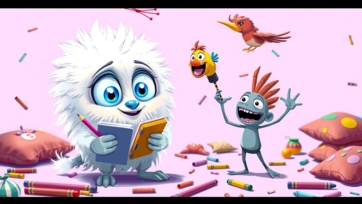
Playful Cartoon Characters vs. Classic Slapstick: Which Is Better for Kids?

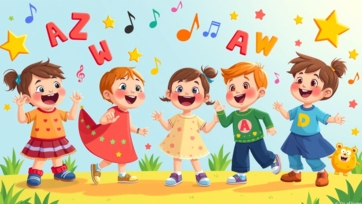
Children today enjoy a wide range of cartoons, from modern playful characters to classic slapstick animations like Tom and Jerry. Parents often ask: “Which type of cartoon is better for kids?”

This guide explores the benefits and drawbacks of modern playful cartoon characters versus classic slapstick animations, helping parents make informed viewing choices for children aged 3–8.


1. Entertainment Value:

  • Playful Cartoon Characters: Bright, colorful, and engaging, with humorous antics and relatable personalities.

  • Classic Slapstick (e.g., Tom and Jerry): Fast-paced comedy, physical humor, exaggerated chases, and funny conflicts.

  • Both types capture attention, but modern characters often include educational content and interactive scenarios.


2. Educational Content:

  • Playful Cartoon Characters: Many episodes teach social skills, problem-solving, creativity, and empathy.

  • Classic Slapstick: Mostly focused on humor; educational value is limited, but visual storytelling can develop observation skills.


3. Language and Communication Skills:

  • Playful Characters: Often verbal or interactive, allowing children to learn new words, sentence structures, and expressions.

  • Slapstick Cartoons: Typically non-verbal or minimal dialogue; children learn context, emotion, and sequencing.


4. Creativity and Imagination:

  • Playful Cartoon Characters: Encourage storytelling, role-playing, crafts, and imaginative thinking through colorful, relatable scenarios.

  • Slapstick Cartoons: Inspire physical comedy, timing, and mimicking actions, which can be entertaining but less structured for creativity.


5. Behavioral Considerations:

  • Playful Cartoon Characters: Emphasize cooperation, sharing, empathy, and positive problem-solving.

  • Slapstick Cartoons: Contain chase, minor conflict, and comic violence; parents should monitor if repeated imitation occurs.


6. Age Appropriateness:

  • Younger Kids (3–5 years): Playful, educational cartoons are generally safer and more beneficial.

  • Older Kids (6–8 years): Can enjoy slapstick cartoons in moderation, especially if accompanied by discussions about conflict and consequences.


Tips for Parents:

  1. Mix Content Wisely: Combine playful educational cartoons with occasional classic slapstick for variety.

  2. Co-View and Discuss: Talk about actions, emotions, and lessons from both types of cartoons.

  3. Set Screen Time Limits: Balance watching with creative play, reading, and outdoor activities.

  4. Monitor Reactions: Ensure children don’t imitate harmful or aggressive behaviors from slapstick scenes.

  5. Encourage Storytelling: Ask children to retell episodes, act out scenes, or create new endings.


Final Thoughts:

Both modern playful cartoons and classic slapstick have unique benefits. Modern characters often provide educational value, creativity, and social lessons, while slapstick cartoons offer humor, observation skills, and entertainment. The key is moderation, guided viewing, and discussion, allowing children to enjoy, learn, and grow through their favorite animated shows.


Advertisement
Best Booba Episodes for Kids (4–7 Years)
Booba has become one of the most beloved cartoon characters among children worldwide. While toddlers enjoy simple visuals, kids aged 4–7 years are ready for slightly more complex storylines, adventure, and humor. Booba episodes perfectly match this age group because they are funny, colorful, and interactive, with action-packed sequences that keep children engaged while subtly teaching life lessons. In this guide, we explore the best Booba episodes for kids aged 4–7 years, explaining why each episode is entertaining and developmentally beneficial. Why Booba Appeals to 4–7-Year-Olds: Children in this age group are developing: Logical thinking skills Imaginative play Social understanding Emotional awareness Booba delivers all these in a fun, non-verbal, visually rich format. Episodes feature: Problem-solving scenarios Interactive adventure sequences Bright, high-contrast colors Humor that matches their growing comprehension This combination makes Booba ideal for early school-age children. Top Booba Episodes for Kids (4–7 Years): 1. Booba’s Big Balloon Adventure Booba’s attempts to catch a floating balloon involve climbing, bouncing, and creative problem-solving. Why 4–7 kids love it: Teaches persistence Visual humor with exaggerated reactions Encourages logical thinking Lesson: Sometimes you need multiple attempts to succeed. 2. Booba and the Magical Kitchen Booba explores a kitchen filled with gadgets, ingredients, and utensils. His curiosity leads to chaos and inventive solutions. Why it’s perfect for 4–7-year-olds: Observation and experimentation Encourages creativity Simple cause-and-effect learning Lesson: Exploring new things is fun and educational. 3. Booba and the Flying Carpet A magical carpet adventure introduces fantasy elements. Booba experiments with flying, balancing, and problem-solving mid-air. Why it works for 4–7-year-olds: Encourages imagination Adventure and action are engaging Visual storytelling without language barriers Lesson: Creativity and curiosity can lead to fun discoveries. 4. Booba and the Giant Cake Booba encounters a huge cake and explores it with excitement. The chaos teaches planning, spatial awareness, and cause-and-effect. Why kids enjoy it: Humor and exaggerated expressions Visual learning through interactive objects Teaches playful risk-taking in safe ways Lesson: Exploration is rewarding, even if messy. 5. Booba and the Music Box Booba discovers a music box and experiments with rhythms, beats, and dancing. Why it’s perfect: Encourages musical awareness Improves timing and coordination Fun dancing sequences Lesson: Experimentation and creativity are exciting. 6. Booba and the Vacuum Cleaner Booba treats a vacuum cleaner like a playful creature. He learns, reacts, and solves problems creatively. Why kids love it: Problem-solving through observation Humor in safe, everyday scenarios Interactive and relatable Lesson: Everyday objects can inspire creativity and learning. 7. Booba and Bubble Trouble Booba plays with bubbles, exploring movement and reactions. Why it’s ideal for 4–7-year-olds: Cause-and-effect visual learning Fun, interactive animation Encourages curiosity and observation Lesson: Playful experimentation is part of learning. 8. Booba and the Toy Store Booba explores a store full of toys, climbing, sliding, and creatively interacting with objects. Why kids enjoy it: Interactive exploration Visual humor and problem-solving Encourages imaginative play Lesson: Exploration and creativity go hand in hand. 9. Booba’s Christmas Surprise Festive chaos as Booba interacts with decorations, presents, and a giant Christmas tree. Why it’s perfect for 4–7 kids: Seasonal fun and excitement Teaches cause and effect through safe chaos Encourages imaginative play Lesson: Joy and celebration can be shared safely with others. 10. Booba and the Balloon Animal Booba discovers balloons shaped like animals and interacts with them creatively. Why it works: Combines fantasy and real-world objects Encourages imaginative play Visual humor with colorful objects Lesson: Everyday items can spark imagination and creativity. Educational Benefits of These Episodes: Even though these episodes are primarily entertainment, kids learn: Problem-solving and logical thinking Creative exploration and imagination Cause-and-effect understanding Emotional recognition and humor Safe risk-taking and curiosity Booba combines fun and education in a natural, engaging way for kids aged 4–7. Why Parents Approve: Parents notice that Booba: Keeps children entertained safely Uses bright visuals and short stories ideal for attention spans Promotes social and cognitive skills indirectly Encourages independent observation and creativity Booba is a safe choice for screen time with educational value. Final Thoughts: For kids aged 4–7, Booba episodes provide the perfect blend of humor, adventure, imagination, and learning. Episodes like Big Balloon Adventure, Flying Carpet, and Giant Cake not only make children laugh but also subtly teach problem-solving, creativity, and curiosity. Parents can confidently let children watch Booba while knowing they are getting entertaining content with hidden educational value.
Safe YouTube Tips for Kids Who Love Playful Cartoon Characters
YouTube is a popular platform for children to watch funny and engaging animated characters. While these videos can be entertaining, it’s important for parents to ensure that children watch safely and responsibly. This guide provides practical tips for parents to help kids enjoy videos of their favorite playful cartoon characters without compromising safety or development. Why YouTube Can Be Both Fun and Risky: Educational Potential: Quality videos can teach colors, numbers, shapes, creativity, and problem-solving skills. Entertainment & Creativity: Watching funny animations encourages imaginative play and storytelling. Risks: Unsupervised viewing can expose children to inappropriate content, ads, or excessive screen time. Tips for Safe YouTube Viewing: 1. Use YouTube Kids App Designed specifically for children under 13 Filters content to be age-appropriate and educational Allows parental control over watch time, playlists, and channels 2. Set Viewing Limits Limit screen time according to age and daily schedule: Ages 3–5: ~1 hour/day Ages 6–12: 1–2 hours/day Combine with offline activities like drawing, crafts, or reading 3. Co-View and Engage Watch videos together and discuss: What the character is doing What the child learned Fun ideas to recreate or act out scenes Encourages interaction, comprehension, and bonding 4. Create Playlists of Trusted Content Pre-select favorite channels or videos of playful cartoon characters Avoid letting children browse freely, reducing the risk of inappropriate recommendations Include educational or creative content 5. Teach Digital Safety Explain not to click unknown links or ads Encourage children to ask a parent before searching new content Model responsible technology use 6. Integrate Hands-On Activities Turn videos into active learning experiences: Drawing or coloring characters Crafting or origami Role-playing favorite scenes Educational Tip: This transforms passive viewing into interactive learning and creativity. 7. Monitor and Adjust Observe the child’s reaction to videos: Are they engaged or frustrated? Do they imitate positive behaviors or problematic actions? Adjust content, time, and activities accordingly Benefits of Safe Viewing: Learning Skills: Numbers, letters, colors, shapes, and problem-solving Imagination & Creativity: Encourages storytelling, drawing, and acting Emotional Understanding: Recognizing characters’ expressions and emotions Screen-Time Balance: Teaches healthy viewing habits from an early age Final Thoughts: Children can enjoy funny and playful cartoon characters on YouTube safely when parents guide viewing habits. By pre-selecting content, limiting time, co-viewing, and integrating hands-on activities, parents can ensure videos are both fun and educational, promoting safe and positive screen experiences.
Best Summer Fruits for Kids' Growth | Hydrating & Nutritious Seasonal Snacks
Best Summer Fruits for Kids Growth: Summer is the season when children are most active, playing outdoors, running around, and burning energy at a faster rate than other times of the year. Their bodies require more hydration, energy, and nutrients to support growth and maintain immunity during hot months. Summer fruits are nature’s perfect solution: they are hydrating, naturally sweet, and packed with vitamins, minerals, antioxidants, and fiber that promote healthy growth in children. Including the right fruits during summer not only supports physical development but also improves energy levels, digestion, and cognitive performance. In Pakistan, summers can be extremely hot, and children often lose fluids and electrolytes faster. The National Nutrition Survey emphasizes the importance of seasonal fruits to combat dehydration, heat-related fatigue, and nutrient deficiencies. Let’s explore the best summer fruits for children’s growth, their benefits, and practical ways to include them in daily meals. Mango — The King of Summer Fruits: Mangoes are often called the “king of fruits” and for children, they truly deserve that title. Rich in vitamin A, vitamin C, potassium, and antioxidants, mangoes support bone growth, immunity, skin health, and brain development. Vitamin A in mangoes promotes healthy vision and tissue development, while vitamin C strengthens immunity. Potassium regulates fluid balance and supports heart and muscle function, crucial during active summer days. Practical Tips: Serve mango cubes or slices as a snack. Blend with yogurt or milk for a nutritious smoothie. Mix with other seasonal fruits to create a colorful fruit salad. Watermelon — Hydration and Electrolyte Balance: Watermelon is over 90% water, making it the perfect fruit to keep children hydrated during hot weather. It is also a source of vitamin C, potassium, and antioxidants, which help maintain electrolyte balance, improve circulation, and reduce heat-related fatigue. Watermelon is easy to digest and provides quick energy, making it ideal for active children who need hydration and natural sugars for stamina. Practical Tips: Cut into fun shapes to make it more appealing. Blend with mint or cucumber for a refreshing summer drink. Mix with berries or other fruits for variety. Lychee — Immune and Energy Booster: Lychee is a summer fruit rich in vitamin C, potassium, and natural sugars. It boosts immunity, promotes energy, and supports healthy blood circulation. Its natural sweetness makes it highly appealing to children. Lychee also contains antioxidants that protect cells and support tissue repair during the high activity levels typical of summer. Practical Tips: Serve peeled lychee as a snack. Mix with yogurt for a creamy treat. Blend into smoothies with other tropical fruits. Muskmelon (Cantaloupe) — Vitamin and Fiber-Rich: Muskmelon is rich in vitamin A, vitamin C, and dietary fiber, making it an excellent fruit for skin health, immunity, and digestion. Its high water content also supports hydration, and its natural sweetness encourages children to eat it without any added sugar. Muskmelon contains antioxidants that help combat free radicals, supporting cell growth and overall health during the physically demanding summer months. Practical Tips: Cube and serve as a chilled snack. Blend into fruit smoothies or juices. Mix with other melon varieties to add variety to meals. Papaya — Digestive and Immune Support: Papaya is rich in papain, a digestive enzyme that helps children absorb nutrients more efficiently. It also contains vitamin C, folate, and potassium, which support immunity, bone development, and muscle function. Papaya is particularly useful in summer because it is easy to digest, hydrates the body, and provides a natural source of energy for active children. Practical Tips: Serve cubed as a fresh snack. Blend with mango or banana for a tropical smoothie. Mix with yogurt for a creamy summer dessert. Pineapple — Growth and Digestion Aid: Pineapple contains bromelain, an enzyme that aids digestion, and is also a rich source of vitamin C and manganese, which support bone health and immunity. Its natural sweetness is highly appealing to children, making it an easy fruit to include in their diet. Practical Tips: Serve as fresh slices or small cubes. Mix with other fruits in a tropical fruit salad. Blend into smoothies with papaya or banana for a nutritious drink. Berries (Strawberries, Blueberries, Raspberries) — Brain and Immunity Boosters: Berries are packed with antioxidants, vitamin C, and fiber, which support brain function, immunity, and digestion. During summer, berries are excellent because they provide quick energy and help children stay hydrated due to their high water content. Strawberries and blueberries are especially rich in flavonoids that enhance memory, attention, and learning — perfect for school-age children during the active summer months. Practical Tips: Mix with yogurt or oatmeal for breakfast. Serve fresh or frozen as a snack. Blend into smoothies for a nutrient-dense drink. Grapes — Hydration and Energy Support: Grapes contain natural sugars, antioxidants, and potassium, providing quick energy and supporting hydration during hot summer days. They are easy to eat, bite-sized, and appealing to children. Grapes also improve blood circulation, support heart function, and provide vitamins that contribute to growth and immunity. Practical Tips: Wash and serve as a snack. Freeze grapes for a chilled, refreshing treat. Mix into fruit salads or with melon cubes. Kiwi — Vitamin C and Immune Support: Kiwi is a small but powerful fruit rich in vitamin C, vitamin K, and antioxidants. It boosts immunity, supports digestion, and helps with tissue repair and growth. Its tangy taste makes it refreshing for summer and encourages children to develop a taste for diverse fruits. Practical Tips: Serve sliced or cubed as a snack. Mix into fruit salads with mango, papaya, or berries. Blend with yogurt for a nutrient-rich smoothie. Pomegranate — Antioxidant and Growth Support: Pomegranates are rich in antioxidants, vitamin C, and fiber, which help in strengthening immunity, promoting healthy digestion, and supporting overall growth. The bright red arils are visually appealing, making fruit consumption more enjoyable for children. Practical Tips: Serve arils as a snack. Sprinkle over yogurt, cereal, or fruit salads. Mix into juices for an antioxidant boost. Benefits of Summer Fruits for Children’s Growth: Hydration:Fruits like watermelon, muskmelon, and grapes provide water content that keeps children hydrated in hot weather. Energy and Stamina:Natural sugars in bananas, mangoes, and lychees provide quick and sustained energy for outdoor activities. Immunity Boost:Vitamin C-rich fruits like oranges, guava, and strawberries strengthen immunity and reduce frequent infections. Digestive Health:Fiber in apples, papaya, and berries improves digestion and nutrient absorption. Brain and Cognitive Development:Antioxidant-rich fruits like blueberries and pomegranate enhance learning, memory, and concentration. Bone and Muscle Growth:Fruits with potassium, magnesium, and vitamin C support bone density, muscle function, and growth during active summer months. Tips for Including Summer Fruits in Children’s Diet: Variety and Colors:Offer multiple fruits daily for a broader nutrient spectrum. Seasonal Selection:Focus on fruits that are in season — they are fresher, more nutritious, and affordable. Creative Presentation:Make fruit skewers, fruit salads, or smoothie bowls to make them appealing. Small Portions, Frequent Serving:Offer fruits in small, regular portions rather than a single large serving. Family Participation:Involve children in washing, cutting, or arranging fruits to increase interest and acceptance. Conclusion: Summer fruits are essential for children’s growth, immunity, energy, and cognitive development. Including fruits like mango, watermelon, lychee, muskmelon, papaya, pineapple, berries, grapes, kiwi, and pomegranate in daily meals ensures children receive hydration, vitamins, minerals, antioxidants, and fiber critical for their development. Parents should focus on variety, seasonal fruits, and creative presentation to encourage daily consumption. Fruits are not just snacks—they are natural growth boosters that shape health, strength, and cognitive performance for life. Regular consumption of these fruits ensures children grow physically strong, stay mentally sharp, and maintain healthy immunity even in the demanding summer months. By prioritizing summer fruits in children’s diets, parents are investing in long-term health, resilience, and active growth — creating the foundation for a strong and energetic childhood.  
Booba Crafts for Preschoolers
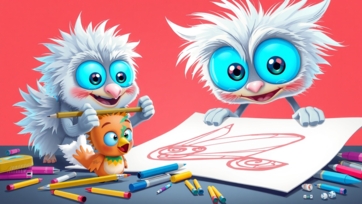
Booba is a playful, curious, and visually engaging character that sparks creativity and imagination in young children. For preschoolers, crafting activities inspired by Booba are not only fun but also educational, promoting fine motor skills, creativity, and problem-solving. In this guide, we explore easy and engaging Booba crafts for preschoolers, designed for children aged 3–5, suitable for home, preschool classrooms, or daycare centers. Why Booba Crafts Are Perfect for Preschoolers: Visual Engagement: Booba’s expressive eyes, fluffy body, and exaggerated actions captivate young children. Simple Designs: Easy shapes and bold outlines are ideal for preschool-level crafts. Hands-On Learning: Cutting, gluing, and coloring enhance fine motor development. Imaginative Play: Crafting Booba characters allows role-play and storytelling. Top Booba Craft Ideas for Preschoolers: 1. Booba Paper Mask Materials: Printable Booba template, cardstock, crayons, child-safe scissors, elastic string Activity: Color, cut, and assemble a Booba mask Learning: Enhances motor skills, creativity, and role-play 2. Booba Hand Puppets Materials: Paper bags, markers, glue, colored paper Activity: Decorate bags to create Booba puppets Learning: Encourages storytelling, imaginative play, and social interaction 3. Booba Coloring Sheets Materials: Printable coloring pages, crayons, colored pencils Activity: Color Booba in different scenes Learning: Improves hand-eye coordination, color recognition, and focus 4. Booba Balloon Art Materials: Balloons, markers, colored paper Activity: Draw Booba faces on balloons Learning: Enhances creativity and visual expression 5. Booba Paper Plate Craft Materials: Paper plates, glue, colored paper, crayons Activity: Make Booba’s face on a plate Learning: Teaches shapes, textures, and spatial awareness 6. Booba Collage Materials: Scrap paper, magazines, glue, markers Activity: Cut and paste shapes to recreate Booba’s adventures Learning: Boosts creativity, observation, and fine motor skills 7. Booba Finger Puppets Materials: Felt, glue, markers Activity: Create small Booba finger puppets for storytelling Learning: Encourages role-playing, storytelling, and hand dexterity 8. Booba Origami Materials: Colored paper Activity: Fold paper to make Booba or related objects Learning: Enhances spatial reasoning, sequencing, and fine motor skills 9. Booba Craft Stick Characters Materials: Popsicle sticks, markers, glue, colored paper Activity: Make Booba and friends on sticks for imaginative play Learning: Promotes creative thinking and storytelling 10. Booba Sensory Bottles Materials: Clear plastic bottles, glitter, small Booba figures, water Activity: Fill bottles with water and decorations for visual play Learning: Encourages focus, sensory exploration, and calm play Educational Benefits of Booba Crafts: Fine Motor Skills: Cutting, coloring, and gluing improve hand strength and coordination. Creativity & Imagination: Children interpret Booba’s adventures in their own way. Cognitive Development: Planning craft steps encourages problem-solving and sequencing. Social Skills: Craft activities in groups teach sharing, cooperation, and communication. Emotional Expression: Recreating Booba’s expressions helps children explore feelings. Tips for Parents and Educators: Supervise cutting and gluing activities for safety. Encourage children to narrate stories while crafting. Rotate crafts for variety: masks, puppets, and coloring activities. Display finished crafts to boost confidence and motivation. Use Booba episodes as inspiration to connect crafts with storytelling. Final Thoughts: Booba crafts are a perfect combination of fun and education for preschoolers. Through hands-on activities like masks, puppets, coloring, and collages, children develop fine motor skills, creativity, imagination, and social abilities. Integrating Booba-inspired crafts into playtime or preschool activities ensures that learning and fun happen simultaneously.
How Teach Kids Honesty, Respect and Kindness
Teaching children important values like honesty, respect, and kindness is one of the most essential parts of early education. In today’s digital age, one of the most effective ways to instill these values is through animated stories. These stories use colorful visuals, engaging characters, and interactive storytelling to help children understand moral lessons while keeping them entertained. In this article, we will explore how animated stories teach honesty, respect, and kindness, why they are effective for young children, and how parents and teachers can use them in everyday life. ⭐ Why Animated Stories Are Effective for Teaching Values: Children learn best when they are emotionally engaged. Animated stories provide a rich combination of visuals, audio, and storytelling, which makes learning values easier. Key reasons why animated stories work include: 1. Visual Learning: Young children often think in pictures. Animated characters, bright colors, and expressive faces help children remember lessons better than lectures or written stories. 2. Relatable Characters: Stories with animals, children, or fantasy characters allow kids to relate and see the consequences of actions in a safe and fun way. 3. Story-Based Morals: Children learn values like honesty, respect, and kindness naturally when they see characters experiencing real-life situations and solving problems. 4. Repetition Reinforces Learning: Animated stories often repeat key messages through songs, dialogue, or narration. This repetition strengthens memory and understanding. 5. Fun and Interactive Many modern animated stories encourage children to participate, answer questions, or make choices. This engagement deepens comprehension of the values being taught. ⭐ Core Values Taught Through Animated Stories: 1. Honesty: Honesty is one of the most important traits children need to develop. Animated stories about honesty often show characters who tell the truth and face challenges but ultimately gain trust and respect.Example themes: A lost toy returned to its owner A character admitting a mistake at school Storylines where lying causes small consequences, teaching cause and effect 2. Respect: Respect for others, elders, and the environment can be taught through animation in a gentle, engaging way.Example themes: Characters helping friends, teachers, or family members Learning to listen before speaking Respecting nature, animals, and shared spaces 3. Kindness: Kindness encourages empathy and compassion. Animated stories can illustrate small acts of kindness and their positive effects.Example themes: Helping a neighbor or friend in need Sharing toys or snacks with classmates Comforting someone who is sad or lonely ⭐ Popular Types of Animated Stories for Moral Learning: 1. Animal Characters: Animals are a favorite choice because children naturally love them and learn life lessons without feeling judged. A rabbit learning to share A fox realizing honesty brings friends 2. Everyday Life Stories: Stories set in school, home, or playgrounds teach practical life lessons. Saying “sorry” after making a mistake Helping someone who fell in the playground 3. Fantasy and Adventure Stories: Children enjoy magic, superheroes, or fairy tales, and these stories can embed moral lessons subtly. A superhero who always tells the truth Magical friends teaching respect for everyone 4. Short Songs and Rhymes: Songs with morals help children memorize values. “Sharing is caring” song with animated characters Rhymes that teach honesty and kindness ⭐ Benefits of Using Animated Stories for Moral Education: 1. Builds Strong Character: Early exposure to values like honesty, respect, and kindness builds strong character and positive behavior patterns. 2. Improves Social Skills: Children learn how to interact politely with friends, family, and teachers. They understand empathy, fairness, and cooperation. 3. Encourages Emotional Intelligence: By seeing characters express feelings and solve conflicts, children learn to identify, understand, and manage their emotions. 4. Makes Learning Fun: Animated stories make moral education enjoyable, which is crucial for preschoolers and early learners who have short attention spans. 5. Ideal for Homeschooling: Parents can integrate animated moral stories into their daily routine, reinforcing values in a playful and stress-free way. ⭐ Tips for Parents and Educators: ✔ 1. Discuss the Story: After watching, ask children questions like: “Why was honesty important?” or “How did kindness help the character?” ✔ 2. Role-Playing: Encourage children to act out parts of the story, reinforcing the lessons through practice. ✔ 3. Use Real-Life Examples: Connect animated stories to everyday situations. For example, relate a story about sharing to a sibling or friend. ✔ 4. Repeat Key Messages: Repetition is key. Watch the stories multiple times and emphasize the main values in conversations. ✔ 5. Combine with Books and Activities: Use books, puzzles, and crafts to complement animated stories and strengthen learning. Conclusion: Animated stories about honesty, respect, and kindness are a powerful and engaging way to teach children essential life values. They combine storytelling, music, bright visuals, and relatable characters to make learning fun and memorable. By incorporating these animated stories into daily routines, parents and educators can help children develop strong character, empathy, and social skills. Teaching moral values early ensures that children grow into responsible, caring, and respectful individuals. With the help of animated moral stories, learning honesty, respect, and kindness becomes an enjoyable adventure rather than a lesson.
Non-Violent Cartoons Parents Can Trust
In today’s digital age, parents are often concerned about the content their children watch. Non-violent cartoons provide safe entertainment, while teaching values, problem-solving, and social skills. These shows are fun, engaging, and educational, without exposing children to aggression or inappropriate behavior. This guide highlights non-violent cartoons suitable for children aged 2–8 and explains why they are trusted by parents. Why Non-Violent Cartoons Matter: Safety First: Ensures children aren’t exposed to aggression, scary scenes, or unsafe behavior. Emotional Well-Being: Promotes positive behavior, empathy, and kindness. Learning Through Fun: Many shows teach numbers, colors, social skills, and creativity. Age-Appropriate Humor: Keeps children engaged without confusing or frightening content. Interactive Opportunities: Encourages role-play, drawing, and imaginative storytelling. Top Non-Violent Cartoons Parents Can Trust: 1. Playful Creature Adventures Bright, expressive characters exploring fun worlds. Teaches problem-solving, creativity, and cooperation. 2. Tiny Tales Universe Short, entertaining episodes for toddlers and preschoolers. Promotes learning through humor, songs, and storytelling. 3. Fuzzy Friends Academy A group of playful friends solving challenges together. Encourages teamwork, sharing, and imaginative play. 4. Giggle Garden Explorers Outdoor adventures with creative problem-solving scenarios. Introduces nature, observation, and exploration in a safe environment. 5. Happy Helpers Club Characters help each other while having fun. Teaches empathy, responsibility, and cooperative skills. Tips for Parents: Pre-Select Shows: Ensure content is age-appropriate and non-violent. Co-View and Engage: Discuss episodes to reinforce lessons and moral values. Encourage Creativity: Let children draw or role-play their favorite scenes. Set Screen Time Limits: Balance viewing with outdoor play, reading, and crafts. Praise Positive Behavior: Highlight lessons learned and model kindness and cooperation. Benefits of Non-Violent Cartoons: Cognitive Development: Enhances observation, memory, and problem-solving skills. Social Skills: Encourages sharing, empathy, and collaboration. Creativity: Inspires drawing, storytelling, and imaginative play. Emotional Intelligence: Helps children understand emotions and moral lessons. Safe Entertainment: Provides fun without exposing children to aggressive content or negative behavior. Final Thoughts: Non-violent cartoons are a safe, entertaining, and educational option for children. By selecting trusted shows with playful, expressive characters, parents can foster creativity, social-emotional skills, and cognitive growth while keeping screen time enjoyable and safe.
Booba Characters Explained: Loola, Spike, Mr. Beak & More
The world of Booba is not just about one curious little creature—it is filled with colorful, funny, and memorable characters that make every episode exciting. Each character in the Booba cartoon series has a unique personality, role, and lesson to offer children. Together, they create a playful universe that keeps kids entertained while subtly teaching important values. In this detailed guide, we explain all major Booba characters, including Loola, Spike, Mr. Beak, and more, and explore why kids love them so much. Why Booba Characters Matter: Booba episodes rely heavily on visual storytelling, expressions, and character interactions. Since there is no spoken dialogue, each character’s body language, emotions, and behavior play a major role in storytelling. These characters help children learn: Social interaction Emotional understanding Friendship and cooperation Problem-solving through observation 1. Booba – The Curious Explorer: Booba is the heart of the series. He is a small, fluffy, white creature with big blue eyes and endless curiosity. Booba loves exploring everyday environments like kitchens, bedrooms, and gardens, turning simple objects into fun adventures. Personality Traits Curious and adventurous Playful and energetic Innocent and kind-hearted Determined and brave What Kids Learn from Booba Curiosity leads to learning Mistakes are okay Trying again is important Imagination makes life fun Booba’s exaggerated reactions and expressive face make him instantly lovable for young children. 2. Loola – The Energetic Companion: Loola is one of the most cheerful characters in the Booba universe. She is energetic, playful, and often seen dancing or jumping around with excitement. Loola brings movement, rhythm, and joy into many episodes. Personality Traits Energetic and lively Friendly and playful Confident and expressive Role in Episodes Loola often joins adventures and adds excitement to scenes. Her movements and enthusiasm encourage kids to stay active and expressive. Lesson for Kids Expressing happiness is healthy Physical activity is fun Sharing joy strengthens friendships 3. Spike – The Mischievous Hedgehog: Spike is the troublemaker of the group. As a small hedgehog, he loves creating playful chaos, surprising others, and testing boundaries. While Spike can be mischievous, he is never truly mean. Personality Traits Mischievous and playful Curious but careless Funny and unpredictable Role in Episodes Spike’s actions often create funny problems that Booba and others must solve. Lesson for Kids Actions have consequences Mischief should not harm others Mistakes can be fixed Spike teaches children about responsibility through humor. 4. Mr. Beak – The Clever Observer: Mr. Beak is a smart and calm parrot who usually watches events from a distance. He appears thoughtful and sometimes helps guide situations without directly interfering. Personality Traits Intelligent and observant Calm and patient Helpful and wise Role in Episodes Mr. Beak often notices things others miss. He sometimes reacts subtly, encouraging kids to observe carefully. Lesson for Kids Observation is important Thinking before acting helps Calm behavior solves problems 5. Googa – The Inventor: Googa is the creative genius of the group. He loves tools, machines, and experiments. His curiosity focuses more on how things work rather than just playing with them. Personality Traits Intelligent and creative Curious and focused Innovative and logical Role in Episodes Googa introduces gadgets, inventions, and mechanical fun that adds educational value. Lesson for Kids Creativity and logic go together Building and experimenting are valuable skills Learning how things work is exciting How These Characters Help Child Development: Each Booba character contributes to a child’s development in a unique way: Character Skill Encouraged Booba Curiosity & resilience Loola Confidence & expression Spike Responsibility & awareness Mr. Beak Observation & patience Googa Creativity & problem-solving Together, they create a balanced learning environment for kids. Why Kids Love Booba Characters: Children connect with these characters because: They are visually expressive Their personalities are easy to understand Situations are relatable There is no language barrier This makes Booba a globally loved kids’ cartoon. Why Parents Trust Booba Characters: Parents appreciate Booba because: No violence or bad language Positive behavior modeling Encourages creativity and thinking Safe for preschoolers Each character reinforces healthy emotional and social development. Final Thoughts: The Booba cartoon series is successful not only because of its humor but because of its well-designed characters. Loola brings energy, Spike adds playful chaos, Mr. Beak offers wisdom, and Googa fuels curiosity. Together with Booba, they create a world that is fun, educational, and emotionally safe for children. Understanding these characters helps parents appreciate why Booba is more than just entertainment—it is a powerful learning experience wrapped in laughter.
Why Non-Verbal Cartoons Are Good for Language Learning
Non-verbal cartoons—funny, expressive animated characters that don’t speak—are incredibly popular with children. Beyond entertainment, they can also support language development and early literacy skills in young learners. This guide explains how non-verbal cartoons help children learn language, develop communication skills, and enhance comprehension, even without dialogue. How Non-Verbal Cartoons Support Language Learning: Focus on Visual Cues Children pay attention to gestures, facial expressions, and actions, which teach meaning without words. Helps them understand context and emotion, key elements of language comprehension. Encourages Storytelling Skills Kids can describe what is happening in their own words, enhancing vocabulary and sentence formation. Promotes narrative skills by encouraging children to recreate or extend the story. Boosts Observation and Comprehension Non-verbal storytelling requires children to connect events logically, improving understanding and sequencing skills. Enhances attention to detail, a critical skill for reading and listening comprehension. Practical Ways to Use Non-Verbal Cartoons for Language Learning: 1. Ask Children to Narrate the Story Pause the episode and ask: “What do you think happens next?” Encourage full sentences and creative descriptions. Helps expand vocabulary and language structure. 2. Role-Play Scenes Children can act out the characters’ actions. Encourage them to use words to describe what they are doing, practicing verbal communication. 3. Draw or Write About the Episode Drawing scenes or writing short descriptions reinforces story comprehension and vocabulary. Older kids can write mini-stories inspired by the episode, connecting words with visual cues. 4. Use as a Prompt for Conversation Ask open-ended questions: “Why do you think the character did that?” “How would you feel in that situation?” Encourages discussion, critical thinking, and emotional vocabulary. Benefits of Non-Verbal Cartoons for Language Learning: Vocabulary Development: Kids learn words by describing actions, objects, and emotions. Sentence Formation: Encourages proper sentence structure and verbal expression. Narrative Skills: Enhances storytelling ability and logical sequencing. Listening and Observation: Teaches children to interpret meaning from context. Cross-Cultural Learning: Non-verbal cartoons can be understood by children of any language background, promoting inclusivity. Tips for Parents: Choose Age-Appropriate Episodes: Focus on simple, clear actions and expressive characters. Encourage Active Engagement: Ask children to explain, describe, or act out scenes. Combine With Hands-On Activities: Drawing, crafts, or role-play extends the learning experience. Praise Participation: Celebrate attempts at storytelling and description to build confidence. Repeat Viewing: Re-watching episodes reinforces comprehension and vocabulary. Final Thoughts: Non-verbal cartoons are a fun, interactive, and effective way to support early language development. By encouraging children to observe, narrate, act, and create, parents can turn passive viewing into an active language learning experience, enhancing vocabulary, storytelling, and comprehension skills.