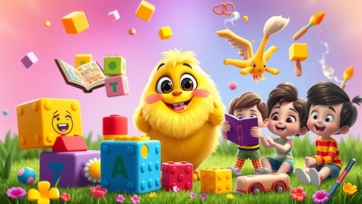
Top 10 Funny Cartoon Characters of All Time

Cartoons have always been a source of laughter and joy for children. Funny cartoon characters capture imagination, lighten moods, and often teach subtle lessons through humor. Parents and educators recognize the value of these characters in engaging children while promoting creativity and emotional understanding.

This guide highlights the top 10 funniest cartoon characters of all time that children of all ages love.


1. The Curious Fluffy Creature:

  • Known for playful antics and exaggerated expressions.

  • Inspires creativity, observation, and laughter in young children.

2. Spiky the Tiny Companion:

  • Mischievous and full of surprises.

  • Encourages problem-solving and imaginative play.

3. Cheery Flying Bird:

  • Always optimistic and joyful, bringing energy and cheer to every scene.

  • Teaches friendship, positivity, and teamwork.

4. The Mischievous Twin Squirrels:

  • Famous for pranks and playful chaos.

  • Helps children understand cause and effect in humorous scenarios.

5. Wobbly the Clumsy Elephant:

  • A classic comic character known for slapstick humor.

  • Encourages laughter while showing resilience after mistakes.

6. Tinker the Tiny Inventor:

  • Creates funny gadgets and inventions.

  • Inspires curiosity, creativity, and problem-solving.

7. Jumpy the Hyper Rabbit:

  • Always moving and full of energy.

  • Teaches coordination, timing, and the joy of physical play.

8. Grumpy the Lovable Monster:

  • Despite a grumpy exterior, his antics are hilarious.

  • Highlights empathy, understanding emotions, and humor in differences.

9. Bouncy the Colorful Blob:

  • Shape-shifter who gets into comic situations.

  • Encourages imagination, experimentation, and creativity.

10. Tiny Team of Helpers:

  • A group of small characters that cooperate in humorous ways.

  • Promotes teamwork, cooperation, and problem-solving with fun.


Why Funny Characters Are Important for Kids:

  1. Boosts Mood: Laughter reduces stress and enhances overall well-being.

  2. Encourages Creativity: Kids imitate actions, invent stories, and act out scenarios.

  3. Develops Social Skills: Humor helps children understand emotions, empathy, and cooperation.

  4. Enhances Observation: Following comic antics improves attention to detail and sequencing skills.

  5. Safe Entertainment: Age-appropriate humor keeps kids engaged without exposure to inappropriate content.


Tips for Parents:

  • Mix With Learning: Pair funny cartoons with educational content for balance.

  • Discuss Episodes: Talk about the humor and lessons learned.

  • Encourage Role-Play: Let children act out scenes for creativity and language development.

  • Set Screen Limits: Ensure a healthy balance with outdoor play, reading, and crafts.


Final Thoughts:

Funny cartoon characters have stood the test of time because they combine humor, creativity, and learning. By choosing age-appropriate, engaging, and expressive characters, parents can entertain, educate, and inspire children while keeping screen time fun and safe.


Advertisement
Best Booba Episodes for Kids (4–7 Years)
Booba has become one of the most beloved cartoon characters among children worldwide. While toddlers enjoy simple visuals, kids aged 4–7 years are ready for slightly more complex storylines, adventure, and humor. Booba episodes perfectly match this age group because they are funny, colorful, and interactive, with action-packed sequences that keep children engaged while subtly teaching life lessons. In this guide, we explore the best Booba episodes for kids aged 4–7 years, explaining why each episode is entertaining and developmentally beneficial. Why Booba Appeals to 4–7-Year-Olds: Children in this age group are developing: Logical thinking skills Imaginative play Social understanding Emotional awareness Booba delivers all these in a fun, non-verbal, visually rich format. Episodes feature: Problem-solving scenarios Interactive adventure sequences Bright, high-contrast colors Humor that matches their growing comprehension This combination makes Booba ideal for early school-age children. Top Booba Episodes for Kids (4–7 Years): 1. Booba’s Big Balloon Adventure Booba’s attempts to catch a floating balloon involve climbing, bouncing, and creative problem-solving. Why 4–7 kids love it: Teaches persistence Visual humor with exaggerated reactions Encourages logical thinking Lesson: Sometimes you need multiple attempts to succeed. 2. Booba and the Magical Kitchen Booba explores a kitchen filled with gadgets, ingredients, and utensils. His curiosity leads to chaos and inventive solutions. Why it’s perfect for 4–7-year-olds: Observation and experimentation Encourages creativity Simple cause-and-effect learning Lesson: Exploring new things is fun and educational. 3. Booba and the Flying Carpet A magical carpet adventure introduces fantasy elements. Booba experiments with flying, balancing, and problem-solving mid-air. Why it works for 4–7-year-olds: Encourages imagination Adventure and action are engaging Visual storytelling without language barriers Lesson: Creativity and curiosity can lead to fun discoveries. 4. Booba and the Giant Cake Booba encounters a huge cake and explores it with excitement. The chaos teaches planning, spatial awareness, and cause-and-effect. Why kids enjoy it: Humor and exaggerated expressions Visual learning through interactive objects Teaches playful risk-taking in safe ways Lesson: Exploration is rewarding, even if messy. 5. Booba and the Music Box Booba discovers a music box and experiments with rhythms, beats, and dancing. Why it’s perfect: Encourages musical awareness Improves timing and coordination Fun dancing sequences Lesson: Experimentation and creativity are exciting. 6. Booba and the Vacuum Cleaner Booba treats a vacuum cleaner like a playful creature. He learns, reacts, and solves problems creatively. Why kids love it: Problem-solving through observation Humor in safe, everyday scenarios Interactive and relatable Lesson: Everyday objects can inspire creativity and learning. 7. Booba and Bubble Trouble Booba plays with bubbles, exploring movement and reactions. Why it’s ideal for 4–7-year-olds: Cause-and-effect visual learning Fun, interactive animation Encourages curiosity and observation Lesson: Playful experimentation is part of learning. 8. Booba and the Toy Store Booba explores a store full of toys, climbing, sliding, and creatively interacting with objects. Why kids enjoy it: Interactive exploration Visual humor and problem-solving Encourages imaginative play Lesson: Exploration and creativity go hand in hand. 9. Booba’s Christmas Surprise Festive chaos as Booba interacts with decorations, presents, and a giant Christmas tree. Why it’s perfect for 4–7 kids: Seasonal fun and excitement Teaches cause and effect through safe chaos Encourages imaginative play Lesson: Joy and celebration can be shared safely with others. 10. Booba and the Balloon Animal Booba discovers balloons shaped like animals and interacts with them creatively. Why it works: Combines fantasy and real-world objects Encourages imaginative play Visual humor with colorful objects Lesson: Everyday items can spark imagination and creativity. Educational Benefits of These Episodes: Even though these episodes are primarily entertainment, kids learn: Problem-solving and logical thinking Creative exploration and imagination Cause-and-effect understanding Emotional recognition and humor Safe risk-taking and curiosity Booba combines fun and education in a natural, engaging way for kids aged 4–7. Why Parents Approve: Parents notice that Booba: Keeps children entertained safely Uses bright visuals and short stories ideal for attention spans Promotes social and cognitive skills indirectly Encourages independent observation and creativity Booba is a safe choice for screen time with educational value. Final Thoughts: For kids aged 4–7, Booba episodes provide the perfect blend of humor, adventure, imagination, and learning. Episodes like Big Balloon Adventure, Flying Carpet, and Giant Cake not only make children laugh but also subtly teach problem-solving, creativity, and curiosity. Parents can confidently let children watch Booba while knowing they are getting entertaining content with hidden educational value.
How to Build Kids’ Imagination Power Through Cartoons
Cartoons are not just a source of entertainment—they are a powerful tool to nurture imagination in children. Early childhood is a critical period for creativity and imaginative thinking. By observing characters, colorful worlds, and inventive storylines, children expand their minds, learn problem-solving, and develop cognitive flexibility. Animated shows provide children with visual stimulation, narrative structure, and playful scenarios that encourage creative thinking. When kids engage with these imaginative worlds, they are more likely to explore, create, and innovate in their own ways. Why Imagination is Important for Children: Imagination is essential for intellectual, social, and emotional development. It helps children: Solve problems creatively Develop storytelling and language skills Understand emotions and social interactions Build cognitive flexibility Explore new ideas and possibilities Cartoons provide an accessible and enjoyable way for children to exercise their imagination while learning. How Cartoons Encourage Creative Thinking: Animated shows often feature fantastical worlds and inventive characters, inspiring children to think outside the box. Through imaginative scenarios, children learn to: Explore “what if” situations Visualize new worlds and concepts Connect ideas in unexpected ways Experiment with solutions to challenges This kind of storytelling strengthens divergent thinking, a key component of creativity. Role of Characters and Storylines: Characters in cartoons often face challenges that require innovation and resourcefulness. When children see how characters solve problems: They develop problem-solving skills They practice empathy by understanding characters’ choices They gain confidence in experimenting with their own ideas Storylines that are open-ended encourage children to imagine multiple outcomes, enhancing cognitive flexibility. Using Visuals to Spark Imagination: Bright colors, exaggerated shapes, and dynamic animation engage children’s visual senses. Visual cues in cartoons: Encourage children to explore new patterns Inspire creative drawing, building, or role-playing Help children form mental images of stories and concepts The more visually stimulating the cartoon, the more it engages children’s imaginative thinking. Music, Sound, and Movement: Music and sound effects in cartoons further stimulate imagination. Rhythmic patterns, sound cues, and playful music: Encourage movement and mimicry Inspire children to create their own sounds and songs Enhance memory and storytelling abilities Combining visuals with music and movement creates a multisensory experience that nurtures imagination. Encouraging Kids to Participate Actively: Parents and educators can amplify the imaginative impact of cartoons by: Asking children what they think might happen next Encouraging role-play based on cartoon scenarios Providing art supplies or building blocks to recreate scenes Inviting children to invent their own endings or characters Active participation transforms passive viewing into creative learning. Social and Emotional Imagination: Cartoons also allow children to explore social and emotional situations safely. Through interactions between characters, children: Learn to empathize with others Understand different perspectives Practice problem-solving in social contexts Experiment with expressing emotions This strengthens both emotional intelligence and imaginative reasoning. Benefits of Imagination-Based Learning: Building imagination through cartoons provides multiple benefits: Enhances creativity and cognitive flexibility Develops problem-solving and critical thinking Improves storytelling and language skills Encourages curiosity and exploration Fosters confidence and self-expression By regularly engaging with imaginative cartoons, children cultivate skills that benefit academic, social, and personal growth. Conclusion: Cartoons are more than entertainment; they are tools for building kids’ imagination power. Through engaging storylines, colorful visuals, inventive characters, and interactive music, children develop creativity, problem-solving skills, and emotional understanding. With the right guidance and active participation from parents, cartoons become a gateway to limitless imaginative thinking, preparing children for a world full of ideas and possibilities.
Best Animal Cartoons for Kids in 2025
How Kids Can Learn with Fun Animal cartoons have always captured children’s imagination. In 2025, they are not just entertaining—they have become powerful learning tools. By combining colorful animation, fun characters, and educational storytelling, animal cartoons help toddlers and preschoolers learn about nature, animals, social skills, and essential life concepts. This guide explores the benefits of animal cartoons for kids, highlights top series in 2025, and provides tips for parents to make the most of these engaging learning resources. Why Animal Cartoons Are Great for Learning: Children naturally love animals, making them ideal learning companions. Animal cartoons provide a safe and playful way for children to: Learn about different animals: Names, habitats, diets, and behaviors. Develop empathy and social skills: Understanding feelings and actions of characters. Introduce science and nature concepts: Ecosystems, seasons, and environmental awareness. Enhance language skills: Vocabulary, pronunciation, and storytelling. Encourage problem-solving and teamwork: Characters often work together to overcome challenges. Animated animals turn learning into interactive and memorable experiences, keeping children engaged for longer periods. Types of Educational Animal Cartoons: 1. Animal Adventure Series: These cartoons follow animal characters on adventures, exploring forests, oceans, and jungles. They teach habitat, geography, and problem-solving skills. 2. Animal ABC and Counting Series: Animated animals introduce letters, numbers, and basic math concepts. Examples include counting fish, identifying animal names by letters, or sorting shapes. 3. Moral and Social Lessons Through Animals: Animals are often used to teach values and life skills. Stories about sharing, kindness, honesty, and cooperation resonate well with children. 4. Science and Nature Series: Some animal cartoons focus on biology, ecosystems, and wildlife conservation. They introduce kids to environmental awareness in a fun, digestible way. Top Animal Cartoons for Kids Learning in 2025: 1. Dino Learners: Smart Adventures: A dinosaur-themed series that combines fun with science learning. Learning benefits: Basic paleontology and dinosaur facts Problem-solving and teamwork Introduction to geography and prehistoric life Recommended age: 4–10 years 2. Booba’s Animal Adventures: Booba explores animal habitats and interactions in playful, curiosity-driven episodes. Highlights: Non-verbal storytelling suitable for all languages Encourages observation and critical thinking Perfect for toddlers and preschoolers 3. Animal ABCs with Friends: This series introduces letters and vocabulary using animal characters. Key learning areas: Alphabet recognition Vocabulary building Pronunciation practice Fun songs and rhymes 4. Little Wild Explorers: Animated mini-stories where animal friends learn life lessons, teamwork, and emotional skills. Themes include: Cooperation and friendship Problem-solving in small adventures Emotional intelligence and empathy 5. Forest Fun with Friends: A series focusing on habitat learning, nature awareness, and social skills through animal stories. Learning highlights: Identifying animals and their environments Understanding food chains and nature cycles Promoting environmental responsibility 6. Super Simple Animal Rhymes: A combination of songs and animations using animals to teach letters, numbers, colors, and shapes. Benefits: Engaging and interactive for toddlers Improves memory and language skills Multi-sensory learning through visual and auditory cues How Parents Can Maximize Learning: Parents can enhance the educational value of animal cartoons by: Watching together: Discuss animals, their habitats, and behaviors. Repeating favorite episodes: Repetition reinforces learning. Combining offline activities: Drawing animals, counting toys, or acting out stories. Asking questions: “Where does this animal live?” or “What does it eat?” to encourage thinking. Mixing genres: Combine adventure, ABC, and moral-based animal cartoons for well-rounded learning. Limiting screen time: Short, focused sessions are more effective for toddlers. Recommended Animal Cartoons for Kids Learning in 2025: Dino Learners: Smart Adventures – Dinosaurs and basic science concepts Booba’s Animal Adventures – Habitats, observation, and curiosity learning Animal ABCs with Friends – Letters, vocabulary, and rhymes Little Wild Explorers – Life lessons, teamwork, and emotional skills Forest Fun with Friends – Nature, animals, and environmental awareness Super Simple Animal Rhymes – Multi-skill learning with music and animals These series are safe, colorful, and educational, making them perfect for toddlers and preschoolers who love animals. Final Thoughts: Animal cartoons are not just entertaining—they are powerful educational tools. In 2025, they combine storytelling, music, and visuals to teach language, math, social skills, and environmental awareness. Parents can enhance learning by: Watching with children and discussing content Reinforcing concepts through real-life activities Encouraging creativity and empathy through role-play With the right animal cartoons, screen time becomes both fun and productive, helping children develop knowledge, skills, and emotional intelligence while enjoying vibrant, imaginative worlds. Tip for Parents: Encourage children to act out animal behaviors or stories, which strengthens memory, observation, and engagement while making learning interactive.
Music & Rhythm: Lessons from Animated Episodes
Music and rhythm play an important role in early childhood development. Animated episodes, especially those designed for preschoolers, combine fun, movement, and melody to teach children fundamental lessons about music, coordination, and creativity. Through repetitive tunes, catchy songs, and playful beats, children learn to recognize patterns, improve memory, and express themselves through rhythm. Episodes that incorporate music also stimulate multiple areas of the brain. Visual storytelling paired with musical elements enhances attention, auditory skills, and emotional understanding. Children are naturally drawn to music, and animated episodes provide a safe and engaging environment to explore this creative form. Why Music and Rhythm Are Important for Young Children: Music is more than entertainment; it is a tool for learning and development. For preschoolers, rhythm and melody help in: Developing auditory discrimination skills Enhancing memory and concentration Encouraging physical coordination and movement Fostering creativity and imagination Supporting emotional expression and social interaction Animated episodes make these skills accessible by combining visual cues with musical patterns. How Animated Episodes Teach Musical Patterns: Episodes often introduce simple melodies and repetitive songs that children can follow. Repetition helps young learners: Recognize beats and rhythm Learn to clap, tap, or move in sync with music Predict the next notes or lyrics Understand concepts like fast/slow or loud/soft This foundational understanding of rhythm supports later learning in music, math, and language. Incorporating Movement and Dance: Many animated episodes encourage movement along with music. Characters may: Tap their feet or hands to the beat Dance in simple, exaggerated motions Use gestures to represent musical concepts When children imitate these actions, they improve coordination, gross motor skills, and rhythm recognition. Developing Listening and Memory Skills: Music-based episodes improve listening and memory. Children learn to: Follow sequences of sounds or notes Memorize short songs and lyrics Recognize patterns in melody and rhythm This active listening strengthens cognitive skills and enhances the child’s ability to focus and retain information. Encouraging Creativity and Self-Expression: Music and rhythm also provide an outlet for creative expression. Animated episodes often: Encourage children to create their own songs or beats Inspire imaginative play with musical instruments Promote storytelling through sound and movement Such activities help children develop confidence and individuality while having fun. Lessons in Cooperation and Social Interaction: Musical episodes frequently show group singing or dancing, teaching children important social lessons: Taking turns Coordinating with others Listening to group cues Celebrating together These social experiences promote empathy, teamwork, and emotional intelligence in a playful setting. How Parents Can Support Music-Based Learning: Parents can enhance the learning experience by: Singing along with episodes Clapping or moving to the rhythm together Providing safe instruments like tambourines, shakers, or xylophones Encouraging children to invent their own musical patterns Active participation reinforces concepts and makes learning more interactive and fun. Choosing the Right Musical Episodes: Not all animated episodes are equally beneficial. Parents should select shows that: Include simple, repetitive songs suitable for preschoolers Encourage movement and interaction Use bright visuals and friendly characters Avoid overly complex or loud sequences that may overwhelm young children Educational musical episodes, such as those with nursery rhymes or rhythm-based adventures, are particularly effective. Conclusion: Music and rhythm lessons from animated episodes provide a playful and effective way for preschoolers to develop essential skills. By combining melody, movement, and repetition, these episodes support auditory, cognitive, motor, and social development. When parents engage with children and encourage active participation, music becomes not only fun but also a powerful educational tool, laying the foundation for creativity, coordination, and a lifelong appreciation for music.
Understand Feelings and Emotions in 2025
Emotional intelligence (EQ) is just as important as academic learning for young children. In 2025, emotional learning cartoons for kids have become an essential resource for parents and educators to help toddlers and preschoolers identify, express, and manage their feelings. Through engaging storytelling, colorful animations, and relatable characters, these cartoons teach empathy, self-awareness, and healthy social interactions. This guide explores the benefits of emotional learning cartoons, highlights top series in 2025, and provides tips for parents to enhance their child’s emotional development. Why Emotional Learning Cartoons Matter: Children often struggle to identify or express their feelings. Emotional learning cartoons provide: Recognition of emotions: Helps children understand happiness, sadness, anger, fear, and excitement. Healthy coping strategies: Teaches ways to manage difficult emotions. Empathy development: Shows characters caring for and understanding others. Social skills: Encourages sharing, teamwork, and effective communication. Safe environment: Provides age-appropriate guidance without judgment. By combining fun, storytelling, and visuals, these cartoons make emotional learning engaging and memorable for children. Key Emotional Skills Taught in Cartoons: Identifying Feelings Recognizing facial expressions, body language, and situations that cause emotions. Expressing Emotions Safely Encourages children to talk about feelings instead of acting out aggressively. Empathy and Compassion Understanding how others feel and showing care. Problem-Solving in Emotional Situations Learning to manage conflicts, disappointment, or frustration positively. Mindfulness and Self-Regulation Breathing, calming techniques, and reflective thinking for emotional control. Top Emotional Learning Cartoon Series for Kids in 2025: 1. The Feelings Club: A highly popular series where animated characters navigate everyday situations and express their emotions. Highlights: Shows multiple feelings like happiness, sadness, fear, and excitement Provides simple coping strategies for children Interactive and age-appropriate storytelling 2. Booba Learns Emotions: Booba explores situations where emotional awareness and empathy are required, teaching children through observation and playful actions. Why it’s trending: Non-verbal storytelling suitable for all languages Promotes curiosity, empathy, and social skills Short episodes perfect for toddlers’ attention spans 3. Little Hearts Feelings Tales: Mini-stories that focus on managing emotions, understanding others, and building empathy. Key lessons: Identifying feelings in themselves and others Responding appropriately to different emotional situations Celebrating empathy and kindness 4. Animal Emotions Adventures: Animal characters show joy, sadness, worry, and excitement, teaching children how to recognize and respond to feelings. Learning highlights: Emotional vocabulary introduction Problem-solving through social interactions Engaging storytelling with moral lessons 5. Super Simple Emotions Songs: Animated songs designed to teach toddlers about feelings, self-regulation, and social behavior in a fun, interactive way. Benefits: Reinforces emotional vocabulary Interactive songs encourage singing and participation Combines music, visuals, and moral lessons How Parents Can Enhance Emotional Learning: Parents can make emotional learning cartoons more effective by: Watching together: Pause to ask questions like, “How is this character feeling?” Encourage expression: Ask children to share their own feelings during or after the video. Repeat episodes: Reinforces understanding of emotions. Relate to real life: Discuss situations at home or school where the lesson applies. Practice coping strategies: Breathing, counting, or talking through emotions. Praise emotional intelligence: Encourage empathy, patience, and problem-solving behaviors. Recommended Emotional Learning Cartoons for Kids in 2025: The Feelings Club – Recognition and coping strategies Booba Learns Emotions – Observation-based emotional learning Little Hearts Feelings Tales – Mini-stories teaching empathy and emotional expression Animal Emotions Adventures – Emotional vocabulary and social skills Super Simple Emotions Songs – Musical reinforcement of emotional awareness These cartoons are safe, colorful, and educational, helping children understand, express, and manage their emotions while enjoying engaging stories. Final Thoughts: Emotional learning cartoons are more than entertainment—they are tools for lifelong emotional intelligence. In 2025, animated series help children: Recognize and express feelings appropriately Develop empathy and compassion Manage social interactions and conflicts positively Parents can maximize benefits by: Watching and discussing episodes together Encouraging real-life applications of emotional lessons Reinforcing empathy and coping strategies through play With the right emotional learning cartoons, children grow emotionally aware, empathetic, and socially skilled while enjoying safe, colorful, and interactive stories. Tip for Parents: Encourage children to draw or act out scenarios showing different feelings, which reinforces creativity, comprehension, and emotional expression.
Best Cartoon Stories About Sharing and Caring
Teaching children the values of sharing, caring, and empathy is essential for their social and emotional development. In 2025, cartoon stories about sharing and caring have become a favorite tool for parents to instill these qualities in toddlers and preschoolers. Through colorful animations, relatable characters, and engaging storytelling, children learn to interact positively with peers, family, and the world around them. This guide explores the benefits of sharing and caring cartoons, highlights top series in 2025, and provides tips for parents to reinforce these important lessons. Why Sharing and Caring Cartoons Matter: Children naturally learn by observing behaviors. Cartoons help them internalize positive social skills in a safe and entertaining environment: Encourage empathy: Characters demonstrate understanding and concern for others. Promote teamwork: Children see characters sharing resources and working together. Teach patience and fairness: Stories show taking turns and considering others’ feelings. Improve communication skills: Characters express thoughts and feelings in healthy ways. Create positive role models: Animated heroes model kindness, generosity, and cooperation. By combining fun and education, these cartoons make lessons about sharing and caring memorable and actionable. Key Learning Lessons in Sharing and Caring Cartoons: Sharing Toys and Resources Demonstrates taking turns and letting friends use toys. Encourages children to cooperate without conflict. Helping Others Characters assist friends, family, and community members. Teaches responsibility and compassion. Expressing Feelings Encourages children to talk about emotions instead of acting out. Models healthy conflict resolution. Kindness in Everyday Life Saying thank you, complimenting, and offering help. Reinforces polite and respectful behavior. Teamwork and Cooperation Shows children achieving goals together, highlighting collaboration. Top Cartoon Stories About Sharing and Caring in 2025: 1. The Kindness Club: One of the most popular series in 2025, this cartoon teaches empathy, sharing, and moral values through soft storytelling. Highlights: Focus on friendship, honesty, and caring Age-appropriate for toddlers and preschoolers Engaging stories with colorful animation 2. Booba’s Caring Adventures: Booba explores everyday situations that demonstrate helping, sharing, and empathy. Why it’s trending: Non-verbal storytelling suitable for all languages Encourages observation and understanding Short episodes ideal for toddlers’ attention spans 3. Little Hero Friends: Animated mini-stories where characters work together, share resources, and help one another. Key lessons: Cooperation and teamwork Expressing feelings and resolving conflicts Celebrating kindness and generosity 4. Forest Friends Share & Care: Animal characters in the forest teach children about sharing food, toys, and space while learning about friendship. Learning highlights: Introduces empathy and compassion Fun and engaging nature-based stories Encourages children to apply lessons in real life 5. Super Simple Sharing Songs: Animated songs teach sharing, caring, and polite behavior in an interactive way. Benefits: Reinforces lessons through music and repetition Easy for toddlers to remember and follow Combines learning with fun singing and dancing How Parents Can Reinforce Lessons: Parents can make sharing and caring lessons more effective by: Watching together: Pause and ask questions like, “How can we help our friend?” Role-playing: Practice sharing toys, taking turns, and helping others. Repetition: Re-watch favorite episodes to reinforce key values. Praise positive behavior: Encourage children when they share or show kindness. Discuss real-life situations: Relate cartoon lessons to playground, school, and home scenarios. Combine with offline activities: Art, games, and group activities can strengthen empathy and teamwork. Recommended Cartoon Stories About Sharing and Caring: The Kindness Club – Moral lessons and friendship Booba’s Caring Adventures – Observation-based empathy Little Hero Friends – Cooperation and teamwork Forest Friends Share & Care – Animal-themed kindness stories Super Simple Sharing Songs – Musical lessons in sharing and caring These cartoons are safe, colorful, and educational, helping children learn empathy, kindness, and cooperation in an entertaining way. Final Thoughts: Cartoon stories about sharing and caring are more than just entertainment—they are tools for social and emotional development. In 2025, these animated series help children understand empathy, teamwork, and moral values while enjoying vibrant storytelling. Parents can enhance learning by: Watching together and discussing lessons Practicing sharing and helping in real-life situations Reinforcing values through praise and role-play With the right cartoons, children develop important life skills while having fun, creating a foundation for empathy, kindness, and positive social interaction. Tip for Parents: Encourage children to draw or act out scenes from the cartoons that show sharing and caring, reinforcing both creativity and the moral lesson.
Best Apps & Games for Young Explorers
For fans of gentle, curious characters, finding digital experiences that match that spirit of joyful, non-verbal discovery is key. The best apps and games nurture problem-solving, creativity, and exploration in a safe, ad-light environment. This 2025 guide curates top-tier picks that channel a similar sense of wonder, ensuring screen time is engaging, educational, and aligned with positive values. Our Selection Philosophy: What Makes a Great "Explorer" App? We prioritize apps and games that are: Curiosity-Driven: Focused on exploration, cause-and-effect, and open-ended discovery. Minimally Verbal: Relying on visual cues, sounds, and intuitive interaction over complex instructions. Commercially Safe: With no intrusive ads, aggressive in-app purchases, or data collection concerns. High-Quality & Respectful: Featuring calm design, pleasant sounds, and respect for the child's intelligence. Important Note: Always supervise initial play, use parental controls, and check age ratings (PEGI, ESRB) before downloading. Category 1: For Young Discoverers (Ages 2-4) – Tap, Explore, Giggle : These apps focus on simple cause-and-effect, sensory feedback, and gentle humor. App: "Toca Kitchen" (Toca Boca) Why It’s a Perfect Match: This is the digital equivalent of curious, messy experimentation. Kids can take various foods, cook them in silly ways (boil, fry, microwave), and feed them to characters who react with exaggerated, non-verbal expressions of delight or disgust. It’s all about discovery without rules or pressure. Key Features: No goals or scores, intuitive drag-and-drop, charmingly quirky reactions, and a one-time purchase model. App: "Sago Mini World" (Sago Sago) Why It’s a Perfect Match: This subscription-based suite offers dozens of mini-worlds to explore. Games like "Sago Mini Builders" or "Sago Mini Planes" let kids playfully interact with environments in unexpected ways—building wobbly towers or flying a plane to pop giant bubbles. The tone is consistently friendly, cheerful, and explorative. Key Features: Vast library of ad-free games, consistent gentle aesthetic, offline play, and a focus on open-ended fun. Game: "Peek-a-Zoo" by Duck Duck Moose Why It’s a Perfect Match: This app is a digital "hide and seek" focused on observation and identifying emotions/actions. Based on the classic "Peekaboo" format, it asks, “Who is crying?” or “Who is dancing?” fostering attentive looking and simple deduction in a joyful, animal-filled setting. Key Features: No ads, no in-app purchases, aligns with early learning standards for social-emotional growth. Category 2: For Creative Problem-Solvers (Ages 5-8) – Think, Tinker, Create : These selections encourage logical thinking, physics-based experimentation, and creative expression. Game: "Thinkrolls" Series (Avokiddo) Why It’s a Perfect Match: This award-winning series is pure logic and physics puzzles wrapped in charming characters. Kids guide a bouncy ball through increasingly complex mazes, manipulating objects like boxes, balloons, and teleporters. The problem-solving is non-verbal, trial-and-error based, and deeply satisfying—capturing the "aha!" moment of figuring things out. Key Features: Hundreds of levels, gradual difficulty increase, no reading required, and a one-time purchase. App: "Khan Academy Kids" Why It’s a Perfect Match: While educational, its spirit is one of joyful exploration. The "Creativity" section lets kids draw, color, and make stories. The friendly animal guides encourage curiosity across reading, math, and logic games in a completely free, ad-free environment. It feels like a playful clubhouse of learning. Key Features: 100% free, no ads, vast curriculum, and a strong emphasis on self-paced discovery. Game: "PBS Kids Games" App Why It’s a Perfect Match: This hub offers games from all PBS Kids shows. For explorer-minded kids, seek out games like "Wild Kratts Creature Math" (animal adventures) or "Cat in the Hat Builda-ma-loo" (inventive construction). The games are tied to educational curricula, vetted for safety, and feature beloved, positive characters. Key Features: Free, trusted source, new games added regularly, and parental resources. Category 3: For Budding Architects & Storytellers (Ages 7-10) – Build, Design, Imagine : These apps provide tools for complex creation and storytelling. Game: "Minecraft" (Education Mode or Creative Mode) Why It’s a Perfect Match: The ultimate digital sandbox for curiosity. In Creative Mode, with unlimited resources, kids can build anything they imagine—a wobbly tower, a hidden cave house, a giant pixel-art portrait of their favorite character. It’s a world governed by simple rules of placement and physics, encouraging endless experimentation. Key Tips: Use the Education Edition for a more structured, classroom-safe environment, or set up a private, supervised Creative Mode world. Supervise multiplayer. App: "Stop Motion Studio" Why It’s a Perfect Match: This app lets kids create their own animated shorts frame-by-frame using toys, clay, or drawings. It directly channels the spirit of making simple, funny, visual stories without words. They can make their plush toys go on curious adventures, mimicking the playful, physical comedy they love. Key Features: Intuitive interface, onion-skinning for smooth animation, and the ability to add sound effects and music. A powerful tool for patient creators. App: "Drawing Cartoon 2" Why It’s a Perfect Match: A step up from simple coloring apps, this provides easy tools to design original cartoon characters and simple animations. Kids can create their own curious explorer character, give them big eyes and expressive poses, and even make them walk or jump in a loop. Key Features: Bone-based rigging for easy animation, pre-set character templates to modify, and a focus on fun, cartoon-style creation. Essential Tips for Parents : Co-Play First: Sit with your child as they try a new app. Explore it together, which models how to engage with it thoughtfully. Use Device-Level Controls: Utilize "Guided Access" (iOS) or "Screen Pinning" (Android) to lock the device into a single app, preventing accidental exits or purchases. Seek Out "Paid-Up-Front" Models: Favor apps with a one-time purchase price over "free-to-play" models, which often rely on ads or microtransactions. Balance is Key: Pair digital exploration with hands-on play. After building in Minecraft, build with real blocks. After making a stop-motion film, act out a live play. Conclusion: Digital Tools for Real-World Curiosity : The best apps and games don't just entertain; they extend a child's natural desire to explore, figure things out, and create. By choosing high-quality, respectful digital experiences that prioritize discovery over consumption, you give your child a digital sandbox worthy of their imagination—one that complements the joyful, curious play inspired by their favorite gentle characters and real-world adventures.
Healthy Balance Between Cartoons & Outdoor Play
In the modern childhood ecosystem, animated worlds and the natural world both offer vital forms of enrichment. The key to healthy development isn't choosing one over the other, but skillfully weaving them together. This 2026 guide provides a practical, positive framework for creating a balanced "play diet" where screen stories and muddy knees complement each other, fostering a child who is both digitally savvy and physically vibrant. The Synergy Principle: Two Halves of a Whole : Understand that cartoons and outdoor play develop different, but complementary, skill sets: Quality Cartoons (like those on boobacartoon.com) can: Spark imagination, model social-emotional skills, introduce new concepts and vocabulary, and provide cultural touchstones. Unstructured Outdoor Play (inspired by kidtoys.site) develops: Gross motor skills, risk assessment, connection to the natural world, sensory integration, and independent problem-solving. The goal is cross-pollination—letting inspiration from one fuel creativity in the other. Rule #1: Sequence Matters – "Outside First, Screens After" : Leverage natural motivation. The pull of screens is strong; use it as a reward for, or a cooldown after, physical activity. The Non-Negotiable Morning Rule: No screens before going outside (or to school). Morning light regulates circadian rhythms and boosts mood for the day. The Afternoon Protocol: "Backpack down, shoes on." Institute a routine where the first chunk of time after school/homework is dedicated to outdoor or physical play. Screen time becomes the later, relaxing option. The Weekend Framework: "Adventure first, movie later." Plan a family hike, park visit, or backyard project in the morning or early afternoon, with a special cartoon or movie as a shared evening treat. Rule #2: Create Explicit Links – "Bring the Screen Outside" : Actively bridge the two worlds to break the false dichotomy. Theme Your Adventures: After watching a show about explorers, go on a "mission" to map the backyard. After a cartoon about bugs, go on a magnifying-glass expedition to find real ones. Outdoor Storytelling: Use action figures or toys outside to act out new episodes of their favorite show, encouraging them to invent original outdoor-based plots. "Be the Cartoon" Game: Play a game where you all physically act out the events of a cartoon episode—running like the characters, hiding like them, solving a physical puzzle they faced. Rule #3: Curate for Inspiration, Not Just Passivity : The type of screen content directly influences the desire for active play. Choose Pro-Social & Active Cartoons: Select shows where characters solve problems, work as a team, go on adventures, and are curious about the world. This subconsciously primes active, engaged behavior. Implement the "Now Do It" Rule: After watching a short, inspiring segment (e.g., characters building a fort, having a dance party, identifying clouds), immediately pause and say, "Cool! Let's go try that!" This turns passive viewing into an active launchpad. Use Screens as a Creative Tool: Instead of only watching, use a tablet outside to photograph nature, film a homemade "documentary," or follow a video tutorial for an outdoor craft project. Rule #4: Design an Irresistible Outdoor Environment : Make the outdoors as engaging and accessible as the digital world. Stock an "Outdoor Kit": Keep a bin by the door filled with "adventure gear": a magnifying glass, binoculars, sidewalk chalk, bubbles, a small shovel, a ball, and durable toys from kidtoys.site designed for sand, dirt, and water. Embrace "Boring" Time: Allow for stretches of unstructured time in the yard or park. It is from the "I'm bored" moment that the most creative, child-directed outdoor play emerges. Get Involved Yourself: Your participation is the ultimate upgrade. Kick a ball, draw with chalk, point out clouds, or just sit and read on a blanket. Your presence validates the outdoor space as valuable. Rule #5: Implement the "1:1 Ratio" Guideline (Time or Theme) : Establish a clear, fair balance that children can understand. The Time-Based Ratio: For every 30 minutes of recreational screen time, aim for 30 minutes of outdoor/physical play. Use visual timers for both to make it tangible. The Thematic Ratio: If screen time is consumptive (watching), ensure the next activity is creative or active (building, drawing, running). If they play a digital game, follow it with an analog game. Rule #6: Reframe the Narrative Around Both Activities : The language you use shapes their perceived value. Talk About Outdoor Play with Enthusiasm: "I can't wait to get some sunshine and fresh air!" or "Let's go recharge our brains outside!" Talk About Screen Time with Purpose: "Let's watch an episode to get ideas for our fort," or "It's time to relax with our favorite characters." Never Use Screens as a Pacifier or Reward/Punishment: This artificially elevates their value. Instead, frame both screen time and outdoor time as regular, valuable parts of a healthy day. The Role of Parental Modeling : You cannot coach from the couch. Your habits set the standard. Be Seen Playing Outside: Garden, read in a hammock, practice yoga on the lawn. Show that outdoors isn't just for kids. Be Intentional with Your Own Screens: Practice what you preach. Have phone-free outdoor time. Say out loud, "I'm putting my phone away so I can fully enjoy being outside with you." Conclusion: Cultivating a Hybrid Childhood : The healthiest childhood is a hybrid one. It respects the digital storytelling that is part of our world while fiercely protecting the irreplaceable, sensory-rich experiences of the physical world. By implementing sequenced routines, creating direct links between content and activity, and modeling enthusiasm for both, you teach your child to self-regulate and appreciate the unique gifts of both domains. Supported by the inspiring stories from boobacartoon.com and the open-ended play prompts from kidtoys.site, you’re not just managing time—you’re cultivating a child who can find wonder in a pixelated galaxy and the dirt beneath their feet.