Make Your Own Booba Mask – Easy DIY

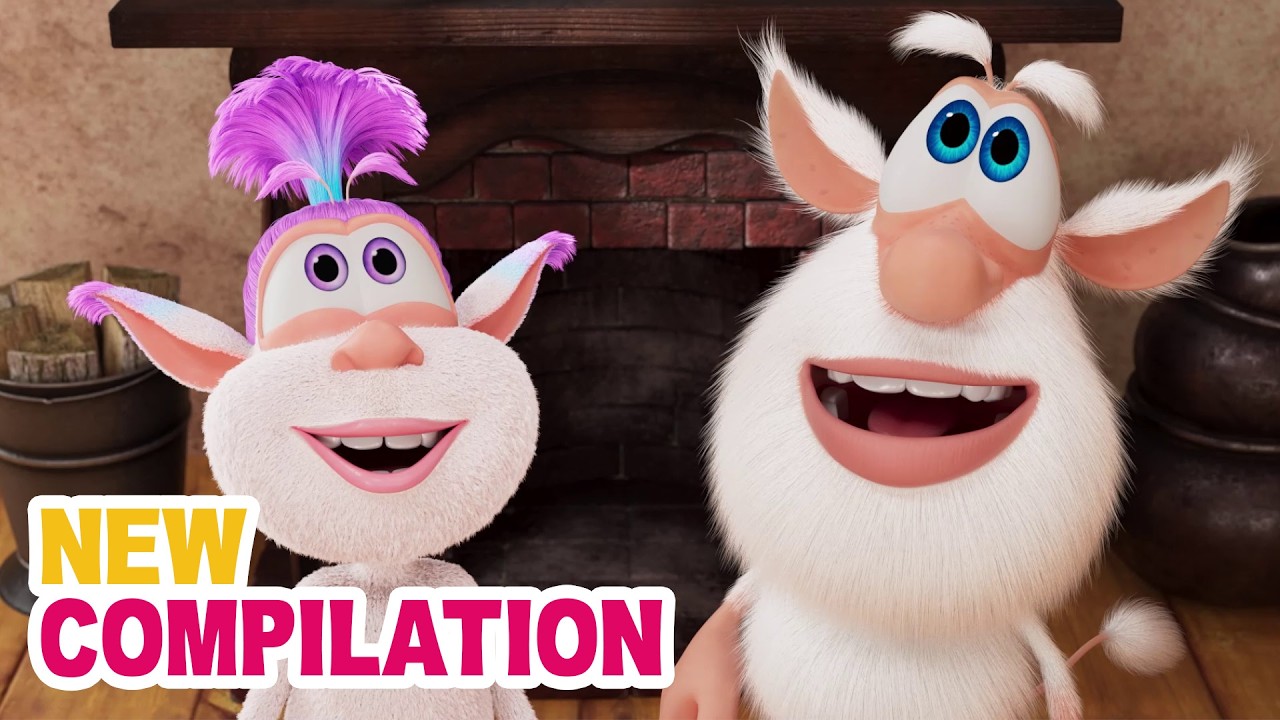
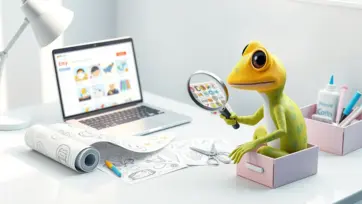
Booba’s playful and mischievous nature makes him a perfect inspiration for DIY crafts. Making a Booba mask is a fun, creative activity that encourages hands-on learning, imagination, and fine motor skills in children. Whether for a birthday party, Halloween, or just a rainy day activity, DIY Booba masks provide hours of educational fun.

In this guide, we will explain how to make a Booba mask easily at home and how to use it for learning and creative play.


Why DIY Booba Masks Are Perfect for Kids:

  1. Hands-On Creativity: Kids engage in coloring, cutting, and assembling, which fosters creativity.

  2. Fine Motor Skills: Cutting, gluing, and decorating strengthen hand-eye coordination.

  3. Imaginative Play: Wearing the mask allows children to role-play Booba’s adventures.

  4. Safe and Engaging: Uses simple materials that are safe for children aged 3–7.


Materials You Will Need:

  • Printable Booba mask template (or draw your own)

  • Thick paper or cardstock

  • Crayons, markers, or colored pencils

  • Scissors (child-safe)

  • Glue or tape

  • Elastic string or ribbon

  • Optional: glitter, stickers, or foam for decoration


Step-by-Step Instructions:

Step 1: Print or Draw the Template

  • Print a pre-made Booba mask template or draw Booba’s face on cardstock.

  • Make sure the template is large enough to cover the child’s face comfortably.


Step 2: Color the Mask

  • Use bright colors to mimic Booba’s playful style.

  • Encourage kids to experiment with colors and patterns.

  • Include details like Booba’s big eyes, fluffy ears, and expressive mouth.

Educational Tip: Discuss colors, shapes, and textures while coloring.


Step 3: Cut Out the Mask

  • Carefully cut along the edges of the mask.

  • Cut holes for the eyes using child-safe scissors.

Educational Tip: Cutting accurately helps develop fine motor control and spatial awareness.


Step 4: Attach Elastic or Ribbon

  • Attach elastic or ribbon to each side of the mask with tape or glue.

  • Make sure it fits comfortably around the child’s head.

Safety Tip: Elastic should not be too tight to avoid discomfort.


Step 5: Add Decorations (Optional)

  • Use glitter, stickers, or foam pieces to decorate.

  • Encourage kids to personalize their Booba mask.

Educational Tip: Adding decorations improves creativity and planning skills.


Fun Activities With Booba Masks:

Once the masks are ready, children can:

  1. Role-Play Adventures: Pretend to be Booba exploring kitchens, rooms, or playgrounds.

  2. Storytelling: Create mini-adventures or reenact favorite Booba episodes.

  3. Group Play: Collaborate with friends or siblings to act out scenes.

  4. Indoor Games: Combine masks with indoor games like pillow obstacle courses or balloon chases.

  5. Photo Fun: Take photos or make short videos for family albums or classroom projects.


Educational Benefits:

Making and using Booba masks offers learning opportunities beyond craft skills:

  1. Creativity and Imagination: Children interpret Booba’s expressions in their own way.

  2. Motor Skills: Coloring, cutting, and assembling strengthen coordination.

  3. Problem-Solving: Figuring out mask fit or decoration placement encourages critical thinking.

  4. Emotional Expression: Acting out Booba’s adventures teaches empathy and emotional understanding.

  5. Social Skills: Collaborative play develops teamwork and communication.


Tips for Parents and Educators:

  • Supervise cutting and gluing activities for younger children.

  • Encourage storytelling along with mask-making.

  • Display finished masks to boost confidence and pride.

  • Combine mask-making with Booba episode viewing for thematic play.

  • Rotate activities: one child can be Booba while others play supporting characters.


Final Thoughts:

Making your own Booba mask is a fun, creative, and educational activity for kids aged 3–7. It allows children to bring Booba’s playful adventures to life, develop fine motor skills, enhance creativity, and engage in imaginative play. Whether done at home or in a classroom, this DIY project is a safe, joyful, and memorable learning experience.
Advertisement
DIY Bedroom Decor Inspired by Gentle Characters: A 2025 Creative Guide
Transforming a child's room into a space that sparks joy and curiosity doesn't require a full remodel or a big budget. By channeling the playful, exploratory spirit of gentle, popular characters, you can create a personalized sanctuary that encourages imagination and calm. This 2025 guide offers safe, creative, and non-permanent DIY ideas to bring a touch of playful wonder to any bedroom. Guiding Philosophy: Whimsy, Not Overstimulation : The goal is to create a space that feels playful yet peaceful, not chaotic. Think subtle nods and interactive elements over overwhelming themes. Focus on the character's core traits: curiosity, simplicity, and joyful discovery. Safety First: All projects should use non-toxic, child-safe paints and materials. Ensure any wall hangings are securely mounted and all electrical elements (like LEDs) are low-voltage and supervised. Idea 1: The "Curiosity Door" Silhouette : Add a touch of magic to the room's entrance. What You'll Need: Dark blue or black adhesive vinyl (or removable wall decal paper and a projector), a craft knife, and a cutting mat. The DIY: Find a simple, recognizable silhouette of the character in a curious pose—peeking around a corner, holding a light bulb. Use a projector to trace the outline onto the vinyl, then carefully cut it out. Apply it to the door at child-height, as if the character is peeking into their room. It's a welcoming, non-permanent detail. Pro Tip: For a 3D effect, use craft foam sheets instead of vinyl. Idea 2: Glow-in-the-Dark "Discovery" Constellation Wall : Capture the wonder of exploration on the ceiling or an accent wall. What You'll Need: Glow-in-the-dark star stickers, glow-in-the-dark fabric paint, a stencil of simple shapes (light bulb, question mark, gear), and a blacklight bulb for a lamp (optional). The DIY: Create a custom "constellation" on the ceiling above the bed. Instead of just stars, use the glow paint and stencils to add themed shapes among the stars. Use the star stickers to connect them into unique constellations. The glow paint will charge by day and create a magical, calming night light effect. Pro Tip: Name the constellations together ("The Great Light Bulb," "The Curious Question Mark"). Idea 3: "Adventure Gear" Wall Hooks : Turn clutter into part of the decor. What You'll Need: Plain wooden wall hooks, sandpaper, non-toxic acrylic paints (blues, whites, black), and clear sealant. The DIY: Sand and paint the hooks to resemble the character's simple color scheme—a blue base with white "gloves" on the hook prongs. Paint two large, curious black and white eyes near the top of each hook. Mount them at kid-height for hanging backpacks, hats, or dress-up capes. It looks like helpful little friends holding their gear. Pro Tip: Use command strips to mount them without damaging walls. Idea 4: Interactive "What's Inside?" Fabric Bins : Add mystery to toy storage. What You'll Need: Plain canvas storage cubes or bins, fabric paint or markers, and a plain, contrasting fabric circle. The DIY: On the front of each bin, paint or draw a large, simple version of the character's face with a huge, curious open mouth. Sew or use strong fabric glue to attach the fabric circle behind the mouth opening, creating a sturdy "pocket." Kids can now "feed" the bin by putting toys through the mouth, or pull toys out from inside. Label bins with pictures (blocks, cars, animals) on the sides. Pro Tip: Use different facial expressions on each bin (surprised, happy, puzzled). Idea 5: Oversized "Friendly Friend" Bean Bag Chair : Create the ultimate cozy reading nook. What You'll Need: A large, plain bean bag chair (or a bean bag insert and durable fabric to make a cover), blue and white fleece or minky fabric, and black felt. The DIY: Create a custom slipcover. Use blue fabric for the main body. Sew on large white oval "eye" patches and a white tummy patch. Cut and securely attach black felt circles for pupils and a simple, smiling mouth. The result is a giant, huggable version of their friend that they can actually sit on and relax with. Pro Tip: Make the cover zippered and machine-washable. Idea 6: "Mystery Object" Shadow Box Shelves : Display treasures with a sense of wonder. What You'll Need: A few deep, wooden shadow box frames, non-toxic paint (in the character's signature blue), and battery-operated LED puck lights. The DIY: Paint the interior back panel of each shadow box a deep blue. Arrange and secure a collection of your child's interesting "found objects"—a cool rock, a pinecone, a vintage key, a colorful marble—inside each box. Install a small LED light inside to illuminate the collection. Mount the boxes together on the wall. It celebrates curiosity and makes everyday objects look like museum exhibits. Pro Tip: Let your child curate and change the objects seasonally. Final Touch: The "Idea Jar" Nightstand Companion : Encourage creativity right from bed. What You'll Need: A simple blue jar, a label, and popsicle sticks. The DIY: Label the jar "Adventure Ideas." On each popsicle stick, write a simple, curious prompt: "Find something blue tomorrow," "Listen for a new sound," "Build a fort after school," "Ask a 'why' question." It extends the room's theme of curiosity into daily life. Conclusion: A Room That Grows With Them : The best DIY decor is flexible, personal, and full of heart. These projects focus on interactivity and subtle themes that won't feel "babyish" in a year. By creating a space that values curiosity and cozy comfort, you're building more than just a bedroom—you're creating a launchpad for imagination, designed with love, one creative project at a time.
Best Educational Cartoons for Young Children
Educational cartoons are an excellent way to combine learning and entertainment for young children. With colorful visuals, playful characters, and fun storylines, these shows can teach essential skills like numbers, letters, social behavior, and problem-solving. This guide highlights the best educational cartoons for young children aged 2–7 and explains why they are effective for learning. Why Educational Cartoons Are Important: Engaging Learning: Kids are more attentive when learning is paired with fun, humor, and music. Visual and Auditory Learning: Cartoons help children understand concepts through visuals, dialogue, and songs. Social and Emotional Skills: Episodes teach sharing, empathy, teamwork, and conflict resolution. Creativity and Imagination: Fun scenarios encourage storytelling, drawing, and role-play. Top Educational Cartoons for Young Children: 1. Little Learners Club Focuses on basic numbers, colors, and letters. Fun songs and repetition help memory retention. 2. Curious Critters Features playful characters exploring the world. Encourages observation, curiosity, and problem-solving. 3. Tiny Tales Academy Short, colorful stories teach social skills, emotions, and friendship. Great for toddlers and preschoolers. 4. Fuzzy Friends Adventures Combines humor, storytelling, and basic educational concepts. Teaches teamwork, creativity, and life skills. 5. Happy Helpers Characters engage in tasks that promote responsibility and empathy. Perfect for role-playing and real-life skill learning. 6. Giggle Garden Learning Outdoor adventures that highlight nature, science, and exploration. Encourages hands-on observation and imaginative play. How to Make the Most of Educational Cartoons: Watch Together: Discuss episodes to reinforce lessons and understanding. Encourage Storytelling: Ask children to retell or extend the story. Use Related Activities: Crafts, drawing, or mini experiments enhance learning. Set Screen Time Limits: Balance viewing with physical play, reading, and family activities. Praise Engagement: Encourage curiosity, questions, and creativity inspired by the shows. Benefits of Educational Cartoons: Cognitive Development: Improves counting, letters, memory, and problem-solving. Social and Emotional Skills: Promotes empathy, sharing, and teamwork. Creativity and Imagination: Inspires art, role-play, and storytelling. Language Skills: Expands vocabulary and improves sentence formation. Fun Learning: Makes education enjoyable and memorable for young children. Final Thoughts: Educational cartoons are a valuable tool for early childhood learning. By selecting shows with engaging characters, colorful visuals, and educational content, parents can boost cognitive, social, and emotional development while keeping learning fun and interactive.
Booba Drawing Tutorials for Kids
Booba, with his expressive face, playful antics, and simple shapes, is the perfect character for kids to learn drawing. Drawing tutorials inspired by Booba help children develop fine motor skills, creativity, and visual observation while keeping them entertained. In this guide, we will cover easy Booba drawing tutorials for kids and explain how to make the activity fun, educational, and engaging for children aged 3–8. Why Booba Drawing Is Perfect for Kids: Simple Shapes: Booba’s rounded forms and bold features are easy for children to replicate. Expressive Character: Big eyes, exaggerated mouth, and fluffy body encourage creativity. Step-by-Step Learning: Children can follow simple steps to create recognizable characters. Safe & Fun: Requires minimal materials and is suitable for home or classroom settings. Materials Needed: Drawing paper or sketchbook Pencils and erasers Colored pencils, crayons, or markers Optional: Ruler for shapes, templates for guidance Step-by-Step Booba Drawing Tutorial for Kids: 1. Start with Basic Shapes Draw a large oval for Booba’s head. Add a smaller oval or circle for the body. Mark positions for eyes, nose, and mouth lightly with a pencil. Educational Tip: Teaches kids shape recognition and spatial awareness. 2. Add Eyes and Facial Features Draw big circular eyes near the top of the head. Add pupils and highlights to make them expressive. Draw a small oval nose and a wide, smiling mouth. Educational Tip: Encourages fine motor control and observation skills. 3. Draw Booba’s Arms and Legs Use curved lines for arms and legs. Hands can be simple ovals or mitten shapes. Feet are rounded or slightly elongated to mimic Booba’s style. Learning Tip: Helps children understand proportions and symmetry. 4. Add Booba’s Fluffy Ears and Tail Draw large, rounded ears on the sides of the head. Optional: Add a small fluffy tail for additional detail. Educational Tip: Introduces attention to detail and pattern recognition. 5. Add Accessories or Objects Kids can draw Booba interacting with toys, balloons, or pillows. Encourage imagination: Booba can be climbing, jumping, or sliding. Learning Tip: Supports creative thinking and storytelling. 6. Outline and Erase Guidelines Trace final lines with a darker pencil or marker. Erase unnecessary guidelines to clean up the drawing. Educational Tip: Teaches focus, patience, and precision. 7. Coloring Your Booba Drawing Use bright colors to mimic Booba’s animated style. Encourage kids to experiment with new color combinations. Add details like shadows or background items to make it lively. Learning Tip: Enhances color recognition, creativity, and concentration. Tips to Make Booba Drawing More Fun: Follow Along Videos: Use step-by-step tutorials for guidance. Draw Together: Parents or teachers can draw alongside kids to increase engagement. Storytelling: Encourage children to create stories about what Booba is doing in their drawings. Display Artwork: Show off finished drawings on walls or classroom boards to boost confidence. Combine with Crafts: Turn drawings into puppets, masks, or collages. Educational Benefits of Booba Drawing Tutorials: Fine Motor Development: Tracing, coloring, and shaping improve hand strength. Creativity & Imagination: Kids interpret Booba’s expressions in unique ways. Cognitive Skills: Planning steps and drawing sequences enhances problem-solving. Visual Observation: Children learn to observe shapes, proportions, and expressions. Emotional Expression: Drawing expressive faces encourages understanding of emotions. Final Thoughts: Booba drawing tutorials are perfect for combining fun and learning. Kids develop creativity, motor skills, observation, and storytelling abilities while enjoying a hands-on, interactive activity. Drawing Booba can be a daily creative habit or a fun weekend project, making learning exciting and visually engaging.
How Booba Encourages Curiosity in Young Minds
Booba is a popular animated character loved by young children around the world. Unlike traditional cartoons with heavy dialogue, Booba relies on visual storytelling, expressions, and playful exploration. This unique style makes Booba especially effective in encouraging curiosity in young minds. Children naturally feel connected to Booba’s sense of wonder, which motivates them to observe, explore, and ask questions about the world around them. Curiosity is one of the most important skills in early childhood development. When children are curious, they learn faster, think deeper, and develop a lifelong love for learning. Booba plays a significant role in nurturing this curiosity through simple yet powerful storytelling. Why Curiosity Is Important for Young Children: Curiosity is the driving force behind learning. It encourages children to explore new ideas, understand cause and effect, and develop problem-solving skills. Curious children are more likely to ask questions, experiment, and stay engaged in learning activities. Developing curiosity at an early age helps children: Build critical thinking skills Improve attention and focus Enhance creativity and imagination Develop independence in learning Strengthen cognitive development Booba’s cartoon style aligns perfectly with how young children naturally learn—through observation and exploration. How Booba’s Visual Storytelling Sparks Curiosity: Booba cartoons use minimal or no spoken language, which encourages children to focus on actions rather than words. This visual storytelling pushes kids to observe closely and interpret what is happening on screen. When Booba interacts with everyday objects in unexpected ways, children become curious about outcomes. They begin thinking: What will happen next? Why did that happen? What is Booba trying to do? This constant engagement keeps young minds active and curious. Exploration of Everyday Objects: One of Booba’s strongest features is how he explores ordinary household items in creative ways. Simple objects like boxes, utensils, or toys become sources of adventure. This teaches children that learning does not always require complex tools. Everyday surroundings are full of opportunities for exploration. Kids start imitating Booba by experimenting with objects safely, which strengthens curiosity-driven learning. Encouraging Cause and Effect Thinking: Booba cartoons often show actions followed by immediate consequences. When Booba presses a button, pulls a lever, or mixes things, something happens. This helps children understand cause and effect relationships, which are essential for cognitive development. Kids begin to predict outcomes and test their assumptions, a key part of scientific thinking and problem-solving. Non-Verbal Learning and Observation Skills: Because Booba relies heavily on expressions, gestures, and movement, children sharpen their observation skills. They learn to read emotions, understand reactions, and interpret situations without spoken explanations. This strengthens: Visual perception Emotional understanding Attention to detail Concentration These skills are directly linked to curiosity, as observant children naturally want to know more. Freedom to Think Without Instructions: Unlike many educational cartoons that give direct instructions, Booba allows children to think independently. There are no obvious answers or explanations given. This open-ended style encourages children to: Form their own ideas Interpret situations differently Explore multiple possibilities Such freedom is essential for nurturing creative curiosity in young minds. Emotional Engagement Builds Interest: Booba’s expressive face and playful reactions create strong emotional connections with children. When kids emotionally connect with a character, they become more invested in what happens next. This emotional engagement keeps curiosity alive, making children eager to watch, learn, and explore further. How Parents Can Use Booba to Encourage Curiosity: Parents can turn Booba cartoons into meaningful learning moments by engaging actively with their children. Simple actions can increase the learning impact: Ask children what they think Booba is doing Encourage them to guess what might happen next Relate Booba’s actions to real-life situations Let children recreate safe experiments inspired by Booba These interactions help children express curiosity verbally and confidently. Benefits of Booba for Early Childhood Development: Booba supports several areas of early development, including: Curiosity and exploration Problem-solving skills Imagination and creativity Observation and focus Emotional understanding Because Booba uses simple visuals and slow pacing, it is especially suitable for preschool and early learners. Choosing the Right Balance of Screen Time: While Booba is beneficial, balanced screen time is important. Parents should ensure children also engage in physical play, reading, and real-world exploration. When used mindfully, Booba cartoons can enhance curiosity without overstimulation, making screen time productive and educational. Long-Term Impact of Curiosity-Based Learning: Children who grow up curious tend to perform better academically and socially. They become confident learners who enjoy discovering new things. By encouraging curiosity through cartoons like Booba, parents lay a strong foundation for: Lifelong learning Independent thinking Adaptability Creativity Conclusion: How Booba encourages curiosity in young minds is a perfect example of learning through simplicity. With visual storytelling, playful exploration, and emotional engagement, Booba naturally stimulates curiosity without pressure or instruction. When parents guide children thoughtfully, Booba becomes more than a cartoon—it becomes a tool for developing curious, confident, and creative young learners. Used wisely, Booba helps children explore the world with wonder and excitement, one small discovery at a time.
Best Nursery Rhymes for Children in 2025
Learn and Sing with Fun Nursery rhymes have been a beloved part of early childhood education for generations. In 2025, their role has become even more significant, thanks to animated videos and interactive digital content. Nursery rhymes help children develop language skills, memory, rhythm, and social understanding—all while having fun. This guide explores the benefits of nursery rhymes, popular animated series for children, and tips for parents to make the most out of rhyme-based learning. Why Nursery Rhymes Are Important for Children: Nursery rhymes are more than simple songs—they are powerful educational tools. They combine melody, rhythm, and repetition, making learning enjoyable and effective. Key benefits of nursery rhymes include: Language development: Helps children learn new words, pronunciation, and sentence structure. Memory and recall: Repetition and rhyming enhance memory skills. Rhythm and musical skills: Introduces children to beat, melody, and rhythm. Cognitive development: Patterns, sequences, and storylines encourage thinking and reasoning. Social and emotional growth: Singing together promotes bonding, cooperation, and emotional expression. Popular Types of Nursery Rhymes: Nursery rhymes can be grouped into several categories to target different learning skills: 1. Traditional Rhymes: These are the classic rhymes like Twinkle Twinkle Little Star, Humpty Dumpty, or Baa Baa Black Sheep. They are simple, melodic, and easy to memorize, making them perfect for toddlers and preschoolers. 2. Alphabet and Counting Rhymes: Songs that combine rhymes with alphabet letters or numbers help children learn language and numeracy simultaneously. Examples include ABC Song and One, Two, Buckle My Shoe. 3. Movement and Action Rhymes: Action rhymes involve gestures and physical activity, improving gross motor skills and coordination. Examples include If You’re Happy and You Know It or Head, Shoulders, Knees, and Toes. 4. Themed Rhymes: Some nursery rhymes focus on animals, seasons, or daily routines, teaching children about the world in a fun, musical way. Examples include Old MacDonald Had a Farm and Rain, Rain, Go Away. Top Animated Nursery Rhymes for Children in 2025: 1. Super Simple Songs: A favorite among toddlers, this series combines animated visuals, slow-paced music, and easy-to-follow lyrics. Highlights: Alphabet, numbers, and action rhymes Interactive, easy for children to sing along Bright, colorful animations for engagement 2. Booba’s Nursery Rhymes: Booba, a popular character, now features nursery rhyme adventures that make classic songs fun and playful. Benefits: Non-verbal and universally understandable Encourages observation and rhythm learning Perfect for toddlers and preschoolers 3. Little Baby Bum: One of the most well-known animated nursery rhyme channels, Little Baby Bum offers: Wide range of rhymes from traditional to modern Fun animations to hold children’s attention Songs that reinforce early language, counting, and colors 4. Cocomelon: Cocomelon is widely popular for combining nursery rhymes with short educational stories. Learning focus: Letters, numbers, and colors Social skills and good habits Memory and listening skills through repetition 5. Nursery Rhymes Club: An interactive animated series with sing-along features and visual cues for each word. Benefits: Engages children in singing and reading Improves pronunciation and vocabulary Introduces rhythm and melody for early musical skills How to Use Nursery Rhymes Effectively: While nursery rhymes are fun, parents play a key role in enhancing their educational value: Sing along: Join your child to improve language and bonding. Add gestures and movements: Action rhymes improve coordination and memory. Repetition is key: Repeating songs helps reinforce learning. Combine with visuals: Animated videos make rhymes more engaging. Discuss the story or theme: Even short rhymes can teach lessons about animals, nature, or social behavior. Create a daily routine: Singing nursery rhymes at consistent times (morning, bedtime) reinforces memory and habit formation. Benefits of Animated Nursery Rhymes: Animated nursery rhymes combine music, movement, and storytelling to create a multi-sensory learning experience: Visual learning: Bright characters, colors, and movements enhance memory. Auditory learning: Repetition of sounds, words, and rhythms improves language skills. Interactive engagement: Sing-along and dance-along features make learning fun. Emotional connection: Characters and songs help children express feelings and connect with stories. Recommended Nursery Rhymes for Children in 2025: Here’s a curated list of popular and educational nursery rhyme series: Super Simple Songs – Alphabet, numbers, and classic rhymes Booba’s Nursery Rhymes – Fun adventures with playful characters Little Baby Bum – Wide variety of rhymes with vibrant animations Cocomelon – Combines songs with short stories and social lessons Nursery Rhymes Club – Interactive sing-along videos for toddlers These series provide safe, colorful, and educational content, making learning enjoyable for toddlers and preschoolers. Final Thoughts: Nursery rhymes are a timeless tool for early childhood learning, helping children develop language, memory, rhythm, and social skills. In 2025, animated and interactive videos make these rhymes even more engaging, allowing toddlers to learn while having fun. Parents can maximize the benefits by: Singing along with their children Incorporating gestures and movements Repeating favorite rhymes regularly Pairing songs with discussion or hands-on activities With the right nursery rhymes, screen time becomes productive and educational, giving toddlers a strong foundation for learning, creativity, and social development. Tip for Parents: Encourage children to create their own rhymes or act out songs—this reinforces creativity, memory, and understanding of language patterns.
Best Booba Episodes for Toddlers (1–3 Years)
Toddlers between the ages of 1 and 3 experience the world very differently from older children. Their brains are developing rapidly, their attention span is short, and they respond most strongly to bright colors, simple actions, and clear emotions. This is where Booba becomes an ideal cartoon choice. Booba episodes are specially loved by toddlers because they are simple, safe, colorful, and visually expressive. In this guide, we explore the best Booba episodes for toddlers (1–3 years) and explain why these episodes are perfect for early childhood viewing. Why Booba Is Perfect for Toddlers: Before listing the episodes, it’s important to understand why Booba works so well for this age group. Toddlers need: Visual storytelling (not complex dialogue) Repetition and predictability Bright, high-contrast colors Gentle humor without fear Short and engaging content Booba delivers all of these naturally, making it one of the safest and most engaging cartoons for toddlers. Top Booba Episodes for Toddlers (1–3 Years): 1. Booba and Bubbles This episode is a toddler favorite. Floating bubbles instantly grab attention, and Booba’s attempts to catch and pop them create endless giggles. Why it’s perfect for toddlers: Slow, clear movements Bright shiny bubbles Simple cause-and-effect learning Toddler benefit: Visual tracking and hand-eye coordination. 2. Booba and the Ball In this episode, Booba plays with a colorful ball that rolls, bounces, and escapes him. Why toddlers love it: Repetitive motion Bright primary colors Easy-to-follow action Toddler benefit: Understanding movement and basic physics through play. 3. Booba in the Bedroom Booba explores pillows, blankets, and soft toys. The calm environment makes this episode ideal for very young children. Why it works for ages 1–2: Soft objects Gentle humor Familiar home setting Toddler benefit: Comfort, emotional safety, and recognition of daily surroundings. 4. Booba and the Toy Box A box full of toys becomes a mini adventure. Toys fall out, make sounds, and surprise Booba. Why toddlers enjoy it: Surprise elements without fear Bright toy colors Simple exploration Toddler benefit: Curiosity and sensory stimulation. 5. Booba and Music Sounds This episode focuses on sound-making objects. Booba reacts joyfully to different noises. Why it’s great for toddlers: Clear audio cues Rhythm and repetition Funny reactions Toddler benefit: Early sound recognition and auditory development. 6. Booba and Water Play Booba plays with water in a safe, playful way—splashing, pouring, and reacting to movement. Why toddlers love it: Water fascinates young minds Gentle splashes Clear visual movement Toddler benefit: Sensory awareness and observation skills. 7. Booba and the Box A simple cardboard box becomes a source of endless fun. Booba hides, jumps, and peeks out. Why it’s toddler-friendly: Simple object Repetition Peek-a-boo style humor Toddler benefit: Object permanence and surprise recognition. 8. Booba and Soft Toys Booba interacts with stuffed toys, hugging them and playing gently. Why toddlers feel connected: Familiar comfort objects Calm pace Friendly emotions Toddler benefit: Emotional bonding and empathy. 9. Booba and Lights Booba discovers lights turning on and off, reacting with excitement. Why toddlers are fascinated: Bright visual contrast Immediate cause and effect Toddler benefit: Understanding actions and reactions. 10. Booba’s Happy Dance This episode focuses on movement and dancing. Why toddlers love it: Body movement Fun music Laughing expressions Toddler benefit: Motor skills and body awareness. What Toddlers Learn from These Episodes: Even though Booba is mainly entertainment, toddlers gain valuable early learning skills: Visual focus through movement and colors Emotional recognition through facial expressions Cause-and-effect understanding Motor skill stimulation Curiosity without fear All of this happens naturally, without pressure or complex storytelling. Why Parents Trust Booba for Toddlers: Parents prefer Booba because: No talking means no bad language No violence or scary scenes Short episodes reduce screen overload Calm humor supports positive mood Booba is especially useful for: Quiet time Short breaks Safe screen exposure Screen Time Tip for Parents: For toddlers aged 1–3: Limit screen time Watch together when possible Choose calm episodes Avoid overstimulation Booba’s gentle pacing makes it a better choice than fast, noisy cartoons. Final Thoughts: Booba is one of the best cartoon choices for toddlers because it perfectly matches early childhood psychology. The episodes listed above are ideal for ages 1–3, offering bright visuals, gentle humor, and safe exploration. For parents looking for safe, engaging, and development-friendly entertainment, Booba episodes are a reliable and enjoyable option.
Cartoons That Improve Creativity in Children
Cartoons are more than just entertainment—they can be a powerful tool for fostering creativity in young minds. With colorful visuals, imaginative storylines, and playful characters, the right cartoons encourage children to think outside the box, invent stories, and explore new ideas. This guide explores the best types of cartoons that inspire creativity in children and explains why they are beneficial for kids aged 3–8. Why Creativity Matters in Childhood: Problem-Solving Skills: Creative thinking helps children find multiple solutions to challenges. Imagination Growth: Exposure to imaginative scenarios encourages storytelling and pretend play. Emotional Expression: Art, role-play, and storytelling help children express feelings. Cognitive Development: Creativity strengthens brain connections, memory, and critical thinking. Social Skills: Collaborating on creative projects improves communication and teamwork. Top Cartoons That Boost Creativity: 1. Playful Creature Adventures Features a curious, expressive character exploring colorful worlds. Encourages role-playing, drawing, and problem-solving. 2. Tiny Tales Universe Short, imaginative stories for toddlers and preschoolers. Promotes storytelling, emotional understanding, and imaginative thinking. 3. Fuzzy Friends Academy Group of playful friends solving challenges together. Teaches collaboration, creativity, and thinking outside the box. 4. Giggle Garden Explorers Outdoor adventures with creative problem-solving scenarios. Encourages observation, exploration, and interactive play. 5. Happy Helpers Club Characters use creativity to solve everyday challenges. Inspires crafts, design thinking, and imaginative role-play. How Parents Can Encourage Creativity Through Cartoons: Co-View and Discuss: Ask children what they would do differently or how they would solve problems. Incorporate Activities: Drawing, painting, or crafting based on episodes reinforces creativity. Encourage Storytelling: Let children retell or expand stories in their own words. Limit Screen Time: Ensure balance with outdoor play, reading, and physical activities. Praise Experimentation: Celebrate new ideas, imaginative solutions, and creative expression. Benefits of Creative Cartoons: Boosts Imagination: Inspires children to invent stories, games, and scenarios. Enhances Problem-Solving: Teaches flexible thinking and solution-oriented skills. Develops Social Skills: Promotes collaboration, empathy, and communication. Encourages Emotional Expression: Helps children express feelings through art and play. Safe and Fun Learning: Combines education with enjoyment, keeping screen time productive. Final Thoughts: Cartoons that encourage creativity provide more than laughter—they foster imagination, problem-solving, and emotional growth. By choosing shows that engage, challenge, and inspire, parents can help children develop critical cognitive and social skills while having fun.
Best Bedtime Stories for Kids in 2025
Bedtime can sometimes be a challenge for parents, especially when toddlers and preschoolers are full of energy. In 2025, bedtime animated stories have emerged as a powerful tool to help children relax, unwind, and sleep peacefully while also providing gentle learning opportunities. These stories combine soothing visuals, soft music, and engaging characters to create a calm environment that signals to children that it’s time to rest. In addition to promoting sleep, bedtime animations can teach moral lessons, mindfulness, and emotional regulation, making them a valuable resource for parents. Why Bedtime Animated Stories Are Important: Bedtime stories in animated form are more effective than traditional books for many children because they: Promote relaxation: Soft visuals, calm voices, and gentle music reduce stress and anxiety. Encourage a sleep routine: Consistent bedtime stories signal that it’s time to wind down. Teach life lessons: Morals, sharing, kindness, and mindfulness can be subtly integrated. Engage imagination: Children visualize gentle stories without overstimulation. Support language development: Narration helps improve vocabulary and comprehension. By combining entertainment with calmness, bedtime animated stories make it easier for parents to establish a nightly routine. Key Benefits of Bedtime Animated Stories: Better Sleep Quality Calm visuals and gentle storytelling help children fall asleep faster and stay asleep longer. Emotional Regulation Children learn to manage feelings like fear, frustration, or excitement before bed. Language and Cognitive Development Listening to narration enhances vocabulary, comprehension, and attention span. Moral and Social Learning Stories can include lessons about kindness, honesty, empathy, and gratitude. Routine and Consistency Watching the same series or characters nightly builds a sense of comfort and security. Top Bedtime Animated Story Series in 2025: 1. Goodnight with Zoya: Zoya leads gentle adventures designed to calm children and teach soft lessons before bedtime. Highlights: Soft music and soothing narration Gentle lessons about kindness, gratitude, and sharing Suitable for toddlers aged 2–6 2. Booba’s Sleepy Adventures: Booba’s curiosity slows down in these bedtime episodes, helping children relax while still enjoying storytelling. Benefits: Non-verbal storytelling suitable for all languages Visual cues signal calmness and winding down Short episodes ideal for bedtime routines 3. Super Simple Sleepy Songs: This series combines soft songs, nursery rhymes, and gentle animation to help children unwind. Learning focus: Soothing melodies for relaxation Short stories teaching morals and routines Helps children associate music and visuals with bedtime 4. Little Dreamers Adventures: Animated mini-stories where characters experience calm adventures before sleep, teaching mindfulness and relaxation. Key lessons: Deep breathing and mindful thinking Positive storytelling to reduce nighttime anxiety Short episodes, perfect for preschoolers 5. Sleepy Animal Tales: Animal characters guide children through gentle bedtime journeys in forests, oceans, and magical lands. Learning highlights: Introduces children to nature and animals Teaches patience, empathy, and calmness Multi-sensory learning through visuals and soft narration How Parents Can Maximize the Benefits: To make bedtime animated stories effective, parents can: Establish a routine: Watch the same series or character at bedtime for consistency. Create a calm environment: Dim lights, reduce noise, and ensure comfort. Discuss the story: Ask simple questions like, “What did Zoya learn today?” Combine with offline relaxation: Gentle stretches, deep breathing, or soft hugs. Limit screen brightness and duration: Use short episodes and reduce blue light exposure. Reinforce morals in daily life: Encourage children to practice kindness, gratitude, or sharing learned from the story. Recommended Bedtime Animated Stories for Kids in 2025: Goodnight with Zoya – Calm adventures and moral lessons Booba’s Sleepy Adventures – Non-verbal calming stories Super Simple Sleepy Songs – Nursery rhymes and gentle melodies Little Dreamers Adventures – Mindfulness and relaxation exercises Sleepy Animal Tales – Animal-themed gentle bedtime journeys These series are safe, soothing, and educational, helping children develop healthy sleep habits, emotional intelligence, and language skills while enjoying animated adventures. Final Thoughts: Bedtime animated stories are more than just entertainment—they are a tool to support healthy sleep, emotional development, and learning in toddlers and preschoolers. In 2025, these animations combine soothing music, soft visuals, and gentle storytelling to create a calm bedtime environment. Parents can enhance their benefits by: Watching together and discussing stories Incorporating mindfulness exercises Creating a consistent nightly routine With the right bedtime animated stories, screen time becomes both relaxing and educational, helping children sleep peacefully while learning important life lessons. Tip for Parents: Encourage children to share what they remember from the story or draw their favorite scenes, which reinforces memory, comprehension, and creativity.