Funny Way to Build Good Habits

Cartoons play a very important role in a child’s early learning. Whether it’s sharing toys, speaking politely, or helping friends, cartoon stories make manners easy for children to understand. Kids naturally learn better when something is shown in a fun, colorful, and story-based format. That’s why cartoon stories about good manners have become one of the most effective tools for parents and teachers.

In today’s busy world, reminding kids about manners again and again can be challenging. But when the same lessons come through a cute animated character, children not only enjoy watching but also remember the message. Let’s explore how cartoon stories help improve manners in kids and which habits are most important.


Why Cartoons Are Effective for Teaching Manners

1. Kids Understand Visual Messages Quickly

Children learn better with pictures and actions. Cartoons show how to behave in real-life situations, which makes learning natural and effortless.

2. Stories Create Emotional Impact

When kids see their favorite cartoon hero helping others or apologizing, they feel inspired to do the same.

3. Repetition Makes Learning Strong

Cartoons repeat moral messages in simple ways. When children see good manners again and again, they become part of their daily behavior.

4. Learning Feels Like Fun, Not School

Most kids resist long lectures but happily watch a 5-minute animated story. This converts manners into enjoyable lessons.


Important Manners Kids Learn Through Cartoons

1. Saying “Please” and “Thank You”

Politeness is one of the first manners parents want kids to learn. In cartoon stories, characters often use polite language, showing kids when and how to say “please,” “thank you,” and “sorry.”

2. Sharing with Friends

One of the biggest challenges for toddlers is sharing toys or snacks. Cartoon stories show how sharing brings happiness and how refusing to share can hurt others.

3. Helping Parents and Friends

Kids learn responsibility when they see animated characters helping in small tasks like cleaning up, organizing toys, or helping a friend in trouble.

4. Respecting Elders

Respectful behavior—listening, not interrupting, and speaking kindly—is often highlighted in kids’ cartoons.

5. Patience and Waiting for Their Turn

Children naturally want everything instantly. Cartoons teach them that waiting for their turn is an important manner.

6. Keeping the Environment Clean

Many cartoons show characters picking up trash, keeping rooms tidy, and caring for nature.


Benefits of Using Cartoon Stories for Manners

1. Kids Remember Moral Lessons Longer

Because stories have characters, actions, and emotions, children remember the moral values more deeply.

2. Builds Social and Emotional Skills

Kids learn empathy, kindness, cooperation, and problem-solving from cartoon-based storytelling.

3. Helps Parents Guide Kids Easily

Instead of scolding, parents can say, “Remember what the cartoon character did?” This makes discipline gentle and effective.

4. Safe and Positive Entertainment

Good-manner cartoons are clean, age-appropriate, and free from harmful content.


Examples of Manners Highlighted in Popular Cartoon Stories

Helping Friends

Stories where a character helps someone fix a broken toy, opens the door for others, or supports a sad friend help kids understand kindness.

Apologizing When Wrong

Cartoons teach that saying “sorry” is important and shows courage. Kids learn it’s okay to make mistakes but important to apologize.

Listening Carefully

Animated characters often remind kids to listen to instructions and follow rules in school, home, and playground.

Tidy Up Time

A common theme shows characters cleaning up after playing, encouraging kids to do the same.


How Parents Can Use Cartoons to Teach Manners:

1. Watch Together

When parents watch with their kids, they can point out important lessons and discuss them.

2. Repeat the Lessons During the Day

For example, say:
“Just like the cartoon taught, we should share our toys.”

3. Choose High-Quality Content

Pick cartoons that focus on learning and character-building instead of violence or meaningless humor.

4. Encourage Kids to Practice the Learned Manners

Praise them when they apply a good habit they saw in the cartoon.


Why Manners Matter in Early Childhood:

Good manners help children:

  • Make more friends

  • Build confidence

  • Become responsible

  • Communicate politely

  • Grow into emotionally strong individuals

Cartoon stories make this journey easier by showing good habits in an entertaining, child-friendly way.


Conclusion:

Teaching manners doesn’t have to feel difficult or boring. Cartoon stories provide a joyful and effective way to help kids learn how to behave politely, share with others, and build strong character. When children watch animated stories that highlight kindness, respect, and responsibility, they naturally start adopting these habits in daily life.

Cartoons aren’t just entertainment—they are powerful learning tools that shape behavior, personality, and values. With the right selection of videos, parents can guide their children toward becoming polite, caring, and well-mannered individuals.
Advertisement
Best Booba Episodes for Toddlers (1–3 Years)
Toddlers between the ages of 1 and 3 experience the world very differently from older children. Their brains are developing rapidly, their attention span is short, and they respond most strongly to bright colors, simple actions, and clear emotions. This is where Booba becomes an ideal cartoon choice. Booba episodes are specially loved by toddlers because they are simple, safe, colorful, and visually expressive. In this guide, we explore the best Booba episodes for toddlers (1–3 years) and explain why these episodes are perfect for early childhood viewing. Why Booba Is Perfect for Toddlers: Before listing the episodes, it’s important to understand why Booba works so well for this age group. Toddlers need: Visual storytelling (not complex dialogue) Repetition and predictability Bright, high-contrast colors Gentle humor without fear Short and engaging content Booba delivers all of these naturally, making it one of the safest and most engaging cartoons for toddlers. Top Booba Episodes for Toddlers (1–3 Years): 1. Booba and Bubbles This episode is a toddler favorite. Floating bubbles instantly grab attention, and Booba’s attempts to catch and pop them create endless giggles. Why it’s perfect for toddlers: Slow, clear movements Bright shiny bubbles Simple cause-and-effect learning Toddler benefit: Visual tracking and hand-eye coordination. 2. Booba and the Ball In this episode, Booba plays with a colorful ball that rolls, bounces, and escapes him. Why toddlers love it: Repetitive motion Bright primary colors Easy-to-follow action Toddler benefit: Understanding movement and basic physics through play. 3. Booba in the Bedroom Booba explores pillows, blankets, and soft toys. The calm environment makes this episode ideal for very young children. Why it works for ages 1–2: Soft objects Gentle humor Familiar home setting Toddler benefit: Comfort, emotional safety, and recognition of daily surroundings. 4. Booba and the Toy Box A box full of toys becomes a mini adventure. Toys fall out, make sounds, and surprise Booba. Why toddlers enjoy it: Surprise elements without fear Bright toy colors Simple exploration Toddler benefit: Curiosity and sensory stimulation. 5. Booba and Music Sounds This episode focuses on sound-making objects. Booba reacts joyfully to different noises. Why it’s great for toddlers: Clear audio cues Rhythm and repetition Funny reactions Toddler benefit: Early sound recognition and auditory development. 6. Booba and Water Play Booba plays with water in a safe, playful way—splashing, pouring, and reacting to movement. Why toddlers love it: Water fascinates young minds Gentle splashes Clear visual movement Toddler benefit: Sensory awareness and observation skills. 7. Booba and the Box A simple cardboard box becomes a source of endless fun. Booba hides, jumps, and peeks out. Why it’s toddler-friendly: Simple object Repetition Peek-a-boo style humor Toddler benefit: Object permanence and surprise recognition. 8. Booba and Soft Toys Booba interacts with stuffed toys, hugging them and playing gently. Why toddlers feel connected: Familiar comfort objects Calm pace Friendly emotions Toddler benefit: Emotional bonding and empathy. 9. Booba and Lights Booba discovers lights turning on and off, reacting with excitement. Why toddlers are fascinated: Bright visual contrast Immediate cause and effect Toddler benefit: Understanding actions and reactions. 10. Booba’s Happy Dance This episode focuses on movement and dancing. Why toddlers love it: Body movement Fun music Laughing expressions Toddler benefit: Motor skills and body awareness. What Toddlers Learn from These Episodes: Even though Booba is mainly entertainment, toddlers gain valuable early learning skills: Visual focus through movement and colors Emotional recognition through facial expressions Cause-and-effect understanding Motor skill stimulation Curiosity without fear All of this happens naturally, without pressure or complex storytelling. Why Parents Trust Booba for Toddlers: Parents prefer Booba because: No talking means no bad language No violence or scary scenes Short episodes reduce screen overload Calm humor supports positive mood Booba is especially useful for: Quiet time Short breaks Safe screen exposure Screen Time Tip for Parents: For toddlers aged 1–3: Limit screen time Watch together when possible Choose calm episodes Avoid overstimulation Booba’s gentle pacing makes it a better choice than fast, noisy cartoons. Final Thoughts: Booba is one of the best cartoon choices for toddlers because it perfectly matches early childhood psychology. The episodes listed above are ideal for ages 1–3, offering bright visuals, gentle humor, and safe exploration. For parents looking for safe, engaging, and development-friendly entertainment, Booba episodes are a reliable and enjoyable option.
How Animations Are Made: A Simple Guide for Kids
Have you ever wondered how your favorite cartoon characters move, talk, and go on adventures? It feels like magic, but it’s actually a super cool mix of art, technology, and patience! Making an animation is like creating a flipbook, but with lots of people and powerful computers helping out. Let’s follow the journey of a single cartoon from the first spark of an idea to the show on your screen! Step 1: The Big Idea – It All Starts with a Story! : Every cartoon begins with someone’s imagination. The Writers dream up the story, the jokes, and what the characters will say. The Storyboard Artists are like comic book creators. They draw the story shot-by-shot in simple sketches. This is the cartoon’s first visual blueprint! It shows what characters are doing, where they are, and how the camera moves. Step 2: Meet the Characters – Design Time! : Before they can move, we need to know what they look like from every angle! Character Designers draw the heroes, villains, and everyone else. They make model sheets that show how a character stands, smiles, runs, and even looks sad. This makes sure they look the same in every scene. Step 3: The Secret of Movement – It’s an Illusion! : Our eyes and brains can be tricked! Animation works because of something called persistence of vision. If you see a bunch of pictures that are slightly different, one after another very quickly, your brain blends them into one moving image. Traditional (Hand-Drawn) Animation: Artists called Animators draw every single movement on special paper. For one second of cartoon, they need to draw 24 pictures (called frames)! That’s a LOT of drawing. The lead animator draws the key poses, and assistants draw the pictures in between. Stop-Motion Animation: This is like playing with action figures and taking a photo every time you move them a tiny bit. Animators use puppets or clay models, move them bit by bit, and take a photo of each move. When they play all the photos quickly, the puppet looks like it’s moving by itself! Computer (CGI) Animation: This is how most modern movies and shows are made. Artists build 3D models of the characters and worlds inside the computer. It’s like making a super-detailed virtual puppet. Then, Animators use special controls to move the model’s parts and create the performance, setting a "key pose" for each important movement. The computer creates the smooth "in-between" frames. Step 4: Adding Color and Backgrounds – Building the World : Background Artists paint the beautiful worlds where the adventure happens—the forests, cities, and castles. Clean-Up Artists make the rough drawings look perfect and ready for color. Color Artists (or computers) fill in all the characters and objects with their correct, bright colors. Step 5: Making it Come Alive – Sound and Final Magic! : A cartoon isn’t complete without sound! Voice Actors record all the characters' lines, screams, and laughs in a studio. Foley Artists create sound effects by making noises in creative ways—cracking celery for bone sounds, shaking leather for thunder, or stepping in cornstarch for snow. Composers write the exciting music that makes you feel happy, scared, or ready for adventure. The Final Edit: All the pieces—the moving pictures, the voices, the sound effects, and the music—are put together perfectly by editors, like a giant, amazing puzzle. Then it’s ready for you to watch! You Can Try It! A Mini Animation Project : Make Your Own Flipbook: Get a small stack of sticky notes or a notebook. On the last page, draw a simple character (like a smiling circle). On the next page, draw it again, but move it just a little bit. Keep doing this on each page, moving your character step-by-step. Now flip the pages quickly with your thumb. Your drawing is moving! You just made an animation! Conclusion: Teamwork Makes the Dream Work! : Making an animation is a huge project that takes many talented artists and technicians a long time—sometimes years for a movie! They are all storytellers who use drawings, models, or computers to create the magical moving pictures we love. The next time you watch your favorite cartoon, remember: it started as one simple drawing and a big idea.
Top 20 Fun Facts About Cartoons Kids Will Enjoy
Get ready for a behind-the-scenes peek into the colorful, wacky, and amazing world of cartoons! These fun facts will make you see your favorite shows in a whole new way. 1. The First Cartoon Star Was a Dinosaur : Before Mickey Mouse, there was Gertie! Gertie the Dinosaur, made in 1914, was one of the very first cartoon characters with a real personality. She could listen to commands and even cried when scolded! 2. Cartoon Characters Often Have 4 Fingers : Look at the hands of Mickey Mouse, Homer Simpson, or SpongeBob SquarePants. Many are drawn with only four fingers (three fingers and a thumb). It’s a tradition from old animation because it’s faster to draw and looks just as good on screen! 3. Some Cartoons Are Made from Thousands of Drawings : A one-minute scene in a hand-drawn cartoon can need over 1,400 separate drawings! That’s why big teams of artists work together to bring your favorite half-hour show to life. 4. Voice Actors Often Record Alone : You might think the actors who play best friends in a cartoon record together, but they usually record their lines alone in a sound booth, talking to a microphone. Later, editors mix their voices to make it sound like a conversation! 5. Cartoon Food is Often Made of Plastic or Glue : In stop-motion cartoons (like Wallace & Gromit), real food would wilt and look bad under hot lights. So, chefs and artists make fake food from colored glue, cotton balls, or plastic that looks delicious on camera. 6. Bugs Bunny’s Famous Line Was a Mistake : When Bugs Bunny first said, “What’s up, Doc?” in 1940, the animator just put in a silly line. It was so funny that it became his catchphrase forever! 7. SpongeBob’s Laugh is a Real Sea Creature : That iconic, silly laugh of SpongeBob SquarePants? The sound editor, Tom Kenny (who also voices SpongeBob), actually made that sound by recording a dolphin's chatter and then editing it to sound even goofier! 8. Many Cartoon Towns Are Based on Real Places : The town in Scooby-Doo looks a lot like a California beach city. The Simpsons’ Springfield is a mix of many small American towns. Animators often use real places for inspiration. 9. “Steamboat Willie” Wasn’t Mickey’s First Cartoon : Steamboat Willie (1928) is famous as Mickey Mouse’s debut, but two other Mickey cartoons were made first. Steamboat Willie was just the first one released to the public because it had synchronized sound, which was brand new and exciting! 10. Cartoon Characters Blink Slowly on Purpose : Animators make characters blink slowly and less often than real people. Why? Because blinking too much can make a character look nervous or shifty. A slow blink makes them seem more friendly and relatable. 11. Some Cartoons Use “Smear Frames” for Speed : When a character runs super fast, animators sometimes add a single, crazy-looking stretched-out drawing called a “smear frame.” You barely see it, but it tricks your brain into feeling the speed! 12. Winnie the Pooh’s Red Shirt Has a Funny Reason : In the original books, Winnie the Pooh was naked! He got his famous red shirt when he was animated because the filmmakers thought a completely naked bear might look odd on screen. 13. Cartoon Sound Effects Come from Weird Places : That “boing” sound of a spring? It’s often a real metal slinky. The sound of a sword being pulled out? It’s actually two metal plates being rubbed together in a studio. Sound artists are very creative! 14. The First Full-Color Cartoon Was About Flowers : Flowers and Trees, made by Disney in 1932, was the first cartoon in full Technicolor. It won the very first Academy Award for Best Cartoon! 15. Cartoon Dogs Often Have the Same Voice Actor : A man named Frank Welker has voiced hundreds of cartoon animals! He’s the voice of Scooby-Doo’s laugh and bark, Fred Jones’s dog in Scooby-Doo, Abu in Aladdin, and Curious George. He’s a master of funny animal sounds! 16. Animators Study Real-Life Movements : To make cartoon movements look real (even in silly ways), animators often watch videos of people and animals or even act out scenes themselves in front of a mirror. It’s part of their homework! 17. Some Cartoons Are Controlled by Math : In computer animation, things like how hair blows in the wind, how water splashes, or how a crowd moves are often created using special math formulas and physics simulations inside the computer. It’s like a super-smart video game engine! 18. The Longest-Running Cartoon is… : The Simpsons! It first started in 1989 and is still making new episodes. It holds the world record for the longest-running primetime animated TV show. 19. Early Cartoons Were Shown in Movie Theaters : Before TV, people went to the movie theater to watch the news, a main movie, AND a brand-new cartoon short! Cartoons like Tom and Jerry and Looney Tunes were made for the big screen. 20. You Can See Hidden Animators in Cartoons : Sometimes animators sneak their own names, or even drawings of themselves, into the background of a scene as a fun Easter egg. Next time you watch, look carefully at signs in the background or crowd scenes! Conclusion: A World of Wonder and Hard Work : Cartoons are a magical mix of silly ideas, amazing art, clever technology, and a whole lot of hard work. Every frame, sound effect, and funny line is made with love by teams of creative people who want to make you smile. So the next time you watch, remember—you’re not just being entertained, you’re seeing a masterpiece of imagination in motion!
Teaching Manners to Kids with Playful Cartoon Episodes
Cartoon episodes featuring funny, curious, and playful characters can be more than just entertainment—they can help teach children important social skills and manners. By observing characters navigate everyday situations, children learn how to behave politely, cooperate with others, and understand social cues. This guide explains how parents can use cartoon episodes to reinforce manners and positive behavior in children aged 3–8. Why Cartoons Are Effective for Teaching Manners: Modeling Behavior: Children learn by observing characters’ actions and interactions. Engaging Stories: Entertaining episodes keep kids interested while conveying lessons naturally. Visual Cues: Expressions, gestures, and reactions help children understand social norms. Safe Learning Environment: Mistakes made by characters provide learning opportunities without real-world consequences. Key Manners to Teach Using Cartoons: 1. Sharing and Taking Turns Characters often share toys, food, or space. Discuss with your child how the character shared and why it was kind. Encourage children to practice sharing at home with siblings or friends. 2. Saying “Please” and “Thank You” Highlight episodes where characters use polite words. Ask children to repeat and practice these phrases in daily life. Reinforces respectful communication and social etiquette. 3. Waiting Patiently Many episodes show characters waiting their turn or being patient. Discuss why patience is important and praise children when they demonstrate waiting calmly. 4. Expressing Emotions Politely Characters often feel frustrated, excited, or sad. Talk about how they express emotions appropriately and model similar behavior at home. 5. Helping Others Scenes where characters assist friends, family, or animals teach kindness and empathy. Encourage children to think of ways they can help at home or school. Tips for Parents to Reinforce Lessons: Discuss Episodes: After watching, ask your child what the character did and why it was polite or helpful. Role-Play Scenes: Encourage children to act out manners from the episode. Praise Positive Behavior: Reinforce good manners with praise, stickers, or small rewards. Connect to Real Life: Show children how manners in cartoons relate to home, school, and social situations. Use Interactive Activities: Drawing, coloring, or craft projects featuring characters can reinforce the lesson in a creative way. Benefits of Teaching Manners Through Cartoons: Social Skills: Sharing, cooperation, and polite communication Emotional Development: Recognizing and expressing feelings respectfully Cognitive Skills: Understanding cause and effect, problem-solving, and empathy Creativity & Imagination: Acting out or drawing scenes promotes imaginative play Positive Reinforcement: Learning manners in a fun context increases engagement Final Thoughts: Using playful cartoon episodes to teach manners is an effective, engaging, and enjoyable strategy. By discussing stories, role-playing scenes, and connecting lessons to real life, parents can help children develop good social habits, empathy, and polite behavior while still enjoying their favorite animated adventures.
Who Is Booba? Complete Character Guide for Kids
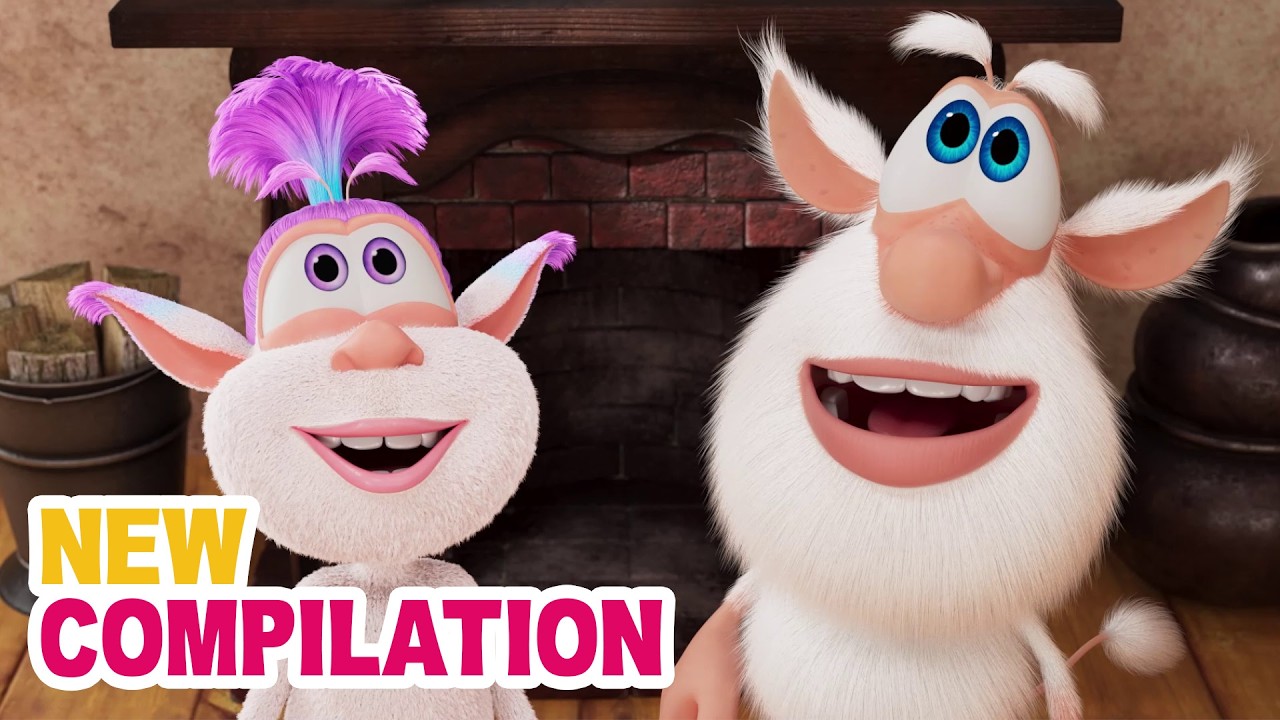
If your child enjoys fun, laughter, and imaginative adventures, chances are they already know Booba—the charming little creature who has taken the internet by storm. Booba is one of the most beloved animated characters for young children, thanks to his expressive face, adorable reactions, and exciting curiosity-filled world. But who exactly is Booba, and why do millions of kids love him so much? In this complete character guide, we explain everything parents and kids need to know about this funny and family-friendly cartoon character. Who Is Booba? Booba is a small, furry, and extremely curious creature who explores the world with child-like wonder. He does not speak words. Instead, he communicates through expressive sounds, funny gestures, and silly reactions. His biggest strength is his ability to turn the most ordinary things—like a lamp, a fridge, or a pair of shoes—into a hilarious adventure. Created by the animation studio 3D Sparrow, Booba first appeared on YouTube and quickly went viral among preschoolers. Today, the show is available on multiple streaming platforms, and Booba is recognized globally as a top children’s entertainment character. What Does Booba Look Like? Booba has a very unique and instantly recognizable appearance: A small white furry body Big blue eyes Pink cheeks A long tail Large ears A tiny backpack in some episodes His design is perfect for kids because it is both friendly and funny. His big expressions and exaggerated reactions make him enjoyable even for toddlers who cannot understand spoken language yet. What Makes Booba Popular Among Kids? Booba’s global popularity comes from several child-friendly qualities: 1. No Dialogue – Universal Entertainment Booba does not speak, which makes the show easy for children from all languages to enjoy. Kids focus on the actions, comedy, and visual storytelling, making it a perfect show for early learners. 2. Safe, Fun, and Educational Without violence, fear, or inappropriate content, Booba is completely safe for young children. The show encourages: Curiosity Exploration Creativity Problem-solving Each episode teaches children how to observe and learn from everyday things. 3. Short and Engaging Episodes Booba episodes are usually 3–5 minutes long, which matches the attention span of preschoolers. The fast-paced humor keeps kids laughing and entertained without overwhelming them. 4. Positive Character Personality Booba always remains cheerful, even when things go wrong. His reactions help children understand: It is okay to make mistakes Learning can be fun Curiosity leads to discovery His positive attitude is one of the main reasons parents trust this show. Booba’s Personality and Traits: Booba’s charm comes from his lovable personality. Some of his key traits include: Curiosity Booba is extremely curious. Whether he finds a toy, a kitchen gadget, or a musical instrument, he wants to explore it completely. This curiosity encourages kids to explore their environment safely. Playfulness He loves to play! Everything becomes a game for him. This playfulness helps kids develop imagination and creativity. Kindness Booba is friendly with everyone he meets, even if they cause trouble. His kindness teaches kids about empathy and good behavior. Bravery He often faces new things without fear. This trait inspires children to be confident and brave in new situations. Funny and Expressive Nature His silly reactions and big facial expressions make kids laugh instantly. Humor is a big part of why Booba is so addictive for children. Supporting Characters in Booba’s World: Booba is not alone in his adventures. Several characters join him and make the episodes more exciting. 1. Loola Loola is an active and energetic girl-like creature who loves to dance and play. She often joins Booba in exploring new places. 2. Googa Googa is the intelligent and inventive character in the Booba universe. He loves gadgets, tools, and creative ideas. 3. Spike Spike is the mischievous hedgehog who sometimes creates problems but always adds humor. 4. Mr. Beak Mr. Beak is a clever parrot who enjoys watching Booba’s silly actions while sometimes offering help. Together, these characters make the show more dynamic and enjoyable for kids. What Age Group Is Booba For? Booba is mainly designed for children aged 2 to 8 years, but toddlers and even older kids enjoy it due to its humor and visual appeal. Many parents say that even they enjoy watching Booba because of the comedy and creativity. Why Parents Approve of Booba Parents appreciate Booba because it: Avoids bad language Does not include violence Encourages positive learning Stimulates imagination Keeps kids engaged without harmful content It is a safe digital entertainment option compared to many noisy or aggressive children’s shows. Where Can Kids Watch Booba? Booba episodes are available on major platforms such as: YouTube Netflix Amazon Prime Booba’s official app (in some regions) This makes the show easy to access anywhere, anytime. Educational Benefits of Watching Booba: Although Booba is mostly a comedy show, it provides many learning opportunities: 1. Understanding Everyday Objects Kids learn how different items work—like a blender, vacuum cleaner, or mirror. 2. Visual Learning Skills Booba uses visual storytelling, which helps children improve observation and comprehension. 3. Social Skills Booba often interacts with friends, teaching kids about: Teamwork Sharing Friendship Cooperation 4. Creative Thinking Since Booba imagines new ways to use common things, children develop creative thinking and problem-solving skills. Booba Toys and Merchandise Booba’s popularity has led to many toys and merchandise for kids, including: Plush toys Storybooks Coloring books Puzzles School supplies These items help children engage with their favorite character in real life. Final Thoughts: Why Kids Love Booba So Much: Booba is more than just a cartoon character—he is a source of joy, creativity, and learning. His curious nature, funny adventures, and expressive personality make him a favorite among children everywhere. Without using any language, Booba communicates universal emotions that every child can understand. For parents searching for safe, educational, and fun entertainment, Booba is one of the best choices available today. His imaginative world encourages kids to explore, laugh, and learn—making him a truly unforgettable character.
Best Learning Videos for Kids in 2025
Early childhood is the perfect time for children to learn basic shapes and colors, which are essential building blocks for cognitive development, creativity, and problem-solving skills. In 2025, shape and color learning videos for preschoolers have become one of the most engaging ways to teach these concepts. By combining vivid visuals, catchy songs, and interactive animations, these videos make learning fun, memorable, and effective. This guide explores the benefits of shape and color learning videos, top series for preschoolers in 2025, and tips for parents to enhance learning. Why Shape and Color Videos Are Important: Preschoolers learn best through visuals and interactive content, making animated videos ideal for teaching shapes and colors: Boosts visual recognition: Children quickly identify shapes and colors through repetition and vibrant imagery. Enhances memory retention: Songs and animations help kids remember concepts more easily. Supports cognitive development: Sorting, matching, and recognizing shapes and colors improve critical thinking. Encourages creativity: Children learn to combine shapes and colors to create patterns, drawings, and crafts. Provides interactive learning: Animated videos often include prompts, songs, and activities for active participation. Through these videos, preschoolers develop essential skills while having fun, making early education enjoyable. Key Learning Areas in Shape and Color Videos: Basic Shapes Circle, square, triangle, rectangle, star, and heart Animated examples of shapes in everyday objects Colors Primary colors: red, blue, yellow Secondary colors: green, orange, purple Shades and combinations through playful storytelling Shape and Color Recognition Matching shapes with objects Identifying colors in daily life Simple puzzles and interactive games Patterns and Sorting Learning sequences with shapes and colors Sorting objects by shape or color Encourages analytical thinking and problem-solving Creativity and Art Combining shapes and colors in drawing or building activities Encourages imagination and fine motor skills Top Shape and Color Learning Video Series for Preschoolers in 2025 1. Super Simple Shapes and Colors A favorite series for early learners, combining songs, visuals, and repetition to teach basic shapes and colors. Highlights: Animated characters demonstrate shapes in daily objects Fun songs for color and shape recognition Slow-paced and toddler-friendly 2. ABC Kids – Shapes and Colors Edition This series uses alphabet characters and playful animations to reinforce color and shape learning. Learning benefits: Letter and shape association (A for Apple – round shape) Primary and secondary colors introduced interactively Encourages singing along and participation 3. Booba Learns Colors and Shapes Booba explores different objects and environments while teaching shapes and colors in a playful way. Why it’s popular: Non-verbal storytelling suitable for all languages Observation-based learning Short episodes perfect for attention spans of 2–6 years 4. Little Learners: Colors & Shapes Mini-stories and songs help preschoolers identify shapes and colors in everyday situations. Key learning points: Matching shapes and colors with objects Reinforces vocabulary for shapes and colors Interactive prompts encourage participation 5. Fun Animal Colors & Shapes Animals are used to teach shapes and colors in fun, memorable ways. Learning highlights: Associating colors with animals and objects Introduces patterns and simple puzzles Combines entertainment with educational content How Parents Can Enhance Learning Parents can help children maximize the benefits of shape and color learning videos: Watch together: Point out shapes and colors in the video and at home. Ask interactive questions: “Can you find a red circle?” or “Which objects are triangles?” Repeat favorite videos: Reinforces recognition and memory. Practice offline: Use toys, blocks, or drawing activities to reinforce concepts. Encourage creativity: Let children create art using shapes and colors learned in the videos. Keep sessions short: 5–10 minute videos work best for attention spans of preschoolers. Recommended Shape and Color Learning Videos for 2025 Super Simple Shapes and Colors – Songs and animated examples ABC Kids – Shapes and Colors Edition – Alphabet-based learning Booba Learns Colors and Shapes – Observation and play-based learning Little Learners: Colors & Shapes – Mini-stories and interactive prompts Fun Animal Colors & Shapes – Animal-themed shape and color education These videos are safe, colorful, and educational, helping preschoolers recognize shapes, identify colors, and develop creativity while having fun. Final Thoughts Shape and color learning videos are more than just entertaining—they are essential tools for early childhood development. In 2025, animated series combine bright visuals, music, and interactive storytelling to make learning engaging and effective. Parents can enhance learning by: Watching videos together and discussing concepts Reinforcing lessons with offline activities and creative play Repeating episodes to strengthen memory and recognition With the right videos, preschoolers develop foundational cognitive skills, creativity, and visual awareness while enjoying colorful and fun animations. Tip for Parents: Encourage children to sort toys or draw using learned shapes and colors after watching videos to reinforce learning and motor skills.
Future of Kids’ Animation: Exciting Trends of 2025
The world of kids' animation is no longer just Saturday morning cartoons. It's a dynamic, fast-evolving landscape where new technology, changing viewing habits, and fresh creative ideas are shaping what the next generation will watch and love. Here’s a look at the key trends defining the future of animation for kids in 2025. 1. Hyper-Personalized & Interactive Stories : Animation is becoming a two-way street. Choose-Your-Own-Adventure Style: Platforms are experimenting with episodes where kids can make choices for the characters (e.g., "Should they go through the red door or the blue door?"), leading to different story outcomes. This boosts engagement and makes them co-creators of the narrative. AI-Assisted Customization: Imagine a show where the main character has your child's name or their favorite color appears in key scenes. While in early stages, AI is beginning to allow for subtle personalization within animated streams. 2. The Rise of "Calmimation" – Slower, Gentler Content : In response to overstimulation, a new genre focused on well-being is booming. Focus on Pacing & Mood: Shows with slower pacing, softer color palettes, and calming soundtracks are being designed to reduce anxiety and promote focus. Think less frenetic slapstick, more thoughtful exploration. Themes of Mindfulness: Plots will increasingly incorporate simple mindfulness, emotional regulation, and kindness as core elements, teaching SEL (Social-Emotional Learning) skills directly through the narrative. 3. Hybrid Techniques – Blending 2D, 3D & Real-World Elements : The lines between animation styles are blurring in exciting ways. 2D Charm with 3D Depth: Many shows use stylized 3D animation that retains the warmth and expressiveness of hand-drawn 2D, often with visible line work and textured, "crafted" feels. Mixed-Media Mashups: It’s becoming more common to see 3D characters interact with photorealistic backgrounds, or live-action kids inserted into animated worlds seamlessly, creating a unique and immersive visual experience. 4. Micro-Content & Vertical Animation : TikTok and YouTube Shorts have changed how kids consume media. Animation Designed for Phones: Studios are creating original, high-quality animated series made specifically for short-form, vertical video platforms. These are fast-paced, loopable, and designed to capture attention in under 90 seconds. Comedy in a Flash: The humor and storytelling are adapting to this ultra-quick format, relying on instant visual gags and concise character expressions. 5. Sustainability as a Core Theme & Production Goal : Eco-consciousness is moving from plot point to production principle. On-Screen Narratives: More stories will center on environmental stewardship, nature connection, and science-based problem-solving related to the planet. Behind the Scenes: Studios are adopting "green" production pipelines, using cloud rendering (which uses renewable energy) and developing tools to reduce the massive computational (and energy) cost of animation. 6. Global Stories, Authentic Voices : The world of animation is becoming as diverse as its global audience. Beyond Western Settings: We'll see a significant increase in shows set in and co-produced by countries across Africa, Asia, and South America, featuring local folklore, landscapes, and cultural nuances. Authentic Representation: There’s a strong push for creative teams (writers, directors, designers) to come from the cultures being portrayed, ensuring authentic and respectful storytelling. 7. The Educational Playground – "Edu-tainment" Gets Smarter : Learning is being woven into entertainment more seamlessly than ever. Stealth Learning: Curricula in coding basics, foundational logic, natural science, and emotional intelligence will be embedded directly into adventure plots and character challenges, not presented as separate "lesson time." Interactive Learning Companions: Animated characters may begin to appear in companion educational apps, breaking the "fourth wall" and encouraging kids to apply lessons from the show in interactive games. 8. AI as a Creative Tool, Not a Replacement : AI is entering the animation studio as a powerful assistant for artists. Inbetweening & Clean-Up: AI tools can handle time-consuming, repetitive tasks like generating in-between frames from an animator's key poses or cleaning up rough line art, freeing up human artists for more creative work. Background Generation & Effects: AI can quickly generate complex background variations or intricate effects (like flowing water or swarming crowds), allowing smaller studios to create visually rich worlds. 9. The "Phygital" Toy Connection : The link between screen and play is becoming more sophisticated. Toys with Digital Avatars: Physical toys (like those from kidtoys.site) will increasingly connect to apps, unlocking exclusive animated content, character backstories, or new abilities in a related game. Augmented Reality (AR) Integration: Shows will have companion AR apps that let kids bring characters into their real-world space through their tablet, blending animated play with physical environments. 10. Nostalgia Reimagined for a New Generation : Classics are getting smart updates. Legacy Characters, Modern Stories: Beloved characters from the 80s and 90s are returning in reboots that maintain their core spirit but update the humor, pacing, and social themes for today's kids and modern animation techniques. Cross-Generational Appeal: These updates are crafted to entertain both kids discovering them for the first time and their parents, fostering shared viewing experiences. Conclusion: A More Immersive, Inclusive & Intentional Future : The future of kids' animation in 2025 is bright, diverse, and thoughtfully designed. It’s moving towards experiences that are not just watched but felt and interacted with. It values calmness as much as comedy, authenticity as much as adventure, and seeks to connect with children on a more personal and global level. For young viewers, this means a richer, more engaging, and wonderfully varied animated world to explore.
Is This Playful Animated Character Good for Child Development?
Animated characters and funny silent cartoons have captured the attention of children worldwide. Parents often wonder whether watching these shows is beneficial for child development. The playful and curious behavior of these characters, combined with visual humor, makes them highly engaging for young audiences. In this guide, we explore the educational, social, and cognitive benefits of watching playful animated characters and how they can be integrated into learning and play for children aged 3–8. Why Children Love Playful Animated Characters: Visual Humor: Exaggerated facial expressions and slapstick comedy attract young children. Curiosity & Exploration: Characters are often curious, exploring their surroundings, encouraging children to explore and ask questions. Silent Storytelling: The absence of complex dialogue helps children understand emotions, expressions, and actions. Relatable Playfulness: Funny mishaps and silly antics resonate with kids’ everyday experiences. Cognitive Benefits: Problem-Solving: Watching characters overcome challenges can inspire children to think critically. Observation Skills: Children learn to notice subtle details, like expressions or changes in the environment. Memory & Sequencing: Following storylines improves short-term memory and logical sequencing. Tip for Parents: Encourage your child to retell the story in their own words, boosting comprehension and language skills. Social & Emotional Development: Empathy: Understanding how characters feel in different situations helps children develop empathy and emotional intelligence. Conflict Resolution: Funny mishaps often resolve peacefully, modeling problem-solving and patience. Cooperation & Sharing: Characters often interact with friends, subtly teaching teamwork and cooperation. Creativity & Imaginative Play: Children often imitate the character’s actions, promoting imaginative role-play. Crafting, drawing, or creating stories inspired by these characters enhances creativity and fine motor skills. Parents can integrate hands-on activities like drawing, coloring, or simple DIY crafts. Screen Time Guidelines for Parents: Age-Appropriate Viewing: Select shows suitable for preschoolers or early elementary children. Moderation: Limit screen time to 20–40 minutes at a time for younger children. Active Engagement: Encourage discussions, role-play, or drawing after watching episodes. Balanced Activities: Combine screen time with physical play, reading, and social interaction. How to Make Viewing Educational: Story Retelling: Ask children to narrate what happened in their own words. Character Analysis: Discuss emotions, actions, and problem-solving methods of characters. Activity Integration: Turn episodes into craft or drawing sessions inspired by the story. Learning Connections: Highlight letters, numbers, colors, or shapes seen during the episode. Final Thoughts: Playful animated characters and funny silent cartoons can be beneficial for child development when used responsibly. They support cognitive, social, emotional, and creative growth while providing entertainment. By actively engaging with children during or after viewing, parents can maximize the learning and developmental benefits.