Booba-Themed Birthday Party Ideas

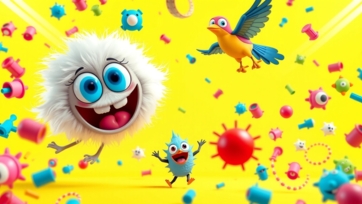
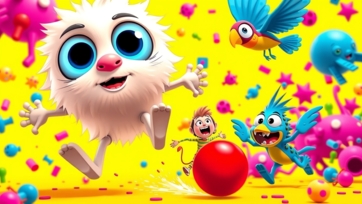
Planning a birthday party for young kids can be exciting but also challenging. If your child loves Booba, a Booba-themed birthday party is a perfect way to combine fun, creativity, and learning. From decorations and games to food and party favors, Booba-inspired ideas make every child feel like they are in a playful adventure.

In this guide, we provide fun, safe, and creative Booba-themed birthday party ideas for children aged 3–7.


1. Invitations Inspired by Booba:

Start the party excitement with creative invitations:

  • Use Booba images or templates

  • Bright, playful colors like neon pink, blue, or yellow

  • Include fun phrases like “Join Booba’s Adventure Party!”

Educational Tip: Children can help color or decorate invitations, practicing fine motor skills and creativity.


2. Booba Decorations:

Decorations set the tone for the party:

  • Balloons, banners, and streamers in Booba’s signature colors

  • Tablecloths, plates, and cups featuring Booba or playful motifs

  • DIY cardboard props like Booba’s favorite objects: toys, balloons, pillows

Fun Tip: Use confetti and colorful props to create a playful, chaotic Booba environment.


3. Booba-Themed Cake:

The cake is always a party centerpiece:

  • Booba-shaped cake or cupcakes decorated with Booba faces

  • Bright colors with fun edible props like balloons or stars

  • Optionally, make cupcakes with mini Booba toppers

Educational Tip: Let kids help decorate cupcakes for hands-on creativity and color recognition.


4. Booba-Inspired Games:

Bring Booba’s playful adventures to life with games:

  1. Balloon Chase Adventure – Kids chase colorful balloons, mimicking Booba.

  2. Obstacle Course – Pillows, cushions, and toys create a mini adventure.

  3. Treasure Hunt – Hide toys or candy around the room.

  4. Booba Freeze Dance – Dance like Booba, freeze when music stops.

  5. DIY Booba Masks – Craft activity where kids make and wear Booba masks.

Educational Value: These games boost motor skills, creativity, and teamwork.


5. Themed Party Favors:

Party favors make kids excited and extend the fun:

  • Mini Booba toys or figurines

  • Coloring pages and crayons

  • DIY mask kits or stickers

  • Booba-themed goodie bags with bright colors

Fun Tip: Encourage kids to take their DIY masks or colored pages home to practice creativity.


6. Booba Photo Booth:

Set up a small photo booth with props:

  • Booba masks, plush toys, balloons

  • Bright backgrounds with Booba-themed decorations

  • Kids can pose and act out Booba’s adventures

Educational Value: Encourages imaginative play and storytelling.


7. Party Music and Dance:

Booba’s silent comedy is full of physical comedy and action:

  • Play fun, upbeat music for dancing

  • Encourage kids to mimic Booba’s movements

  • Include games like “Booba Says” for fun movement-based interaction

Educational Tip: Enhances gross motor skills, rhythm, and coordination.


8. Booba Snack Ideas:

Keep snacks fun, colorful, and thematic:

  • Mini sandwiches cut into fun shapes

  • Colorful fruit skewers

  • Cupcakes or cookies decorated like Booba’s face

  • Healthy snacks disguised as playful treats

Educational Tip: Discuss colors, shapes, and healthy eating while serving snacks.


9. Craft Corner:

Provide a creative area for kids:

  • Coloring Booba pages

  • DIY Booba masks

  • Sticker decorating stations

  • Playdough modeling of Booba characters

Educational Value: Encourages fine motor skills, creativity, and focus.


10. Ending the Party:

Conclude with a memorable touch:

  • Booba-themed thank-you notes

  • Photo mementos

  • Small Booba figurines or toys as keepsakes

This makes the party interactive, fun, and educational.


Final Thoughts:

A Booba-themed birthday party combines fun, creativity, and learning. With bright decorations, playful games, themed food, and DIY crafts, children enjoy a safe and exciting adventure that mirrors Booba’s animated world. Parents and educators can use these ideas to host memorable, engaging, and educational celebrations for kids aged 3–7.
Advertisement
Nature's Candy: Essential Fruit Benefits for Growing Children
Fruits Benefits for Children: Fruits are not just colourful snacks or dessert alternatives for kids. They are nature’s complete nutrient packages, packed with vitamins, minerals, antioxidants, and fibers that directly influence a child’s growth, immunity, brain development, and overall energy levels. Children are in a rapid growth phase, and each day their bodies demand nutrients not only for physical development but also for mental performance, digestion, and disease resistance. Regularly including fruits in their diet can make a tangible difference in these areas. In Pakistan, studies show that a significant number of children do not consume the recommended daily servings of fruits. This deficiency often leads to frequent illnesses, low energy levels, and even slower cognitive development. Fruits are not a luxury—they are a necessity for building strong bodies and sharp minds. Vitamins and Minerals in Fruits — The Growth Essentials: Fruits are packed with micronutrients that children’s bodies cannot produce on their own. Vitamin C, potassium, folate, and antioxidants are just a few examples. Vitamin C and Immunity: Citrus fruits like oranges, lemons, and sweet limes provide vitamin C, which strengthens the immune system and helps the body fight infections. For children, a strong immunity means fewer school absences and better energy levels for play and learning. Vitamin C also helps in the absorption of iron, which is crucial for blood health. Potassium for Heart and Muscle Function: Bananas, melons, and apricots are rich in potassium, which supports heart health and proper muscle function. Active children who play sports or run around all day benefit greatly from potassium because it maintains fluid balance and prevents cramps. Folate for Cellular Growth: Folate is vital for rapid cell division, which is constantly occurring in children. Fruits such as papaya, guava, and mango provide folate naturally, helping in growth, tissue repair, and proper organ development. Practical Tip: Instead of giving processed juices, serve fresh fruits whole. A banana before school, guava slices in lunch boxes, or a small bowl of papaya after meals gives both nutrients and fiber. Fiber in Fruits — Digestive Health and Satiety: Fruits are a rich source of dietary fiber, which is crucial for children’s digestive systems. Fiber promotes healthy bowel movements, prevents constipation, and supports gut bacteria that aid nutrient absorption. A healthy gut is not just about digestion; it influences immunity, mood, and even energy levels. Examples of Fibre-Rich Fruits: Apples with skin Pears Berries like strawberries and blueberries Guava Including these fruits in meals ensures children feel full for longer, reducing unnecessary snacking on sugar-laden foods. Serving Idea: Chop apples or pears into small cubes and mix with yoghurt or oatmeal for breakfast. It’s an easy way to incorporate fibre without complaints. Antioxidants in Fruits — Brain and Body Protection: Children’s bodies generate free radicals through normal activity and metabolism. Fruits provide antioxidants that neutralise these free radicals, preventing cellular damage and supporting healthy brain and body development. Key Antioxidant Fruits: Blueberries and blackberries contain flavonoids that improve memory and learning. Mangoes and papayas contain carotenoids that support eye health and skin development. Pomegranates are rich in polyphenols that promote heart and blood vessel health. Real-Life Observation: Parents who give children a variety of colored fruits report higher attention spans, better mood stability, and fewer minor illnesses over time. Energy Boosters — Natural Sugars and Slow-Release Carbs: Unlike candy or processed snacks, fruits contain natural sugars accompanied by fiber, vitamins, and water. This combination provides a slow, sustained energy release rather than a sugar crash. Examples: Bananas are ideal for pre-sports energy. Apples and pears provide steady fuel during school hours. Dates and raisins are excellent natural snacks for quick energy, especially during travel or outdoor activities. Parenting Tip: Mix dried fruits like raisins, apricots, and figs with nuts for a natural trail mix. It’s portable, healthy, and keeps kids active longer without processed sugar spikes. Seasonal Fruits — Aligning with Nature: Seasonal fruits are usually richer in nutrients and are naturally designed to support health during that time of year. Summer Fruits: Mangoes for vitamin A and energy Melons for hydration and potassium Lychee for vitamin C and immunity Winter Fruits: Oranges and guavas for immune support Apples and pomegranates for fiber and antioxidants Papaya to aid digestion and provide vitamin C Seasonal eating ensures that children’s bodies get the nutrients they need most during each season. Modern grocery habits often bring off-season fruits, which may not be as nutrient-dense. How Much Fruit Should Children Eat? Nutritionists recommend that children consume at least 2–3 servings of fruit per day, depending on age. Each serving can be roughly: 1 medium-sized fruit (apple, banana, orange) ½ cup chopped or sliced fruit ¼ cup dried fruit It’s better to offer small portions consistently throughout the day than to overload one meal with fruit. Variety across types and colours ensures a broader range of nutrients. Making Fruits Appealing to Children: Children may resist eating fruits for several reasons — texture, taste, or simply unfamiliarity. Some strategies to encourage consumption include: Presenting fruits in colourful, visually attractive plates. Offering them in different forms: sliced, diced, in smoothies, or mixed with yoghurt. Introducing new fruits gradually alongside familiar favourites. Allowing children to participate in washing or cutting fruits increases curiosity and willingness to try. Creating a positive eating experience is often more effective than forcing children to eat. Fruits vs. Processed Snacks — The Health Perspective: Many children consume packaged snacks or sweetened juices, thinking they are equivalent to fruits. This is a common misconception. Processed snacks often contain high sugar, low fiber, and artificial additives. Whole fruits provide fiber, vitamins, minerals, and antioxidants along with natural sweetness. Consuming real fruits reduces cravings for unhealthy snacks, improves satiety, and supports long-term growth and immunity. Cognitive and Emotional Benefits: Fruits are not just for physical health; they affect mental and emotional development. Studies show that children who consume a variety of fruits regularly demonstrate: Improved concentration and learning ability Better emotional regulation Reduced fatigue and irritability Lower incidence of minor infections Colourful fruits like berries, pomegranate, and mangoes support neurodevelopment through antioxidants and micronutrients critical for brain function. Final Thoughts: Fruits are fundamental to children’s growth, health, and well-being. A balanced daily intake provides essential vitamins, minerals, fiber, antioxidants, and natural energy that support bone growth, immunity, brain development, digestion, and emotional stability. Parents should view fruits as daily health investments, not occasional treats. Mixing colours, textures, and seasonal varieties ensures a complete nutrient profile and makes eating enjoyable. By encouraging children to enjoy fruits naturally, you are laying the foundation for strong bodies, sharp minds, and healthy habits that can last a lifetime. Every child deserves a diet where fruits are not optional—they are essential. Start with small, consistent servings, diversify across colours and types, and integrate them into meals and snacks. The results are not only physical growth but also enhanced immunity, cognitive function, and overall vitality.  
Fun Way for Kids to Learn Letters
Learning the alphabet is one of the first and most important steps in a child’s educational journey. Alphabet learning A–Z cartoon songs make this process fun, engaging, and memorable for preschoolers and young children. By combining colorful animations, catchy tunes, and playful characters, these cartoon songs help children recognize letters, improve pronunciation, and build a strong foundation for reading and writing. ⭐ Why Alphabet Cartoon Songs Are Effective for Learning: Alphabet cartoon songs are highly effective because they combine multiple learning methods: 1. Visual Learning: Animated letters, objects, and characters help children remember each letter by associating it with a picture or action. 2. Musical Learning: Songs and rhymes enhance memory retention. Children are more likely to remember letters when they are paired with music. 3. Repetition Builds Familiarity: Alphabet songs repeat letters and sounds in a fun way, reinforcing recognition without feeling boring. 4. Engaging Characters: Friendly animated animals, children, or objects encourage participation and imitation, making learning interactive. 5. Supports Early Literacy: By learning letters through songs, children develop phonemic awareness, which is essential for reading and writing skills. ⭐ Popular Types of Alphabet Cartoon Songs: 1. Classic A–Z Songs: These follow the traditional alphabet sequence and pair each letter with a word or object, like “A is for Apple, B is for Ball.” 2. Themed Alphabet Songs: Songs focus on specific themes, such as animals, foods, vehicles, or colors, helping children learn letters in a meaningful context. 3. Interactive Songs: Some cartoon songs ask children to sing along, point to letters, or identify objects, encouraging active participation. 4. Story-Based Alphabet Songs: Animated stories incorporate letters naturally, such as a journey through a magical land where each letter represents a new adventure. 5. Multilingual Alphabet Songs: Some modern cartoons teach letters in more than one language, helping children develop early bilingual skills. ⭐ Educational Benefits of Alphabet Cartoon Songs: 1. Letter Recognition: Children learn to identify letters both visually and audibly, building a foundation for reading. 2. Phonics and Pronunciation: Cartoon songs emphasize the sounds of letters, helping children pronounce words correctly. 3. Memory Development: Music, repetition, and visuals improve memory and recall, making learning faster and more effective. 4. Engagement and Motivation: Fun songs and characters motivate children to participate, even for extended learning sessions. 5. Early Writing Skills: When children see letters in animated forms, they are more confident and curious to trace and write them themselves. ⭐ Tips for Parents to Make the Most of Alphabet Cartoon Songs: ✔ 1. Watch Together: Sing along with your child, point to letters, and encourage them to repeat sounds and words. ✔ 2. Reinforce with Real-Life Examples: Show your child objects around the house or outdoors that match letters in the song. ✔ 3. Encourage Singing and Dancing: Let children move, dance, or act out letters while singing to enhance learning through movement. ✔ 4. Limit Screen Time: Keep cartoon viewing sessions short (20–30 minutes) and interactive for preschoolers. ✔ 5. Repeat Regularly: Repetition is key—watching the same alphabet songs multiple times reinforces recognition and memory. ⭐ Conclusion: Alphabet learning A–Z cartoon songs are a fun, interactive, and educational way for children to master letters. By combining music, animation, repetition, and playful characters, these cartoons help preschoolers recognize letters, understand phonics, and develop early literacy skills. Parents and educators can use these songs to make learning engaging, entertaining, and effective. With vibrant visuals and catchy tunes, children not only learn the alphabet but also enjoy the process, building confidence and curiosity for reading and writing in the future.
Booba Coloring Pages & How to Use Them for Learning
Booba coloring pages are more than just a fun activity—they provide children with opportunities to develop creativity, motor skills, and early learning abilities. Coloring helps children express themselves while enhancing focus, hand-eye coordination, and even early academic skills. In this guide, we explore Booba coloring pages and how to use them for educational purposes, making learning both playful and effective. Why Booba Coloring Pages Are Perfect for Kids: Booba’s simple, expressive design makes it ideal for coloring. Key benefits include: Clear outlines: Easy for children to color inside Engaging characters: Booba, Spike, Loola, and Mr. Beak spark imagination Safe and non-violent: Perfect for ages 3–7 Versatile learning opportunities: Can be combined with lessons on colors, shapes, and creativity Educational Benefits of Coloring Booba Pages: 1. Fine Motor Skill Development Coloring requires controlled hand movements, improving: Grip strength Precision Hand-eye coordination Example: Coloring Booba’s round eyes or expressive hands helps strengthen small muscles necessary for writing and drawing. 2. Creativity and Imagination Booba’s world is playful and imaginative. Coloring allows children to: Experiment with colors freely Create unique interpretations of familiar characters Imagine new adventures Example: Children can color Booba’s clothes, toys, and surroundings in ways that reflect their creativity. 3. Learning Colors and Shapes Parents can guide children to: Identify primary and secondary colors Learn about shapes by coloring different objects in the scene Understand patterns and symmetry Example: Coloring a scene with balloons, blocks, and a toy box can teach color recognition and shape differentiation. 4. Emotional Expression Booba’s exaggerated expressions help children explore emotions while coloring. Happiness, surprise, or mischief can be discussed Encourages empathy and emotional awareness Safe outlet for expressing feelings through art Example: A surprised Booba can prompt discussions about emotions and storytelling. 5. Focus and Concentration Coloring requires sustained attention, helping kids develop focus and patience. Completing a page builds a sense of accomplishment Encourages attention to detail Prepares children for structured learning tasks Example: Coloring all elements in a Booba adventure scene helps children concentrate for longer periods. 6. Storytelling and Language Skills Booba coloring pages can spark creative storytelling. Children can narrate what Booba is doing while coloring. Encourages vocabulary development Improves verbal skills Fosters narrative thinking Example: “Booba is sliding on a pillow, and Spike is chasing a ball” – children create mini-stories while coloring. 7. Social Interaction and Sharing Coloring can be turned into a group activity: Siblings or friends can color together Encourages collaboration and sharing Teaches patience and taking turns Example: Two children coloring a Booba scene together can practice teamwork and social skills. 8. Calm and Mindfulness Coloring is a relaxing activity, helping children: Manage emotions Reduce restlessness Develop mindfulness and focus Example: After an active day, Booba coloring pages can provide a quiet, creative break. Tips for Using Booba Coloring Pages Effectively: Provide a variety of tools: Crayons, colored pencils, and markers Combine with learning prompts: Ask questions like “What color should Booba’s toy be?” Encourage storytelling: Let children narrate the scene while coloring Create themed sets: Group pages by adventure, music, or indoor play Display finished work: Boosts confidence and motivates kids Conclusion: Booba coloring pages are both fun and educational, helping children develop fine motor skills, creativity, focus, emotional awareness, and early academic abilities. When combined with storytelling, discussion, and group activities, these coloring pages become a powerful tool for learning while keeping the playful spirit of Booba alive. Parents and educators can easily integrate these pages into home activities, classrooms, or daycare centers, ensuring that children learn while having fun.
Best Parental Control Apps for 2025
In 2025, technology continues to play a significant role in children’s lives. Smartphones, tablets, and computers are essential tools for learning and entertainment, but they also come with risks. Parental control apps help parents monitor and manage their child’s screen time, online safety, and content access, ensuring a secure digital environment. The best parental control apps combine ease of use, robust security features, and flexibility, allowing parents to customize access based on their child’s age and needs. These apps are not just about restriction—they also help promote healthy screen habits, educational engagement, and balanced digital experiences. Why Parental Control Apps Are Important: Parental control apps provide several benefits: Protect children from inappropriate content Limit screen time to promote healthy routines Track device usage and app activity Encourage educational and creative screen engagement Offer peace of mind to parents Using parental control apps helps balance technology use while maintaining child safety and development. Key Features to Look for in 2025: Modern parental control apps offer features that address both security and learning: App and website blocking: Filter inappropriate content Screen time management: Schedule limits for devices and apps Activity monitoring: Track usage, calls, and messages Location tracking: Ensure child safety outdoors Educational recommendations: Suggest age-appropriate apps and content Cross-device compatibility: Manage multiple devices from one dashboard These features make it easier for parents to stay informed and proactive. Top Parental Control Apps for 2025: Here are some of the best apps for parents in 2025: Qustodio: Comprehensive dashboard for monitoring Website and app filtering Screen time scheduling Activity and social media monitoring Google Family Link: Device management for Android and Chromebook App approvals and usage reports Screen time and bedtime limits Easy-to-use interface Norton Family: Monitors online activity and search history Blocks inappropriate websites Tracks location Encourages responsible online behavior Bark: Monitors texts, emails, and social media Detects cyberbullying, explicit content, and threats Sends alerts to parents Supports multiple devices Kaspersky Safe Kids: Content filtering and app control Location tracking and battery alerts Monitors social networks Provides tips for healthy device usage These apps are trusted, updated, and compatible with modern devices, making them ideal for 2025. Tips for Using Parental Control Apps Effectively: To maximize the benefits of parental control apps: Discuss with your child why controls are in place Set realistic limits and explain the reasons Regularly review reports and adjust settings as needed Encourage educational and creative content over passive usage Combine app monitoring with active parental guidance This approach ensures children understand boundaries and develop healthy habits. Balancing Control with Trust: While parental control apps are essential, children also need trust and autonomy: Gradually allow older children more freedom with monitoring Encourage responsible decision-making online Praise positive behavior and self-regulation Use apps as tools, not strict punishment Balancing control and trust fosters digital responsibility and confidence. Conclusion: Parental control apps in 2025 provide a vital combination of safety, education, and screen time management. Choosing the right app, setting clear rules, and actively engaging with children ensures a secure and enriching digital environment. With the proper tools and guidance, parents can help children enjoy technology safely, learn effectively, and develop healthy screen habits.
Is This Playful Animated Character Good for Child Development?
Animated characters and funny silent cartoons have captured the attention of children worldwide. Parents often wonder whether watching these shows is beneficial for child development. The playful and curious behavior of these characters, combined with visual humor, makes them highly engaging for young audiences. In this guide, we explore the educational, social, and cognitive benefits of watching playful animated characters and how they can be integrated into learning and play for children aged 3–8. Why Children Love Playful Animated Characters: Visual Humor: Exaggerated facial expressions and slapstick comedy attract young children. Curiosity & Exploration: Characters are often curious, exploring their surroundings, encouraging children to explore and ask questions. Silent Storytelling: The absence of complex dialogue helps children understand emotions, expressions, and actions. Relatable Playfulness: Funny mishaps and silly antics resonate with kids’ everyday experiences. Cognitive Benefits: Problem-Solving: Watching characters overcome challenges can inspire children to think critically. Observation Skills: Children learn to notice subtle details, like expressions or changes in the environment. Memory & Sequencing: Following storylines improves short-term memory and logical sequencing. Tip for Parents: Encourage your child to retell the story in their own words, boosting comprehension and language skills. Social & Emotional Development: Empathy: Understanding how characters feel in different situations helps children develop empathy and emotional intelligence. Conflict Resolution: Funny mishaps often resolve peacefully, modeling problem-solving and patience. Cooperation & Sharing: Characters often interact with friends, subtly teaching teamwork and cooperation. Creativity & Imaginative Play: Children often imitate the character’s actions, promoting imaginative role-play. Crafting, drawing, or creating stories inspired by these characters enhances creativity and fine motor skills. Parents can integrate hands-on activities like drawing, coloring, or simple DIY crafts. Screen Time Guidelines for Parents: Age-Appropriate Viewing: Select shows suitable for preschoolers or early elementary children. Moderation: Limit screen time to 20–40 minutes at a time for younger children. Active Engagement: Encourage discussions, role-play, or drawing after watching episodes. Balanced Activities: Combine screen time with physical play, reading, and social interaction. How to Make Viewing Educational: Story Retelling: Ask children to narrate what happened in their own words. Character Analysis: Discuss emotions, actions, and problem-solving methods of characters. Activity Integration: Turn episodes into craft or drawing sessions inspired by the story. Learning Connections: Highlight letters, numbers, colors, or shapes seen during the episode. Final Thoughts: Playful animated characters and funny silent cartoons can be beneficial for child development when used responsibly. They support cognitive, social, emotional, and creative growth while providing entertainment. By actively engaging with children during or after viewing, parents can maximize the learning and developmental benefits.
Best Funny Cartoon Series for Kids
Laughter is one of the most effective ways for children to learn, relax, and develop social skills. In 2025, funny cartoon series for kids—featuring slapstick comedy and safe humor—have become extremely popular among toddlers and preschoolers. These animated series combine physical comedy, playful antics, and humorous storytelling while ensuring content is safe, age-appropriate, and educational. Parents now recognize that humor-based cartoons can improve a child’s creativity, problem-solving, and emotional resilience, making them a valuable addition to early learning content. Why Funny Cartoons Are Important: Funny cartoons provide entertainment with subtle learning opportunities: Promote social skills: Children observe humor, timing, and social interactions. Encourage creativity: Slapstick and playful situations spark imaginative thinking. Boost emotional health: Laughter reduces stress and increases positive emotions. Support problem-solving: Characters often overcome funny obstacles, teaching perseverance. Safe entertainment: Carefully curated humor avoids violence, inappropriate jokes, or harmful behavior. By combining fun and educational values, funny cartoons create a balanced screen-time experience for young children. Key Features of Funny Cartoon Series: Slapstick Humor Gentle, non-violent physical comedy like slipping, tumbling, and playful mistakes. Engages children’s attention and encourages laughter without fear. Safe, Age-Appropriate Content No scary scenes, crude jokes, or adult themes. Reinforces positive behavior even in funny situations. Colorful and Expressive Animation Bright visuals and exaggerated expressions enhance comedic effect. Helps children recognize emotions and expressions. Short, Engaging Episodes Perfect for toddlers’ attention spans (3–7 minutes). Fast-paced, visually stimulating storytelling keeps kids entertained. Subtle Learning Opportunities Problem-solving, teamwork, empathy, and perseverance are often embedded in comedic plots. Top Funny Cartoon Series for Kids in 2025: 1. Booba’s Silly Adventures: Booba’s playful curiosity leads to funny situations that teach children observation, problem-solving, and laughter. Highlights: Non-verbal comedy suitable for all languages Physical humor, visual gags, and slapstick Encourages curiosity and learning through laughter 2. Super Simple Funny Songs: Animated songs with comedic storytelling teach letters, numbers, and daily life routines in a fun way. Learning benefits: Vocabulary and early concepts reinforced through humor Interactive songs encourage participation Gentle comedy keeps toddlers engaged 3. Little Hero Comedy Tales: Mini-stories where characters overcome challenges in humorous ways while learning cooperation and problem-solving. Key lessons: Teamwork and sharing Creativity and imaginative thinking Resilience through playful challenges 4. Animal Antics Series: Animal characters engage in playful mischief, funny encounters, and gentle pranks suitable for preschoolers. Learning highlights: Encourages empathy by showing how actions affect friends Recognizing emotions and reactions Combines humor with moral lessons in a safe environment 5. Giggles & Friends: A modern cartoon series focused on slapstick and playful humor, promoting laughter while subtly teaching life skills. Benefits: Engaging plots with safe comedy Reinforces cooperation, problem-solving, and creative thinking Short episodes perfect for toddlers and preschoolers How Parents Can Make Funny Cartoons More Beneficial: Parents can enhance the value of funny cartoons by: Watching together: Discuss funny situations and relate them to real-life lessons. Pause and question: “What could we do differently?” or “Why was that funny?” Repeat favorite episodes: Reinforces learning and enjoyment. Encourage creative play: Let children act out scenes, building imagination and confidence. Monitor humor: Ensure children understand the difference between funny and harmful behavior. Balance screen time: Short, engaging episodes work best for attention spans of 2–6 years. Recommended Funny Cartoon Series for Kids in 2025: Booba’s Silly Adventures – Non-verbal physical comedy Super Simple Funny Songs – Educational songs with humor Little Hero Comedy Tales – Mini-stories with playful learning Animal Antics Series – Gentle animal mischief and life lessons Giggles & Friends – Slapstick humor with educational value These series provide safe, entertaining, and educational laughter, helping children develop creativity, social skills, and resilience while enjoying playful humor. Final Thoughts: Funny cartoon series for kids are more than just entertainment—they are tools for learning and emotional growth. In 2025, slapstick comedy and safe humor provide children with: Social and emotional awareness Problem-solving and creative thinking Joyful, stress-free entertainment Parents can maximize benefits by: Watching and discussing the episodes together Encouraging creative play inspired by funny stories Reinforcing learning and empathy through humor With the right funny cartoons, children laugh, learn, and develop important skills while enjoying safe, playful adventures. Tip for Parents: Encourage children to draw or act out their favorite funny scenes, which reinforces creativity, comprehension, and social skills.
Booba Silent Comedy: Why It Works for Every Culture
Booba is a universally loved cartoon character, and one of the biggest reasons for his global popularity is his silent comedy style. Unlike many other shows that rely on dialogue or language-specific jokes, Booba communicates entirely through visual humor, expressions, and playful actions. This unique approach allows children and families from every culture and language background to enjoy the content equally. In this article, we explore why Booba’s silent comedy works so well worldwide, the psychological reasons behind it, and the benefits for kids. 1. Visual Humor is Universal: Silent comedy relies on visual cues, exaggerated gestures, and facial expressions. Booba’s large eyes, open mouth, and dramatic reactions make it instantly clear what he is feeling or doing. Why it works for every culture: No need for language comprehension Humor is instantly understandable Children and adults can laugh together Example: Booba slipping on a toy or reacting to a bouncing ball is funny in any country, regardless of spoken language. 2. Easy for Kids to Follow: Young children, especially ages 2–7, often cannot fully understand dialogue-heavy shows. Booba’s silent comedy is: Simple to follow Engaging through action and movement Fun without requiring reading or listening skills Psychological Impact:Children develop attention, observation, and comprehension skills while enjoying the show. 3. Cross-Cultural Appeal: Booba’s silent comedy removes cultural barriers. There are no jokes that depend on specific language, slang, or cultural references. Why this matters: Children worldwide can enjoy the same humor Parents can introduce Booba to multilingual households Episodes are universally shareable Example: A Japanese child and a Brazilian child can laugh at the same scene, even without translation. 4. Encourages Emotional Understanding: Silent comedy emphasizes emotions through expression, which helps children recognize and understand feelings. Why it’s effective globally: Smiling, laughing, surprise, or frustration is universally recognized Children learn empathy and emotional awareness Language differences do not hinder emotional learning Example: Booba reacting with surprise to a falling object teaches children that unexpected events can be funny and safe. 5. Promotes Imaginative Play: Booba often turns ordinary objects into playful adventures. Silent storytelling encourages children to imagine the story themselves, rather than relying on dialogue. Educational Value: Encourages creativity Develops imagination Kids can invent their own explanations for Booba’s actions Example: A cardboard box becomes a car, spaceship, or hiding place—all interpretable differently by children in different cultures. 6. Humor Without Conflict: Booba’s comedy is always safe, light-hearted, and non-violent. There are no culturally sensitive jokes or language-based misunderstandings. Why this matters: Safe for all children Parents feel comfortable letting kids watch Humor is inclusive and universally enjoyable Example: Booba falling into a pile of pillows or chasing bubbles is funny without being harmful or offensive. 7. Short Episodes Suit Short Attention Spans: Most Booba episodes are short, fast-paced, and action-packed, which suits children with limited attention spans. Global benefit: Engaging for children everywhere No need for long explanations or cultural context Encourages repeated viewing, which reinforces learning Psychological Impact:Short, repetitive episodes help children develop memory and observational skills. 8. Builds Early Cognitive Skills: Silent comedy stimulates problem-solving, pattern recognition, and cause-and-effect learning. Children watch Booba try, fail, and succeed at small challenges. Why it transcends culture: Skills are universal Children learn through action, not words Enhances early cognitive development globally Example: Booba experimenting with a rolling ball teaches persistence and observation in every culture. 9. Multi-Generational Entertainment: Because Booba is silent, adults can enjoy the humor too. Families around the world can watch together without needing translation. Why it works cross-culturally: Promotes shared entertainment Strengthens family bonds Humor is universally appealing Example: Parents laugh along while toddlers are entertained, creating a shared viewing experience. 10. Supports Early Language and Observation: While Booba doesn’t speak, the silent comedy style enhances children’s listening, observation, and storytelling skills. Benefits: Children can describe what they see in their own words Supports language development indirectly Encourages active engagement rather than passive watching Example: A child explaining Booba’s adventure to a friend or parent strengthens communication skills. Final Thoughts: Booba’s silent comedy is more than just entertainment—it’s a universal, cross-cultural tool for learning, creativity, and fun. Children worldwide can enjoy Booba without language barriers while developing curiosity, problem-solving skills, emotional awareness, and imaginative play. The genius of Booba lies in its simplicity: funny, safe, and universally relatable.
Using Cartoons to Teach Kids Problem-Solving
Cartoons are often seen as a fun pastime for children, but they can be much more than entertainment. When used wisely, educational cartoons become a powerful tool to teach problem-solving skills in kids. Animated stories, colorful characters, and simple challenges help children learn how to think, analyze situations, and find solutions in an engaging way. In today’s world, where critical thinking and problem-solving abilities are essential life skills, cartoons can play an important role in early childhood development. This article explores how cartoons help kids develop problem-solving skills and how parents can use them effectively. Why Problem-Solving Skills Matter for Kids: Problem-solving is the ability to identify a problem, think about possible solutions, and choose the best one. These skills help children: Think independently Build confidence Improve decision-making Handle challenges calmly Perform better in academics and daily life Developing problem-solving skills early prepares children for school learning, social situations, and real-life challenges. Cartoons provide a safe and fun environment where kids can observe and learn these skills naturally. How Cartoons Teach Problem-Solving Skills: 1. Cartoons Present Simple Problems Most kids’ cartoons are built around small challenges or conflicts. A character might lose something, face an obstacle, or need help to complete a task. These situations introduce children to the idea that problems are normal and solvable. For example, a cartoon character may need to cross a river, help a friend, or fix a mistake. Children watch how the character thinks, tries different ideas, and finally solves the problem. This teaches kids that every problem has a solution. 2. Step-by-Step Thinking Educational cartoons often show step-by-step problem-solving. Characters talk through their thoughts, try one solution, fail, and then try another. This process teaches children: To think before acting To try more than one solution To not give up after failure This kind of logical thinking is essential for developing strong cognitive skills in children. 3. Learning Through Observation Children learn a lot by watching and copying behavior. When they see cartoon characters calmly solving problems, they naturally imitate the same behavior. For instance, when a character works as a team, asks questions, or uses tools creatively, children learn the importance of: Teamwork Communication Creative thinking This makes cartoons a great medium for learning problem-solving through observation. 4. Encourages Critical Thinking Many cartoons encourage children to think along with the characters. Some shows pause and ask questions like:“What should we do next?” or “Can you help solve this problem?” This interactive style boosts critical thinking skills and keeps children mentally active instead of being passive viewers. Kids start thinking ahead, predicting outcomes, and analyzing situations. 5. Builds Emotional Problem-Solving Problem-solving is not just about logic; it also involves emotions. Cartoons often show characters dealing with: Fear Frustration Anger Sadness By watching how characters manage emotions and still solve problems, children learn emotional intelligence. They understand that staying calm helps in finding better solutions. Types of Problem-Solving Skills Cartoons Teach Logical Thinking Cartoons often involve puzzles, patterns, and cause-and-effect situations. This helps children improve logical reasoning and analytical thinking. Decision-Making Characters frequently choose between different options. Kids learn that choices have consequences, which improves decision-making skills. Creative Problem-Solving Some problems in cartoons are solved in unexpected and creative ways. This encourages kids to think outside the box. Social Problem-Solving Cartoons also show conflicts between friends and how they are resolved. This teaches children how to: Share Apologize Cooperate Resolve conflicts peacefully Benefits of Using Cartoons for Problem-Solving Using cartoons to teach problem-solving offers many benefits: Makes learning fun and stress-free Improves attention span Enhances memory and comprehension Encourages curiosity and exploration Builds confidence in handling challenges Because cartoons are visually rich and engaging, children remain interested while learning important life skills. How Parents Can Use Cartoons Effectively Choose the Right Cartoons Not all cartoons are educational. Parents should select shows that focus on: Problem-solving Moral lessons Teamwork and creativity Clear and positive language Educational cartoons designed for learning have a much stronger impact on kids’ cognitive development. Watch and Discuss Together Watching cartoons with children and discussing the story helps reinforce learning. Parents can ask questions like: What was the problem? How did the character solve it? Was there another solution? This discussion strengthens thinking and communication skills. Turn Cartoons into Activities After watching a cartoon, parents can create simple activities: Role-play the problem and solution Ask the child to draw the solution Create similar real-life problems and solve them together These activities help children apply problem-solving skills beyond the screen. Balance Screen Time Cartoons should inspire learning, not replace real-world experiences. Limited and meaningful screen time ensures children stay active and engaged in other learning activities as well. Long-Term Impact on Learning Children who develop problem-solving skills early tend to: Perform better in school Show independence in learning Handle stress and challenges confidently Develop leadership qualities By using cartoons as a learning tool, parents can support long-term intellectual and emotional growth. Conclusion Using cartoons to teach kids problem-solving is an effective and enjoyable approach to early learning. Cartoons present challenges in a friendly and engaging way, helping children understand how to think, analyze, and find solutions. Through storytelling, visual learning, and relatable characters, children develop critical thinking, creativity, and emotional intelligence. When parents choose the right cartoons and actively engage with their children, cartoons become more than entertainment—they become a valuable educational resource. With the right balance, cartoons can help children build strong problem-solving skills that will benefit them throughout their lives