Top Cartoons Similar to Playful Cartoon Characters Kids Will Love

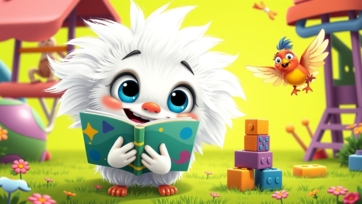
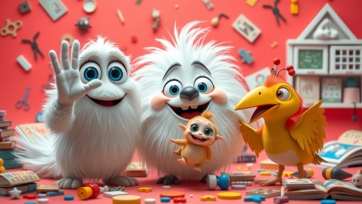
Kids love funny, curious, and colorful animated characters. Many children who enjoy one playful cartoon are often drawn to similar shows that combine humor, creativity, and learning.

This guide highlights top cartoons similar to playful animated characters, helping parents choose age-appropriate, engaging, and educational content for children aged 3–8.


Why Kids Love Playful Cartoons:

  • Bright Colors and Fun Animations: Eye-catching visuals keep kids engaged.

  • Expressive Characters: Funny faces and exaggerated actions appeal to young viewers.

  • Simple Stories: Easy-to-follow plots help children understand cause and effect.

  • Humor and Slapstick Comedy: Silly antics make learning fun.

  • Positive Lessons: Episodes often teach friendship, creativity, problem-solving, and empathy.


Top Cartoons Similar to Playful Characters:

1. Pip and Pop Adventures

  • Focuses on curious, playful creatures exploring their world.

  • Teaches problem-solving, cooperation, and curiosity.

2. Tiny Tales

  • Short, humorous episodes perfect for toddlers.

  • Highlights colors, numbers, and shapes with visual storytelling.

3. Happy Critters Club

  • Group of animal friends engaging in funny adventures.

  • Encourages friendship, sharing, and teamwork.

4. Momo’s Magical World

  • Combines fantasy, humor, and educational content.

  • Episodes promote creativity, imagination, and storytelling.

5. Fuzzy Friends Fun

  • Focuses on curiosity, exploration, and learning through play.

  • Teaches basic concepts like shapes, letters, and problem-solving.

6. Giggle Garden

  • Outdoor adventures with playful characters.

  • Encourages observation skills, nature awareness, and imagination.


Tips for Parents Choosing Cartoons:

  1. Check Age Appropriateness: Ensure content is suitable for your child’s age.

  2. Mix Education with Entertainment: Look for shows with learning opportunities and fun stories.

  3. Watch Together: Co-viewing promotes discussion, comprehension, and bonding.

  4. Encourage Activities Post-Episode: Drawing, crafts, or role-play extends learning.

  5. Monitor Screen Time: Balance viewing with offline activities, outdoor play, and reading.


Benefits of Watching Similar Cartoons:

  • Creativity and Imagination: Inspires storytelling, drawing, and role-play.

  • Social Skills: Characters model friendship, sharing, and empathy.

  • Cognitive Skills: Episodes teach problem-solving, observation, and sequencing.

  • Emotional Understanding: Helps children recognize feelings and emotions.


Final Thoughts:

Children who enjoy playful cartoon characters can benefit from exploring similar animated shows. By choosing age-appropriate, entertaining, and educational cartoons, parents can enhance creativity, learning, and social skills, while keeping screen time fun and safe.


Advertisement
Best Number Learning Cartoons in 2025
Teaching numbers to preschool children can sometimes feel challenging, especially when kids have short attention spans and learn best through fun, visual activities. This is where “123 number learning cartoons for preschool children” become a powerful educational tool. Today’s kids are naturally drawn to colorful animations, catchy songs, and playful characters, and educational cartoons combine all these elements to teach numbers in an enjoyable way. In this article, we will explore how number learning cartoons help children understand early math concepts, why they are effective, and which types of number-learning videos are best for preschoolers. ⭐ Why Number Learning Cartoons Are Important for Preschool Children: When children are between the ages of 2 and 5 years, their brains absorb information quickly. This period is crucial for building early numeracy skills, including: Number recognition Counting ability Understanding quantity Basic sequencing Memory development Traditional teaching methods—like worksheets or repetitive writing—often feel boring to young kids. In contrast, 123 number learning cartoons use storytelling, visuals, sound effects, and music to make learning enjoyable. This type of learning also helps children stay focused for longer periods. Top SEO Keywords used naturally:123 number learning for kids, preschool learning videos, number learning cartoons, counting cartoons for toddlers, educational videos for preschoolers. ⭐ How 123 Number Learning Cartoons Help Children Learn Faster: Here are the major reasons why animated number-learning videos work so effectively: 1. Colorful Visuals Improve Memory: Bright visuals help children remember numbers more easily. When they repeatedly see a number with animations—like balloons, animals, cars—they start associating the number with an object. This boosts recognition and recall. 2. Music and Rhymes Strengthen Counting Skills: Most 123 learning cartoons include rhymes like “One, Two, Buckle My Shoe” or original counting songs. Music activates multiple parts of the brain and helps kids learn faster. 3. Repetition Makes Learning Natural: Preschoolers learn through repetition. Cartoons repeat numbers, counting sequences, and examples in different ways, reinforcing the information without making it feel boring. 4. Characters Make Learning Fun: Animated characters—like friendly animals, talking shapes, or cartoon kids—keep children engaged. Kids often imitate what they see, so when the cartoon says “Let’s count together!”, children naturally follow along. 5. Helps Children with Slow Learning: Cartoons move at a slow, clear pace. The voiceovers are simple, and the numbers flash on-screen clearly. This helps children who need extra time to understand concepts. ⭐ Best Types of 123 Number Learning Cartoons for Preschoolers: Not all educational videos are the same. Here are the most effective types of number-learning cartoons recommended for preschool children: 1. Counting Songs (1 to 10, 1 to 20, 1 to 100): These are perfect for beginners. Kids enjoy repeating the numbers along with music, which improves pronunciation and memory. Example themes: Count the balloons Farm animals counting Ocean animals counting Space-themed number songs 2. Interactive Number Cartoons: These videos ask questions like “Can you count the apples?” or “Where is number 5?” This makes children think instead of just watching passively. 3. Story-Based Number Learning: Short stories where characters go on adventures—like collecting treasures or finding toys—teach kids counting naturally. 4. Number Tracing Cartoons: Some cartoons show how to trace each number step-by-step. These help preschoolers prepare for writing in school. 5. Montessori-Inspired Learning Videos: Montessori counting videos use real-life objects and soft colors. They are calm, slow-paced, and very effective for early learners. ⭐ Benefits of Using Cartoons for Number Learning: 1. Boosts Early Math Confidence: Children who learn numbers early feel more confident when they enter school. They participate more in class activities and perform better in math. 2. Helps Speech Development: Cartoons teach pronunciation, rhythm, and voice modulation. This helps preschoolers improve vocabulary and communication skills. 3. Encourages Independent Learning: Kids can watch these videos on their own and learn without constant supervision. This builds curiosity and independence. 4. Ideal for Homeschooling: Parents who homeschool their children find 123 number learning cartoons extremely helpful. They make learning stress-free and enjoyable. 5. Supports Different Learning Styles: Some children learn through visuals, others through audio, and some by movement. Cartoons combine all three, making them ideal for every child. ⭐ Tips for Parents to Use Number Learning Cartoons Effectively: To make the most of these videos, follow these expert tips: ✔ 1. Limit Screen Time: Even educational content should be viewed in moderation. For preschoolers, 20–30 minutes of screen time is ideal. ✔ 2. Watch Together: Sit with your child and repeat the numbers with them. Kids learn better when parents participate. ✔ 3. Add Real-Life Counting: After watching a video, practice counting real objects like toys, fruits, or blocks. ✔ 4. Choose Age-Appropriate Content: Pick videos designed specifically for preschool (ages 2–5). Avoid overly fast or flashy videos. ✔ 5. Reinforce Learning through Play: Use number puzzles, counting books, and flashcards after watching cartoons to strengthen memory. Final Thoughts: 123 number learning cartoons are one of the best ways to teach counting skills to preschool children. These videos are colorful, engaging, and interactive, making early math feel like play. Whether your child is learning to recognize numbers for the first time or practicing counting up to 20 or 100, these animated videos provide a fun, effective, and stress-free approach to learning.
Best Moral Stories for Kids with Animation
Learn with Fun in 2025 Teaching children good values and life lessons is a vital part of early education. In today’s digital age, animated moral stories for kids have become one of the most effective ways to teach ethics, empathy, and social skills while keeping learning fun and engaging. Animated moral stories combine colorful visuals, lively characters, and engaging narratives to help children understand right from wrong, develop emotional intelligence, and learn essential life lessons. In 2025, these videos are more popular than ever, offering parents a safe and interactive way to instill values in their children. This guide explores the benefits of animated moral stories, top series and videos for kids, and tips for parents to maximize learning from these stories. Why Moral Stories Matter for Kids in 2025: Stories have always been a powerful educational tool. With animation, stories come to life, making lessons memorable and relatable. Benefits of animated moral stories: Teaches values: Honesty, kindness, sharing, and respect. Emotional intelligence: Helps children understand feelings, empathy, and conflict resolution. Problem-solving skills: Characters face challenges, showing consequences of choices. Language development: Kids learn new words and sentence structures through storytelling. Safe entertainment: Stories are designed with age-appropriate lessons and positive messaging. By turning morals into entertaining narratives, children absorb values naturally without feeling like they are being “taught.” Top Moral Lessons Taught Through Animated Stories: Here are some common and essential moral lessons taught in animated stories for kids: Kindness and EmpathyStories that show characters helping others or showing compassion teach toddlers how to care for friends, family, and animals. Honesty and IntegrityAnimated tales about telling the truth help children understand why honesty matters and the consequences of lying. Sharing and CooperationThrough teamwork or sharing experiences, kids learn how to play and work well with others. Courage and ResilienceCharacters overcoming fears or challenges inspire children to face difficulties bravely. Respect and Good MannersStories highlight respecting elders, peers, and rules, reinforcing positive social behavior. Responsibility and Self-disciplineAnimated moral stories show children the importance of taking responsibility for actions and forming good habits. Top Animated Moral Story Series for Kids in 2025: 1. The Kindness Club: One of the most popular series in 2025, The Kindness Club teaches empathy, friendship, and sharing through playful characters and interactive stories. Why it’s popular: Engaging and relatable storylines Soft, colorful animation that appeals to toddlers Promotes emotional intelligence and social skills 2. Moral Tales with Booba: Booba’s curiosity-driven adventures are now infused with moral lessons. Children learn safety, honesty, and helping others while watching Booba explore the world. Benefits: Non-verbal and easy to understand for all languages Encourages observation and critical thinking Suitable for toddlers and preschoolers 3. ABC & Friends Life Lessons: Combining alphabet learning with moral lessons, this series uses fun stories and characters to teach values along with ABCs. Highlights: Teaches honesty, kindness, and cooperation Reinforces language skills Colorful, interactive visuals for toddlers 4. Super Simple Stories: Life Lessons: Super Simple Stories combines songs, rhymes, and animations to convey morals in a fun way. What kids learn: Sharing and caring Respect and empathy Following rules and helping friends 5. Little Hero Adventures: Animated mini-stories where small characters face challenges and learn courage, responsibility, and resilience. Key themes: Problem-solving and decision-making Bravery in small daily tasks Understanding consequences 6. Animal Tales for Kids: Stories featuring animals teach moral lessons in an entertaining way, often making values easier for children to understand. Learning benefits: Sharing and friendship through animal adventures Respect for nature and animals Promotes teamwork and kindness How to Choose the Right Animated Moral Stories: When selecting moral story videos for kids, parents should consider: Age-appropriate content – Stories should match your child’s understanding. Positive messaging – Avoid content with negative stereotypes or violence. Engaging visuals – Bright colors and fun characters hold attention. Short duration – Toddlers learn better from 5–10 minute videos. Interactive elements – Songs, rhymes, and prompts encourage participation. Trusted sources – Use safe platforms like YouTube Kids or educational websites such as boobacartoon.com. Tips for Maximizing Learning with Moral Stories: Watch together – Parents can reinforce the lessons and answer questions. Discuss the story – Ask your child “What would you do?” to encourage critical thinking. Repeat favorites – Repetition strengthens understanding and retention. Combine with real-life practice – Encourage children to act on lessons like sharing or helping. Mix with other learning videos – Pair moral stories with ABC, numbers, or colors for a well-rounded early education. Recommended Moral Stories for Kids in 2025: The Kindness Club – Empathy, sharing, and friendship Moral Tales with Booba – Safety, honesty, and helpfulness ABC & Friends Life Lessons – Values combined with alphabet learning Super Simple Stories: Life Lessons – Songs, rhymes, and morals Little Hero Adventures – Courage, resilience, and responsibility Animal Tales for Kids – Friendship, teamwork, and respect for animals These series are safe, engaging, and educational, making moral lessons fun and memorable for toddlers and preschoolers. Final Thoughts: Animated moral stories are more than just entertaining videos—they are powerful tools for teaching values, empathy, and social skills. By choosing the right series, parents can help their children develop emotional intelligence, good habits, and decision-making skills while enjoying bright and playful animations. In 2025, with a wide variety of animated moral stories available, parents have endless options to make screen time educational and enriching. Mix and match stories, discuss lessons, and encourage real-life practice to give your child a strong foundation for ethical and emotional development. Tip for Parents:  Encourage children to retell the stories in their own words—this reinforces memory, comprehension, and moral understanding.
How Animations Are Made: A Simple Guide for Kids
Have you ever wondered how your favorite cartoon characters move, talk, and go on adventures? It feels like magic, but it’s actually a super cool mix of art, technology, and patience! Making an animation is like creating a flipbook, but with lots of people and powerful computers helping out. Let’s follow the journey of a single cartoon from the first spark of an idea to the show on your screen! Step 1: The Big Idea – It All Starts with a Story! : Every cartoon begins with someone’s imagination. The Writers dream up the story, the jokes, and what the characters will say. The Storyboard Artists are like comic book creators. They draw the story shot-by-shot in simple sketches. This is the cartoon’s first visual blueprint! It shows what characters are doing, where they are, and how the camera moves. Step 2: Meet the Characters – Design Time! : Before they can move, we need to know what they look like from every angle! Character Designers draw the heroes, villains, and everyone else. They make model sheets that show how a character stands, smiles, runs, and even looks sad. This makes sure they look the same in every scene. Step 3: The Secret of Movement – It’s an Illusion! : Our eyes and brains can be tricked! Animation works because of something called persistence of vision. If you see a bunch of pictures that are slightly different, one after another very quickly, your brain blends them into one moving image. Traditional (Hand-Drawn) Animation: Artists called Animators draw every single movement on special paper. For one second of cartoon, they need to draw 24 pictures (called frames)! That’s a LOT of drawing. The lead animator draws the key poses, and assistants draw the pictures in between. Stop-Motion Animation: This is like playing with action figures and taking a photo every time you move them a tiny bit. Animators use puppets or clay models, move them bit by bit, and take a photo of each move. When they play all the photos quickly, the puppet looks like it’s moving by itself! Computer (CGI) Animation: This is how most modern movies and shows are made. Artists build 3D models of the characters and worlds inside the computer. It’s like making a super-detailed virtual puppet. Then, Animators use special controls to move the model’s parts and create the performance, setting a "key pose" for each important movement. The computer creates the smooth "in-between" frames. Step 4: Adding Color and Backgrounds – Building the World : Background Artists paint the beautiful worlds where the adventure happens—the forests, cities, and castles. Clean-Up Artists make the rough drawings look perfect and ready for color. Color Artists (or computers) fill in all the characters and objects with their correct, bright colors. Step 5: Making it Come Alive – Sound and Final Magic! : A cartoon isn’t complete without sound! Voice Actors record all the characters' lines, screams, and laughs in a studio. Foley Artists create sound effects by making noises in creative ways—cracking celery for bone sounds, shaking leather for thunder, or stepping in cornstarch for snow. Composers write the exciting music that makes you feel happy, scared, or ready for adventure. The Final Edit: All the pieces—the moving pictures, the voices, the sound effects, and the music—are put together perfectly by editors, like a giant, amazing puzzle. Then it’s ready for you to watch! You Can Try It! A Mini Animation Project : Make Your Own Flipbook: Get a small stack of sticky notes or a notebook. On the last page, draw a simple character (like a smiling circle). On the next page, draw it again, but move it just a little bit. Keep doing this on each page, moving your character step-by-step. Now flip the pages quickly with your thumb. Your drawing is moving! You just made an animation! Conclusion: Teamwork Makes the Dream Work! : Making an animation is a huge project that takes many talented artists and technicians a long time—sometimes years for a movie! They are all storytellers who use drawings, models, or computers to create the magical moving pictures we love. The next time you watch your favorite cartoon, remember: it started as one simple drawing and a big idea.
History of Non-Verbal Comedy in Cartoons: From Silent Films to Modern Mime
The universal language of a slip on a banana peel, a look of shocked surprise, or a perfectly timed pause transcends words and cultures. In animation, non-verbal comedy—or visual slapstick—is not just a tool; it is the art form's foundational comedic heartbeat. This guide traces the rich history of how animators have made us laugh without saying a word, from flickering black-and-white reels to the hyper-expressive digital characters of today. The Silent Era: Birth of the Visual Gag (1900s-1920s) : Animation was born in the silent film era, inheriting its comedic DNA directly from masters like Charlie Chaplin and Buster Keaton. Key Pioneers: Winsor McCay: In Gertie the Dinosaur (1914), the interactive, personality-driven animation established a character audiences could connect with through gesture alone. Max Fleischer (Out of the Inkwell): The surreal interplay between a live-action animator and his mischievous cartoon creation, Koko the Clown, relied entirely on visual trickery and playful defiance. The Core Principle: Exaggerated Physics and Personality. Without dialogue, comedy came from rubber-limbed movements, impossible transformations, and characters whose every emotion was written large on their faces and in their body language. The Golden Age: Slapstick Perfected (1930s-1950s) : With sound came music and effects, but the best shorts remained masterclasses in visual storytelling. The Warner Bros. School of Anvil Comedy: Chuck Jones’s Philosophy: He established "The Rules" for characters like Wile E. Coyote and the Road Runner. The comedy was in the meticulous, cause-and-effect logic of failure. The coyote’s slow look down after running off a cliff is a silent masterpiece of realization. Tex Avery’s Hyperbole: Avery took exaggeration to its极限. Characters’ eyes would pop out, jaws would hit the floor, and bodies would stretch like taffy. The reaction was the joke, and it was always visual, rapid-fire, and wordless. Disney’s Emotional Pantomime: While Disney featured dialogue earlier, its early shorts and feature sequences (e.g., The Band Concert with Mickey, Playful Pluto with the flypaper) were built on elaborate pantomime. Animators studied live-action comedians to translate subtle, empathetic physical comedy into their characters. The Television Era: Limited Animation, Unlimited Expression (1960s-1980s) : Budget constraints led to limited animation, forcing creatives to rely even more on strong character design and clever visual wit. Hanna-Barbera’s Clever Shortcuts: Shows like Tom and Jerry (originally MGM) and later Scooby-Doo used repetitive chase sequences, but the comedy was in the anticipation and the elaborate, destructive payoff—a collapsing wall of shelves, a expanding bubble gum bubble. Character reactions (Tom’s scheming grin, Shaggy’s full-body shudder) told the story. The European Influence: French Animator René Laloux (Fantastic Planet) and others created surreal, often dialogue-light worlds where the comedy and horror were baked into the bizarre visual design and scenarios. British Shows like The Clangers: Communication was through musical whistles and pure physical action, making their curiosity and problem-solving universally understandable. The Modern & Digital Renaissance (1990s-Present) : Technology allowed for more nuanced animation, but the principles of silent comedy remained essential. The Return of the Pure Mime: Mr. Bean: The Animated Series successfully translated Rowan Atkinson’s live-action silent clowning into cartoon form, proving the timelessness of the format. Shaun the Sheep (Aardman): A spin-off from the dialogue-free Wallace & Gromit, this show became a global hit. Every plot point, emotion, and joke is conveyed through impeccable stop-motion animation, sound effects, and music. Pixar’s "Show, Don’t Tell" Ethos: Pixar’s short films (Geri’s Game, Piper) and key feature sequences (the first 30 minutes of WALL-E, much of Up’s marital montage) are legendary for their powerful, wordless storytelling. They use subtle facial animation and environmental details to convey complex emotions, making the comedy more heartfelt and the drama more profound. The Internet & Algorithmic Age: Web Cartoons & Short-Form Content: Platforms like YouTube favor quick, wordless humor that requires no translation or setup—perfect for viral loops. Characters like the early Simons Cat or countless indie animation memes thrive on simple, relatable visual gags. Modern TV Examples: Shows like The Amazing World of Gumball blend styles but often let its characters’ exaggerated, rubber-hose-inspired reactions deliver the biggest laughs without dialogue. Why Non-Verbal Comedy Endures & Matters : Universality: It bypasses language and age barriers. A toddler and a grandparent can laugh at the same slip-and-fall. Pure Visual Storytelling: It forces animators to be inventive, relying on the fundamental tools of the medium: timing, squash and stretch, anticipation, and expression. Emotional Clarity: When a character’s joy, frustration, or confusion is communicated solely through animation, it can feel more direct and authentic. The Foundation of Character: A character defined by their actions and reactions, not their words, often becomes more iconic and beloved (e.g., Gromit, WALL-E, Charlie Brown’s slumped walk). Conclusion: The Unspoken Bond Between Animator and Audience : The history of non-verbal comedy in cartoons is a history of animation itself—a testament to the power of moving drawings to connect with something primal in us. From the anarchic slapstick of a falling anvil to the subtle, heartbreaking glance of a lonely robot, it proves that the most powerful stories and the biggest laughs often come not from what is said, but from what is seen. In a world of endless chatter, the silent eloquence of a well-animated sigh or a perfectly executed double-take remains comedy in its purest, most global form.
Booba Drawing Tutorials for Kids
Booba, with his expressive face, playful antics, and simple shapes, is the perfect character for kids to learn drawing. Drawing tutorials inspired by Booba help children develop fine motor skills, creativity, and visual observation while keeping them entertained. In this guide, we will cover easy Booba drawing tutorials for kids and explain how to make the activity fun, educational, and engaging for children aged 3–8. Why Booba Drawing Is Perfect for Kids: Simple Shapes: Booba’s rounded forms and bold features are easy for children to replicate. Expressive Character: Big eyes, exaggerated mouth, and fluffy body encourage creativity. Step-by-Step Learning: Children can follow simple steps to create recognizable characters. Safe & Fun: Requires minimal materials and is suitable for home or classroom settings. Materials Needed: Drawing paper or sketchbook Pencils and erasers Colored pencils, crayons, or markers Optional: Ruler for shapes, templates for guidance Step-by-Step Booba Drawing Tutorial for Kids: 1. Start with Basic Shapes Draw a large oval for Booba’s head. Add a smaller oval or circle for the body. Mark positions for eyes, nose, and mouth lightly with a pencil. Educational Tip: Teaches kids shape recognition and spatial awareness. 2. Add Eyes and Facial Features Draw big circular eyes near the top of the head. Add pupils and highlights to make them expressive. Draw a small oval nose and a wide, smiling mouth. Educational Tip: Encourages fine motor control and observation skills. 3. Draw Booba’s Arms and Legs Use curved lines for arms and legs. Hands can be simple ovals or mitten shapes. Feet are rounded or slightly elongated to mimic Booba’s style. Learning Tip: Helps children understand proportions and symmetry. 4. Add Booba’s Fluffy Ears and Tail Draw large, rounded ears on the sides of the head. Optional: Add a small fluffy tail for additional detail. Educational Tip: Introduces attention to detail and pattern recognition. 5. Add Accessories or Objects Kids can draw Booba interacting with toys, balloons, or pillows. Encourage imagination: Booba can be climbing, jumping, or sliding. Learning Tip: Supports creative thinking and storytelling. 6. Outline and Erase Guidelines Trace final lines with a darker pencil or marker. Erase unnecessary guidelines to clean up the drawing. Educational Tip: Teaches focus, patience, and precision. 7. Coloring Your Booba Drawing Use bright colors to mimic Booba’s animated style. Encourage kids to experiment with new color combinations. Add details like shadows or background items to make it lively. Learning Tip: Enhances color recognition, creativity, and concentration. Tips to Make Booba Drawing More Fun: Follow Along Videos: Use step-by-step tutorials for guidance. Draw Together: Parents or teachers can draw alongside kids to increase engagement. Storytelling: Encourage children to create stories about what Booba is doing in their drawings. Display Artwork: Show off finished drawings on walls or classroom boards to boost confidence. Combine with Crafts: Turn drawings into puppets, masks, or collages. Educational Benefits of Booba Drawing Tutorials: Fine Motor Development: Tracing, coloring, and shaping improve hand strength. Creativity & Imagination: Kids interpret Booba’s expressions in unique ways. Cognitive Skills: Planning steps and drawing sequences enhances problem-solving. Visual Observation: Children learn to observe shapes, proportions, and expressions. Emotional Expression: Drawing expressive faces encourages understanding of emotions. Final Thoughts: Booba drawing tutorials are perfect for combining fun and learning. Kids develop creativity, motor skills, observation, and storytelling abilities while enjoying a hands-on, interactive activity. Drawing Booba can be a daily creative habit or a fun weekend project, making learning exciting and visually engaging.
Best Summer Fruits for Kids' Growth | Hydrating & Nutritious Seasonal Snacks
Best Summer Fruits for Kids Growth: Summer is the season when children are most active, playing outdoors, running around, and burning energy at a faster rate than other times of the year. Their bodies require more hydration, energy, and nutrients to support growth and maintain immunity during hot months. Summer fruits are nature’s perfect solution: they are hydrating, naturally sweet, and packed with vitamins, minerals, antioxidants, and fiber that promote healthy growth in children. Including the right fruits during summer not only supports physical development but also improves energy levels, digestion, and cognitive performance. In Pakistan, summers can be extremely hot, and children often lose fluids and electrolytes faster. The National Nutrition Survey emphasizes the importance of seasonal fruits to combat dehydration, heat-related fatigue, and nutrient deficiencies. Let’s explore the best summer fruits for children’s growth, their benefits, and practical ways to include them in daily meals. Mango — The King of Summer Fruits: Mangoes are often called the “king of fruits” and for children, they truly deserve that title. Rich in vitamin A, vitamin C, potassium, and antioxidants, mangoes support bone growth, immunity, skin health, and brain development. Vitamin A in mangoes promotes healthy vision and tissue development, while vitamin C strengthens immunity. Potassium regulates fluid balance and supports heart and muscle function, crucial during active summer days. Practical Tips: Serve mango cubes or slices as a snack. Blend with yogurt or milk for a nutritious smoothie. Mix with other seasonal fruits to create a colorful fruit salad. Watermelon — Hydration and Electrolyte Balance: Watermelon is over 90% water, making it the perfect fruit to keep children hydrated during hot weather. It is also a source of vitamin C, potassium, and antioxidants, which help maintain electrolyte balance, improve circulation, and reduce heat-related fatigue. Watermelon is easy to digest and provides quick energy, making it ideal for active children who need hydration and natural sugars for stamina. Practical Tips: Cut into fun shapes to make it more appealing. Blend with mint or cucumber for a refreshing summer drink. Mix with berries or other fruits for variety. Lychee — Immune and Energy Booster: Lychee is a summer fruit rich in vitamin C, potassium, and natural sugars. It boosts immunity, promotes energy, and supports healthy blood circulation. Its natural sweetness makes it highly appealing to children. Lychee also contains antioxidants that protect cells and support tissue repair during the high activity levels typical of summer. Practical Tips: Serve peeled lychee as a snack. Mix with yogurt for a creamy treat. Blend into smoothies with other tropical fruits. Muskmelon (Cantaloupe) — Vitamin and Fiber-Rich: Muskmelon is rich in vitamin A, vitamin C, and dietary fiber, making it an excellent fruit for skin health, immunity, and digestion. Its high water content also supports hydration, and its natural sweetness encourages children to eat it without any added sugar. Muskmelon contains antioxidants that help combat free radicals, supporting cell growth and overall health during the physically demanding summer months. Practical Tips: Cube and serve as a chilled snack. Blend into fruit smoothies or juices. Mix with other melon varieties to add variety to meals. Papaya — Digestive and Immune Support: Papaya is rich in papain, a digestive enzyme that helps children absorb nutrients more efficiently. It also contains vitamin C, folate, and potassium, which support immunity, bone development, and muscle function. Papaya is particularly useful in summer because it is easy to digest, hydrates the body, and provides a natural source of energy for active children. Practical Tips: Serve cubed as a fresh snack. Blend with mango or banana for a tropical smoothie. Mix with yogurt for a creamy summer dessert. Pineapple — Growth and Digestion Aid: Pineapple contains bromelain, an enzyme that aids digestion, and is also a rich source of vitamin C and manganese, which support bone health and immunity. Its natural sweetness is highly appealing to children, making it an easy fruit to include in their diet. Practical Tips: Serve as fresh slices or small cubes. Mix with other fruits in a tropical fruit salad. Blend into smoothies with papaya or banana for a nutritious drink. Berries (Strawberries, Blueberries, Raspberries) — Brain and Immunity Boosters: Berries are packed with antioxidants, vitamin C, and fiber, which support brain function, immunity, and digestion. During summer, berries are excellent because they provide quick energy and help children stay hydrated due to their high water content. Strawberries and blueberries are especially rich in flavonoids that enhance memory, attention, and learning — perfect for school-age children during the active summer months. Practical Tips: Mix with yogurt or oatmeal for breakfast. Serve fresh or frozen as a snack. Blend into smoothies for a nutrient-dense drink. Grapes — Hydration and Energy Support: Grapes contain natural sugars, antioxidants, and potassium, providing quick energy and supporting hydration during hot summer days. They are easy to eat, bite-sized, and appealing to children. Grapes also improve blood circulation, support heart function, and provide vitamins that contribute to growth and immunity. Practical Tips: Wash and serve as a snack. Freeze grapes for a chilled, refreshing treat. Mix into fruit salads or with melon cubes. Kiwi — Vitamin C and Immune Support: Kiwi is a small but powerful fruit rich in vitamin C, vitamin K, and antioxidants. It boosts immunity, supports digestion, and helps with tissue repair and growth. Its tangy taste makes it refreshing for summer and encourages children to develop a taste for diverse fruits. Practical Tips: Serve sliced or cubed as a snack. Mix into fruit salads with mango, papaya, or berries. Blend with yogurt for a nutrient-rich smoothie. Pomegranate — Antioxidant and Growth Support: Pomegranates are rich in antioxidants, vitamin C, and fiber, which help in strengthening immunity, promoting healthy digestion, and supporting overall growth. The bright red arils are visually appealing, making fruit consumption more enjoyable for children. Practical Tips: Serve arils as a snack. Sprinkle over yogurt, cereal, or fruit salads. Mix into juices for an antioxidant boost. Benefits of Summer Fruits for Children’s Growth: Hydration:Fruits like watermelon, muskmelon, and grapes provide water content that keeps children hydrated in hot weather. Energy and Stamina:Natural sugars in bananas, mangoes, and lychees provide quick and sustained energy for outdoor activities. Immunity Boost:Vitamin C-rich fruits like oranges, guava, and strawberries strengthen immunity and reduce frequent infections. Digestive Health:Fiber in apples, papaya, and berries improves digestion and nutrient absorption. Brain and Cognitive Development:Antioxidant-rich fruits like blueberries and pomegranate enhance learning, memory, and concentration. Bone and Muscle Growth:Fruits with potassium, magnesium, and vitamin C support bone density, muscle function, and growth during active summer months. Tips for Including Summer Fruits in Children’s Diet: Variety and Colors:Offer multiple fruits daily for a broader nutrient spectrum. Seasonal Selection:Focus on fruits that are in season — they are fresher, more nutritious, and affordable. Creative Presentation:Make fruit skewers, fruit salads, or smoothie bowls to make them appealing. Small Portions, Frequent Serving:Offer fruits in small, regular portions rather than a single large serving. Family Participation:Involve children in washing, cutting, or arranging fruits to increase interest and acceptance. Conclusion: Summer fruits are essential for children’s growth, immunity, energy, and cognitive development. Including fruits like mango, watermelon, lychee, muskmelon, papaya, pineapple, berries, grapes, kiwi, and pomegranate in daily meals ensures children receive hydration, vitamins, minerals, antioxidants, and fiber critical for their development. Parents should focus on variety, seasonal fruits, and creative presentation to encourage daily consumption. Fruits are not just snacks—they are natural growth boosters that shape health, strength, and cognitive performance for life. Regular consumption of these fruits ensures children grow physically strong, stay mentally sharp, and maintain healthy immunity even in the demanding summer months. By prioritizing summer fruits in children’s diets, parents are investing in long-term health, resilience, and active growth — creating the foundation for a strong and energetic childhood.  
How to Create a Kid-Safe Browser Profile
In today’s digital age, children often use the internet for learning, entertainment, and exploration. However, unsupervised browsing can expose them to inappropriate content and risks. Creating a kid-safe browser profile ensures that children have a protected, age-appropriate online experience while still enjoying the benefits of educational and fun websites. A kid-safe browser profile provides parents with control over content, privacy, and time limits, while giving children a safe space to learn and explore. With the right setup, children can access educational games, videos, and websites without being exposed to harmful material. Why a Kid-Safe Browser Profile is Important: Children are naturally curious, and the internet offers limitless information. A kid-safe browser profile is important because it: Blocks access to inappropriate content Restricts websites with harmful material Protects personal information and online privacy Limits screen time through parental controls Encourages safe online learning habits This protective setup balances freedom and security, allowing children to explore safely. Choosing the Right Browser for Kids: Not all browsers are equally suited for children. Some browsers offer built-in parental controls and kid-friendly interfaces. Consider the following: User-friendly interface suitable for children Pre-installed kid-safe filters and search engines Options for creating multiple profiles for different age groups Compatibility with educational apps and websites Popular kid-friendly browsers include Kiddle, KidZui, and Mozilla Firefox with parental extensions. Setting Up a Kid-Safe Profile: Creating a safe profile involves several steps: Create a separate user account for your child on the device Install a kid-friendly browser or enable parental controls on an existing browser Enable safe search settings to filter out inappropriate content Block adult websites and unsafe domains Set screen time limits to encourage healthy usage habits These steps ensure that children have a customized, safe browsing environment. Using Extensions and Filters: Many browsers allow parents to enhance security using extensions and filters. Useful features include: Content filtering to block unsafe websites Ad blockers to prevent unwanted advertisements Tracking protection to maintain privacy Activity reports to monitor browsing behavior These tools provide an extra layer of security and parental oversight. Adding Educational and Fun Websites: While safety is essential, children also need access to engaging and educational content. Parents can: Bookmark educational websites and games Allow access to child-friendly video platforms Introduce websites that teach science, math, reading, and creativity Create a curated list of safe resources This approach balances safety with learning and entertainment. Encouraging Responsible Browsing: A kid-safe browser is most effective when combined with guidance and rules. Parents should: Teach children not to share personal information Encourage asking permission before visiting new websites Discuss safe online behavior and digital etiquette Monitor usage periodically without being intrusive This guidance helps children develop good internet habits from an early age. Benefits of a Kid-Safe Browser Profile: A properly configured kid-safe browser profile offers numerous benefits: Protects children from harmful content Promotes age-appropriate learning Supports responsible and mindful internet use Reduces exposure to online scams and advertising Provides peace of mind to parents By combining technology with active supervision, parents create a safe digital environment that supports learning and exploration. Conclusion: Creating a kid-safe browser profile is an essential step in modern parenting and digital literacy. By selecting the right browser, enabling parental controls, using filters, and encouraging responsible usage, parents can ensure children explore the online world safely. This approach provides educational opportunities, fosters curiosity, and builds good internet habits, all within a secure and monitored environment.
Top Dairy Products for Kids’ Growth and Immunity | Beyond Just a Glass of Milk
Top Dairy Products for Kids’ Growth and Immunity Dairy products are a cornerstone of children’s nutrition. From infancy to adolescence, milk, yoghurt, cheese, and paneer provide a combination of high-quality protein, calcium, vitamins, and healthy fats that support bone development, muscle growth, immunity, energy, and cognitive function. For children in Pakistan, where dietary gaps often lead to calcium and protein deficiencies, including dairy in daily meals is essential for healthy growth. While many foods contribute to a child’s diet, dairy is unique because it offers multiple nutrients in a single natural source. Regular consumption ensures that children grow stronger physically, remain active, and maintain better immunity, particularly during periods of rapid growth or increased physical activity. Milk — The Foundation of Strong Bones and Growth Milk is naturally rich in calcium, protein, vitamin D, phosphorus, potassium, and vitamin B12, making it ideal for children’s growth. Calcium and vitamin D are critical for bone strength and teeth formation, while protein supports muscle growth and tissue repair. In Pakistan, studies indicate that a large number of children do not get enough calcium, which increases the risk of weak bones, dental issues, and slower growth. Fortified milk, available in many local markets, enhances calcium absorption and provides vitamin D, which is often deficient due to limited sun exposure or dietary gaps. Practical Serving Tips: Serve a glass of milk with breakfast cereals or oatmeal. Blend milk with seasonal fruits like mango, banana, or papaya for a smoothie. Use milk in cooking soups, sauces, or desserts to naturally increase nutrient intake. Health Benefits:Regular milk consumption supports height and weight gain, strong teeth, and overall skeletal development, while also providing energy for active children. Yoghurt — Probiotics for Digestion and Immunity Yoghurt is fermented milk, rich in probiotics, calcium, protein, and vitamins, making it a perfect snack for children. Probiotics help maintain healthy gut bacteria, improve digestion, and enhance nutrient absorption, which is essential for growth. In addition, yoghurt provides calcium and protein in an easily digestible form, suitable even for children with mild lactose sensitivity. The probiotics in yoghurt strengthen the immune system, reducing the frequency of colds, infections, and stomach upsets. Practical Serving Tips: Serve plain yoghurt with chopped fruits like berries, banana, or mango. Make yoghurt smoothies with milk and fruit for a nutrient-packed drink. Include yoghurt in breakfast bowls with oats or granola for a balanced meal. Health Benefits:Yoghurt supports healthy digestion, strong immunity, and sustained energy, making it an ideal daily addition for children. Cheese — Calcium and Protein in a Tasty Form Cheese is a concentrated source of calcium, phosphorus, protein, and vitamins like vitamin A. Calcium and phosphorus work together to strengthen bones and teeth, while protein aids in muscle growth and tissue repair. Vitamin A in cheese supports vision, skin health, and immunity. Cheese is also convenient and versatile, making it a practical way to increase dairy intake. Its taste appeals to children, so it is often easier to include than plain milk or yoghurt. Practical Serving Tips: Serve cheese slices or cubes as a snack. Sprinkle grated cheese on pasta, vegetables, or casseroles. Include cheese in sandwiches, wraps, or omelettes for added nutrients. Health Benefits:Regular cheese consumption promotes bone density, muscle development, and overall energy, supporting active growth in children. Paneer (Cottage Cheese) — A Vegetarian Powerhouse Paneer is rich in high-quality protein, calcium, and phosphorus, making it ideal for vegetarian children who may not get enough protein from other sources. Paneer supports muscle development, bone growth, and satiety, and is extremely versatile in cooking. Paneer can be easily incorporated into curries, sandwiches, wraps, and snacks, providing a nutrient-dense food option that children enjoy. Practical Serving Tips: Serve grilled or lightly pan-fried cubes as a snack. Mix paneer into curries with vegetables for a balanced meal. Mash paneer with fruits like banana for a quick snack or smoothie. Health Benefits:Paneer supports sustained energy, bone development, and healthy weight gain, making it an important part of daily nutrition. Dairy for Brain Development Dairy products are rich in proteins, healthy fats, and micronutrients that support cognitive development, memory, and learning ability. Omega-3-enriched milk or full-fat dairy enhances brain function, particularly in school-age children. Children who consume dairy regularly show improved focus, memory, and attention span, which translates to better academic performance and problem-solving skills. Practical Tips: Serve a glass of milk with breakfast for brain-boosting energy. Blend milk or yoghurt with fruits and oats for a nutrient-rich smoothie. Include dairy-based snacks like cheese cubes or yoghurt parfaits during school breaks. Health Benefits:Dairy intake promotes mental alertness, concentration, and overall cognitive development, supporting active learning in children. Dairy for Immunity Milk, yoghurt, cheese, and paneer contain vitamins A, D, B12, zinc, and protein, which collectively strengthen the immune system. Children with strong immunity have fewer infections, faster recovery, and better overall health. Combining dairy with vitamin C-rich fruits in smoothies further boosts immunity, making children more resilient during school and playtime. Practical Tips: Offer milk or yoghurt with fruits like oranges, kiwi, or berries. Include dairy in snacks, breakfast, and dinner for a continuous nutrient supply. Use fortified dairy products for added immune benefits. Health Benefits:Regular dairy consumption ensures robust immunity, fewer illnesses, and enhanced recovery, keeping children active and healthy. Energy and Active Growth Lactose, the natural sugar in dairy, along with proteins and fats, provides sustained energy for children. Whether at school, during outdoor play, or sports activities, dairy gives steady energy without causing sugar spikes, unlike packaged drinks. Practical Tips: Serve milk before or after school to maintain energy levels. Blend milk with fruits and oats for an energy-packed smoothie. Include cheese or paneer in meals for slow-release energy. Health Benefits:Dairy provides stable energy, supports growth, and fuels physical activity, ensuring children remain active and strong throughout the day. Tips for Including Dairy in a Daily Diet Daily Intake: Children aged 4–8 require 2–3 servings of dairy daily; older children may need 3–4 servings. Variety: Include milk, yoghurt, cheese, and paneer to diversify nutrients. Fortified Options: Vitamin D or omega-3-fortified dairy enhances bone, brain, and immunity support. Avoid Added Sugar: Use natural sweetness from fruits instead of sugary milk or yoghurt. Meal Integration: Incorporate dairy into breakfast, snacks, and cooking for convenience and consistent intake. Conclusion Dairy products are essential for children’s growth, immunity, brain development, and energy. Milk, yoghurt, cheese, and paneer provide high-quality proteins, calcium, vitamins, minerals, and healthy fats that are crucial for strong bones, teeth, muscles, immunity, and cognitive development. Parents should prioritise fresh, fortified, and naturally served dairy, integrating it creatively into meals and snacks. Whether served as milk, smoothies, yoghurt, cheese, or paneer, dairy remains a daily growth booster for children. With regular consumption, children can achieve optimal growth, robust immunity, enhanced mental development, and sustained energy, creating a strong foundation for a healthy, active, and happy childhood.