Booba Origami Ideas for Kids

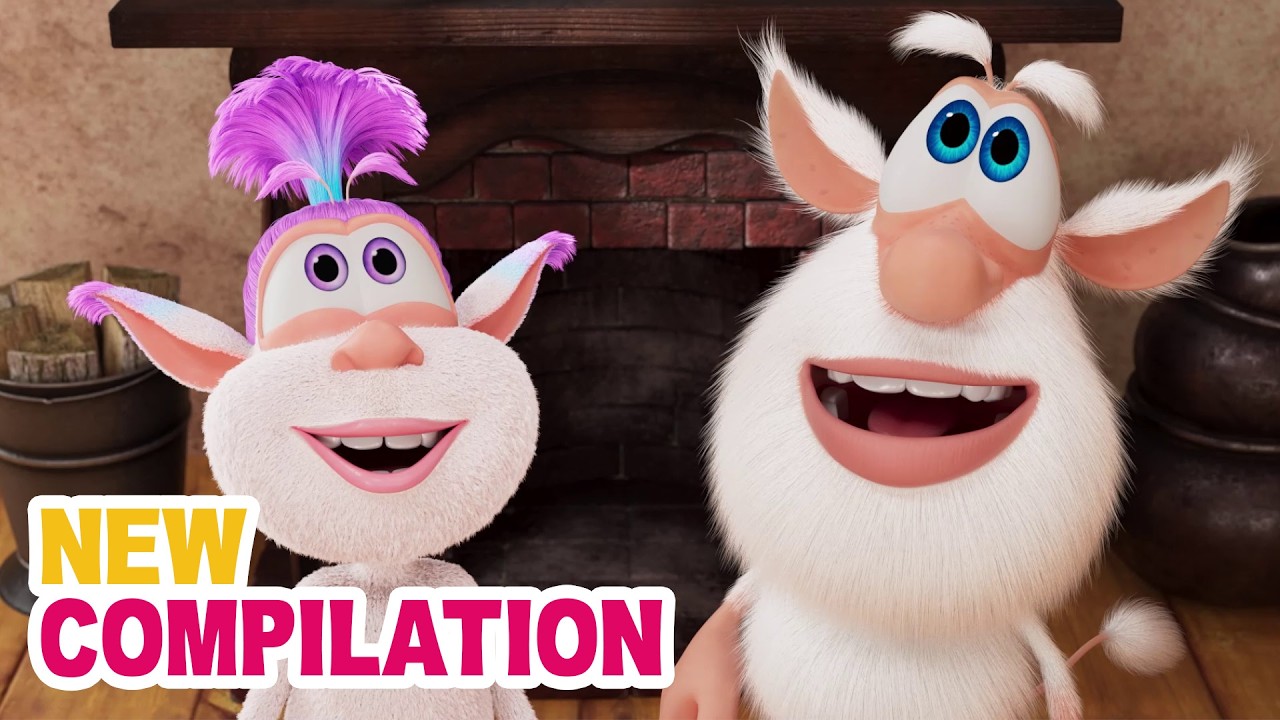
Origami is a fantastic way to combine creativity, concentration, and fine motor skills in young learners. When inspired by Booba, origami becomes even more playful and engaging, turning simple paper folding into exciting adventures for kids.

In this guide, we explore Booba-themed origami ideas for children aged 4–8, complete with step-by-step instructions and educational benefits.


Why Booba Origami Is Perfect for Kids:

  1. Visual Appeal: Booba’s expressive face and playful body make origami more fun.

  2. Simple Shapes: Rounded and exaggerated shapes are easy for children to fold.

  3. Hands-On Learning: Folding paper enhances fine motor development.

  4. Creativity & Imagination: Kids can invent their own Booba scenes and scenarios.


Materials Needed:

  • Colored origami paper or plain square sheets

  • Markers or colored pencils

  • Optional: Googly eyes, stickers, or small decorations

  • Clear surface for folding and crafting


Top Booba Origami Ideas for Kids:

1. Booba Paper Figure

  • Fold a simple square base for the body.

  • Add ears and facial features with markers or cut-out shapes.

  • Can be used for play, storytelling, or desk display.

Learning Tip: Encourages precision, sequencing, and fine motor control.


2. Booba Paper Puppet

  • Create a folded paper figure with movable arms and legs.

  • Use a small stick or straw as a handle for role-play.

  • Kids can reenact favorite Booba adventures.

Learning Tip: Develops imaginative play and storytelling skills.


3. Booba Origami Mask

  • Fold a square sheet to create a wearable Booba face.

  • Decorate with markers and add elastic string.

  • Perfect for dress-up or small Booba performances.

Learning Tip: Improves spatial awareness and creativity.


4. Booba Origami Animals

  • Create additional origami animals for Booba to interact with.

  • Examples: birds, mice, or small creatures from Booba episodes.

  • Can be used to set up miniature adventures or storytelling scenes.

Learning Tip: Encourages pattern recognition and creativity.


5. Booba Origami Gift Boxes

  • Make small boxes with Booba faces for party favors or treasures.

  • Kids can decorate boxes with stickers, crayons, or markers.

  • Useful for themed parties or reward systems.

Learning Tip: Teaches measurement, folding precision, and planning skills.


6. Booba Origami Collage

  • Combine multiple origami figures to create a Booba scene.

  • Glue or tape folded characters onto a larger sheet.

  • Add drawn backgrounds or props to enhance the storytelling.

Learning Tip: Boosts creative thinking, storytelling, and planning.


7. Booba Origami Bookmarks

  • Fold origami corners into fun Booba-themed bookmarks.

  • Personalize with markers or stickers.

  • Encourages reading habits while combining craft and play.


Tips for Booba Origami Success:

  1. Use Bright Colors: Kids are more engaged with neon or vibrant papers.

  2. Start Simple: Begin with basic folds before attempting complex shapes.

  3. Add Personal Touches: Draw Booba expressions and accessories.

  4. Combine with Stories: Encourage children to narrate adventures as they fold.

  5. Display Creations: Show finished origami at home or classroom for motivation.


Educational Benefits of Booba Origami:

  • Fine Motor Skills: Folding and shaping paper strengthens hand muscles and coordination.

  • Cognitive Skills: Following step-by-step instructions enhances problem-solving and sequencing.

  • Creativity & Imagination: Kids invent new scenarios and expressions for Booba.

  • Concentration & Patience: Completing origami teaches focus and perseverance.

  • Visual-Spatial Awareness: Understanding folds and shapes improves spatial reasoning.


Final Thoughts:

Booba origami combines fun, creativity, and learning for children. From simple paper figures and puppets to masks and interactive scenes, Booba-themed origami fosters fine motor development, imagination, and storytelling skills. Perfect for home activities, preschool classrooms, or rainy-day fun, Booba origami turns everyday paper into playful adventures.


Advertisement
Top 10 Funny Cartoon Characters of All Time
Cartoons have always been a source of laughter and joy for children. Funny cartoon characters capture imagination, lighten moods, and often teach subtle lessons through humor. Parents and educators recognize the value of these characters in engaging children while promoting creativity and emotional understanding. This guide highlights the top 10 funniest cartoon characters of all time that children of all ages love. 1. The Curious Fluffy Creature: Known for playful antics and exaggerated expressions. Inspires creativity, observation, and laughter in young children. 2. Spiky the Tiny Companion: Mischievous and full of surprises. Encourages problem-solving and imaginative play. 3. Cheery Flying Bird: Always optimistic and joyful, bringing energy and cheer to every scene. Teaches friendship, positivity, and teamwork. 4. The Mischievous Twin Squirrels: Famous for pranks and playful chaos. Helps children understand cause and effect in humorous scenarios. 5. Wobbly the Clumsy Elephant: A classic comic character known for slapstick humor. Encourages laughter while showing resilience after mistakes. 6. Tinker the Tiny Inventor: Creates funny gadgets and inventions. Inspires curiosity, creativity, and problem-solving. 7. Jumpy the Hyper Rabbit: Always moving and full of energy. Teaches coordination, timing, and the joy of physical play. 8. Grumpy the Lovable Monster: Despite a grumpy exterior, his antics are hilarious. Highlights empathy, understanding emotions, and humor in differences. 9. Bouncy the Colorful Blob: Shape-shifter who gets into comic situations. Encourages imagination, experimentation, and creativity. 10. Tiny Team of Helpers: A group of small characters that cooperate in humorous ways. Promotes teamwork, cooperation, and problem-solving with fun. Why Funny Characters Are Important for Kids: Boosts Mood: Laughter reduces stress and enhances overall well-being. Encourages Creativity: Kids imitate actions, invent stories, and act out scenarios. Develops Social Skills: Humor helps children understand emotions, empathy, and cooperation. Enhances Observation: Following comic antics improves attention to detail and sequencing skills. Safe Entertainment: Age-appropriate humor keeps kids engaged without exposure to inappropriate content. Tips for Parents: Mix With Learning: Pair funny cartoons with educational content for balance. Discuss Episodes: Talk about the humor and lessons learned. Encourage Role-Play: Let children act out scenes for creativity and language development. Set Screen Limits: Ensure a healthy balance with outdoor play, reading, and crafts. Final Thoughts: Funny cartoon characters have stood the test of time because they combine humor, creativity, and learning. By choosing age-appropriate, engaging, and expressive characters, parents can entertain, educate, and inspire children while keeping screen time fun and safe.
Fun Way to Teach Nutrition to Kids
Teaching children about healthy eating can sometimes be a challenge, especially when they prefer sweets, snacks, and fast food. Healthy eating cartoons for kids offer an engaging and fun way to introduce nutritious foods, balanced meals, and good eating habits. By combining colorful animations, catchy songs, and relatable characters, these cartoons make learning about nutrition enjoyable and memorable for preschoolers and young children. ⭐ Why Healthy Eating Cartoons Are Important: Children develop their eating habits early in life. Animated stories and cartoons can effectively: 1. Introduce Nutritional Concepts: Cartoons can explain the importance of fruits, vegetables, grains, dairy, and proteins in a way children can understand. 2. Encourage Positive Eating Habits: Characters who enjoy healthy foods inspire children to try new fruits, vegetables, and balanced meals. 3. Build Awareness About Junk Food: Through stories, kids can see the negative effects of excessive sugar, fast food, and unhealthy snacks without feeling scared or forced. 4. Make Learning Fun: Bright visuals, fun music, and playful storylines capture attention and help children retain information better. ⭐ Popular Themes in Healthy Eating Cartoons: 1. Fruit and Vegetable Adventures: Characters explore gardens or farms, picking colorful fruits and vegetables, teaching children to recognize and enjoy healthy foods. 2. Balanced Plate Stories: Cartoons show animated meals with all food groups, helping kids understand how to create a balanced diet. 3. Fun Cooking Shows: Animated chefs or children cook simple healthy recipes, encouraging kids to participate and learn basic kitchen skills. 4. Superhero Nutrition: Superheroes gain energy and strength from healthy foods, motivating children to choose nutritious options over junk food. 5. Interactive Songs and Rhymes: Songs about eating fruits, drinking milk, or trying vegetables reinforce learning through repetition and fun. ⭐ Educational Benefits of Healthy Eating Cartoons: 1. Teaches Nutrition Naturally: Children learn which foods are healthy, why they are important, and how to eat them in a balanced way. 2. Encourages Healthy Habits: By seeing favorite characters eat well, children are more likely to try new foods and develop lifelong healthy habits. 3. Improves Cognitive Skills: Interactive cartoons that ask children to count fruits, identify colors, or sort foods also strengthen early math and cognitive skills. 4. Supports Emotional Learning: Characters who feel happy, energetic, or strong after eating healthy foods teach children to connect nutrition with positive feelings. 5. Promotes Family Involvement: Parents can watch cartoons with children and encourage healthy meals together, making learning a shared and enjoyable experience. ⭐ Tips for Parents to Make the Most of Healthy Eating Cartoons: ✔ 1. Watch Together: Discuss the foods characters eat and encourage children to try similar options in real life. ✔ 2. Connect to Real Meals: Reinforce cartoon lessons by preparing fruits, vegetables, and balanced meals with children. ✔ 3. Encourage Fun Challenges: Turn healthy eating into a game, like tasting a new fruit each day, inspired by cartoon stories. ✔ 4. Keep Screen Time Moderate: Even educational content should be limited. 20–30 minutes per day is ideal for preschool children. ✔ 5. Ask Questions: After watching, ask questions like: “Which fruits did the character eat?” or “Why is it good to eat vegetables?” to reinforce learning. ⭐ Conclusion: Healthy eating cartoons for kids are a powerful tool to teach nutrition, balanced diets, and positive food habits in a fun and engaging way. Through colorful animations, interactive songs, and relatable characters, children learn the value of fruits, vegetables, proteins, and other essential foods. By integrating these cartoons into daily routines, parents can encourage children to make healthier choices, understand the importance of nutrition, and develop lifelong habits. With bright visuals, entertaining storylines, and valuable lessons, healthy eating cartoons make learning about food fun, memorable, and enjoyable for every child.
Cartoon Stories About Helping Others
Helping others is an essential value that children need to learn from an early age. Cartoon stories about helping others are a fun and effective way to teach children the importance of kindness, empathy, and cooperation. By using colorful animations, engaging characters, and interactive storytelling, these cartoons make moral lessons easy to understand and remember. In this article, we will explore why cartoons about helping others are important, their educational benefits, and how parents can use them to teach valuable life skills. ⭐ Why Cartoon Stories About Helping Others Are Effective: Children learn best through observation, play, and storytelling. Cartoon stories combine these elements to create a meaningful learning experience: 1. Visual Learning: Animated characters and vibrant visuals make abstract concepts like kindness and empathy easy for children to understand. 2. Relatable Characters: Children connect with cartoon characters, which helps them see real-life examples of helping others and applying kindness. 3. Story-Based Lessons: Stories demonstrate the positive outcomes of helping, such as friendship, gratitude, and happiness, making the moral memorable. 4. Emotional Engagement: Cartoons evoke emotions through expressions, music, and storytelling, helping children understand how helping others makes people feel. 5. Repetition Reinforces Values: Many cartoons repeat lessons about helping friends, family, or strangers, reinforcing good behavior without feeling forced. ⭐ Popular Themes in Helping Others Cartoons: 1. Friends in Need: Stories show children or animals helping friends who are sad, lost, or in trouble, emphasizing empathy and teamwork. 2. Family and Community: Cartoons often depict characters helping family members, neighbors, or community members, teaching children the value of cooperation. 3. Environmental Help: Some stories show characters cleaning parks, planting trees, or caring for animals, teaching children to help the environment. 4. Acts of Kindness: Cartoons highlight small gestures like sharing toys, helping a classmate, or comforting someone who is lonely. 5. Problem-Solving Together: Stories show children or characters working together to solve challenges, teaching cooperation, communication, and the joy of helping. ⭐ Educational Benefits of Helping Others Cartoons: 1. Builds Empathy: Children learn to recognize and respond to the feelings of others, strengthening emotional intelligence. 2. Encourages Positive Social Behavior: Watching characters help others motivates children to practice sharing, teamwork, and kindness in real life. 3. Enhances Communication Skills: Interactive cartoons encourage children to express themselves, ask questions, and discuss moral lessons with parents or peers. 4. Develops Problem-Solving Abilities: Stories often show characters finding ways to help, teaching children critical thinking and creative solutions. 5. Promotes Moral and Ethical Growth: By repeatedly observing positive actions, children internalize values such as honesty, generosity, and respect. ⭐ Tips for Parents to Make the Most of Helping Others Cartoons: ✔ 1. Watch Together: Discuss the characters’ actions and ask your child how they would help in a similar situation. ✔ 2. Reinforce Lessons with Real-Life Activities: Encourage children to practice helping at home, in school, or in the neighborhood. ✔ 3. Role-Playing: Act out scenarios from the cartoons to help children practice empathy and problem-solving. ✔ 4. Praise Acts of Kindness: Recognize and praise your child when they help others, reinforcing positive behavior. ✔ 5. Limit Screen Time: Even educational cartoons should be watched in moderation. Short, interactive sessions of 20–30 minutes are ideal. ⭐ Conclusion: Cartoon stories about helping others are an engaging and effective way to teach children kindness, empathy, and cooperation. Through colorful animations, relatable characters, and story-based lessons, children learn the joy of helping friends, family, and the community. By incorporating these cartoons into daily routines, parents and educators can help children develop positive social behaviors, emotional intelligence, and moral values. With interactive storytelling and fun visuals, cartoons about helping others make learning essential life skills both enjoyable and memorable for young minds.
Booba Silent Comedy: Why It Works for Every Culture
Booba is a universally loved cartoon character, and one of the biggest reasons for his global popularity is his silent comedy style. Unlike many other shows that rely on dialogue or language-specific jokes, Booba communicates entirely through visual humor, expressions, and playful actions. This unique approach allows children and families from every culture and language background to enjoy the content equally. In this article, we explore why Booba’s silent comedy works so well worldwide, the psychological reasons behind it, and the benefits for kids. 1. Visual Humor is Universal: Silent comedy relies on visual cues, exaggerated gestures, and facial expressions. Booba’s large eyes, open mouth, and dramatic reactions make it instantly clear what he is feeling or doing. Why it works for every culture: No need for language comprehension Humor is instantly understandable Children and adults can laugh together Example: Booba slipping on a toy or reacting to a bouncing ball is funny in any country, regardless of spoken language. 2. Easy for Kids to Follow: Young children, especially ages 2–7, often cannot fully understand dialogue-heavy shows. Booba’s silent comedy is: Simple to follow Engaging through action and movement Fun without requiring reading or listening skills Psychological Impact:Children develop attention, observation, and comprehension skills while enjoying the show. 3. Cross-Cultural Appeal: Booba’s silent comedy removes cultural barriers. There are no jokes that depend on specific language, slang, or cultural references. Why this matters: Children worldwide can enjoy the same humor Parents can introduce Booba to multilingual households Episodes are universally shareable Example: A Japanese child and a Brazilian child can laugh at the same scene, even without translation. 4. Encourages Emotional Understanding: Silent comedy emphasizes emotions through expression, which helps children recognize and understand feelings. Why it’s effective globally: Smiling, laughing, surprise, or frustration is universally recognized Children learn empathy and emotional awareness Language differences do not hinder emotional learning Example: Booba reacting with surprise to a falling object teaches children that unexpected events can be funny and safe. 5. Promotes Imaginative Play: Booba often turns ordinary objects into playful adventures. Silent storytelling encourages children to imagine the story themselves, rather than relying on dialogue. Educational Value: Encourages creativity Develops imagination Kids can invent their own explanations for Booba’s actions Example: A cardboard box becomes a car, spaceship, or hiding place—all interpretable differently by children in different cultures. 6. Humor Without Conflict: Booba’s comedy is always safe, light-hearted, and non-violent. There are no culturally sensitive jokes or language-based misunderstandings. Why this matters: Safe for all children Parents feel comfortable letting kids watch Humor is inclusive and universally enjoyable Example: Booba falling into a pile of pillows or chasing bubbles is funny without being harmful or offensive. 7. Short Episodes Suit Short Attention Spans: Most Booba episodes are short, fast-paced, and action-packed, which suits children with limited attention spans. Global benefit: Engaging for children everywhere No need for long explanations or cultural context Encourages repeated viewing, which reinforces learning Psychological Impact:Short, repetitive episodes help children develop memory and observational skills. 8. Builds Early Cognitive Skills: Silent comedy stimulates problem-solving, pattern recognition, and cause-and-effect learning. Children watch Booba try, fail, and succeed at small challenges. Why it transcends culture: Skills are universal Children learn through action, not words Enhances early cognitive development globally Example: Booba experimenting with a rolling ball teaches persistence and observation in every culture. 9. Multi-Generational Entertainment: Because Booba is silent, adults can enjoy the humor too. Families around the world can watch together without needing translation. Why it works cross-culturally: Promotes shared entertainment Strengthens family bonds Humor is universally appealing Example: Parents laugh along while toddlers are entertained, creating a shared viewing experience. 10. Supports Early Language and Observation: While Booba doesn’t speak, the silent comedy style enhances children’s listening, observation, and storytelling skills. Benefits: Children can describe what they see in their own words Supports language development indirectly Encourages active engagement rather than passive watching Example: A child explaining Booba’s adventure to a friend or parent strengthens communication skills. Final Thoughts: Booba’s silent comedy is more than just entertainment—it’s a universal, cross-cultural tool for learning, creativity, and fun. Children worldwide can enjoy Booba without language barriers while developing curiosity, problem-solving skills, emotional awareness, and imaginative play. The genius of Booba lies in its simplicity: funny, safe, and universally relatable.
Top Cartoons Similar to Playful Cartoon Characters Kids Will Love
Kids love funny, curious, and colorful animated characters. Many children who enjoy one playful cartoon are often drawn to similar shows that combine humor, creativity, and learning. This guide highlights top cartoons similar to playful animated characters, helping parents choose age-appropriate, engaging, and educational content for children aged 3–8. Why Kids Love Playful Cartoons: Bright Colors and Fun Animations: Eye-catching visuals keep kids engaged. Expressive Characters: Funny faces and exaggerated actions appeal to young viewers. Simple Stories: Easy-to-follow plots help children understand cause and effect. Humor and Slapstick Comedy: Silly antics make learning fun. Positive Lessons: Episodes often teach friendship, creativity, problem-solving, and empathy. Top Cartoons Similar to Playful Characters: 1. Pip and Pop Adventures Focuses on curious, playful creatures exploring their world. Teaches problem-solving, cooperation, and curiosity. 2. Tiny Tales Short, humorous episodes perfect for toddlers. Highlights colors, numbers, and shapes with visual storytelling. 3. Happy Critters Club Group of animal friends engaging in funny adventures. Encourages friendship, sharing, and teamwork. 4. Momo’s Magical World Combines fantasy, humor, and educational content. Episodes promote creativity, imagination, and storytelling. 5. Fuzzy Friends Fun Focuses on curiosity, exploration, and learning through play. Teaches basic concepts like shapes, letters, and problem-solving. 6. Giggle Garden Outdoor adventures with playful characters. Encourages observation skills, nature awareness, and imagination. Tips for Parents Choosing Cartoons: Check Age Appropriateness: Ensure content is suitable for your child’s age. Mix Education with Entertainment: Look for shows with learning opportunities and fun stories. Watch Together: Co-viewing promotes discussion, comprehension, and bonding. Encourage Activities Post-Episode: Drawing, crafts, or role-play extends learning. Monitor Screen Time: Balance viewing with offline activities, outdoor play, and reading. Benefits of Watching Similar Cartoons: Creativity and Imagination: Inspires storytelling, drawing, and role-play. Social Skills: Characters model friendship, sharing, and empathy. Cognitive Skills: Episodes teach problem-solving, observation, and sequencing. Emotional Understanding: Helps children recognize feelings and emotions. Final Thoughts: Children who enjoy playful cartoon characters can benefit from exploring similar animated shows. By choosing age-appropriate, entertaining, and educational cartoons, parents can enhance creativity, learning, and social skills, while keeping screen time fun and safe.
Teaching Good Habits With Cartoon
Learn Good Habits with Cartoon in 2025 Teaching children good habits is a critical part of early education. In 2025, animated cartoon stories have become one of the most effective ways to help kids learn positive behaviors such as hygiene, healthy eating, time management, and kindness. By combining entertaining storytelling with visual learning, cartoons turn everyday lessons into memorable and enjoyable experiences for children. This guide explores the benefits of cartoon stories for teaching good habits, highlights top series for kids, and provides tips for parents to make learning effective and fun. Why Teaching Good Habits Through Cartoons Matters: Toddlers and preschoolers are highly receptive to visual and auditory learning. Animated cartoons can model behavior, making lessons relatable and easier to understand. Key benefits of cartoon stories for good habits: Promotes healthy routines: Brushing teeth, washing hands, eating nutritious foods. Encourages social skills: Sharing, politeness, and teamwork. Supports emotional development: Managing feelings, patience, and empathy. Reinforces learning through repetition: Characters act out habits consistently. Safe and engaging: Fun storytelling avoids fear or negative messaging. By seeing their favorite characters practice good habits, children are more likely to imitate positive behaviors in real life. Top Good Habits Taught Through Cartoons: Cartoon stories can cover a wide range of practical and social skills, including: Personal Hygiene Brushing teeth, washing hands, bathing regularly. Cleaning up after meals and playtime. Using visuals and songs to make routines fun. Healthy Eating Encouraging fruits, vegetables, and balanced meals. Teaching children to avoid excessive sweets. Showing animated characters enjoying healthy food. Time Management & Routine Waking up, going to bed on time, and completing tasks. Practicing organization and responsibility. Kindness and Social Skills Sharing toys, saying “please” and “thank you.” Helping friends, siblings, and pets. Managing emotions like anger or jealousy. Environmental Awareness Keeping surroundings clean and organized. Caring for plants, animals, and nature. Top Cartoon Series Teaching Good Habits in 2025: 1. Healthy Habits with Zoya: One of the most popular series in 2025, Zoya teaches children personal hygiene, exercise, and nutrition in a fun and interactive way. Highlights: Cheerful character engaging toddlers in daily routines. Songs and repetitive actions to reinforce learning. Suitable for ages 3–7. 2. Booba Educational Adventures: Booba’s curious adventures now include lessons on good manners, sharing, and safety. Benefits: Non-verbal storytelling, making it accessible to all children. Encourages observation and imitative learning. Perfect for toddlers and preschoolers. 3. Super Simple Learning World: Habits Edition: This series combines songs, animations, and storytelling to teach healthy and social habits. Learning focus: Daily routines like brushing, washing, and tidying up. Encourages cooperation and sharing among peers. Uses colorful visuals to maintain attention. 4. Little Hero Adventures: Life Lessons: Animated mini-stories where characters practice responsibility and kindness in everyday situations. Key themes: Encourages empathy, patience, and helping others. Problem-solving and decision-making modeled by characters. Short, engaging episodes suitable for young children. 5. The Kindness Club: Good Habits Edition: This series blends emotional intelligence with habit learning, teaching children to manage feelings and interact politely. Benefits: Builds empathy and emotional awareness. Reinforces positive behaviors through storytelling. Suitable for toddlers and early school-age children. How to Make Cartoon Learning About Habits Effective: Parents can take several steps to ensure children internalize good habits from cartoon stories: Watch together: Parents can discuss lessons and model behaviors. Repeat favorite episodes: Repetition strengthens memory and understanding. Practice in real life: Encourage children to apply habits seen in cartoons. Ask questions: “Why do you think Zoya washes her hands?” fosters critical thinking. Mix with offline activities: Drawing charts, creating routines, and role-playing. Keep screen time balanced: Short, focused sessions are most effective for toddlers. Recommended Cartoon Stories for Teaching Good Habits: Here’s a curated list of top animated series for 2025: Healthy Habits with Zoya – Hygiene, exercise, and nutrition Booba Educational Adventures – Manners, sharing, and safety Super Simple Learning World: Habits Edition – Daily routines and cooperation Little Hero Adventures: Life Lessons – Responsibility and empathy The Kindness Club: Good Habits Edition – Emotional intelligence and social skills These cartoons make learning habits fun, visual, and memorable, helping toddlers adopt positive routines naturally. Final Thoughts: Teaching good habits through animated stories is a powerful method for early childhood development. In 2025, these cartoons combine entertainment, repetition, and interactive visuals to instill essential life skills in toddlers and preschoolers. Parents can enhance learning by: Watching alongside children Discussing lessons and asking questions Reinforcing habits in daily routines With the right series, screen time becomes an educational adventure, helping children develop hygiene, healthy eating, social skills, and emotional intelligence—all while having fun. Tip for Parents: Encourage children to act out habits from cartoons, like brushing teeth or sharing toys. This strengthens understanding and makes learning active rather than passive.
The Power of a Glass: Daily Milk Benefits for Growing Kids
Daily Milk Benefits for Kids: Strong Bones, Immunity, and Energy: Milk is one of the most vital foods for children, serving as a foundation for growth, bone health, immunity, and brain development. From infancy to adolescence, children go through rapid physical and cognitive changes, and milk provides essential nutrients that support these processes. While many foods contribute to a child’s diet, milk remains unique because it combines high-quality protein, calcium, vitamins, and minerals in a naturally balanced form. In Pakistan, studies indicate that a significant number of children do not meet the recommended daily calcium intake, increasing the risk of weak bones, dental problems, and slower growth. Including milk in daily meals ensures children receive a nutrient-dense source of energy and growth support, especially for those who are active or picky eaters. Bone and Teeth Development: Milk is famously rich in calcium, a mineral critical for strong bones and teeth. During childhood, bones grow rapidly, and adequate calcium intake prevents rickets, weak bones, and future osteoporosis. Vitamin D-fortified milk enhances calcium absorption, further supporting skeletal development. Practical Tips: Serve milk daily in the morning or evening. Mix milk with cereals, oats, or smoothies to increase calcium intake. For children who dislike plain milk, flavored milk (without added sugar) can be an alternative. Health Benefit:Strong bones and teeth allow children to engage in active play, sports, and daily physical activities without risk of fractures or deficiencies. Protein for Growth and Muscle Development: Milk contains high-quality proteins, including casein and whey, which are easily digestible and support muscle growth, tissue repair, and overall physical development. Children who consume adequate protein from milk have better muscle mass, faster recovery from injuries, and improved growth rates. Practical Tips: Include a glass of milk post-school or after physical activity. Use milk to prepare shakes with fruits like banana, mango, or berries. Add milk to soups or porridges to boost protein content. Health Benefit:Proteins from milk help children grow taller, develop stronger muscles, and recover faster from daily wear and tear. Vitamins and Minerals for Overall Health: Milk is naturally rich in vitamin B12, vitamin A, riboflavin, phosphorus, and potassium, which contribute to brain development, vision, immunity, and heart health. Vitamin A improves vision and skin health, B12 supports red blood cell formation and cognitive function, and phosphorus works with calcium for strong bones and teeth. Practical Tips: Offer milk as part of breakfast with whole-grain cereal. Blend milk with seasonal fruits for nutrient-rich smoothies. Use milk in cooking, like in soups or puddings, to incorporate nutrients seamlessly. Health Benefit:Regular milk consumption ensures children receive multiple nutrients in one natural source, supporting overall growth, immunity, and energy levels. Cognitive Development and Brain Function: The fats and proteins in milk are essential for brain development. Healthy fats in milk, including omega-3s in fortified milk, support memory, concentration, and learning ability. Regular consumption during early childhood positively impacts school performance, attention span, and cognitive skills. Practical Tips: Give a small glass of milk in the morning before school to boost focus. Prepare fruit smoothies with milk to combine energy, nutrients, and taste. Include milk-based snacks like yogurt or custard for added brain-boosting benefits. Health Benefit:Children who regularly consume milk show better learning outcomes, attention span, and mental alertness. Immunity Booster: Milk contains bioactive compounds and nutrients like vitamin A, vitamin B12, and zinc that support immune system function. Strong immunity reduces the frequency of colds, infections, and other illnesses, which is particularly important for school-age children exposed to germs daily. Practical Tips: Include a glass of milk as part of a balanced breakfast. Pair milk with vitamin C-rich fruits like orange or kiwi in smoothies to enhance immunity. Use milk in daily cooking to increase nutrient intake for picky eaters. Health Benefit:A strong immune system ensures children stay active, energetic, and healthy throughout the year. Milk and Digestive Health: Fermented milk products like yogurt and buttermilk contain probiotics, which promote healthy gut bacteria, improve digestion, and enhance nutrient absorption. Good digestive health supports immunity and overall energy, helping children remain active and focused throughout the day. Practical Tips: Offer plain yogurt with fruits as a mid-morning snack. Serve buttermilk after meals to aid digestion. Include yogurt in smoothies or breakfast bowls. Health Benefit:Probiotics from milk-based products maintain gut health, prevent constipation, and support nutrient absorption, which is critical for growth. Energy Source for Active Children: Milk contains lactose, a natural sugar, along with proteins and fats, providing sustained energy for children. Whether it’s school, playtime, or sports, milk gives children the fuel to remain active without relying on unhealthy sugary drinks. Practical Tips: Serve a glass of milk before or after school to provide energy. Blend milk with fruits for natural energy boosters. Use milk in porridges or puddings for an evening snack. Health Benefit:Milk helps maintain stable energy levels, preventing fatigue and supporting growth during physically demanding activities. Tips to Include Milk in Children’s Daily Diet: Daily Serving:Children aged 4–8 need about 2–3 cups of milk or dairy equivalents Older children may require slightly more. Fortified Milk:Use vitamin D and omega-3 fortified milk to enhance bone and brain development. Mix with Fruits:Prepare smoothies or milkshakes with seasonal fruits to make milk more appealing. Alternative Forms:Yogurt, paneer, and cheese are excellent milk-based alternatives that provide similar nutrients. Avoid Added Sugar:Use natural sweetness from fruits instead of sugar to prevent dental problems and energy spikes. Conclusion: Milk is a complete growth food for children, providing calcium, protein, vitamins, minerals, and healthy fats in one natural package. Its daily consumption supports strong bones and teeth, muscle growth, immunity, cognitive development, digestion, and sustained energy. Parents should focus on fresh, fortified, and naturally served milk, incorporating it into meals, smoothies, or snacks to ensure children receive maximum nutrients. Whether served as a glass of milk, a smoothie, or yogurt, milk remains an irreplaceable part of a child’s diet, laying the foundation for lifelong health, growth, and vitality. By making milk a daily habit, children grow physically strong, mentally sharp, and resilient, ensuring that they meet their growth milestones and remain active, healthy, and happy.  
Best Kids Cartoons about Friendship in 2025
Friendship is one of the most important lessons children can learn early in life. In 2025, cartoon episodes about friendship have become a popular way to teach toddlers and preschoolers social skills, empathy, cooperation, and conflict resolution in a fun and engaging way. Animated stories make abstract concepts like sharing, kindness, and loyalty easy to understand for young children. By watching characters navigate friendships, kids learn through observation and relate lessons to their own lives. This guide explores the benefits of friendship-themed cartoons, highlights top series for 2025, and provides tips for parents to maximize learning. Why Friendship Cartoons Are Important for Kids: Children learn social behavior best through modeling and storytelling. Cartoon episodes can: Teach sharing and cooperation: Children see characters resolving conflicts and working together. Encourage empathy: Understanding how characters feel helps kids recognize emotions in themselves and others. Reinforce communication skills: Listening, speaking politely, and expressing feelings are highlighted in stories. Promote problem-solving: Characters face challenges and find solutions collaboratively. Provide safe guidance: Lessons are delivered in a child-friendly, positive environment. Friendship cartoons turn social learning into fun and memorable experiences, making important life skills easier to grasp. Key Friendship Lessons Taught Through Cartoons: Sharing and CooperationCharacters often share toys, snacks, or resources, teaching toddlers how to take turns and cooperate. Kindness and EmpathyStories show caring for friends, animals, or family, helping children understand feelings and compassion. Conflict ResolutionEpisodes demonstrate how friends handle disagreements calmly, showing kids healthy ways to resolve arguments. Loyalty and TrustChildren learn the importance of being reliable and trustworthy in friendships. Inclusion and DiversityCartoons often feature characters of different backgrounds, teaching children to value diversity and include others. Top Cartoon Series About Friendship for Kids in 2025: 1. Booba and Friends: Booba’s adventures now include episodes focused on teamwork, sharing, and helping friends. Why it’s popular: Non-verbal, accessible to all languages Engages toddlers with fun exploration Teaches observation and empathy 2. The Kindness Club: The Kindness Club emphasizes friendship, empathy, and emotional intelligence in playful stories. Learning benefits: Promotes caring, sharing, and cooperation Builds communication and listening skills Suitable for preschoolers and early school-age children 3. Super Simple Learning World: Friendship Edition: This series combines songs, stories, and animated characters to teach social skills and friendship lessons. Highlights: Interactive and engaging for toddlers Reinforces sharing, honesty, and kindness Uses colorful visuals and repetition for better retention 4. Little Hero Adventures: Animated mini-stories focus on friendship challenges, problem-solving, and teamwork. Key lessons: Encourages collaboration in small tasks Models empathy and understanding of others Short, engaging episodes suitable for young children 5. Animal Friends Stories: Animals are used to teach friendship, cooperation, and empathy in a fun and relatable way. Learning focus: Caring for friends and community Working together to solve problems Respecting differences and including everyone How Parents Can Enhance Learning: Parents play a crucial role in reinforcing friendship lessons: Watch together: Discuss friendship moments and ask, “What would you do?” Encourage role-play: Children can act out friendship scenarios to strengthen understanding. Repeat episodes: Repetition helps toddlers internalize social behaviors. Relate lessons to real life: Point out moments of sharing, helping, and cooperating in daily life. Combine with offline activities: Games, collaborative tasks, and story-building encourage teamwork. Recommended Cartoon Episodes About Friendship in 2025: Booba and Friends – Teamwork, sharing, and empathy The Kindness Club – Caring, inclusion, and emotional intelligence Super Simple Learning World: Friendship Edition – Songs and stories reinforcing social skills Little Hero Adventures – Problem-solving and collaboration Animal Friends Stories – Friendship, cooperation, and respect for diversity These series are safe, engaging, and educational, helping children develop essential social skills while enjoying colorful animated adventures. Final Thoughts: Cartoon episodes about friendship are more than entertainment—they are tools for social and emotional development. In 2025, animated stories combine fun, music, and colorful visuals to teach children how to share, empathize, resolve conflicts, and value relationships. Parents can maximize learning by: Watching and discussing episodes together Encouraging children to practice social skills in real life Using role-play and games to reinforce friendship lessons With the right series, screen time becomes a positive, educational experience, helping toddlers and preschoolers build strong social foundations and lifelong skills. Tip for Parents: Ask children to retell friendship stories in their own words, which improves comprehension, empathy, and communication.