

Brain-Boosting Learning Activities for Toddlers (2026 Guide)
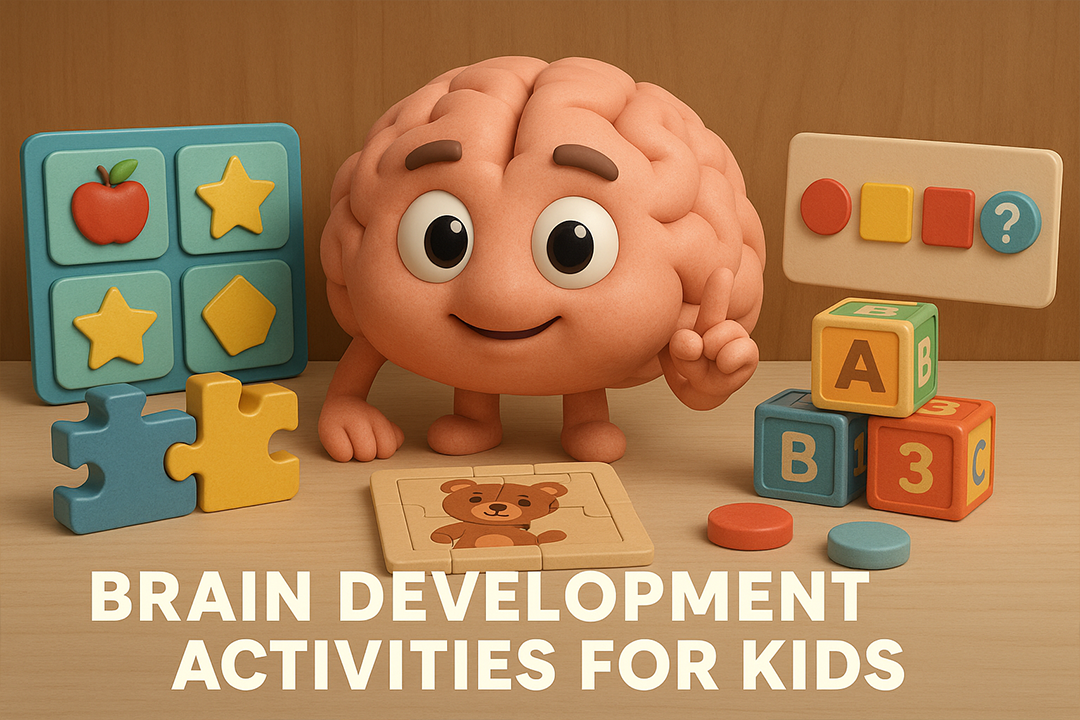
Toddlers learn at an incredible speed. Their brains grow rapidly, absorbing new experiences, words, sounds, and visuals every single day. In 2026, parents are focusing more on brain-boosting learning activities because these playful exercises help toddlers build essential skills while keeping them entertained. The right activities improve memory, attention, language, coordination, creativity, and early problem-solving abilities. This guide covers the best toddler learning activities every parent should include in their daily routine.
Why Brain-Boosting Activities Are Important for Toddlers
The early years set the foundation for your child’s entire learning journey. Toddlers between ages 1 and 4 develop faster than at any other stage of life. Their curiosity is natural, and their brains love challenges. Brain-boosting activities help toddlers strengthen: vocabulary, coordination, memory, focus, emotional skills, logical thinking, and creativity. When learning becomes fun, toddlers stay active, engaged, and confident. These activities also help reduce screen time and encourage natural exploration.
1. Color Sorting Games – Build Focus & Visual Memory
Color sorting is one of the simplest yet most powerful toddler activities. Use colorful toys, cups, or blocks and ask your toddler to match colors. For example: red toys in the red basket, blue toys in the blue basket. This activity strengthens hand-eye coordination, visual memory, and early categorization skills. You can also use colorful cartoon videos that show sorting animations to make learning brighter and more exciting.
2. Shape Matching – Early Geometry & Problem-Solving
Shape matching toys teach toddlers to recognize circles, squares, stars, and triangles. These games help build strong problem-solving skills because toddlers must rotate and adjust shapes to fit them correctly. Animated shape-matching videos are also helpful—kids love watching colorful shapes move, bounce, and fit into the correct place. Consistent shape practice helps toddlers understand patterns and improves thinking skills.
3. Sensory Play – Boost Creativity & Exploration
Sensory play is extremely important for toddlers. It allows them to touch, squeeze, smell, shake, and explore different textures. Examples include water play, sand play, play-dough, rice bins, or soft sponges. These activities activate multiple areas of the brain at the same time. Sensory play improves imagination, fine motor skills, curiosity, and emotional development. You can even create simple sensory trays at home using safe kitchen items.
4. Story Time – Improve Language & Listening
Reading stories to toddlers builds vocabulary, improves speech, and strengthens listening skills. Choose books with bright illustrations, animals, and simple words. When parents read with expressions, gestures, and excitement, toddlers connect with the story and understand language faster. Story-based learning videos are also very effective—cartoon stories with gentle narration help toddlers learn words naturally while enjoying fun characters.
5. Music & Rhythm Activities – Speech & Brain Development
Toddlers love music, and music helps their brain grow. Singing nursery rhymes, clapping to rhythms, and playing simple instruments encourage speech development, memory, and coordination. Rhythmic activities also help toddlers understand patterns, beats, and repetition. You can use soft drums, xylophones, rattles, or even kitchen utensils to make fun sounds. Music time is one of the most joyful learning activities you can add to your routine.
6. Stacking & Building Games – Strengthen Logic & Motor Skills
Stacking blocks, cups, or wooden toys helps toddlers develop balance, precision, and logical thinking. These activities teach patience and planning. Toddlers learn how to place one block on another, keep the structure balanced, and build towers or shapes. These games are excellent for boosting focus and hand control. Watching cartoon characters build towers or solve puzzles is also a great way to inspire toddlers to try it themselves.
7. Outdoor Discovery – Natural Learning at Its Best
Outdoor play is a powerful brain-boosting activity. Nature stimulates curiosity in ways no screen ever can. Toddlers love touching leaves, collecting rocks, looking at birds, feeling the wind, and running on grass. These simple outdoor experiences improve sensory awareness, physical strength, emotional calmness, and observation skills. Even a short daily walk boosts brain development and reduces stress.
8. Matching Pictures & Animals – Memory Enhancement
Memory games are extremely effective for toddlers. Simple matching cards with fruits, animals, shapes, or vehicles help toddlers strengthen recognition and recall. You can start with two cards and gradually increase the difficulty. Many toddler matching videos show animals appearing and disappearing, which helps develop focus and memory retention. Kids enjoy guessing what comes next, making learning fun.
9. Simple Art Activities – Unlock Creativity
Art activities like coloring, finger painting, doodling, or sticker play are perfect for stimulating creativity. Toddlers learn to control their hands while expressing their imagination. Art helps build fine motor skills, visual coordination, and emotional confidence. Even simple crayons and paper provide endless opportunities for learning.
How Parents Can Make These Activities More Effective
Parents should keep activities short and enjoyable. Toddlers learn in small bursts, so 10–15 minutes per activity is enough. Always encourage your child with positive words like “Good job!” or “You did it!”. Rotate activities daily to avoid boredom. Most importantly, join your toddler during play—learning becomes more meaningful when parents participate.
Final Thoughts
Brain-boosting learning activities are one of the best ways to support toddler development in 2026. They help children grow smarter, more confident, and more creative. Whether it’s matching, stacking, outdoor play, or music time, every activity teaches valuable skills. With just a little daily practice, toddlers gain strong foundations that help them throughout early childhood and beyond.