

Fun Math Games for Kids – Early Learning Made Super Easy
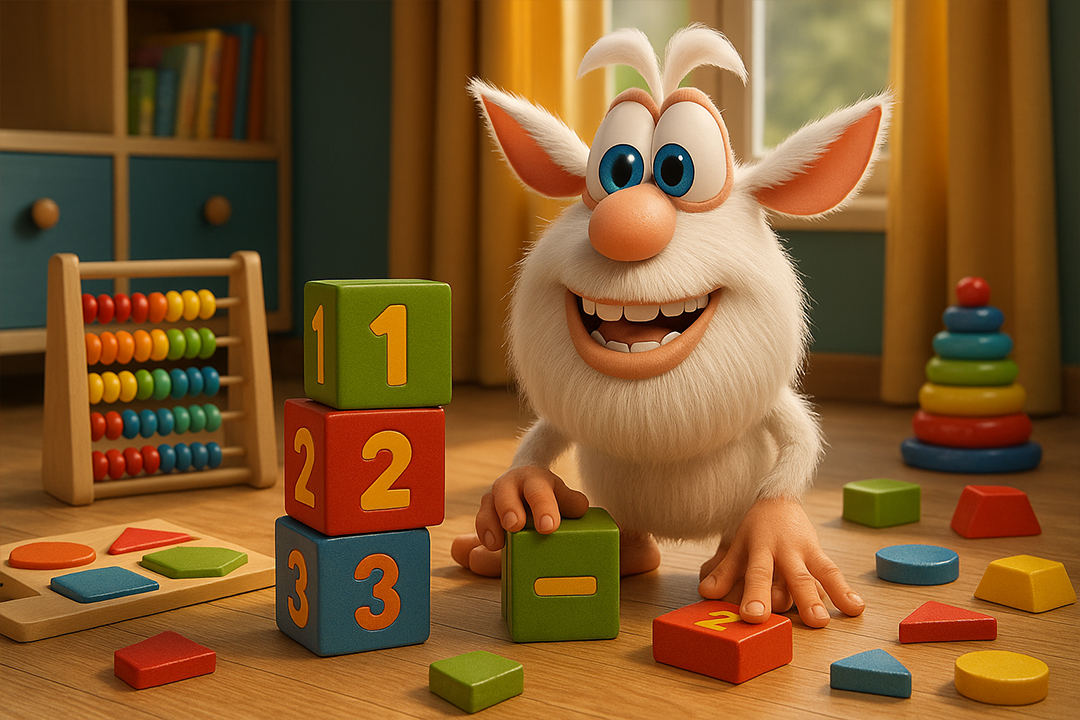
Math is one of the most important skills a child can learn, and the earlier they begin, the smarter and more confident they become. In 2026, parents are turning to fun math games because they make learning numbers exciting, playful, and stress-free. Kids learn best when they’re having fun, and math games turn numbers into something enjoyable instead of something scary. Whether it’s counting, shapes, addition, or problem-solving, math games help children build strong foundations that last for life. Here’s your complete guide to the best math games for kids and how they can transform your child’s early learning experience.
Why Math Games Work So Well
Children absorb information much faster when it is visual, interactive, and connected to play. Math games mix learning with entertainment, making numbers easier to understand. When kids use toys, puzzles, and colorful objects, they build a natural love for math. These activities strengthen memory, improve confidence, and enhance logical thinking. Another major benefit is that math games reduce pressure — children don’t even realize they’re learning, yet they make huge progress just by playing.
1. Counting Games – The First Step to Math Confidence
Counting games help toddlers understand the basic concept of numbers. Using toys like blocks, cars, or colorful animals makes counting engaging and easy. A child who learns numbers using physical objects remembers them far better than only listening or reading. Parents can make counting a daily fun activity by counting toys, stairs, fruits, or anything in the house. Videos that include counting songs also keep kids entertained while teaching numbers from 1 to 10 or even up to 20.
2. Shape Recognition Games – Build Strong Early Skills
Shape games are incredibly beneficial for young children. They introduce kids to squares, circles, triangles, and rectangles while boosting their visual memory and observation skills. Many animated videos and interactive apps show shapes in bright colors, helping kids identify them quickly. Matching games, puzzles, and shape-sorting toys also improve hand-eye coordination. These small games lay the foundation for geometry, art, and even early science skills.
3. Addition & Subtraction Games – Learn Through Play
Early addition and subtraction can feel difficult for children, but when they learn through playful games, it becomes fun and natural. Parents can use beads, candies, or toys to show simple addition like “2 toys + 1 toy = 3 toys.” Animated videos showing small stories with characters adding or subtracting items help kids understand the concept visually. Subtraction games using puzzles or story scenes also build strong problem-solving skills. With consistent play, children start mastering basic math even before school.
4. Matching & Sorting Games – Improve Logic and Focus
Matching and sorting games are excellent for building analytical thinking. Kids sort items based on shape, color, size, or number. These fun activities help children learn patterns, organization, and early sequencing. This type of game is also great for improving attention span, as kids stay focused while trying to match or sort different objects. Sorting toys, blocks, and online matching games are perfect for ages 2–6.
5. Puzzle Games – Boost Brain Power
Puzzles are one of the most powerful brain-boosting math tools. They help kids learn problem solving, shape identification, and logical thinking. Math puzzles, number puzzles, and even simple jigsaw puzzles help children practice patience and strategic thinking. A child who solves puzzles regularly develops better memory, planning skills, and confidence. Colorful animated puzzle videos can also help kids learn numbers while enjoying fun challenges.
6. Measuring Games – Understand Size and Comparison
Measuring games teach kids the difference between big and small, tall and short, long and short. These simple concepts form the basics of later mathematics. Kids can play with toys of different sizes, compare objects in the house, and watch animated videos that show measurement examples. These activities help children build observation skills and understand real-world math naturally.
7. Digital Math Games – Smart Learning in 2026
With modern technology, digital math games are more interactive than ever. Kids can play counting games, shape games, addition puzzles, and timed challenges on tablets and smart TVs. Many of these apps reward children with stars, stickers, and animations, boosting motivation. Digital games also track progress, helping parents understand how quickly their child is learning.
Benefits of Math Games for Kids
Math games offer countless benefits, such as stronger memory, better number recognition, improved logic, increased confidence, strong hand-eye coordination, and better school performance. Kids who start math early are usually faster learners and more confident students later. The best part is that math games are stress-free — kids learn naturally through play.
How Parents Can Support Math Learning at Home
Parents can make math learning fun by mixing games with real-life examples. Using everyday items like spoons, toys, fruits, or blocks helps children understand numbers better. Asking simple questions like “How many apples are here?” or “Which toy is bigger?” helps reinforce learning. Watching math videos together also builds excitement — children learn faster when parents participate.
Final Thoughts
Math games are one of the easiest and most powerful ways to help children learn early math skills. When learning becomes fun, kids stay motivated, curious, and confident. Whether you use toys, puzzles, videos, or digital apps, math games provide endless opportunities for growth. With just a few minutes of daily play, your child can develop strong math foundations that last a lifetime.